
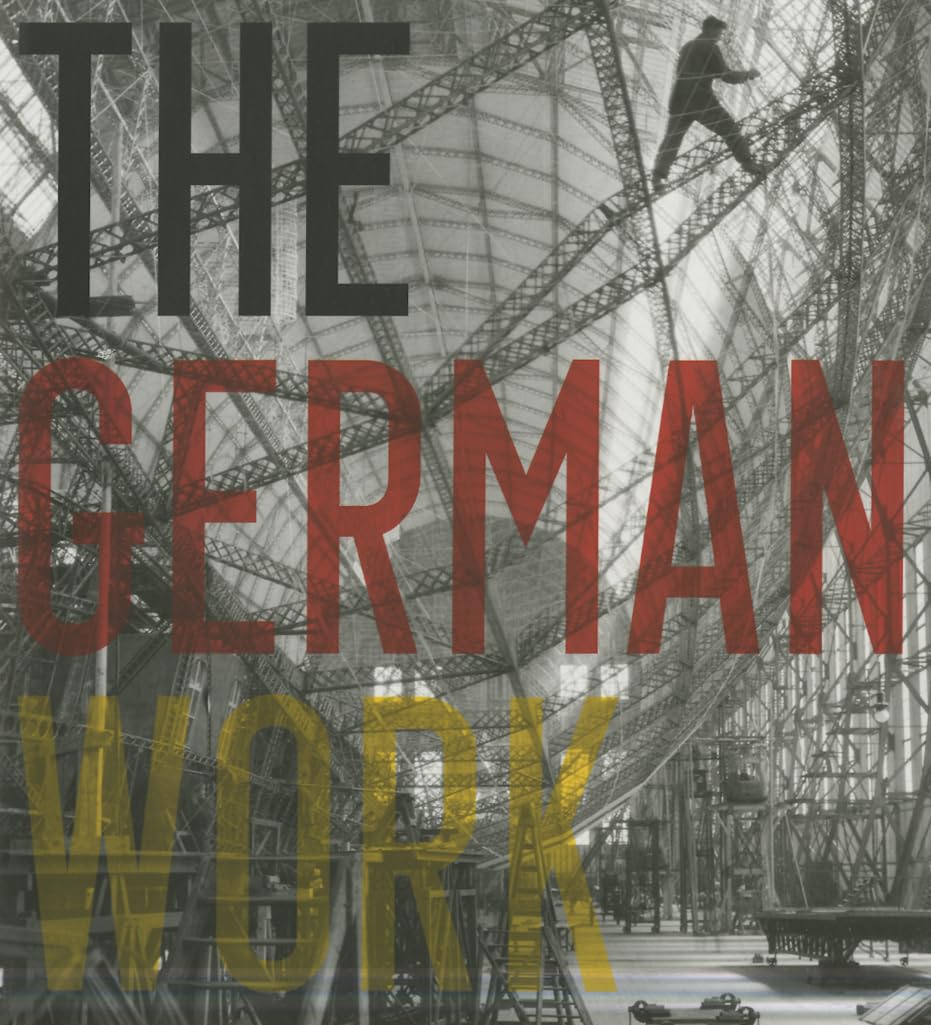
Hardcover with DJ printed on recto/verso
ISBN:
9783869309378


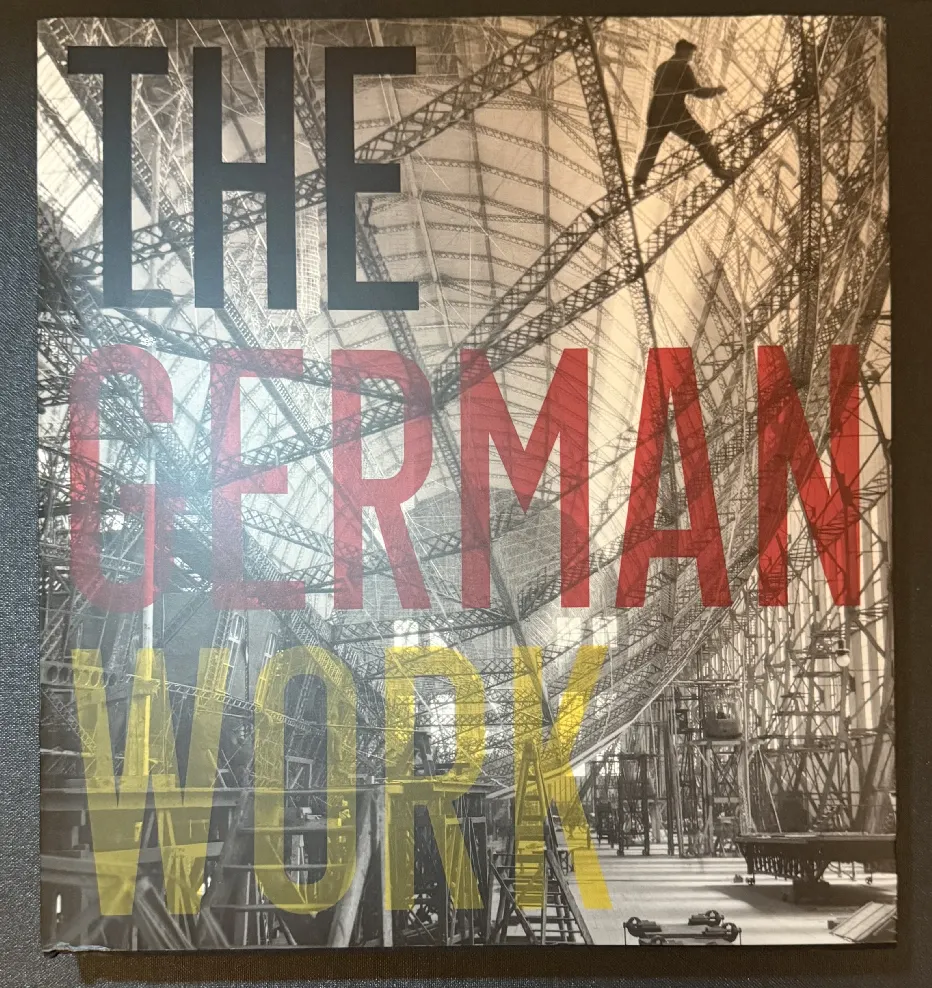
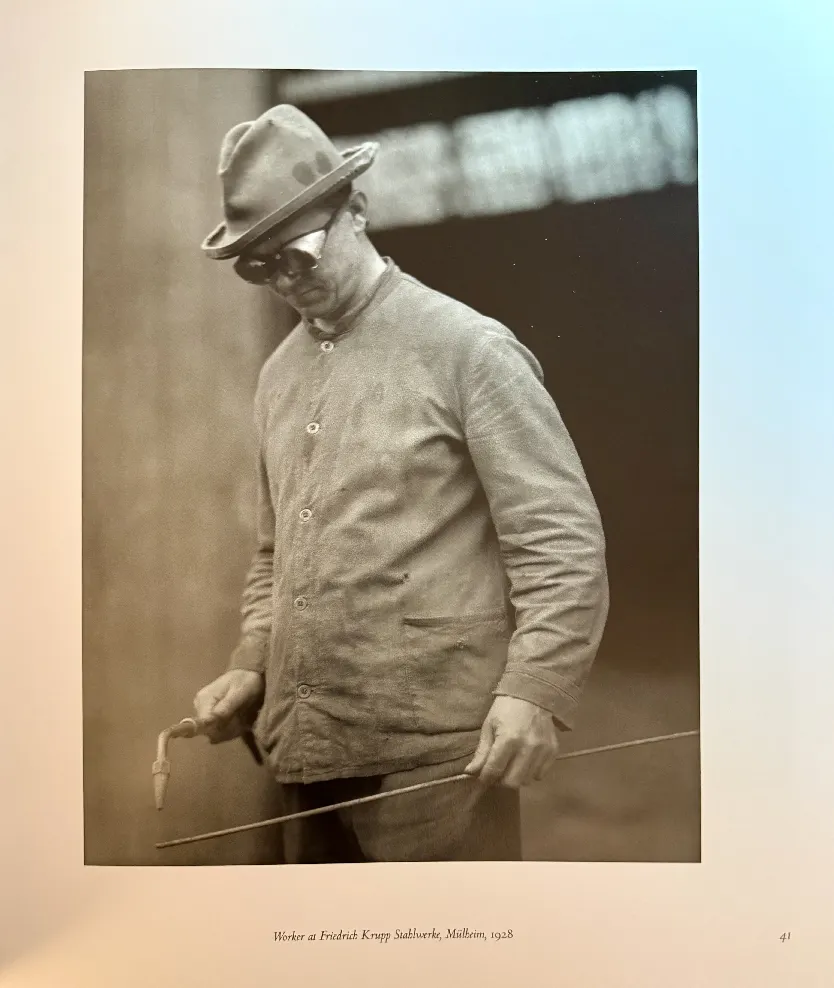
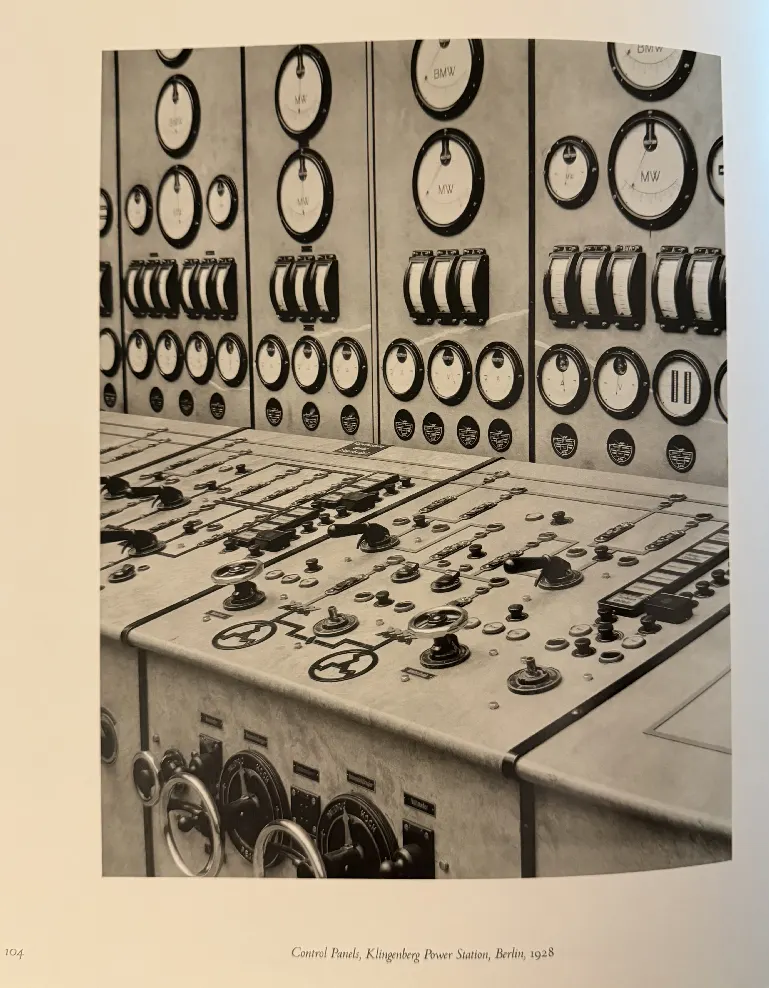
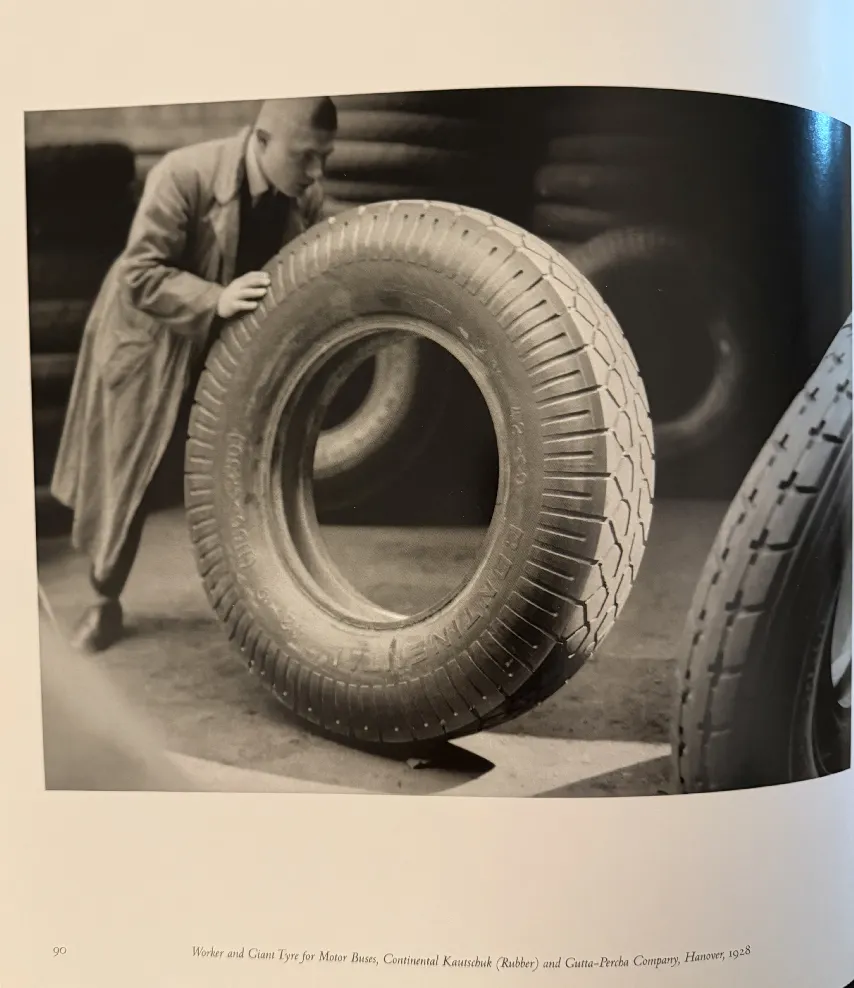
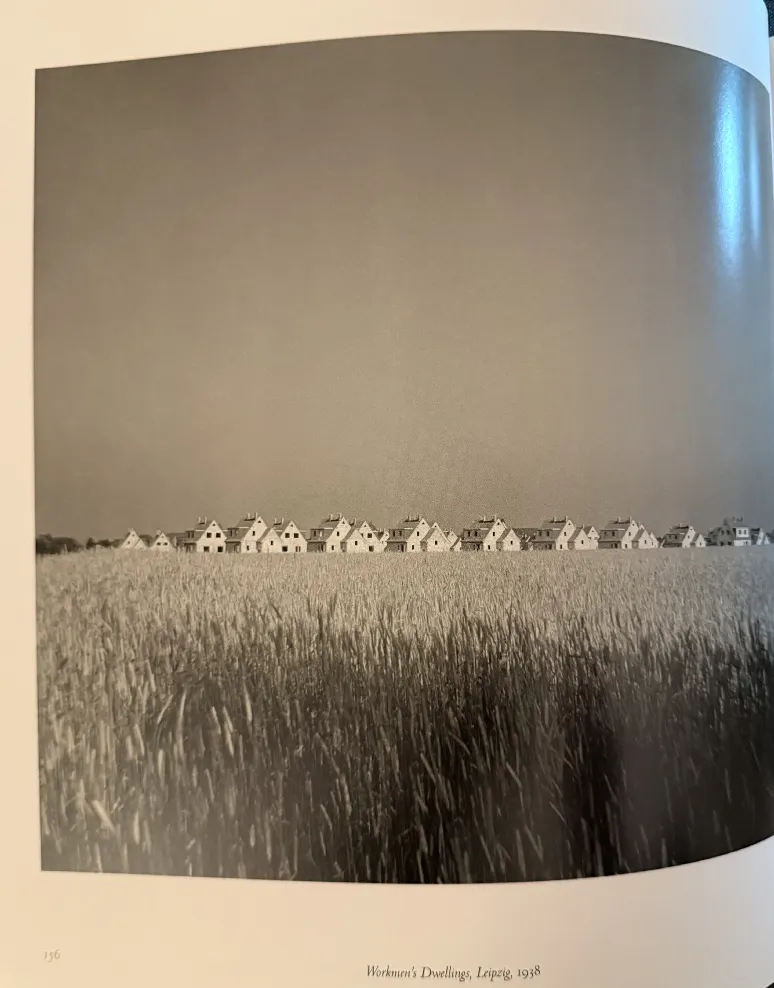
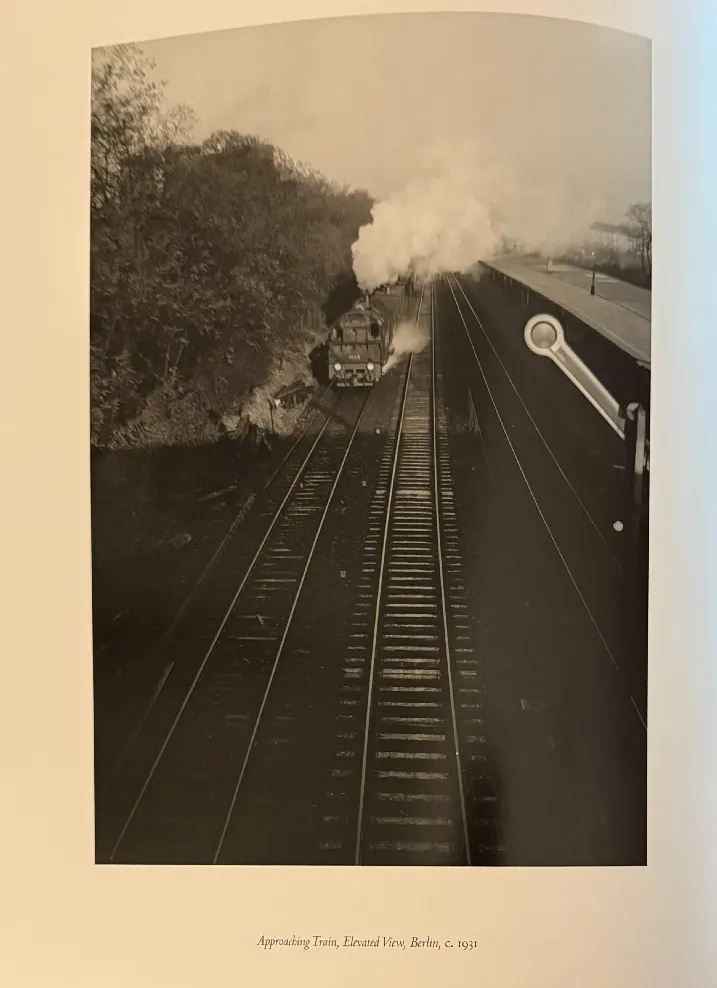
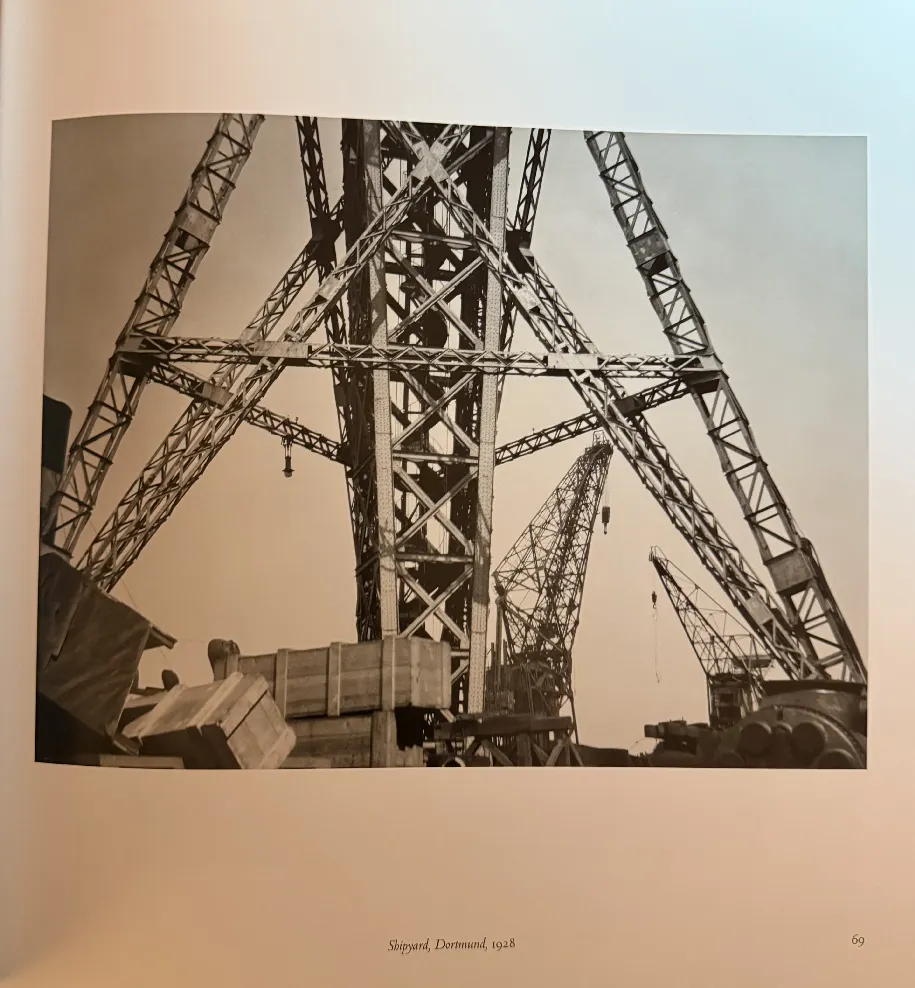
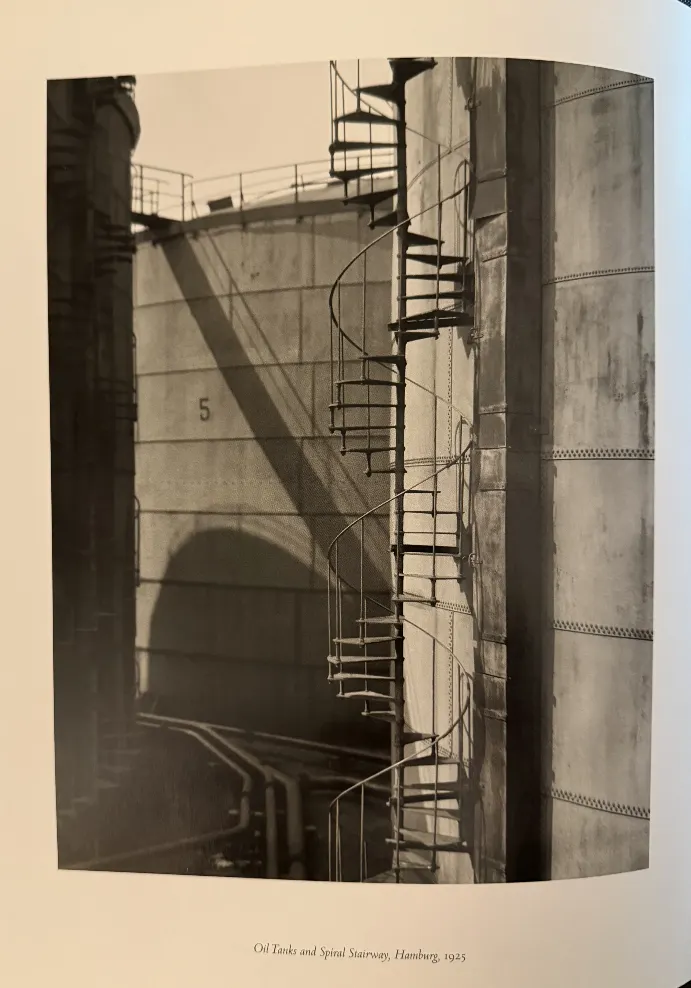
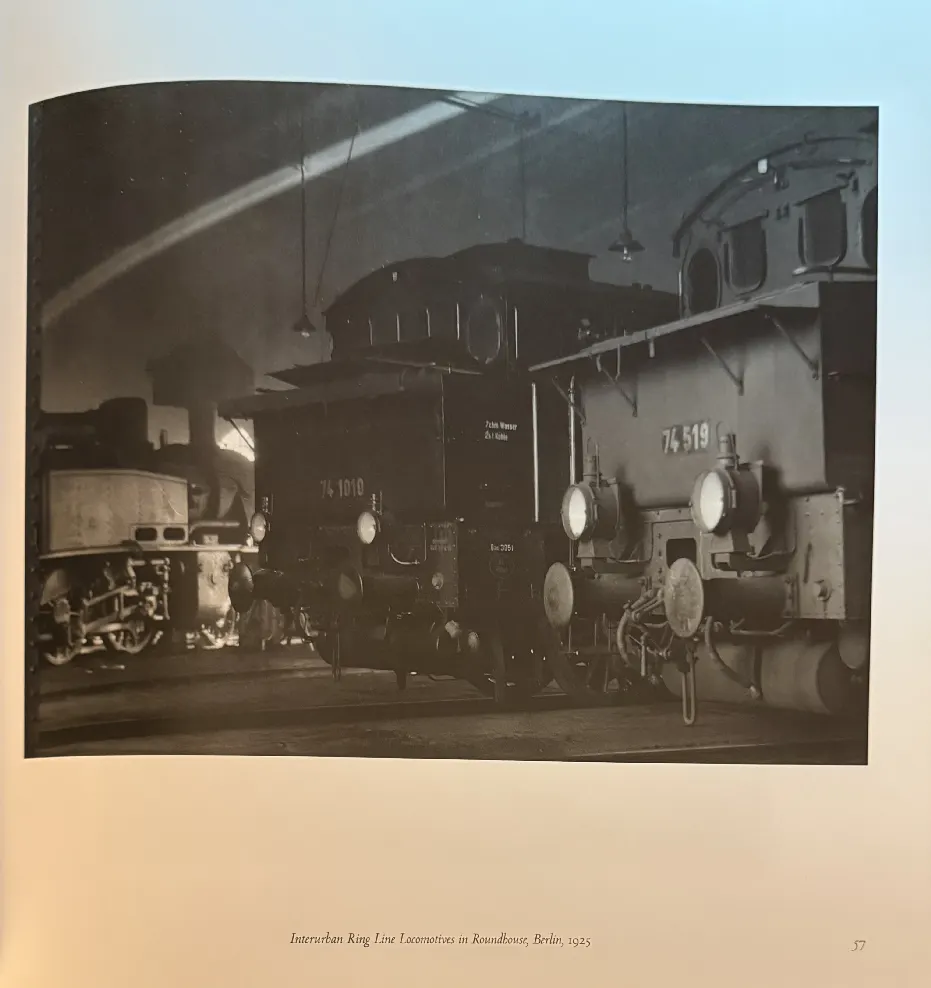
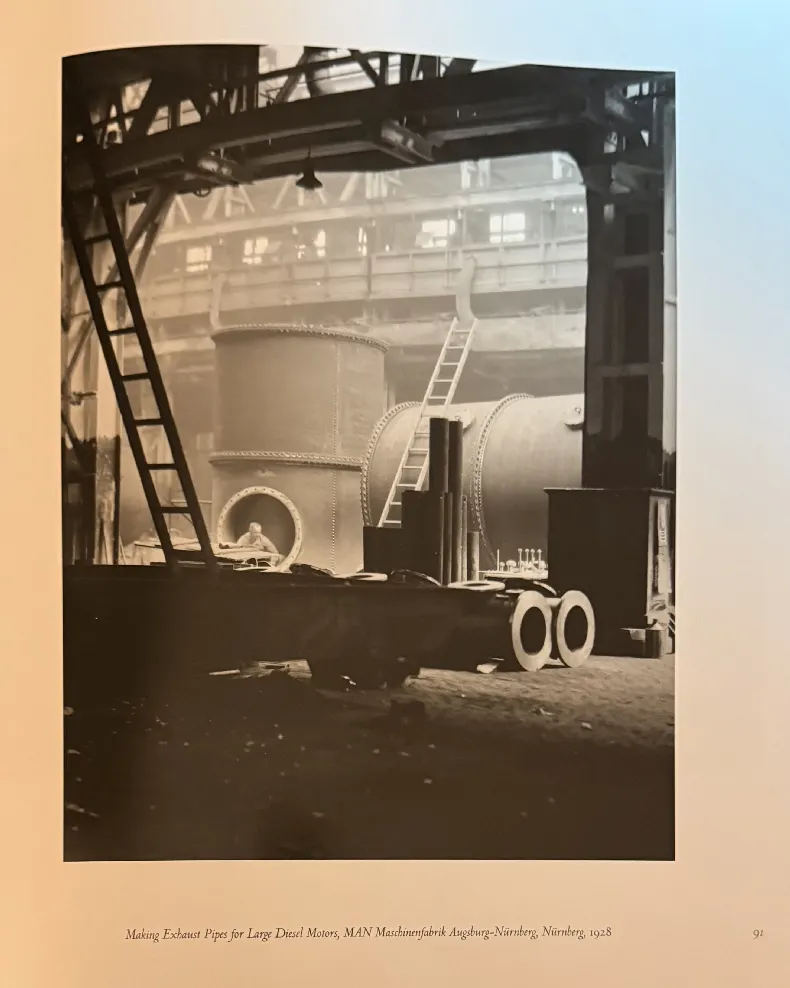
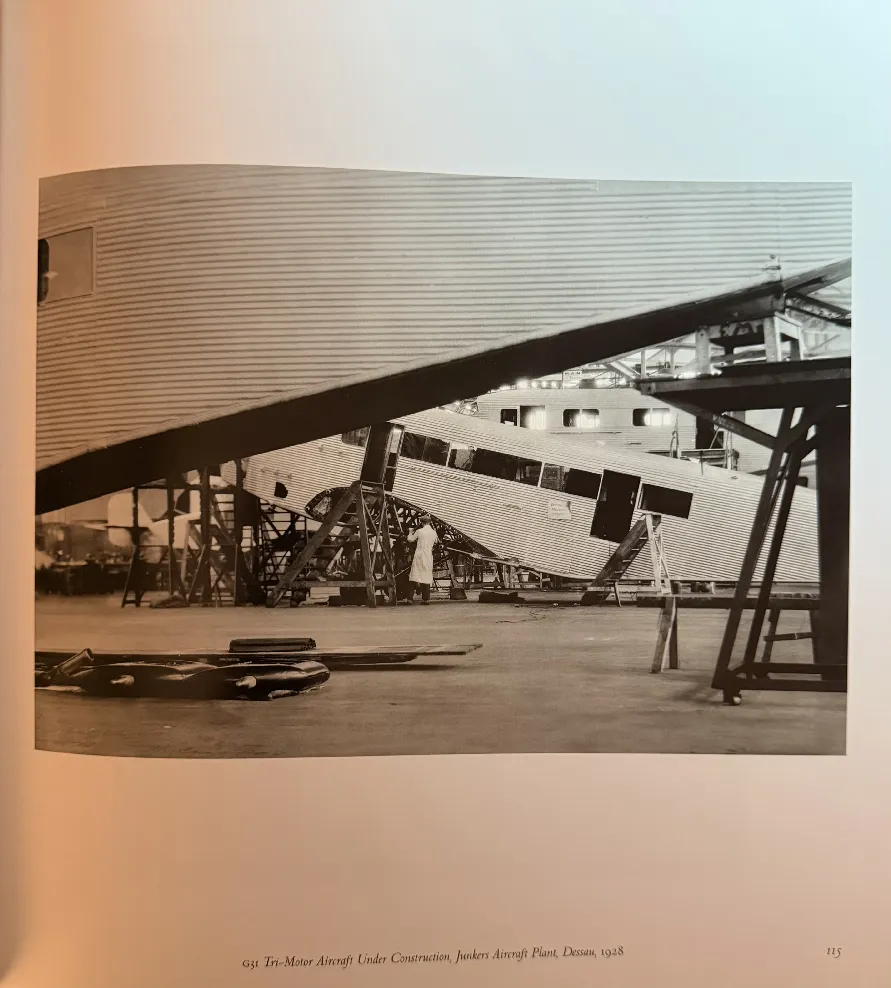
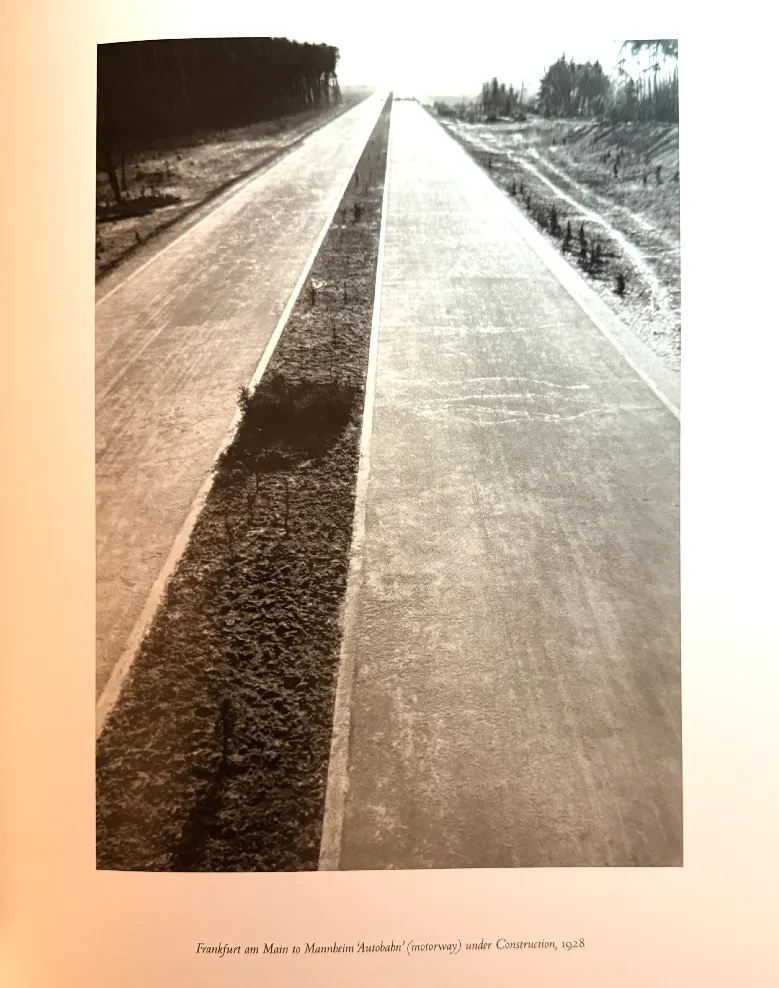
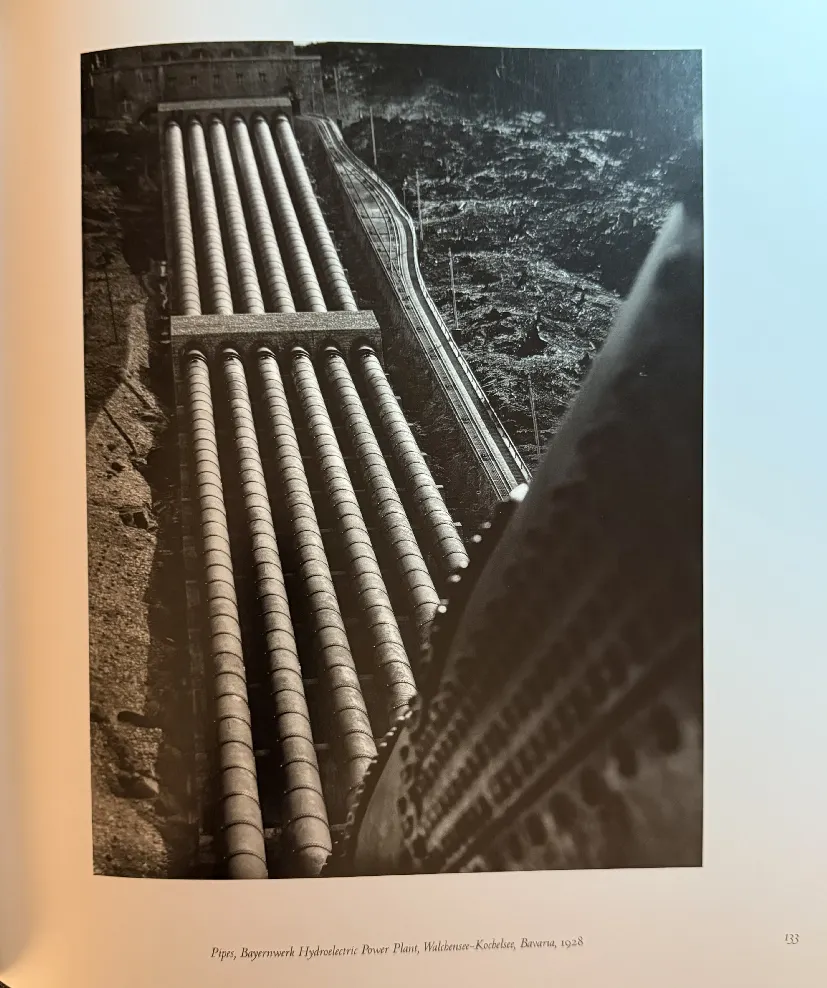
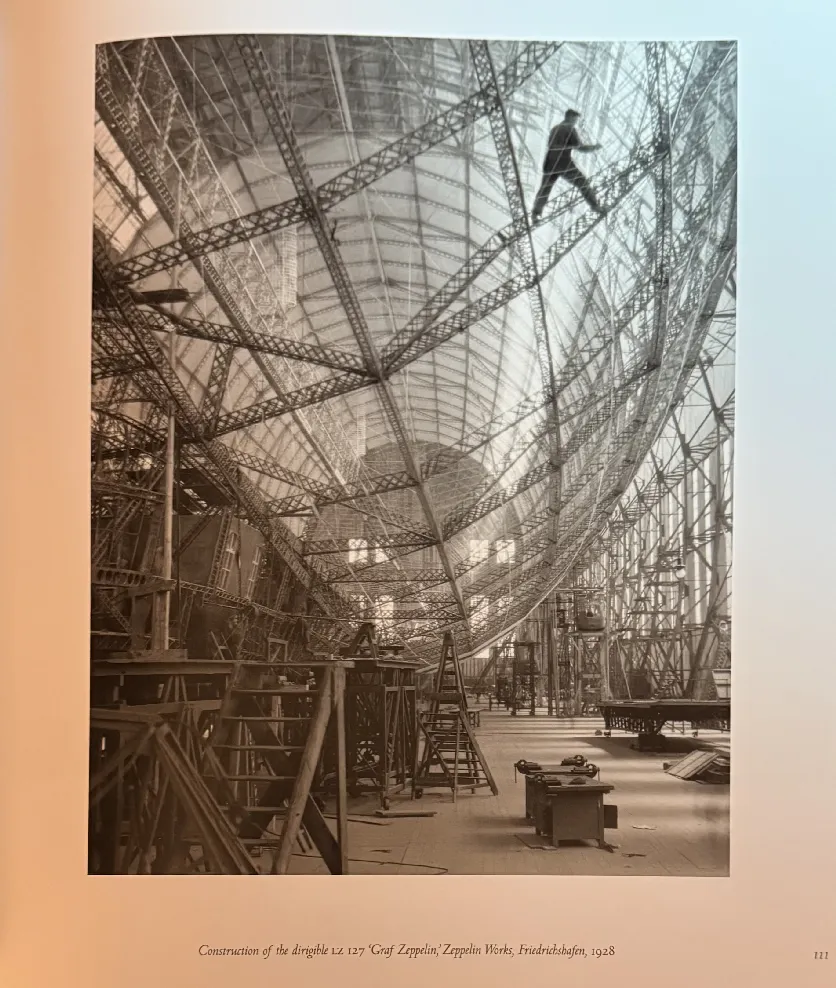
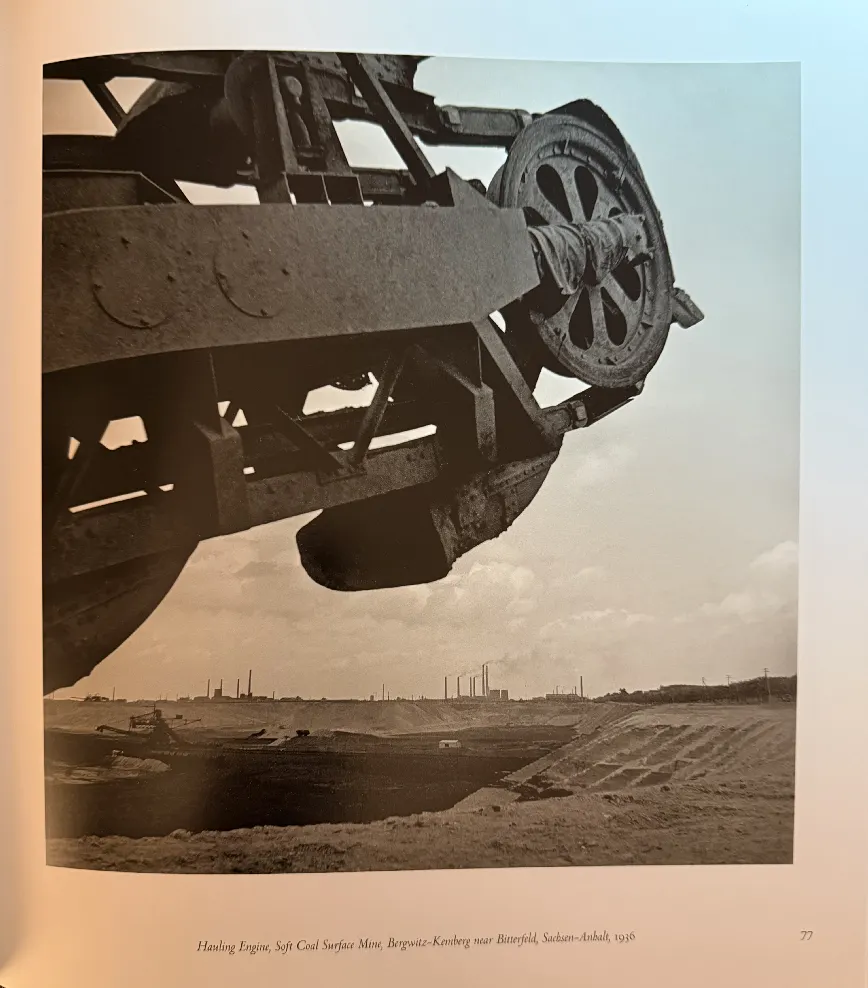
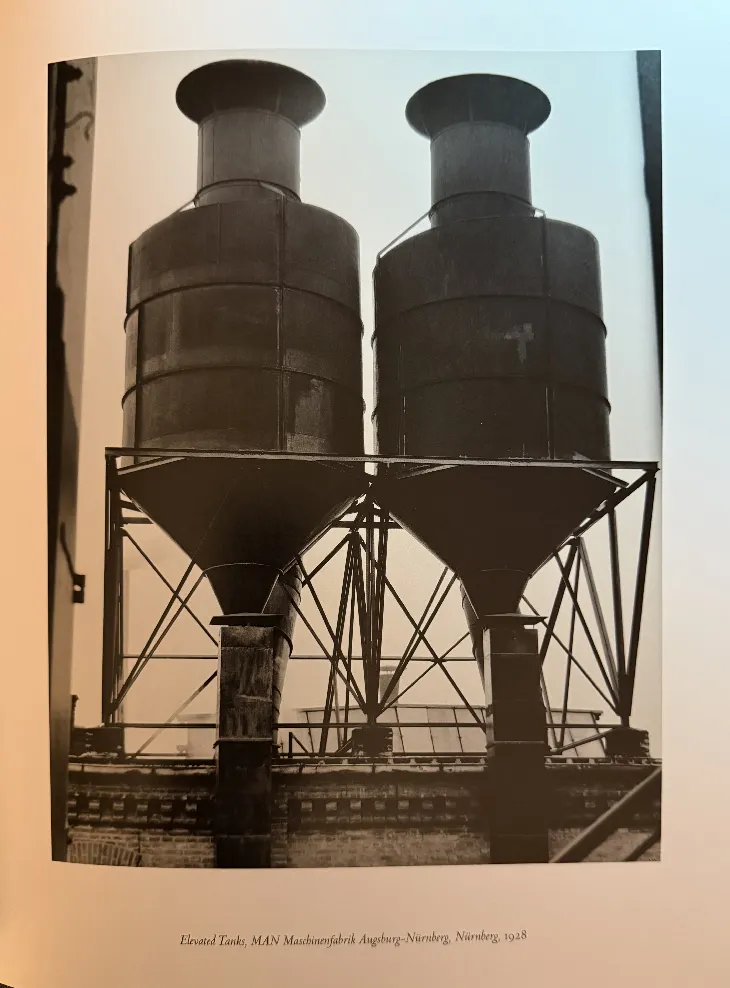
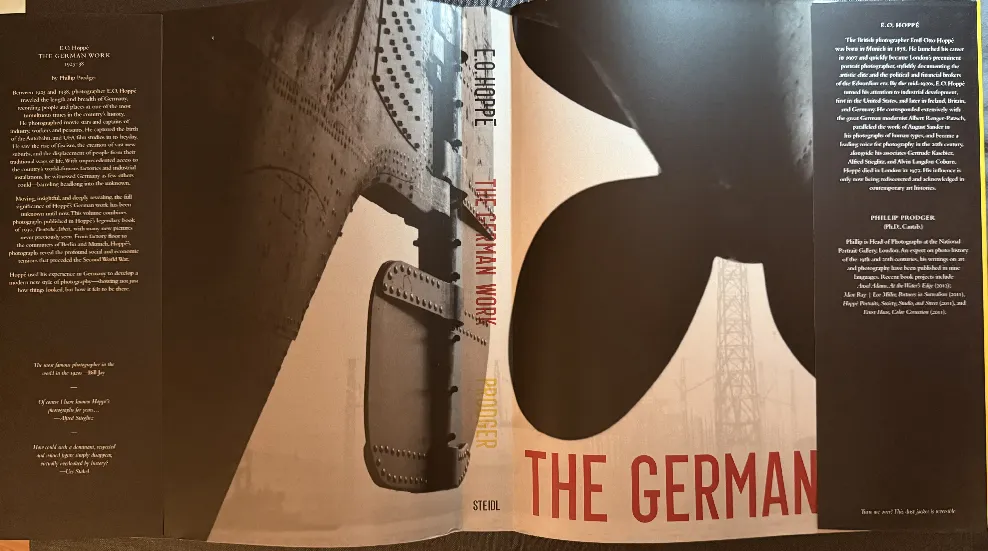
Between 1925 and 1938, German-born, London-based photographer E.O. Hoppé (1878-1972) traveled the length and breadth of Germany, recording its people and places at one of the most tumultuous times in the country's history.
Hoppé photographed movie stars and captains of industry, workers and peasants, and captured the birth of the Autobahn and UFA film studios in their heyday. He saw the rise of fascism, the creation of vast new suburbs and the displacement of people from their traditional ways of life. With unprecedented access to the country's world-famous factories and industrial installations, he witnessed Germany as few others could-barreling headlong into the unknown.Moving, insightful and deeply revealing, the full significance of Hoppé's German work has been unknown until now.
This book combines photographs published in Hoppé's legendary 1930 photobook, Deutsche Arbeit, with many previously unpublished pictures. This publication uncovers Hoppé as a pioneer, experimenting with typology, seriality and sequence, and a pivotal figure in the history of 20th-century photography. Hoppé used his experience in Germany to develop a modern style of photography, showing not just how things looked, but how it felt to be there.

Between 1925 and 1938, German-born, London-based photographer E.O. Hoppé (1878-1972) traveled the length and breadth of Germany, recording its people and places at one of the most tumultuous times in the country's history.
Hoppé photographed movie stars and captains of industry, workers and peasants, and captured the birth of the Autobahn and UFA film studios in their heyday. He saw the rise of fascism, the creation of vast new suburbs and the displacement of people from their traditional ways of life. With unprecedented access to the country's world-famous factories and industrial installations, he witnessed Germany as few others could-barreling headlong into the unknown.Moving, insightful and deeply revealing, the full significance of Hoppé's German work has been unknown until now.
This book combines photographs published in Hoppé's legendary 1930 photobook, Deutsche Arbeit, with many previously unpublished pictures. This publication uncovers Hoppé as a pioneer, experimenting with typology, seriality and sequence, and a pivotal figure in the history of 20th-century photography. Hoppé used his experience in Germany to develop a modern style of photography, showing not just how things looked, but how it felt to be there.