

Copyright ©
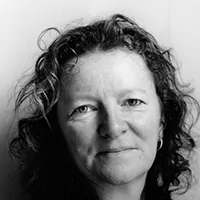
Rachel Whiteread
or applicable right holders.


Which art books, prints and posters are available by and about this artist? Here is a sample of items of interest to a typical collector:

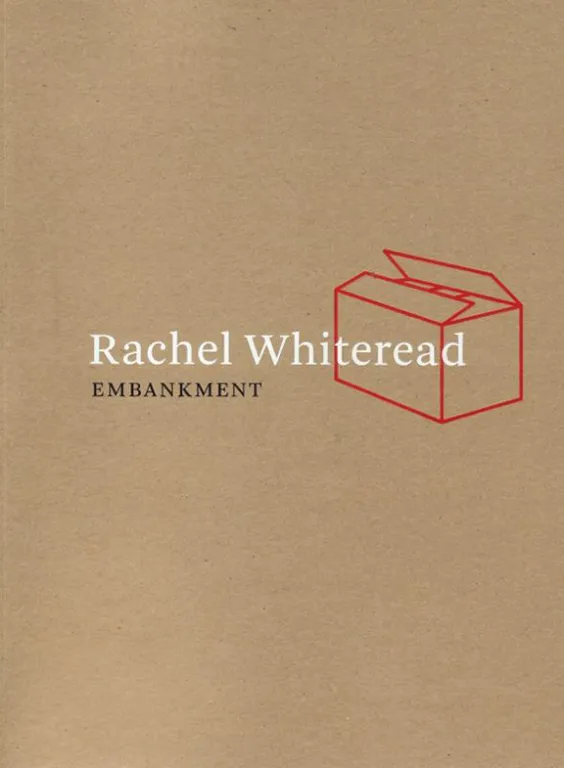


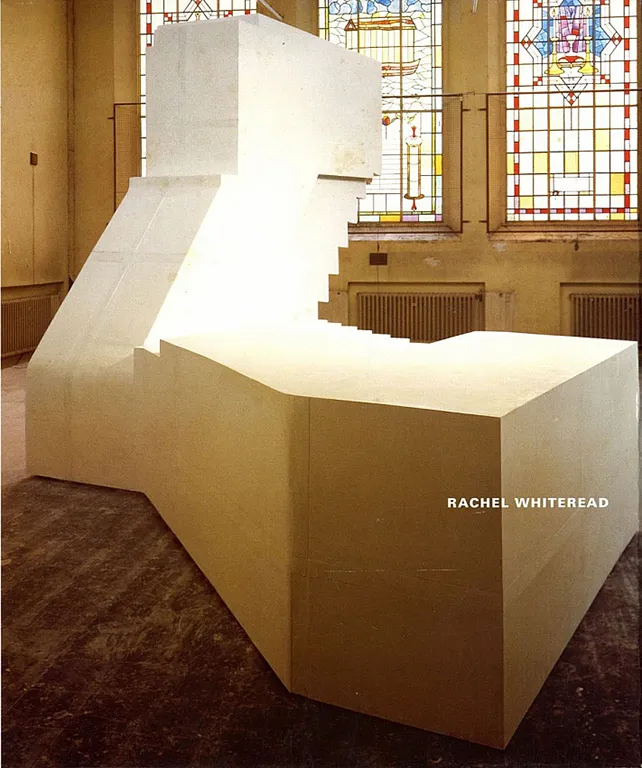

Rachel Whiteread, British, b. 1963
Whiteread is a pioneering British sculptor renowned for her profound investigation into memory, domestic architecture, and the materialization of absence. Rising to prominence in the late 1980s and becoming the first woman to win the Turner Prize in 1993 for House, a concrete cast of the interior of a condemned Victorian terraced home, Whiteread’s practice is defined by solidifying the negative space of everyday objects and lived environments. By casting the empty voids beneath chairs, inside wardrobes, or within entire rooms, she transforms the invisible volumes of human history into undeniable, stoic physical monuments.
Aesthetically, her work bridges the austere, industrial geometry of Minimalism with a deeply melancholic psychological resonance. Working with dense materials like plaster, concrete, and rubber, alongside luminous, candy-colored translucent resins, Whiteread creates heavy, impermeable structures that bear the fragile, indexical marks of their original molds, wood grain, soot, and architectural indentations. This material vocabulary creates an intense spatial tension: empty air is materialized into sheer mass, effectively locking the viewer out of familiar domestic spaces and forcing a confrontation with the heavy, inaccessible nature of the past.
Whiteread and Do Ho Suh
While both Whiteread and contemporary artist Do Ho Suh anchor their practices in the psychological resonance of domestic architecture, their formal methodologies operate in profound opposition. Whiteread materializes negative space, casting heavy, opaque volumes that physically lock the viewer out of the original environment to confront the undeniable weight of the past. In stark contrast, Suh meticulously replicates architectural boundaries using translucent polyester fabric, creating ethereal, permeable structures that emphasize the portability and transient nature of memory. If Whiteread casts the impenetrable monument of a lost space, Suh constructs its fragile, habitable ghost, making their divergent material philosophies essential to the contemporary discourse on spatial memory.


→
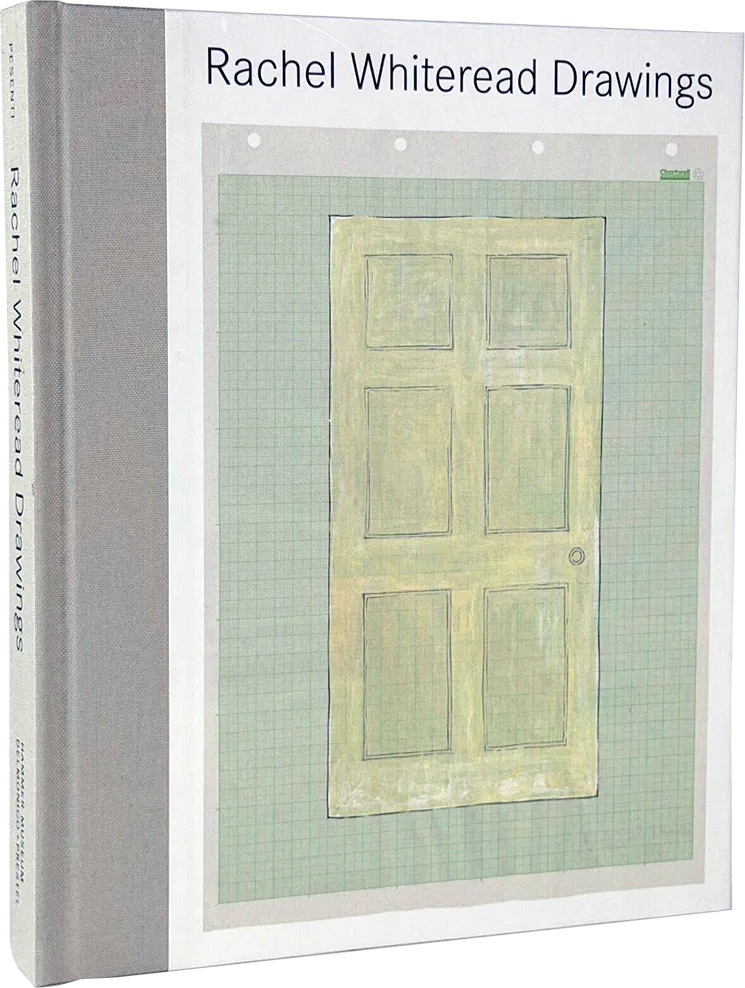
Rachel Whiteread’s Drawings provides a crucial, intimate counterpoint to the monumental sculptural casts of negative space that have largely defined her career. Published in conjunction with her first major museum retrospective dedicated exclusively to works on paper, this volume reveals the underlying conceptual architecture of her practice. Rather than serving as mere preparatory sketches or blueprints, Whiteread’s drawings function as independent meditations on memory, domesticity, and absence. They document her process of thinking through volume and void, translating the heavy, physical mass of displaced architectural space into a delicate, two-dimensional vernacular.
Aesthetically, the work relies on a highly specific material vocabulary that echoes the industrial textures of her physical sculptures. Whiteread frequently employs correction fluid (Tipp-Ex), opaque white acrylic, resin-like varnish, and watercolor on graph paper to build dense, layered surfaces. These materials create a palpable spatial tension on the page, where the rigid, mechanical grid of the graph paper imposes a strict geometric order against the fluid, ghostly pooling of white pigment. The resulting compositions isolate floor plans, door frames, and floorboards into stark formalist abstractions, successfully capturing the luminous, translucent qualities of her cast resin and plaster works within a flattened visual field.