
Richard Avedon

Richard Avedon
To artist biography

Richard Avedon

Which art books, prints and posters are available by and about this artist? Here is a sample of items of interest to a typical collector:

Book images
1959
with:
Edition:
1st
Edition size:
Out of Print
Other edition(s):
Hardcover with a glassine jacket in slipcase
ISBN:
Condition: Very good in good slipcase

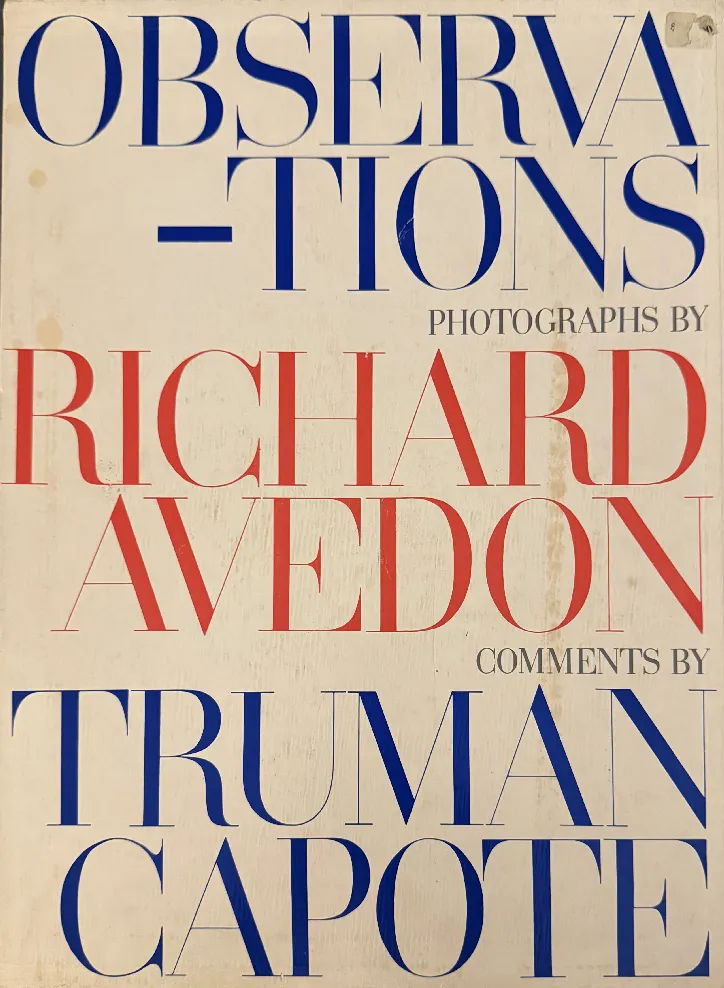
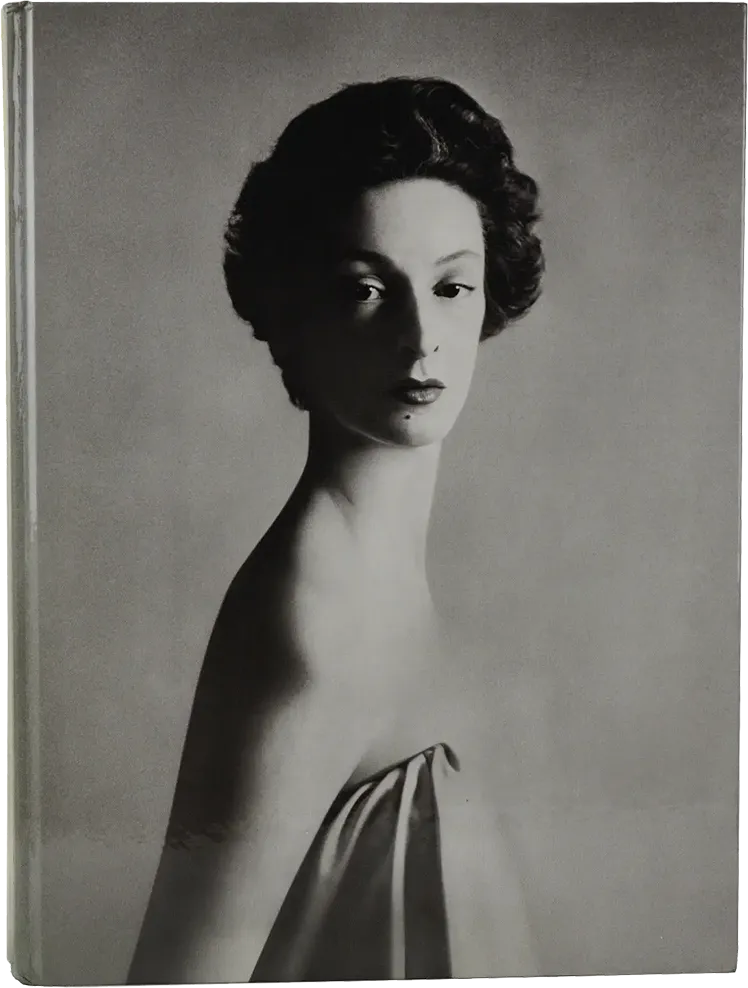
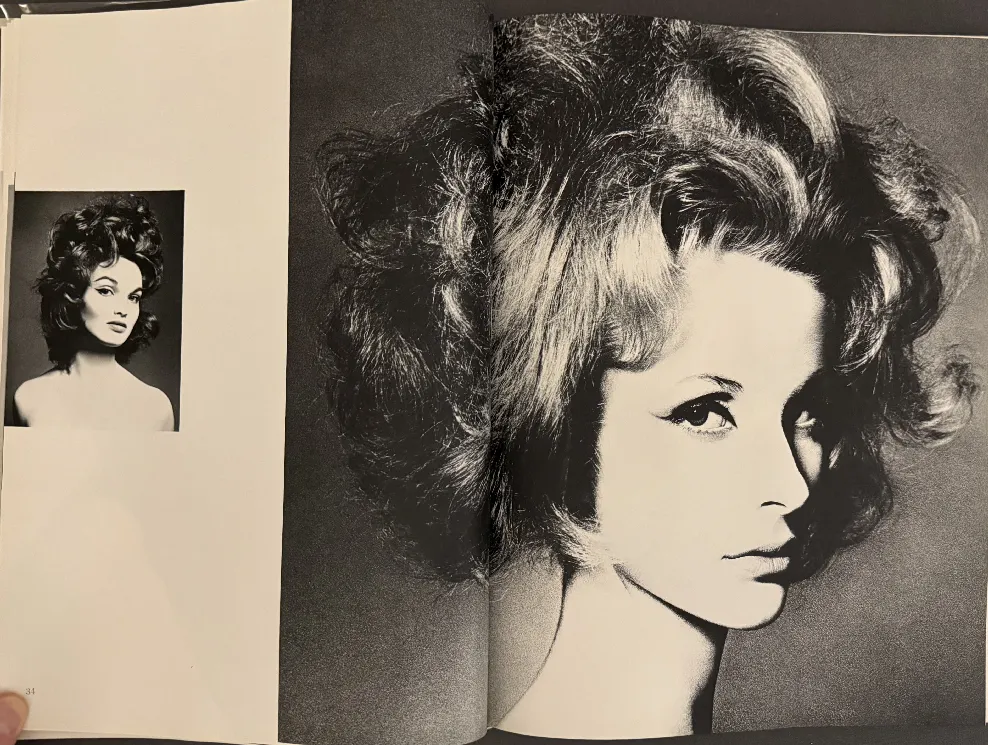
Observations, published in 1959 by Simon and Schuster, is a landmark collaborative masterpiece that stands as one of the most significant and collectible photobooks of the twentieth century. This first edition volume combines Richard Avedon's stark, boundary-pushing portraiture with sharp, essayistic commentary by Truman Capote. Designed by the legendary art director Alexey Brodovitch, the book is a masterclass in mid-century graphic arts, beautifully demonstrating dynamic layout pacing, bold white space, and striking typography that perfectly complements Avedon's high-contrast portraits against his signature clean white backgrounds.

Truman Capote’s text functions as much more than standard commentary; it is a sharp, literary dissection of mid-century celebrity, art, and human nature that perfectly pairs with Avedon’s stark visual style.

Rather than writing traditional, detached biographical profiles, Capote approaches the subjects with his signature blend of devastating wit, intimate familiarity, and poetic observation. His contribution consists of a series of loosely connected essays and character sketches that read like a mixture of high-society gossip and profound psychological profiling. He separates the book into thematic sections (such as "The Lovelies," focusing on the era's celebrated beauties), providing a literary counterpoint to Avedon's lens.

Capote's tone alternates between deeply affectionate and ruthlessly candid. When describing cultural titans like Somerset Maugham, Isak Dinesen, or Ezra Pound, he uses language that mirrors Avedon’s high-contrast lighting, stripping away superficial PR facades to expose the eccentricities, genius, and underlying vulnerability of the people who shaped the era. It is this unique duality of Avedon’s uncompromising eye and Capote’s brilliant, sometimes biting prose that elevates Observations from a mere portfolio of photographs into a definitive cultural artifact of the twentieth century.

2013

Gagosian / Rizzoli

Out of Print
Signed
Edition:
1st
Prior edition(s):
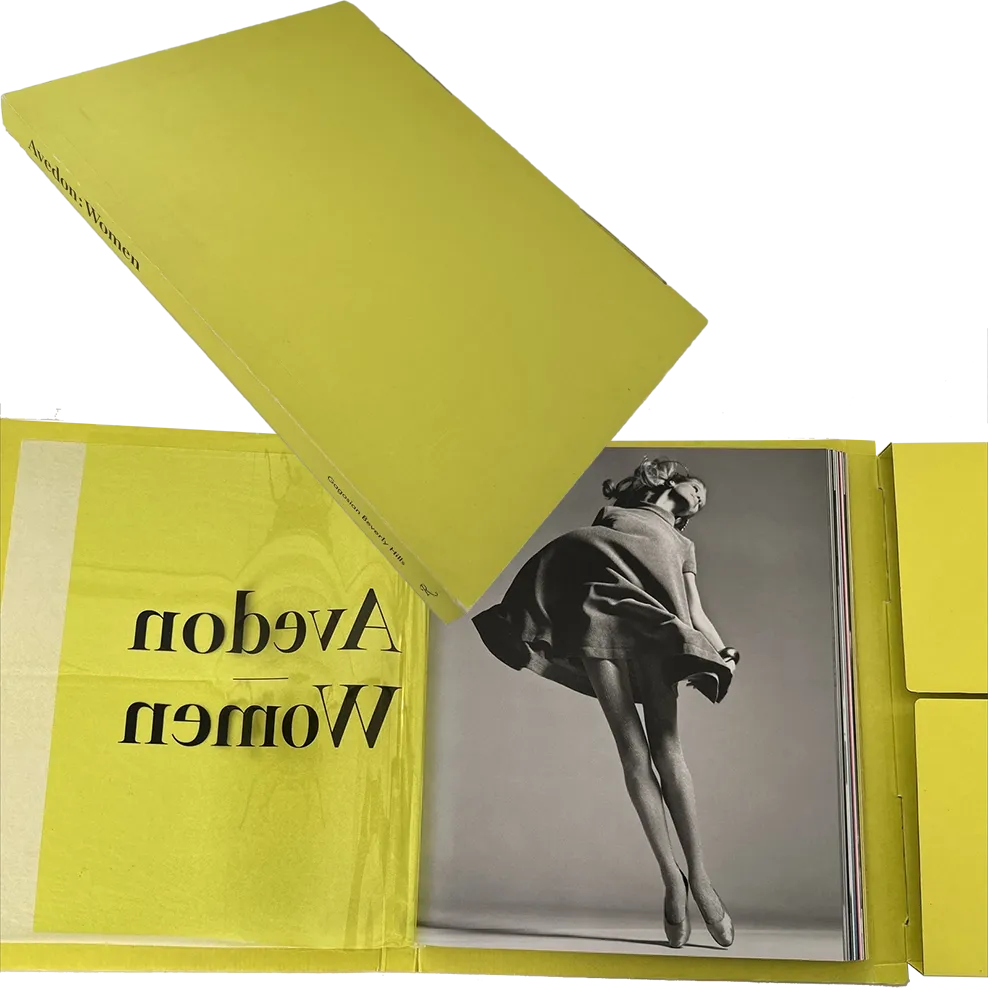
Unbound leaves in green cardboard clamshell.
Condition: Near Fine

There were three covers, this is the green Veruschka cover.

Book images
1964
with:
Edition:
First
Edition size:
Out of Print
Other edition(s):
Slipcased hardcover
ISBN:
Very good in Good slipcase.

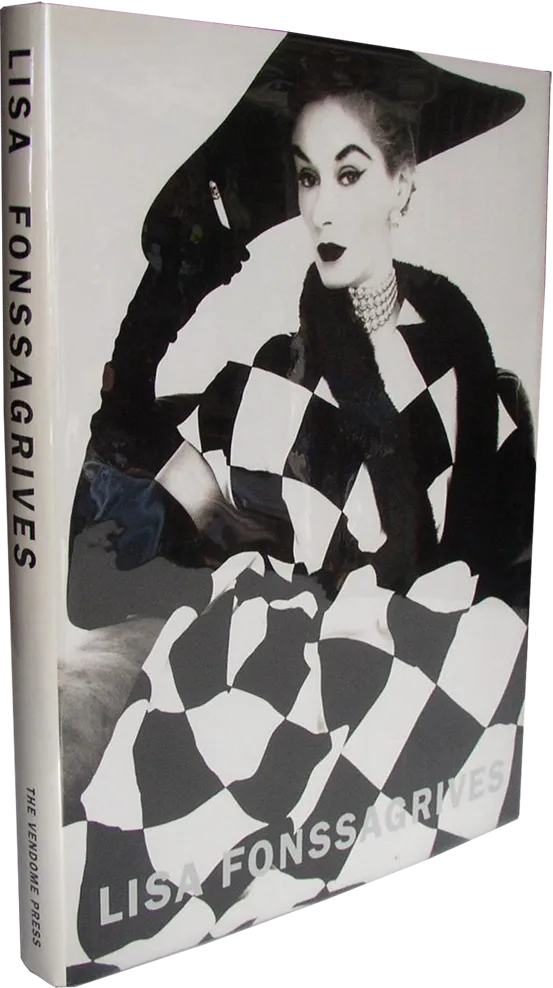
Schirmer Mosel / Vendome Press ?

1996
with:
Irving Penn, Anton Bruehl, Horst, Man Ray
Edition:
1st
Edition size:
Out of Print
Other edition(s):
Hardcover with dust jacket
ISBN:
9783888146497
Condition: Near fine
No items found.
No items found.
No items found.

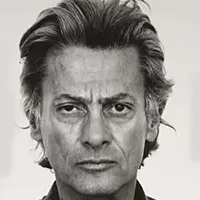
Richard Avedon, American, (1923-2004)

Avedon was a transformative American fashion and portrait photographer whose minimalist, deeply psychological approach redefined the boundaries of commercial and fine art photography. Emerging in the post-World War II era, he broke away from the rigid, static conventions of traditional fashion photography by capturing models in motion, full of life, expression, and distinct individuality.

His signature style became instantly recognizable: subjects staged against stark, seamless white backgrounds, illuminated by crisp, revealing light. This technique stripped away all environmental context, forcing the viewer to confront the raw character, vulnerability, or performance of the subject. Throughout his illustrious career, Avedon captured the definitive faces of the 20th century, spanning cultural icons, politicians, civil rights activists, and ordinary working-class Americans, most notably in his monumental series In the American West. As a staff photographer for Harper's Bazaar, Vogue, and later as the first staff photographer for The New Yorker, he bridged the commercial world and the museum gallery, establishing the photographic portrait as a profound medium for psychological truth.