

Which art books, prints and posters are available by and about this artist? Here is a sample of items of interest to a typical collector:


Saul Leiter, American (1923-2013)
Leiter is widely recognized as an early pioneer of color street photography, bringing a deeply poetic, painterly sensibility to the mid-century New York School. Arriving in New York City in 1946 with initial aspirations to become a painter, Leiter quickly integrated into the city's vibrant abstract expressionist and photographic circles. While he achieved considerable commercial success as a fashion photographer for publications such as Harper's Bazaar in the 1950s and 1960s, it was his personal, largely unseen work on the streets of Manhattan that cemented his lasting legacy. Working quietly with color slide film, he transformed the chaotic urban landscape into atmospheric, almost abstract compositions characterized by muted palettes, soft focus, and complex spatial layering through reflections, condensation, and architectural framing.
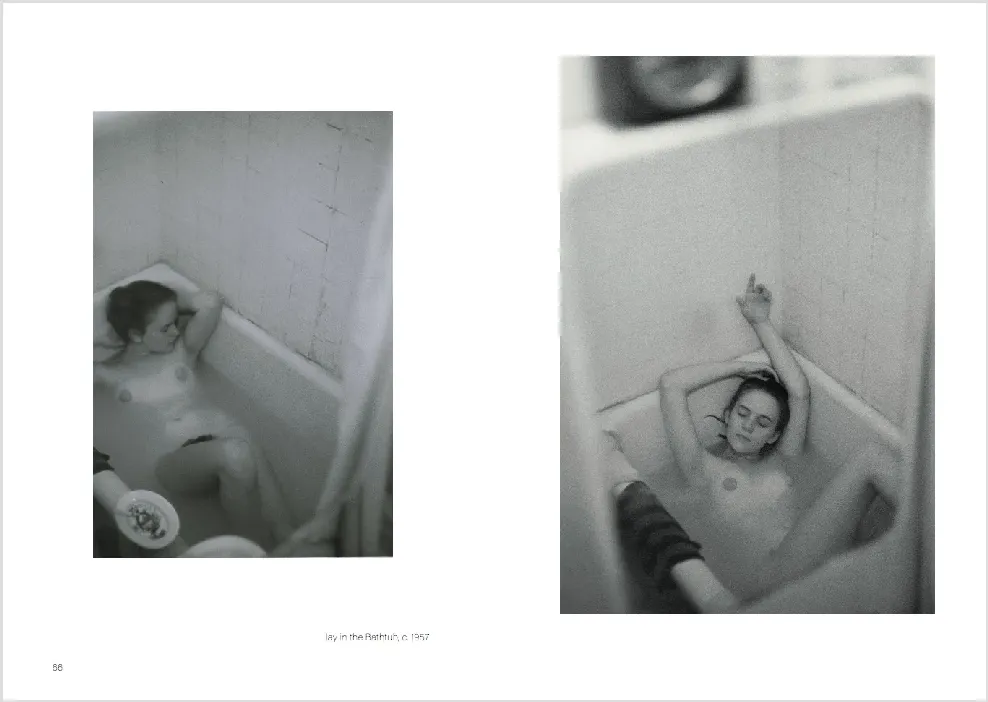
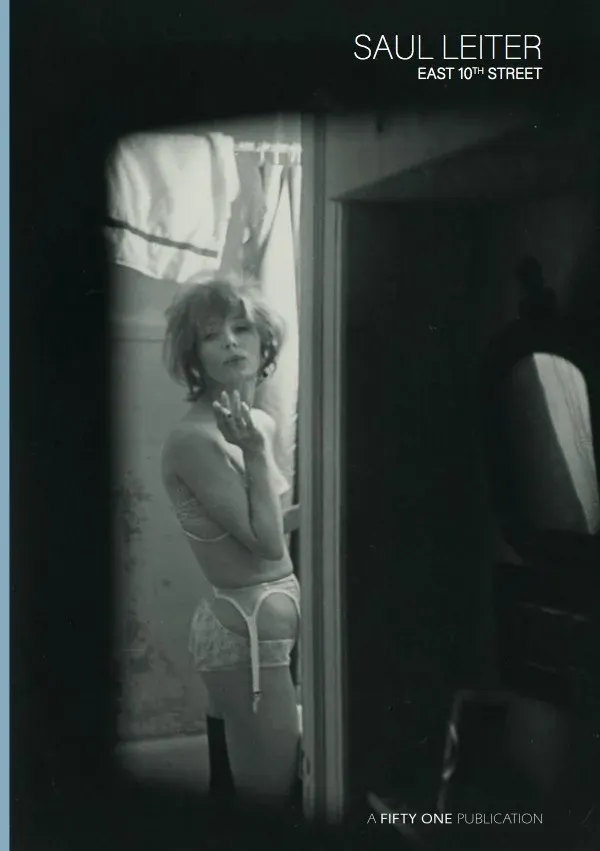
Beyond his celebrated color street work, Leiter maintained a lifelong dedication to painting and intimate black-and-white photography, often capturing the private, quiet moments of the women in his life within the confines of his East 10th Street apartment. This duality in his practice highlights a distinct formalist approach where atmospheric mood and tonal harmony supersede strict documentary realism. He approached the camera not merely as a recording device, but as a tool for distilling the fleeting poetry of everyday existence into structured, elegant visual geometries.

