
Seiji Kurata

Seiji Kurata

Which art books, prints and posters are available by and about this artist? Here is a sample of items of interest to a typical collector:

Super Labo
2015
with:
Edition:
1st
Edition size:
Signed
Out of Print
Other edition(s):
Softcover
ISBN:
9784905052869
Condition: Fine

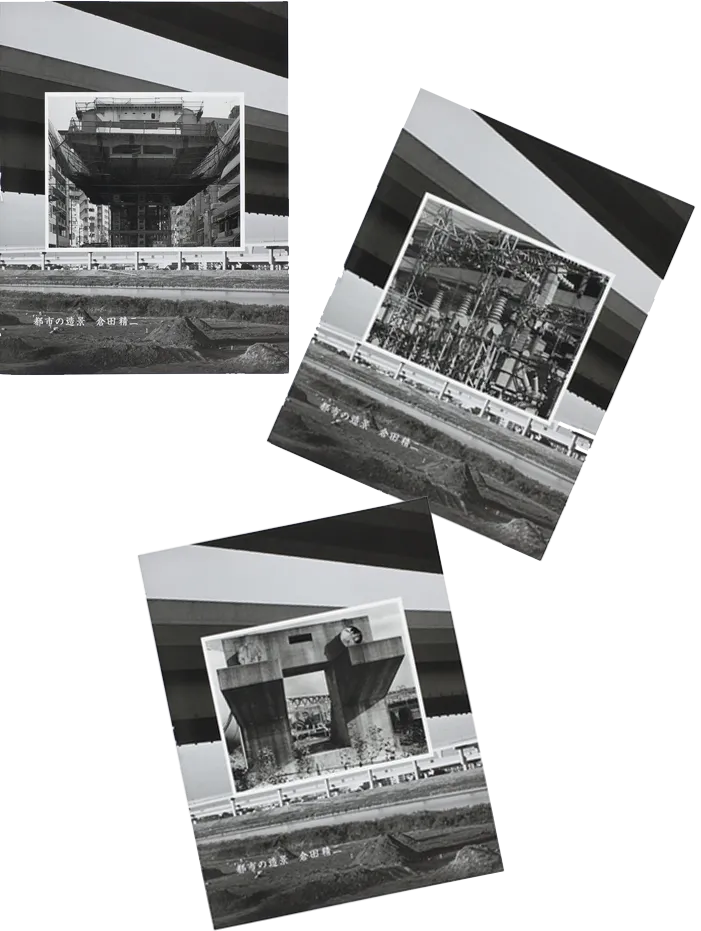
Three covers each in an edition of 250

Little Big Man
2016
with:
Edition:
1st
Edition size:
700
Out of Print
Other edition(s):
Slipcased softcover
ISBN:
Condition: Fine

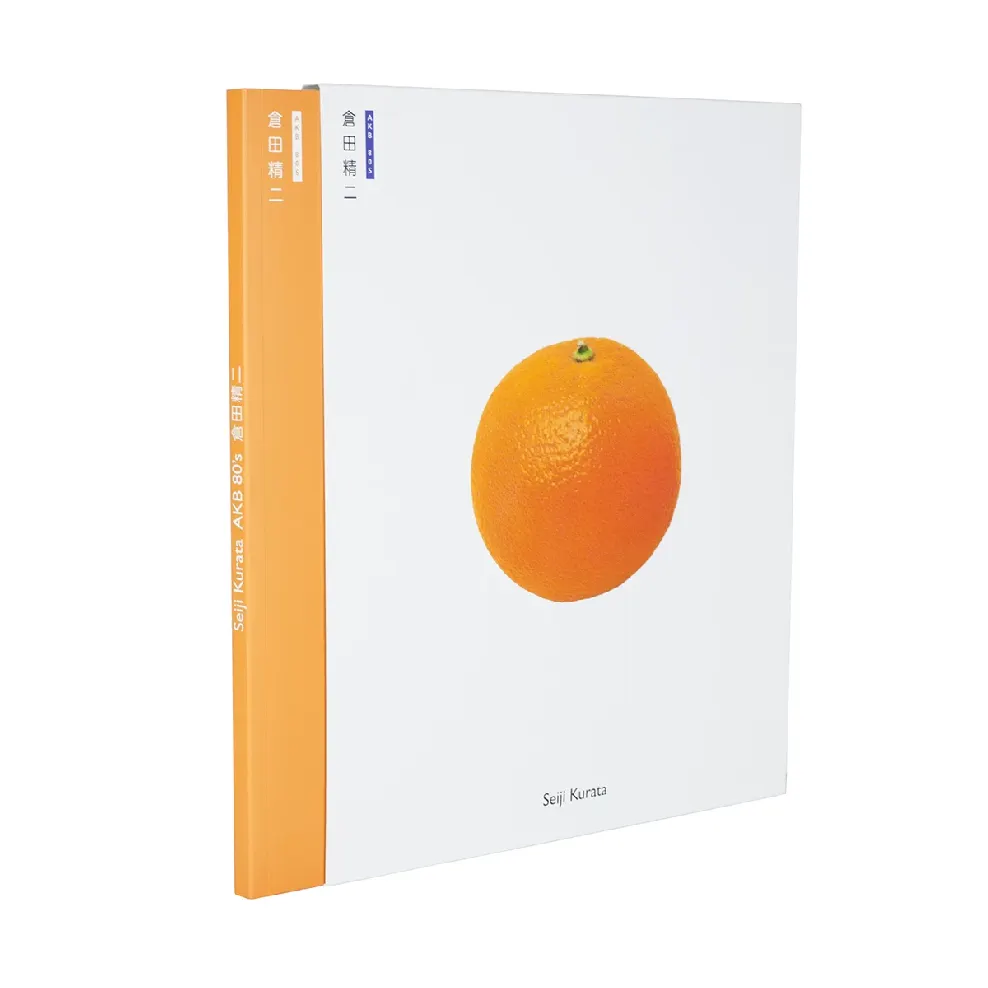
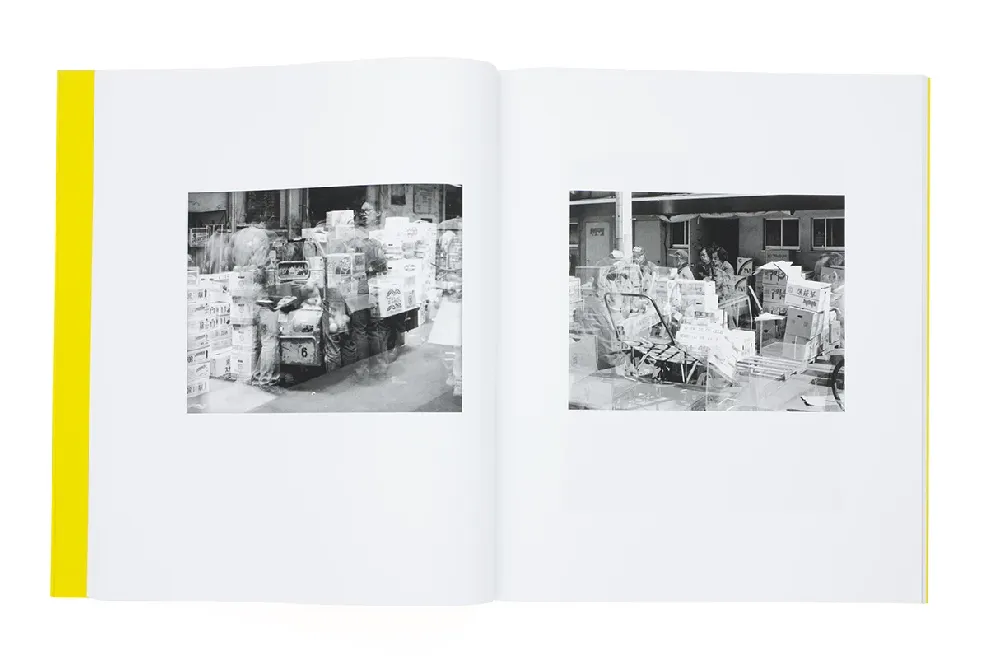
"AKB80s"is the first series of works within Seiji Kurata's major project "Toshi No Zokei"(The Deconstruction of Cityscape), which includes two other series, The Deconstruction of Cityscape II "The Metropolitan Expressway-C2"in colour (1980-2009) and III in monochrome (1998-2008). The photographs of AKB80s were taken during 1986 to 1989, documenting the bustling business hours of the former Kanda Market located in Akihabara (which subsequently has moved and become a part of the current Ota Market) and using the techniques of long exposure and multiple exposure.The book is a joint publication between Little Big Man and Zen Foto Gallery. The book includes a text by the artist in English, and a hand-written map and a timetable of Kanda market by Kurata Seiji in order to measure the timing for moving and shooting.

No items found.
No items found.
No items found.

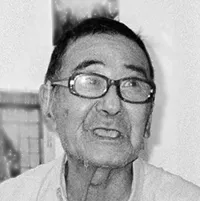
Seiji Kurata, Japanese (1945–2020)

Kurata was a photographer renowned for his raw, high-contrast portraits of Tokyo’s post-war subcultures and urban underbelly. Originally trained in oil painting at the Tokyo National University of Fine Arts and Music, Kurata turned to photography in his early 30s. In the mid-1970s, he attended the influential Workshop School of Photography, where he studied under figures like Daidō Moriyama and Shōmei Tōmatsu.

Kurata distinguished himself from his peers by combining a medium-format camera with a harsh, direct electronic strobe. This "flash up" technique sliced through the nocturnal darkness of Tokyo's red-light districts (particularly Ikebukuro and Shinjuku), illuminating subjects with clinical, highly detailed clarity rather than the grain-heavy, blurred aesthetics common to Japanese street photography at the time. His flash-lit, confrontational style captured Yakuza members, bōsōzoku (biker gangs), nightclub performers, strippers, and street hustlers with stark visual immediacy.

His key projects include:

  • Flash Up: Street Photo Random Tokyo 1975–1979 (1980)
    Kurata's seminal debut photobook. It won the prestigious 5th Kimura Ihei Award in 1980 and remains widely celebrated as one of the definitive monographs documenting late-1970s Japanese subcultures.
  • Photo Cabaret (1982)
    A continuation of his dark, theatrical explorations of Tokyo night life and performance spaces.
  • 80's Family (1991) & AKB 80's
    Works capturing shifting cultural dynamics and everyday street scenes across Japan during the economic bubble era, including extensive documentation of the old Kanda vegetable market.
  • Trans Asia (1995)
    A major shift into color photography, documenting urban life, markets, and human presence across South and East Asia.
  • Toshi no Zōkei (Urban Topography) (2015)
    A later project focusing on the geometric structures, surfaces, and architectural transformations of the Tokyo cityscape.

Kurata’s works are included in major international museum collections, including the International Center of Photography (ICP) in New York, the Brooklyn Museum, and the Tokyo Photographic Art Museum.