


Copyright ©
Yoshiyuki Okuyama
or applicable right holders.


Which art books, prints and posters are available by and about this artist? Here is a sample of items of interest to a typical collector:

Japanese photographer Yoshiyuki Okuyama (b. 1991) occupies a dynamic position within contemporary visual arts, seamlessly bridging the gap between highly choreographed commercial work and rigorous, diaristic documentary practice. Emerging from the vibrant cultural landscape of Tokyo, his personal projects often turn the lens inward to examine the delicate, fleeting details of domesticity, travel, and the structural complexities of the urban environment. By oscillating between intensely intimate autobiographical narratives and broader typological studies of architectural thresholds, Okuyama creates a compelling visual record of modern isolation and human connection.
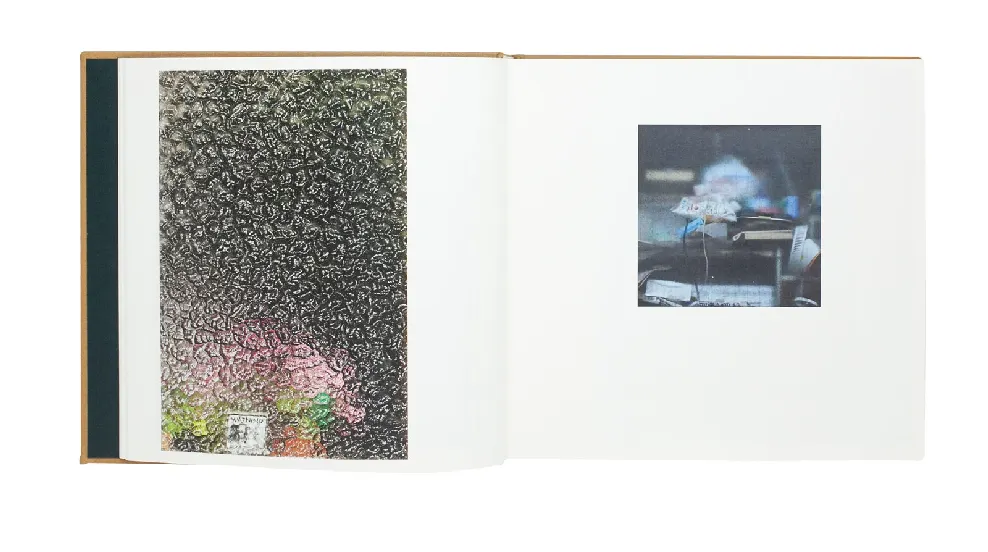
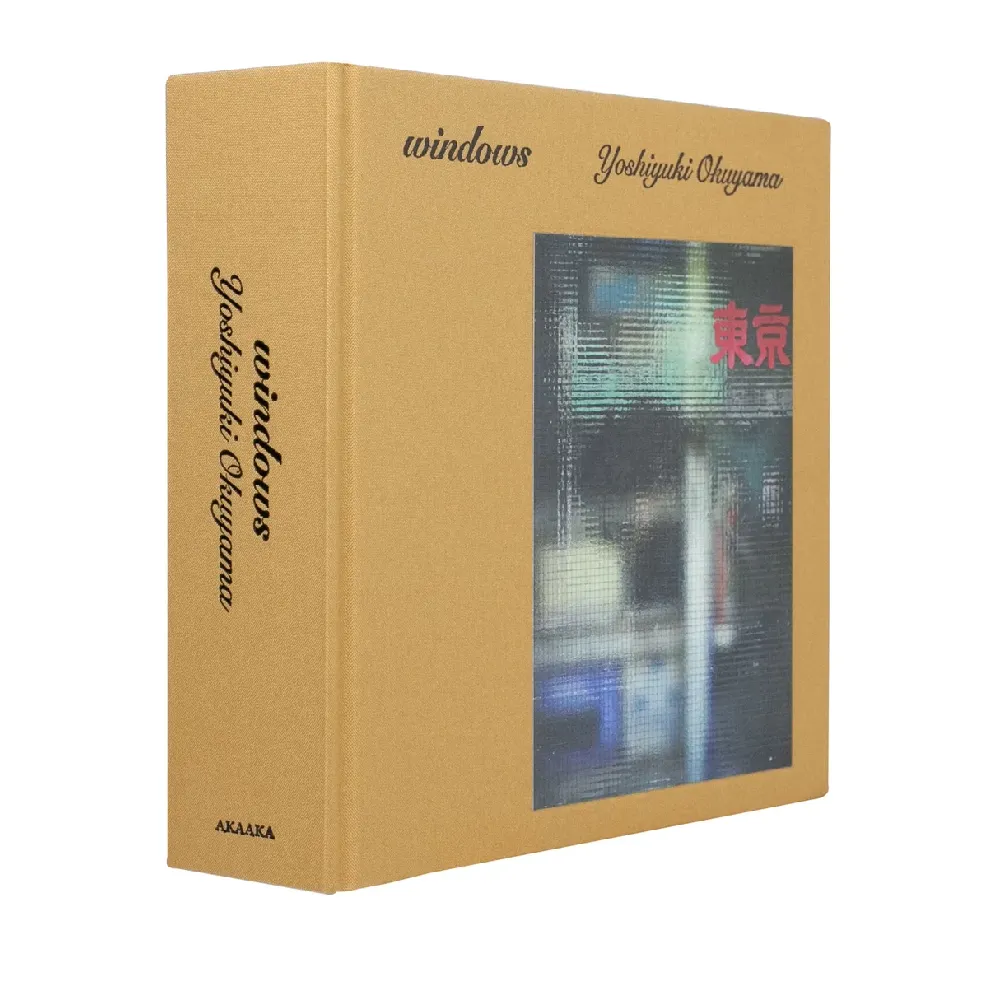
The visual language of his documentary practice relies heavily on soft, atmospheric abstraction and careful spatial organization. Utilizing a distinct analog aesthetic characterized by gentle light leaks, muted color palettes, and deliberate focal flattening, Okuyama transforms everyday observations into poetic, painterly forms. Whether capturing the obscured silhouettes behind frosted glass or the tangled immediacy of a private hotel room, his compositions prioritize emotional proximity and tactile warmth over strict documentary clarity. This approach generates a quiet formal rigor, reframing mundane details as profound subjects of study.

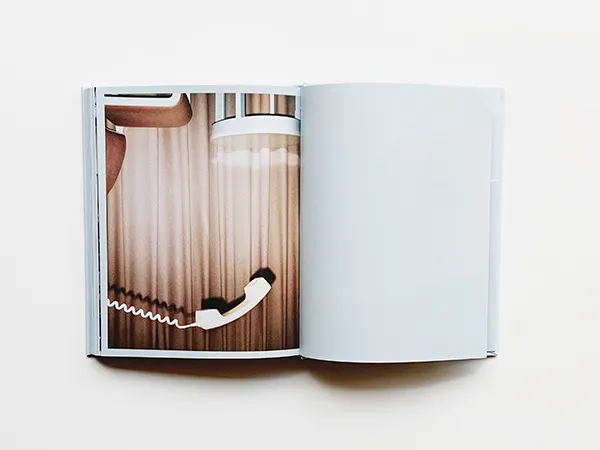
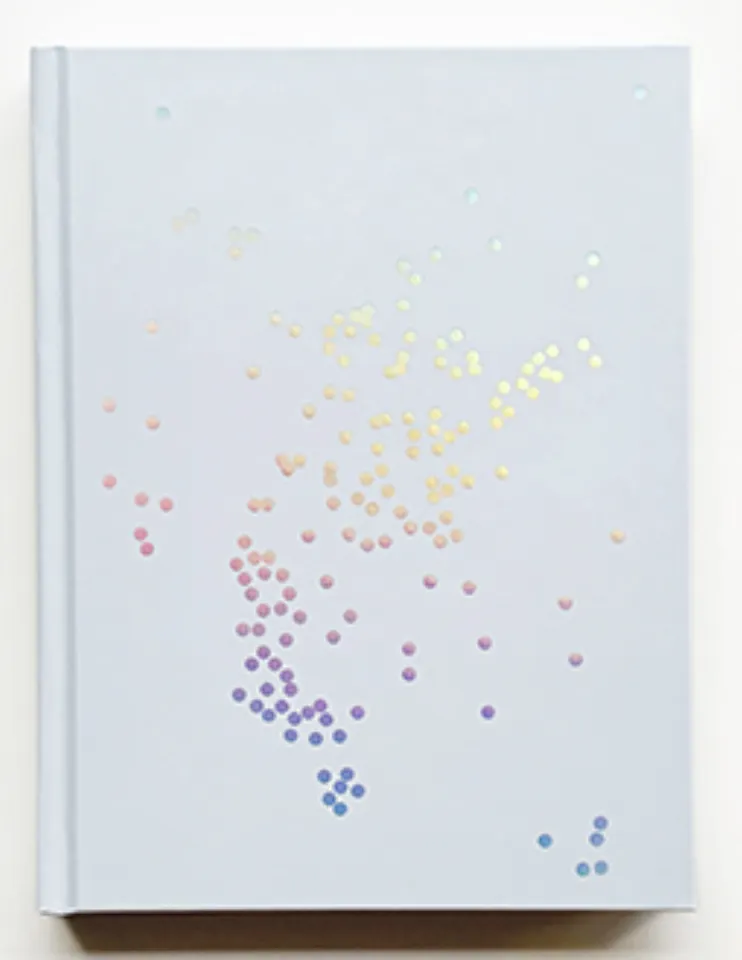
Yoshiyuki Okuyama’s The Good Side operates as a deeply intimate, autobiographical diary documenting the photographer’s honeymoon in Europe. Departing from the highly choreographed, kinetic energy of his commercial and fashion work, Okuyama turns his lens inward toward his wife and their shared quiet moments. The monograph serves as a celebration of companionship, capturing the fleeting, mundane details of travel and domesticity through an intensely romantic and subjective framework. Rather than a traditional travelogue, the project functions as a personal archive of affection, preserving the fragile temporality of human connection and the quiet grace of everyday observation.
Visually, the book is defined by its spontaneous, atmospheric lyricism. Okuyama employs a distinctly analog aesthetic characterized by soft focus, gentle light leaks, and a warm, muted color palette that evokes a sense of immediate nostalgia. The compositions rely on unconventional, off-the-cuff framing, capturing fragmented gestures, tangled bedsheets, and sun-drenched landscapes, to convey emotional proximity rather than strict documentary clarity. This deliberate softening of the visual field creates an inviting, dreamlike spatial dynamic, emphasizing the tactile reality of the printed image and the delicate interplay of natural light across organic forms.