

Hardcover without dust jacket, as issued
ISBN:
9781907071287


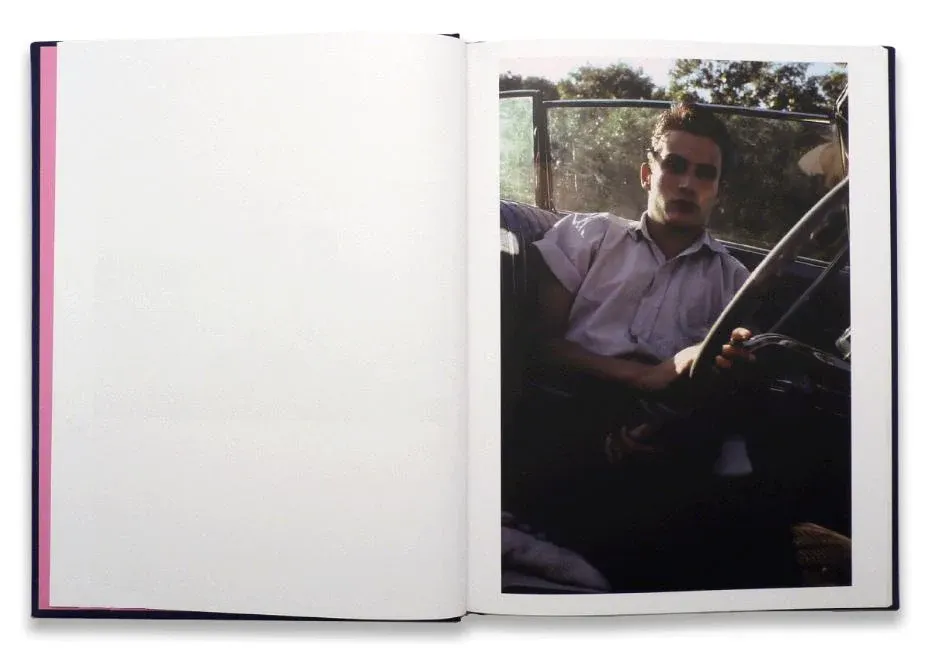
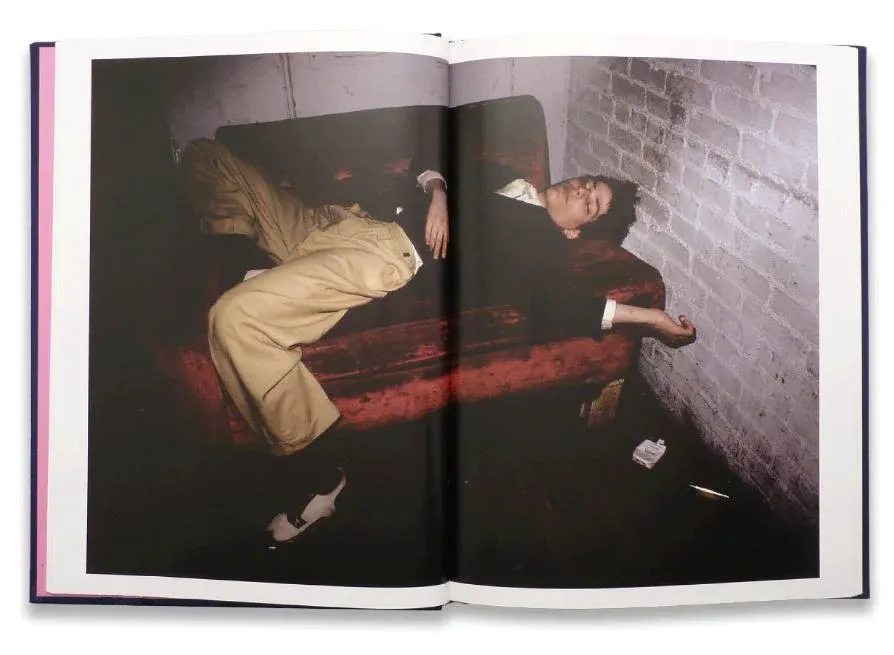

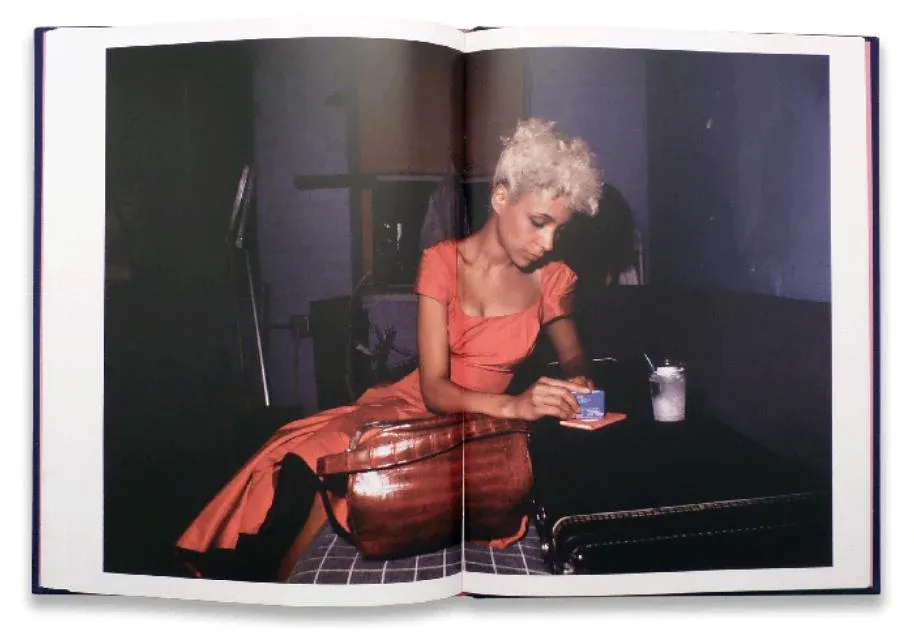
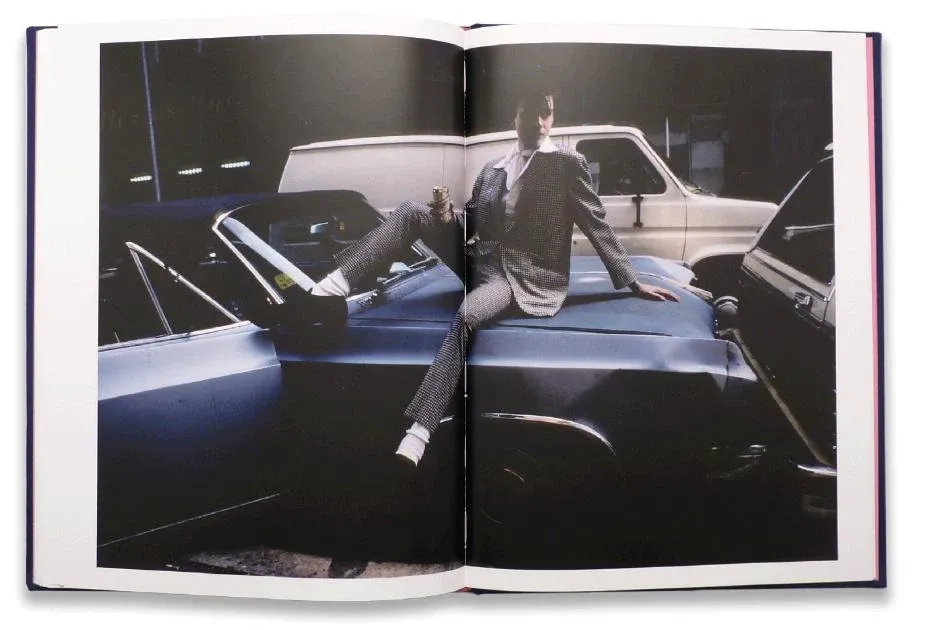

Night and Day is a lyrical synthesis of Armstrong's late-career output, bridging his origins in the intimate, raw portraiture of the Boston School with his subsequent evolution into ethereal fashion and editorial photography. Rather than a linear retrospective, the publication constructs a continuous, dreamlike atmosphere where boundaries between commercial assignments and personal obsessions have disappeared. The work navigates themes of ephemeral youth, fleeting beauty, and romantic melancholy, pairing his luminous, highly stylized portraits of young men with hazy, soft-focus landscapes and cityscapes often captured from hotel windows during his travels.
The book relies on Armstrong’s mastery of available light and his deliberate manipulation of depth of field. By pushing his camera into extreme soft focus, he strips away the hard-edged realism typically associated with documentary photography, rendering his urban scenes and architectural details as abstract, painterly washes of muted color. When juxtaposed with his sharply observed portraits, this visual strategy creates a rhythmic push-and-pull throughout the sequence. The structural arrangement of these contrasting aesthetic modes, the crisp articulation of the human figure against the blurred, impressionistic exterior, forces the viewer to engage with the images as emotional and formal states rather than mere representational facts.