

Oversized in slipcase
ISBN:


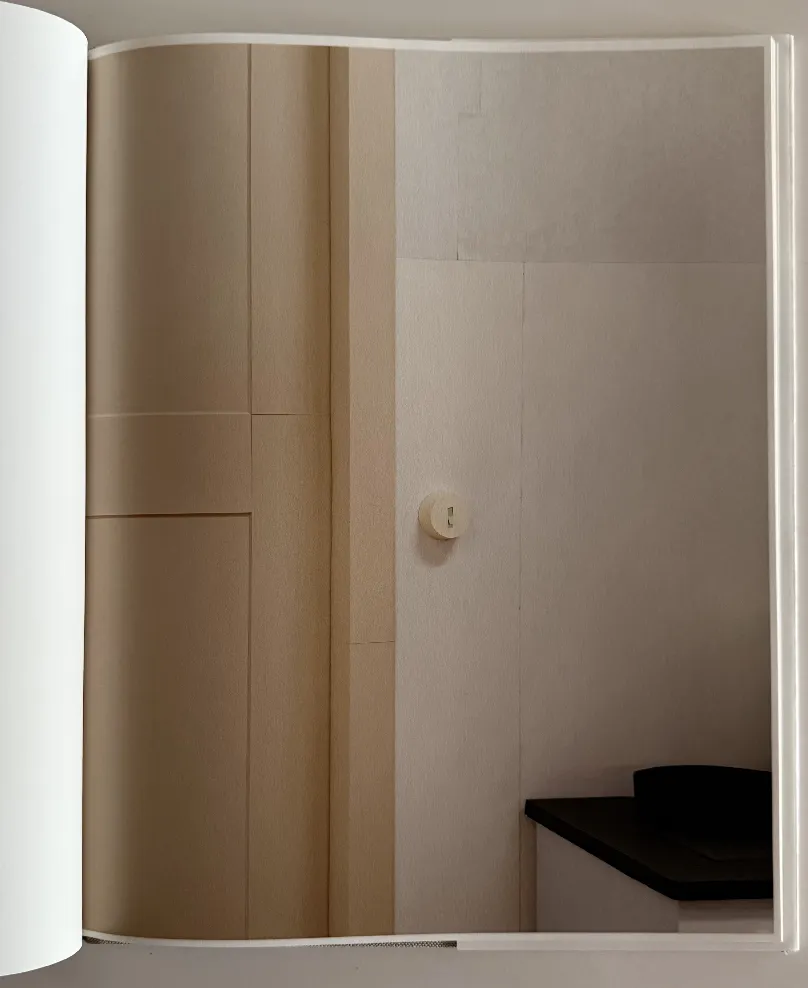
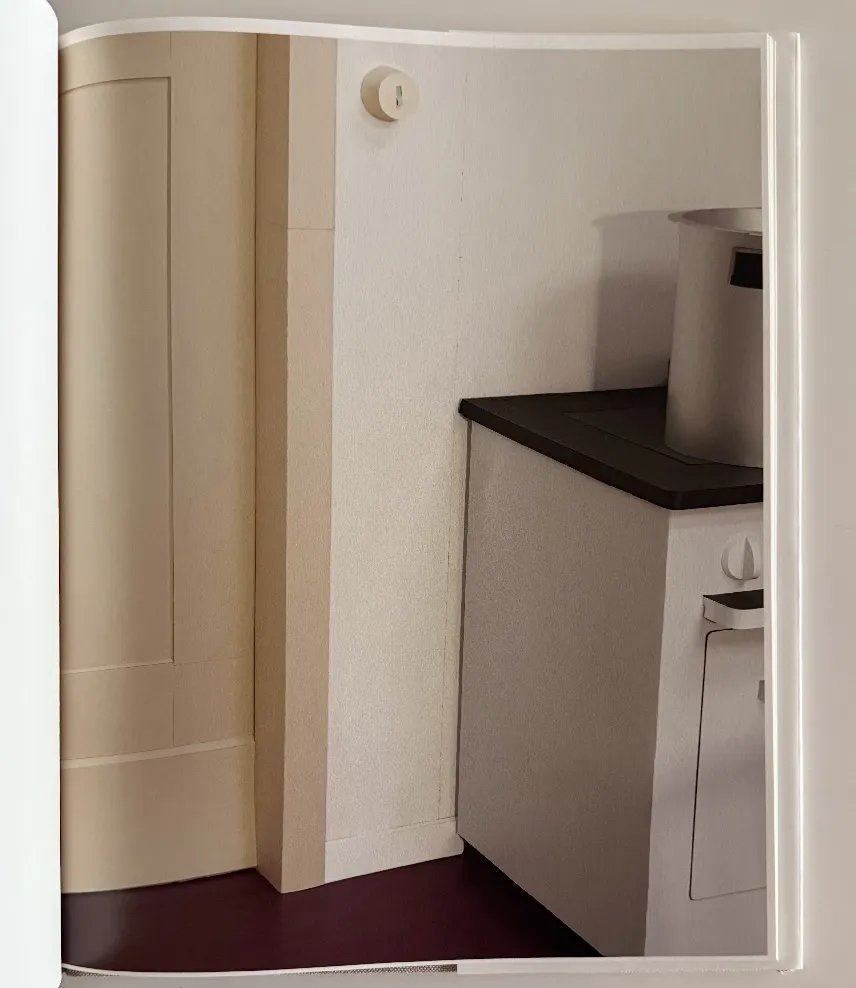
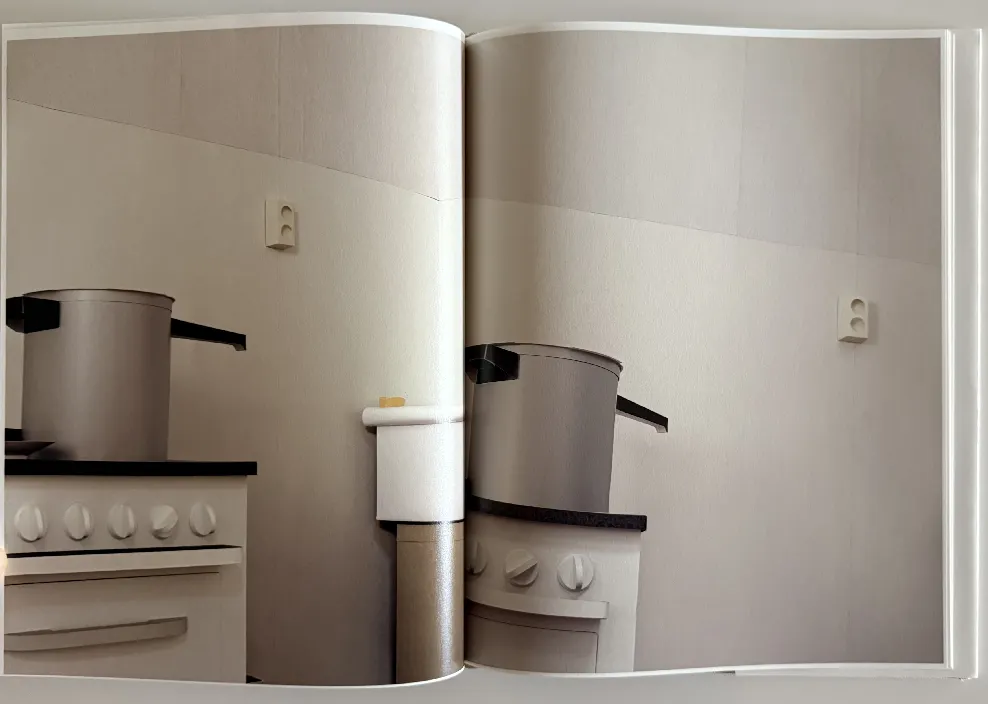
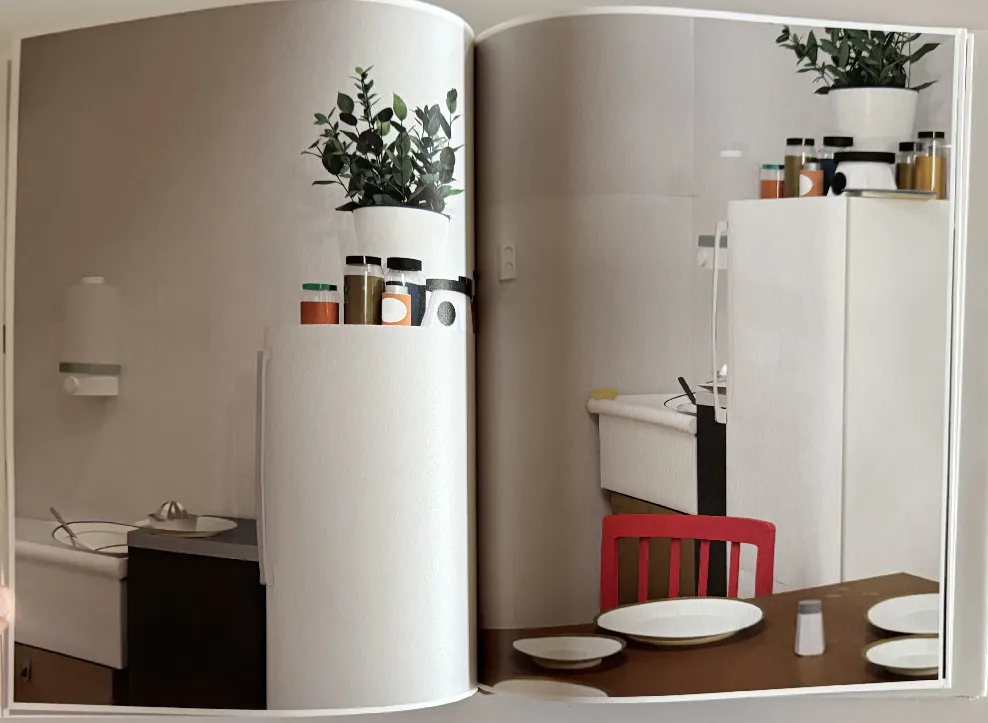
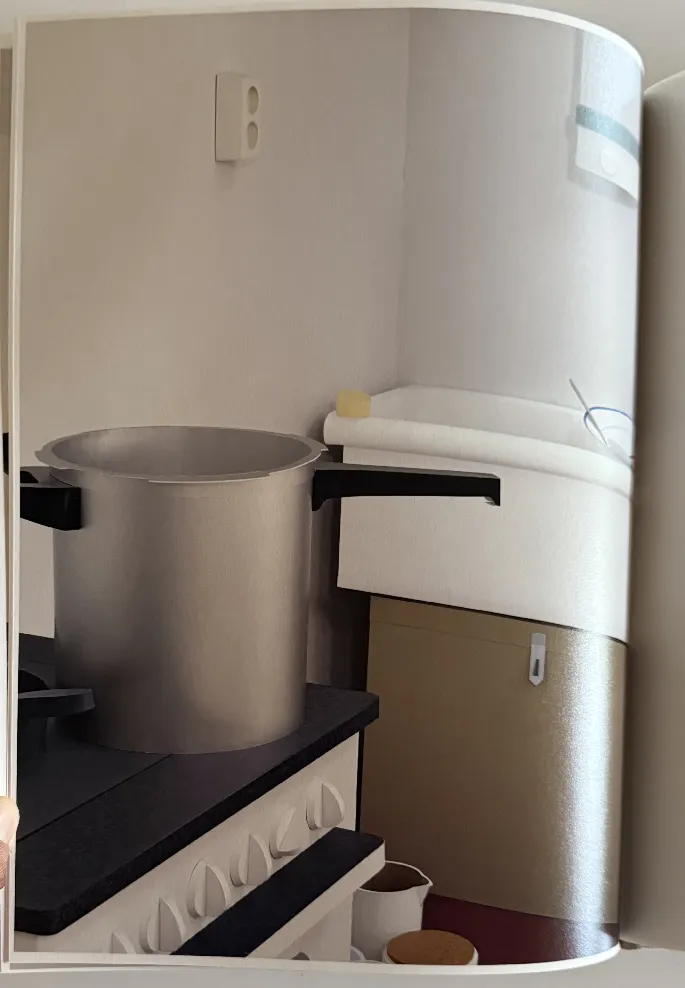
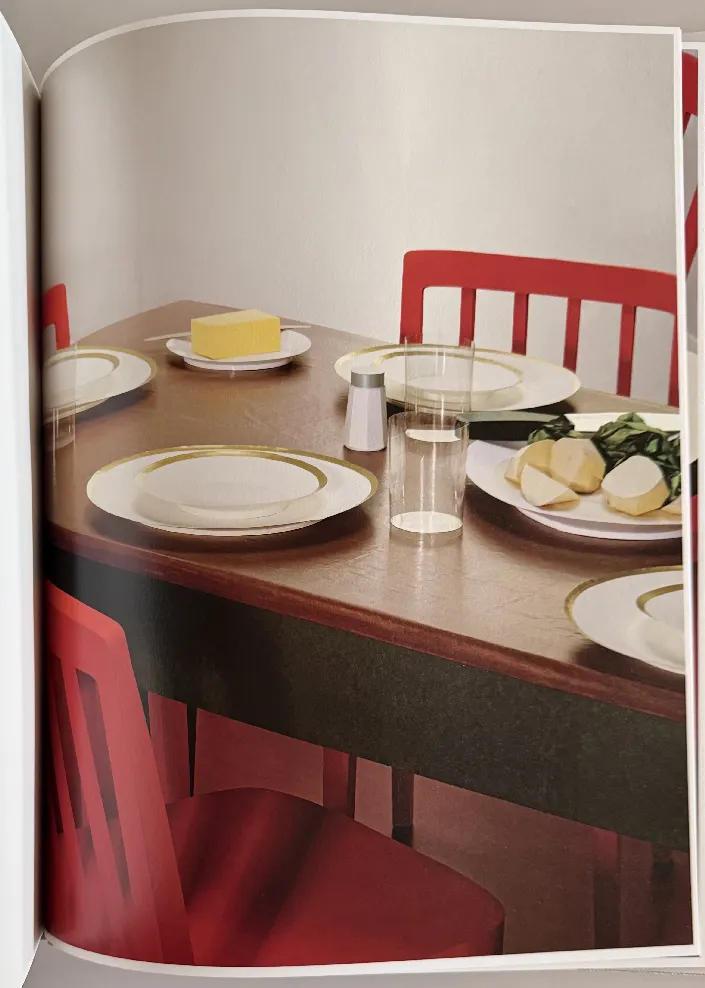
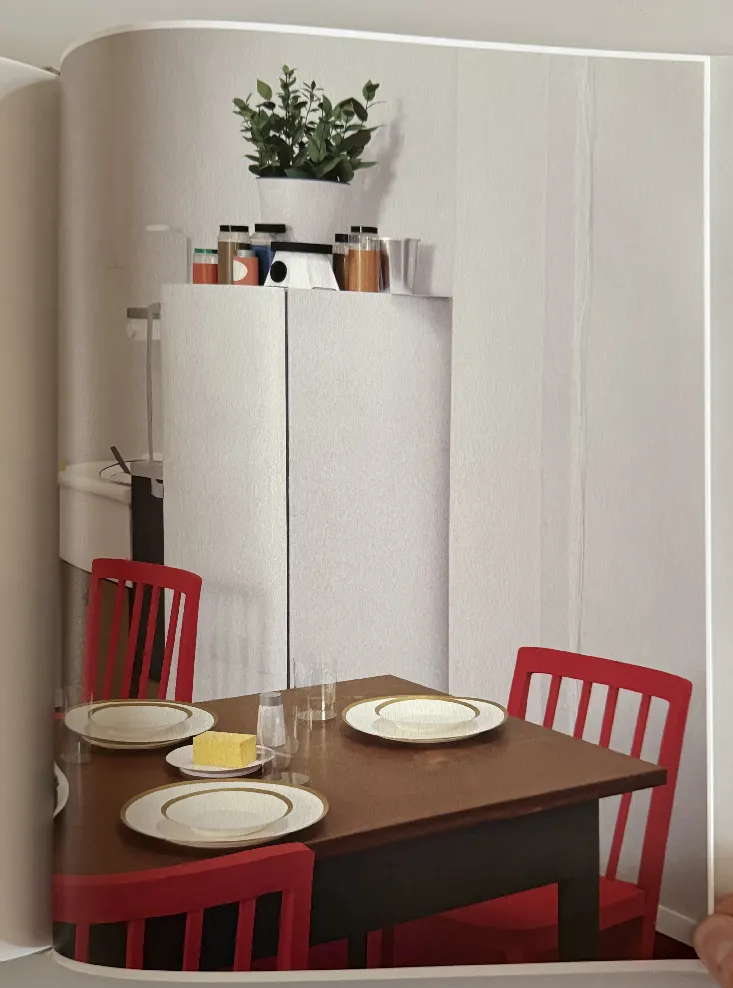
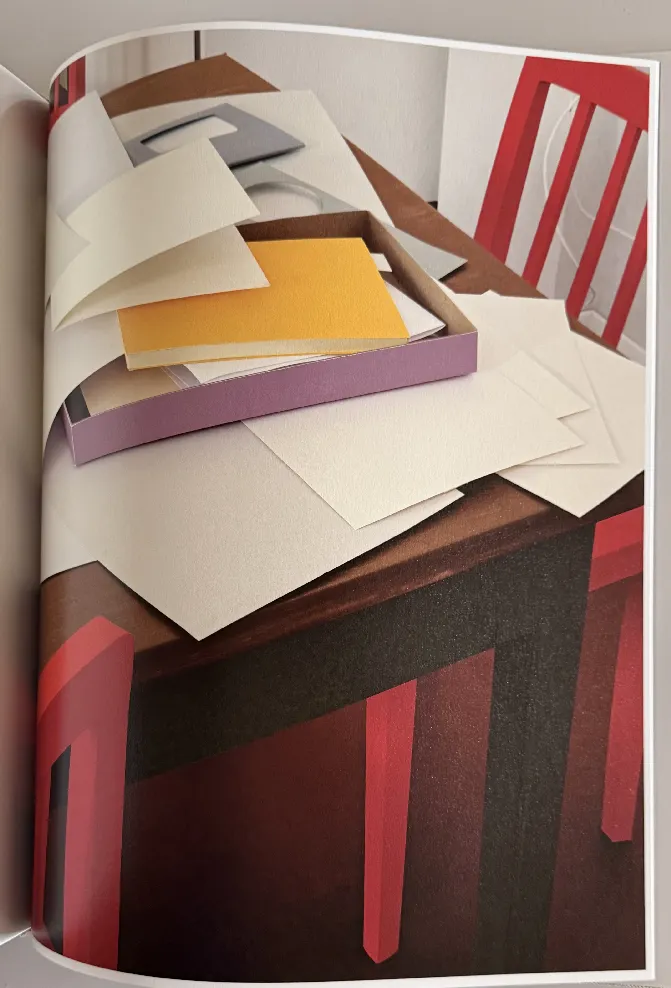

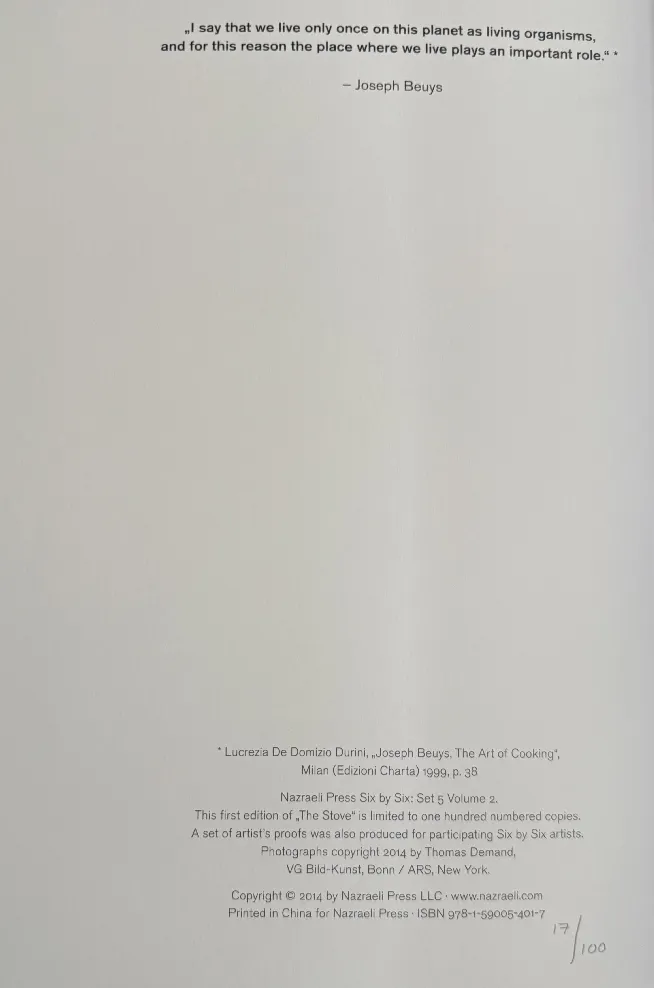
The Stove (Josef Beuys), published as part of Nazraeli Press’s limited Six by Six series, focuses on a singular, charged environment: a reconstruction of the studio space and heating stove belonging to the influential postwar German artist Joseph Beuys. By selecting an intimate, utilitarian object associated with an artist whose own mythos was deeply tied to raw, organic materials, such as fat, felt, and copper, Demand creates a stark conceptual contrast. The book presents a space stripped of Beuys’s characteristic chaos and tactile residue, reducing the heavy, historical weight of the artist's studio into an eerie, weightless paper simulation.
Visually, the work is defined by its artificial perfection and flat, even lighting, which intentionally highlights the absence of genuine texture, dust, or human wear. Upon close inspection, the crisp details reveal the subtle, deliberate imperfections of the papercraft, a slight gap between cardboard seams or the unnatural matte finish of the surfaces. Physically, this oversized hardcover is produced with exacting precision. The high-fidelity printing preserves the flawless, geometric illusion of the photographs, functioning as a sleek, self-contained vessel for Demand’s rigorous structural aesthetic.