
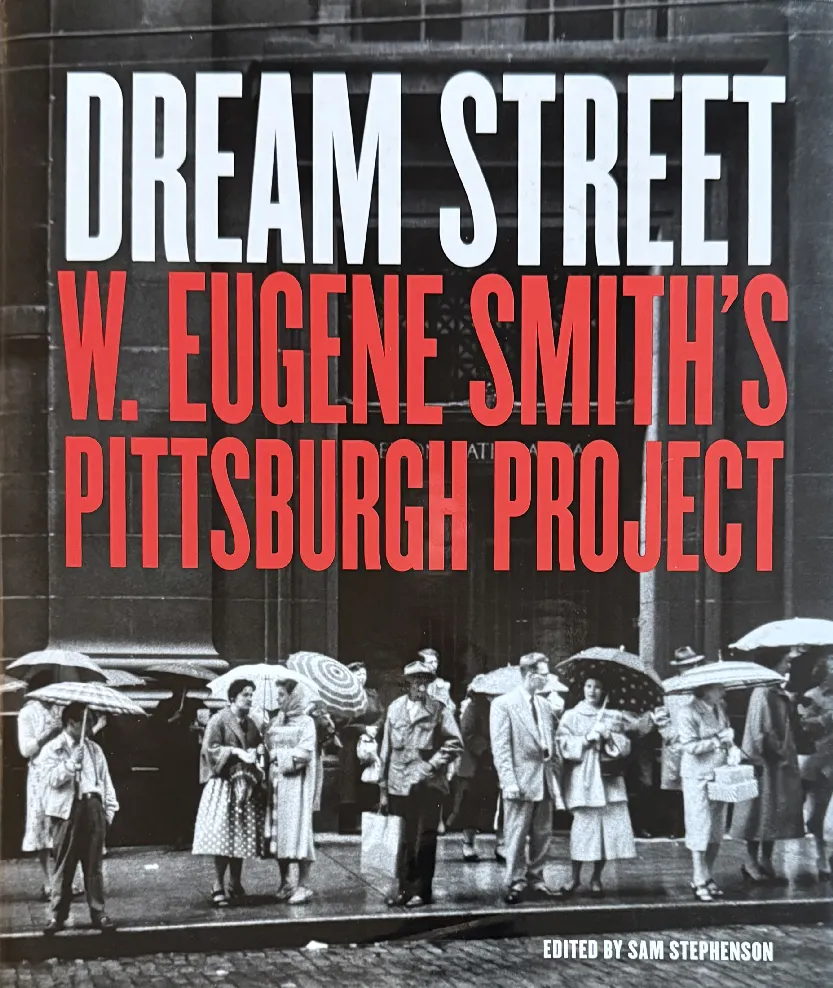
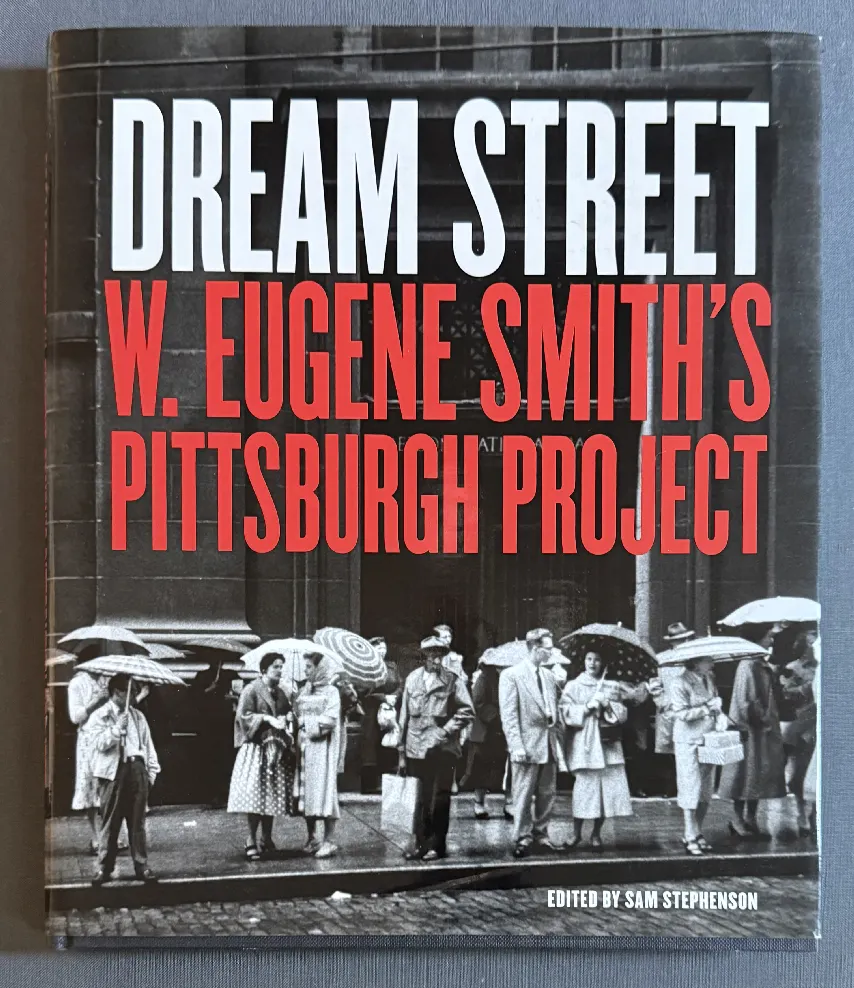
Hardcover with dust jacket
ISBN:
9780393044089


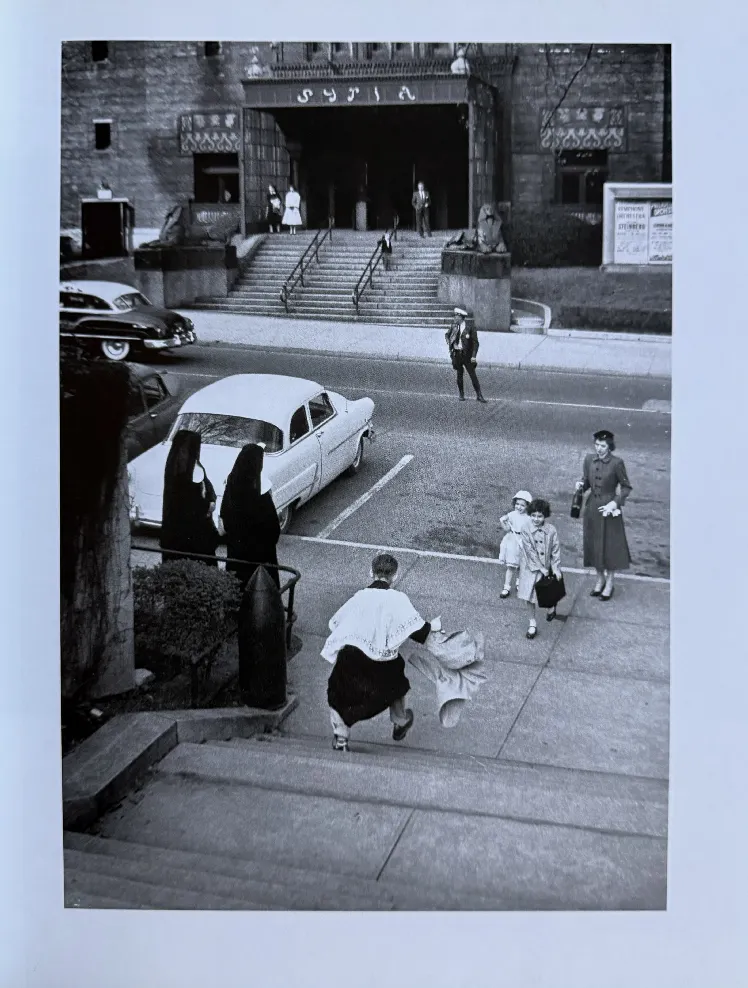
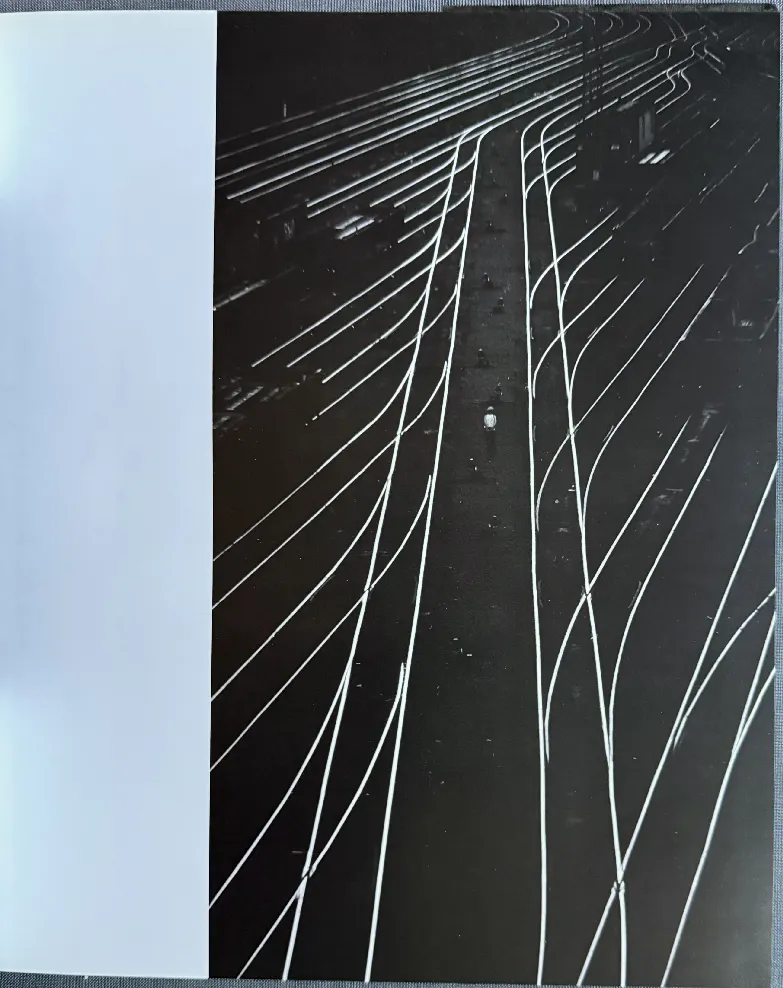
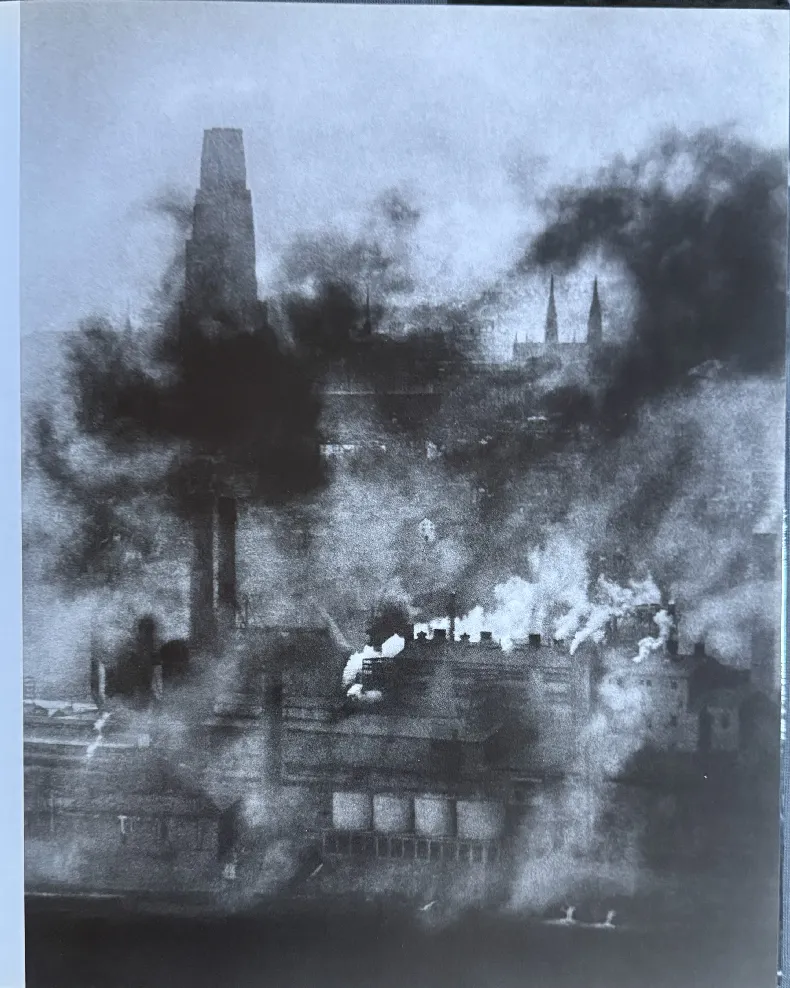
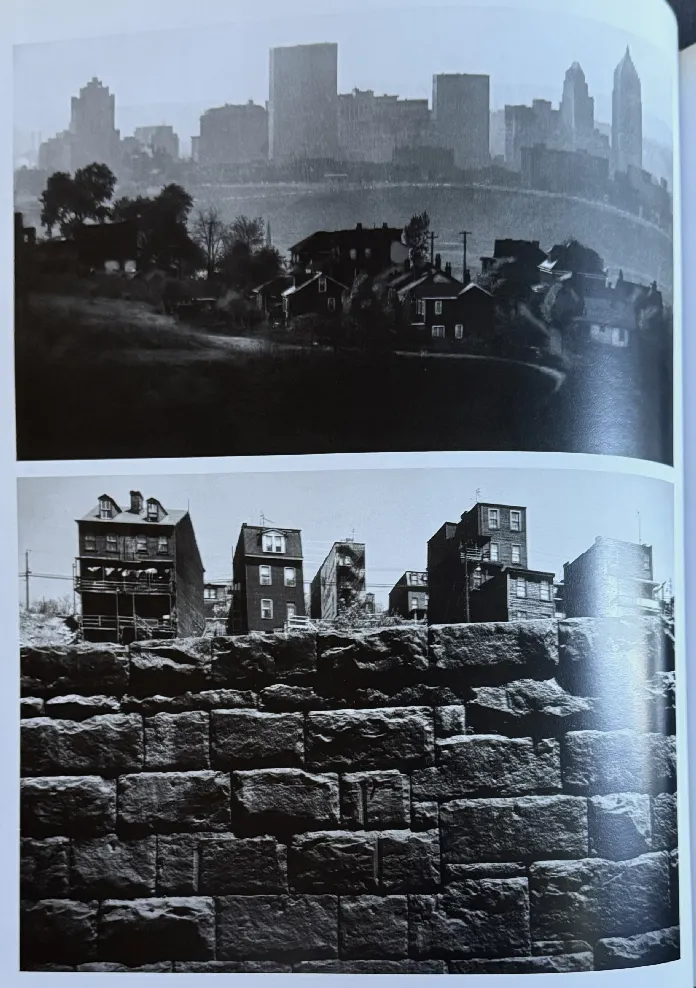
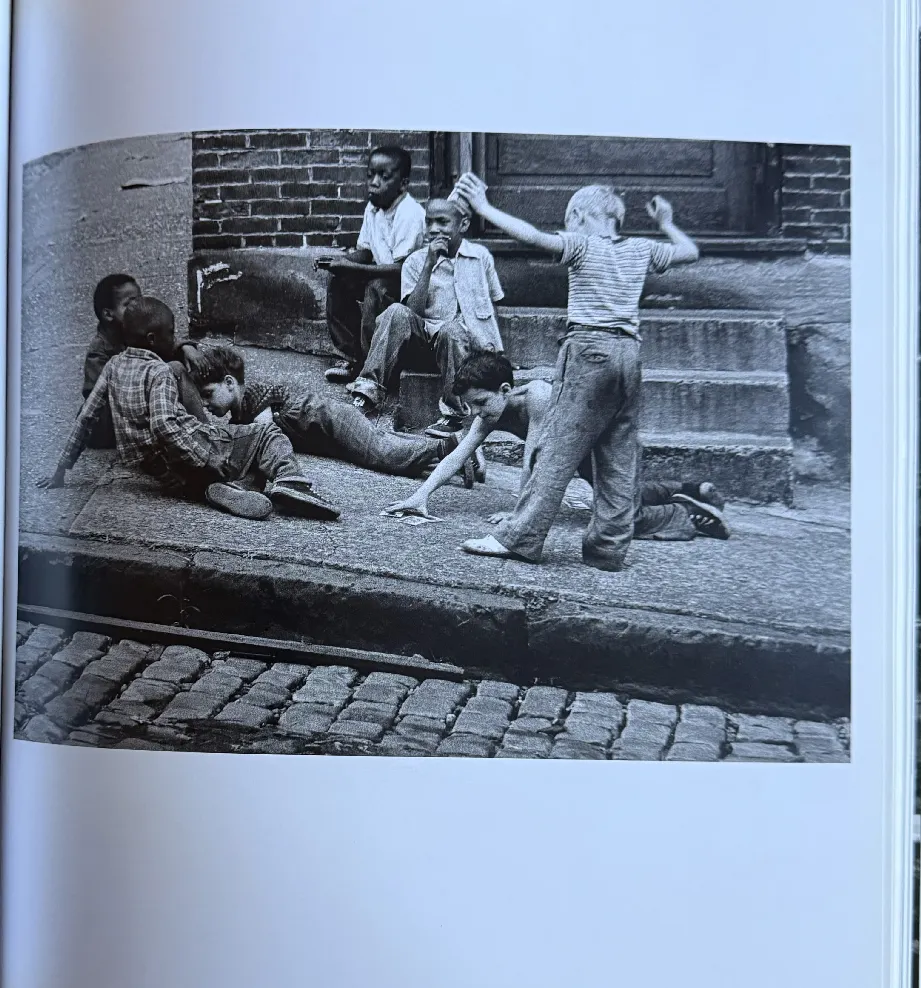
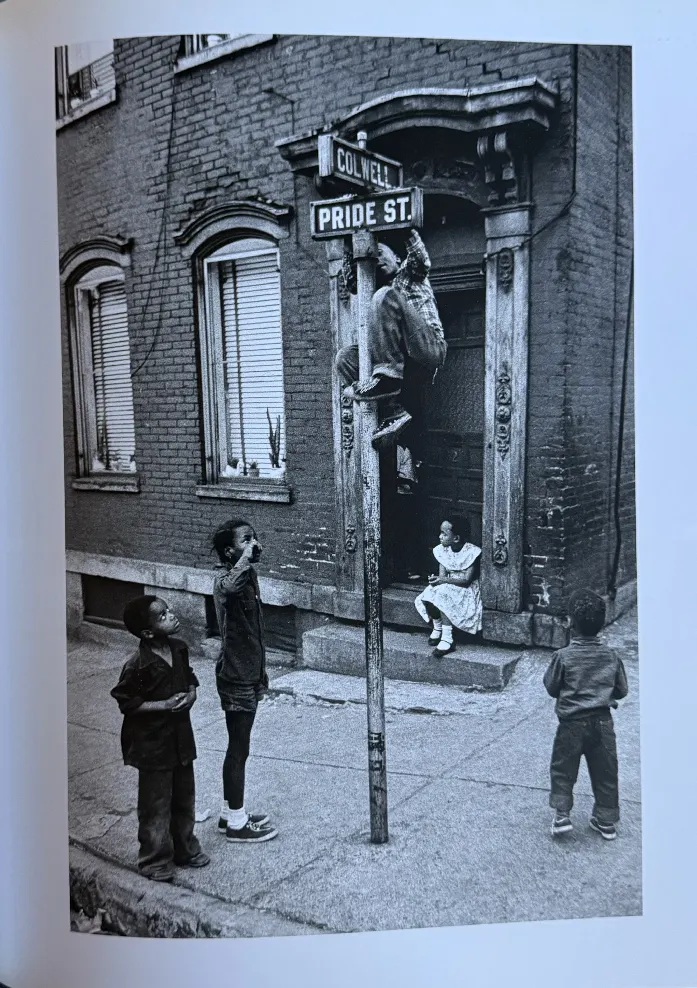
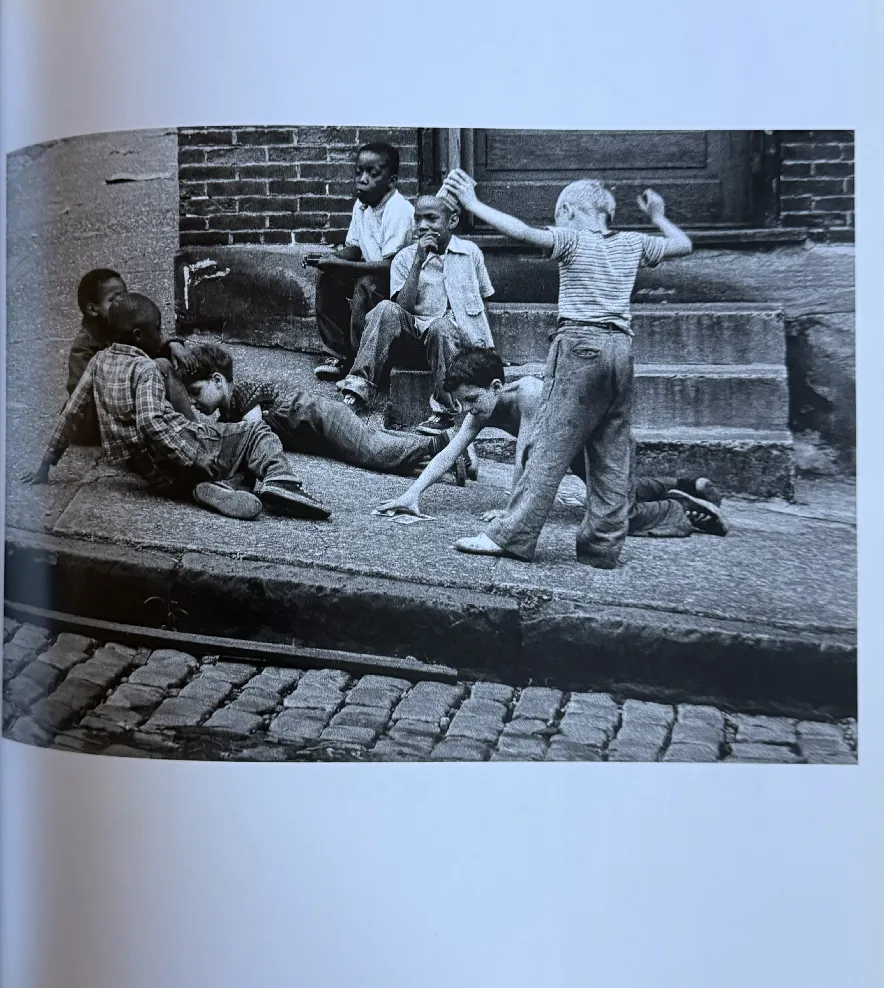
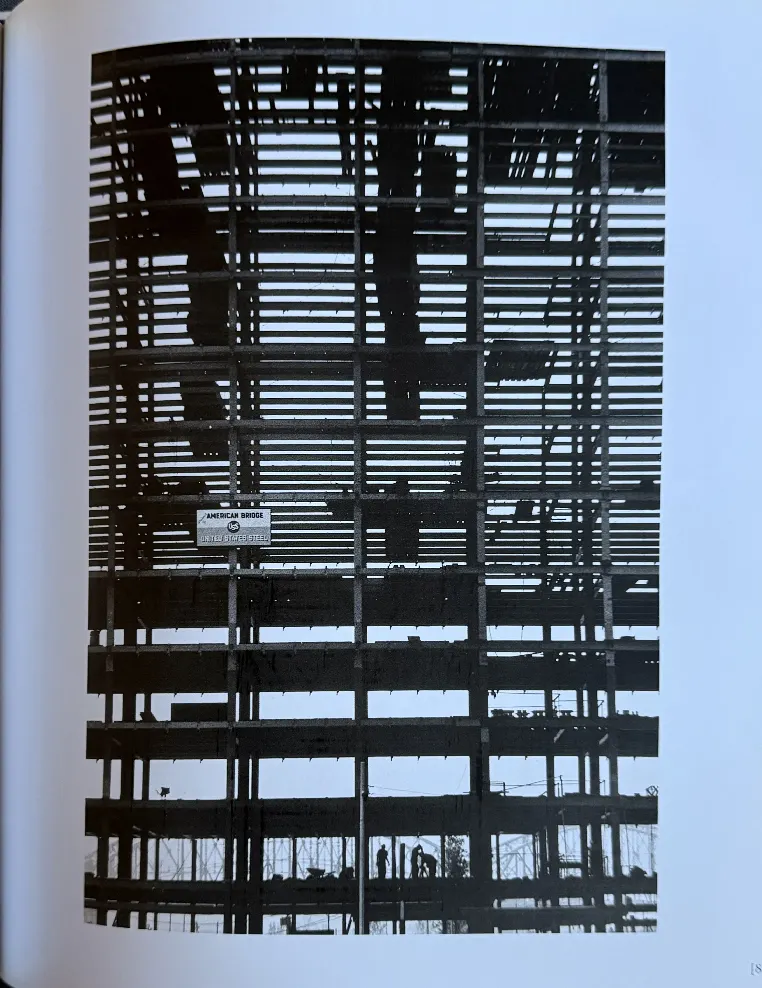
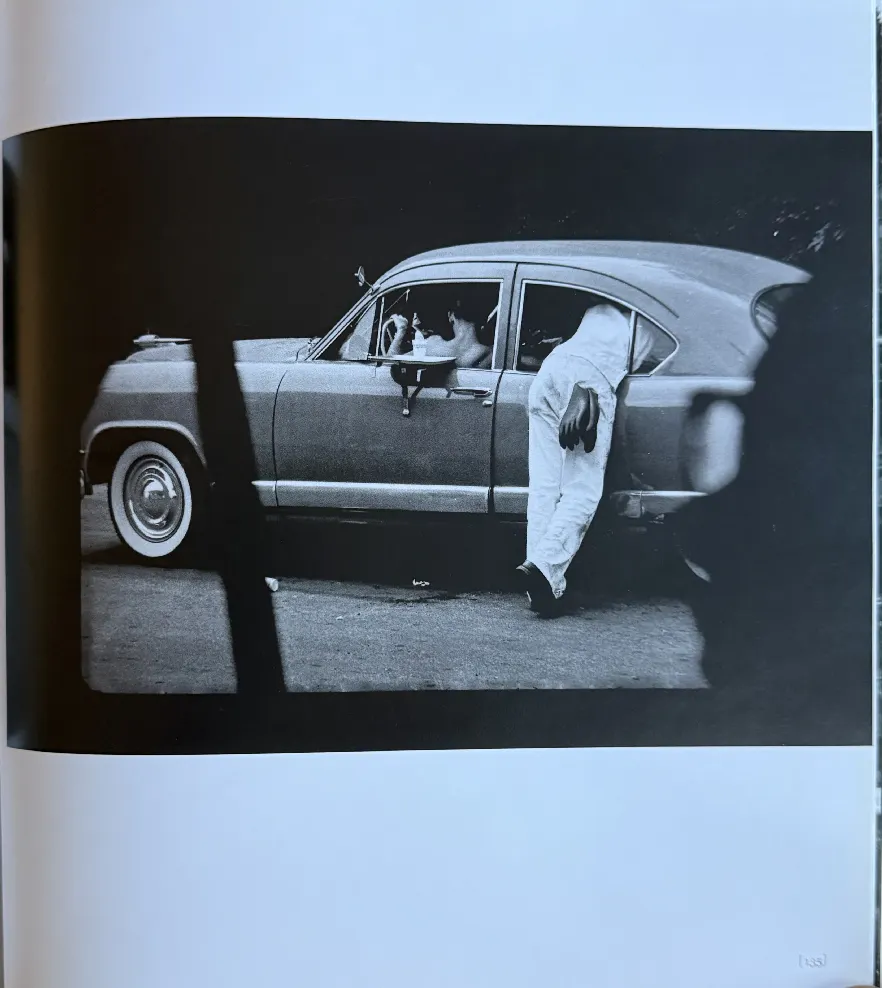
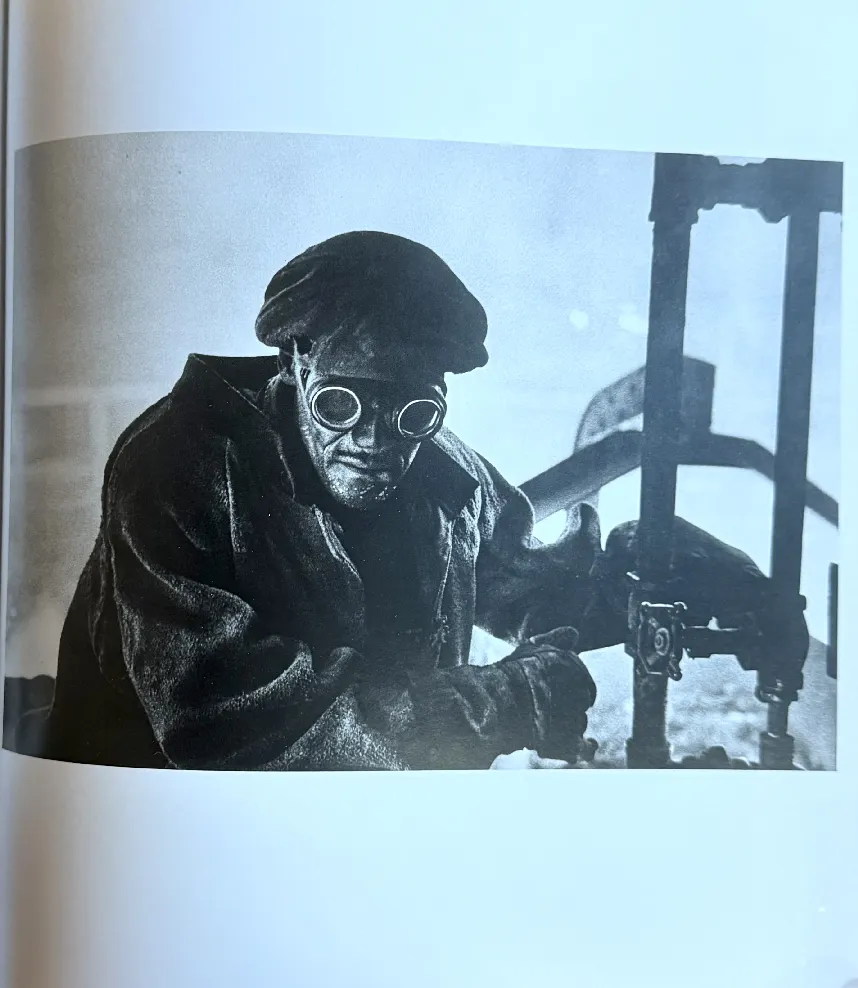
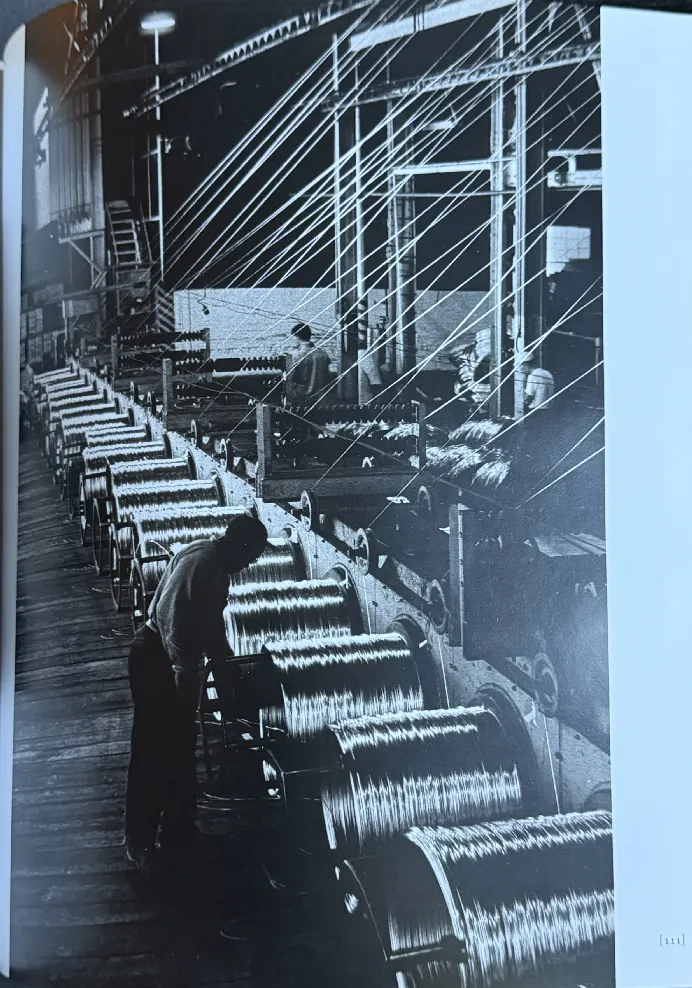
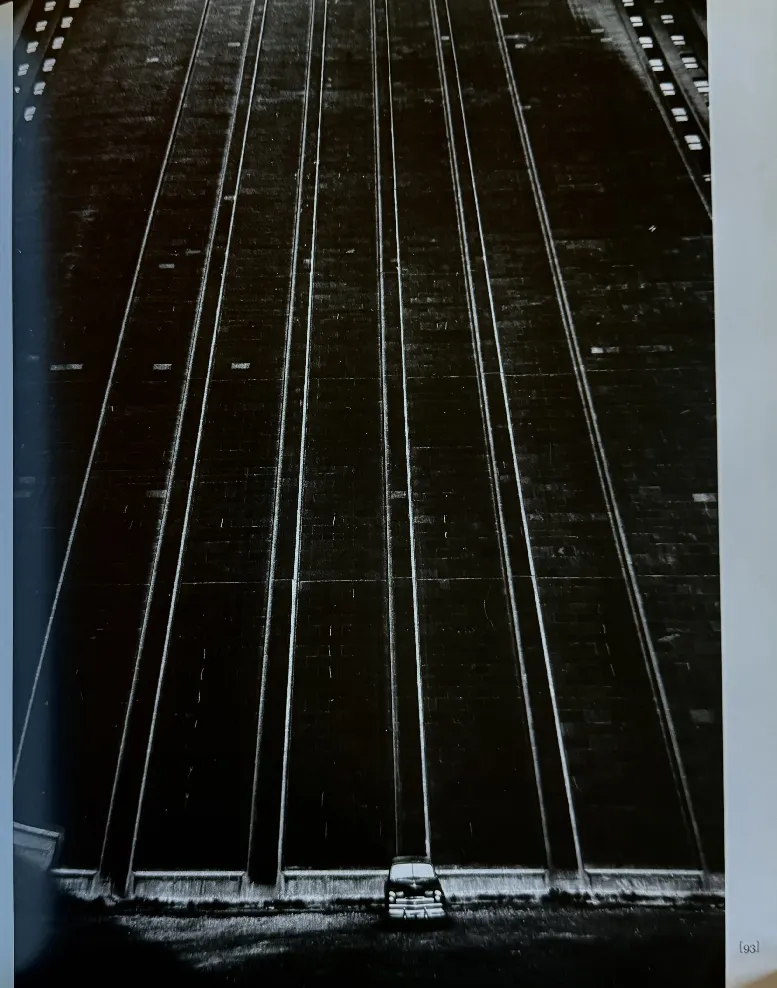
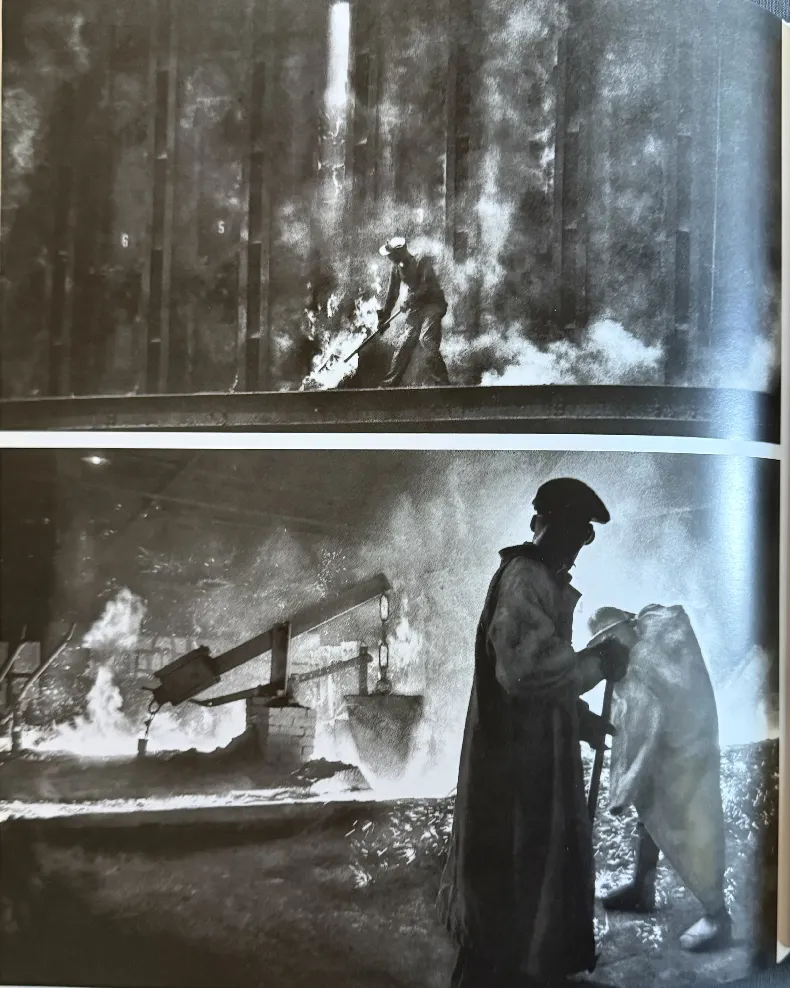
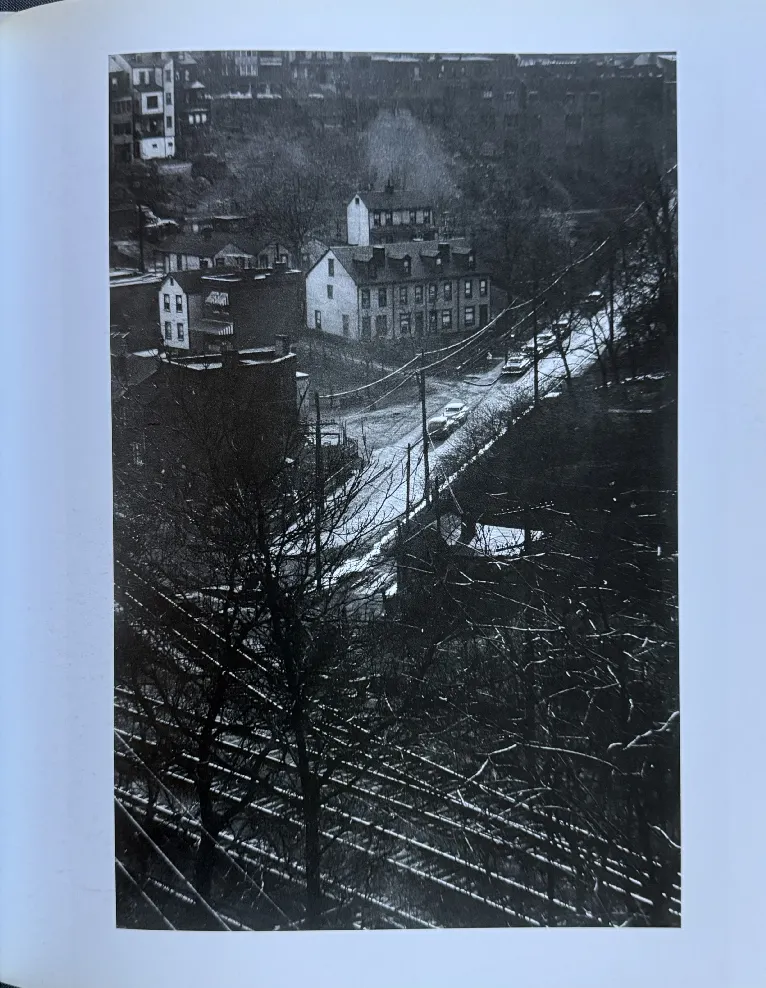
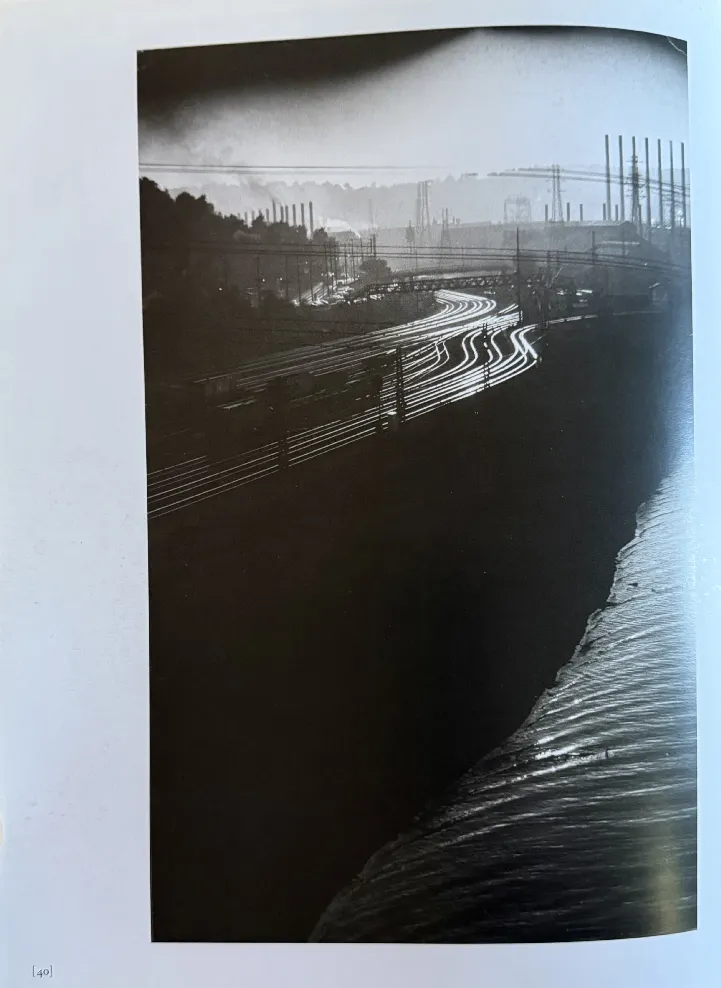
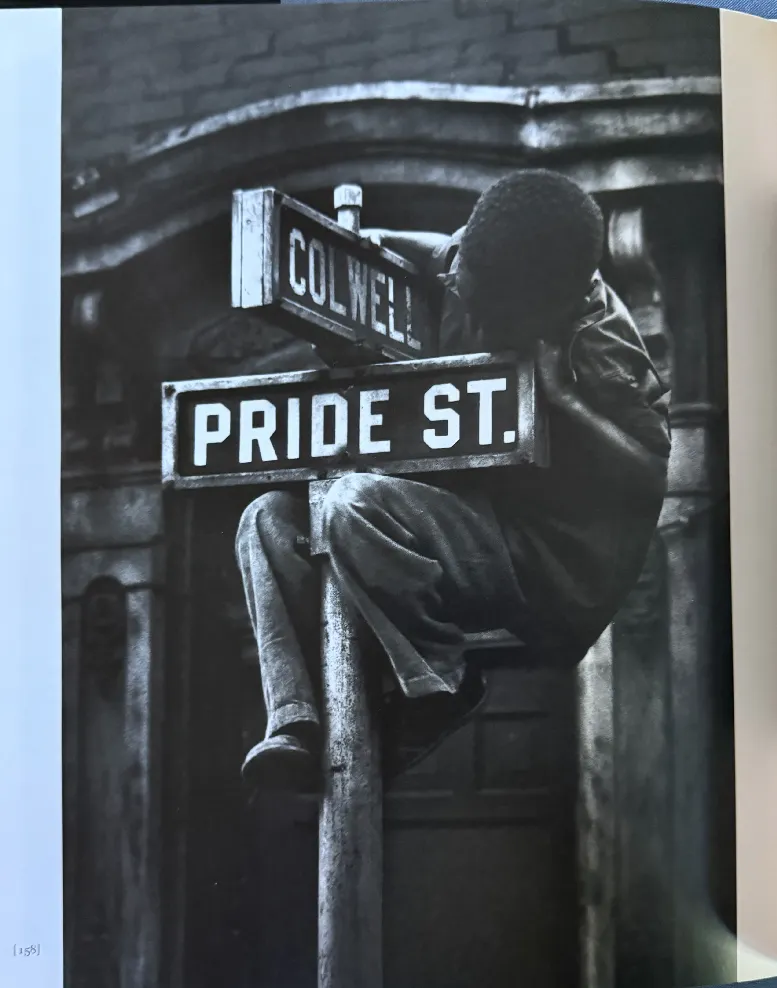

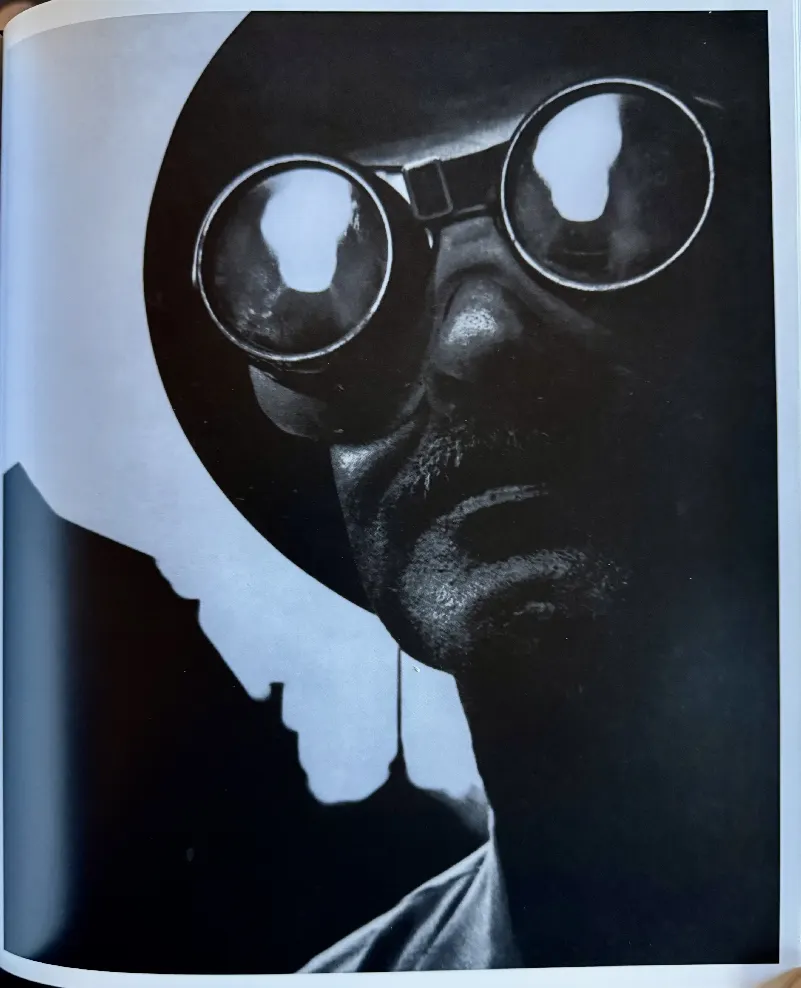
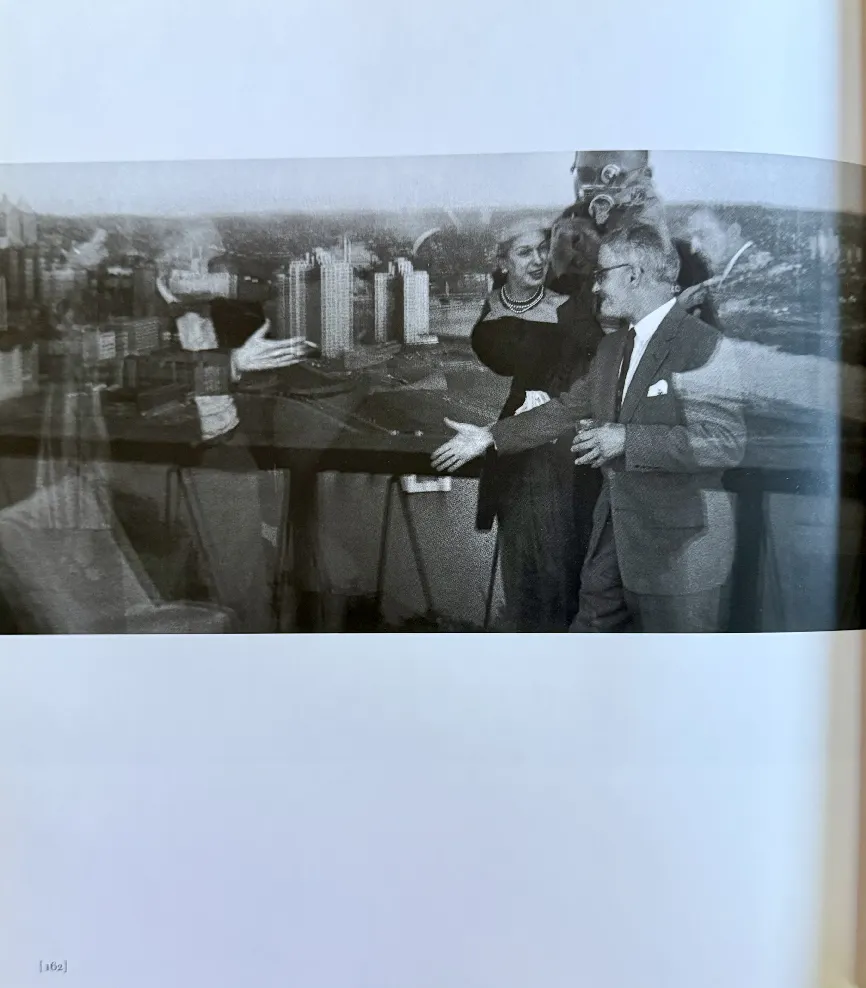
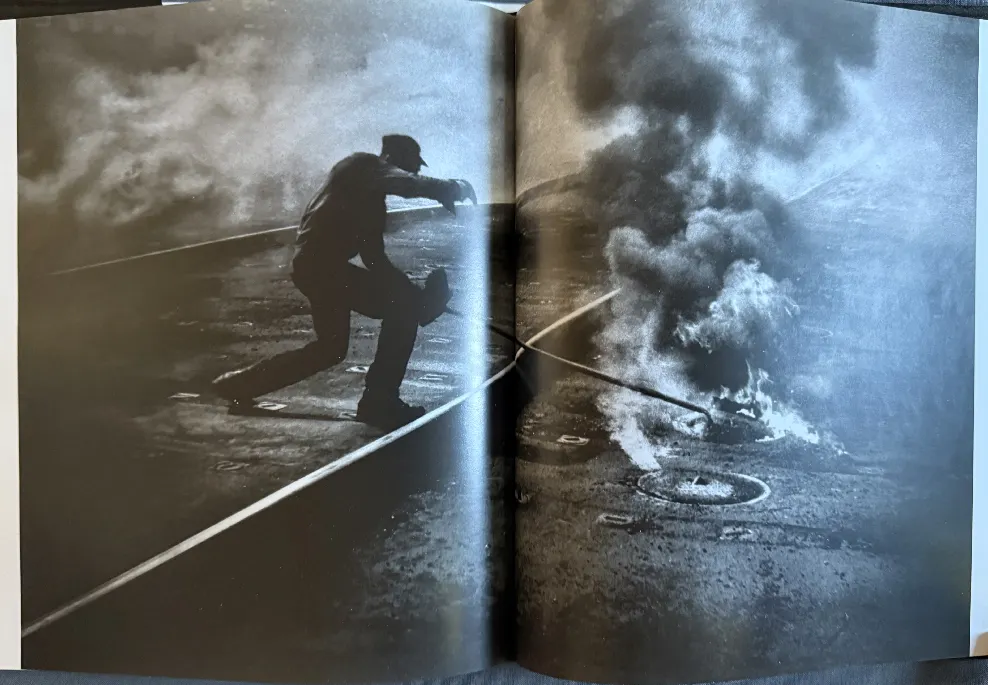

W. Eugene Smith's Pittsburgh Project stands as one of the most ambitious and immersive undertakings in the history of documentary photography. Initiated in 1955 after Smith abruptly resigned from Life magazine in pursuit of complete creative autonomy, the project was originally conceived as a modest three-week assignment to photograph Pittsburgh for a industrial development book. Instead, Smith became consumed by the city's labyrinthine social, economic, and topographical complexity, remaining there for over a year and accumulating a staggering archive of roughly 11,000 negatives.
While the broader project encompasses surveys of industrial plants, steel mills, and heavy infrastructural engineering, its true conceptual core lies in how it frames the human ecosystem caught in the shadow of that industrial might. Smith focused intently on Pittsburgh's historic Hill District, a vibrant, predominantly African American neighborhood undergoing the destructive pressures of mid-century urban renewal and industrial decline. By intertwining sweeping views of industrial manufacturing with intimate, street-level encounters of everyday community life, children playing on steep staircases, and neighbors congregating on stoops, Smith created a profound sociological portrait of a city at a historic crossroads.
Smith's mastery of high-contrast printing, deep velvety shadows, and dramatic chiaroscuro transforms both the industrial floor and the urban street into stages of immense psychological gravity, preserving the fragile human history and monumental scale of a transformed era.