
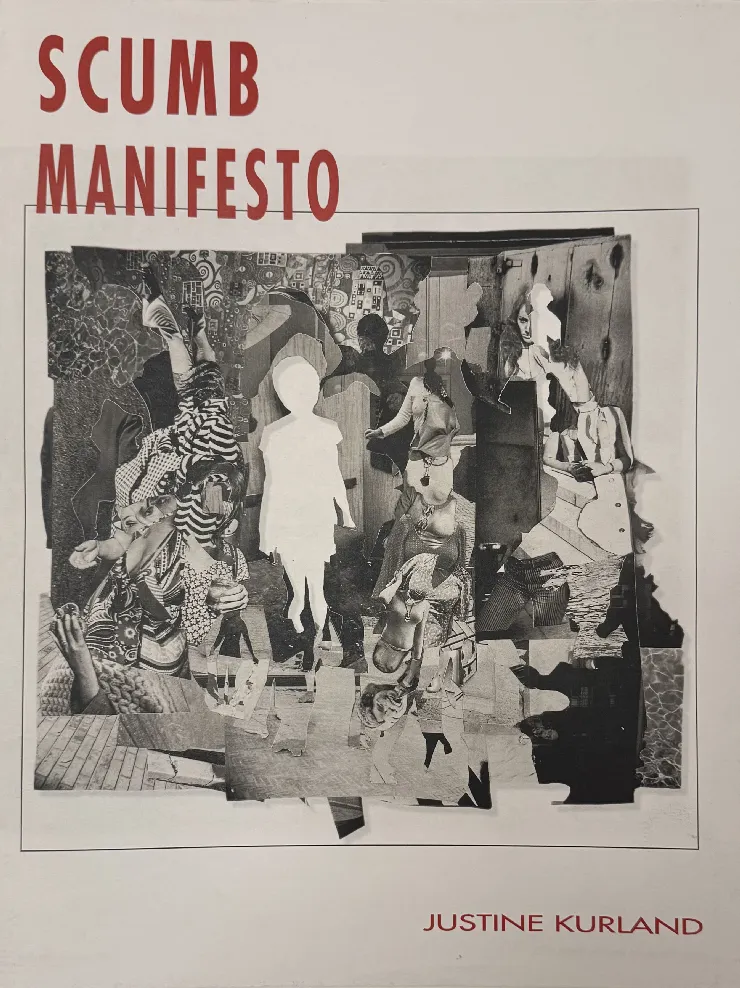
Oversized softcover
ISBN:


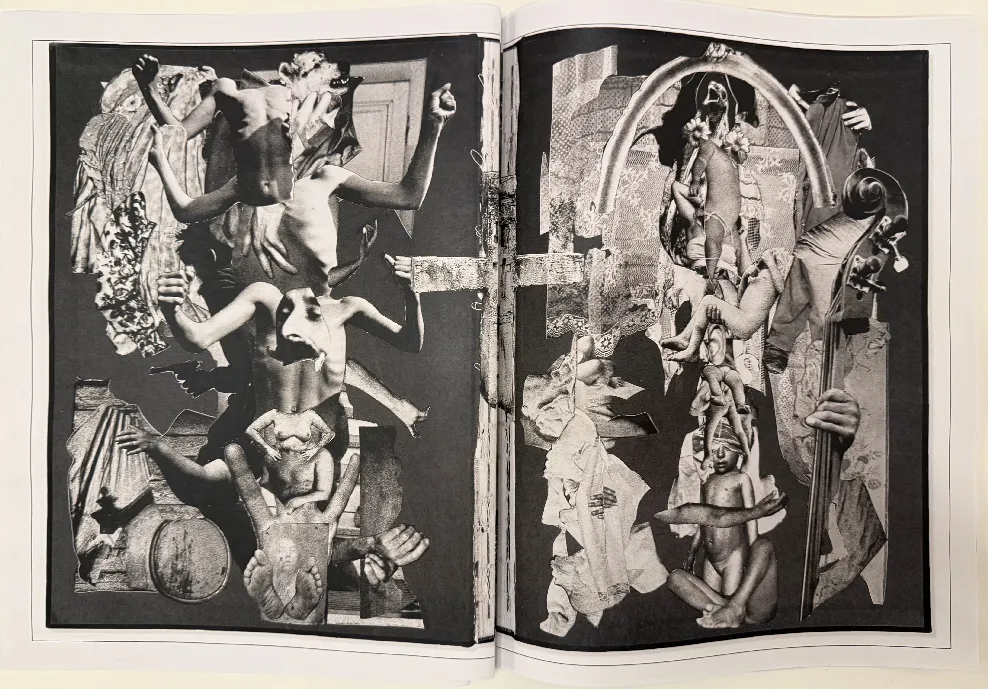
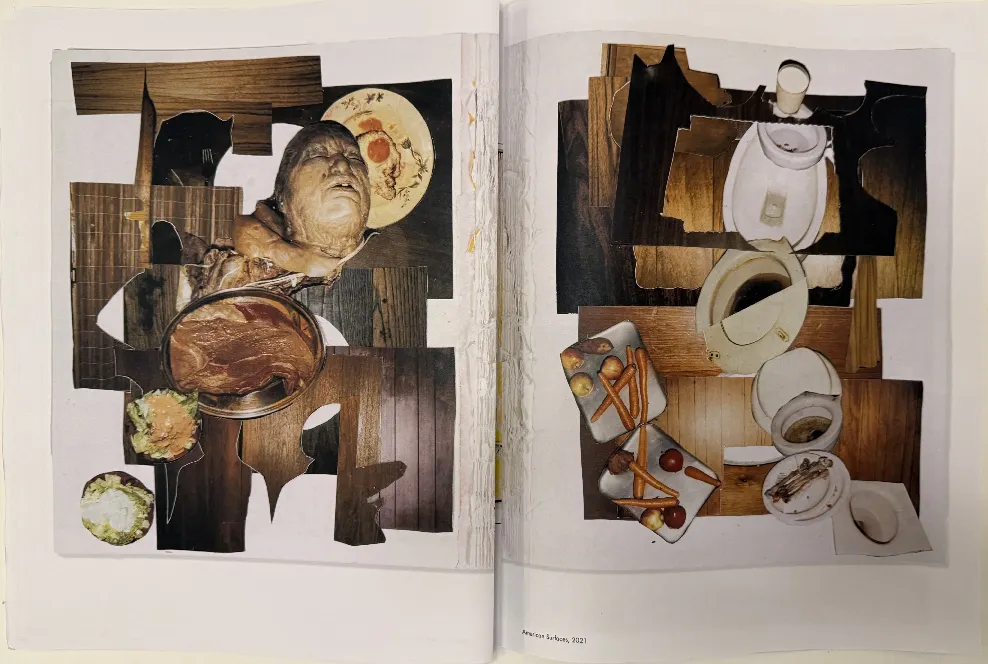
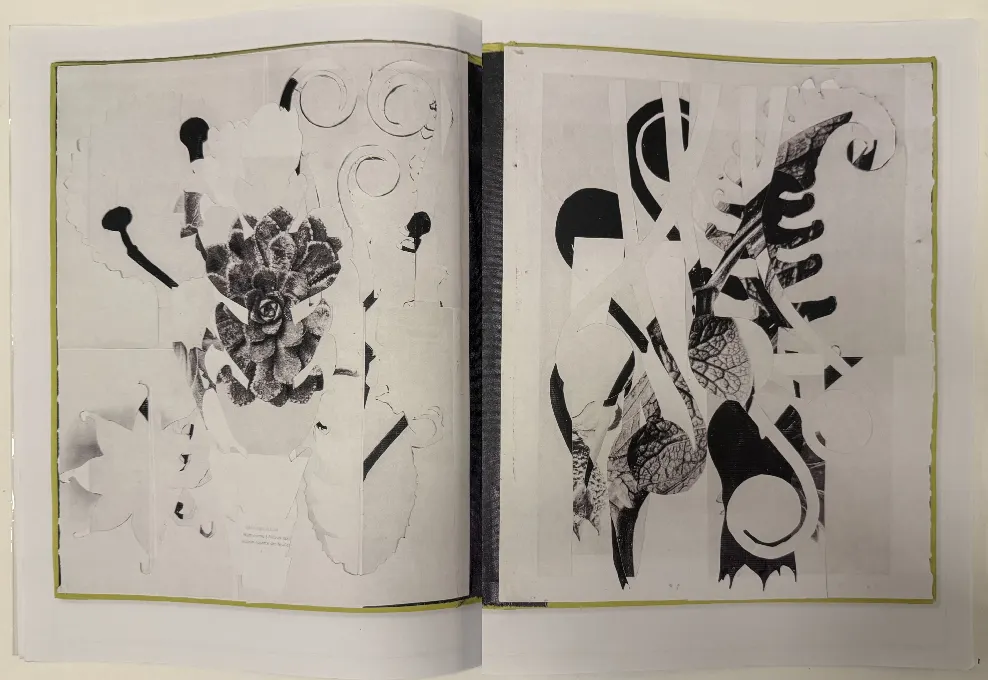
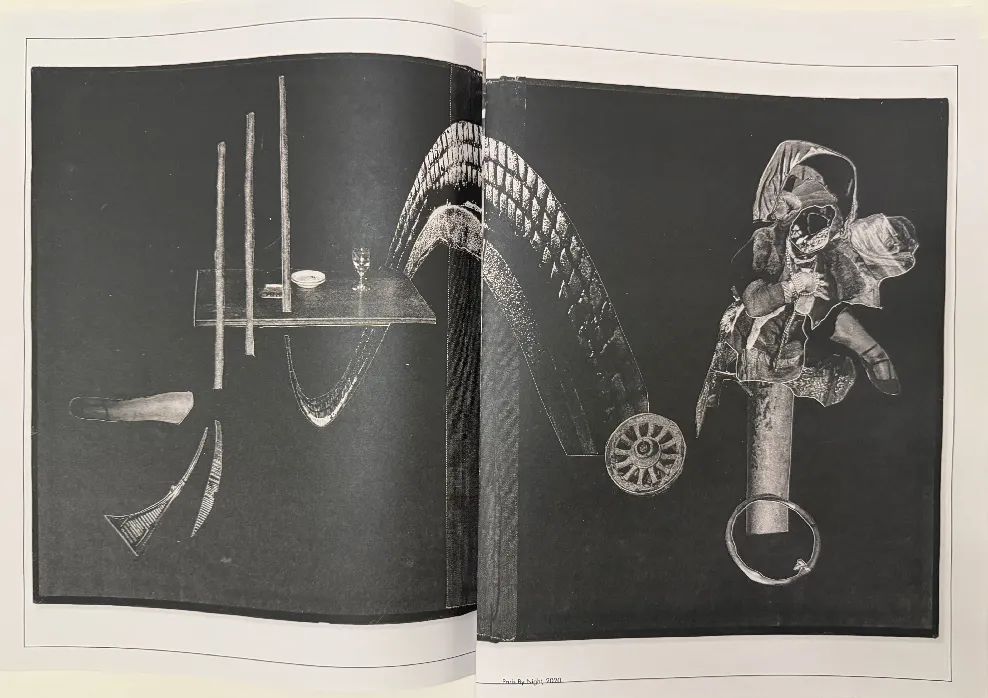
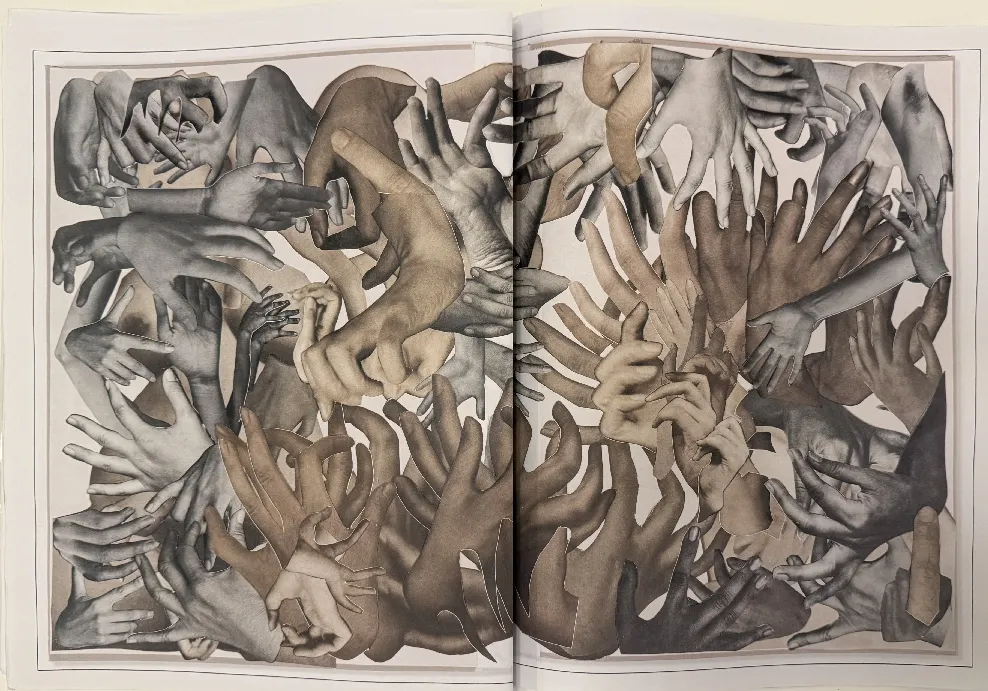
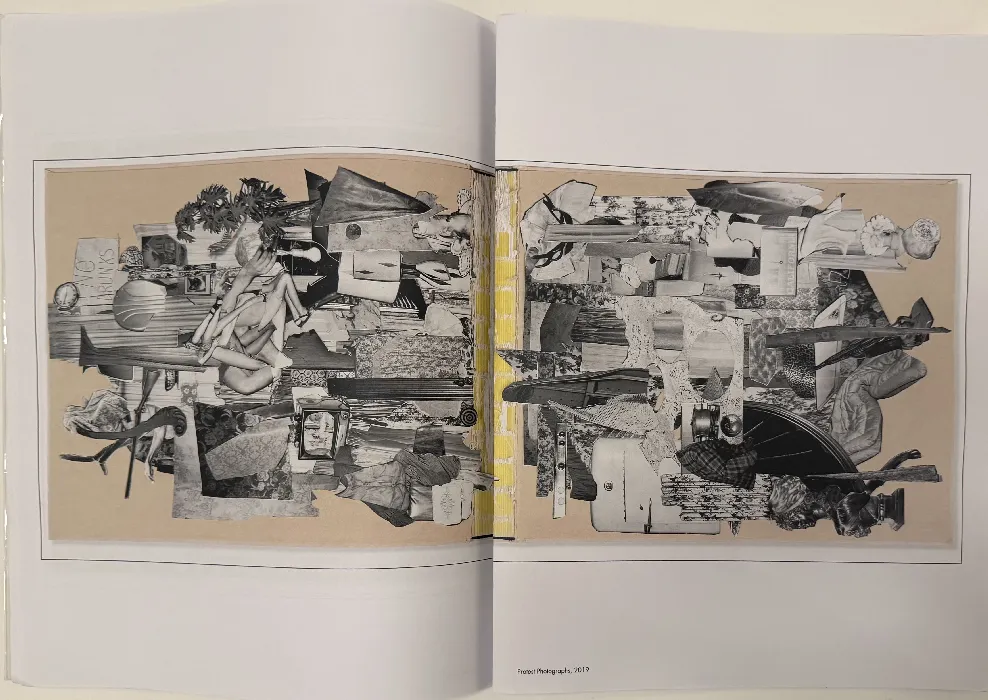
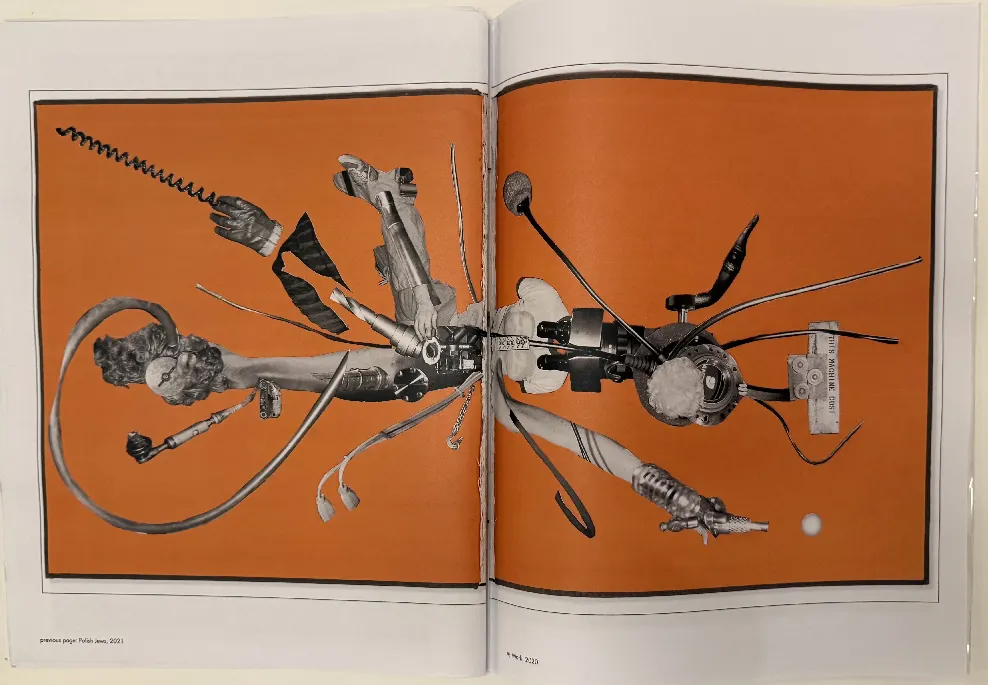
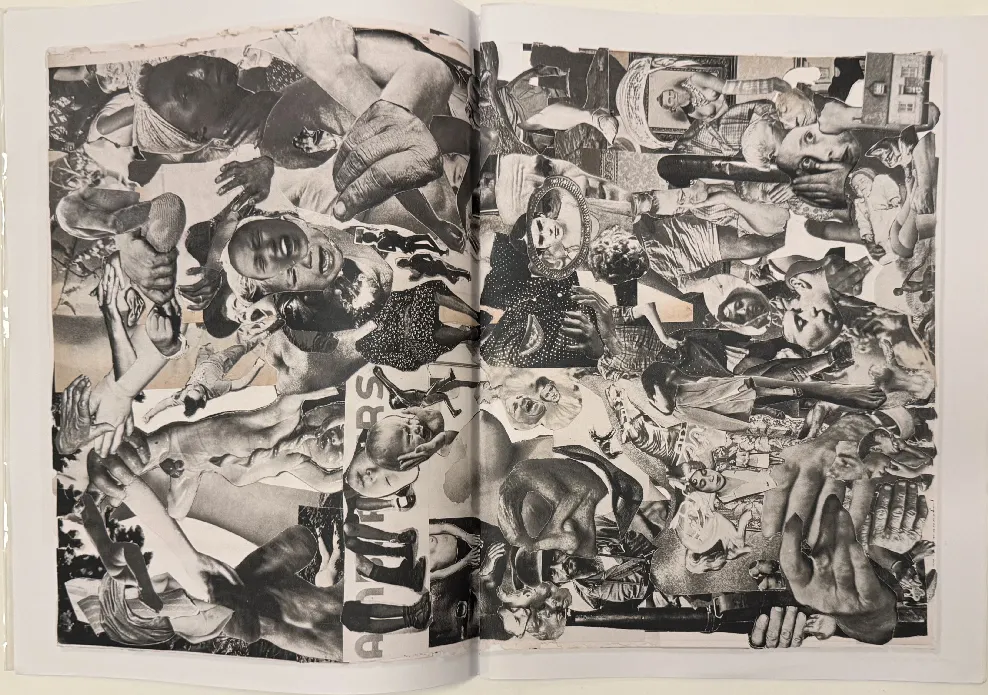
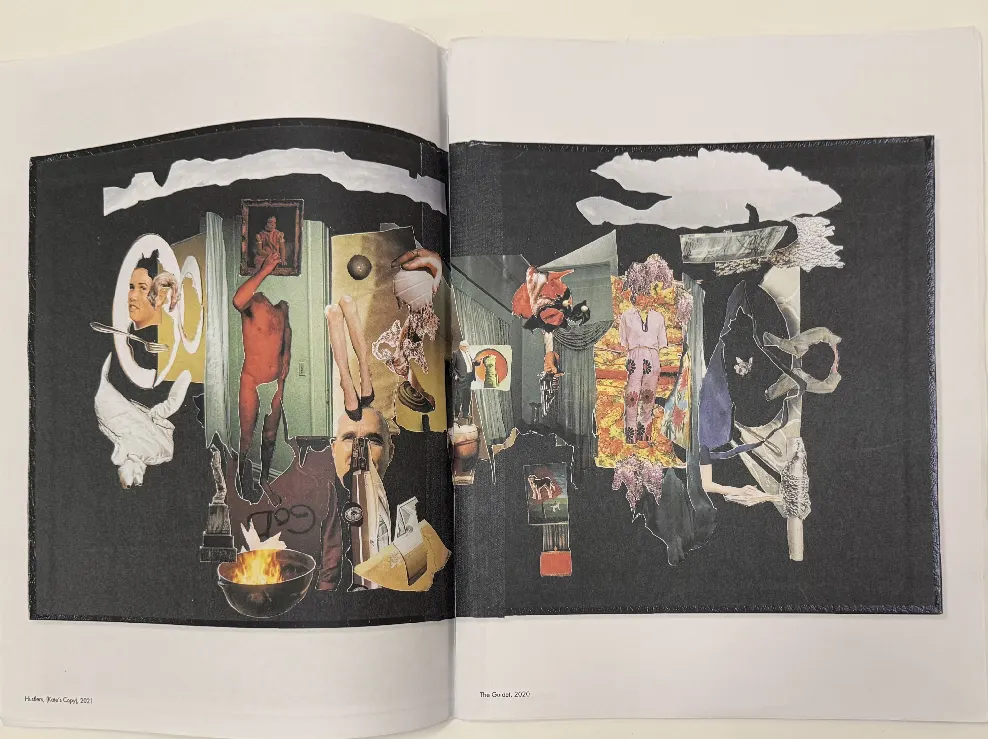
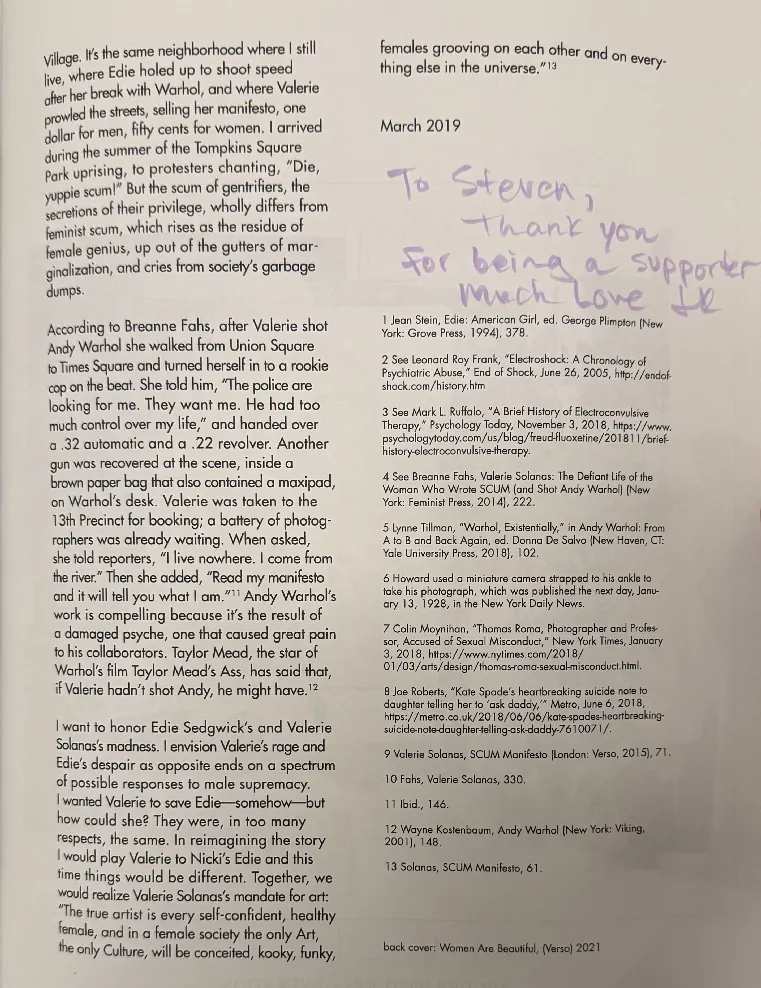
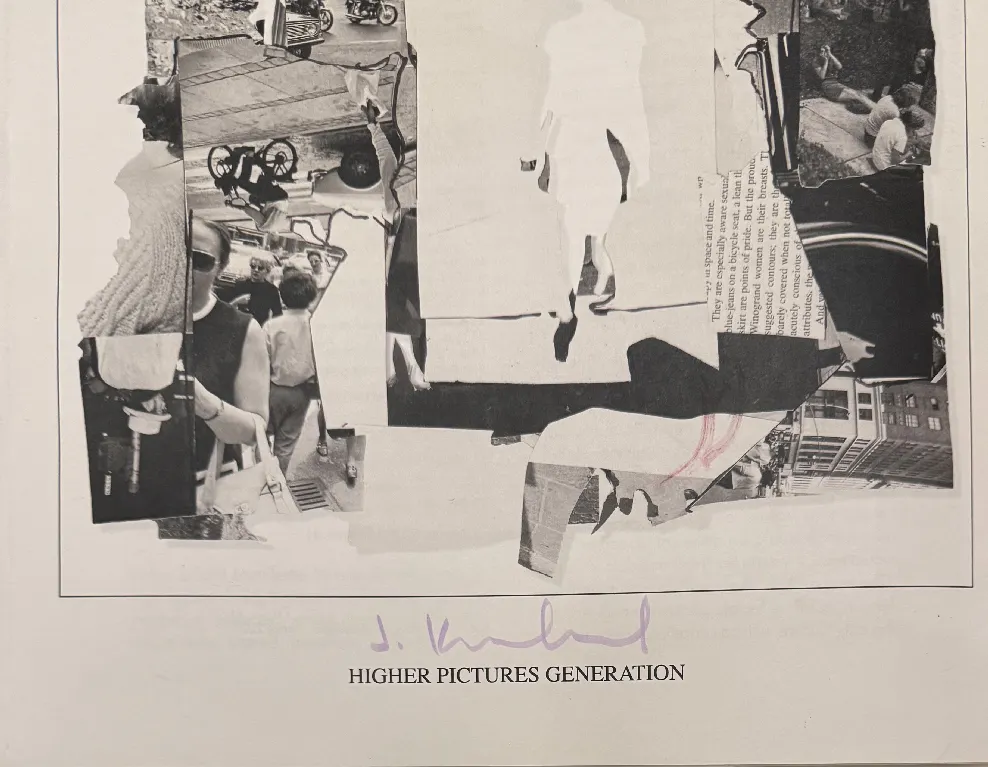
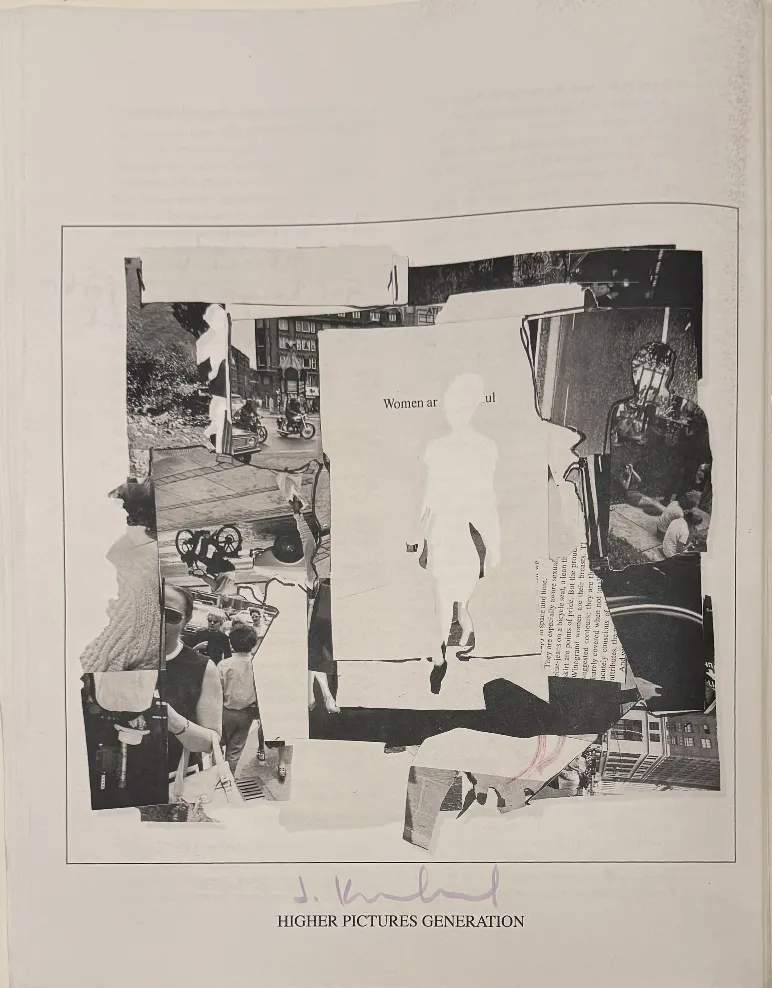
Scumb Manifesto (Society for Cutting Up Men's Books) is a radical, cathartic project inspired by Valerie Solanas’s infamous 1967 SCUM Manifesto. In this work, Justine Kurland systematically purged her personal library of approximately 150 photobooks authored by canonical straight white male photographers, including Lee Friedlander, Garry Winogrand, Martin Parr, and Robert Adams, by physically cutting them apart with an X-Acto knife. Conceptually, the project operates as an act of rebellion against the patriarchal hegemony of the photographic canon, reframing destruction as a restorative, feminist ritual of reclamation and gender inversion. It marks a profound shift in Kurland's oeuvre, moving from her earlier utopian, staged tableaux of rebellious female communities (such as Girl Pictures) to direct, aggressive material intervention.
Employing collage as a disruptive, shape-shifting strategy akin to Hannah Höch, Kurland established strict formal parameters for the project: the physical book itself provided all the content, with no digital manipulation or extraneous material allowed. The original colored endpapers or the splayed-open, violently severed book covers served as her backdrops. The resulting collages range from surrealist, swirling vortexes of disjointed limbs, breasts, and steering wheels to cool, minimal geometric abstractions. Despite the initial violence of the act, Kurland's compositions are meticulously crafted. She employs delicate, lacy cuts that create intricate spatial tension between positive and negative space, completely stripping bare the formal vanities of the original images to forge a new, subversive visual language.
Within Kurland's broader career, Scumb Manifesto represents a daring leap from the camera to the scalpel, shifting her focus from documenting imagined realities to physically dismantling the inherited visual history that constrained them. For the Bushwick Sur Seine archive, this project holds great importance due to its literal deconstruction of the photobook format. By dismembering the very medium of the photobook, Kurland weaponizes the printed page, transforming authoritative, mass-produced editions into singular, sculptural objects of protest. The work directly confronts the sanctity and reproducibility of the collectible photobook, challenging the canon while simultaneously affirming the physical book's enduring cultural power.