
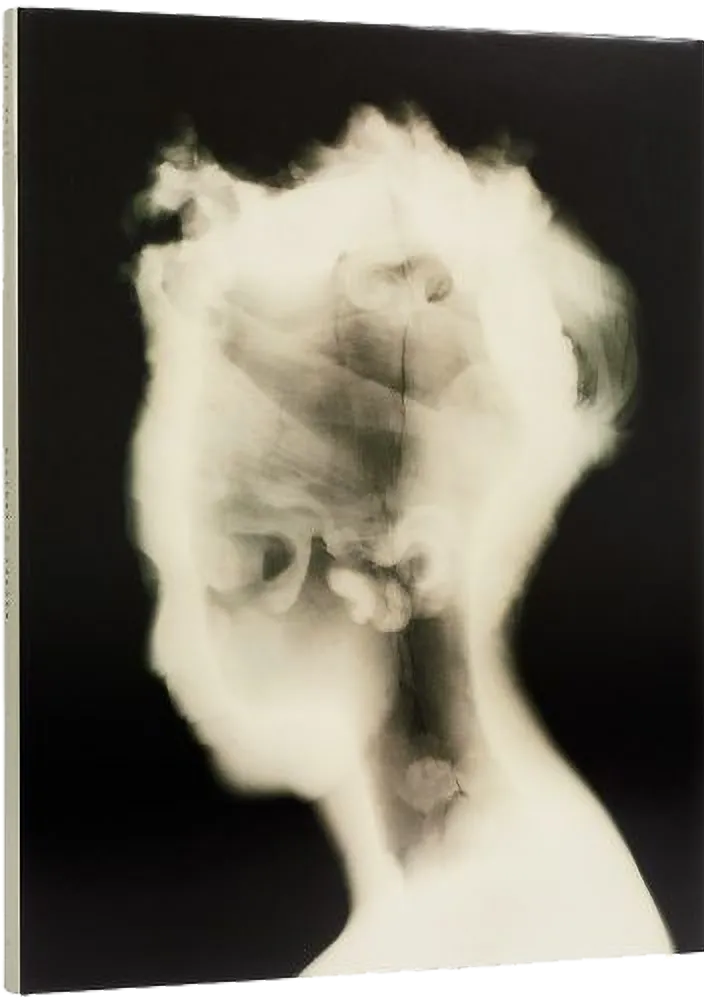


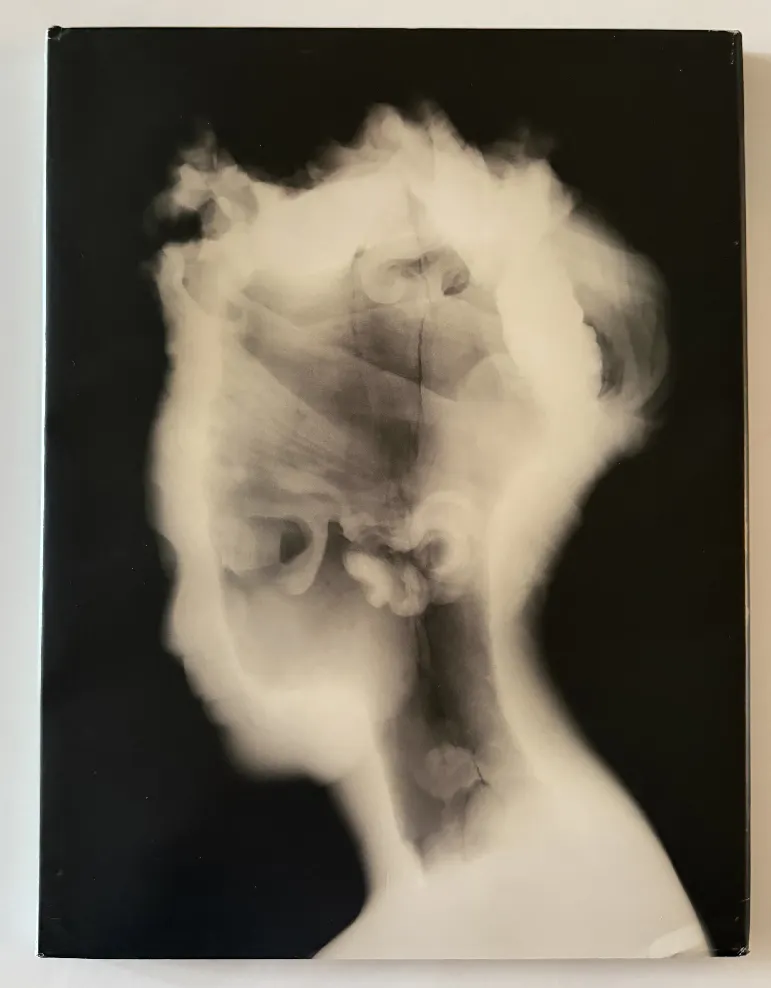
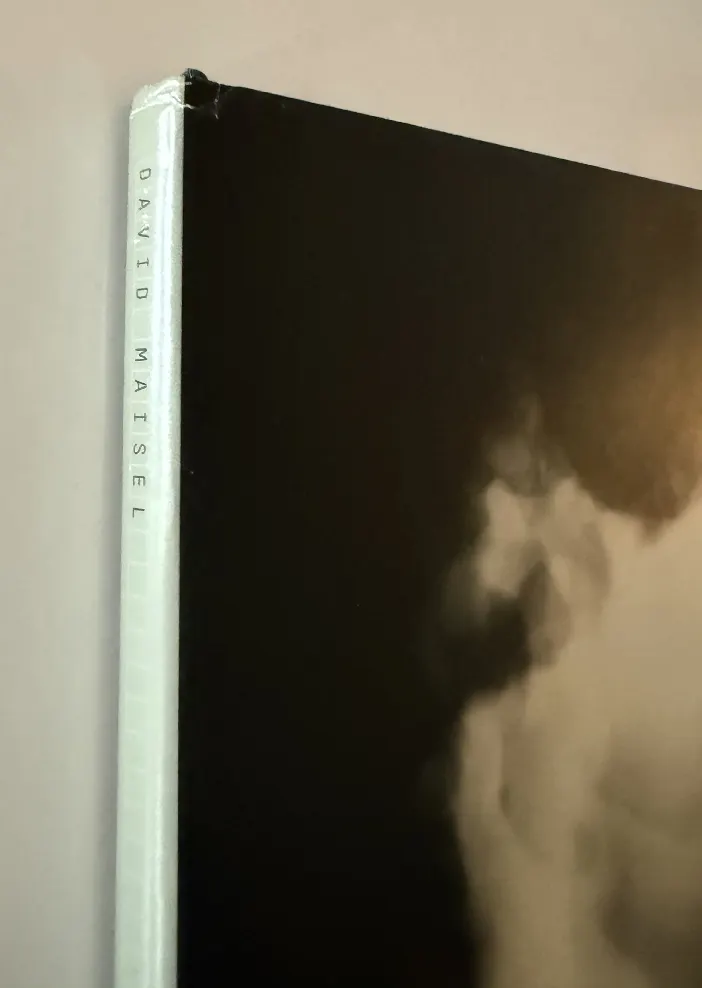
History's Shadow, published by Nazraeli Press, is a conceptual photography project and monograph that explores the intersection of art preservation, scientific imaging, and the passage of time.
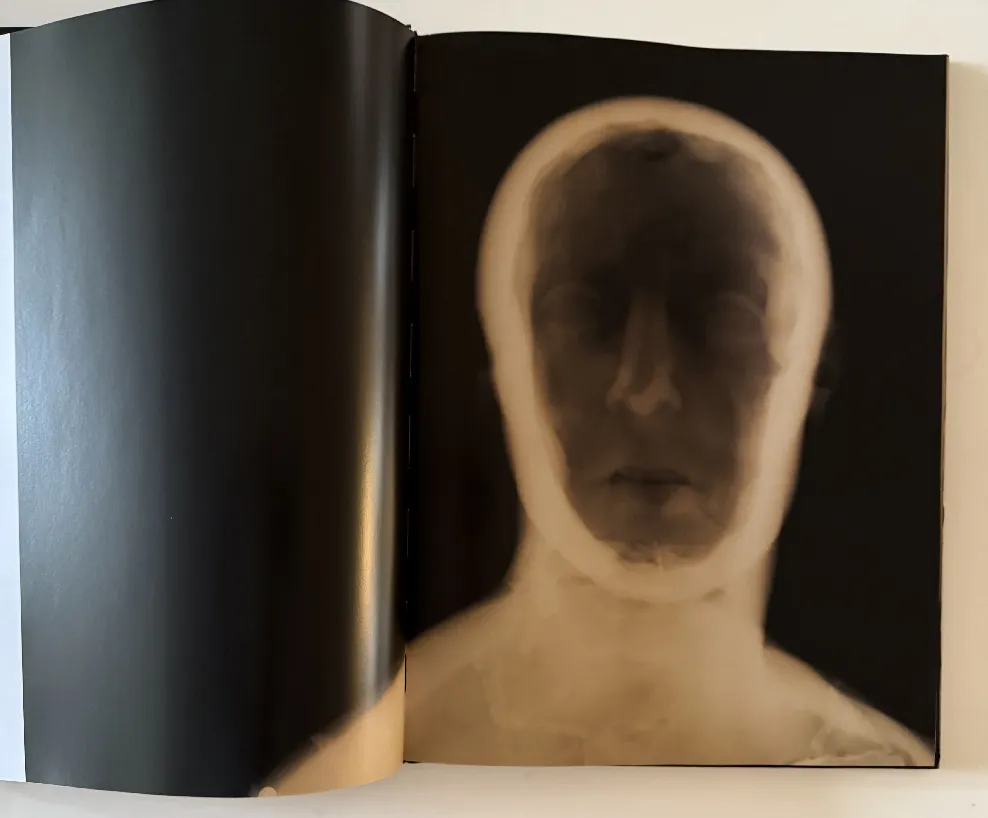
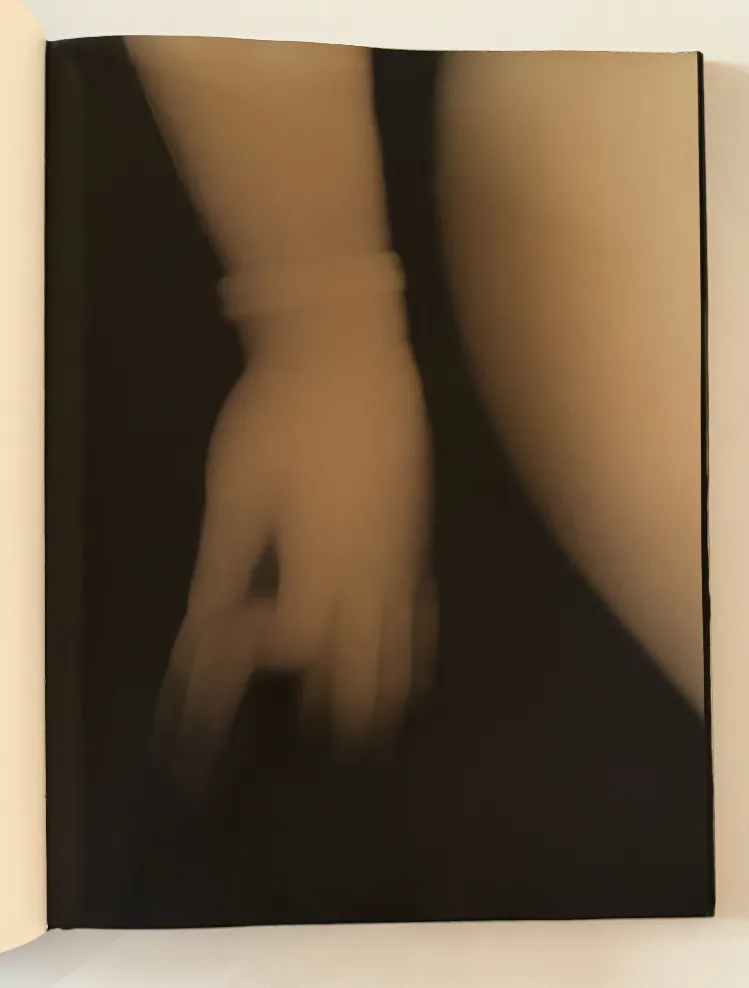
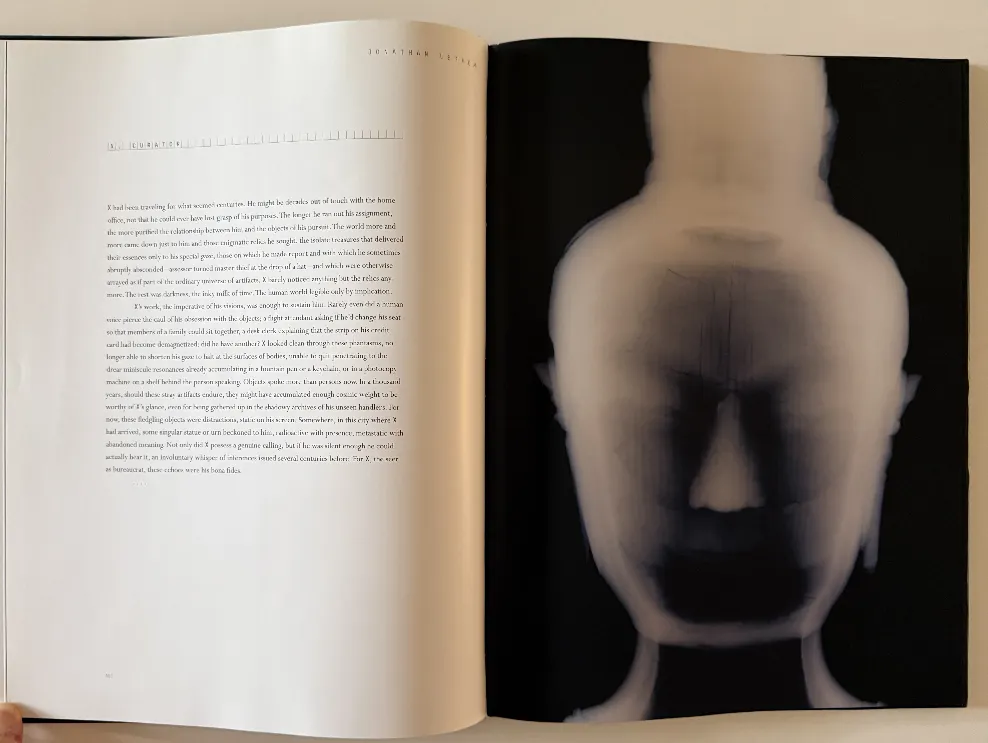
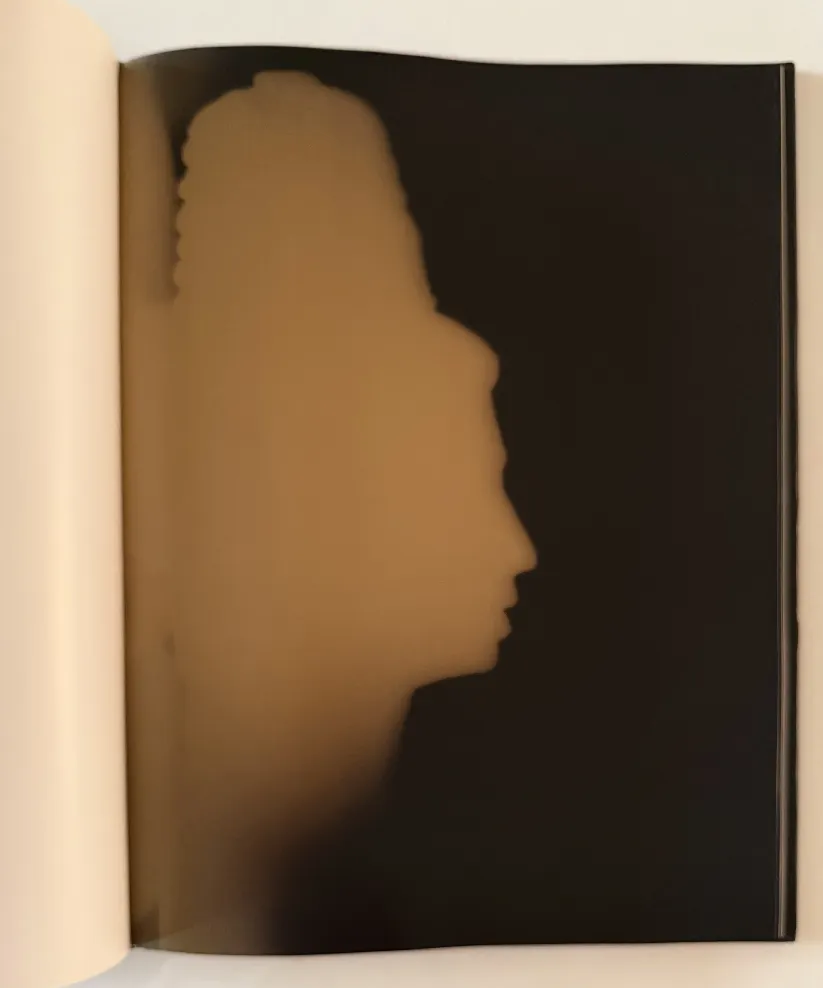
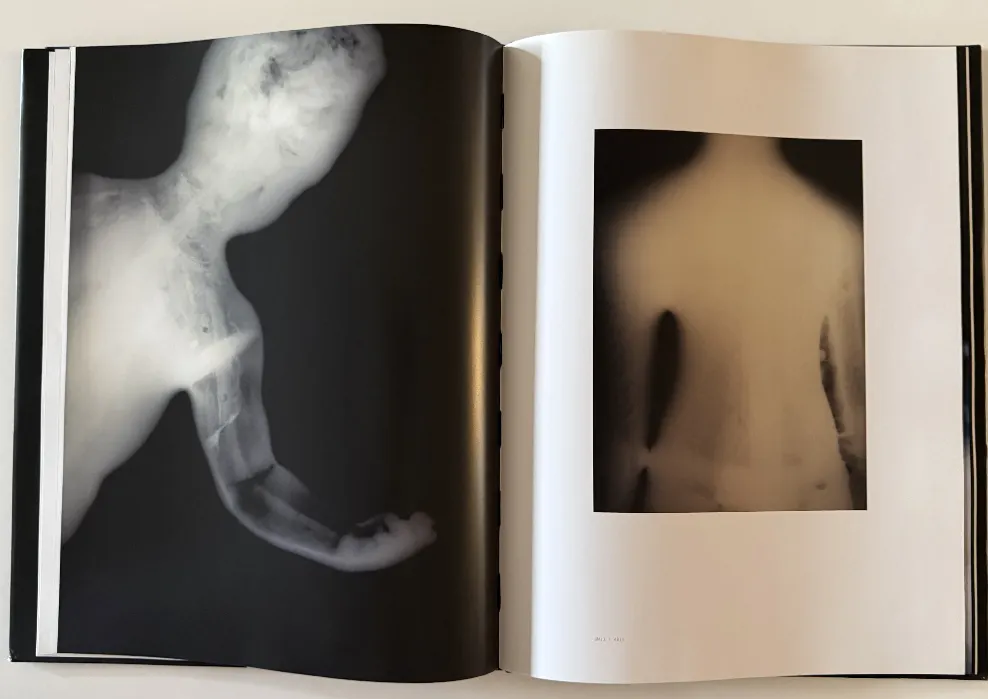
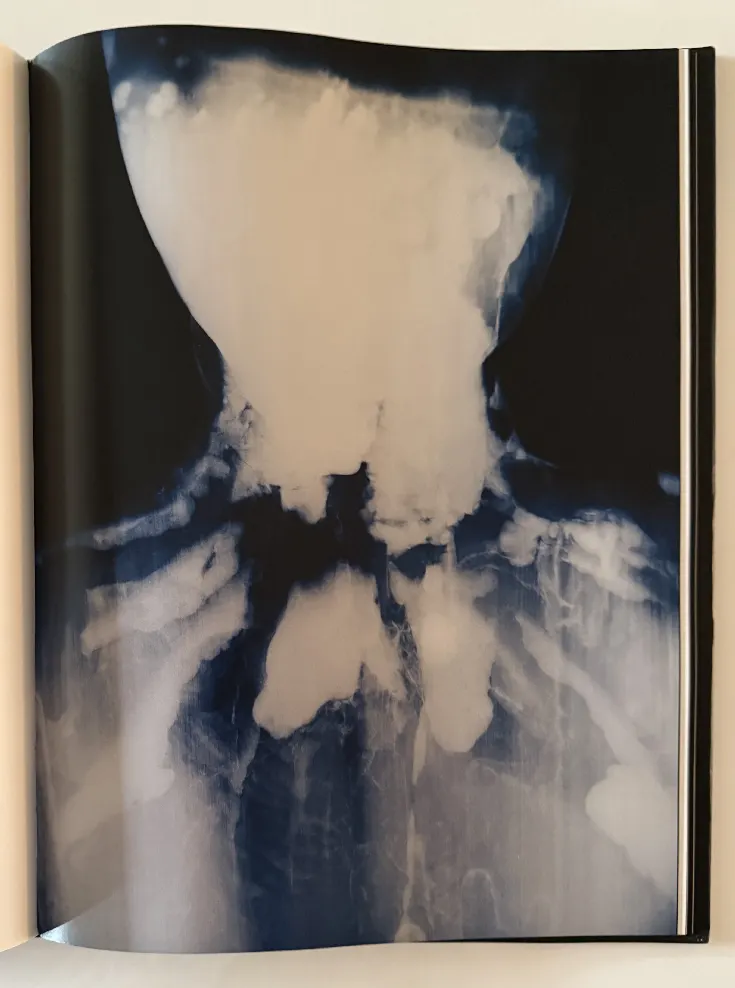
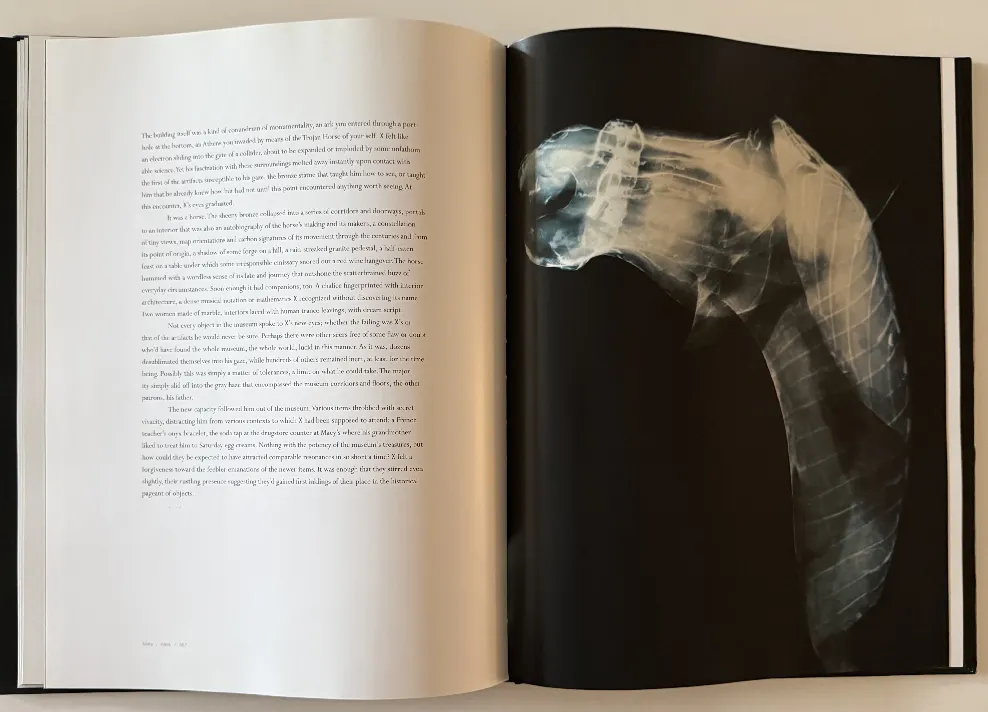
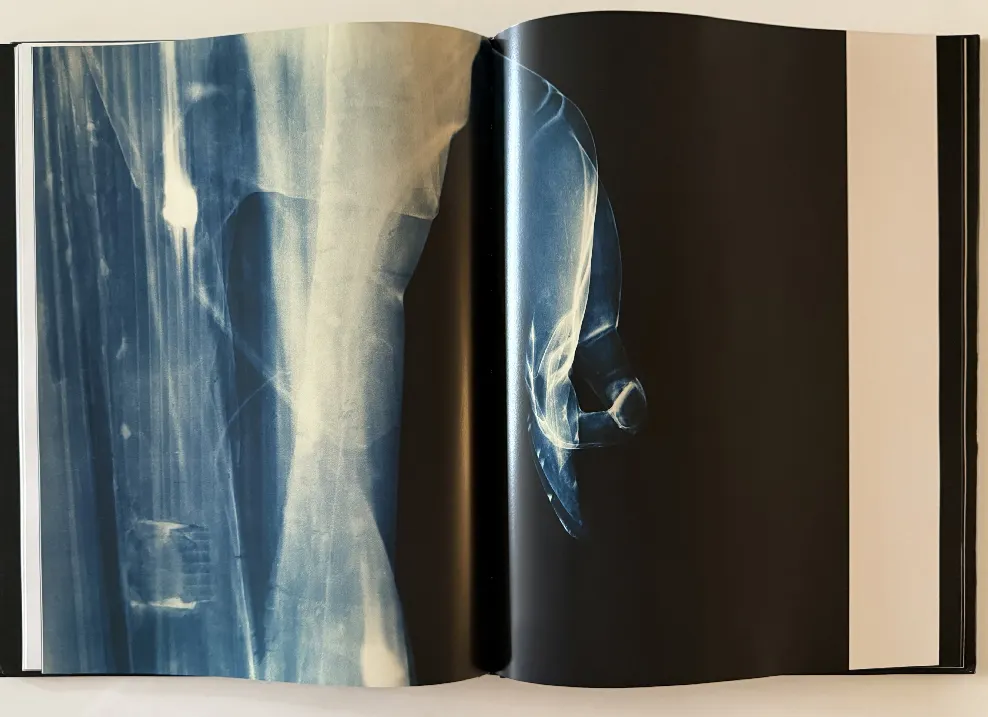
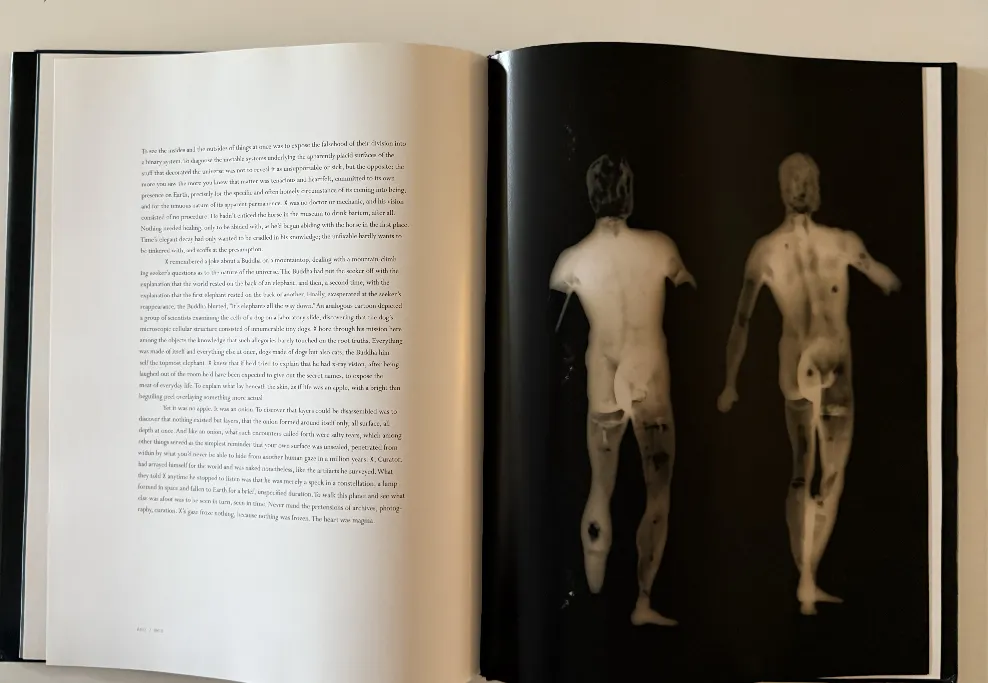
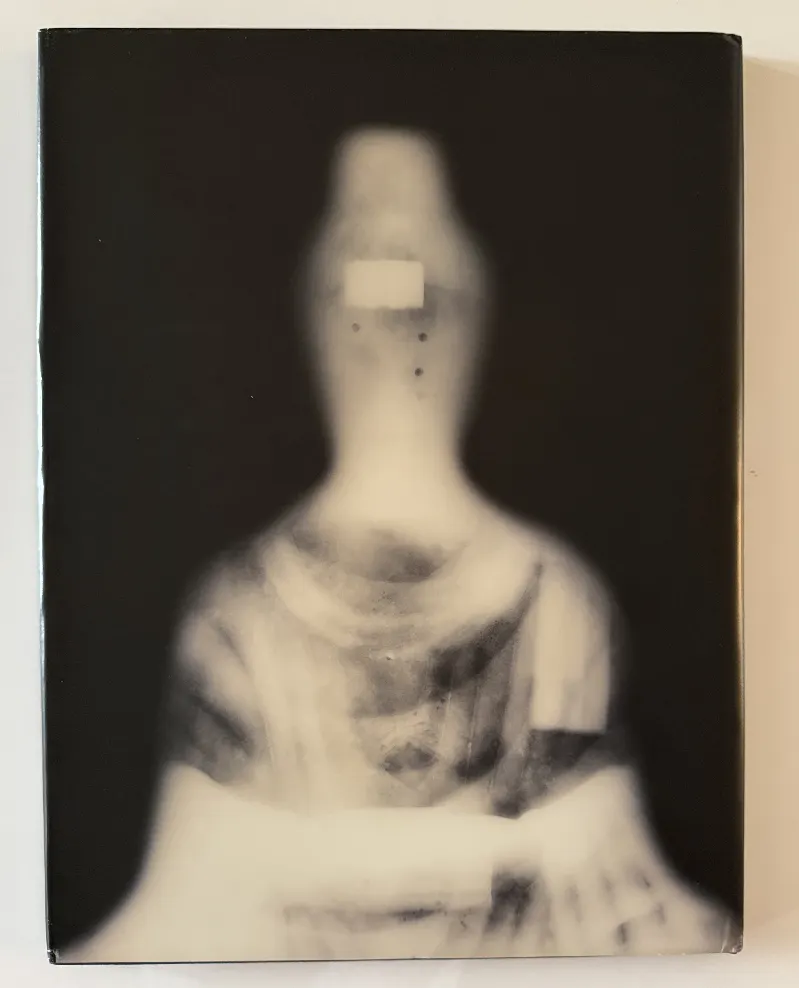
Maisel culled thousands of conservation X-rays from museum archives (such as the Getty Museum and the Asian Art Museum of San Francisco) depicting ancient sculptures, artifacts, and artworks. Placing these structural X-ray sheets on light boxes in a darkened studio, he re-photographed them using long exposures on film, transforming raw scientific documentation into ghostly, spectral art prints.
Because X-rays map both the exterior contours and interior structures (revealing internal armatures, pins, cracks, and structural decay), the project flattens three-dimensional historical objects into two-dimensional maps of inner and outer space.
The book treats the physical artifacts as records of human history, using light and radiography to make invisible internal traumas and construction methods visible. By stripping away the surface patina and museum display contexts, the ancient objects are reanimated into mysterious, modern visual forms that collapse the distance between antiquity and contemporary photography.

History's Shadow, published by Nazraeli Press, is a conceptual photography project and monograph that explores the intersection of art preservation, scientific imaging, and the passage of time.
Maisel culled thousands of conservation X-rays from museum archives (such as the Getty Museum and the Asian Art Museum of San Francisco) depicting ancient sculptures, artifacts, and artworks. Placing these structural X-ray sheets on light boxes in a darkened studio, he re-photographed them using long exposures on film, transforming raw scientific documentation into ghostly, spectral art prints.
Because X-rays map both the exterior contours and interior structures (revealing internal armatures, pins, cracks, and structural decay), the project flattens three-dimensional historical objects into two-dimensional maps of inner and outer space.
The book treats the physical artifacts as records of human history, using light and radiography to make invisible internal traumas and construction methods visible. By stripping away the surface patina and museum display contexts, the ancient objects are reanimated into mysterious, modern visual forms that collapse the distance between antiquity and contemporary photography.