
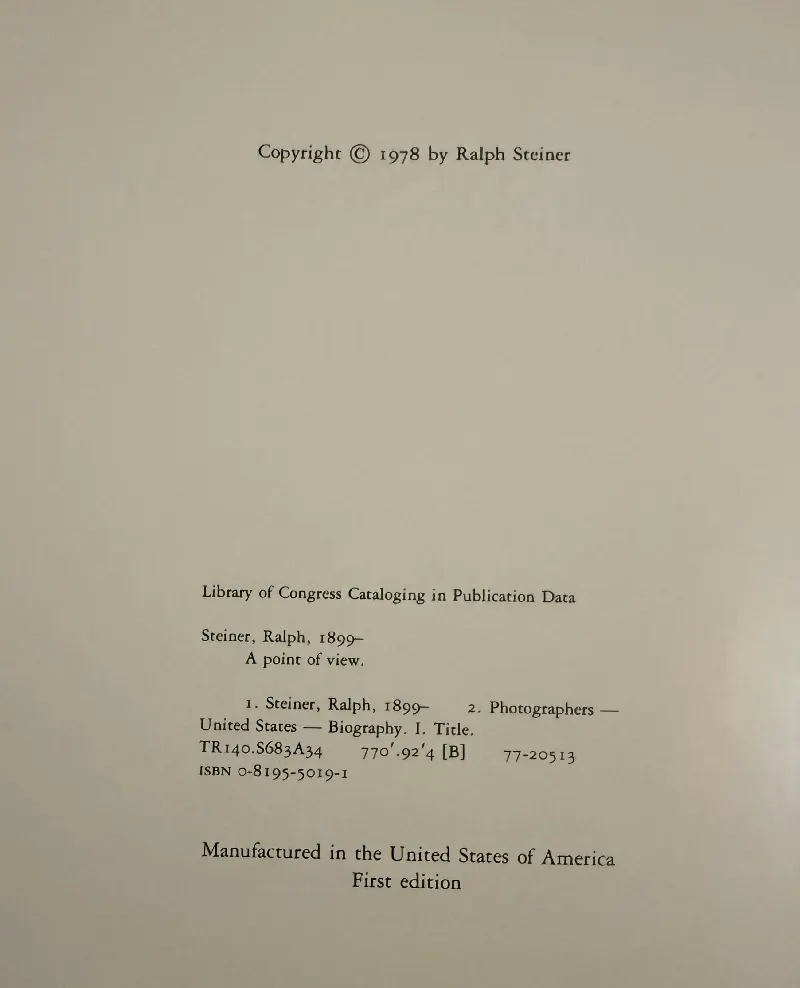
ISBN:
0819550191


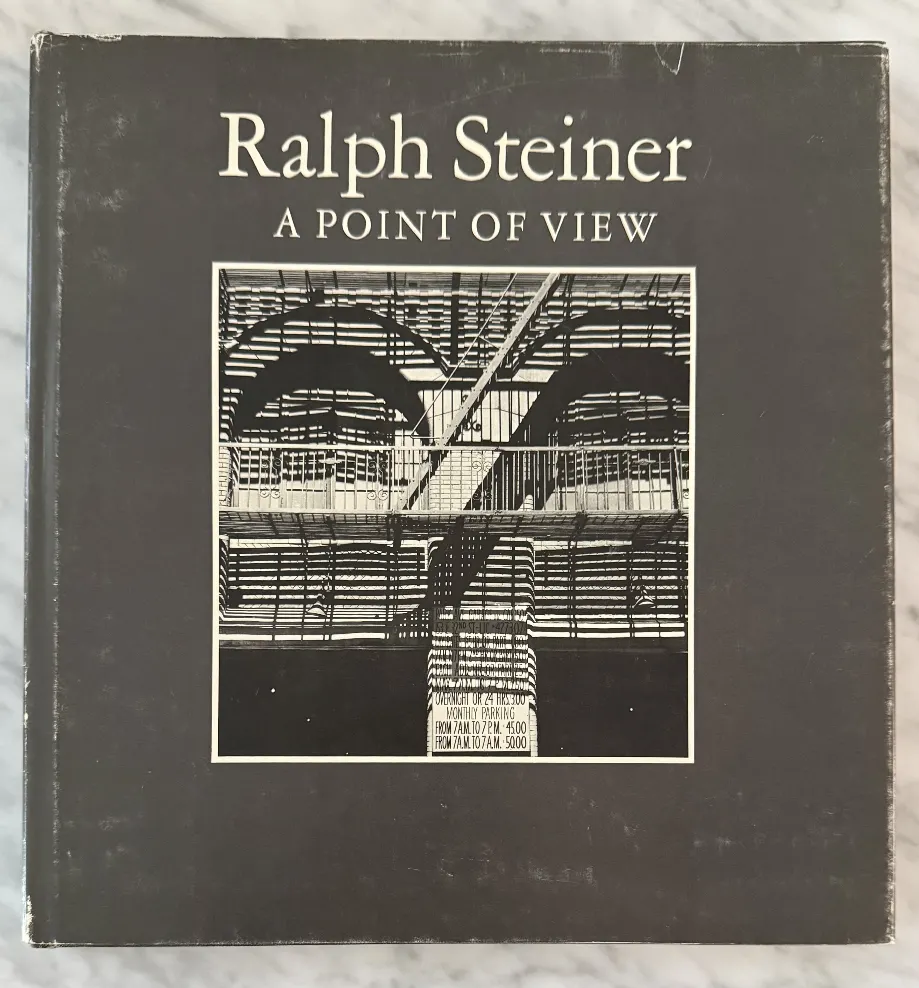
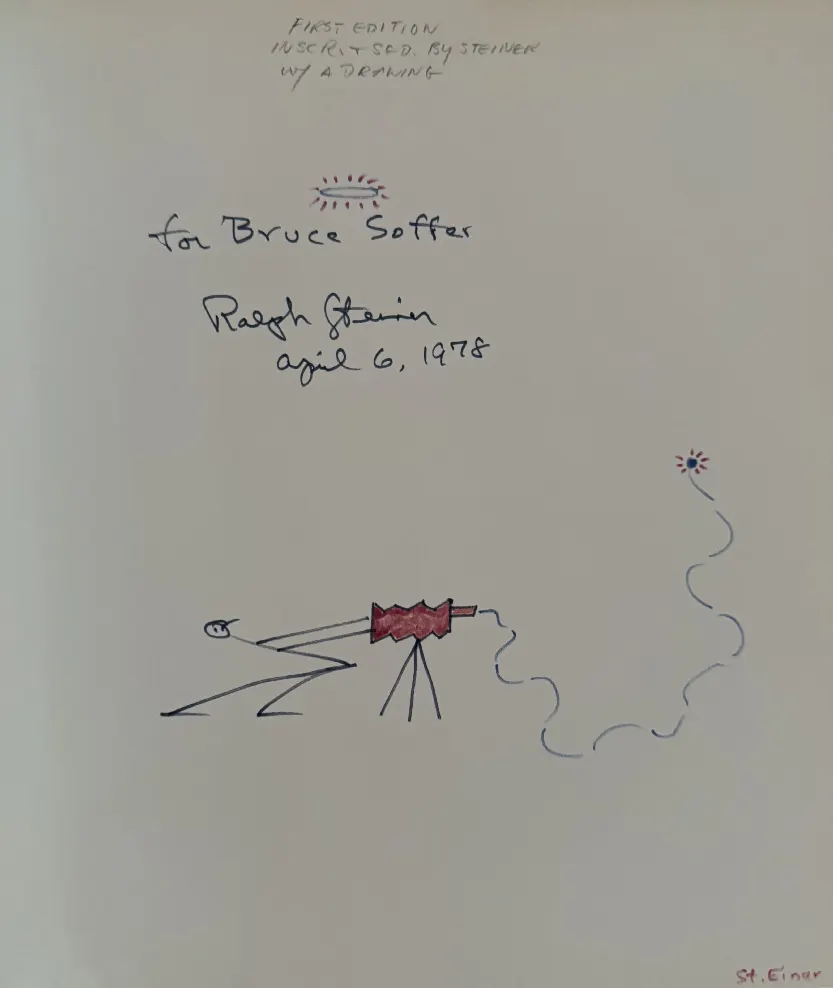
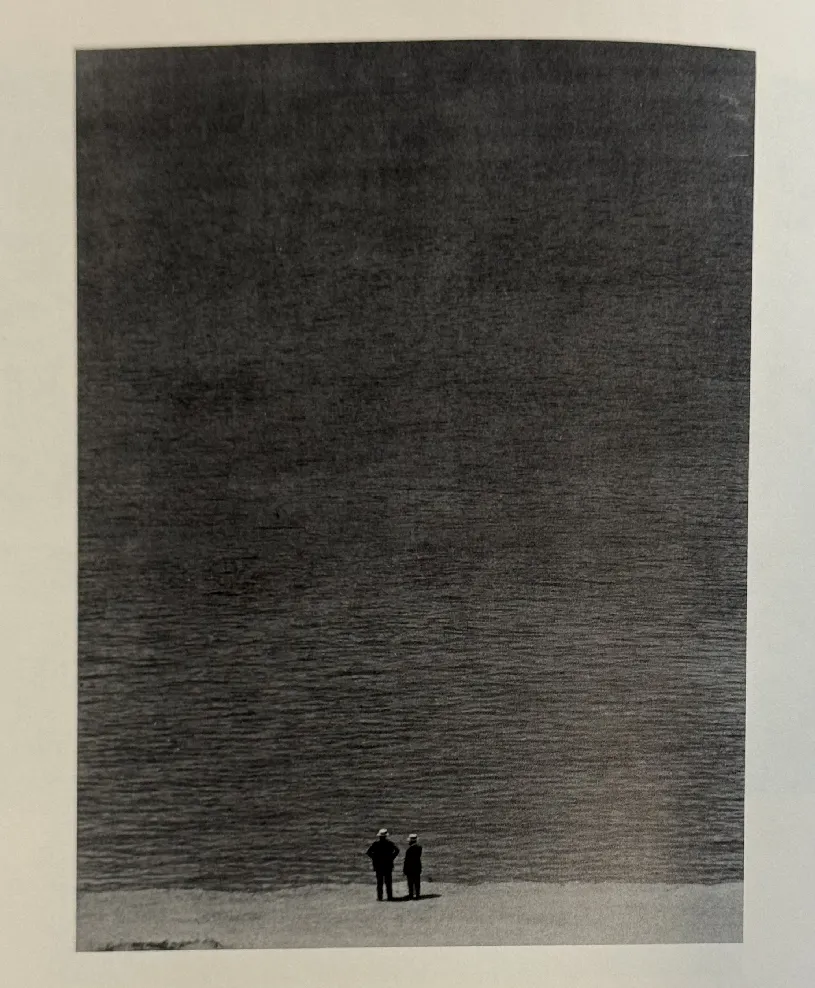
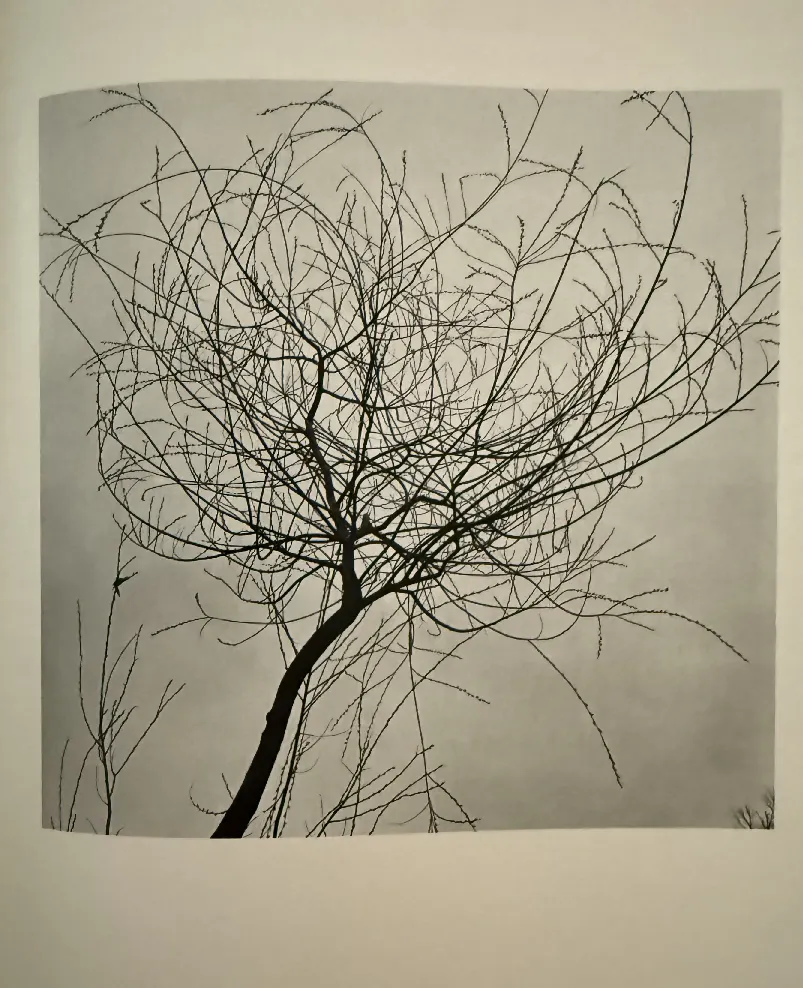
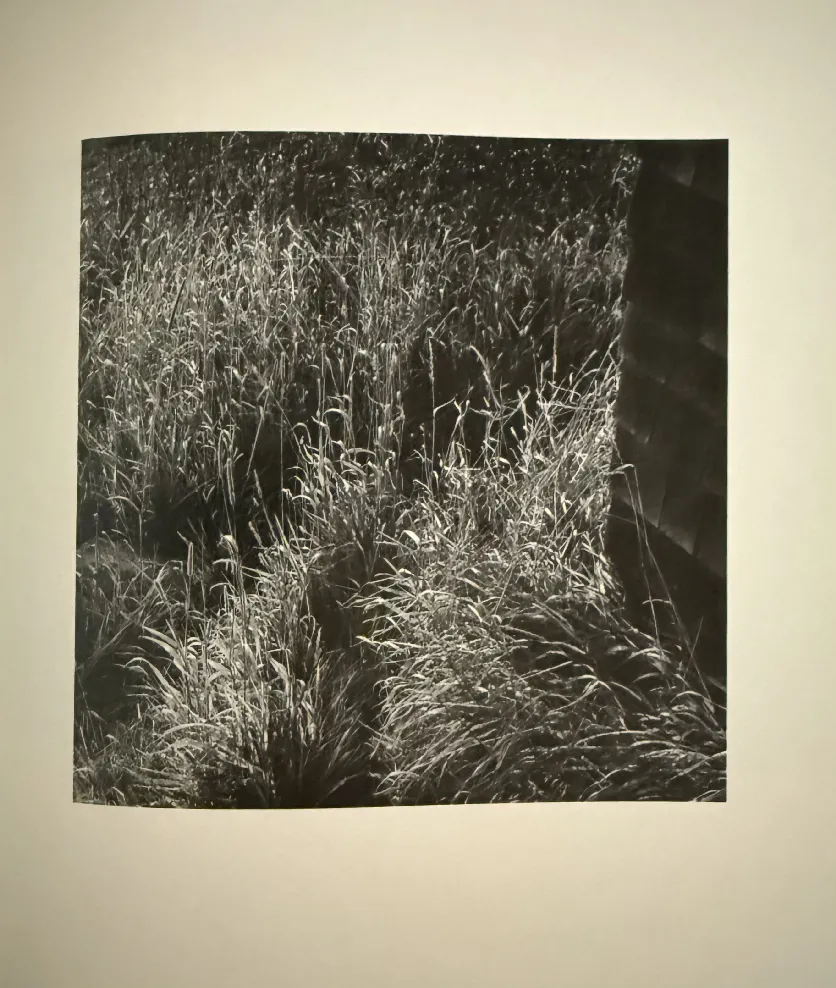
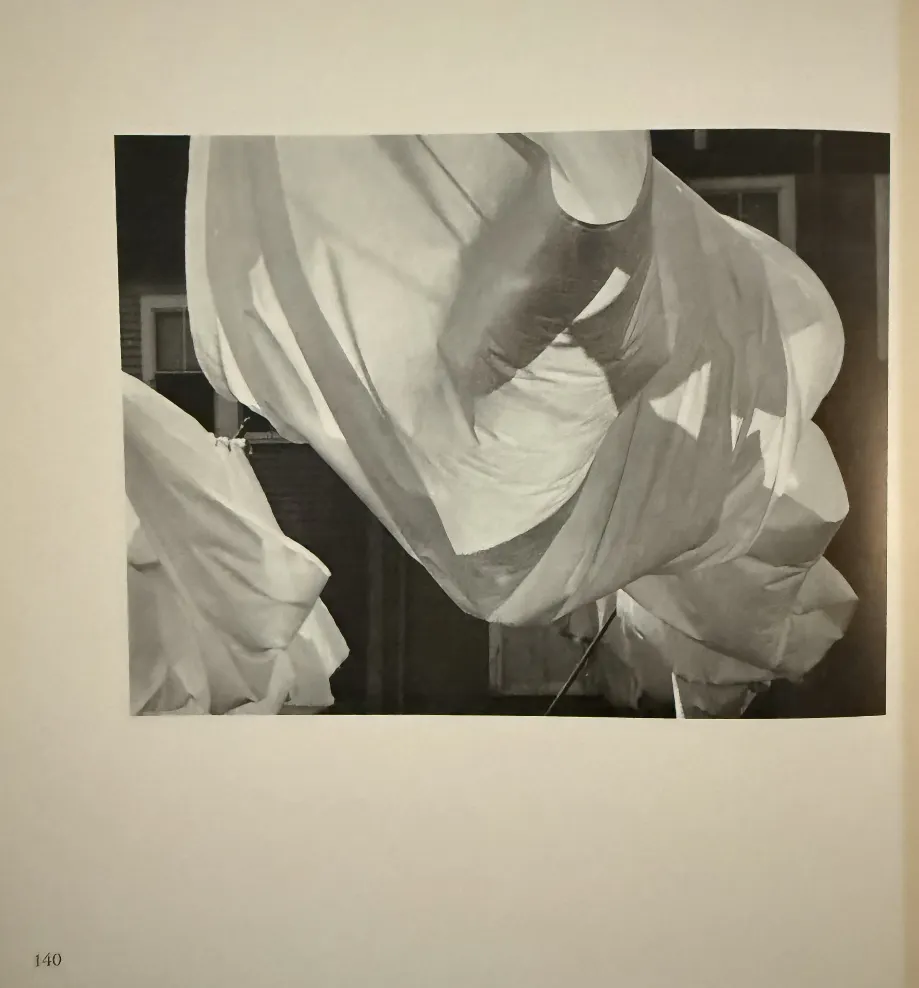
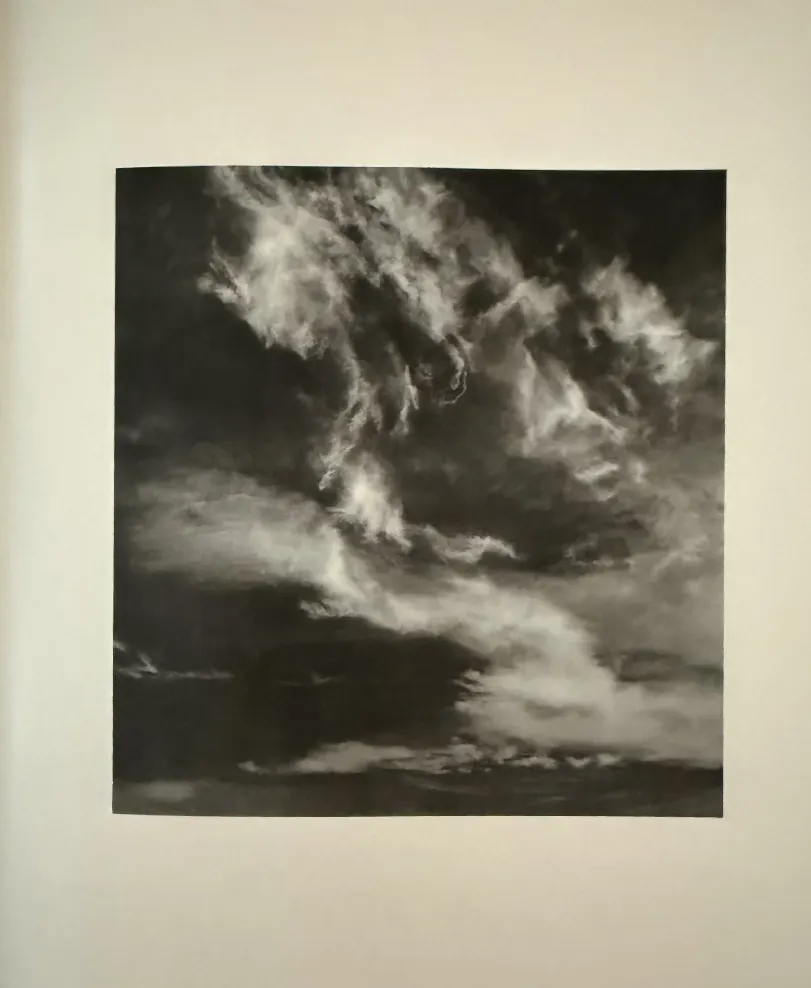
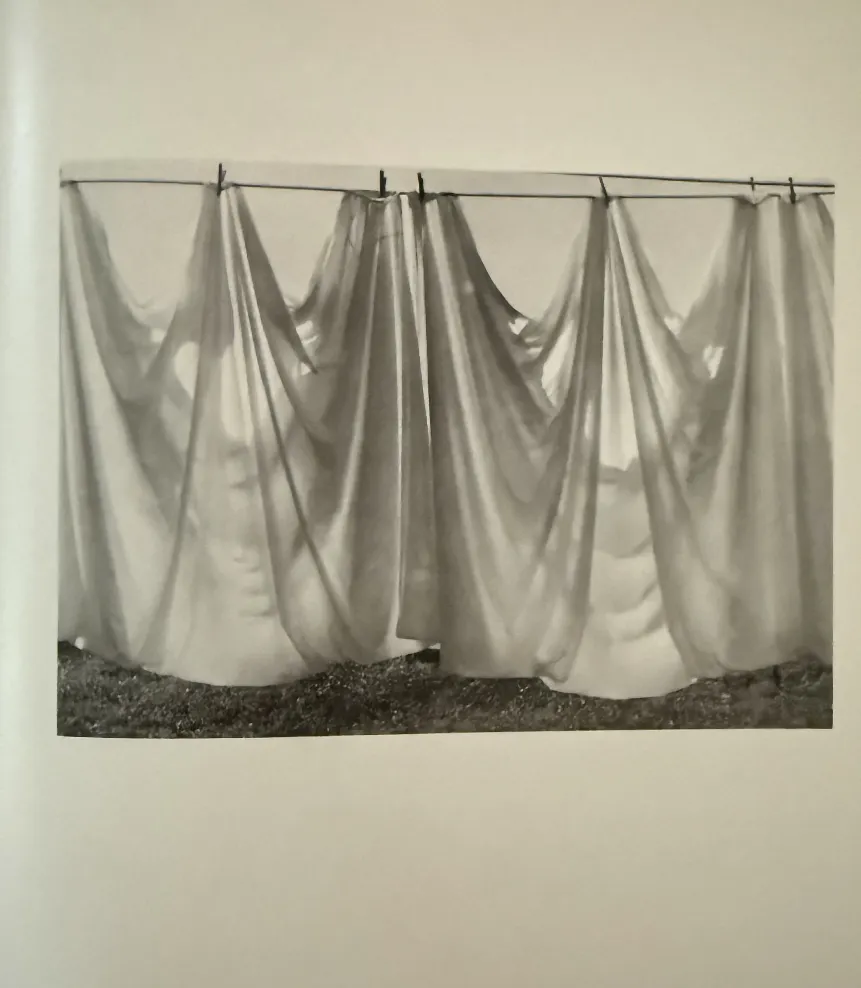
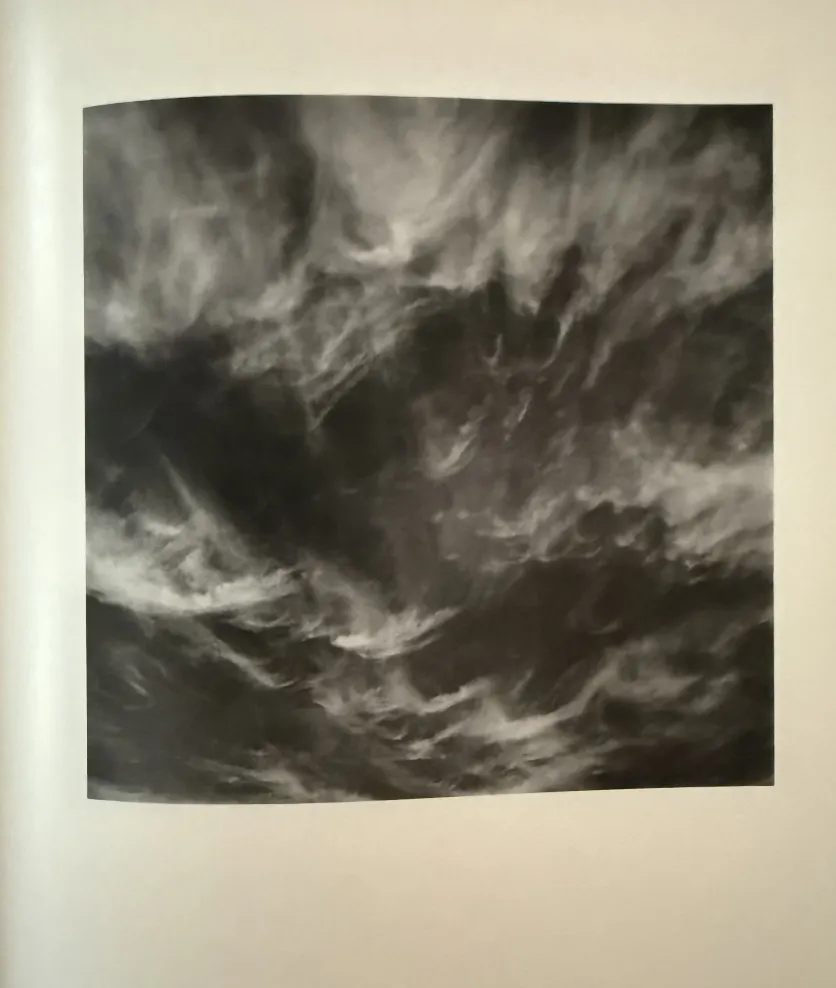
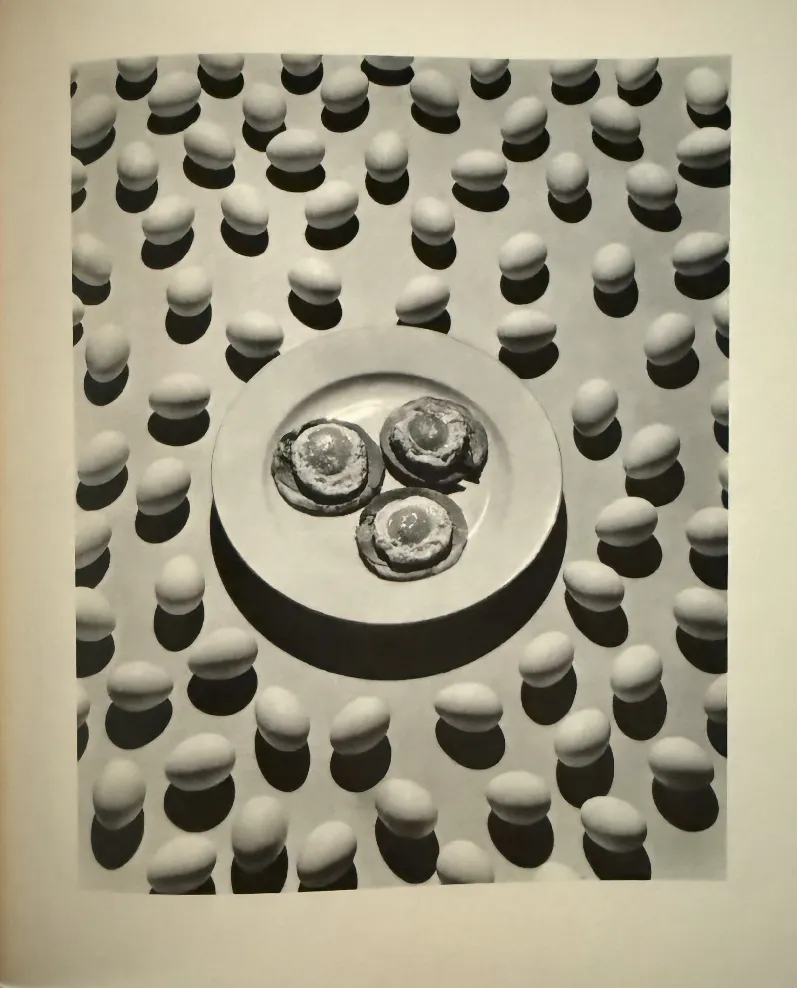
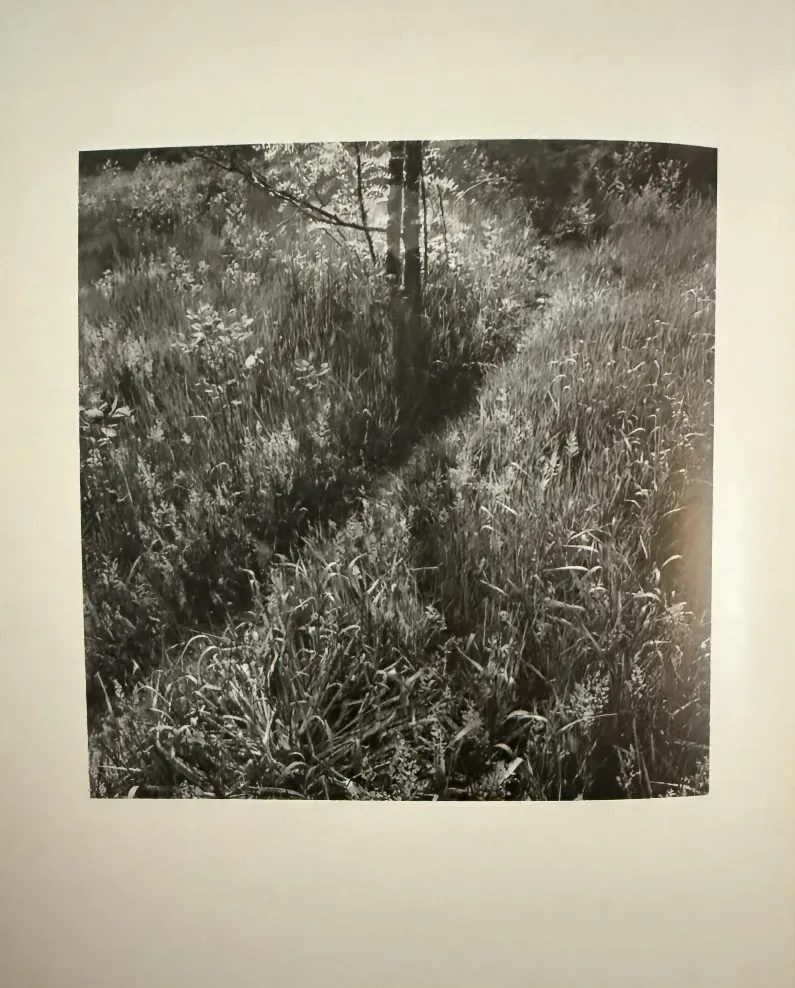
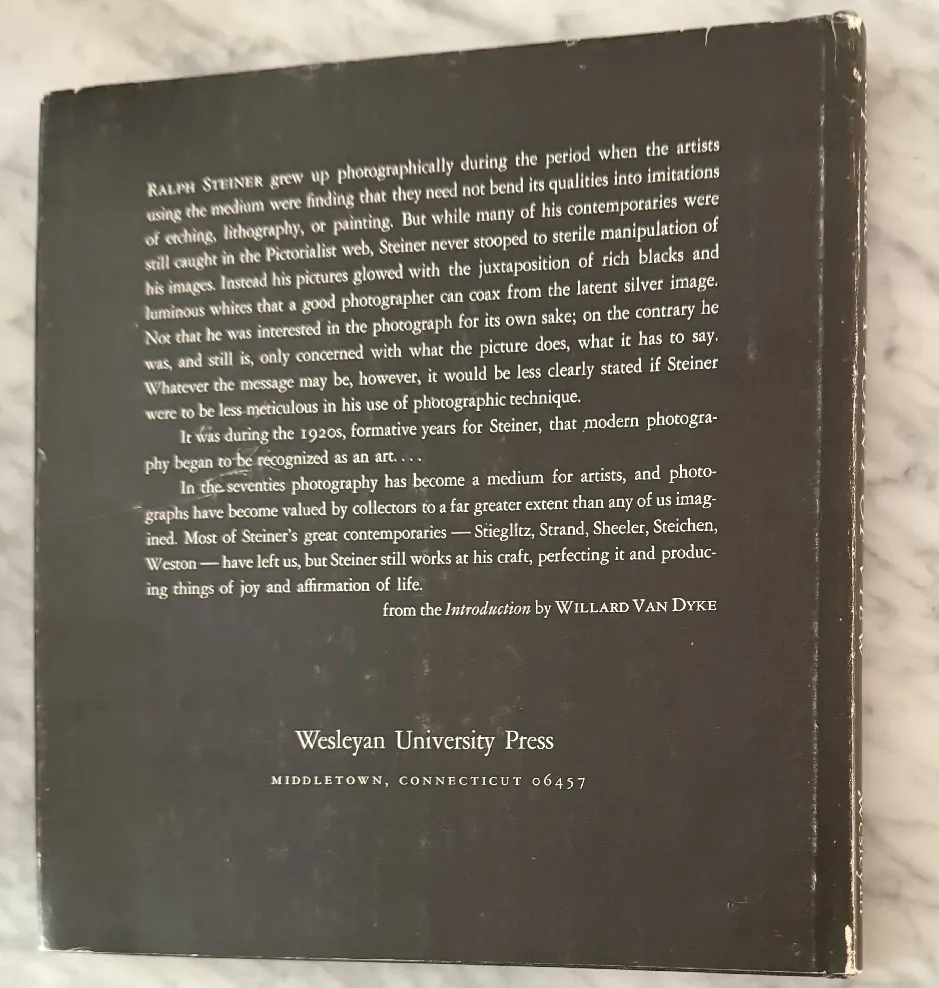
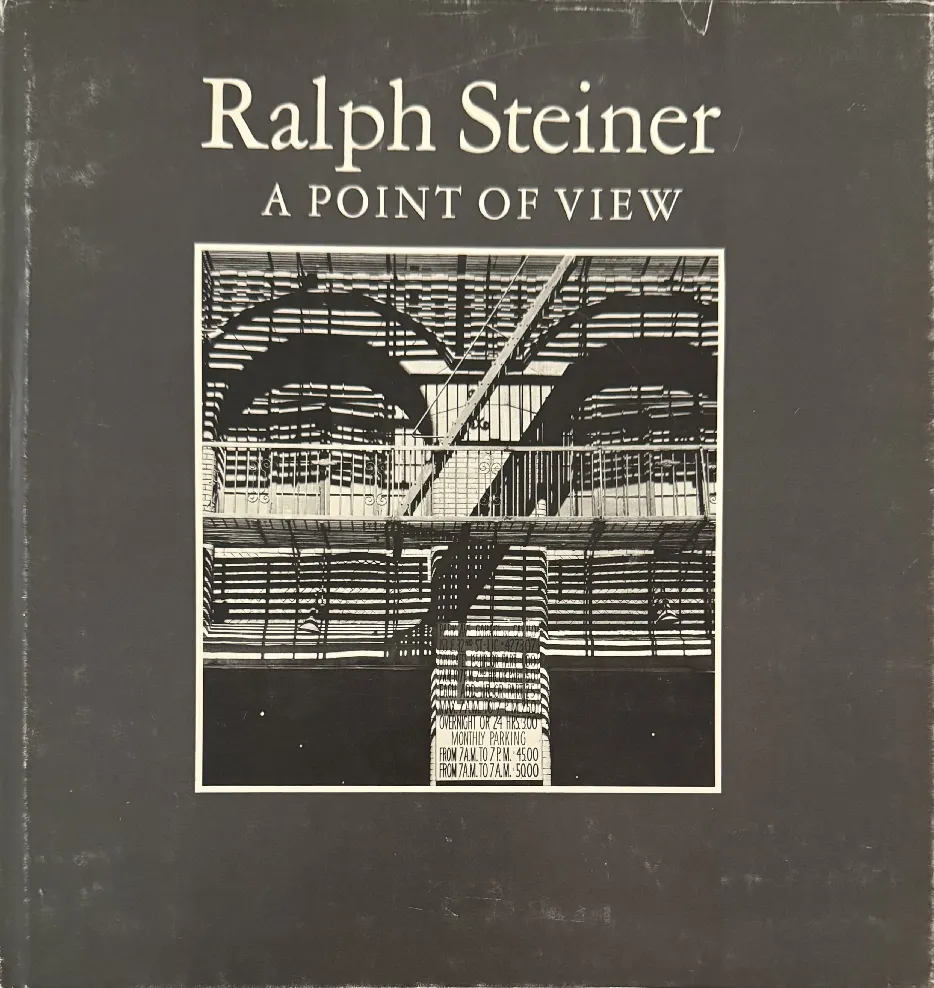
Ralph Steiner’s Point of View serves as a definitive, late-career summation of a sweeping journey through American modernism. Published in 1978, the monograph chronicles his rigorous evolution from the 1920s, where he decisively pivoted away from the soft-focus pictorialism of his early training toward the sharp, unapologetic realism of the machine age. The book traces his path through structured explorations of New York's industrial geometry, his socially conscious documentary efforts, and ultimately to his later, contemplative studies of clouds and the rural landscape. Rather than a disjointed collection of eras, the publication functions as a cohesive autobiographical statement, demonstrating a lifelong, unwavering commitment to the exactitudes of straight photography and the communicative power of the sharply rendered image.
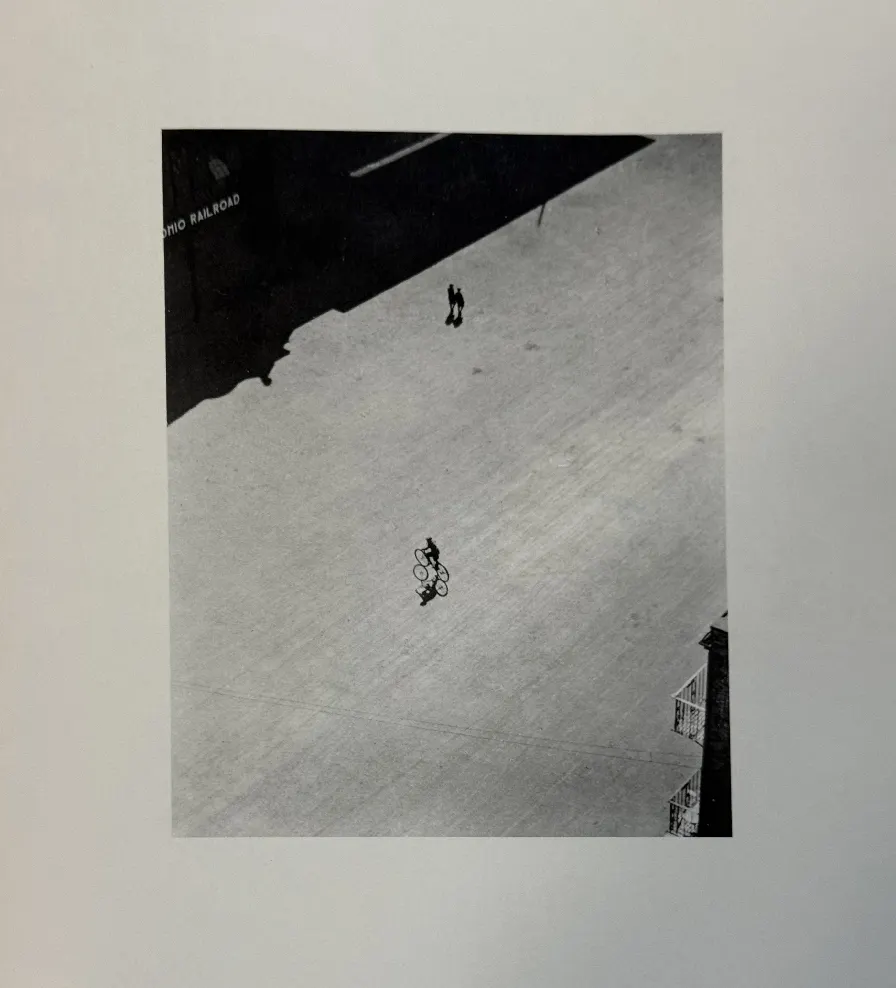
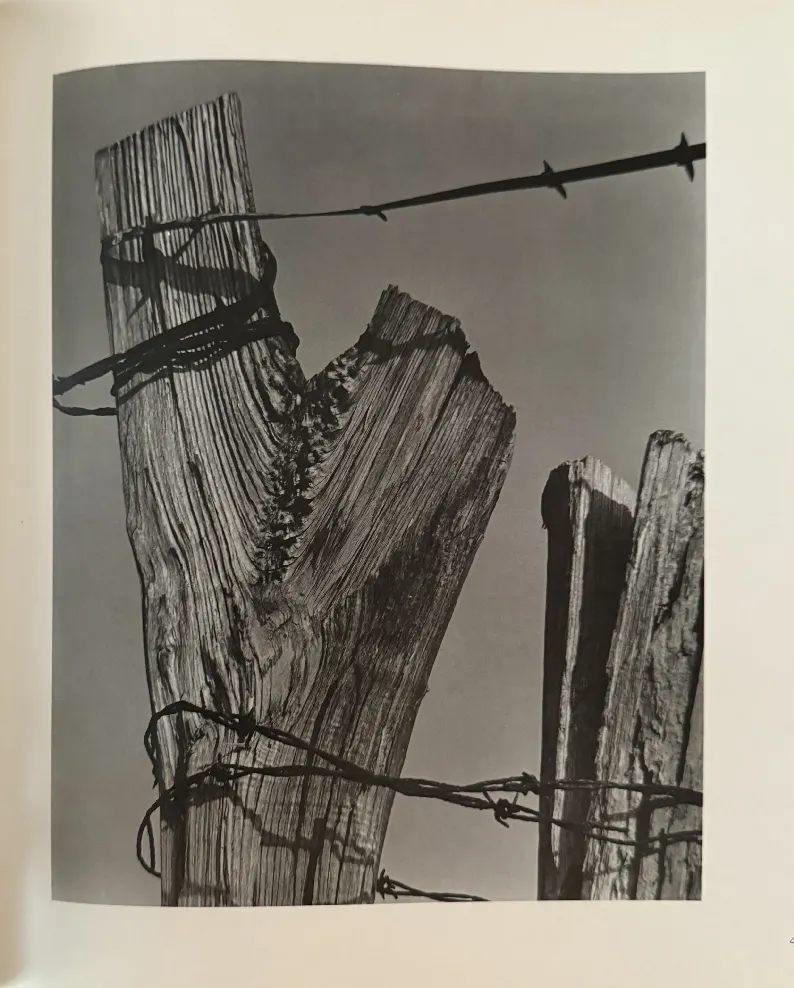
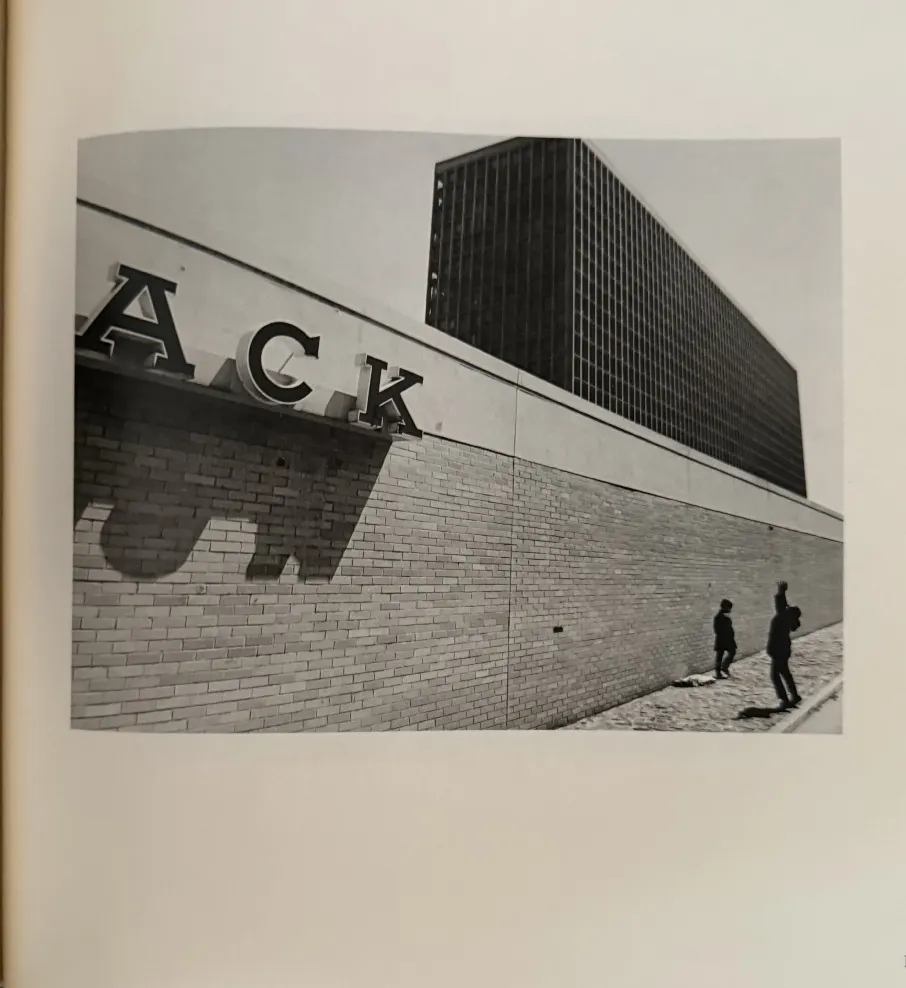
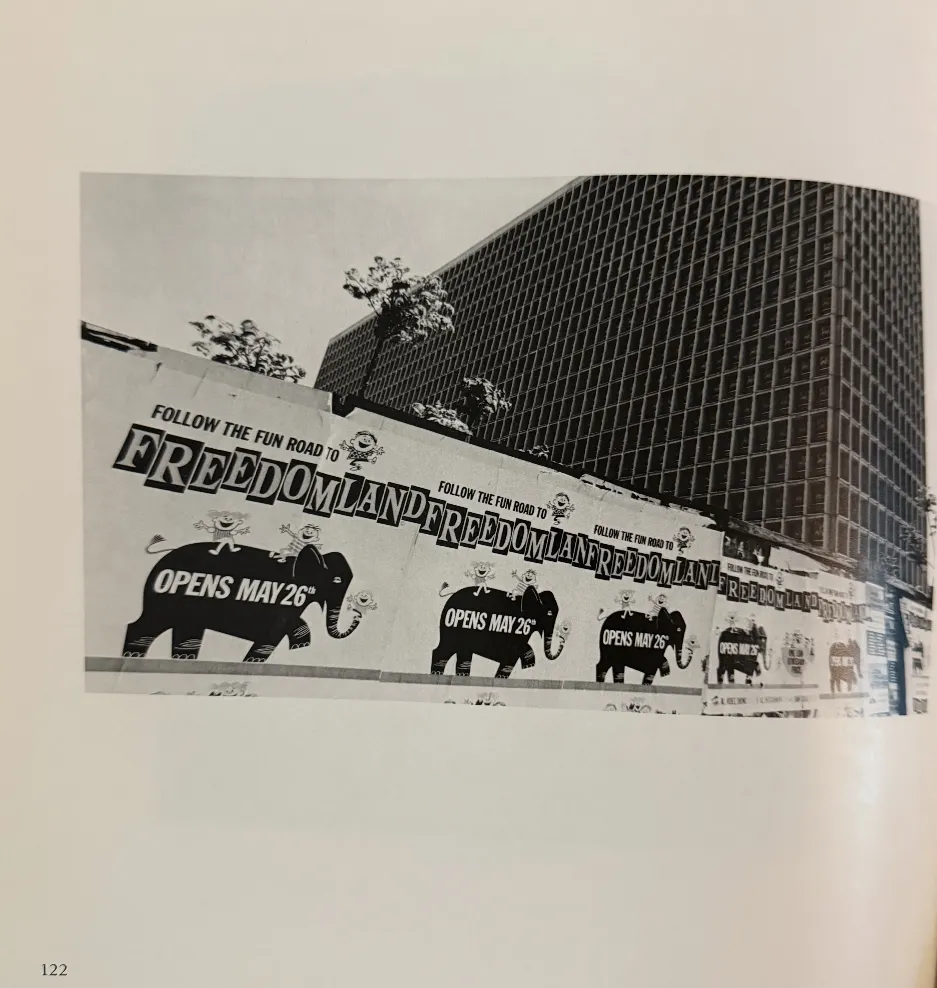
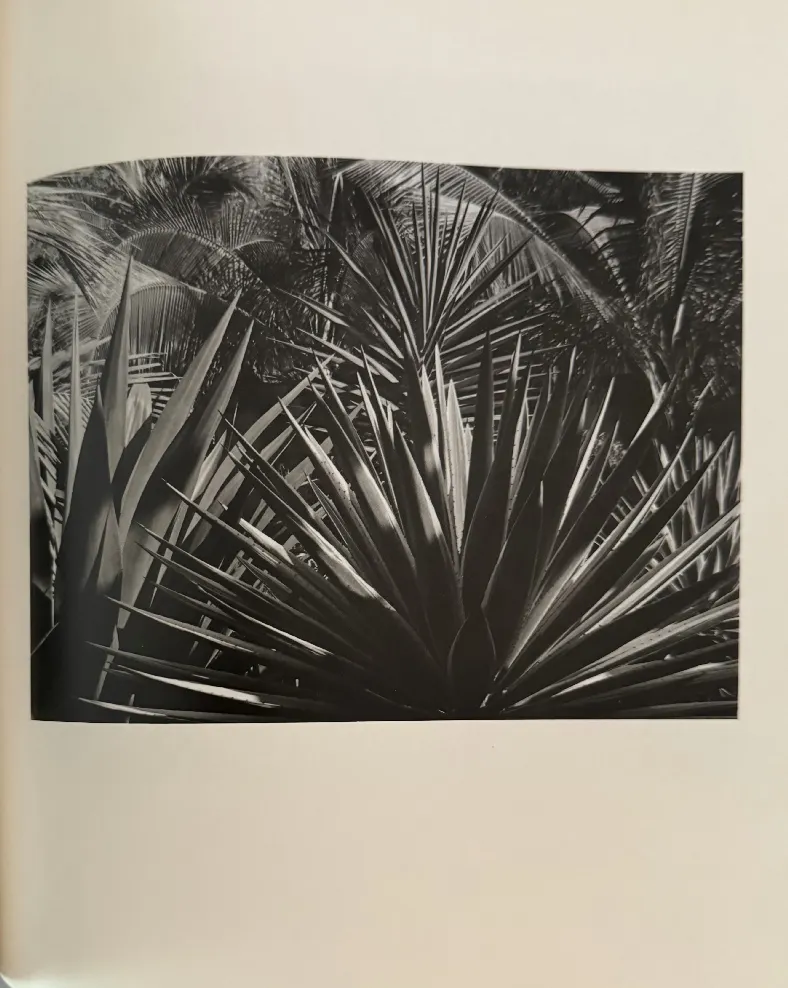
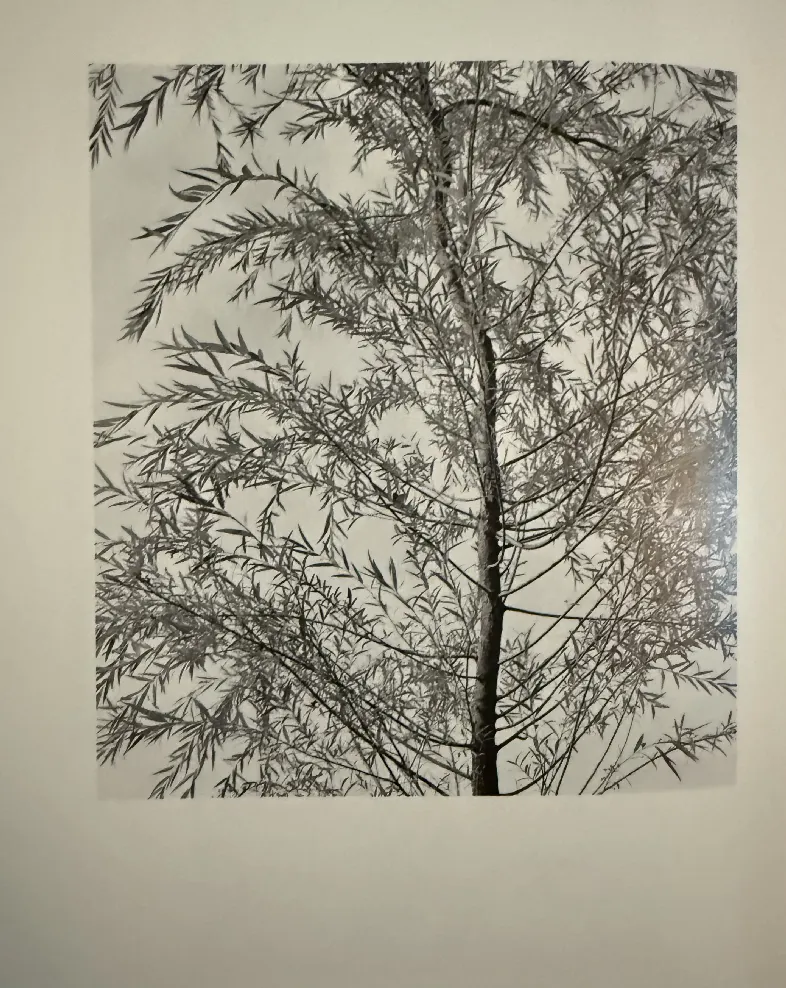
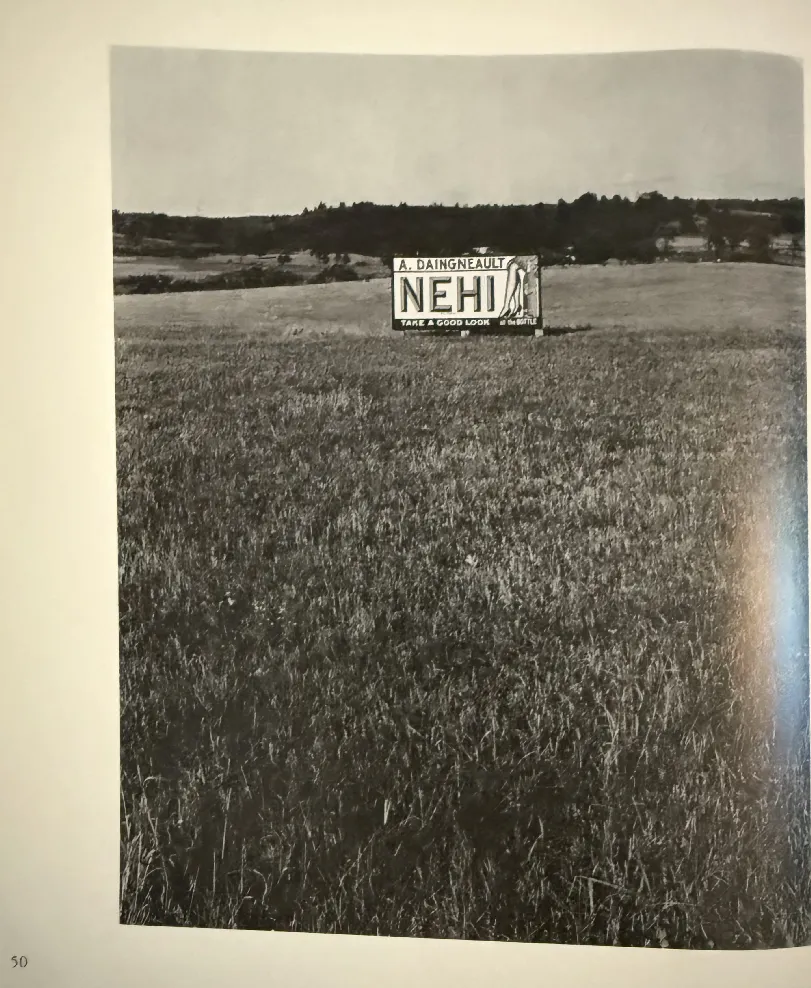
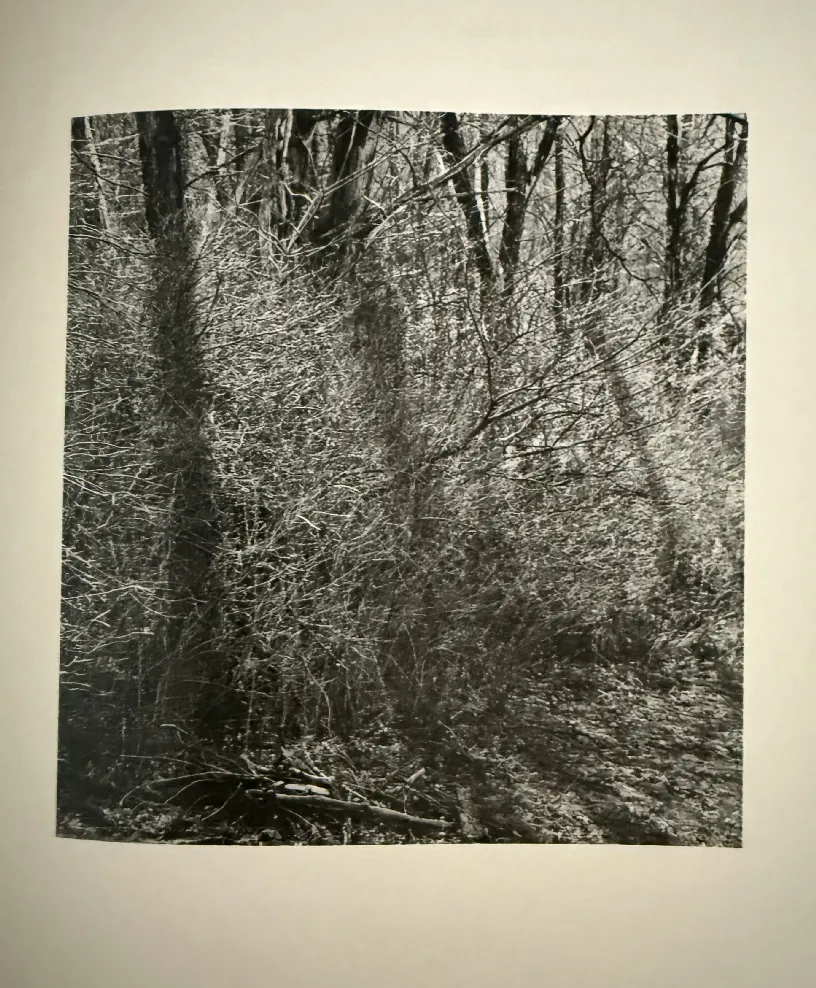
The visual language within the volume is unified by Steiner’s dedication to graphic clarity and complex spatial organization. His compositions frequently isolate utilitarian structures, typewriter keys, billboards, power lines, and rural architecture, transforming the mundane elements of the American environment into tight, abstract puzzles of light and shadow. By employing deep focal planes and deliberate, aggressive cropping, he forces a dynamic structural interplay between geometric form and the physical boundaries of the frame. The tactile qualities of the printed reproductions emphasize the stark tonal contrasts that defined his gelatin silver prints, highlighting the meticulous technical precision that anchored his practice regardless of the shifting subject matter.
Notably, however, two of his most iconic and structurally rigorous modernist images—The Typewriter and Power Switches—are omitted from this specific edition.

Ralph Steiner’s Point of View serves as a definitive, late-career summation of a sweeping journey through American modernism. Published in 1978, the monograph chronicles his rigorous evolution from the 1920s, where he decisively pivoted away from the soft-focus pictorialism of his early training toward the sharp, unapologetic realism of the machine age. The book traces his path through structured explorations of New York's industrial geometry, his socially conscious documentary efforts, and ultimately to his later, contemplative studies of clouds and the rural landscape. Rather than a disjointed collection of eras, the publication functions as a cohesive autobiographical statement, demonstrating a lifelong, unwavering commitment to the exactitudes of straight photography and the communicative power of the sharply rendered image.
The visual language within the volume is unified by Steiner’s dedication to graphic clarity and complex spatial organization. His compositions frequently isolate utilitarian structures, typewriter keys, billboards, power lines, and rural architecture, transforming the mundane elements of the American environment into tight, abstract puzzles of light and shadow. By employing deep focal planes and deliberate, aggressive cropping, he forces a dynamic structural interplay between geometric form and the physical boundaries of the frame. The tactile qualities of the printed reproductions emphasize the stark tonal contrasts that defined his gelatin silver prints, highlighting the meticulous technical precision that anchored his practice regardless of the shifting subject matter.
Notably, however, two of his most iconic and structurally rigorous modernist images—The Typewriter and Power Switches—are omitted from this specific edition.