


Copyright ©
Ralph Steiner
or applicable right holders.


Which art books, prints and posters are available by and about this artist? Here is a sample of items of interest to a typical collector:
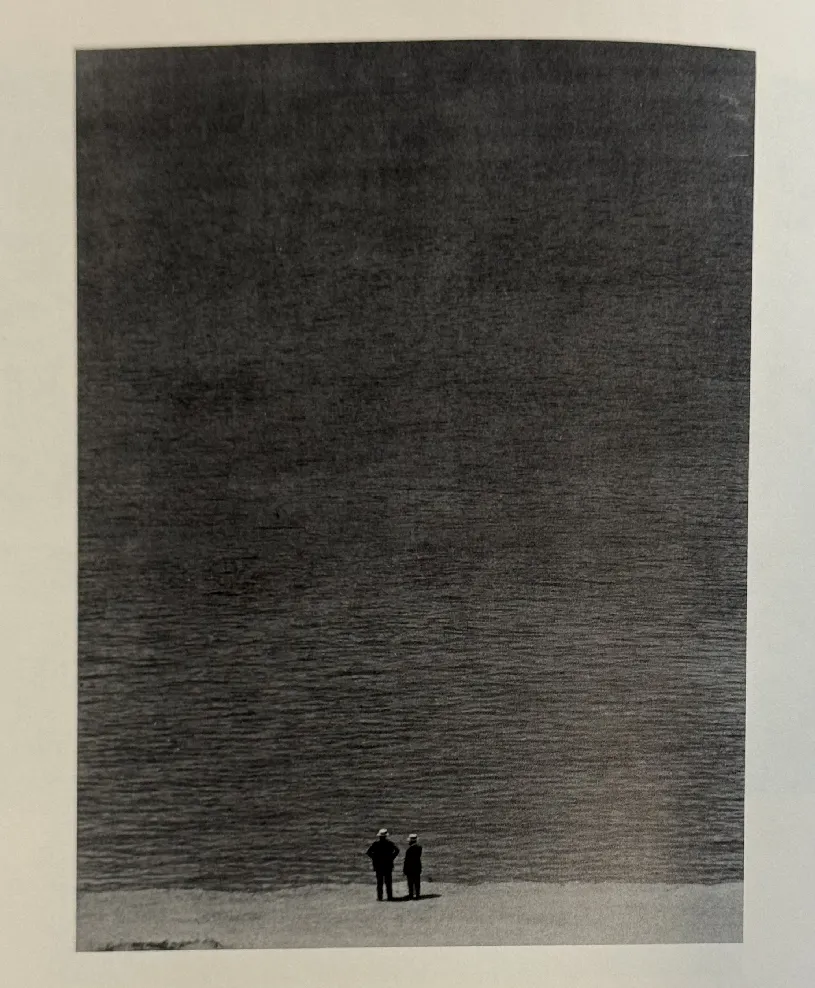

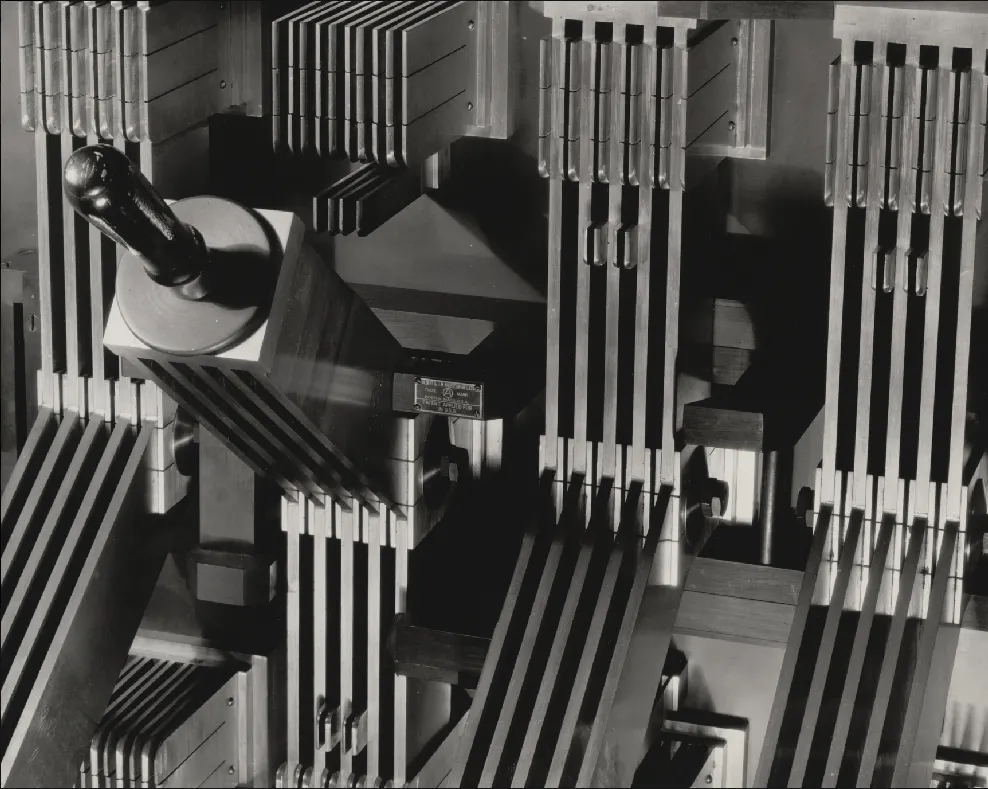
American photographer and filmmaker Ralph Steiner (born February 8, 1899; died July 13, 1986) was a pioneering force in the development of twentieth-century American modernism. Despite beginning his formal training at the Clarence H. White School of Photography, a bastion of soft-focus pictorialism, Steiner quickly rebelled against its romanticized aesthetics in favor of the unapologetic precision of the machine age. By the 1920s, he had established himself as a master of straight photography, turning his lens toward the industrial geometries and utilitarian structures of the rapidly modernizing American landscape. His early, iconic images of typewriter keys, power switches, and billboards remain foundational examples of how the camera could isolate and elevate everyday commercial objects into rigorous, abstract studies of light and form.
The visual language of Steiner's practice is defined by an absolute dedication to graphic clarity, complex spatial organization, and deep focal planes. Whether documenting the chaotic structural density of New York City or later shifting his gaze to the ethereal geometries of clouds and rural architecture, he maintained a strict, unsentimental objectivity. His compositions rely on aggressive cropping and stark tonal contrasts to flatten three-dimensional environments into tightly constructed puzzles. This formal precision extended seamlessly into his moving image work, where avant-garde films like H2O translated his photographic fascination with shifting surfaces and rhythmic abstraction into the cinematic realm, cementing his role as a crucial bridge between European modernism and the American documentary tradition.

see book page for more details
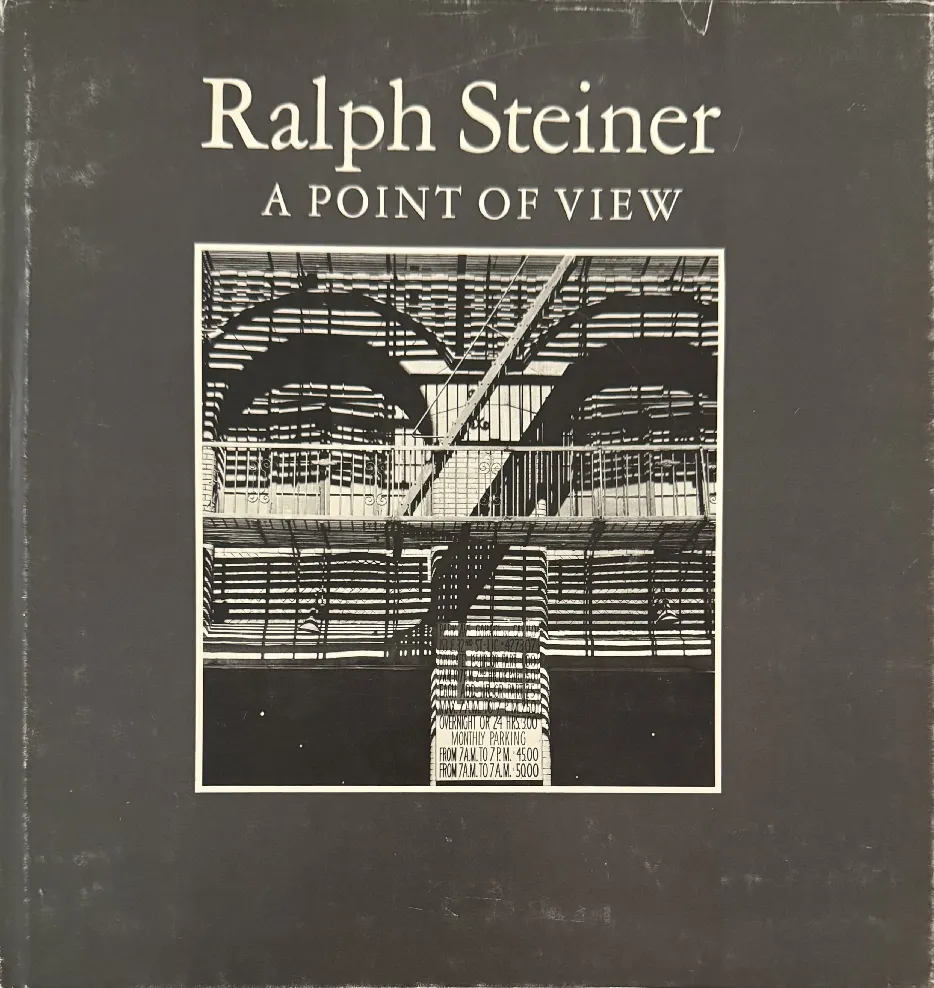
Ralph Steiner’s Point of View serves as a definitive, late-career summation of a sweeping journey through American modernism. Published in 1978, the monograph chronicles his rigorous evolution from the 1920s, where he decisively pivoted away from the soft-focus pictorialism of his early training toward the sharp, unapologetic realism of the machine age. The book traces his path through structured explorations of New York's industrial geometry, his socially conscious documentary efforts, and ultimately to his later, contemplative studies of clouds and the rural landscape. Rather than a disjointed collection of eras, the publication functions as a cohesive autobiographical statement, demonstrating a lifelong, unwavering commitment to the exactitudes of straight photography and the communicative power of the sharply rendered image.
The visual language within the volume is unified by Steiner’s dedication to graphic clarity and complex spatial organization. His compositions frequently isolate utilitarian structures, typewriter keys, billboards, power lines, and rural architecture, transforming the mundane elements of the American environment into tight, abstract puzzles of light and shadow. By employing deep focal planes and deliberate, aggressive cropping, he forces a dynamic structural interplay between geometric form and the physical boundaries of the frame. The tactile qualities of the printed reproductions emphasize the stark tonal contrasts that defined his gelatin silver prints, highlighting the meticulous technical precision that anchored his practice regardless of the shifting subject matter.
Notably, however, two of his most iconic and structurally rigorous modernist images—The Typewriter and Power Switches—are omitted from this specific edition.