

Hardcover without dust jacket, as issued
ISBN:
9782493467065


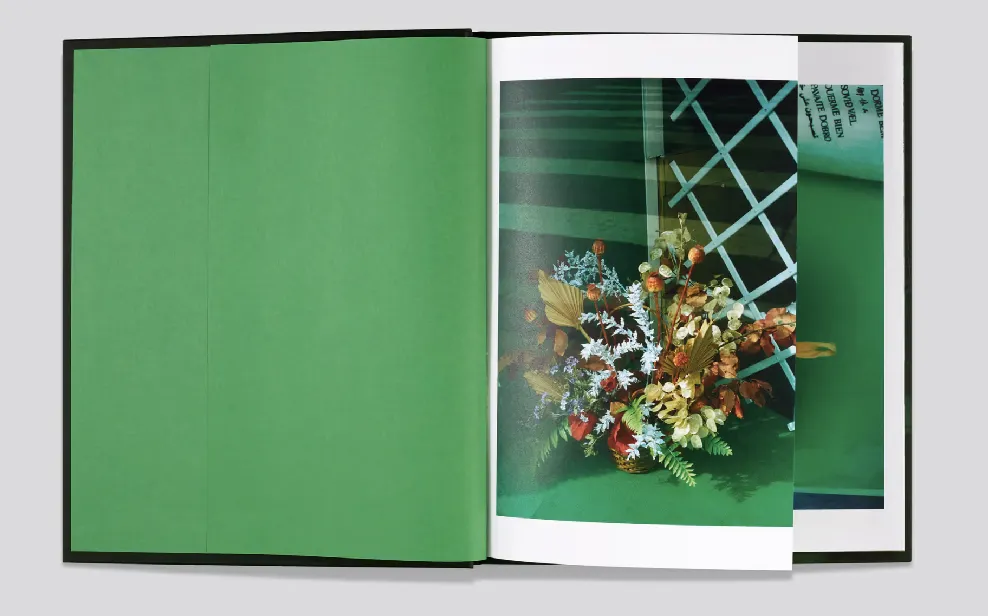
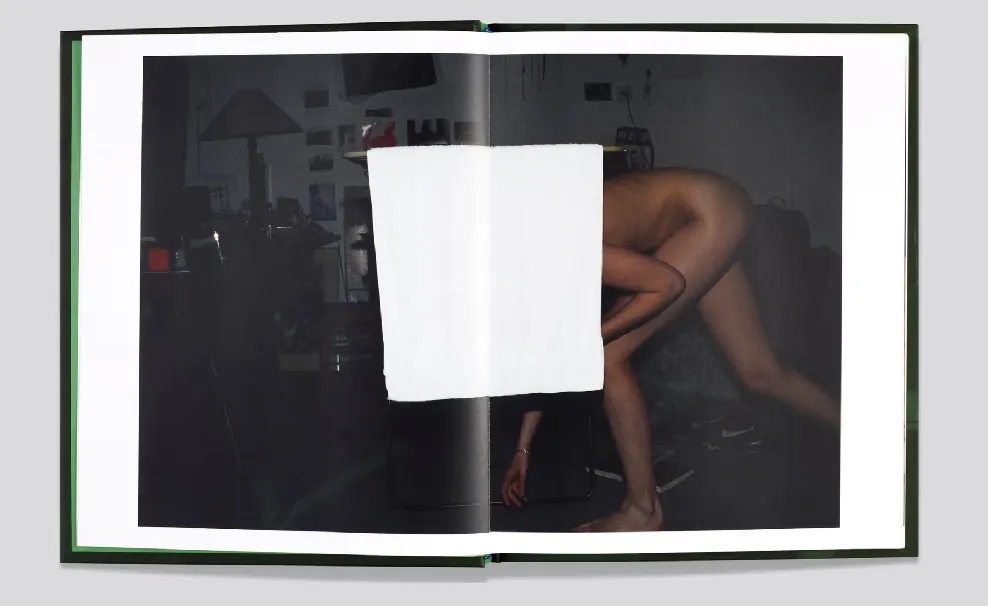
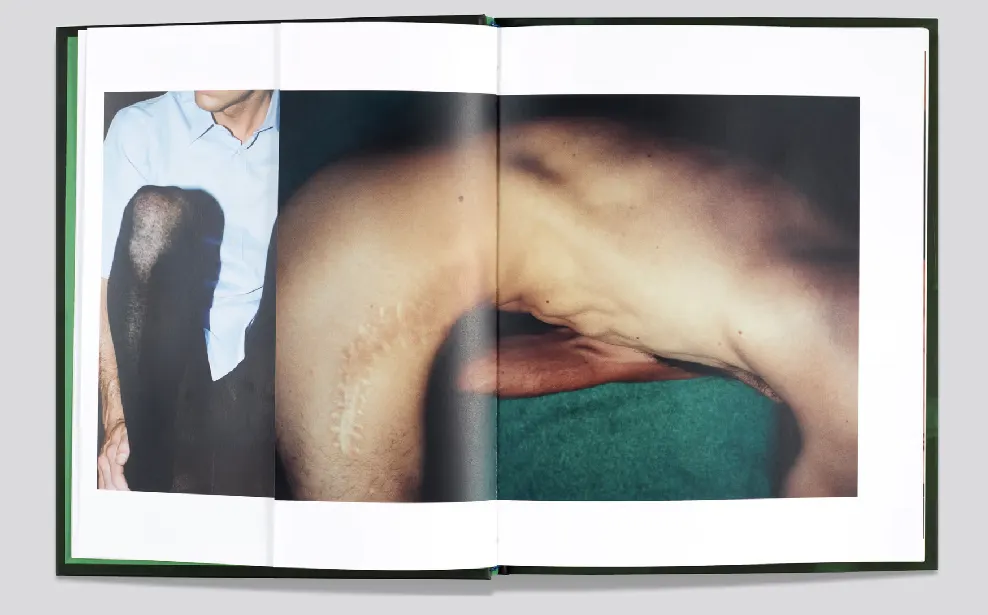
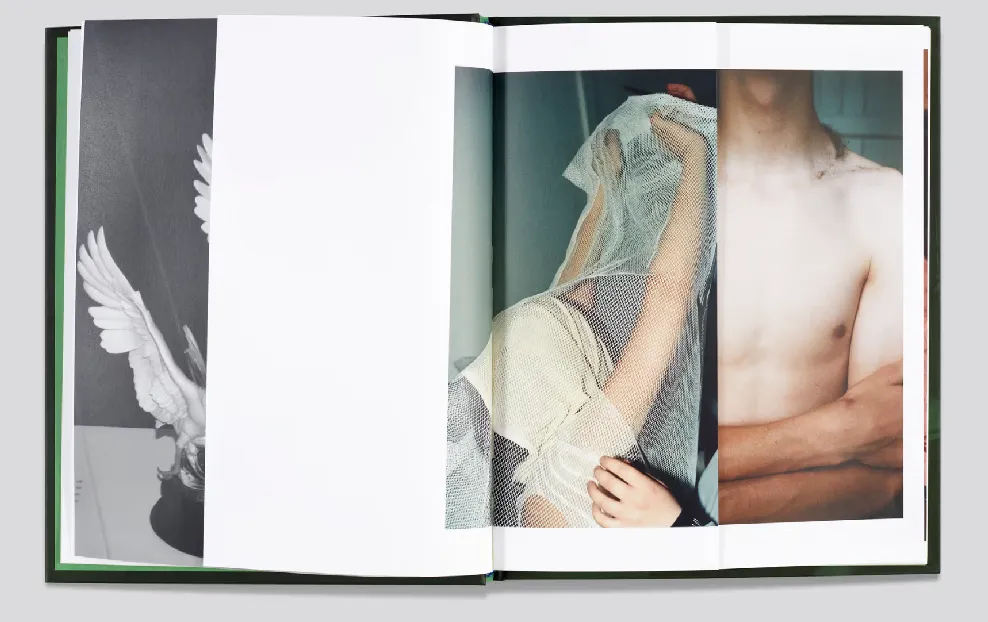
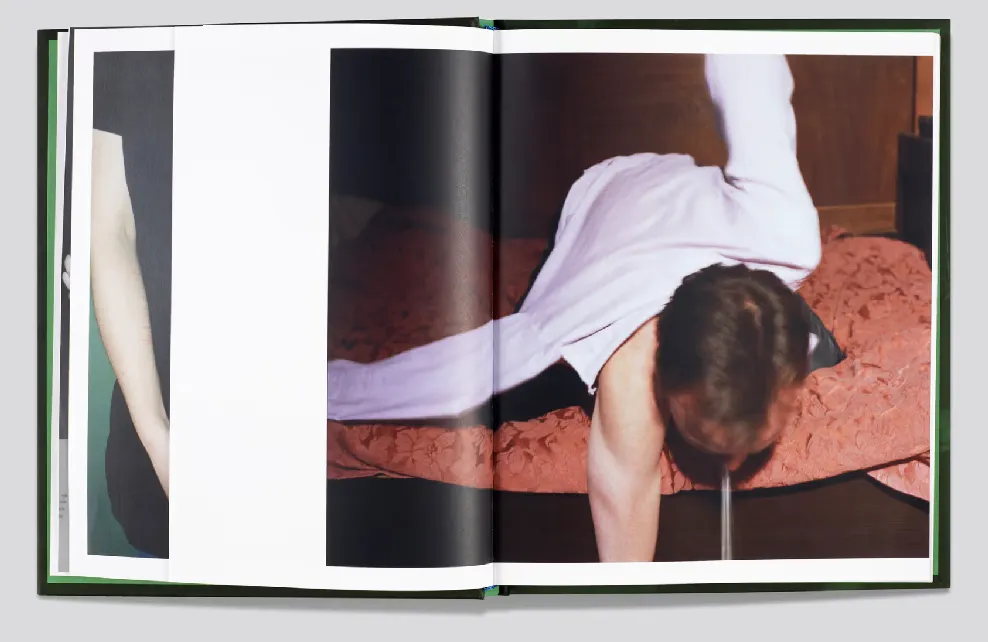
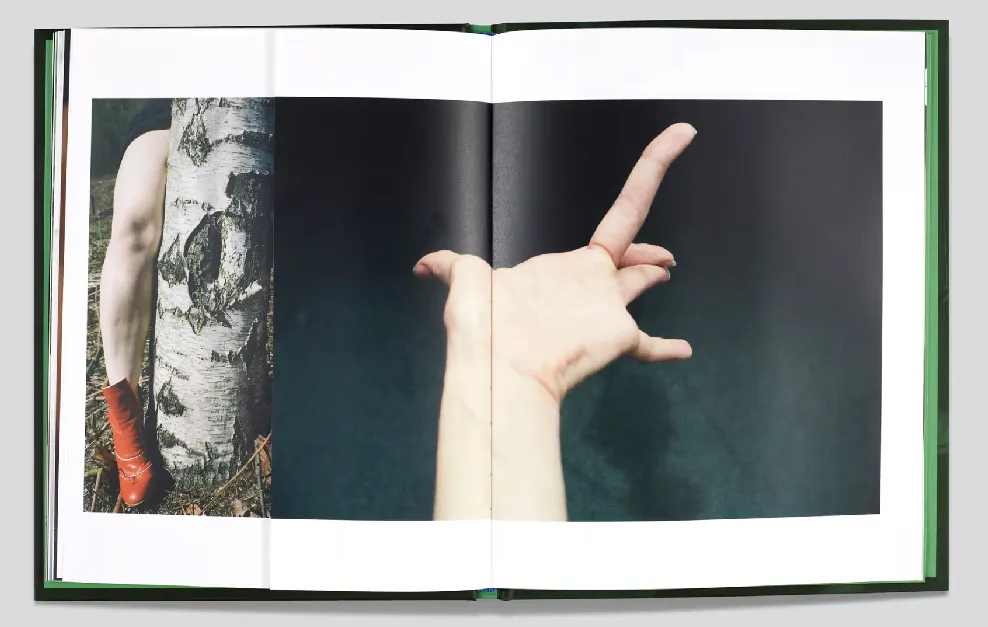
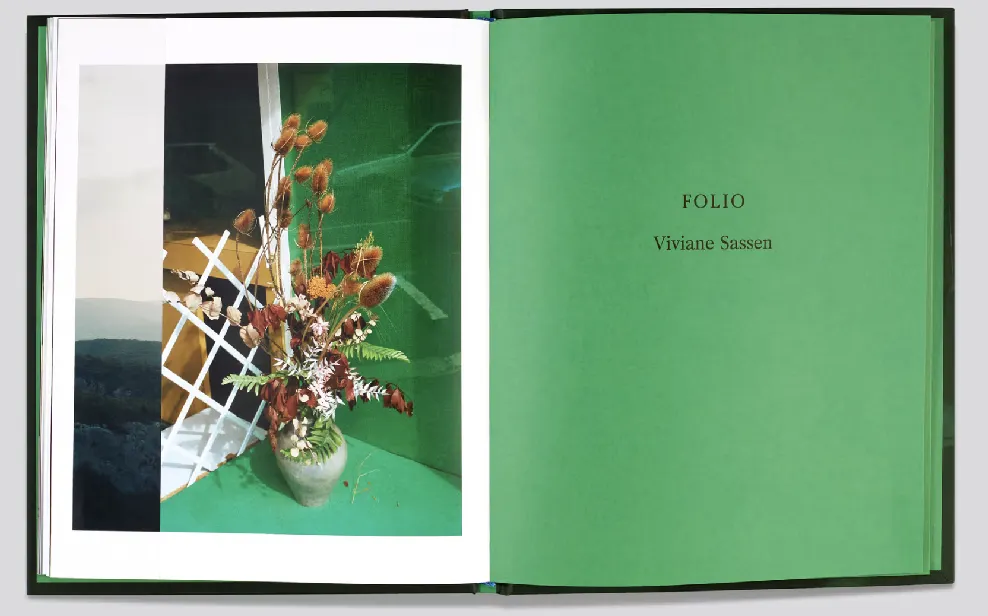
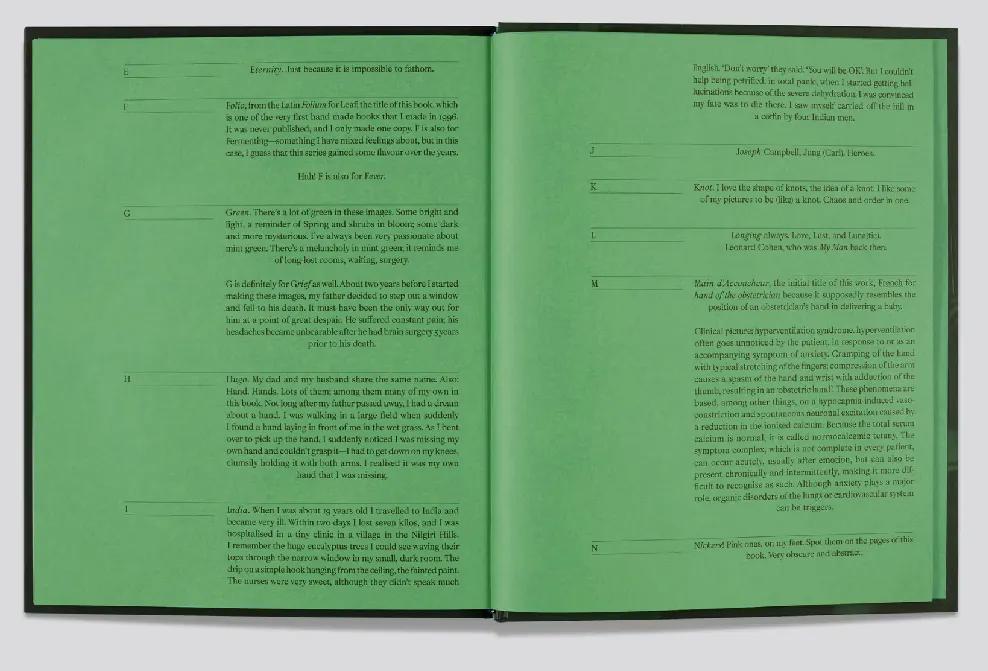


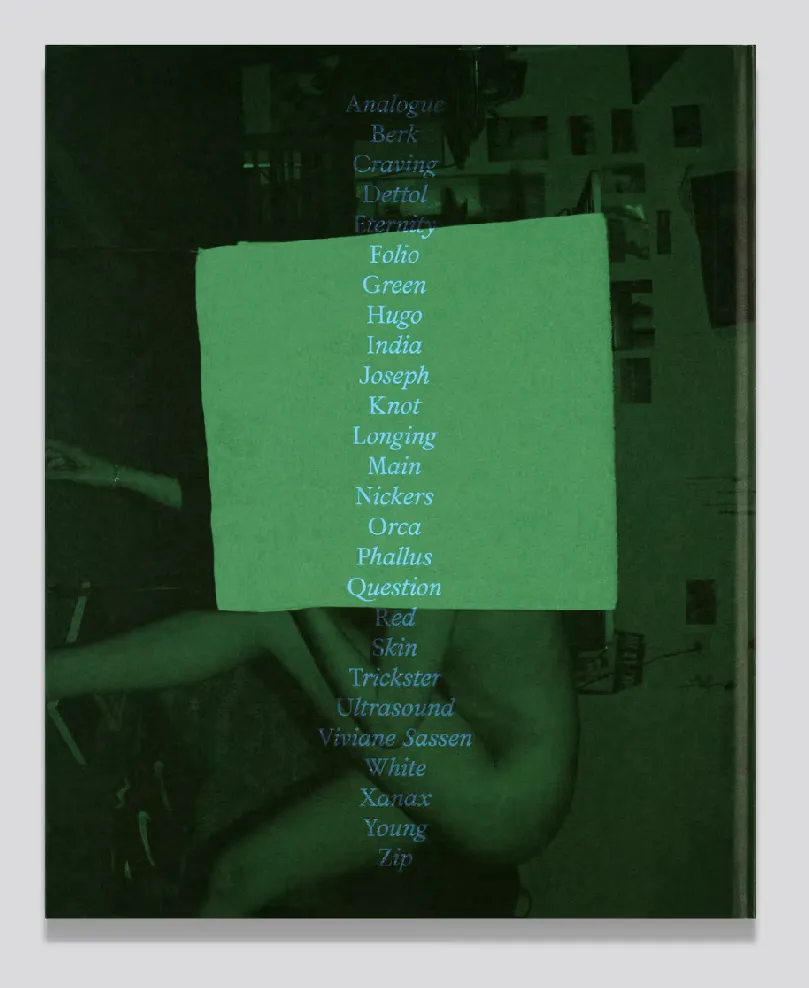
Viviane Sassen’s Folio serves as a recovery of the artist’s own genesis, gathering photographs taken in the mid-1990s during her formative years following art school. Operating as a coming-of-age narrative, the work documents the raw vulnerability of youth, exploring the scarred and transitioning bodies of herself and her friends. Thematically, it establishes Sassen's early preoccupation with physical trauma and the complex ambiguity of desire. Originally conceived in the pre-digital era as a handmade Xeroxed dummy book, the project remained unpublished for decades until its recent realization. It stands not as a retrospective gloss, but as a faithful translation of her original, unresolved explorations of the physical self.
The book reveals the raw, unpolished origins of Sassen’s visual language. Shot on small-format analog snapshot cameras, the images are defined by heavy grain and an immediate, diaristic intimacy. Even in these early experiments, her tendency to treat the human body as a malleable sculptural form is highly evident. By isolating fragmented limbs, hands, and scarred tissue through abrupt cropping and unconventional angles, she strips away traditional portraiture in favor of abstract geometry. This structural approach forces a visceral viewing experience, a push and pull between attraction and discomfort, that would become the defining hallmark of her later practice.