
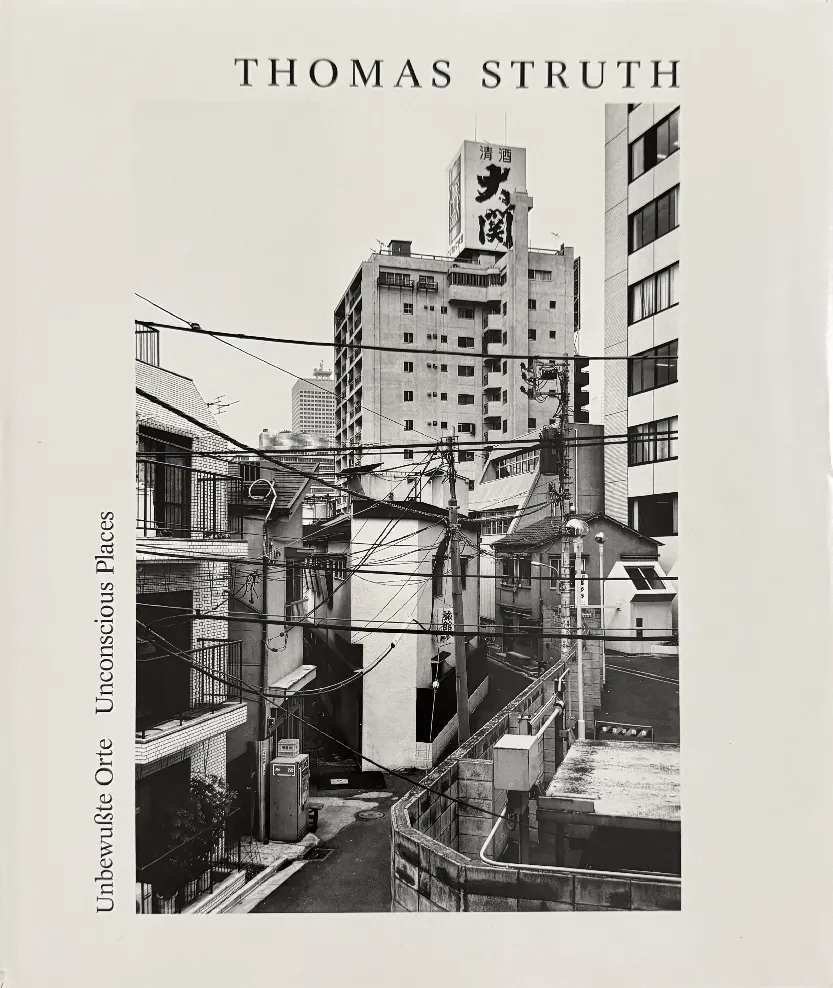
Hardcover with DJ
ISBN:


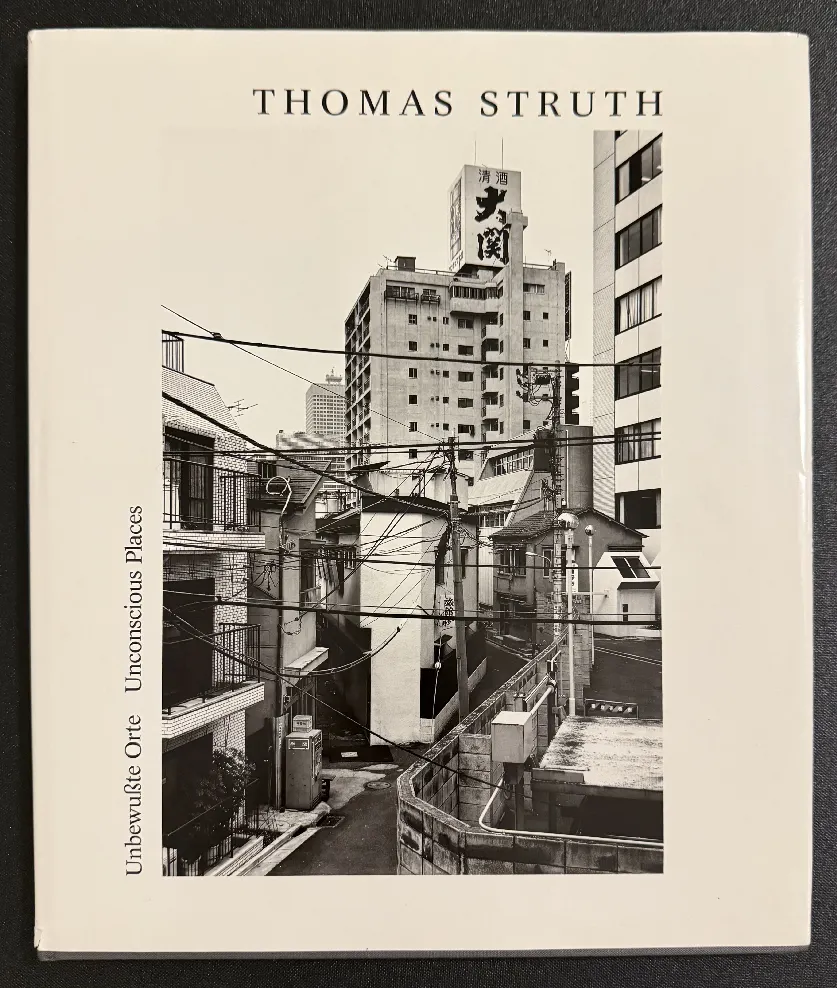
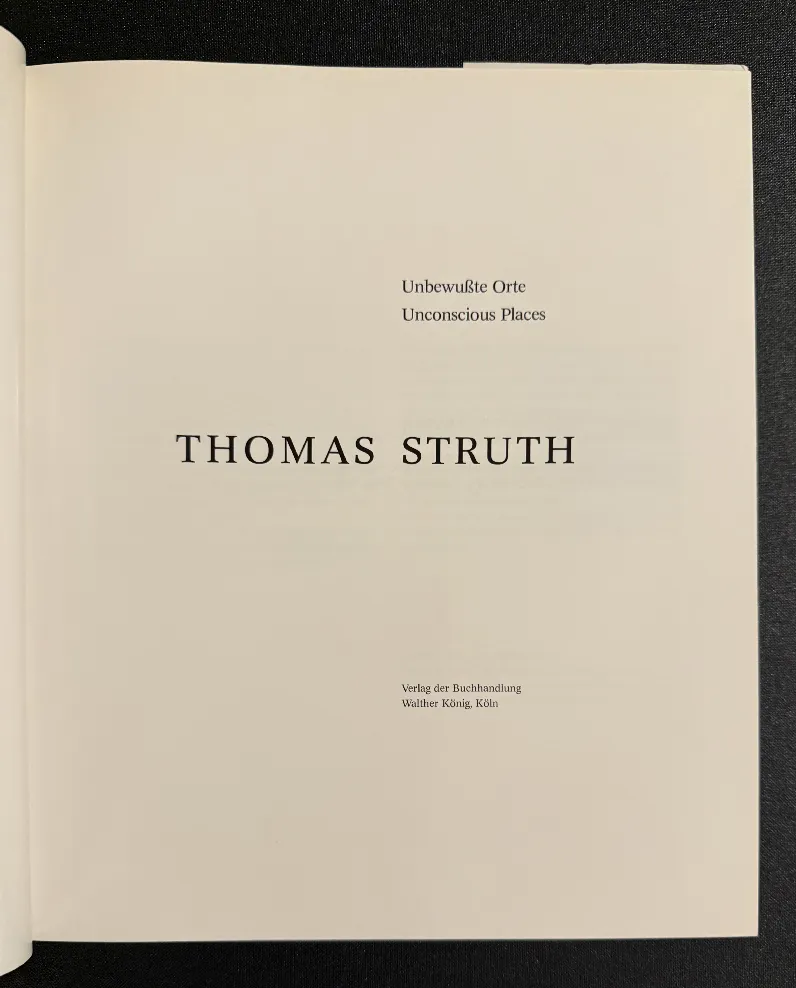
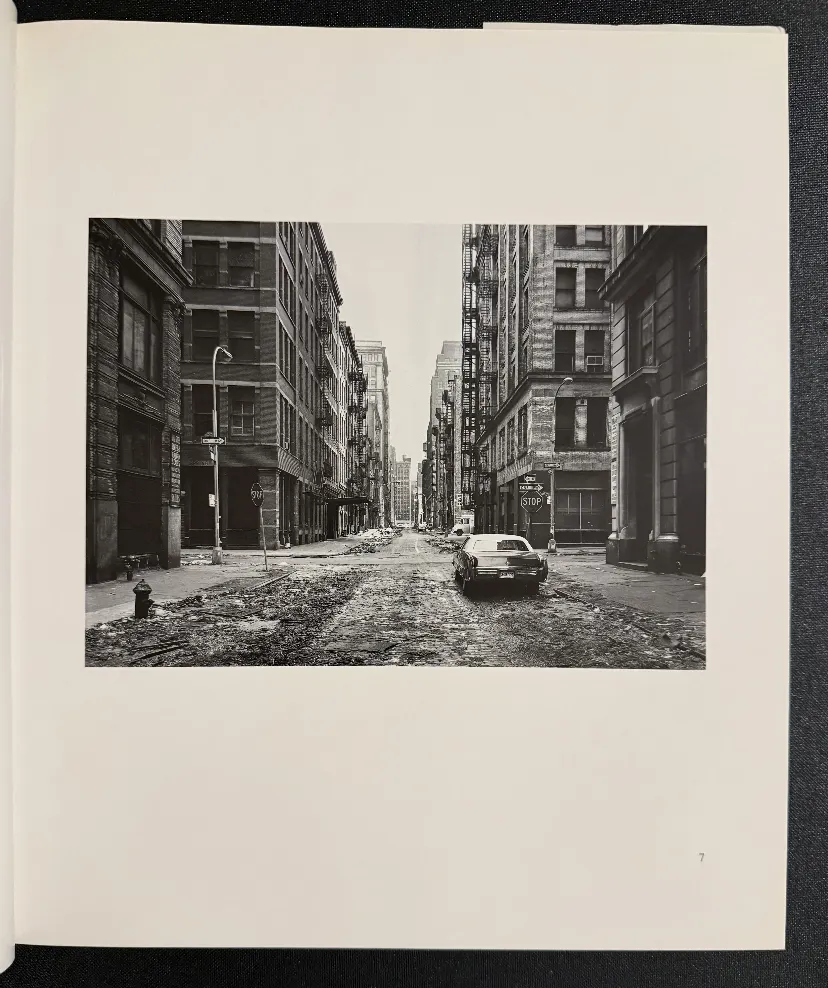
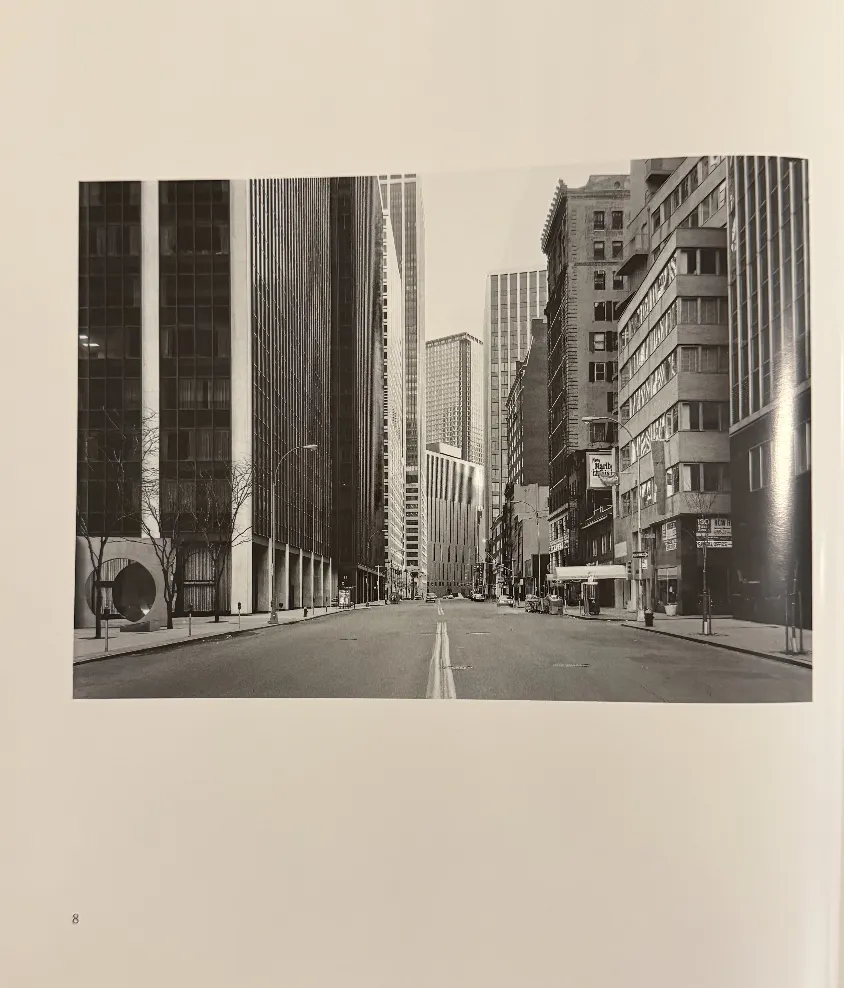
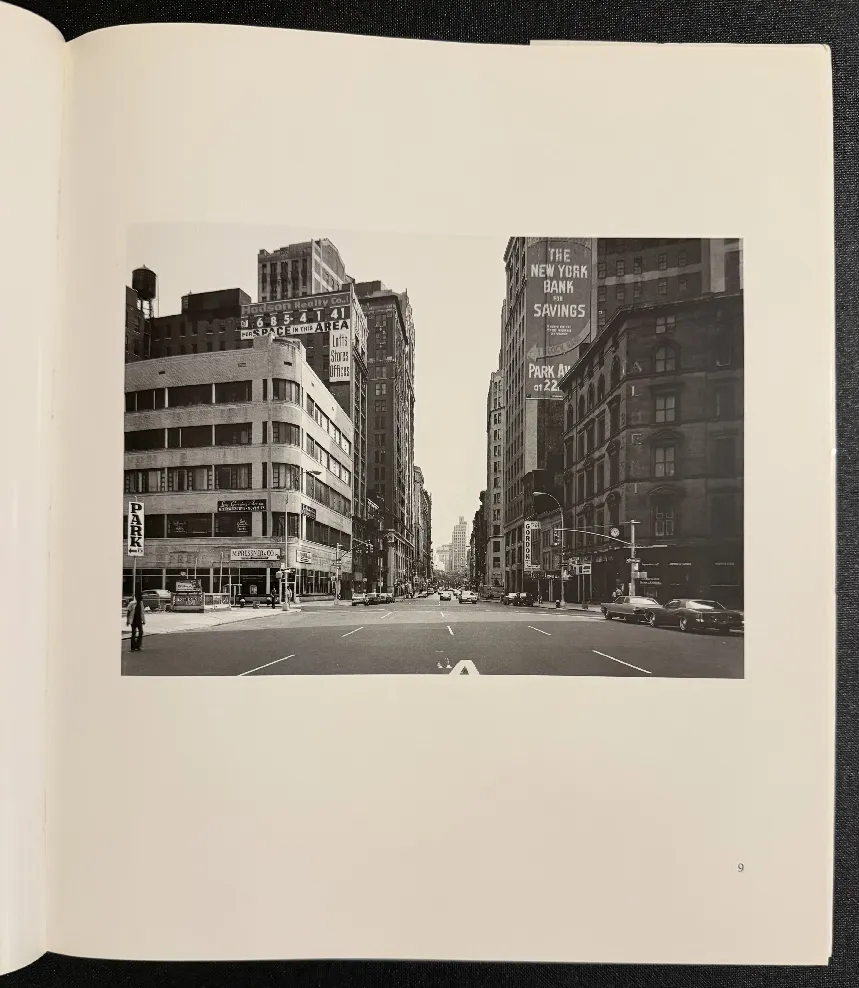
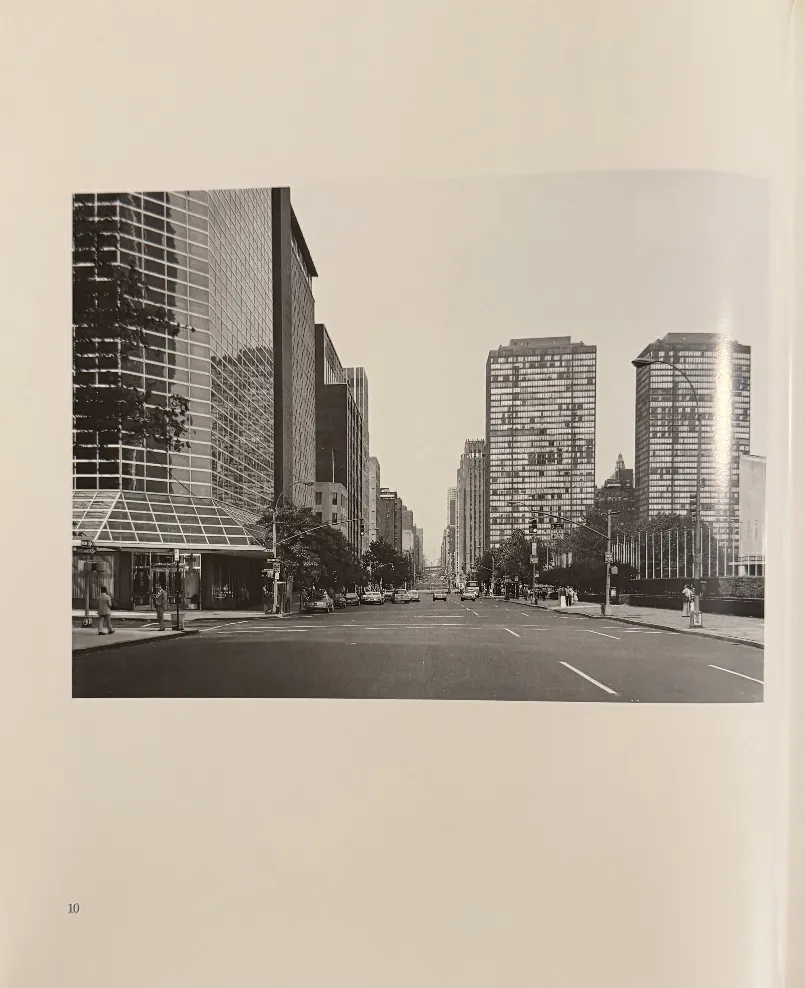
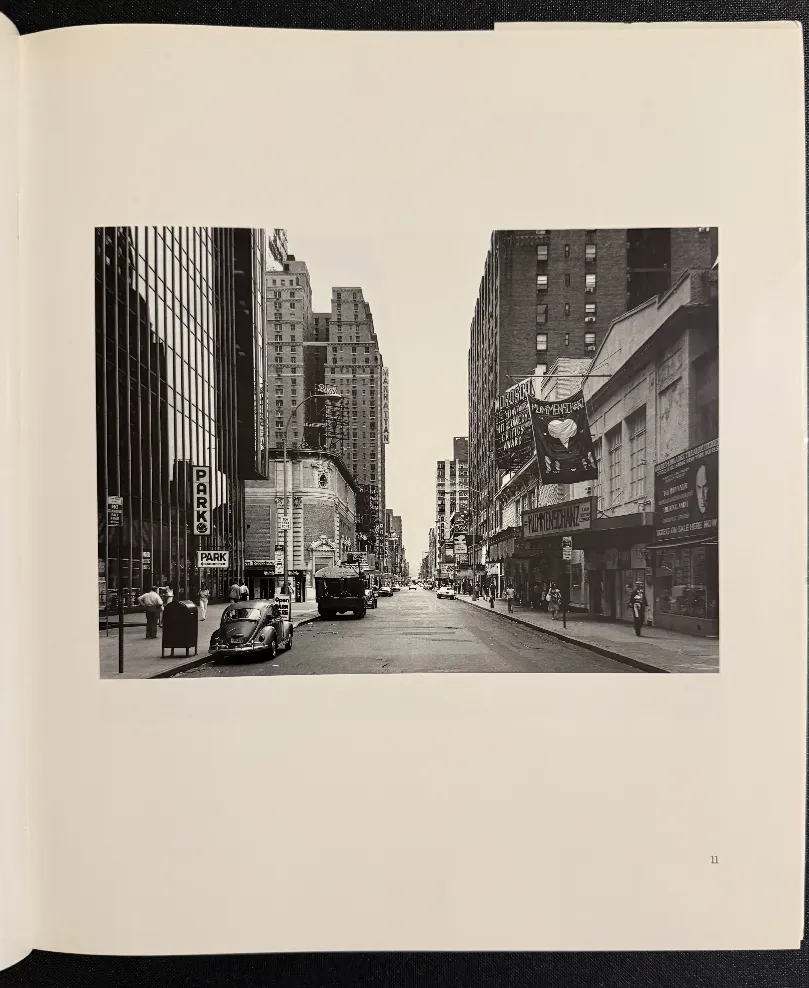
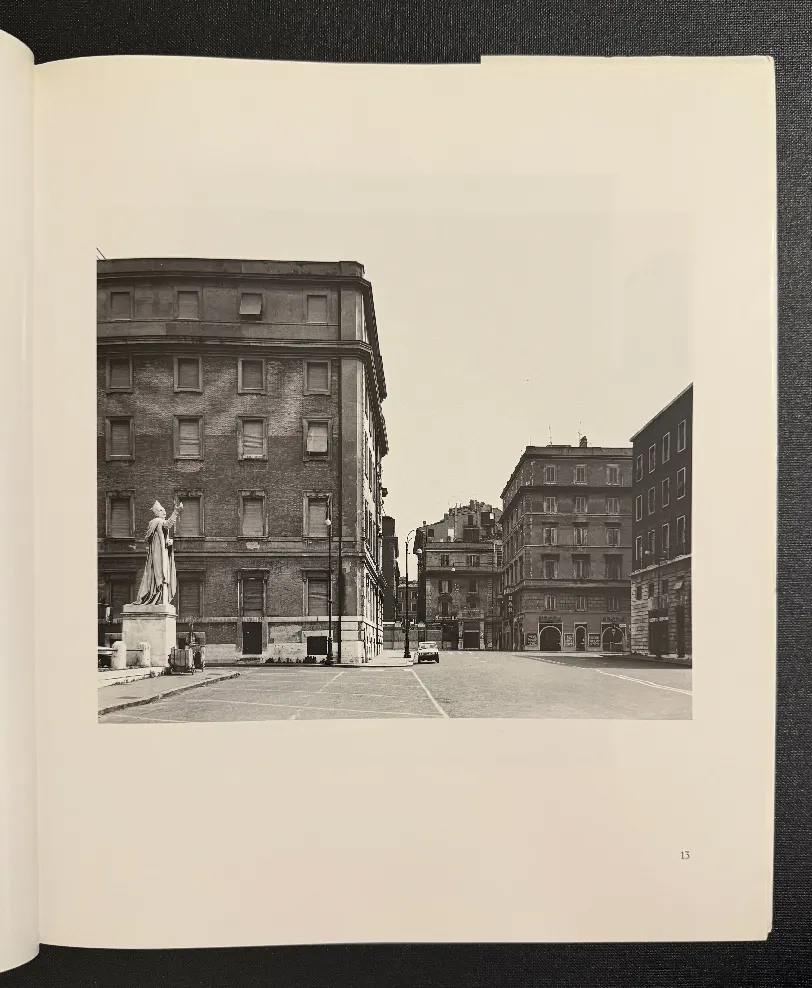
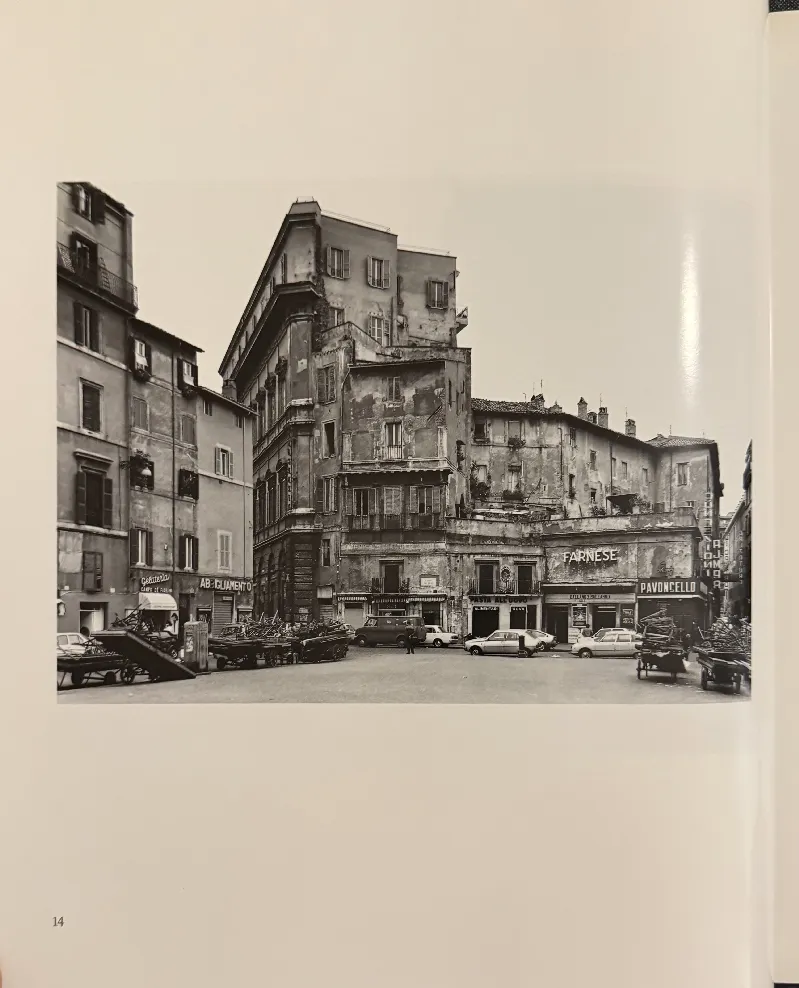
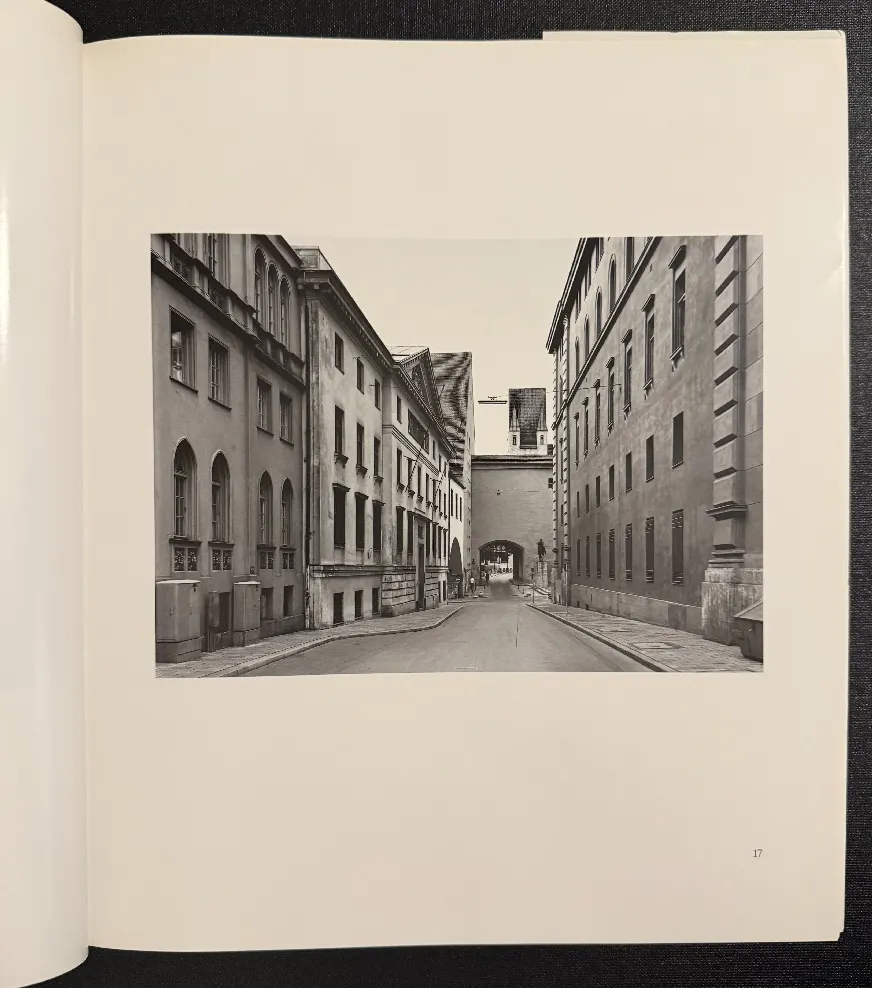
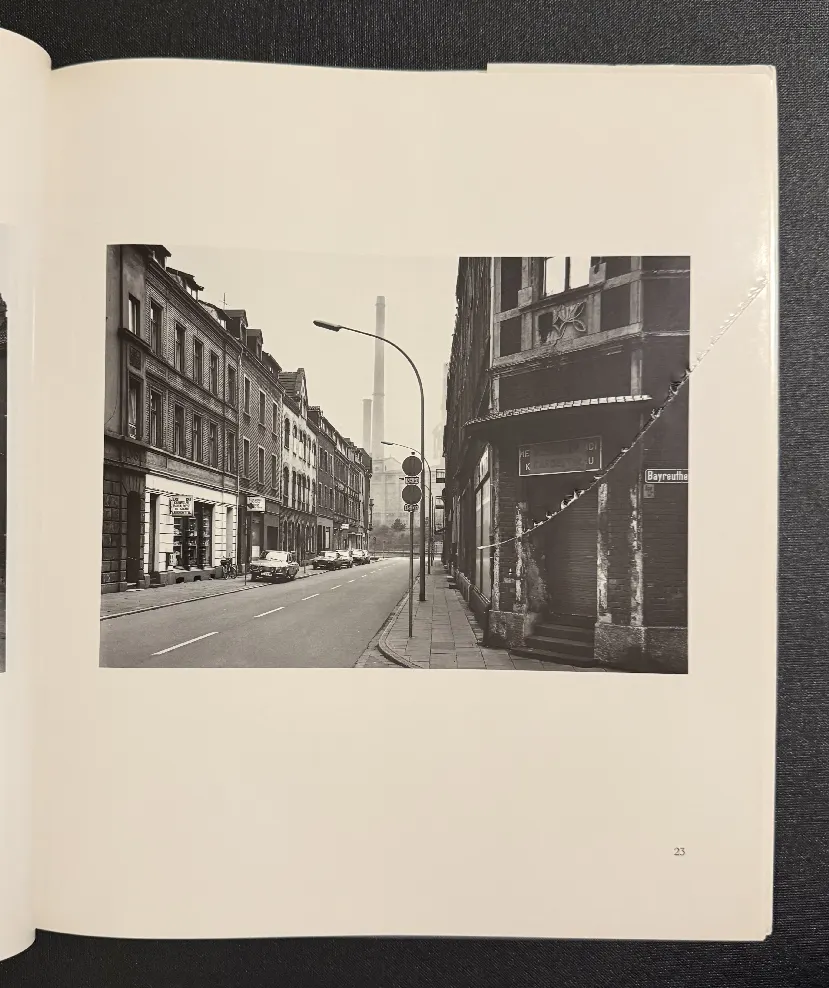
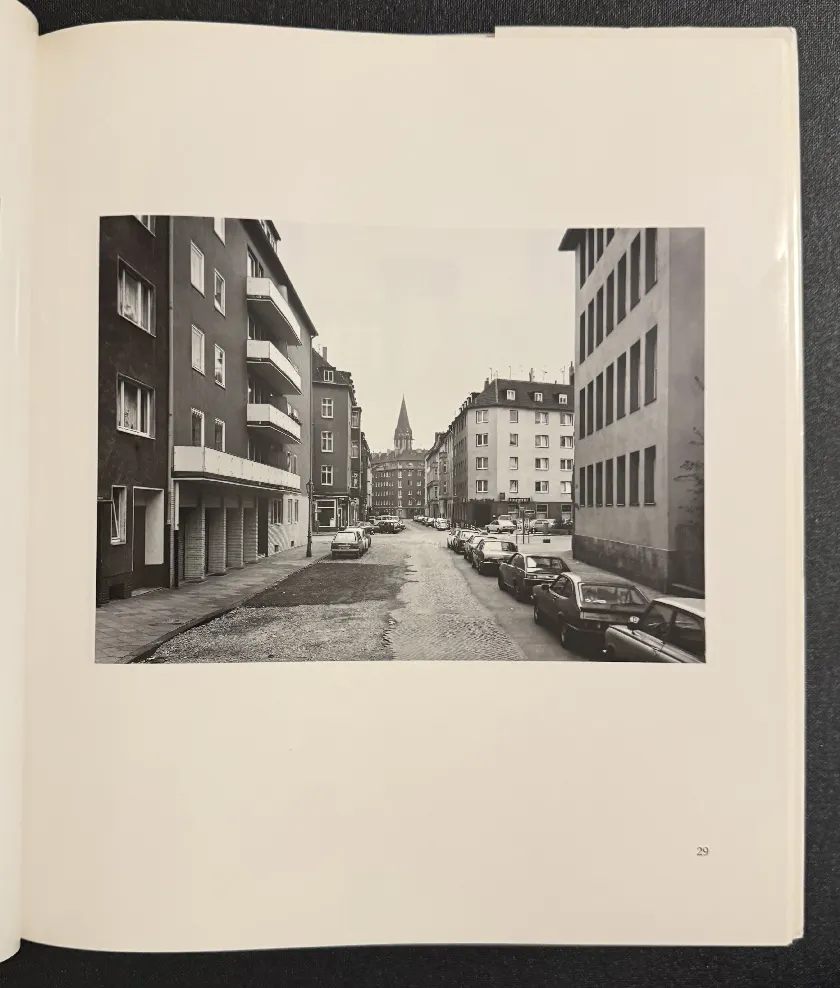
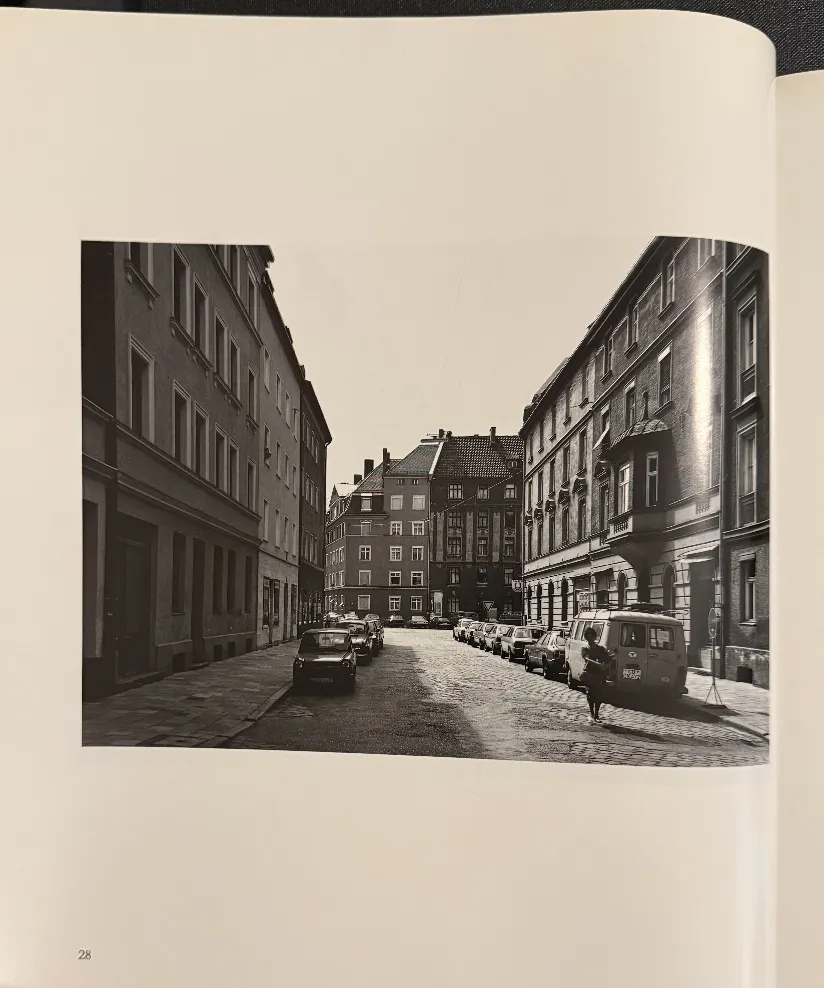
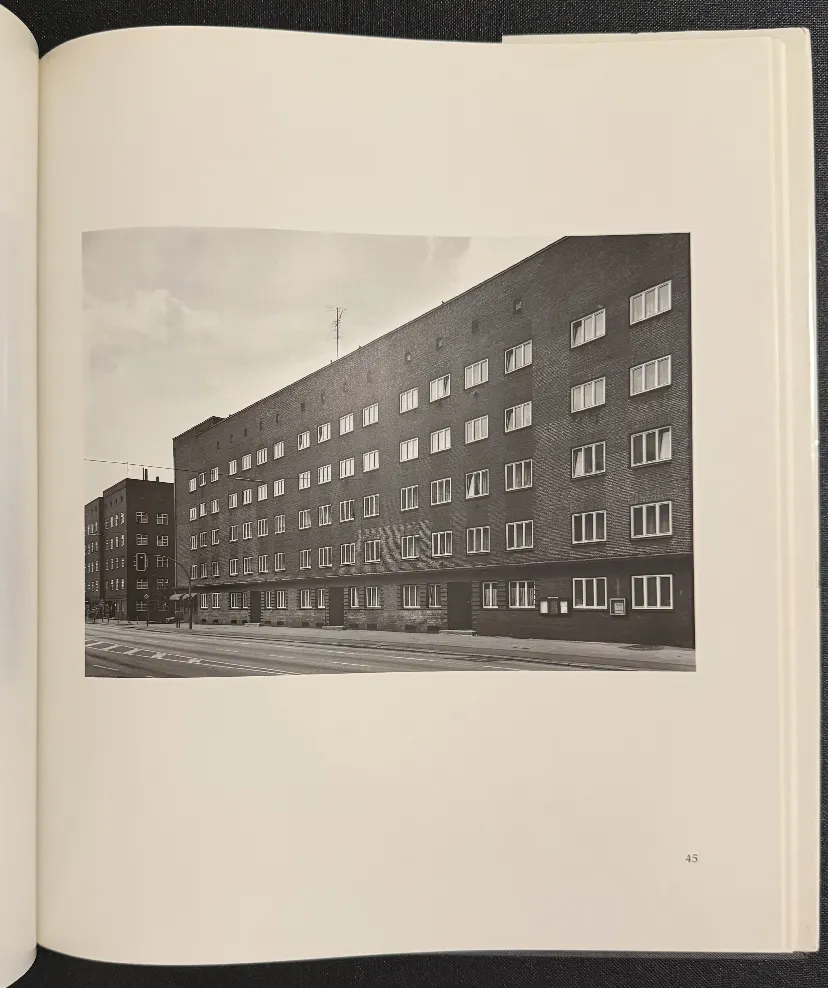
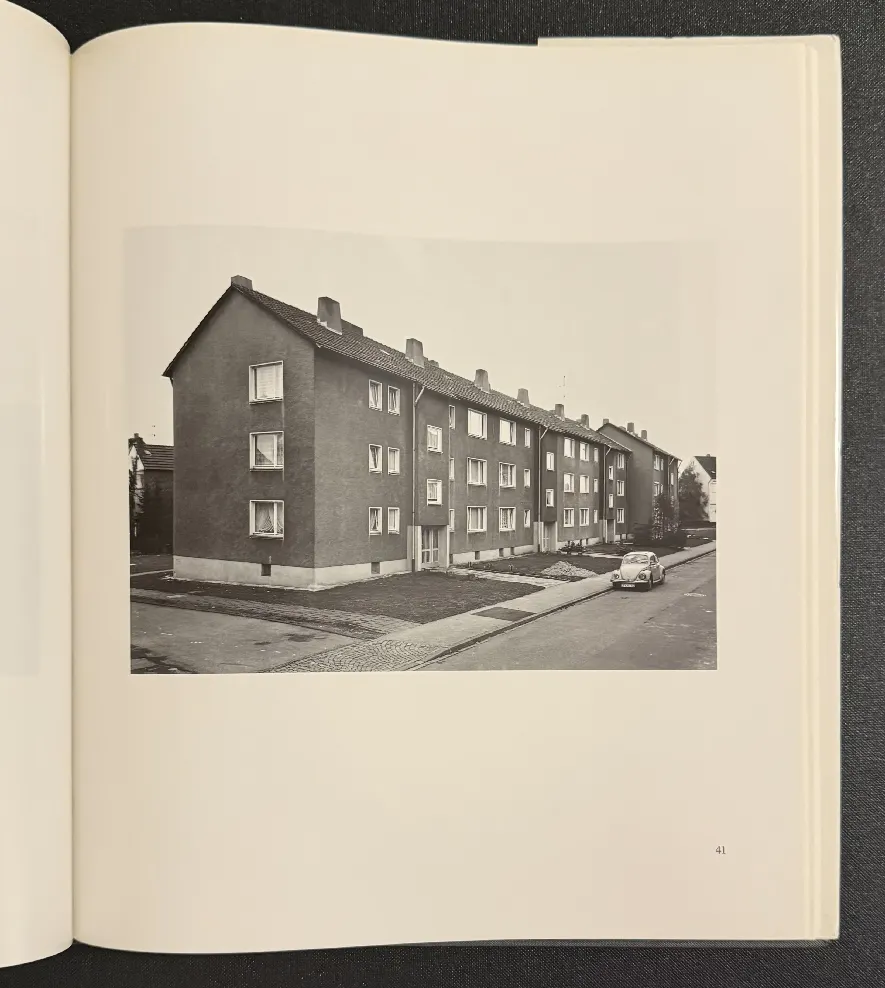
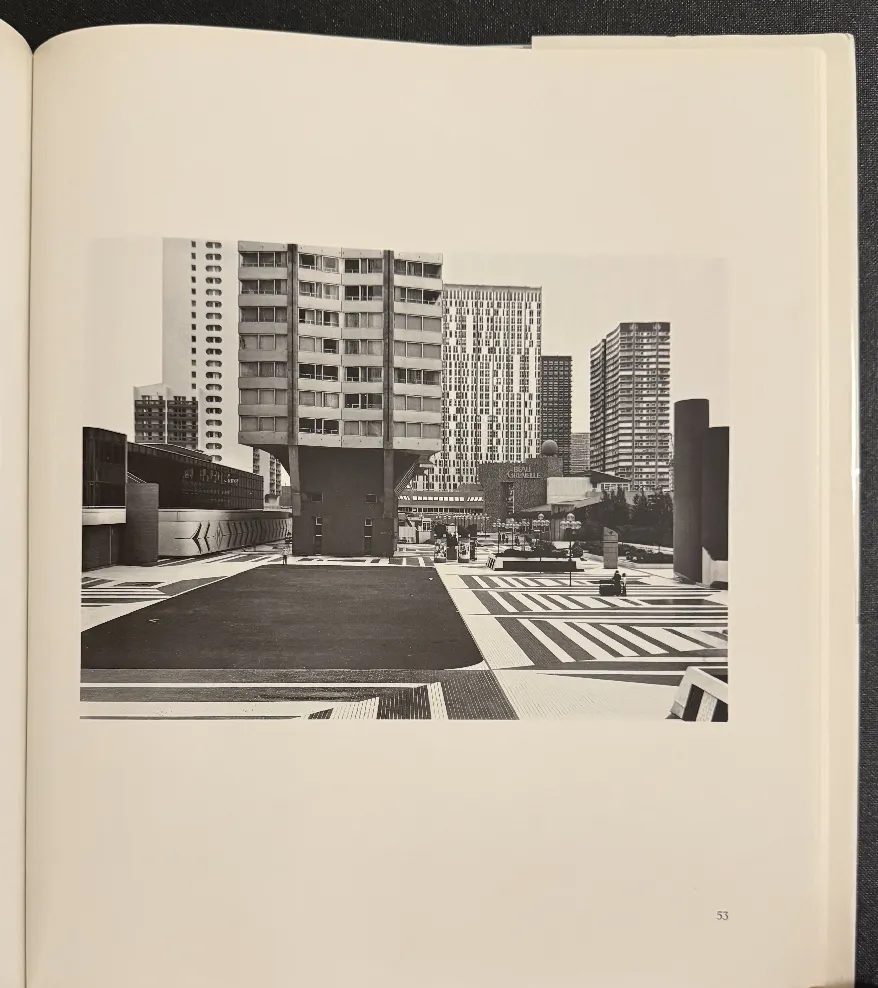
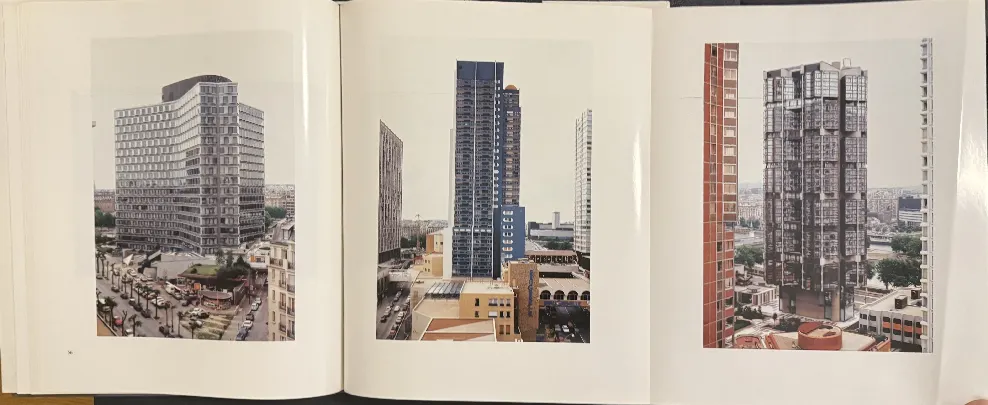
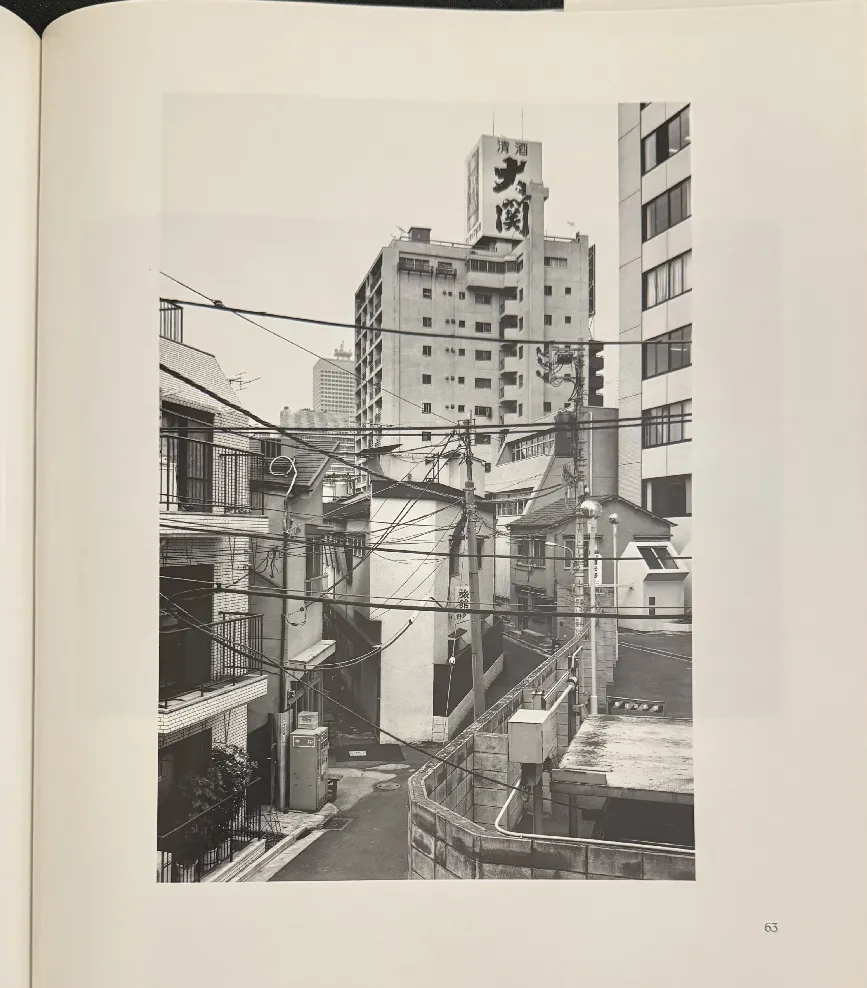
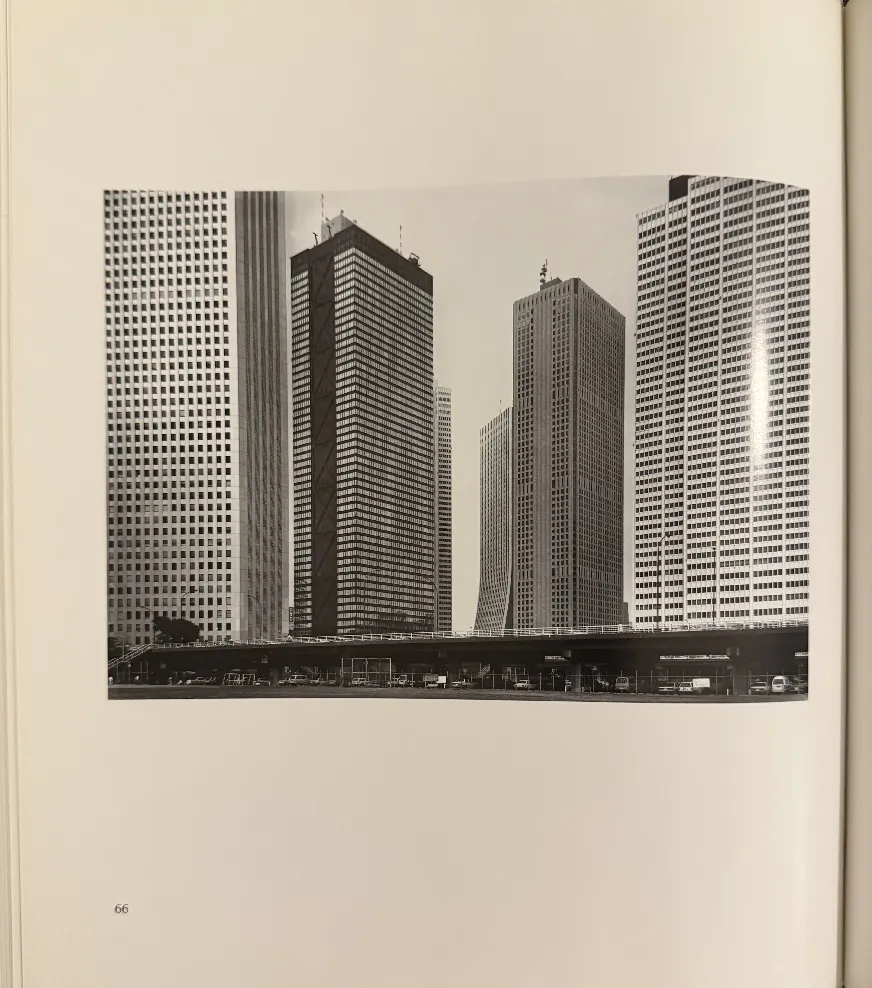


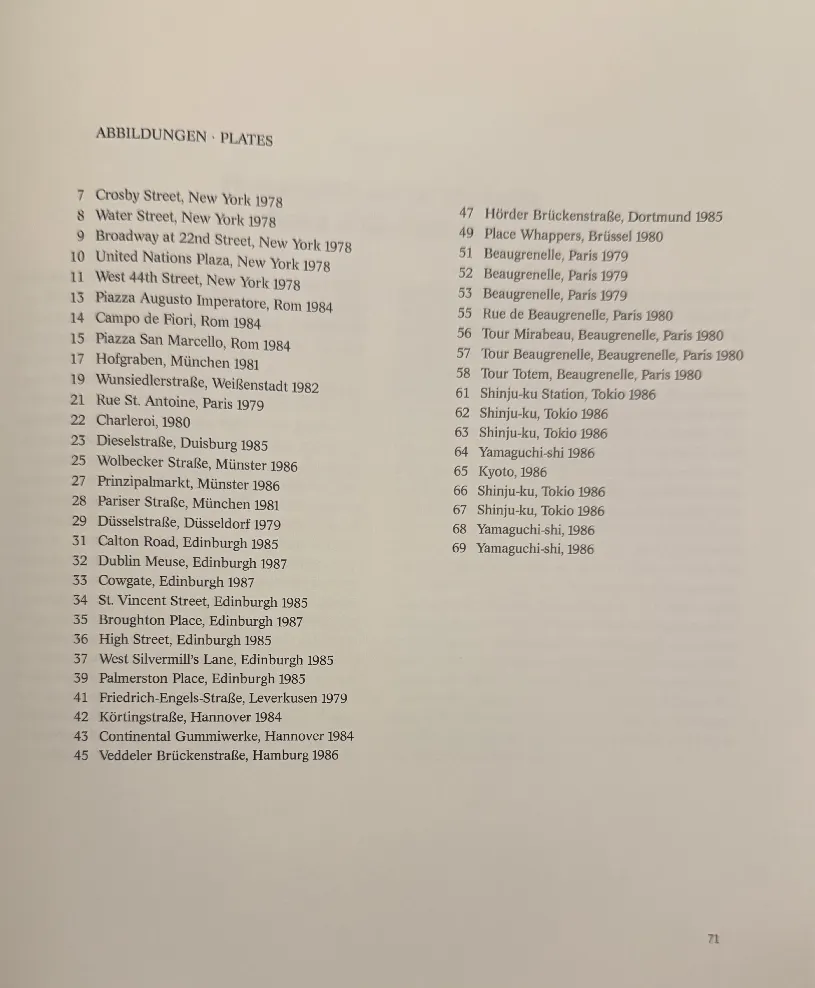
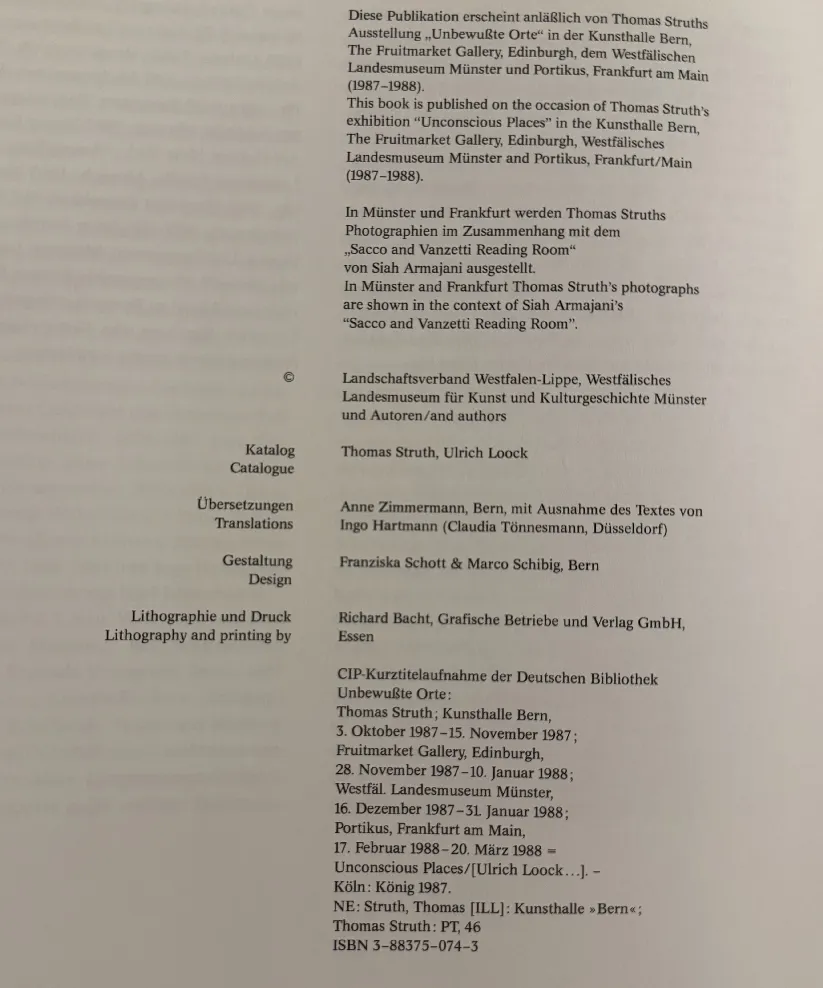

Thomas Struth’s Unconscious Places, first published in 1987, stands as a foundational milestone in the Düsseldorf School of Photography, capturing the quiet, unpeopled architecture of urban streets across Europe, America, and Asia. Emerging from his studies under Bernd and Hilla Becher at the Kunstakademie Düsseldorf, Struth applied a rigorous, frontal typological perspective to the mundane built environment, treating ordinary buildings, storefronts, and thoroughfares as silent witnesses to social history, urban planning, and human psychology.
The composition relies on a deliberate, objective vantage point, utilizing a large-format camera to achieve an extraordinary depth of detail across a flat, non-hierarchical plane. Devoid of human presence, the framing transforms city streets into austere architectural diagrams where light, asphalt, and concrete structures reveal the unconscious layers of urban development. The neutral tonality and precise rectilinear perspective emphasize a clinical yet contemplative distance, stripping away romanticism to expose the underlying structural DNA of modern cities.
Within Struth’s broader oeuvre, Unconscious Places established his signature methodology of observing how civic spaces mirror societal structures and historical memory. It remains to date one of his most important book and body of work. For Bushwick sur Seine, this seminal monograph resonates with the collection's formalist commitment to spatial typology.