
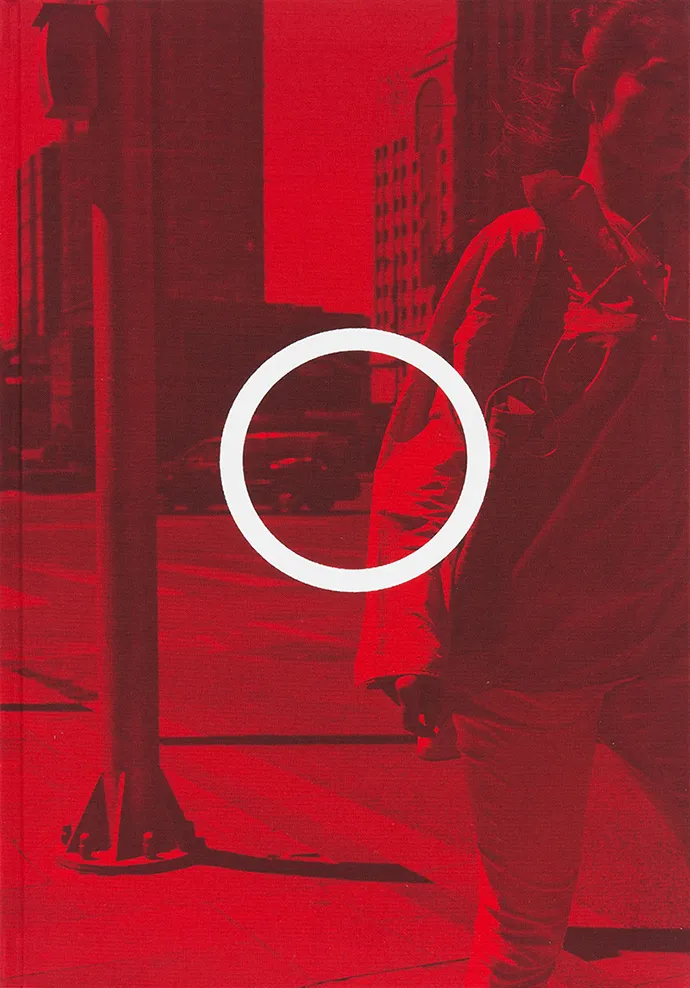
Boards with print in cardboard slipcase
ISBN:
9791091406499


Edit Beijing is an exploration of urban transformation, rapid modernization, and architectural displacement within the contemporary Chinese metropolis. Rather than presenting a conventional documentary survey of the city's monumental expansion, Tillim captures the shifting ideological and physical landscapes of Beijing through an attentive, nuanced focus on everyday streetscapes, residential structures, and architectural staging.
The book occupies a transitional yet pivotal position in Tillim's mature career, marking a deliberate shift from his searing, politically charged reportage of post-apartheid South Africa and fractured African urban centers toward a more contemplative, formally rigorous investigation of global modernization. Coming after his celebrated projects in Johannesburg, Luanda, and Kinshasa, the work demonstrates Tillim applying his characteristic deadpan observational framework to the hyper-accelerated architectural transformations of the East Asian metropolis.
Rather than focusing on human drama or overt social conflict, Edit Beijing uses the built environment as a silent protagonist, reflecting the profound ideological and psychological friction of a shifting global economy. Within his broader oeuvre, the project solidifies his standing not merely as a documentary photographer, but as a conceptual archivist of urban displacement, establishing the quiet, measured aesthetic that would continue to define his subsequent explorations of cities and architecture.
Visually, the work is characterized by a restrained color palette, natural daylight, and a meticulous, measured compositional structure that avoids sensationalism in favor of quiet observation. The interplay of weathered traditional facades, nascent high-rise developments, and transient urban elements establishes a layered spatial depth, prompting the viewer to reflect on the psychological and historical friction embedded in the built environment.