
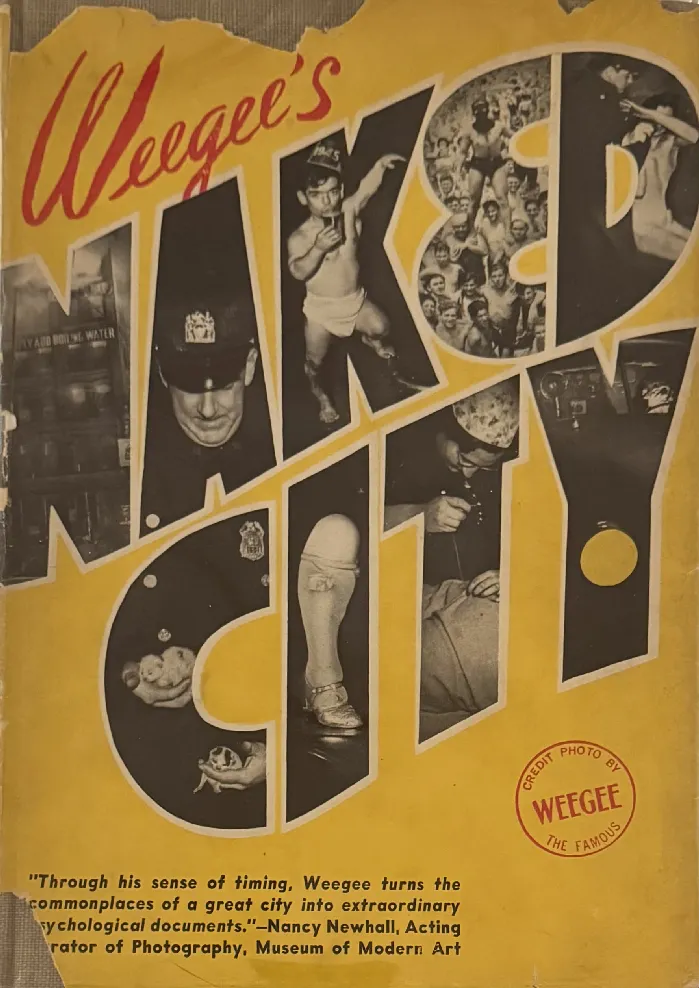
Hardcover with DJ
ISBN:


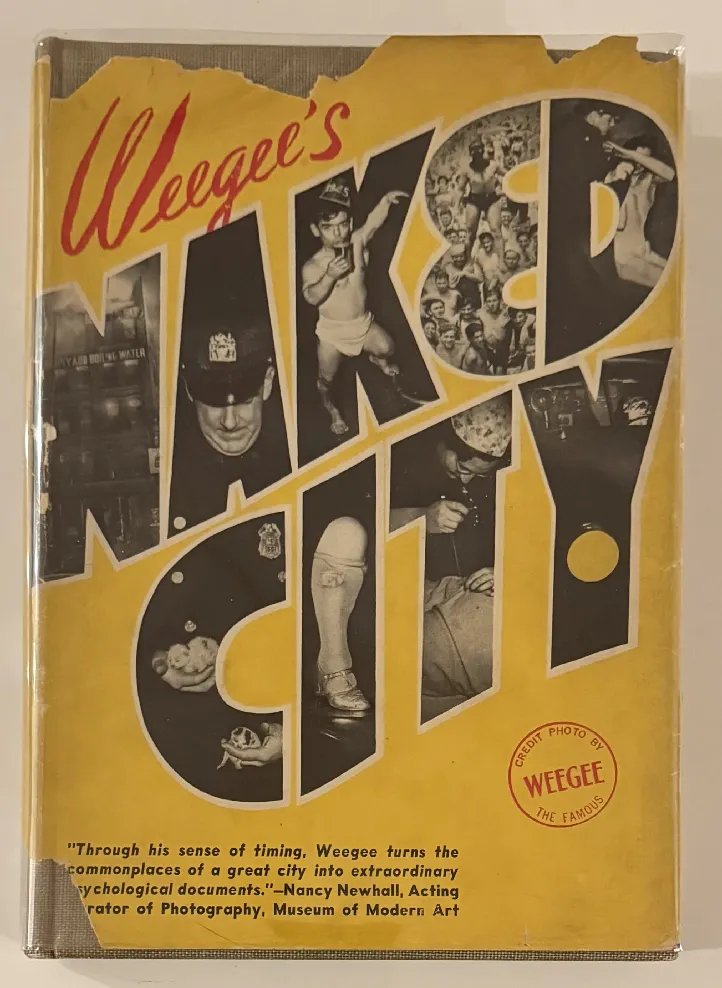
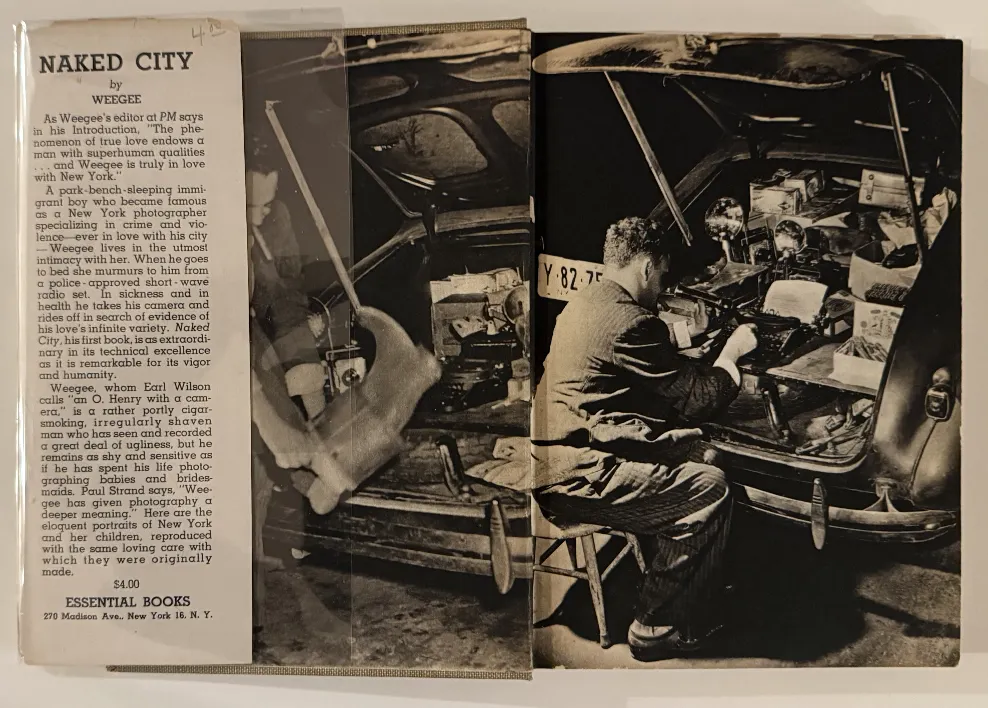
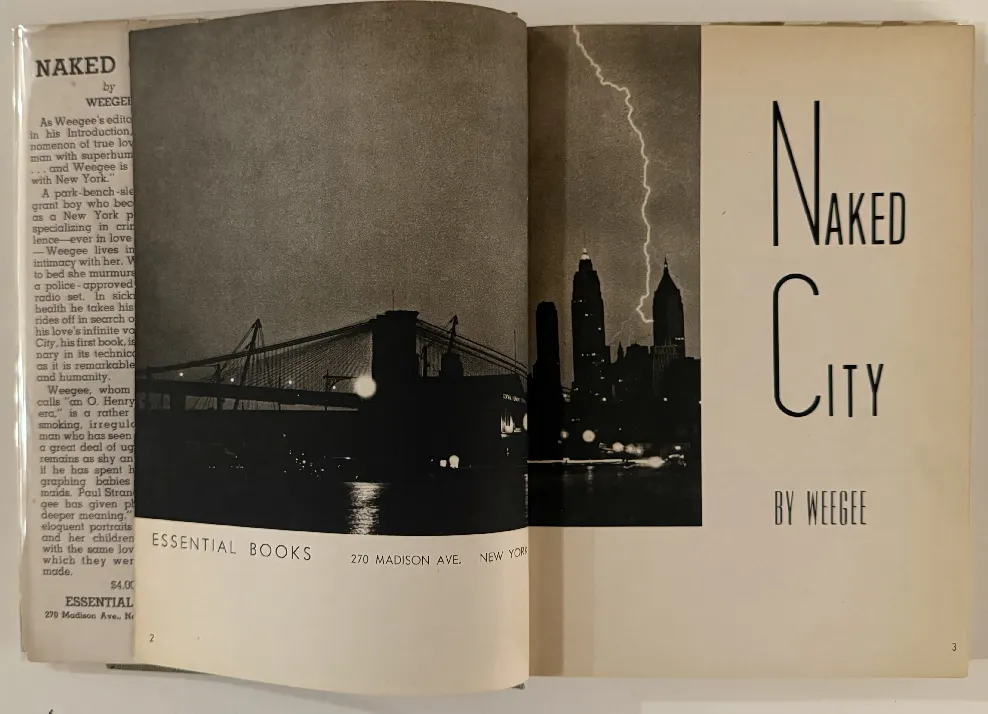
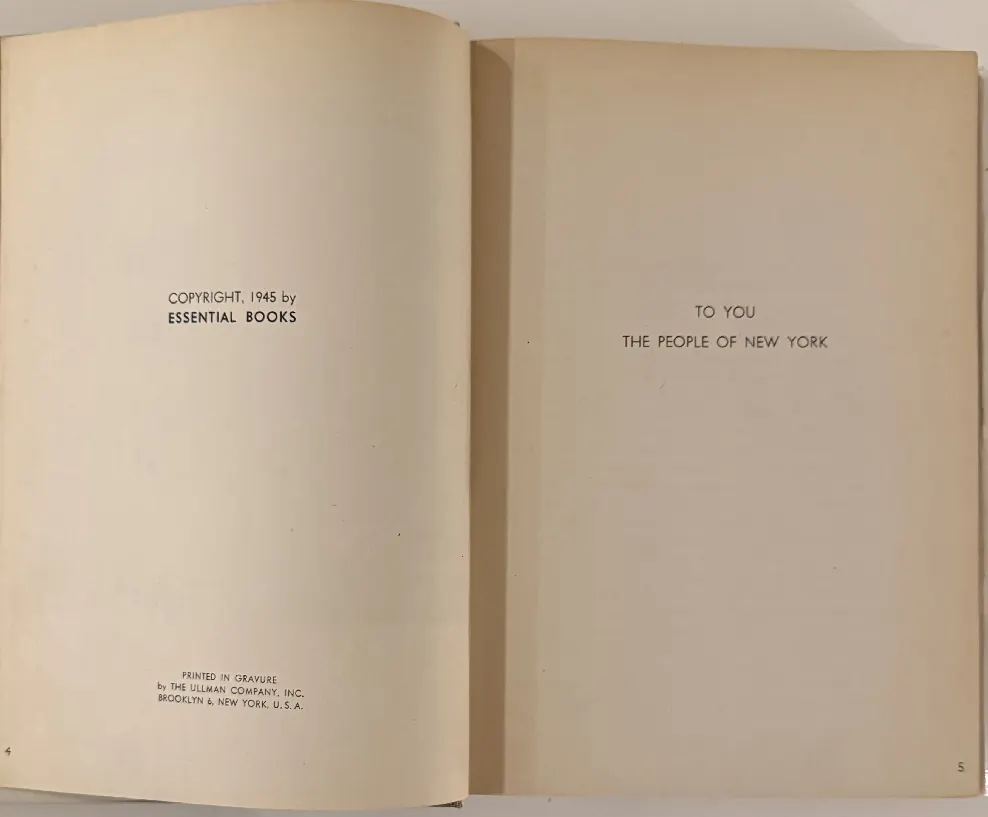
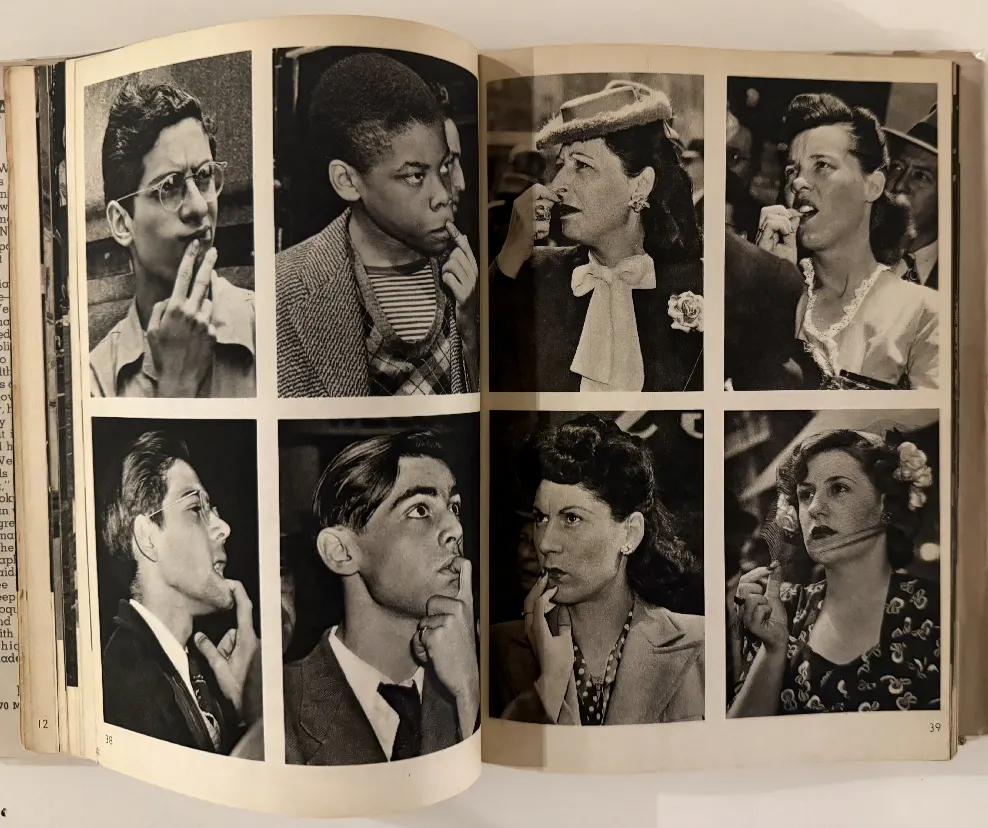
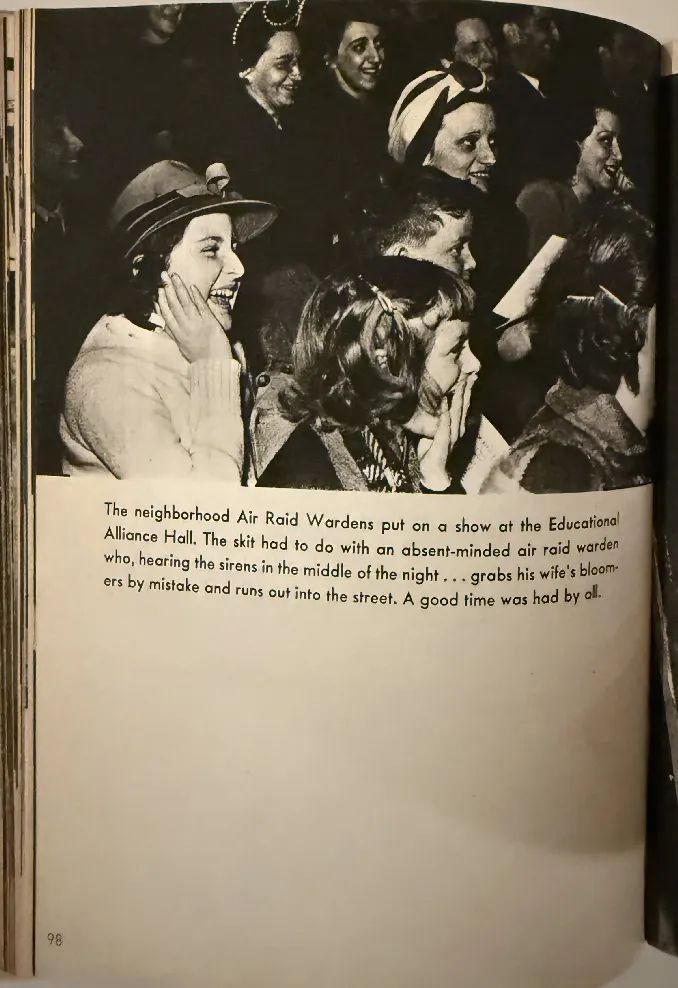
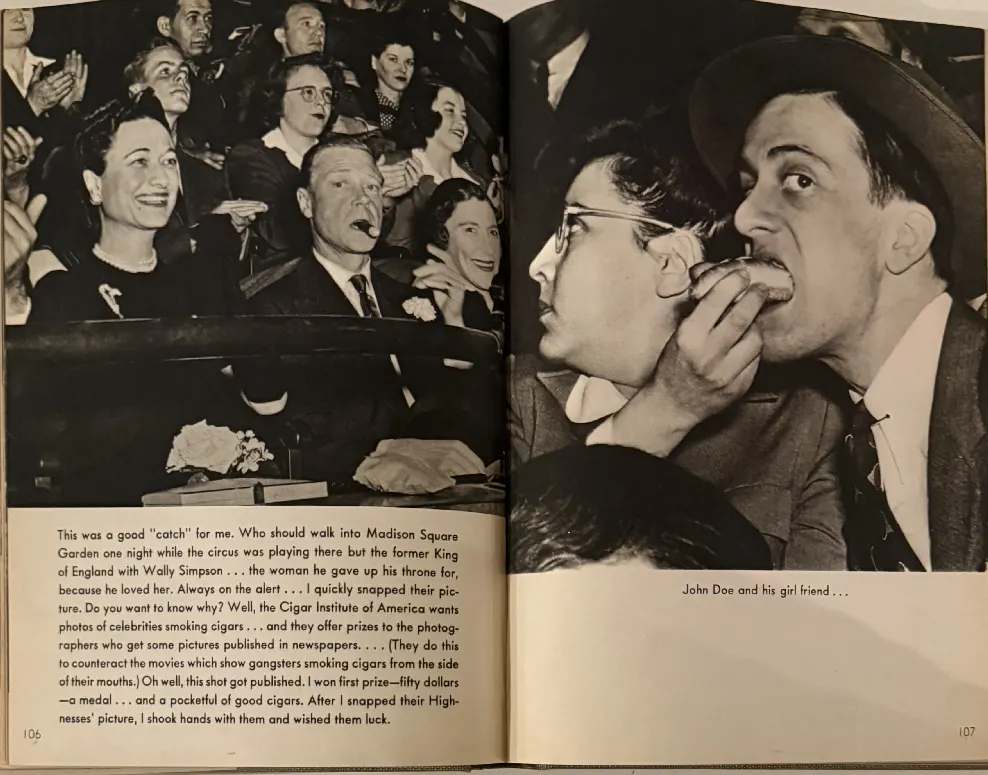
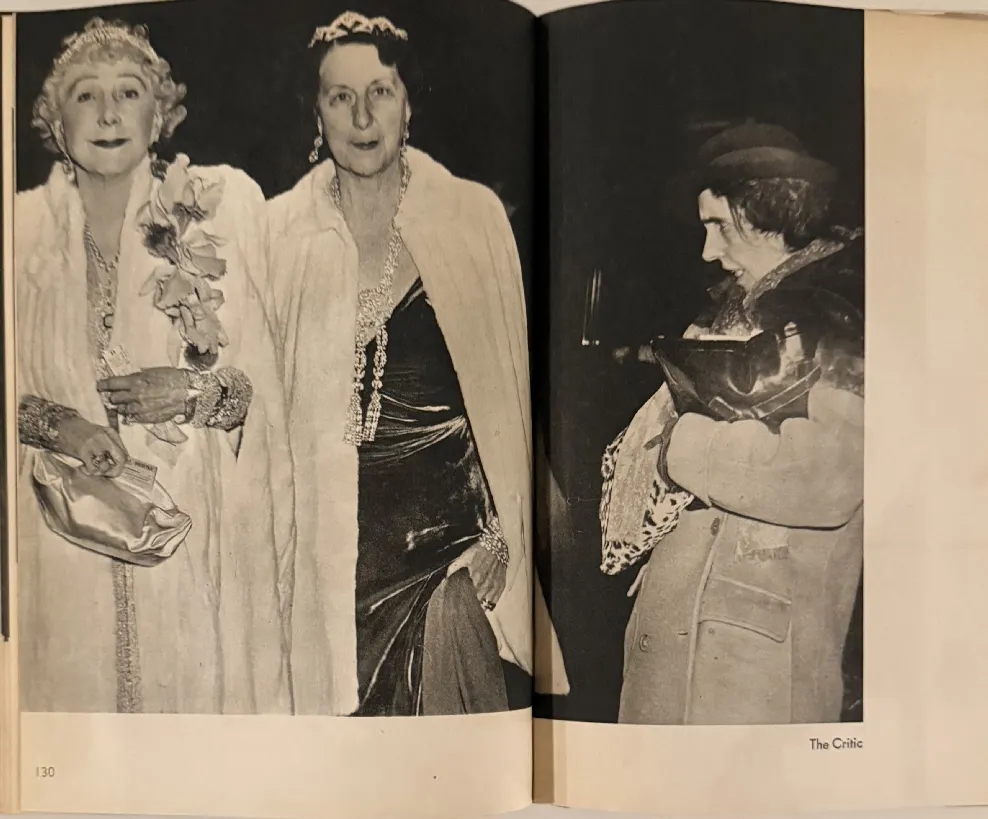
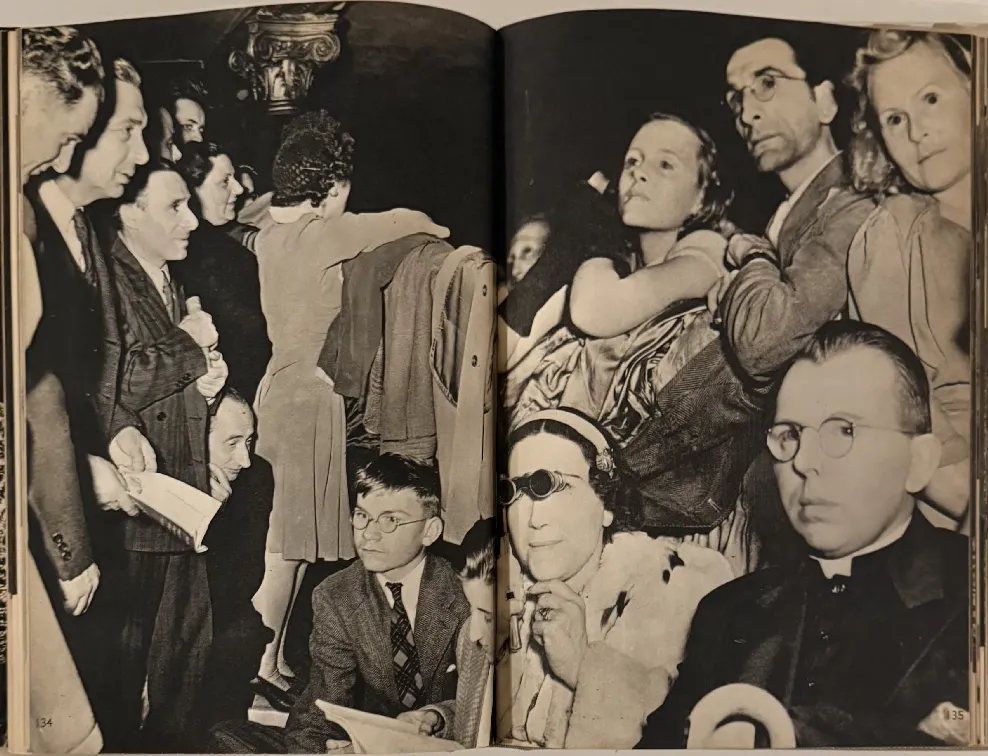
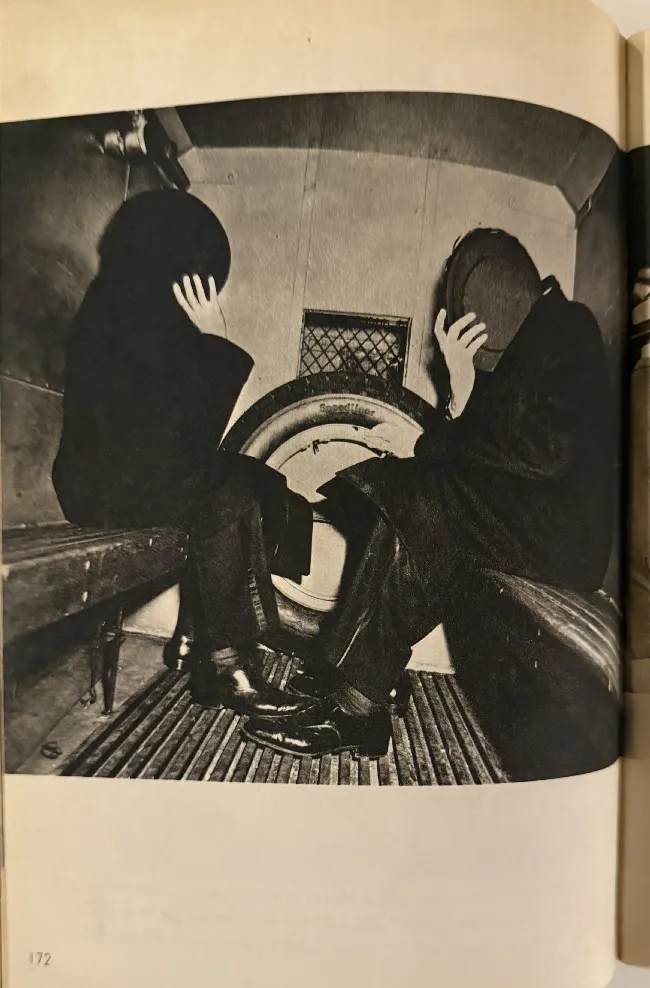
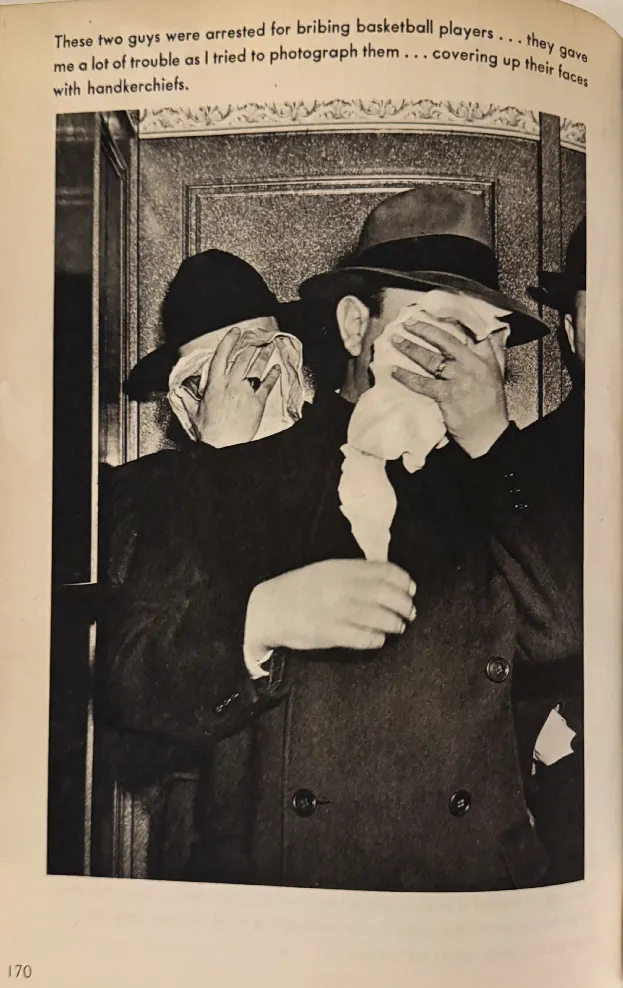
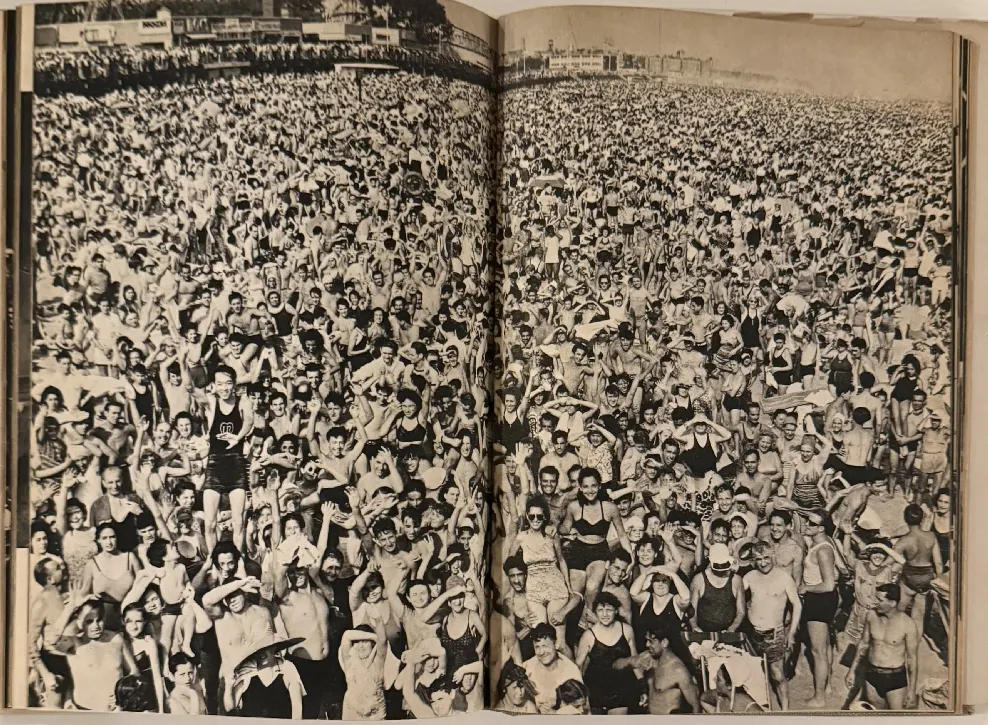
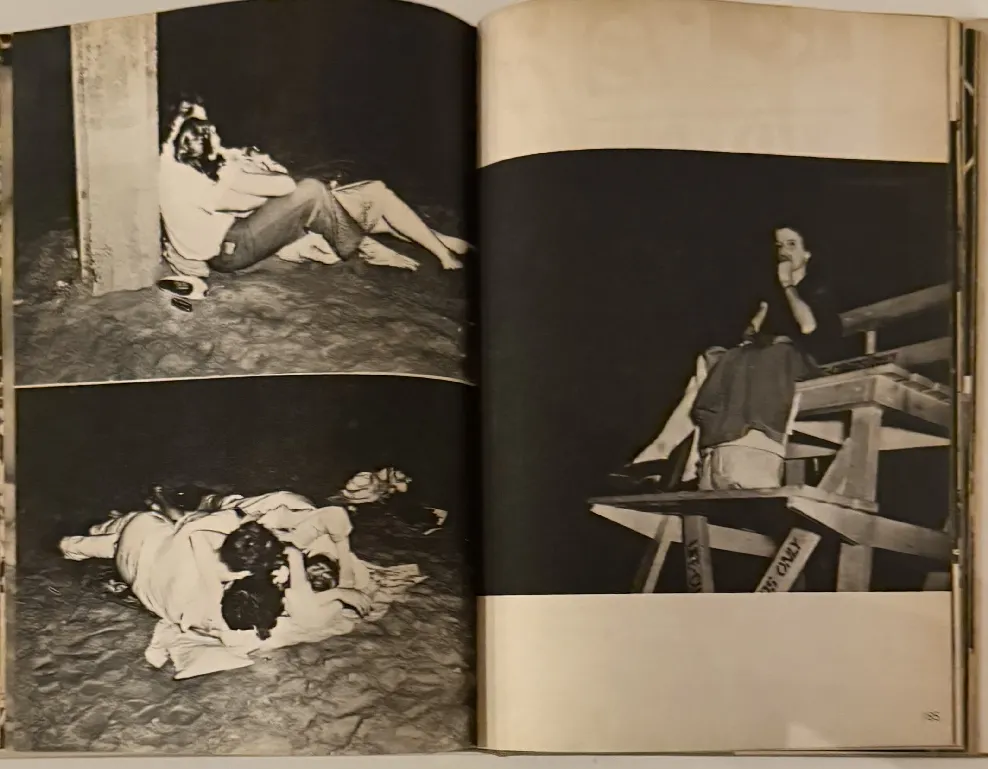
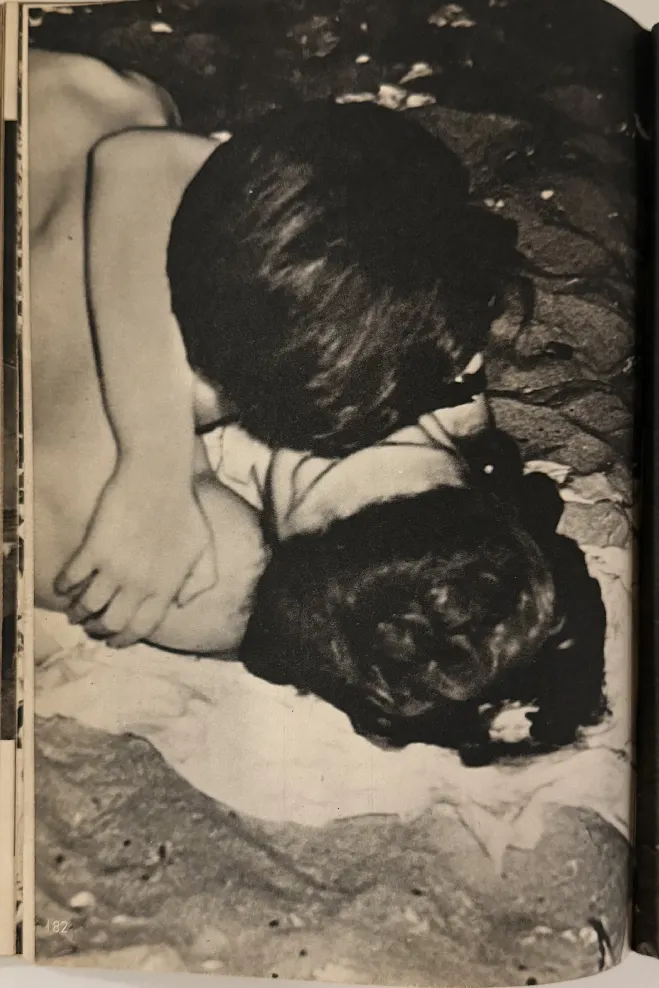
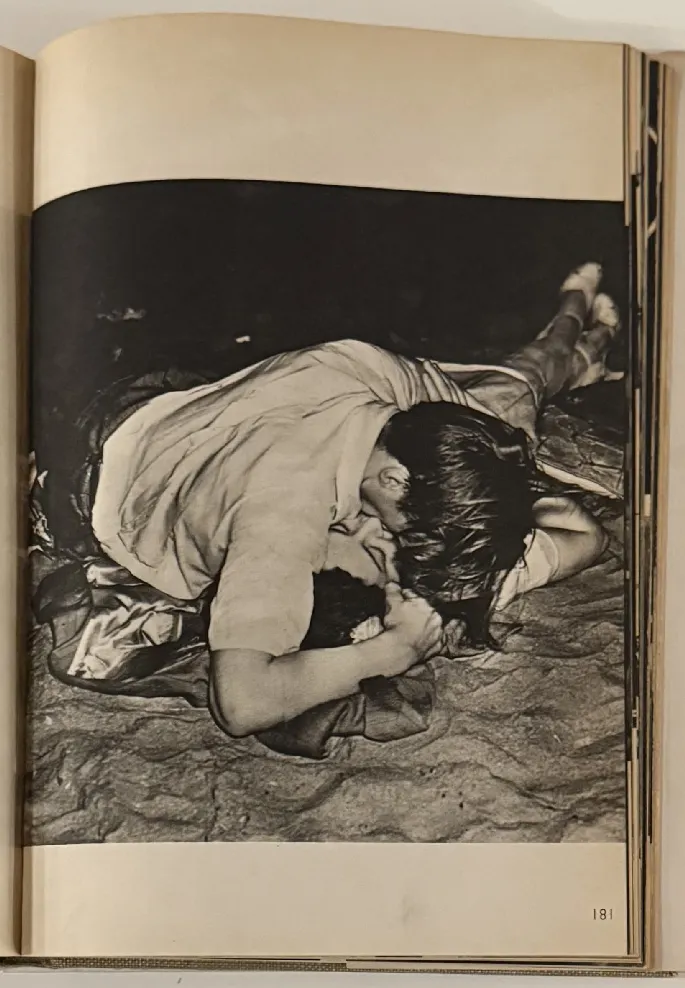
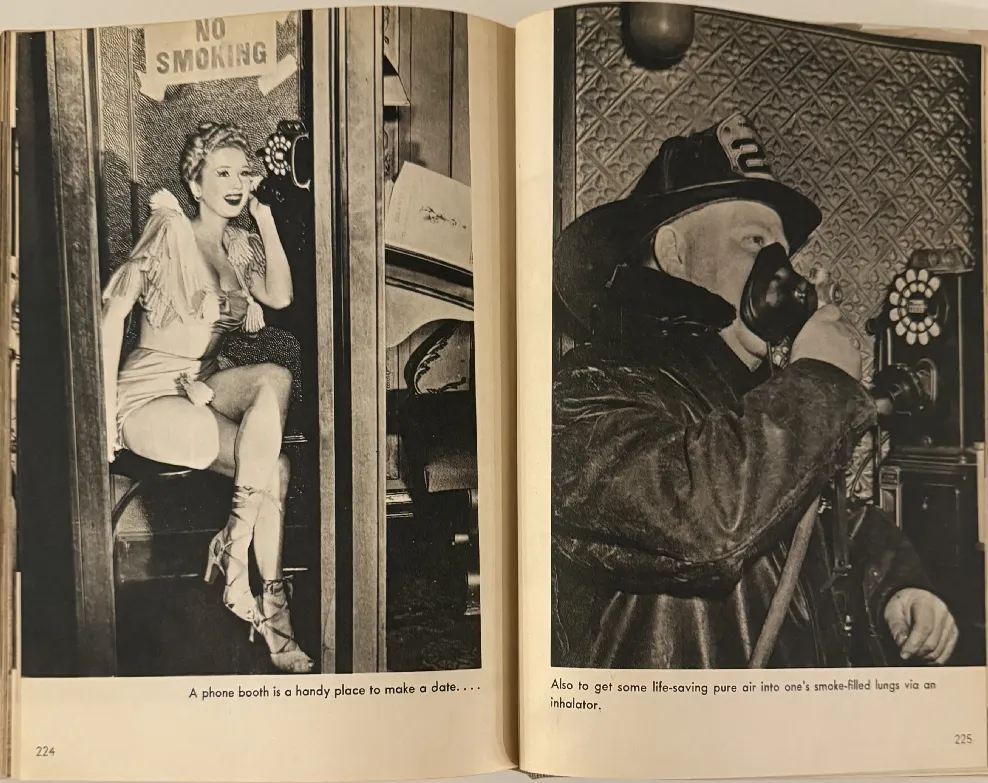
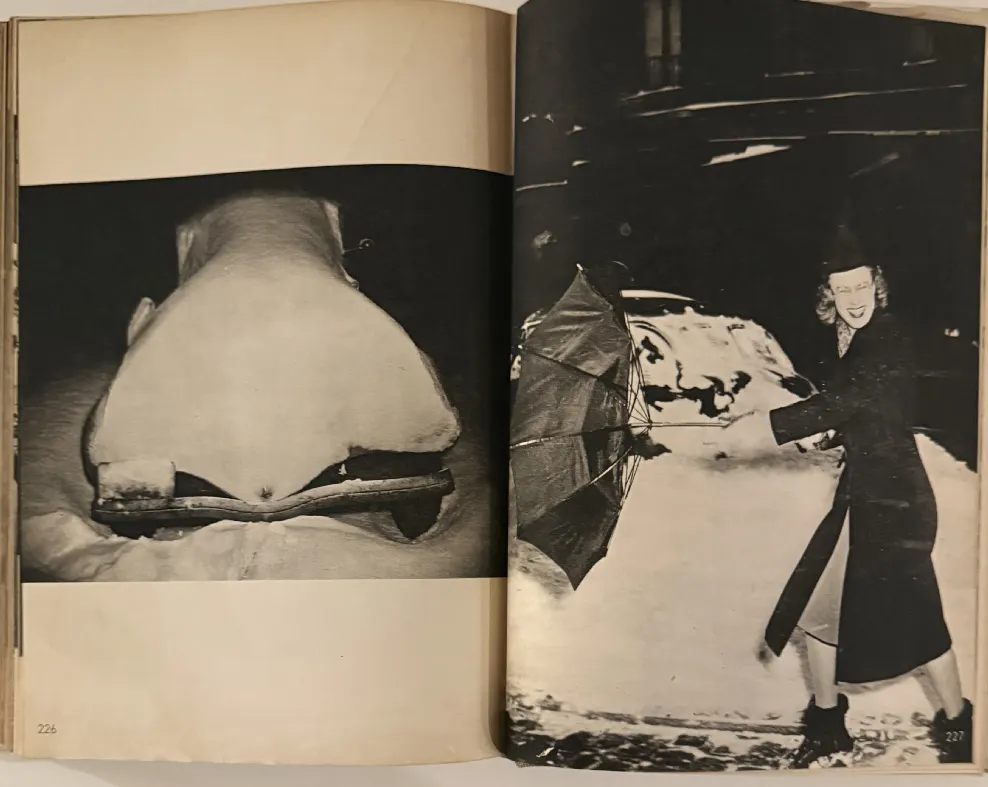
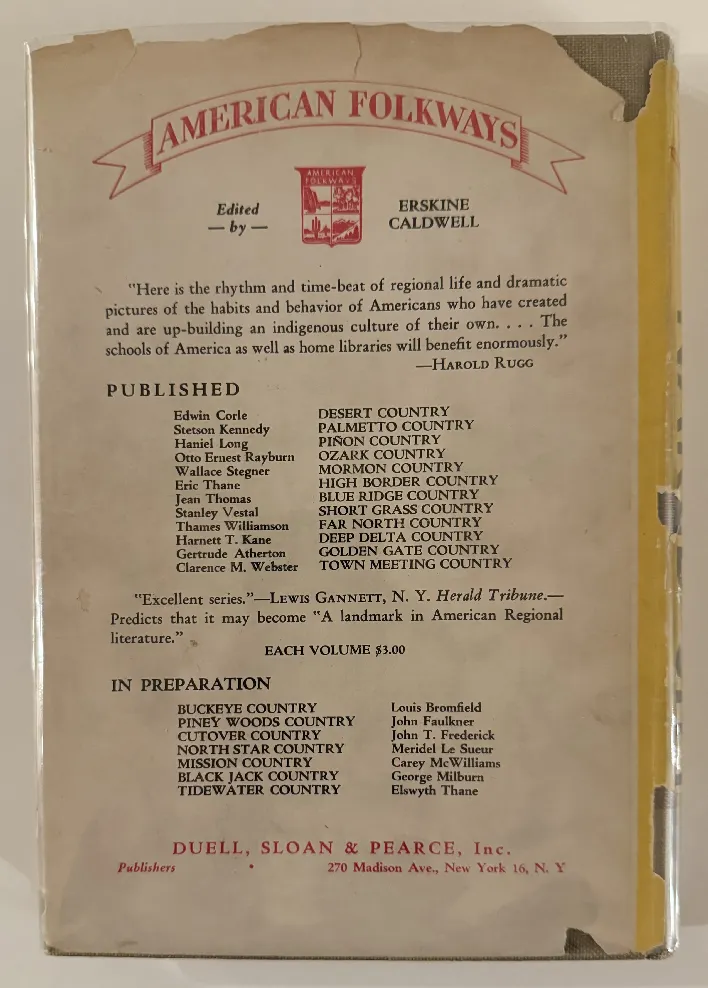
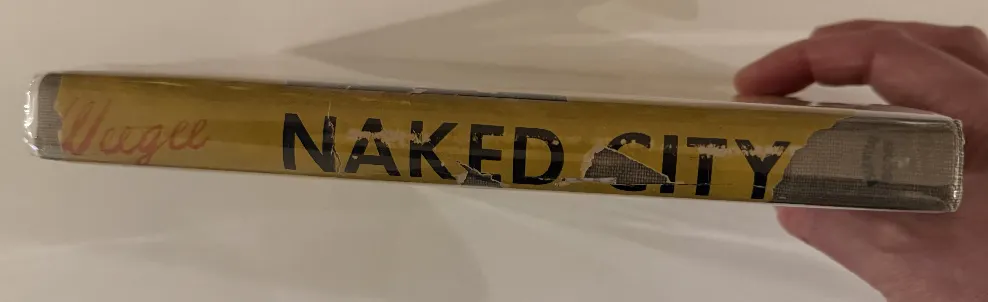
Weegee's (Arthur Fellig) Naked City (published in 1945 by Essential Books) is a landmark masterpiece of mid-century tabloid photojournalism and urban documentary.
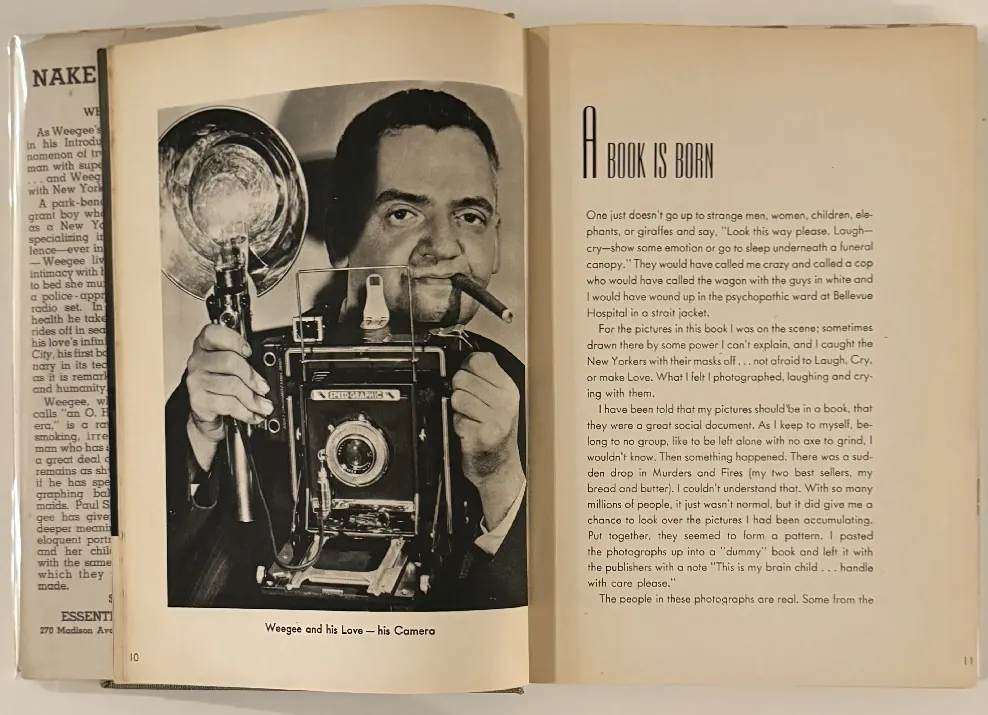
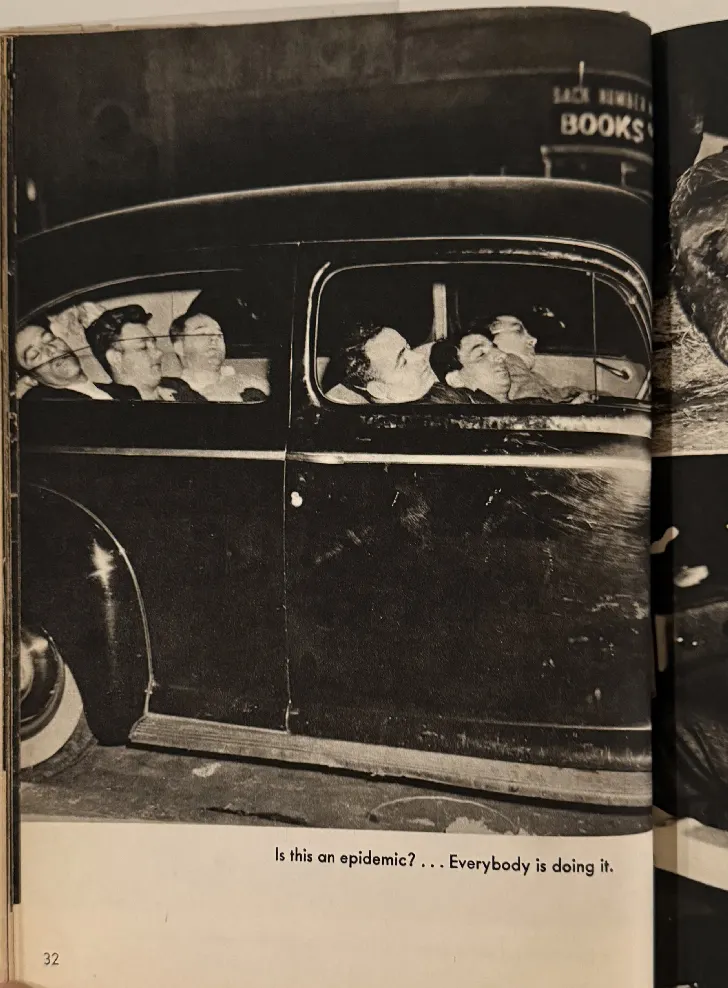
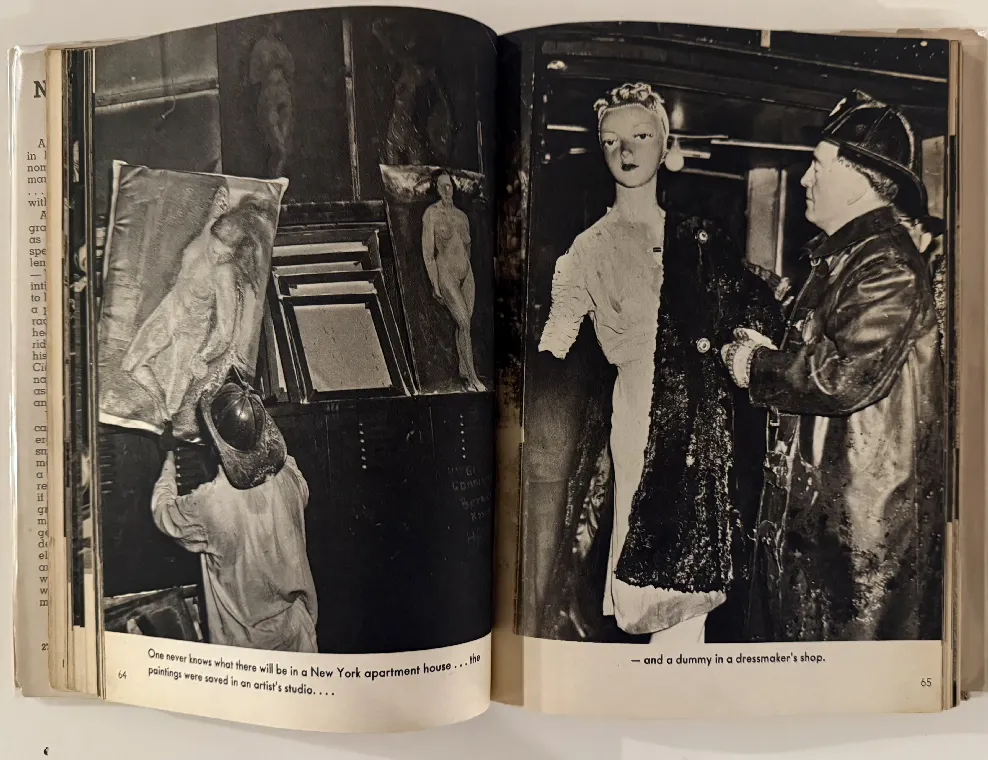
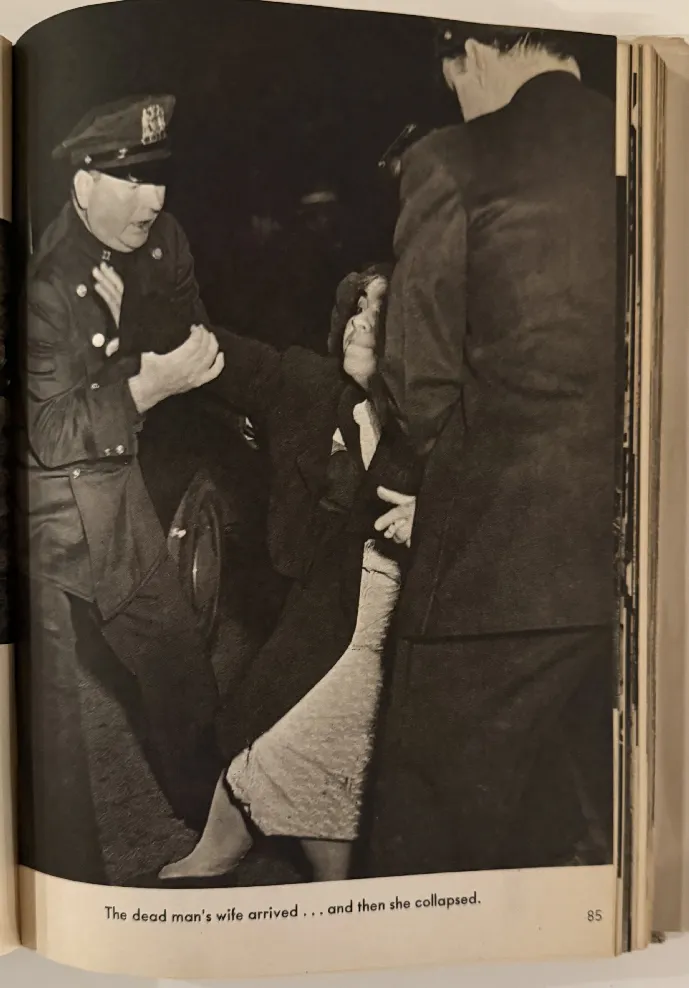
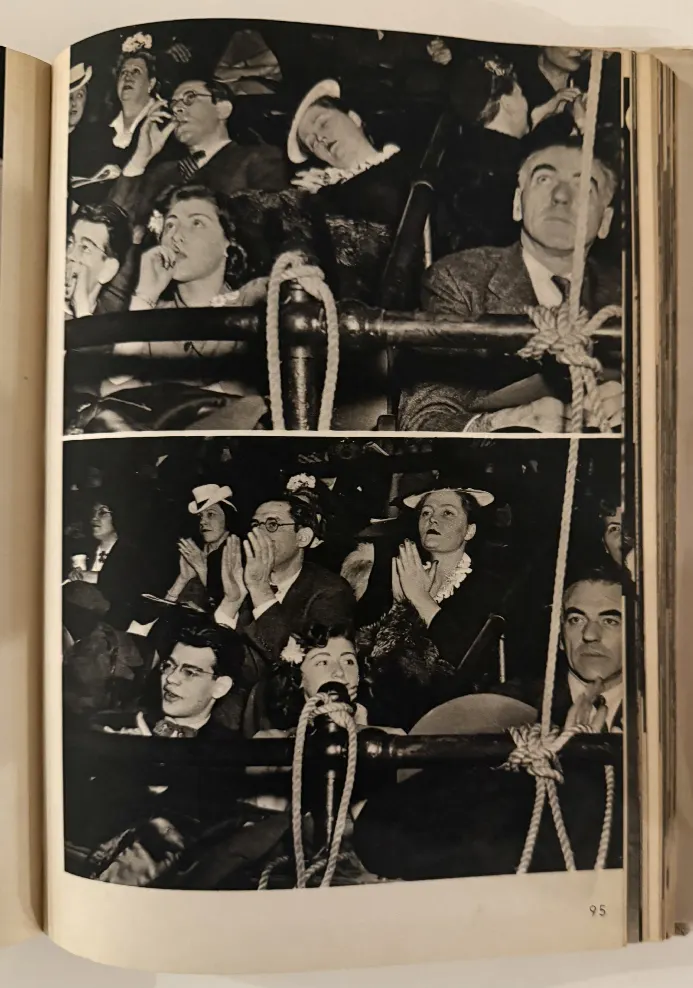
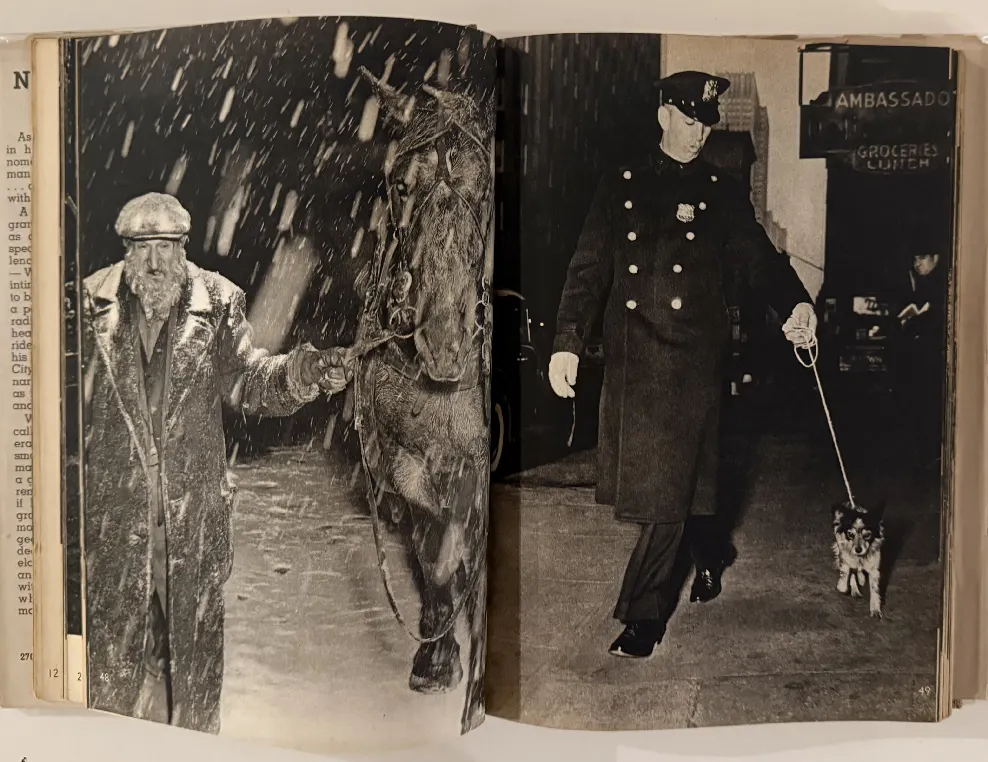
Capturing New York City at its most raw and unscripted, Weegee utilized a heavy 4x5 Speed Graphic camera with intense flashbulb illumination to record late-night crime scenes, tenement fires, emergency rooms, crowded beaches, and candid street figures. Rather than sensationalizing noir drama alone, the book presents a stark, empathetic portrait of urban life across all socio-economic strata.
From Newsprint Ephemera to Art Object: Weegee's photographs originally existed as fast, disposable halftone prints in daily tabloid newspapers. Naked City represents a pivotal moment of reproduction where ephemeral press images were re-bound into a formal, sequential book, elevating sensationalist crime reporting into enduring formalist social commentary.
Mass Reproduction as Urban Rhythm: The book reflects the pace of modern industrial communication, rapid capture, flash illumination, and high-contrast offset printing designed for mass distribution. By sequence-matching dramatic nocturnal scenes with humanizing moments of daily life, the volume demonstrates how mechanical printing can construct a collective narrative of a metropolis rather than isolated headlines.
Weegee's (Arthur Fellig) Naked City (published in 1945 by Essential Books) is a landmark masterpiece of mid-century tabloid photojournalism and urban documentary.
Capturing New York City at its most raw and unscripted, Weegee utilized a heavy 4x5 Speed Graphic camera with intense flashbulb illumination to record late-night crime scenes, tenement fires, emergency rooms, crowded beaches, and candid street figures. Rather than sensationalizing noir drama alone, the book presents a stark, empathetic portrait of urban life across all socio-economic strata.
From Newsprint Ephemera to Art Object: Weegee's photographs originally existed as fast, disposable halftone prints in daily tabloid newspapers. Naked City represents a pivotal moment of reproduction where ephemeral press images were re-bound into a formal, sequential book, elevating sensationalist crime reporting into enduring formalist social commentary.
Mass Reproduction as Urban Rhythm: The book reflects the pace of modern industrial communication, rapid capture, flash illumination, and high-contrast offset printing designed for mass distribution. By sequence-matching dramatic nocturnal scenes with humanizing moments of daily life, the volume demonstrates how mechanical printing can construct a collective narrative of a metropolis rather than isolated headlines.

Weegee's (Arthur Fellig) Naked City (published in 1945 by Essential Books) is a landmark masterpiece of mid-century tabloid photojournalism and urban documentary.
Capturing New York City at its most raw and unscripted, Weegee utilized a heavy 4x5 Speed Graphic camera with intense flashbulb illumination to record late-night crime scenes, tenement fires, emergency rooms, crowded beaches, and candid street figures. Rather than sensationalizing noir drama alone, the book presents a stark, empathetic portrait of urban life across all socio-economic strata.
From Newsprint Ephemera to Art Object: Weegee's photographs originally existed as fast, disposable halftone prints in daily tabloid newspapers. Naked City represents a pivotal moment of reproduction where ephemeral press images were re-bound into a formal, sequential book, elevating sensationalist crime reporting into enduring formalist social commentary.
Mass Reproduction as Urban Rhythm: The book reflects the pace of modern industrial communication, rapid capture, flash illumination, and high-contrast offset printing designed for mass distribution. By sequence-matching dramatic nocturnal scenes with humanizing moments of daily life, the volume demonstrates how mechanical printing can construct a collective narrative of a metropolis rather than isolated headlines.