Japanese visual language
The photobook occupies a revered place in the world of Japanese photography, serving not just as a means of distribution but as a conceptual and aesthetic object in itself. Japanese photographers have long embraced the photobook format as a personal and often provocative medium, pushing the boundaries of narrative, abstraction, and physical design. From the intimate to the political, these books trace a powerful lineage of artistic innovation, where each photographer adds a distinctive voice to a shared visual language.
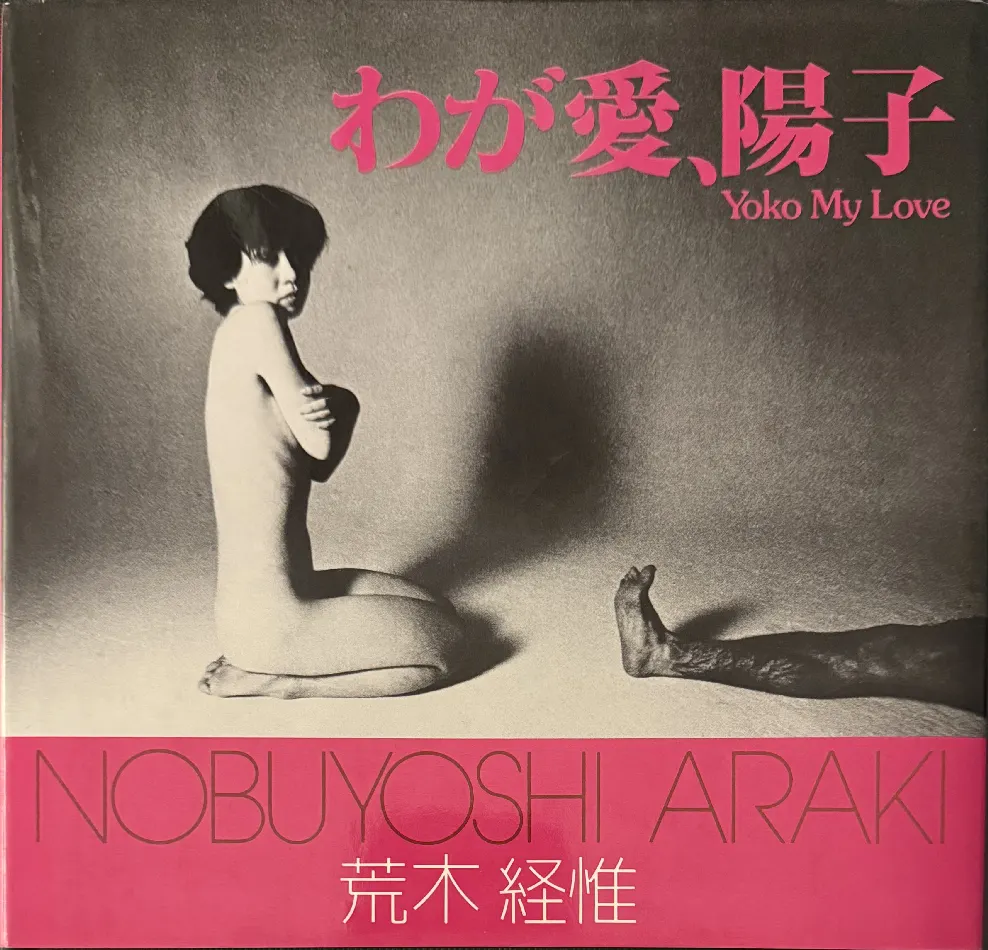
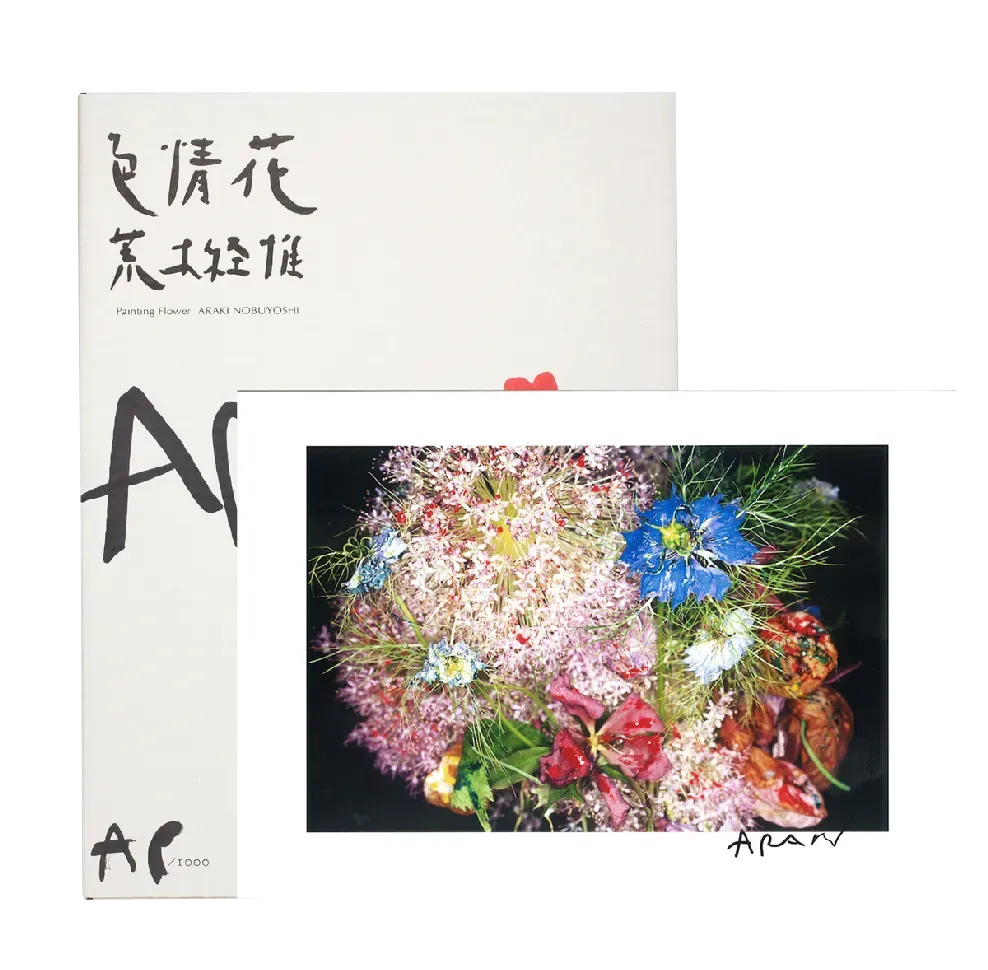
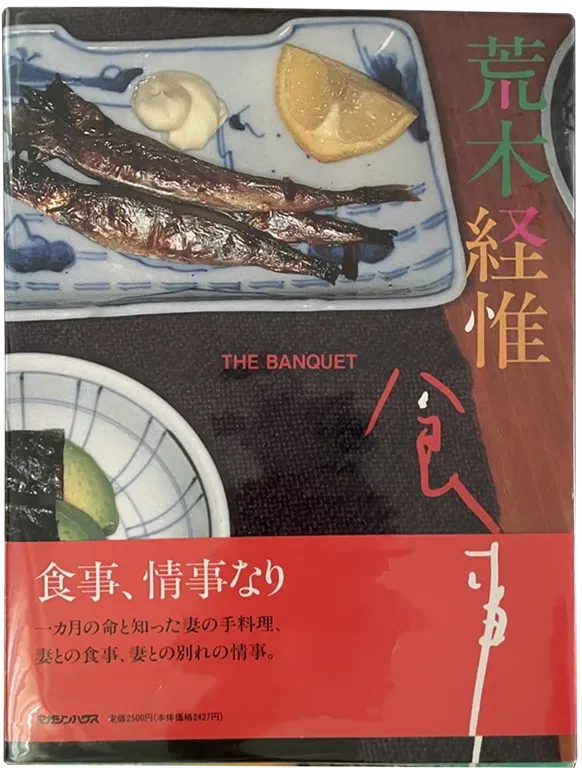
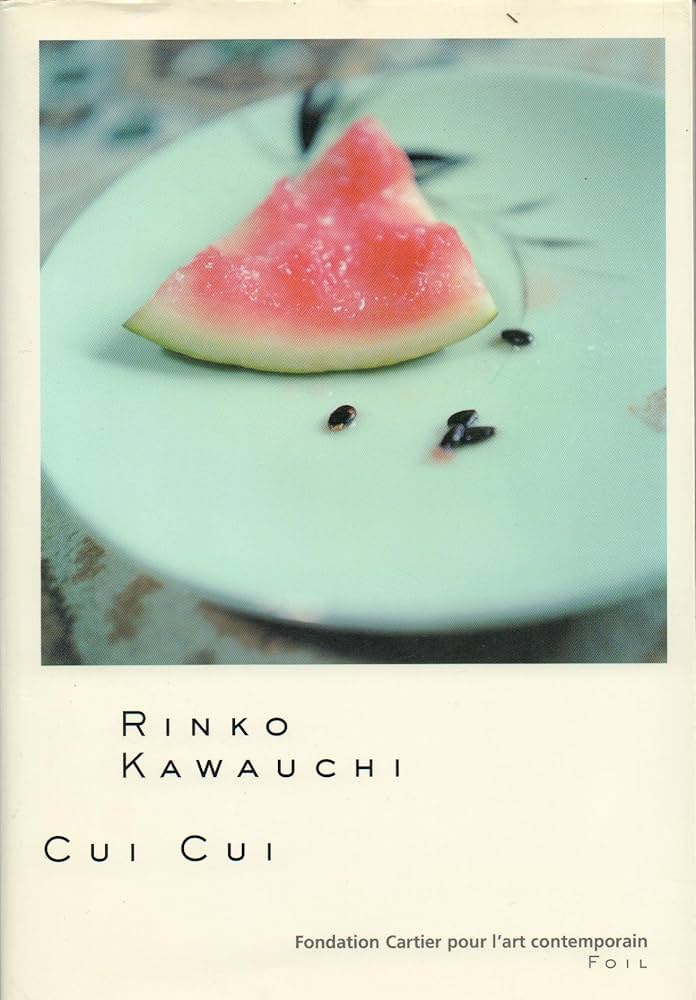
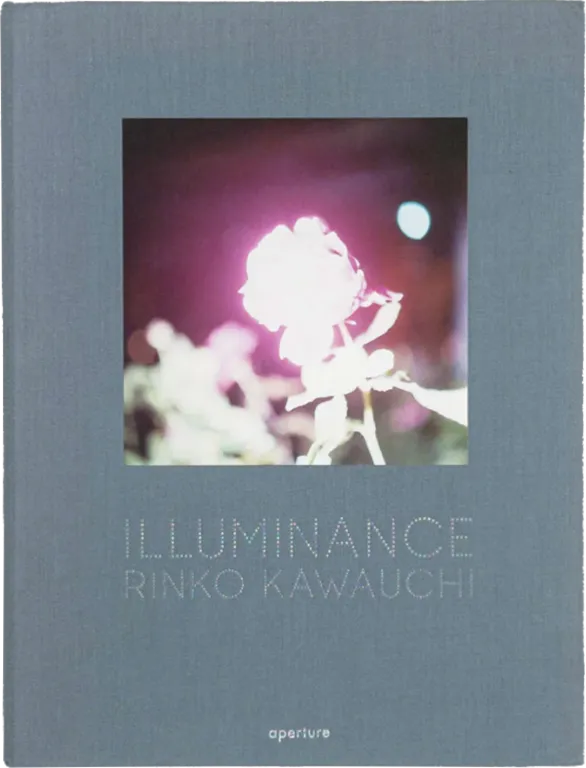
Perhaps the most globally recognized figure in this landscape is Nobuyoshi Araki, whose prolific output of photobooks—over 500—charts a lifelong obsession with eroticism, loss, and the cityscape of Tokyo. His seminal work, Sentimental Journey, merges personal diary and sensual exploration, setting a tone for emotionally charged photobooks in Japan. Similarly confessional yet dreamlike is Rinko Kawauchi’s Illuminance, which presents fleeting moments of everyday life in luminous, pastel hues, creating a visual haiku that has become her signature.
Masahisa Fukase’s The Solitude of Ravens stands asone of the most emotionally resonant photobooks ever published, capturing the psychological descent of the artist through stark images of ravens in bleak landscapes. Complementing this are the dark urban intrusions of Kohei Yoshiyuki’s The Park, where clandestine infrared images of couples and voyeuristic observers in Tokyo parks reveal hidden layers of human behavior andsocietal taboos.
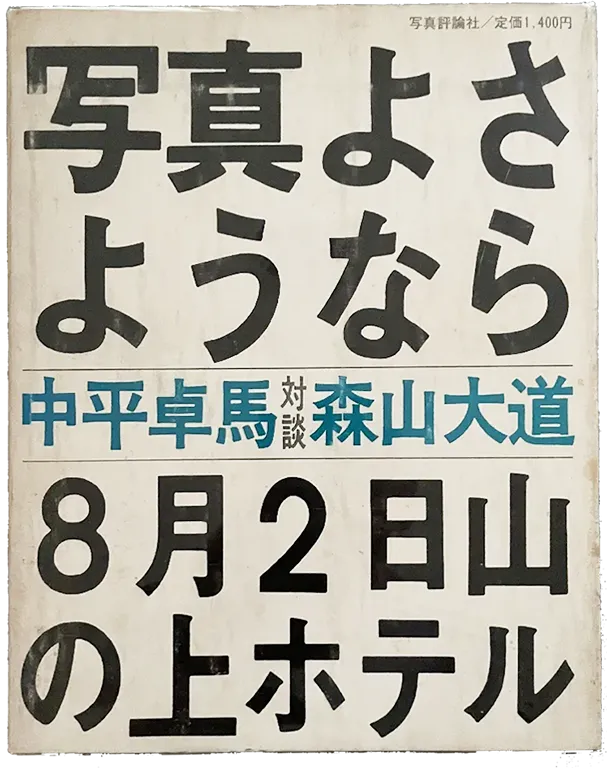
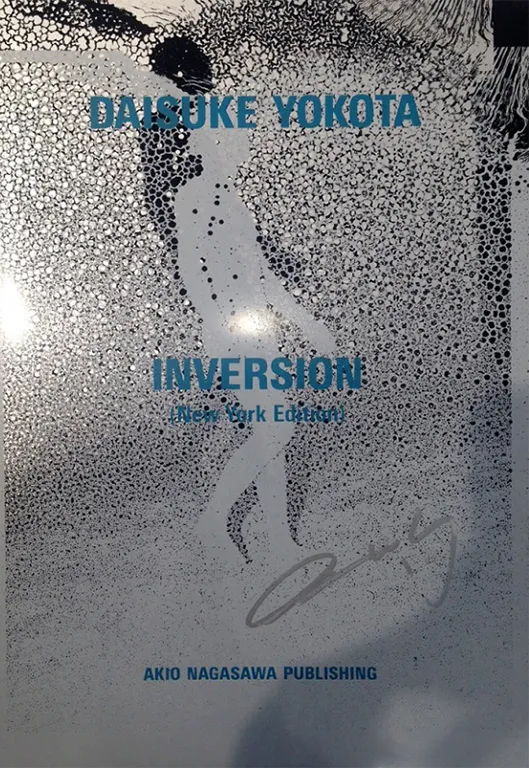
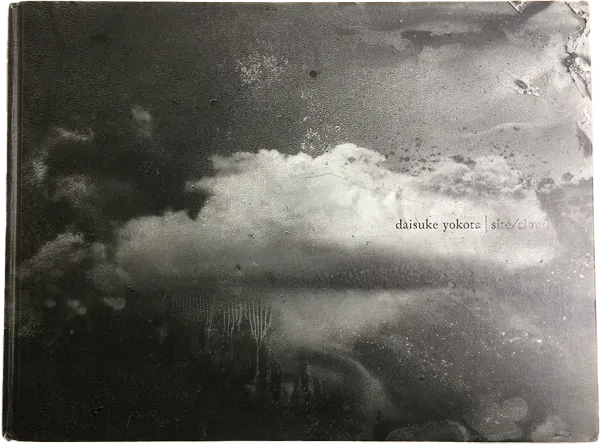
The 1960s and 70s saw a surge of politically infused photography. Shomei Tomatsu's 11:02 Nagasaki and Takuma Nakahira's For a Language to Come reflect the existential anxiety and socio-political upheavals of postwar Japan. Nakahira, one of the founders of the Provoke movement, emphasized are-bure-boke (grainy, blurry, out-of-focus) aesthetics that still resonate in the work of younger photographers like Daisuke Yokota.Yokota’s experimental photobooks often involve chemical alterations and overprinting, physically manipulating the book as object and challenging the idea of photography as a fixed medium.
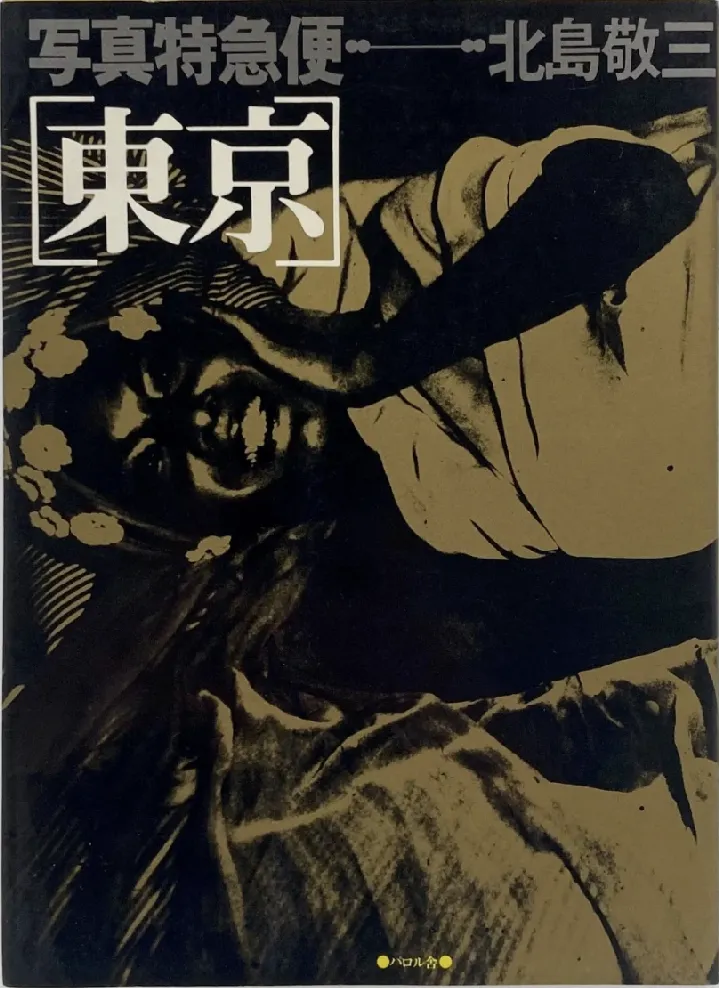
Kazuo Kitai’s To the Village documents rural Japan with the eye of a humanist and the soul of a dissenter, capturing a disappearing way of life amidst urbanization. Issei Suda’s Waga-Tōkyō hyaku (My Tokyo 100) offers a surreal and nostalgic look at postwar urban culture through stark black-and-white compositions. Similarly, Keizo Kitajima’s vibrant color work in Photo Express: Tokyo captures the feverish nightlife of the city in the 1980s with a punk ethos and street-savvy eye.
Among contemporary voices, Lieko Shiga’s Rasen Kaigan (Spiral Coast) blurs documentary and fantasy to address personal and communal trauma in the aftermath of the 2011 Tōhoku earthquake and tsunami. Here motionally charged images defy easy categorization, much like Momo Okabe’s Bible and Dildo, which explore identity, sexuality, and queer love through raw, intimate portraiture. Mayumi Hosokura also navigates gender and the body in her works, mixing flesh with mineral and plant matter to dissolve distinctions between human and nature.
Naoya Hatakeyama, known for landscape studies, turns the photobook into a meditation on industry and nature, especially in Blast,which documents limestone quarries and explosive moments of geological transformation. Toshio Shibata’s work similarly explores civil engineering projects, yet with a formalist serenity that verges on abstraction, as seen inhis photobooks like Landscape.
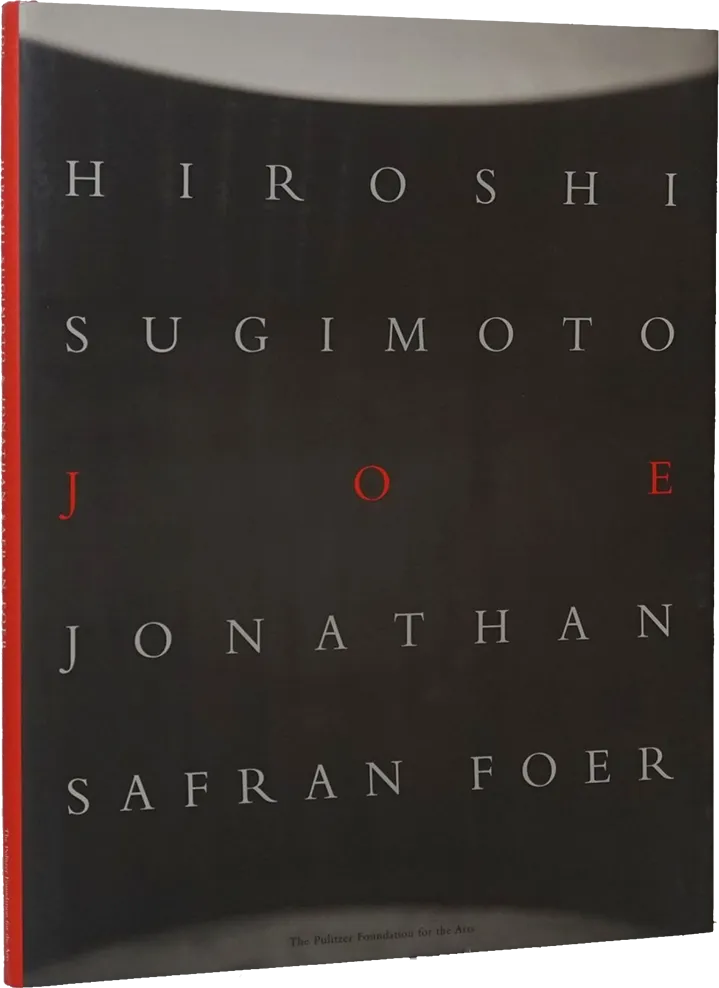
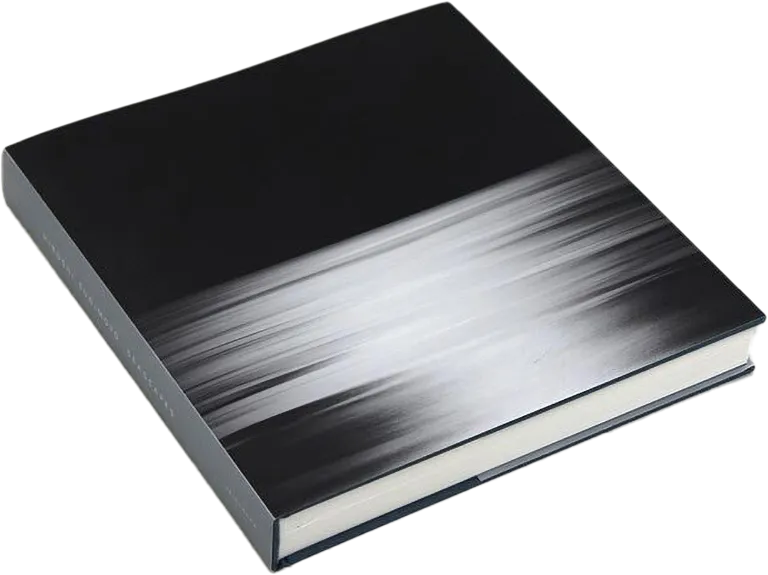
Photographers like Risaku Suzuki and Yoshihiko Ueda bring painterly sensibilities to the form. Suzuki’s Sakura presents cherry blossoms as meditative repetition, while Ueda’s Quinault captures the American rainforest in ethereal tones. Hiroshi Sugimoto’s Seascapes and Theaters series translate minimalist concept into classical gravitas, his photobooks reading like philosophical essays in image form.
%20Resized.webp)