SOLD
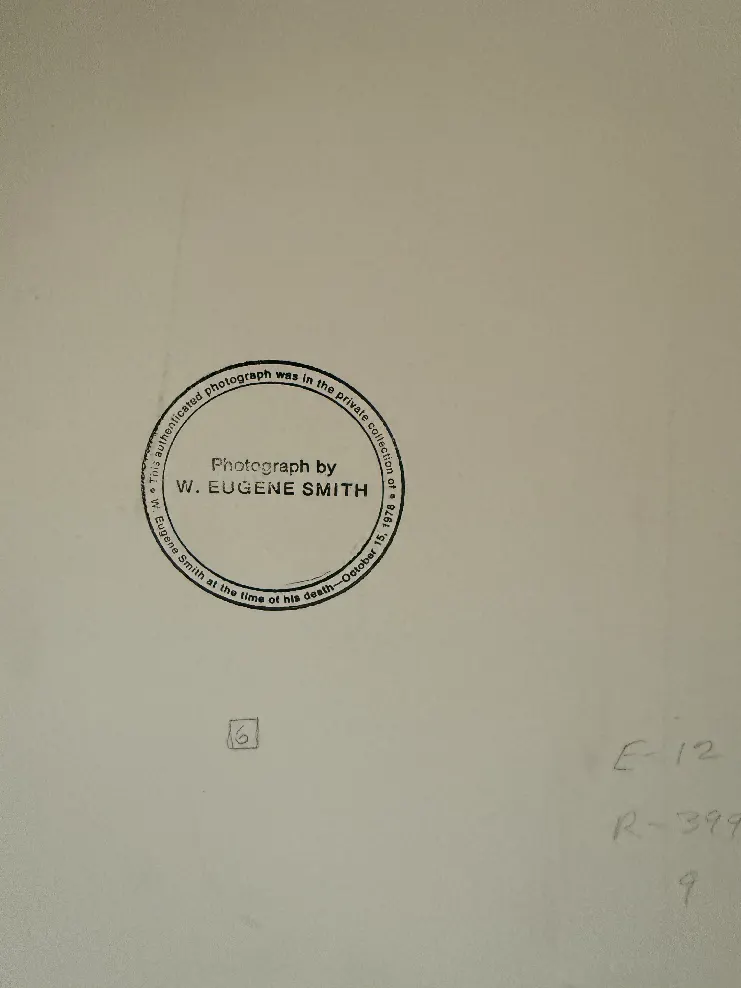
Copyright ©
W Eugene Smith
or applicable right holders.
Poster


Another impression of this image is in the collection of the Carnegie Museum, Pittsburgh (Access # 82.32.537).
Dream Street, W. Eugene Smith's Pittsburgh Project, Lyndhust Norton, 2001, p.93
Another impression of this image is in the collection of the Carnegie Museum, Pittsburgh (Access # 82.32.537).
Dream Street, W. Eugene Smith's Pittsburgh Project, Lyndhust Norton, 2001, p.93
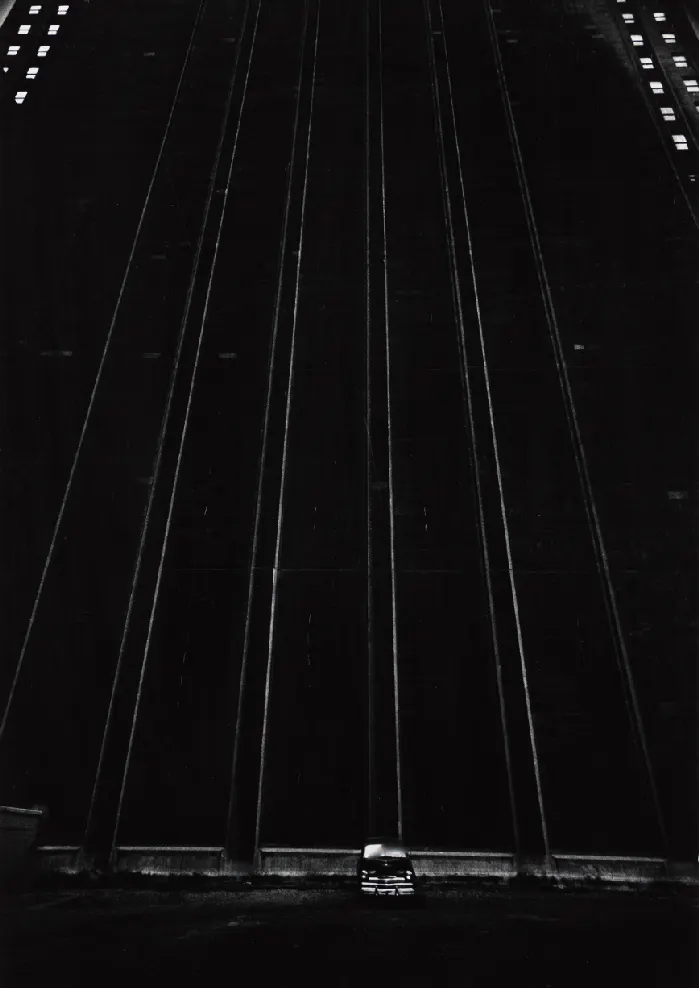
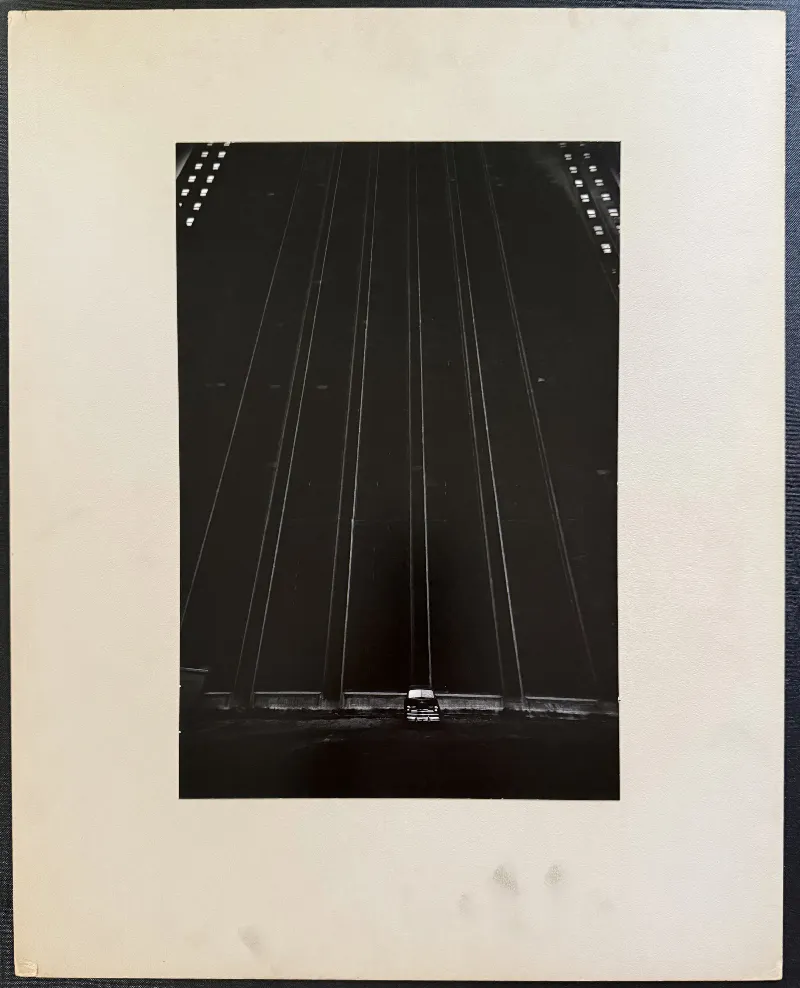
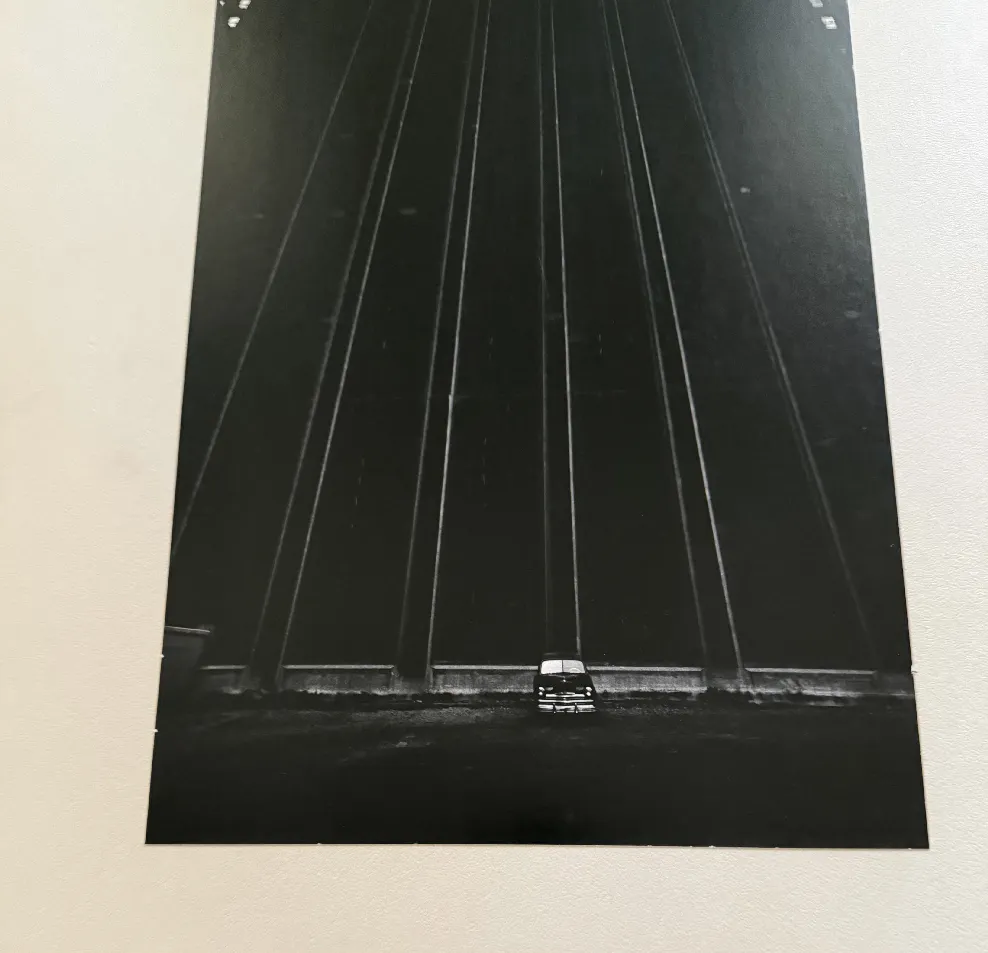
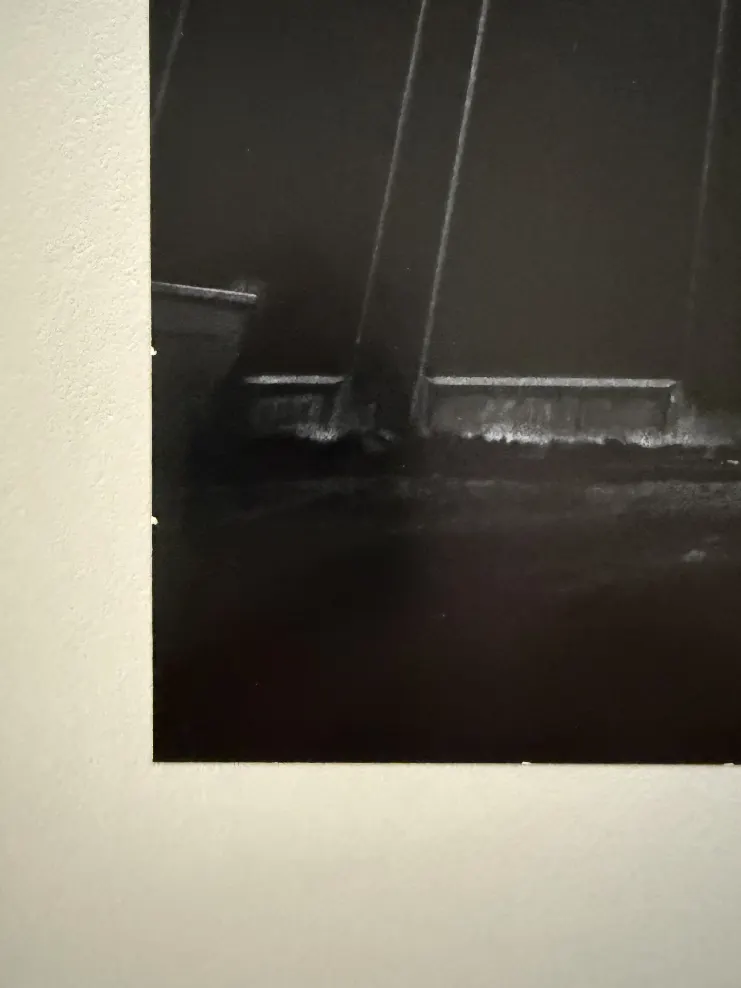
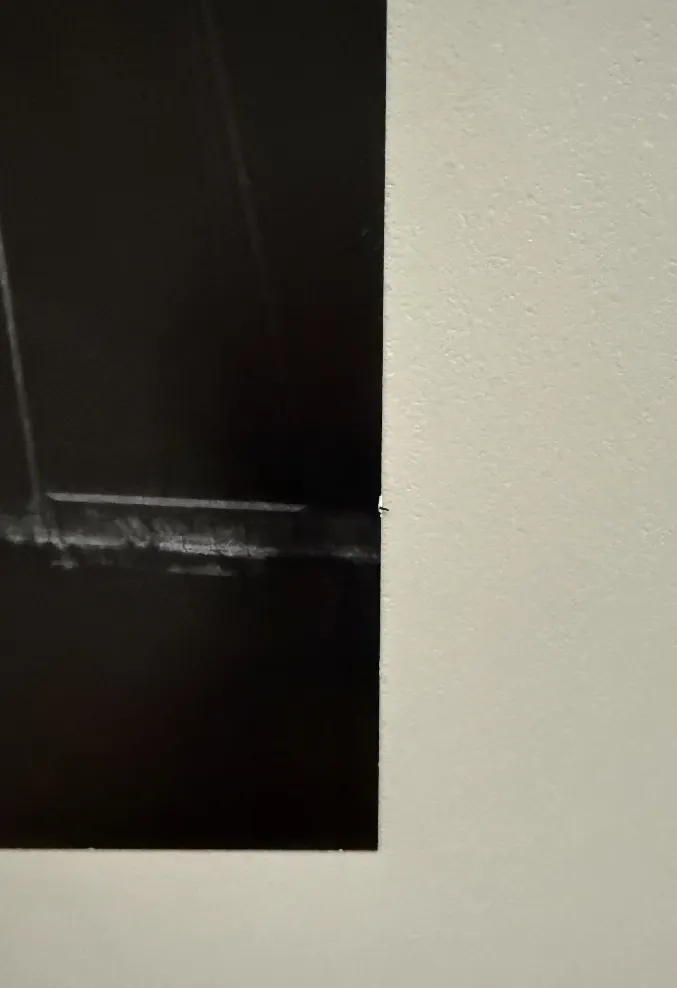
Lines of Steel (1955) is an iconic image from Smith's legendary Pittsburgh project, an ambitious, deeply immersive photo-essay commissioned in 1955 by Free Lance-Photo News (and later expanded into his most exhaustive independent labor of love) documenting the social, economic, and industrial life of Pittsburgh, Pennsylvania. Rather than delivering a routine corporate or industrial reportage, Smith approached the heartland of American heavy manufacturing with the intensity of a classical history painter, embedding himself in the city for over a year and producing tens of thousands of negatives that captured the sublime, punishing reality of the steelmaking empire at its historical peak.
Visually, the work is defined by an uncompromising darkroom mastery, where deep, velvety shadows and stark tonal contrasts accentuate the immense weight of the industrial structure. The towering overhead structural beams converge along a rigorous perspectival axis, creating a cavernous, cathedral-like vault that emphasizes the cold, relentless magnitude of mid-century manufacturing.
Another impression of this image is in the collection of the Carnegie Museum, Pittsburgh (Access # 82.32.537).
Dream Street, W. Eugene Smith's Pittsburgh Project, Lyndhust Norton, 2001, p.93