
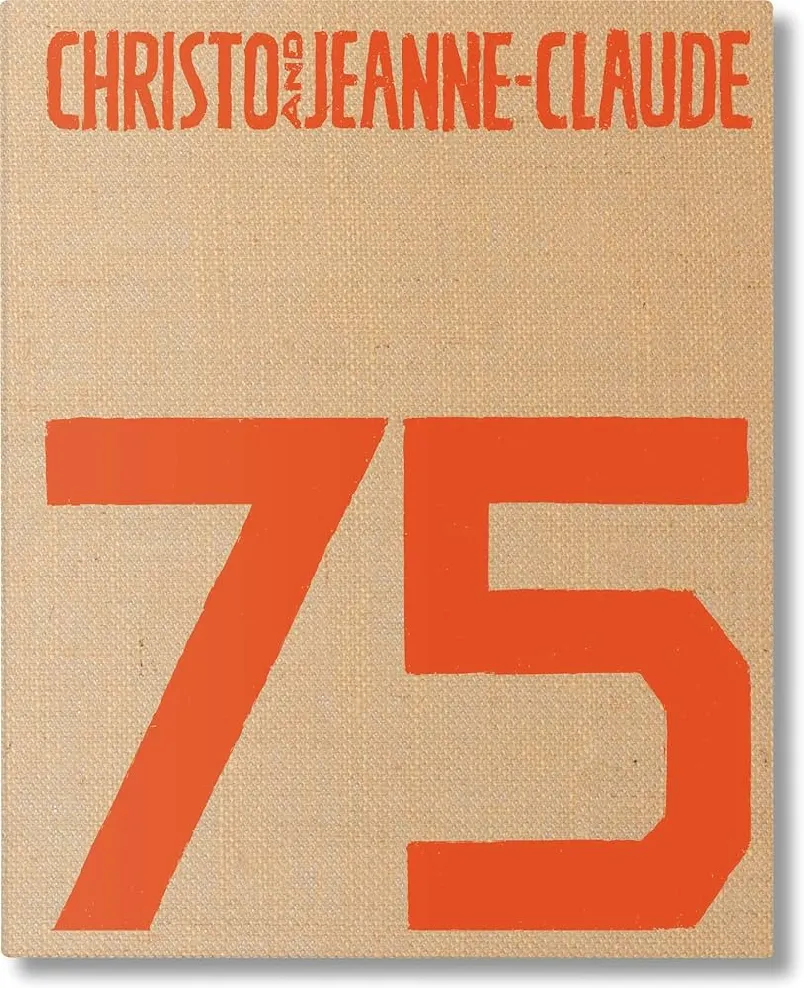


Which art books, prints and posters are available by and about this artist? Here is a sample of items of interest to a typical collector:

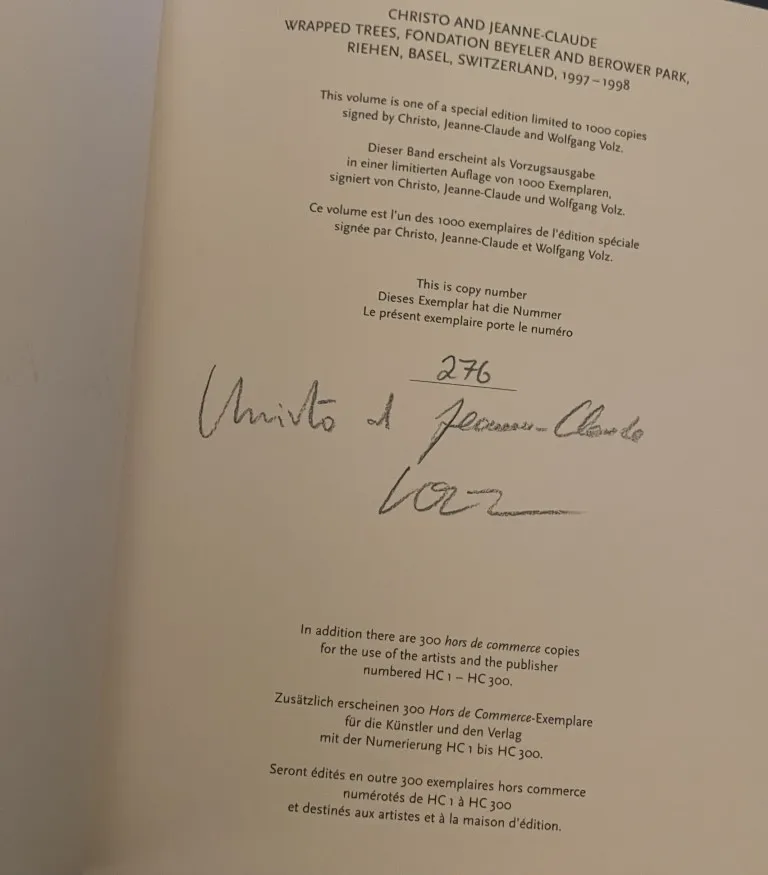
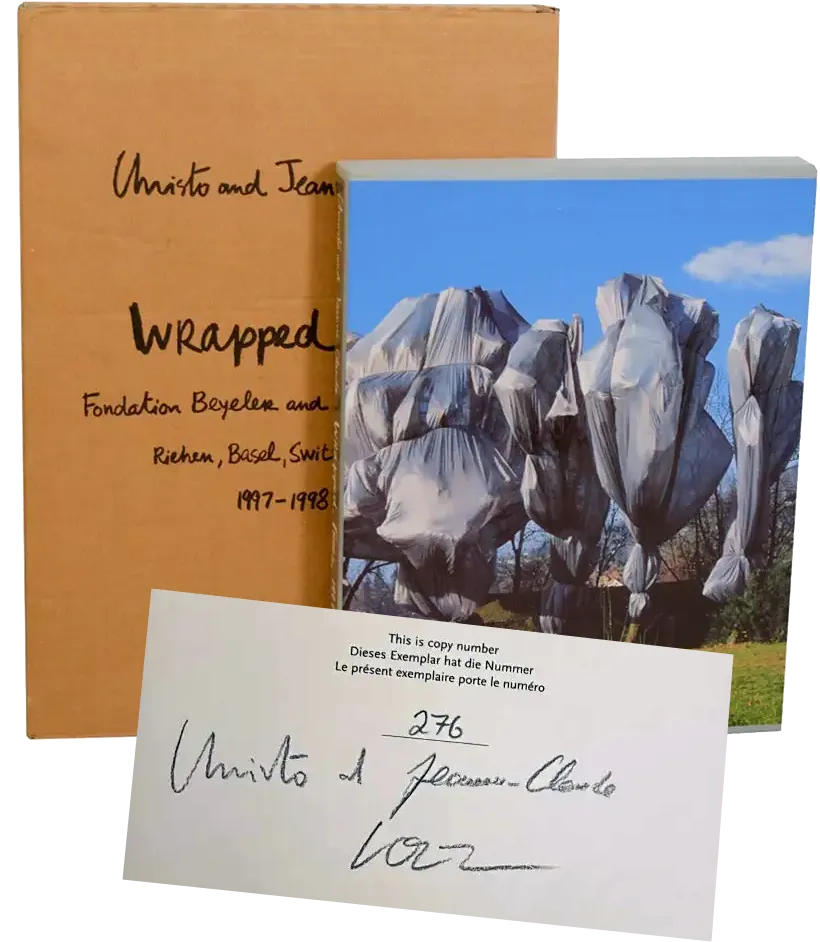

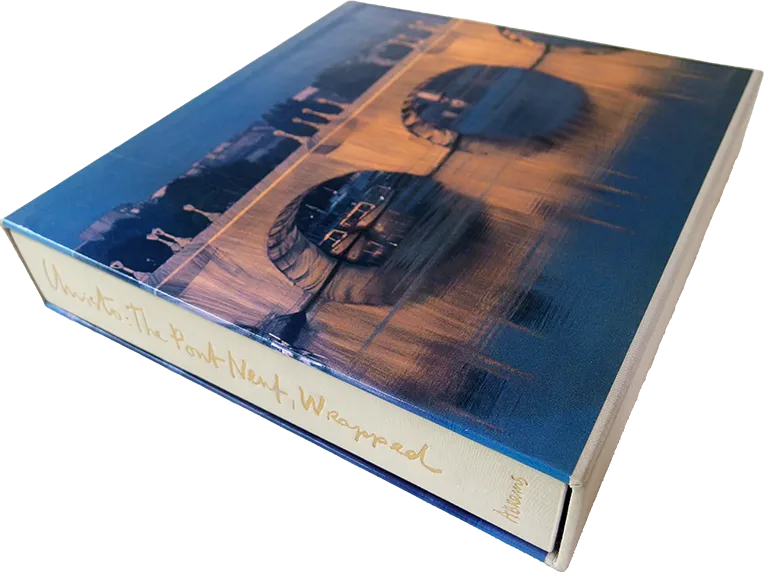

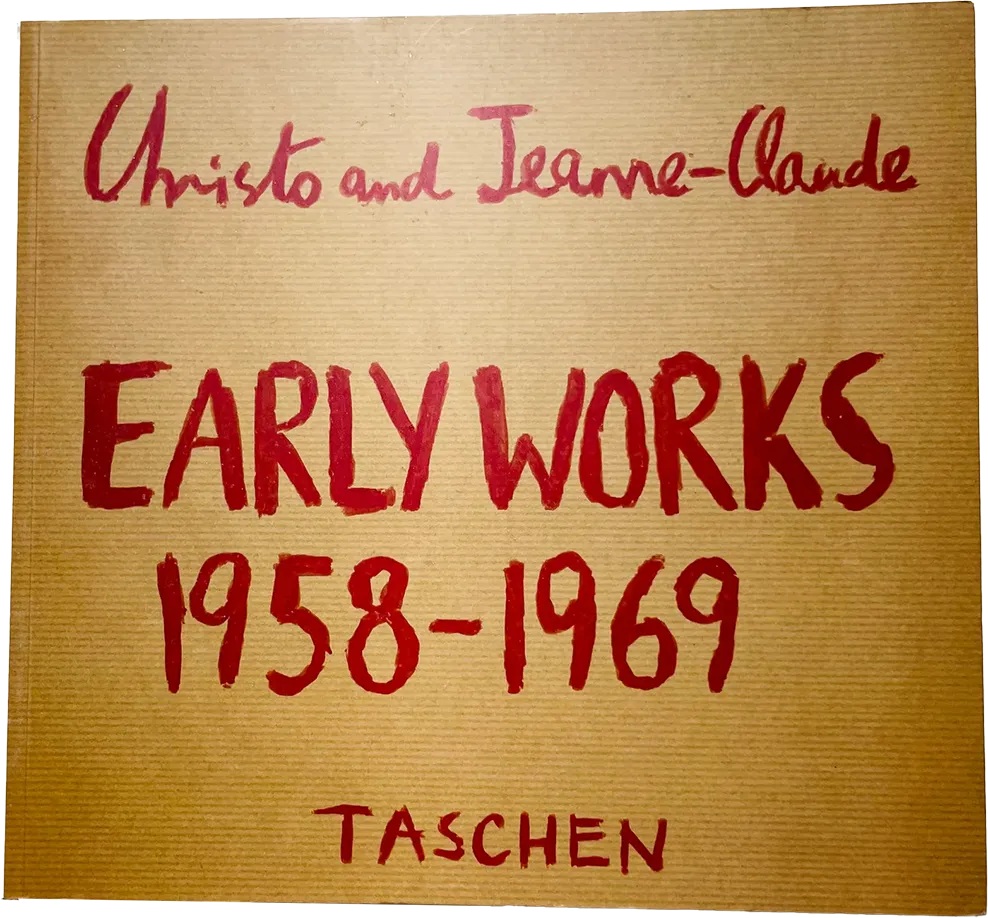
%25202018.webp)
%20christo%20Resized.webp)

%2520Signed%2520Open%2520Ed.webp)


%2520Signed%2520Open.webp)
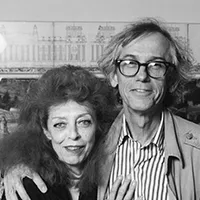
Christo Vladimirov Javacheff and Jeanne-Claude Denat de Guillebon were born on the same day, June 13, 1935, he in Gabrovo, Bulgaria, she in Casablanca, Morocco. They met in Paris in 1958, when Christo was commissioned to paint a portrait of Jeanne-Claude's mother, and began a five-decade collaboration and marriage that produced some of the most ambitious environmental art of the twentieth century.
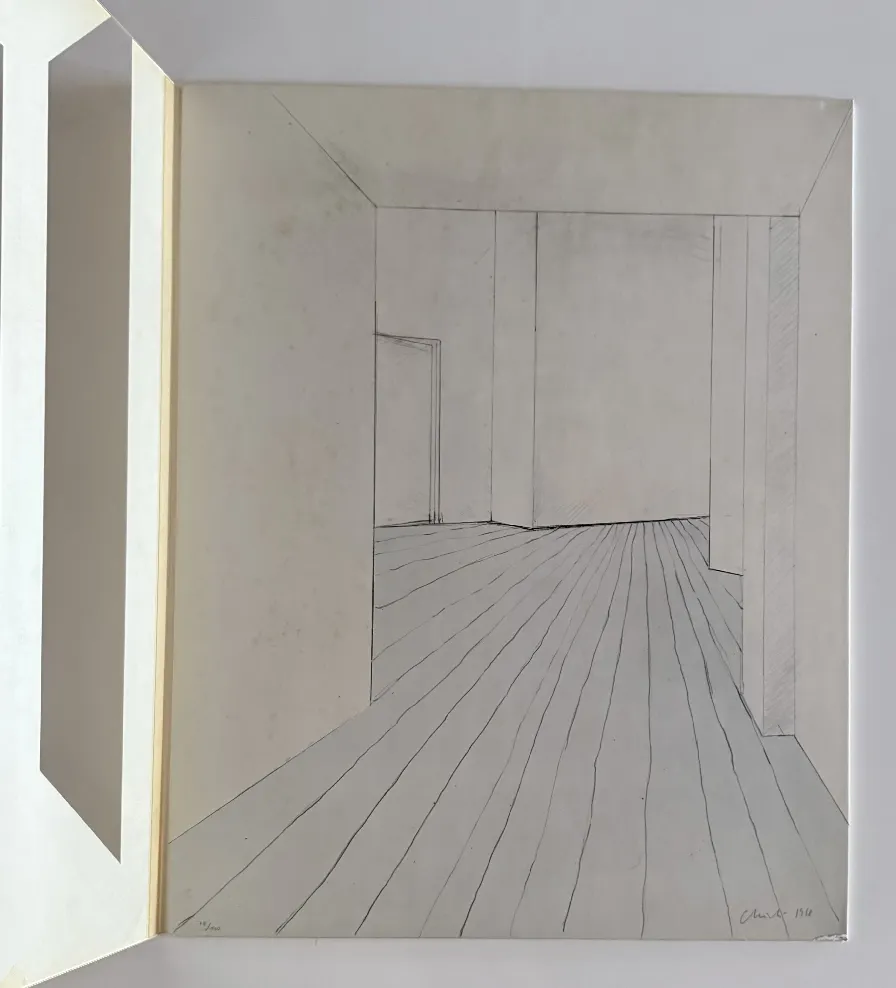
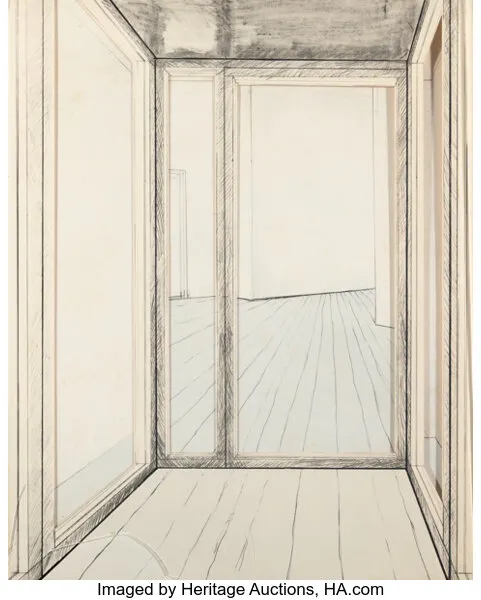
Christo arrived in Paris in 1958 with almost nothing, first renting a maid's room in the 17th arrondissement, then working out of a basement storeroom below the apartment where Jeanne-Claude lived. Unable to afford conventional materials, he began wrapping ordinary objects, oil drums, tin cans, bottles, chairs, tables, in fabric, rope, and resin-soaked canvas, treating the wrapping itself as a way of building texture and withholding form rather than revealing it. That impulse scaled up in 1962 with Wall of Oil Barrels, The Iron Curtain, when he stacked 89 oil drums across a narrow Paris street for eight hours, an unauthorized, unfunded gesture that first hinted at the large public interventions to come. Moving between Paris and New York through the mid-1960s, he continued the idea indoors with the Show Cases, Show Windows, and Store Fronts, sealed and shuttered display structures that hid rather than displayed their contents, a quiet rehearsal for the monumental wrapping projects that would follow.
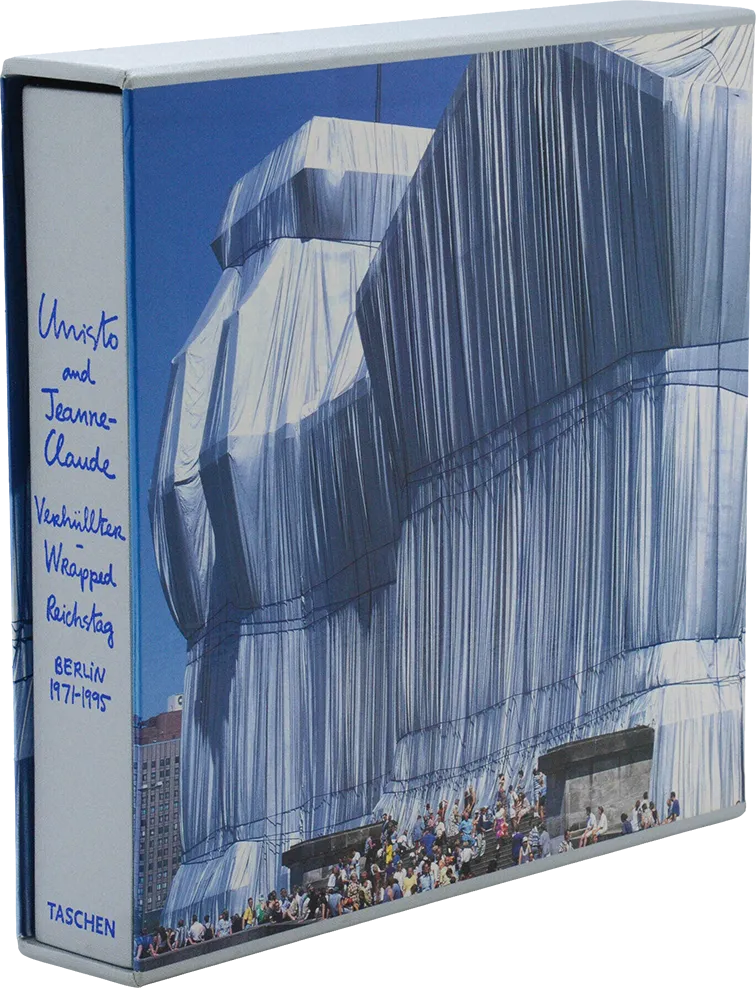
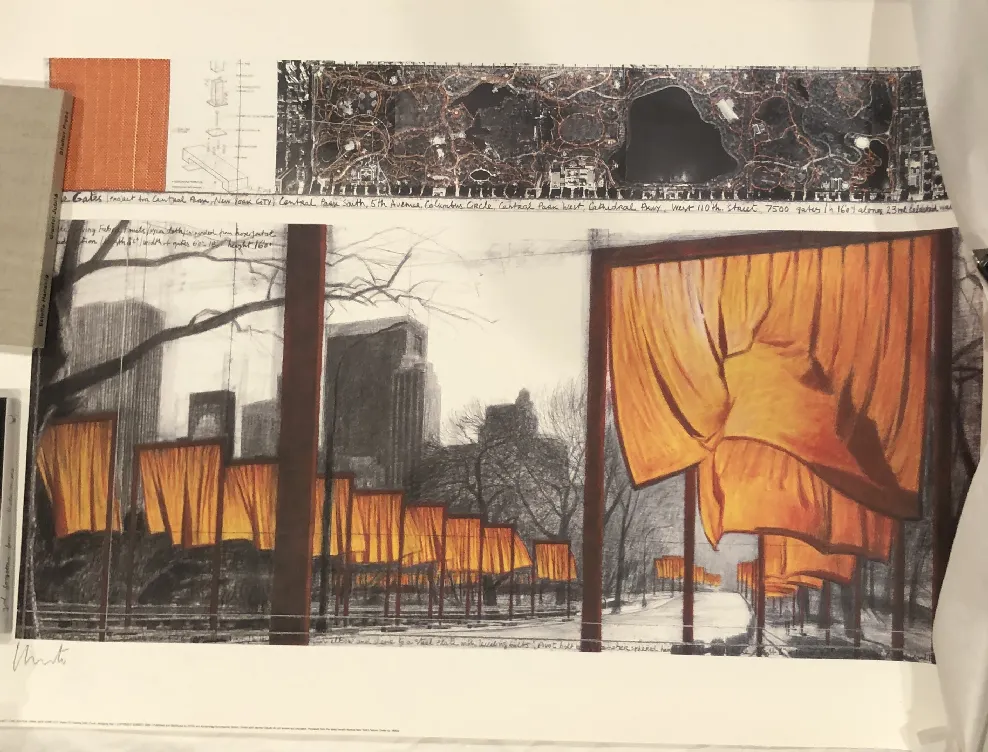
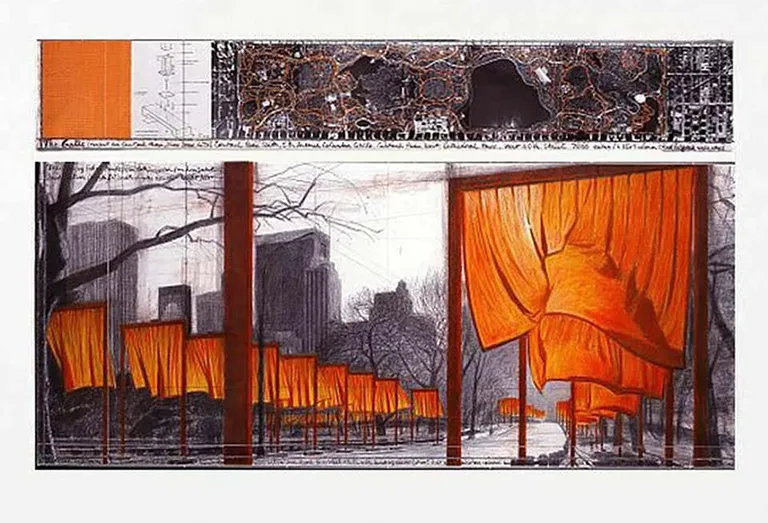
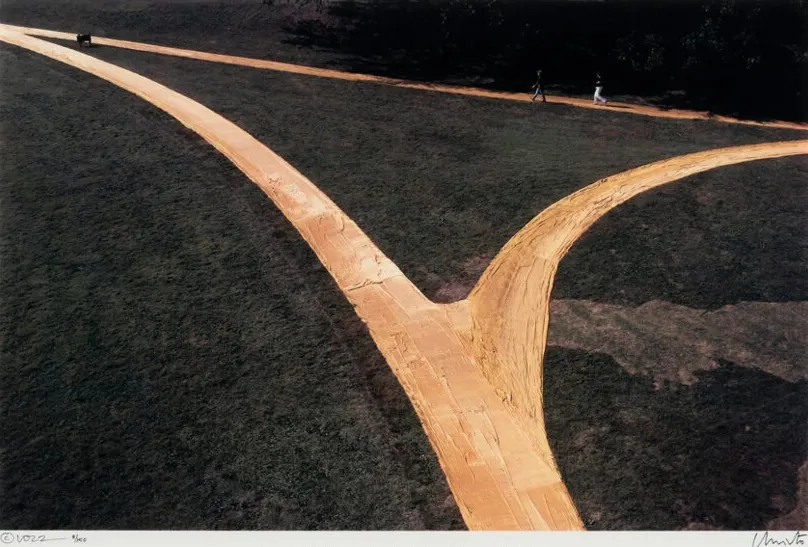
Working under the single name "Christo" at first, a concession to the art world's resistance to female and collaborative authorship, the pair later credited both names to the large-scale outdoor works for which they became known: the orange nylon curtain strung across a Colorado valley (Valley Curtain, 1972), the 24.5-mile nylon Running Fence unrolled across Sonoma and Marin counties (1976), the eleven Miami islands ringed in pink fabric (Surrounded Islands, 1983), the Reichstag in Berlin shrouded in silver polypropylene after 24 years of negotiation (Wrapped Reichstag, 1995), the two weeks the Pont Neuf spent wrapped in golden sandstone-colored fabric (1985), and the 7,503 saffron gates that lined the paths of Central Park (The Gates, 2005). Christo continued alone after Jeanne-Claude's death in 2009, completing The Floating Piers on Italy's Lake Iseo (2016) and, before his own death in 2020, planning L'Arc de Triomphe, Wrapped, which was realized posthumously in Paris in 2021.
Every project was financed entirely through the sale of Christo's preparatory drawings, collages, and scale models, never through sponsorship or public funds and every project was temporary by design, dismantled after a matter of days or weeks. What remains are the works on paper: the drawings, lithographs, and photographic documentation (much of it by their longtime collaborator Wolfgang Volz) that are, in Christo's words, what "gives my works an almost legendary character" once the fabric comes down.

