


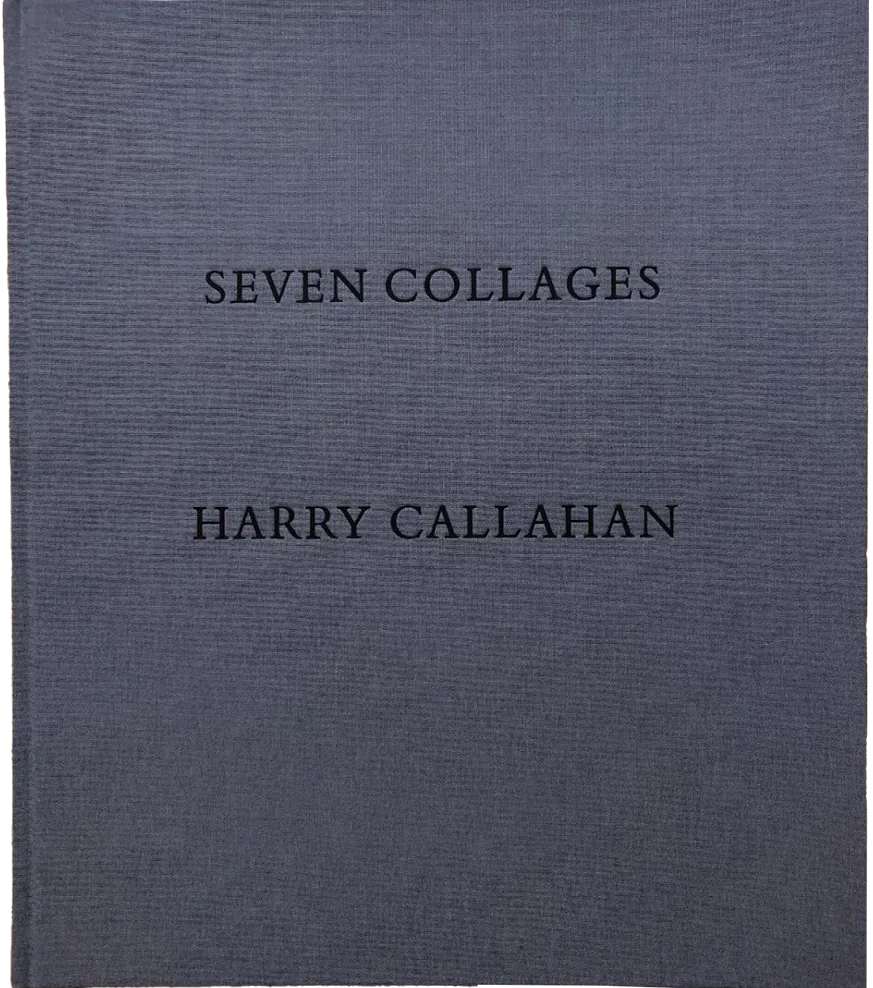
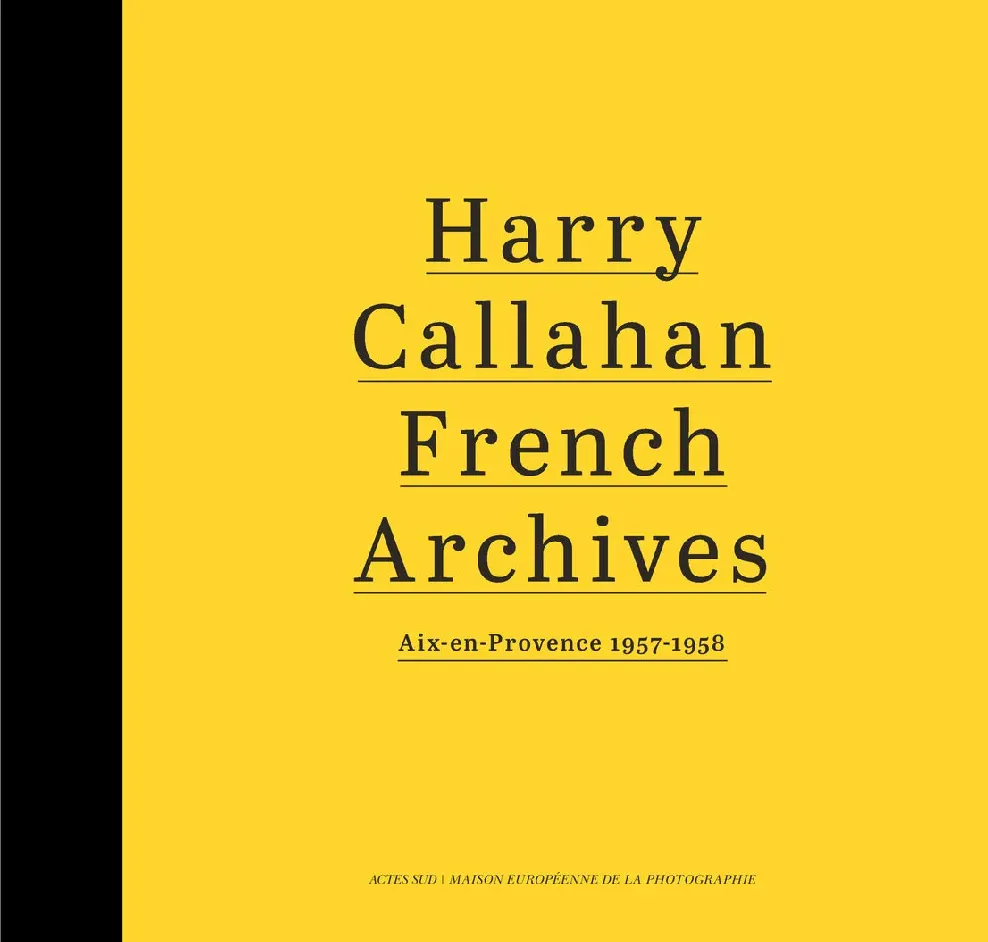
Which art books, prints and posters are available by and about this artist? Here is a sample of items of interest to a typical collector:




%20Resized.webp)
%20Resized.webp)

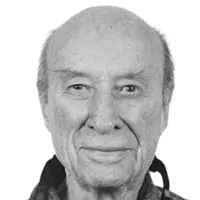
Harry Callahan, American (1912-1999)
Callahan was born in Detroit, studied engineering at Michigan State University, and worked for Chrysler before taking up photography as a hobby in 1938. Callahan cited a visit by Ansel Adams to his local camera club in 1941 as the time he began to view photography seriously. Self-taught as a photographer, he found work in the General Motors Photographic Laboratories. In 1946, shortly after meeting László Moholy-Nagy, he was asked to join the faculty of the New Bauhaus (later known as the Institute of Design) in Chicago, where he became chairman of the photography department in 1949. He left Chicago in 1961 to head the photography department at the Rhode Island School of Design, where he remained until 1973. He has won many awards for his photography, including a Guggenheim Fellowship in 1972 and the Photographer and Educator Award from the Society for Photographic Education in 1976, and he was designated Honored Photographer of the Rencontres Internationales de la Photographie in Arles, France in 1977, and received ICP's Master of Photography Infinity Award in 1991. Among the major exhibitions of his work were Photographs of Harry Callahan and Robert Frank (1962), one of the last shows curated by Edward Steichen at the Museum of Modern Art, and retrospectives at the Museum of Modern Art (1976) and at the National Gallery in Washington, DC (1996).
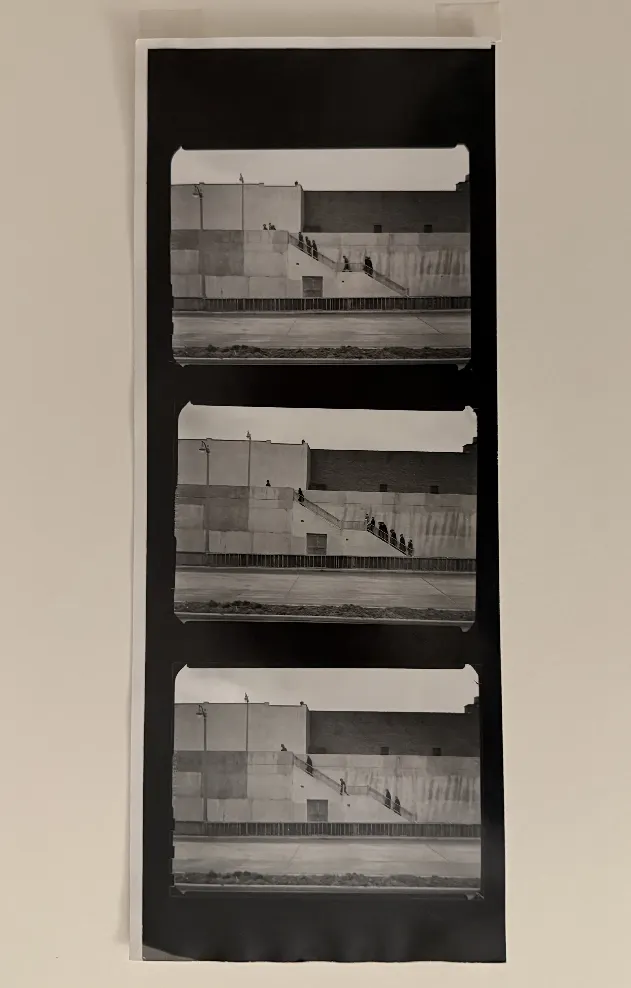
Callahan was widely respected in the photography community for his open mind and experimental attitude, qualities reinforced by his association with Moholy-Nagy and the principles of Bauhaus design. He produced work in both formalist and more documentary modes, and worked in both black-and-white and color. He used a 35-millimeter and an 8x10 camera, and worked with multiple exposures as well as straight images. Such versatility contributed to his success as a teacher, his students ranging widely in style--among them Ray K. Metzker, Emmet Gowin, Kenneth Josephson, and Bill Burke.
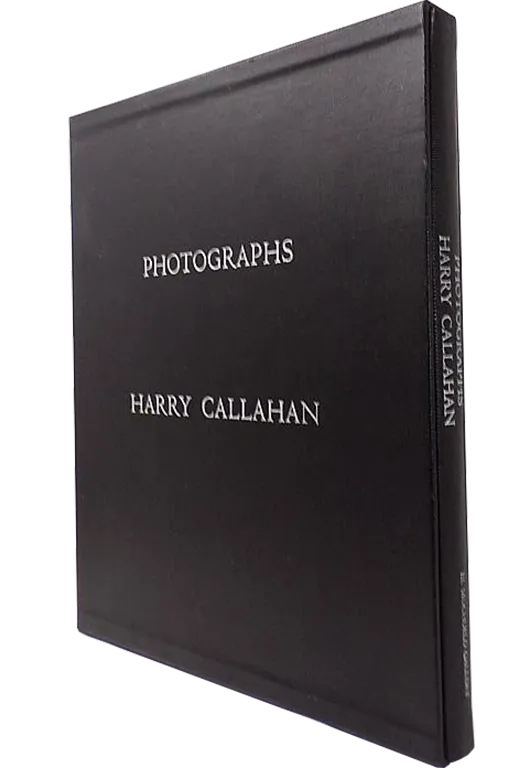
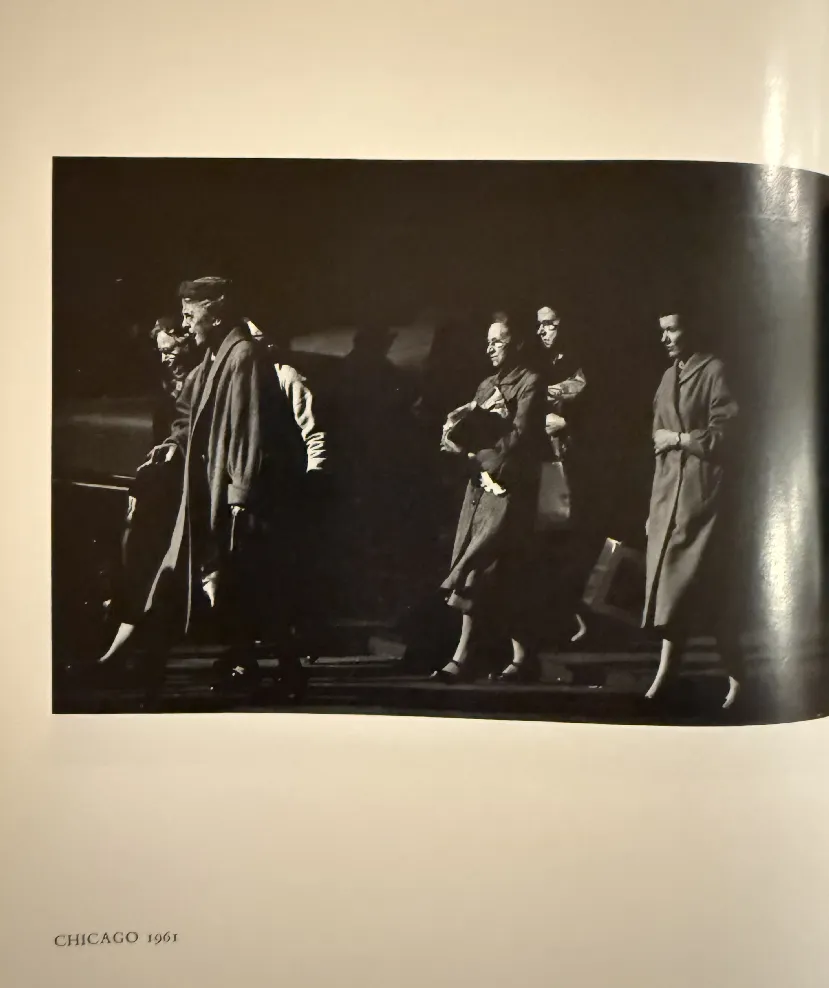
For collectors focusing on the physical integrity of printed matter, Harry Callahan’s bibliography offers essential entries where layout and printing tech function as extensions of his formal explorations. The undisputed crown jewel is Photographs. Number one in a monograph series (El Mochuelo Gallery, 1964), a rare edition of 1,500 copies celebrated for its exquisite offset lithography by Meriden Gravure, which achieved an ink density rivaling original silver gelatin prints. For a masterclass in structural innovation, the first edition of Eleanor (Friends of Photography, 1984) utilizes the landscape format and superb tritone printing to preserve Callahan’s extreme high-key exposures and stark negative spaces, treating the human form as a geometric element rather than a narrative subject. Institutional validation is best represented by Harry Callahan (MoMA, 1967), a slim, rigid publication curated by John Szarkowski that solidifies his place in mid-century formal innovation through a clean, unadorned layout sequencing. Finally, Harry Callahan: Color, The Years 1946-1978 (1980) serves as a scarce, critical artifact tracking his early, rigorous approach to color fields, repetitive urban patterns, and strict graphic alignments.
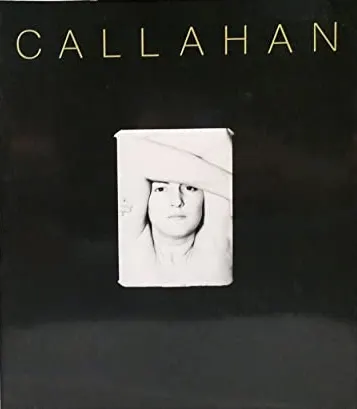
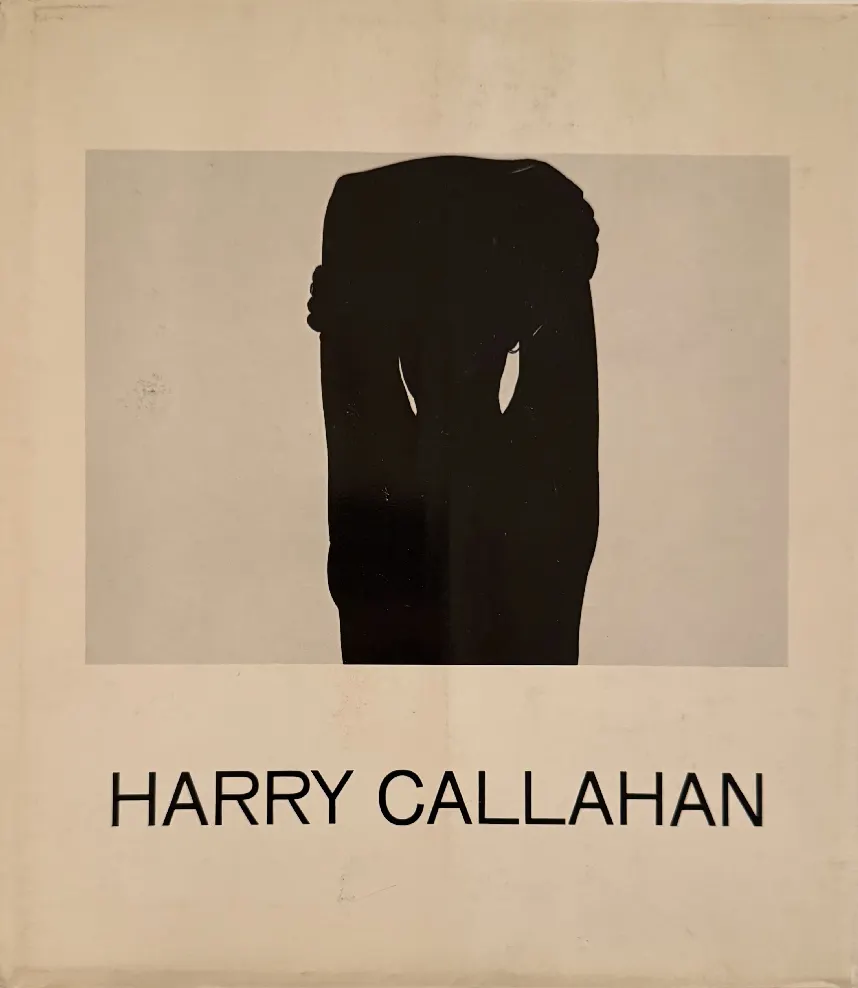
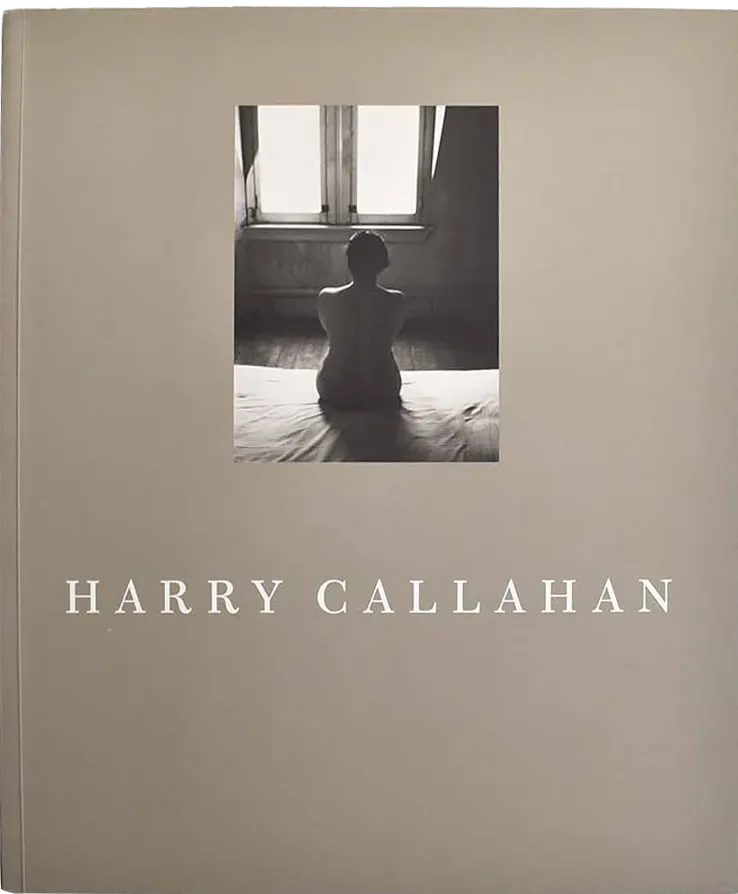
The 1976 MoMA/Aperture monograph, simply titled Harry Callahan, is another absolute cornerstone for a formalist photography collection. Published in conjunction with Callahan’s major retrospective at the Museum of Modern Art, this book represents a monumental mid-century collaboration between MoMA (under the curatorial direction of John Szarkowski) and Aperture. Ultimately, while the 1964 monograph represents the absolute peak of mid-century printing craftsmanship, the 1984 edition of Eleanor remains a definitive study in how a singular formal motif can be sustained across decades.


This 1976 MoMA/Aperture monograph, simply titled Harry Callahan, is another absolute cornerstone for a formalist photography collection. Published in conjunction with Callahan's major retrospective at the Museum of Modern Art, this book represents a monumental mid-century collaboration between MoMA (under the curatorial direction of John Szarkowski) and Aperture, which was renowned for its uncompromising dedication to the photo book as an autonomous art form.
From a collector's and formalist perspective, this specific volume is highly significant for several reasons:
This book was issued simultaneously in both hardcover (wrapped in a clean, typographic dust jacket) and softcover formats. This copy is the hardcover version.