Katrien de Blauwer

Katrien de Blauwer

Which art books, prints and posters are available by and about this artist? Here is a sample of items of interest to a typical collector:

→
Libraryman
2019
with:
François Halard
Edition:
1st
Edition size:
1000
Out of Print
→
Libraryman
2019
with:
François Halard
Edition:
1st SIGNED and numbered 18/50 with SIGNED print
Edition size:
50
Out of Print
→
Libraryman
2024
with:
Edition:
1st
Edition size:
Out of Print
→
Libraryman
2019
with:
Edition:
1st
Edition size:
1000
Out of Print
→
Libraryman
2020
with:
Edition:
1st
Edition size:
Out of Print
→

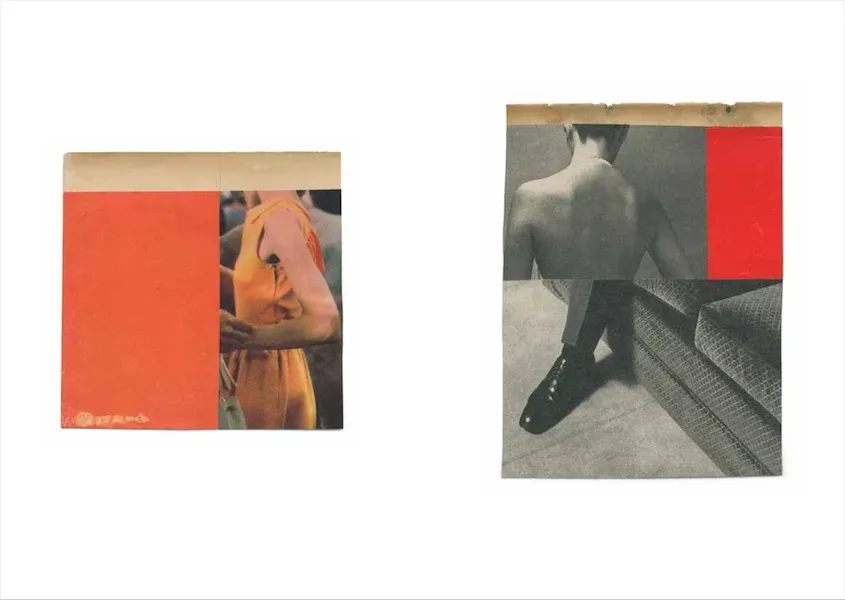
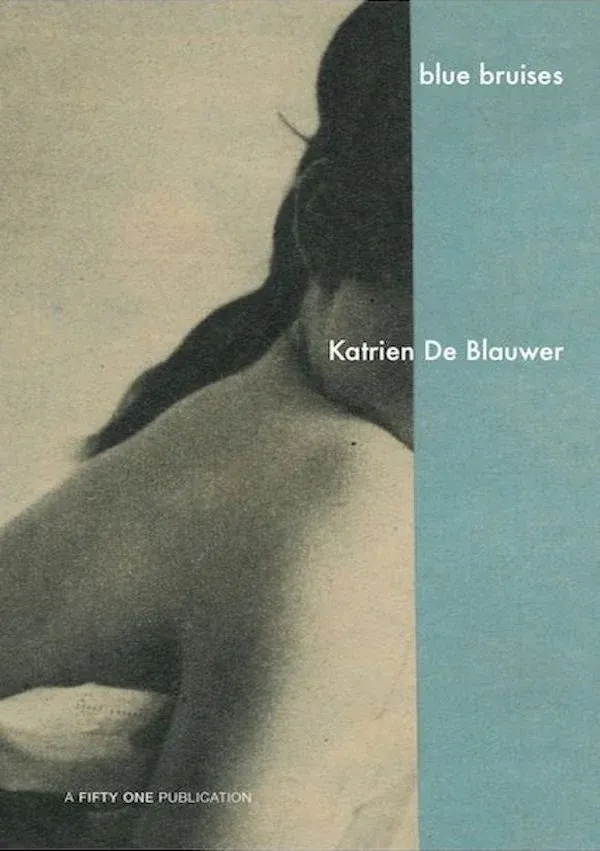
Katrien De Blauwer’s Blue Bruises functions as an excavation of memory, psychological trauma, and female identity, constructed entirely through the act of collecting and cutting. Often referring to herself as a "photographer without a camera," the Belgian artist harvests images from mid-century vintage magazines, slicing away identifying features to leave only fragmented gestures, postures, and atmospheres. In this specific body of work, De Blauwer explores the invisible scars of emotional experience, utilizing the color blue and the concept of bruising as metaphors for melancholy, endurance, and domestic silence. Rather than offering straightforward narratives, the book operates as a suggestive, intimate diary where the off-screen void becomes the central subject.

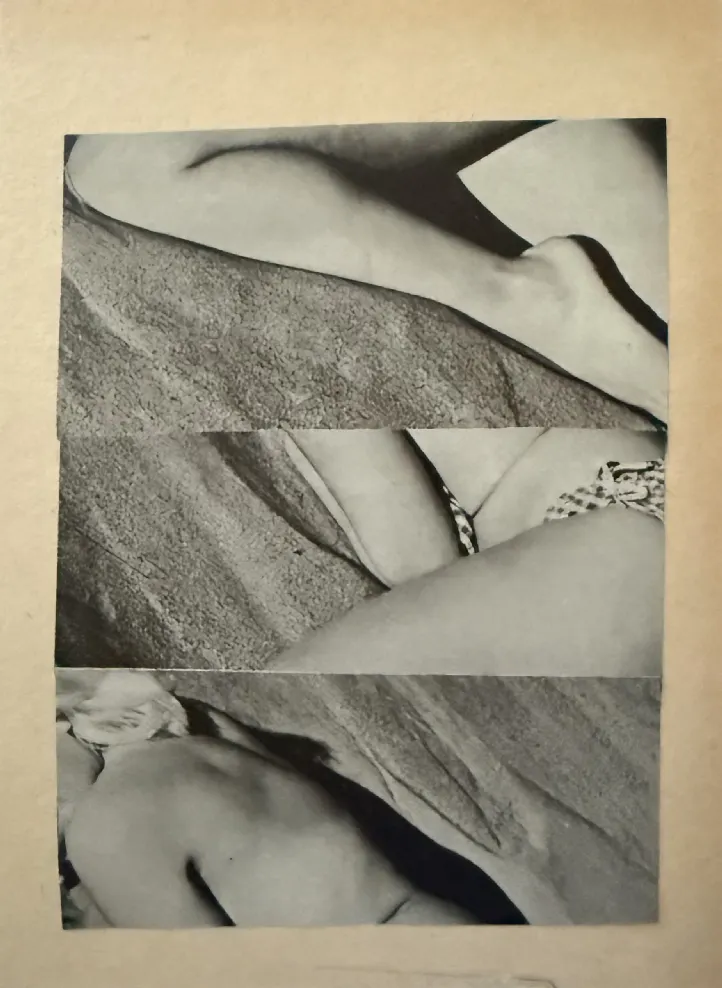
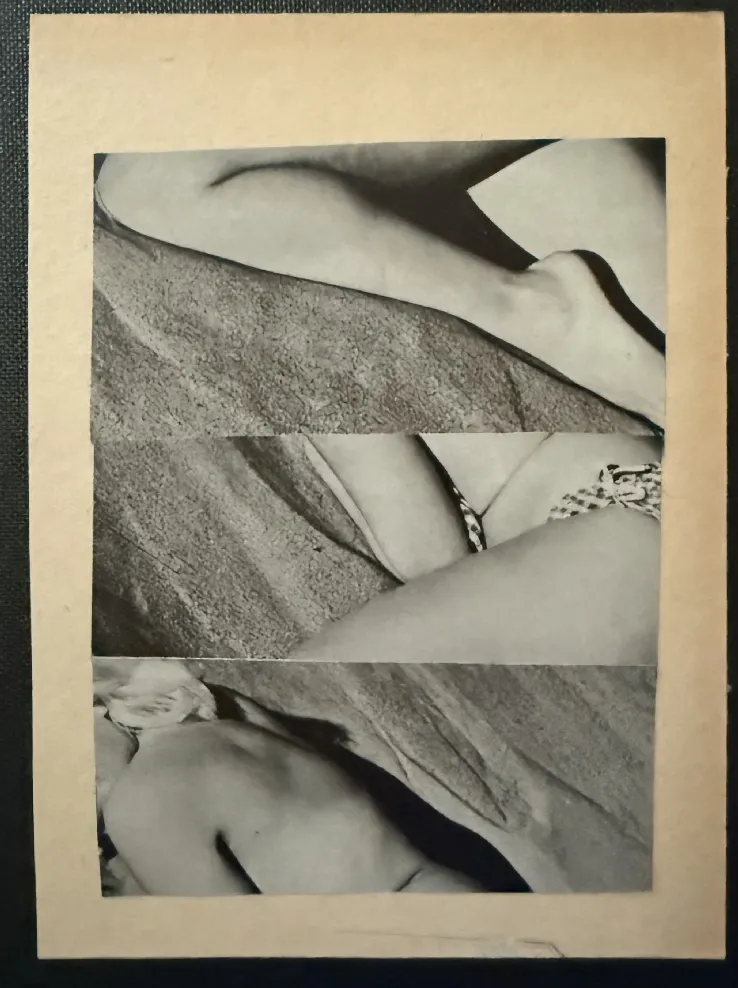
The visual language of the monograph is defined by its tactile, minimalist approach to collage. By isolating disparate limbs, anonymous silhouettes, and blocks of stark pastel color, particularly bruised, saturated blues, De Blauwer physically intervenes in the found photographic object. The act of severing and reassembling the paper creates a distinct structural friction, emphasizing the physical edge of the cut as a boundary between presence and erasure. Her deliberate obscuring of faces forces the viewer to engage with the universal language of body mechanics and quiet, involuntary gestures. The resulting compositions are modest in scale but carry an immense emotional weight, turning the physical manipulation of mass media into a deeply private, almost therapeutic aesthetic practice.

Gallery 51
2025
with:
Edition:
1t
Edition size:
Out of Print
No items found.
No items found.

Katrien de Blauwer (born 1969, Ronse, Belgium) is a Belgian collage artist and "photographer without a camera" recognized for her intimate, tactile compositions assembled from mid-20th-century print media.

De Blauwer works almost exclusively with vintage magazines, newspapers, and printed ephemera, cutting and reassembling found imagery into minimal, evocative photomontages. By cropping out identifying features, such as faces, limbs, or specific settings, she strips images of their original narrative context to highlight pure form, color contrast, and geometric structure. Her work is characterized by hand-cut elements paired with monochromatic fragments, painted surfaces, or bold color fields. She arranges fragments in sequential or paired arrangements that mirror film stills and visual storyboards and emphasizes the physical properties of paper, ink, and aging media, turning physical printed matter into singular art objects.

Her work has been widely published by international photobook presses, turning her collage series into acclaimed physical volumes:

  • I Close My Eyes, Then I Drift Away (Libraryman, 2019): A quiet exploration of memory, interiority, and subconscious imagery.
  • Why I Hate Cars (Libraryman, 2019): A dynamic study in motion, spatial fragmentation, and graphic composition.
  • You Could at Least Pretend You Like Yellow (Libraryman, 2021): An investigation into color intervention, juxtaposition, and formal balance.
  • Dirty Scenes (Cowboy Press, 2019) & Les Photos Non Prises (Galerie Les Filles du Calvaire, 2022): Series exploring narrative voids and the space between captured images.

Based in Antwerp, de Blauwer exhibits extensively across Europe and North America. Her works are shown at leading galleries and institutions, including Galerie Les Filles du Calvaire (Paris), Bildhalle (Zurich/Amsterdam), and Fifty One Gallery (Antwerp), and are held in numerous private and public print archives worldwide.
‍