
Keizo Kitajima

Keizo Kitajima

Which art books, prints and posters are available by and about this artist? Here is a sample of items of interest to a typical collector:

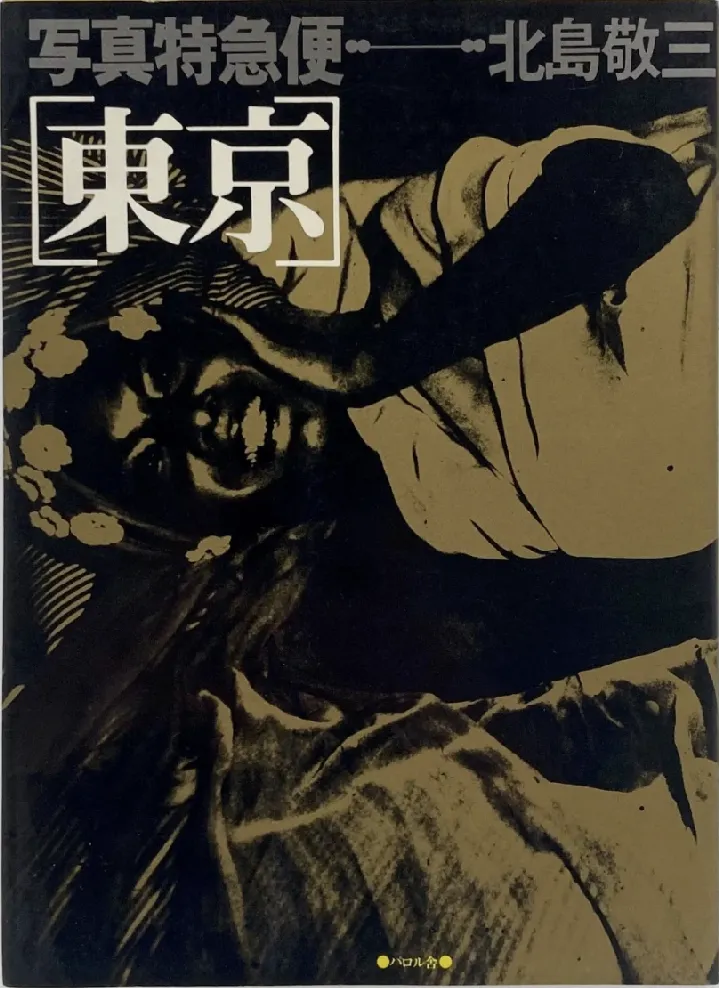
1980
with:
Edition:
1st with the very first obi printing.
Edition size:
Out of Print
Other edition(s):
Softcover with DJ and obi
ISBN:
Condition: Very Good

In 1976 Keizo Kitajima, Daido Moriyama, Seiji Kurata opened an independent gallery named CAMP in Tokyo's Shinjuku district, along with several other photographers. Kitajima held 12 month-long exhibitions throughout 1976, each accompanied by the publication of a 16-page booklet entitled Photo Express Tokyo.

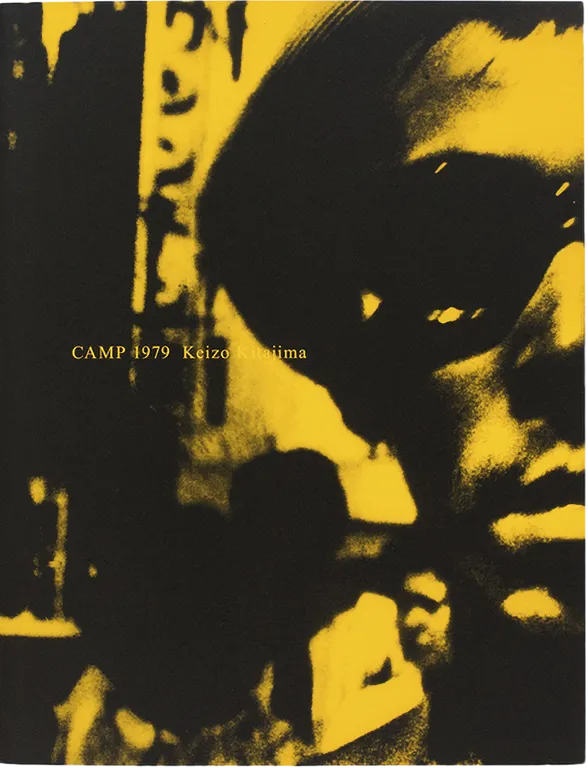
Keizo Kitajima's 1980 publication Shashin Tokkyubin / Photo-mail from Tokyo combines some of his previously exhibited and published works from Photo Express Tokyo with his colour work from that period. Kitajima's photographs are radical in every way. One can clearly sense where his roots are (i.e. the visual language of the late 1960s Provoke group), but with these works he is moving a step aside, finding his own unique photographic style. The Punk movement was in full bloom, sending cultural shock-waves around the world. Kitajima's high contrast black and white works are electrifying, and the majority of the colour works in this book are playful and sexually provocative images perfectly capturing the zeitgeist.

Opening Shashin Tokkyubin / Photo-mail from Tokyo one finds a double-spread fold-out poster. It shows snapshots from the CAMP gallery events in 1979 on one side, and a pink/yellow-coloured black and white photograph (also included in the book) on the other.

Littlle Big Man
2012
with:
Edition:
1st
Edition size:
Numbered 170/450
Signed
Out of Print
Other edition(s):
Box set
ISBN:
Condition: Near Fine

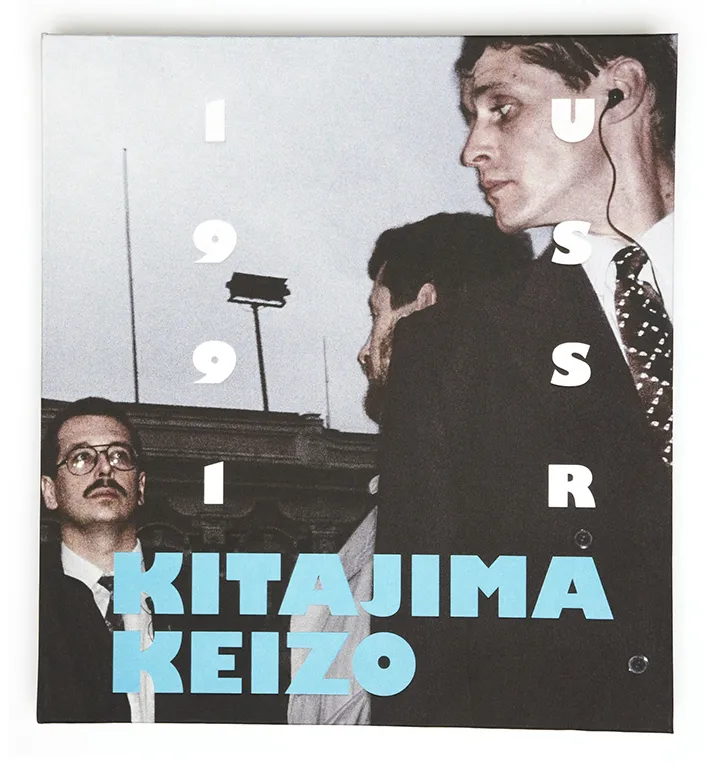
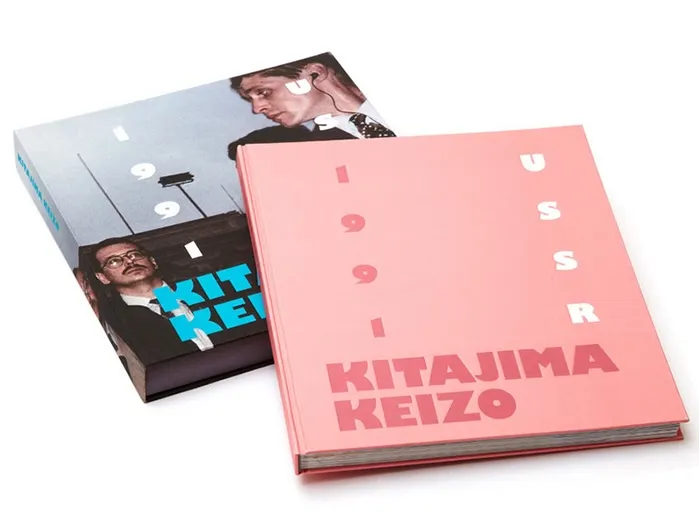
In the fall of 1990, Keizo Kitajima received a commission from Japan's Asahi Shimbun newspaper to visit the Soviet Union, the opportunity to spend a year documenting both people and places in what was then a monolithic entity. 15 republics, 11 time zones, and thousands of miles spanning the two; the task was daunting in the very least. Having spent several years based in West Berlin, the Iron Curtain was a looming presence and Kitajima had often contemplated turning his lens towards the Soviet regime although the difficulties associated therein, censorship, freedom of access, and overwhelming bureaucracy, seemed insurmountable. And so it was, with a mix of anticipation and trepidation, that Kitajima entered the USSR in November 1990 to capture a moment in time where the winds of change roared at a howling pace.

Through Glasnost and Perestroika, reforms ushered in by Mikhail Gorbachev, the media, both foreign and domestic, was granted far more access than ever before to Soviet society. In light of his major commission from an established media outlet, Kitajima found the perfect salve for his concerns about undertaking such a monumental endeavor. Having been granted unparalleled access to people and places usually off-limits to regular citizens, USSR 1991 can be regarded as the final photographic archive and overview of Soviet life. Throughout the process, Kitajima's camera was omnivorous, digesting society as he saw it. KGB mandarins sit cheek by jowl with pop singers, artists alongside activists, peasants next to politicians.

While much of the outside world's opinion of the USSR at that point was of a mighty power constrained, images of dour citizens queuing for bread made nightly newscasts worldwide, Kitajima resolved to avoid conforming to both "Western Humanist"ideology (wherein the chaos and ugliness of the regime was represented in stark contrast to Western affluence) and also to falling prey to state propaganda depicting happy laborers, and stalwart soldiers. With these competing perspectives, Kitajima focussed on people and landscapes, or more often, people in their own landscape.

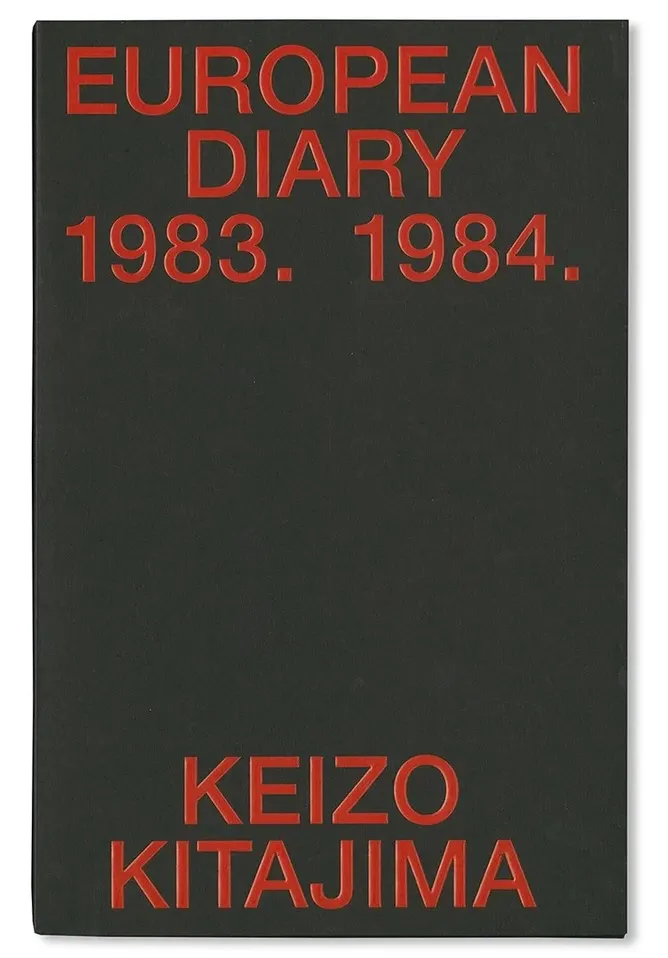
European Diary 1983-1984
Book images
Littlle Big Man
2019
with:
Edition:
1st
Edition size:
500
Out of Print
Other edition(s):
Slipcased softcover with DJ. 27x17.4 cm.
ISBN:
Condition: Near Fine
The Photographer's Gallery
2003
with:
Edition:
1st
Edition size:
500
Signed on slipcase's back cover.
Out of Print
Other edition(s):
Two softcover books in light slipcase
ISBN:
Condition: Near Fine

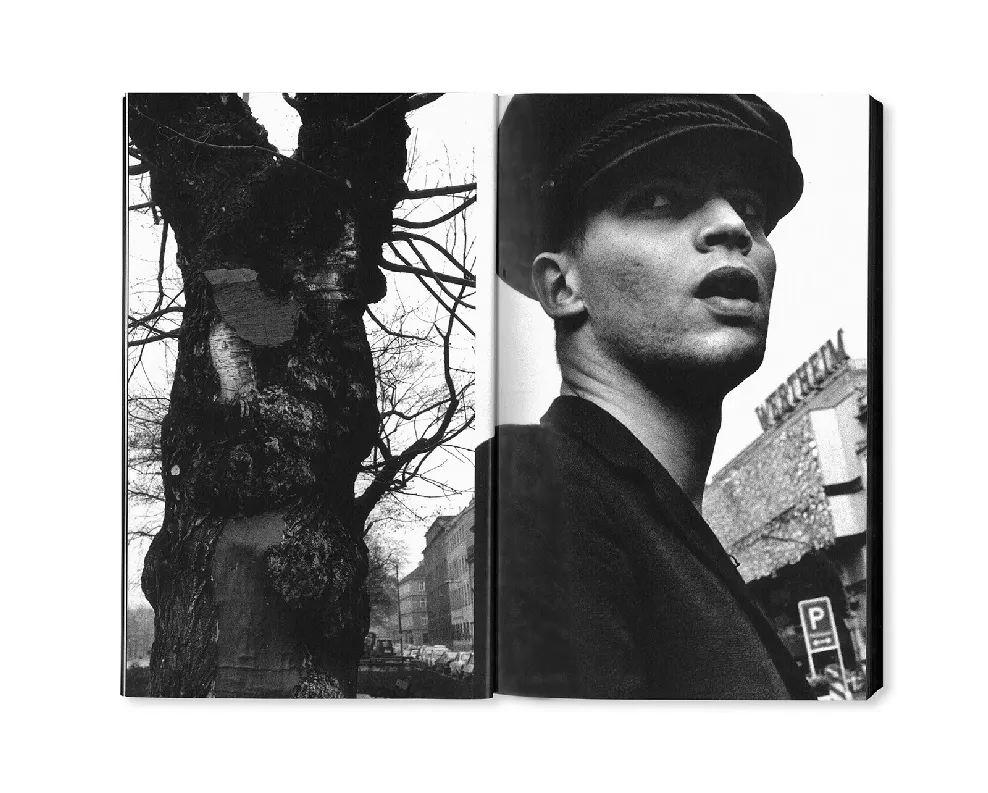
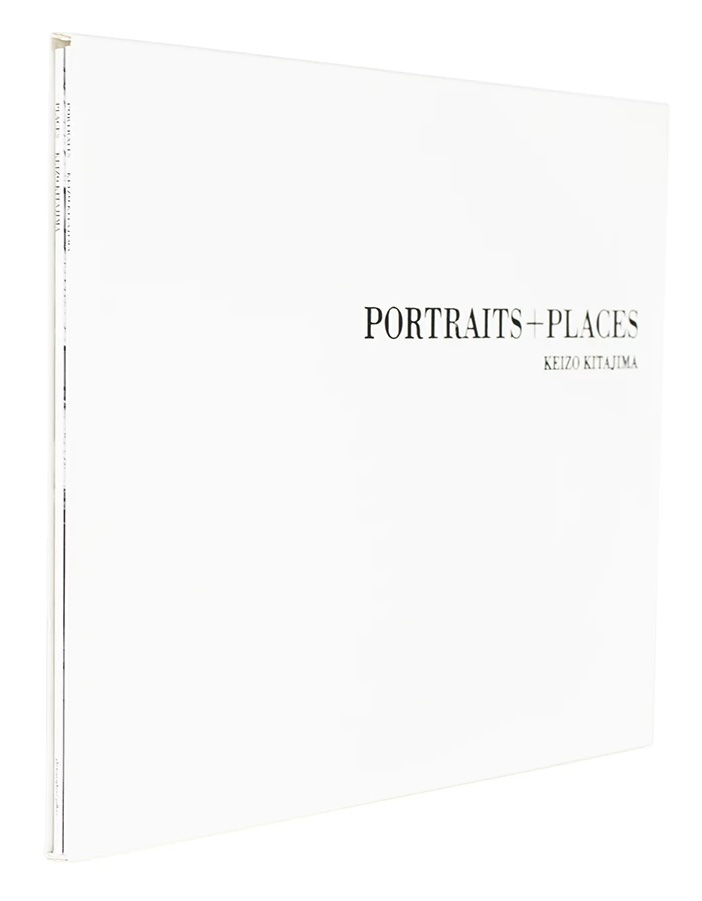
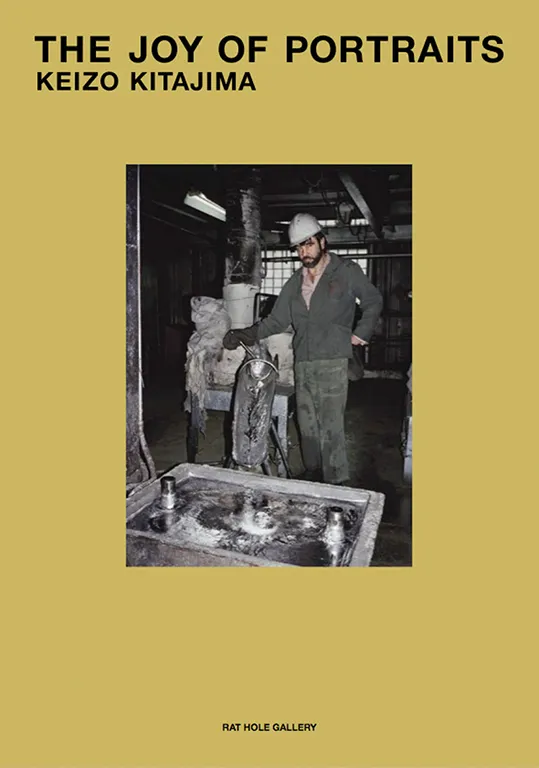
Published in 2003 by the Photographer's Gallery, Portraits + Places encapsulates Kitajima's ongoing exploration into the relationship and interdependency of people and the places which they inhabit. Beginning the project in 1989, Portraits + Places has been exhibited widely both in Japan and internationally. The images within have been separated resulting in two bodies of work which speak independently as well as collectively about the individual, landscape and the theme of shared identities within a globalized context.

The project provides a fascinating inverted mirror to the formalist ethos of Bushwick sur Seine and the concepts explored in the site's article, Bare Interiors and the Echo of Memory in Photography.

While both address the interdependency of space and human presence, Kitajima approaches this relationship from the opposite direction, separating the two into physical diptychs to reveal how identity and landscape shape one another.

In Portraits + Places, Kitajima splits his study into two distinct softcover volumes housed within a single slipcase. This structural division is a purely formalist gesture: Rather than blending human subjects directly into their environments within a single frame, he isolates the subject (Portraits) from the built environment (Places). By giving equal physical weight to two separate books, Kitajima treats the human face and the post-industrial landscape as equivalent formal structures, stripping away sentimental narrative in favor of systematic typology.

The Bare Interiors essay focuses on photographers like Candida Höfer, Laurenz Berges, and Trine Søndergaard, who capture empty rooms to evoke a "presence through absence", where a space retains the spectral residue, memory, and dignity of the people who once occupied it.

Portraits + Places flips this framework. Instead of looking inside domestic or institutional walls for lingering human ghosts, Kitajima looks outward at globalized, unpopulated urban and suburban spaces. His landscapes act as the external macro-containers of collective identity.

In Kitajima's portraits, the human subject becomes an "interior" of sorts, a vessel carrying the cultural, social, and psychological imprint of the very places shown in the companion volume.

Kitajima's shift in this era toward flat, uniform lighting and cold clarity aligns directly with the Düsseldorf School artists highlighted in Bare Interiors (such as Höfer and Axel Hütte):

Just as Höfer's public interiors avoid sensationalism to focus on spatial order, Kitajima removes dramatic shadows and perspective distortion to present cold, objective surfaces.

Both Höfer's works and Portraits + Places examine how modern spatial architecture shapes human memory and shared identity within an increasingly homogenized, post-industrial world.

Ruff and Kitajima's Portraiture

The connection between Kitajima's Portraits volume and Thomas Ruff's Porträts series (1981-1991) is strikingly strong, both formally and conceptually.

Both artists apply a strict, formalist, and near-clinical rigor to human subjects:

Ruff famously rejected the idea that a portrait can capture the "soul" or inner life of a subject, treating the face simply as a surface to be recorded. Kitajima adopts a very similar detachment in Portraits, stripping away dramatic lighting, narrative action, and emotional theater in favor of flat, objective recording.

Just as Ruff photographed his Düsseldorf peers against plain backgrounds with deadpan expressions, creating a visual passport-like index, Kitajima applies standardized framing and neutral lighting across his subjects. The individual becomes part of a broader structural taxonomy.

In both cases, the human face is treated almost like a "bare surface" that records the era, culture, and environment without needing to perform for the camera.

Where they diverge is how that detachment functions in context. For Ruff, the portrait is an investigation into the medium of photography itself and the limits of representation. For Kitajima, placing these objective portraits directly alongside the Places volume grounds those neutral faces in a specific, globalized post-industrial reality, letting the face and the landscape mirror each other.

Kula
2014
with:
Edition:
1st
Edition size:
Signed
Out of Print
Other edition(s):
Softcover
ISBN:
Condition: Near Fine

Includes all records from 1 to 20 published from 2014 to 2021. Record 20, is the limited edition with a signed print. Most Records are signed.

Steidl
2012
with:
Edition:
1st facsimile edition of 1979 magazines
Edition size:
Out of Print
Other edition(s):
Softcovers in cardboard slipcase
ISBN:
9783869303352
Condition: Near Fine -

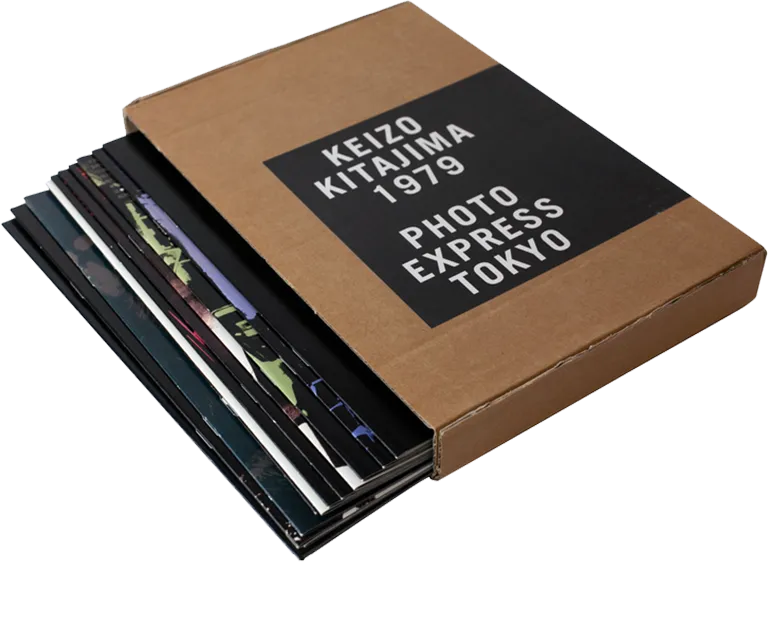
Keizo Kitajima's 1979 Photo Express Tokyo documented a radical, year-long experimental performance and publishing project in Shinjuku, Tokyo. Over twelve consecutive months in 1979, Kitajima operated an improvised gallery named CAMP. Each month, he aggressively photographed the nocturnal streets, nightlife, and subcultures of Tokyo, instantly developed and printed the high-contrast silver gelatin photographs, and plastered the gallery walls edge-to-edge with fresh prints.

To complete the cycle, Kitajima produced a monthly 16-page newsprint booklet (Photo Express Tokyo, issues 1-12) on a mimeograph/offset machine right inside the gallery space, distributing them immediately to visitors.

This 2012 Steidl boxed set meticulously recreates all 12 original softcover booklets inside a cardboard slipcase.

Super Labo
2015
with:
Edition:
1st
Edition size:
800
Signed
Out of Print
Other edition(s):
Softcover
ISBN:
9784905052876
Condition: Near Fine

Yellow and green covers in editions of 300 and 500 each

No items found.
No items found.

Keizō Kitajima, Japanese, b. 1954.

Kitajima is an influential Japanese photographer renowned for his raw, confrontational, and energetic street and documentary photography. A student of the legendary photographer Daidō Moriyama, Kitajima emerged from the radical Provoke era and the independent "Image Shop CAMP" collective in the late 1970s to shape a new era of Japanese contemporary photography.

Born in Japan, Kitajima's creative trajectory was deeply impacted by the social and political upheavals of the post-war era. Under the mentorship of Moriyama, he co-founded Tokyo's first independent photo gallery, CAMP, in 1979.

During this foundational period, he focused his lens on the vibrant, often chaotic party subcultures of Tokyo and Okinawa (specifically Koza, a city deeply influenced by the nearby American military presence). His methodology was fiercely experimental; in 1979, he mounted monthly exhibitions at CAMP showcasing rapid black-and-white snapshots taken around Shinjuku's red-light district, accompanied by self-published booklets titled Photo Express: Tokyo. These early archives were recently compiled in the expansive photobook Tokyo–Koza.

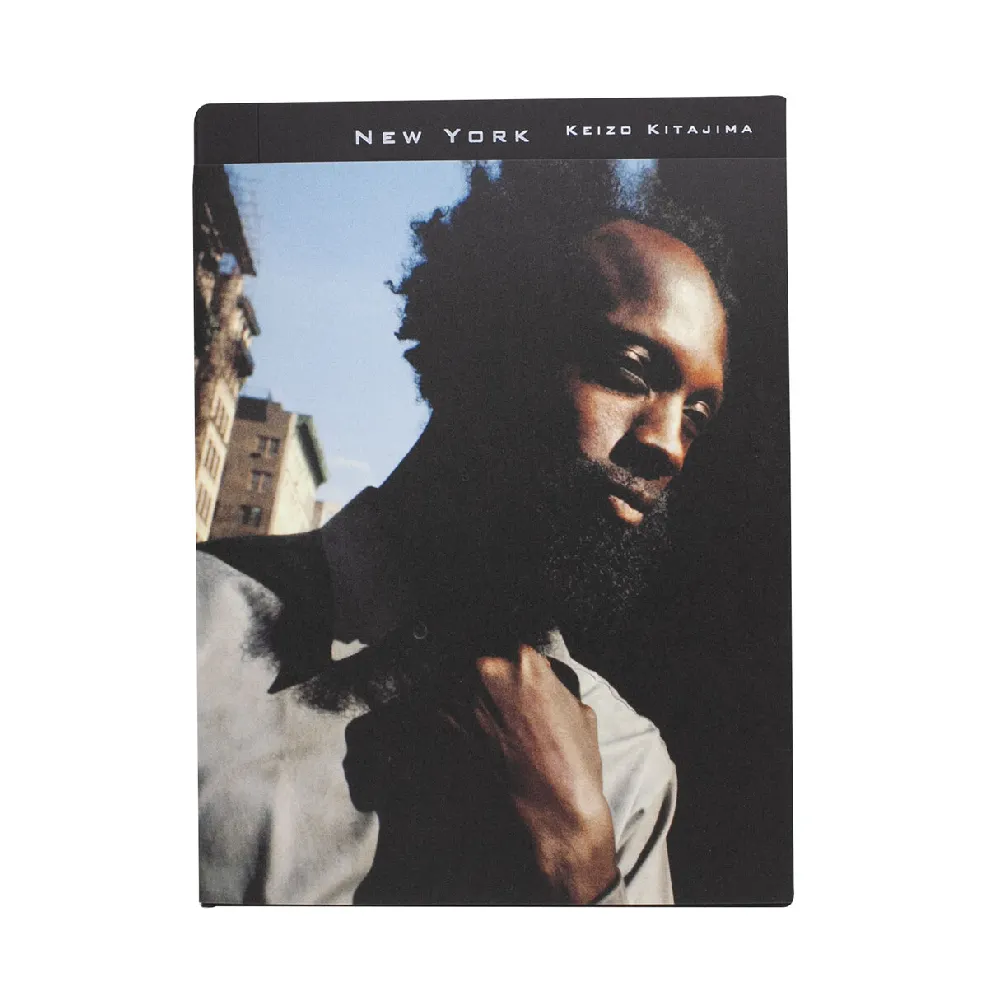
In 1981, Kitajima spent six months roaming the gritty streets, clubs, and parks of New York City. His documentation of 1980s New York juxtaposed absolute desolation with flamboyant decadence, capturing moments where "human history itself was actually exposed". This work was published in his seminal 1982 photobook New York, which earned him Japan's prestigious Kimura Ihei Award in 1983.

Between 1975 and 1991, Kitajima's restless inquiry into urban life expanded beyond Japan and the United States to Eastern Europe and the final days of the Soviet Union (USSR 1991). His iconic imagery left a permanent mark on high fashion. In 1994, his gritty 1980s New York street photographs served as the foundation for an iconic Comme des Garçons perfume campaign. His distinctive photography has also been integrated into campaigns for fashion powerhouses like Prada and Helmut Lang.

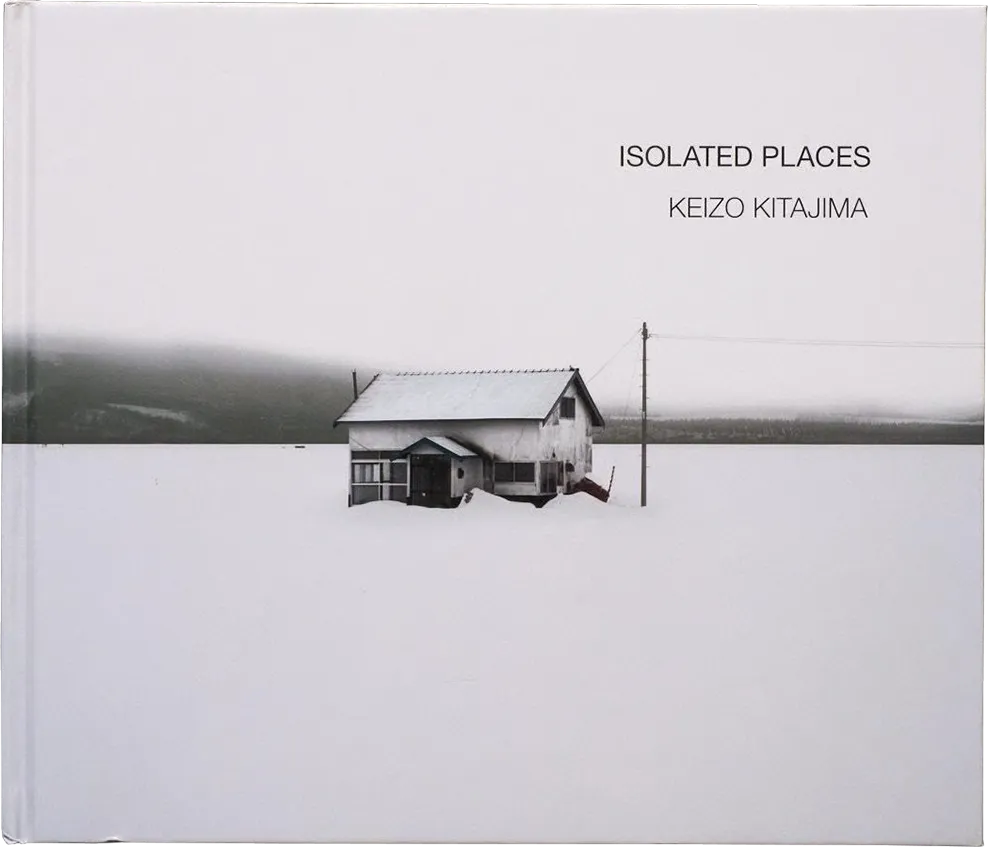
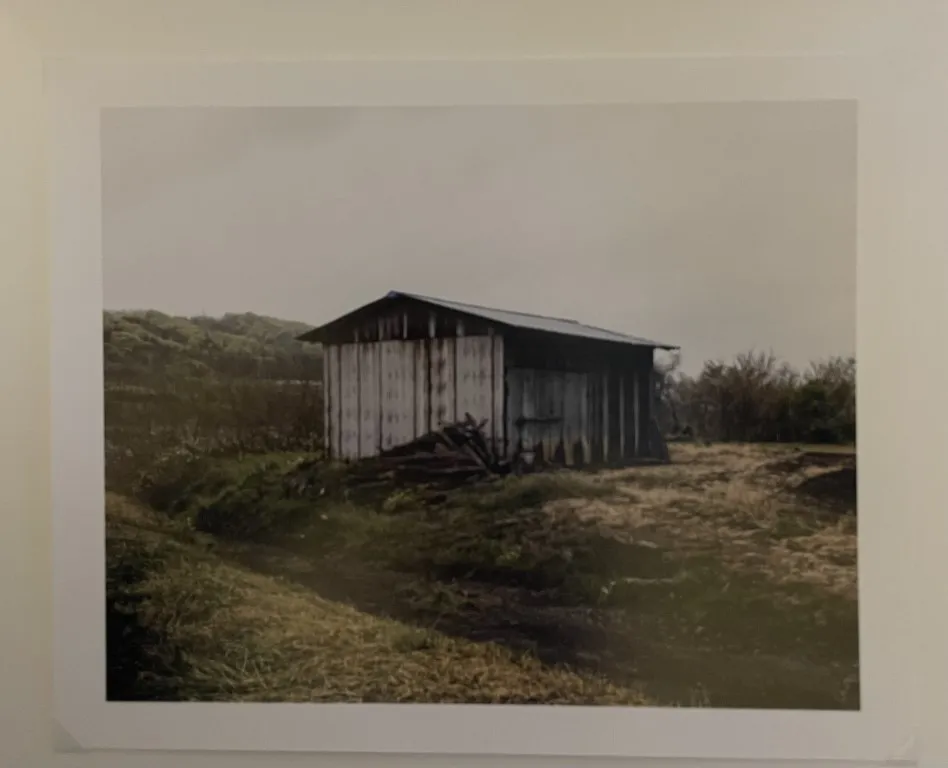
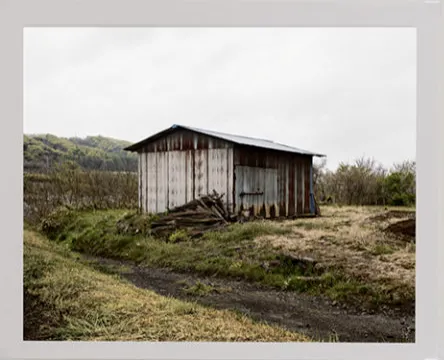
In the 1990s, Kitajima underwent a radical artistic evolution, pivoting from the high-contrast snapshot style of his youth to an austere, highly formalized approach to landscapes. This practice culminated in his monumental Untitled Records series (originally published in 20 serial booklets between 2014 and 2021). Spurred by the aftermath of the 2011 Tohoku earthquake and the Fukushima nuclear disaster, Kitajima began capturing unpopulated urban, suburban, and semi-rural liminal landscapes across Japan. Aligned with the same formalist approach at Bushwick Sur Seine, all 20 records are included in the collection, along with a print.

Abandoning his signature aggressive flash and dark shadows, he adopted a meticulous, almost clinical technique. He systematically removes the effects of foreshortening so that buildings stand perfectly straight. Every element appearing at the borders and corners of the frame is mathematically calculated. Kitajima prefers to shoot exclusively during cloudy or rainy weather. The uniform, flat lighting strips the landscapes of dramatic shadows, resulting in a cold, objectified clarity meant to challenge how we perceive "reality" in a post-disaster world.

Kitajima's practice avoids a static view of history; he treats all photography as a tool in the "present tense," continuously reinterpreting old contexts and re-examining his past rolls of film. His career was celebrated with a comprehensive mid-career retrospective exhibition at the Tokyo Metropolitan Museum of Photography in 2009 (Keizo Kitajima: 1975–1991). More recently, he collaborated with artist Yasumasa Morimura to produce large-scale portrait installations showcased at the 2024 Yokohama Triennale.