


.webp)
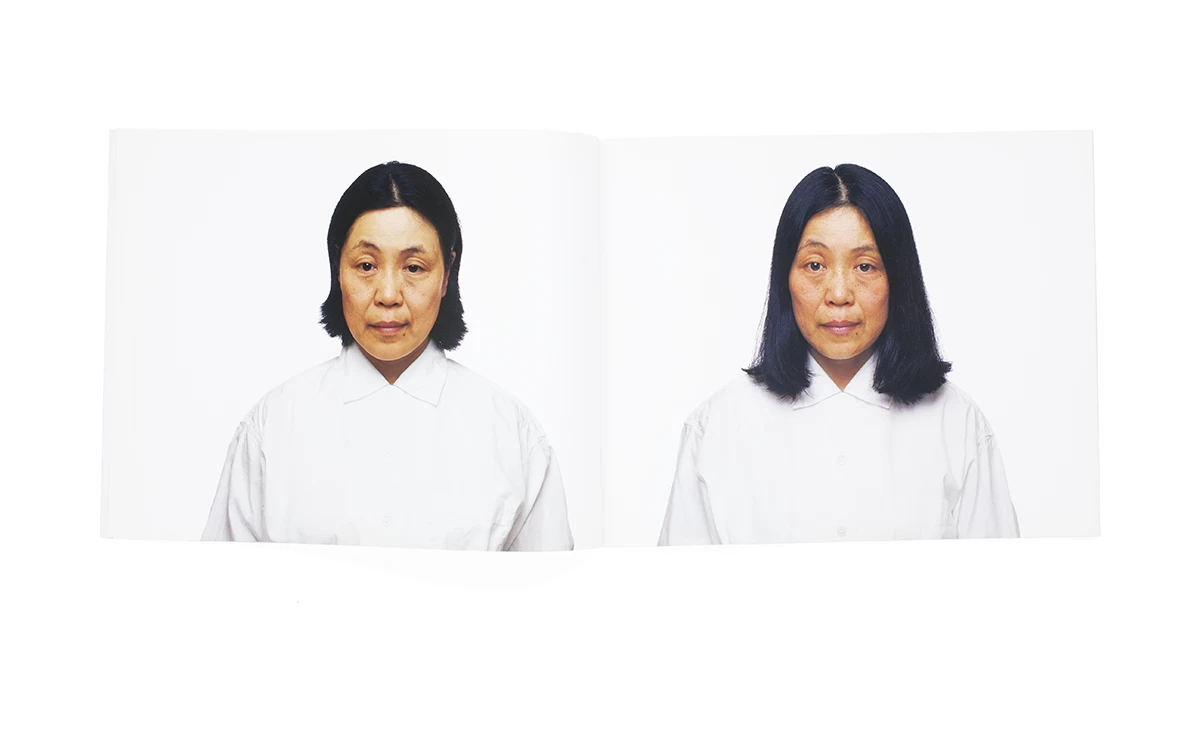
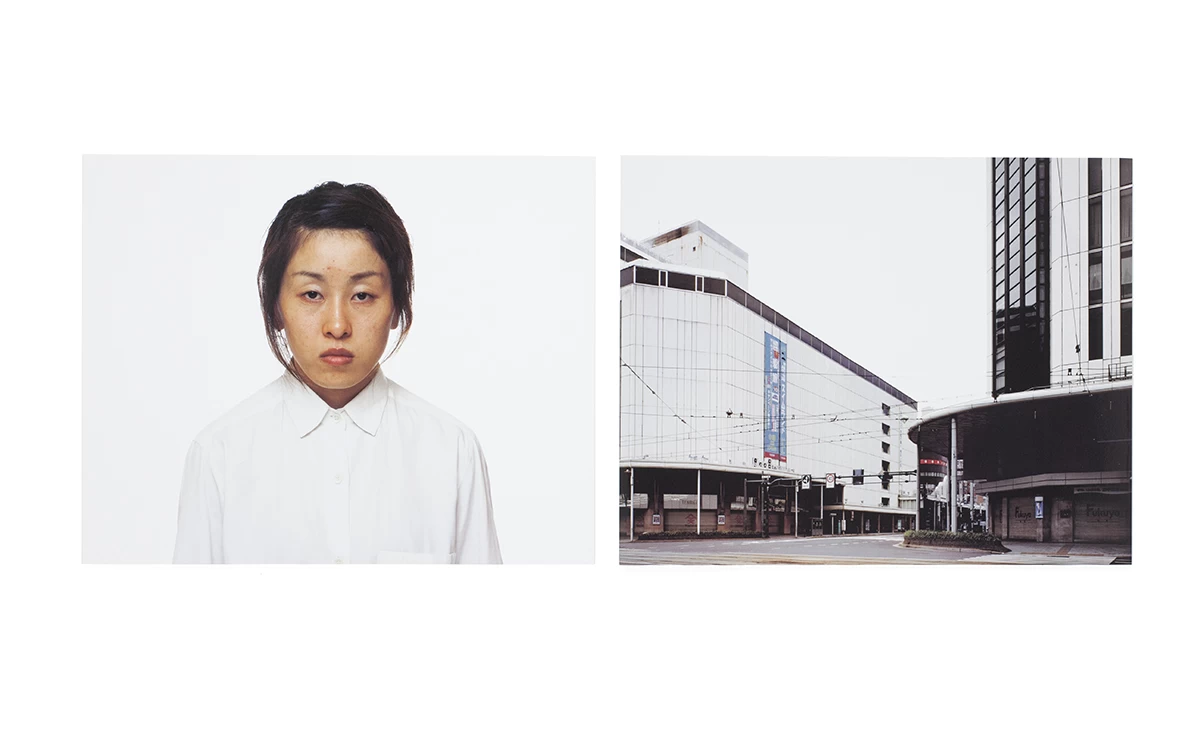
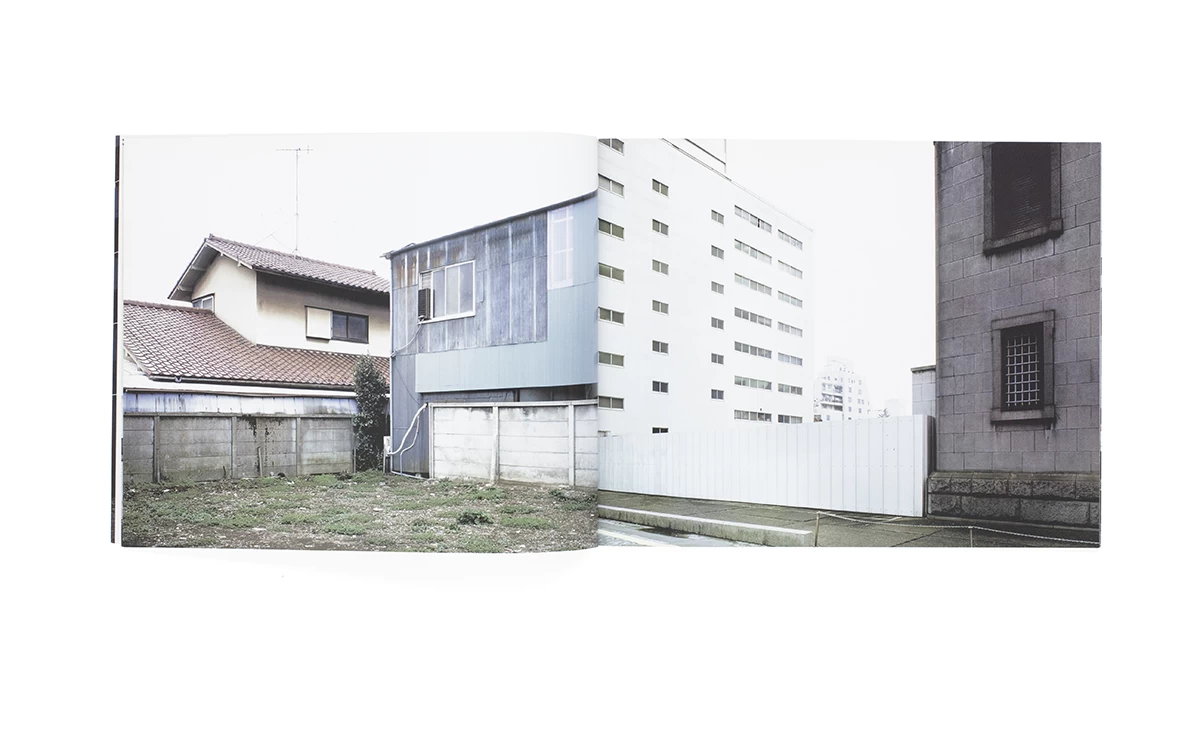
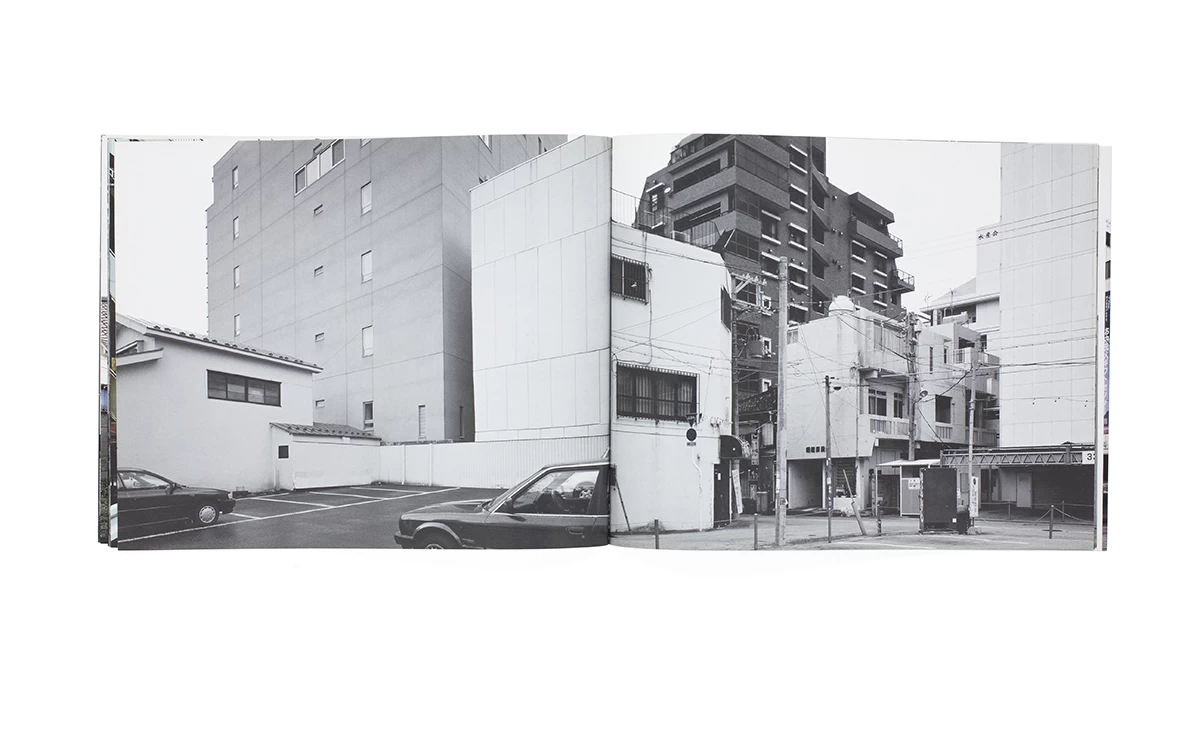
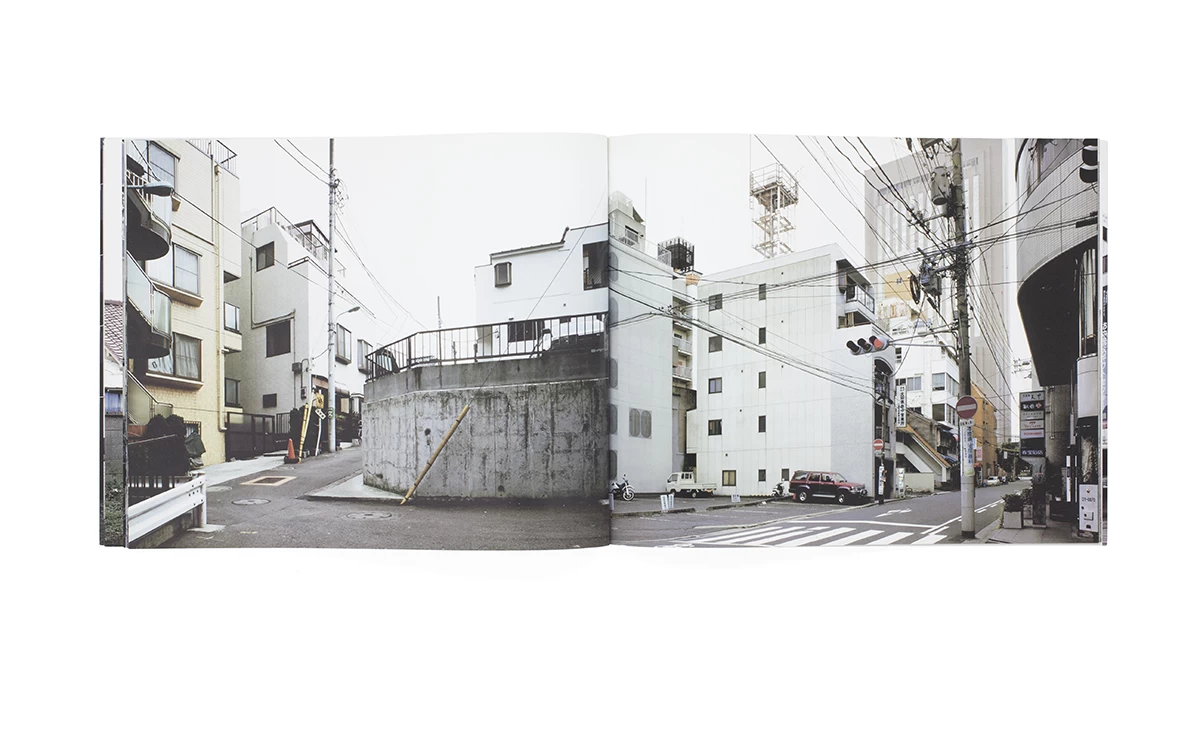
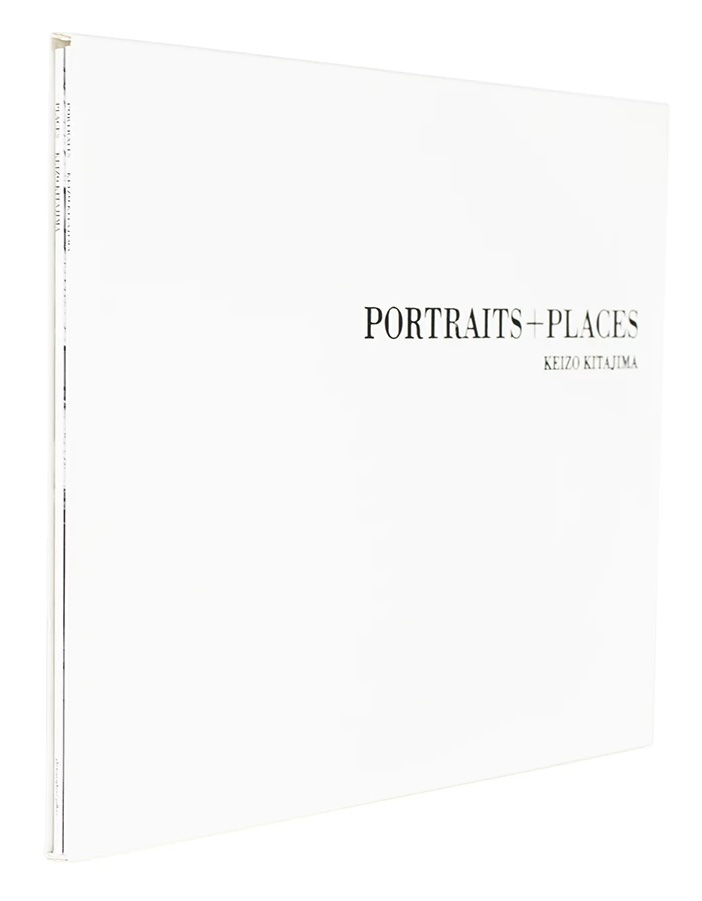
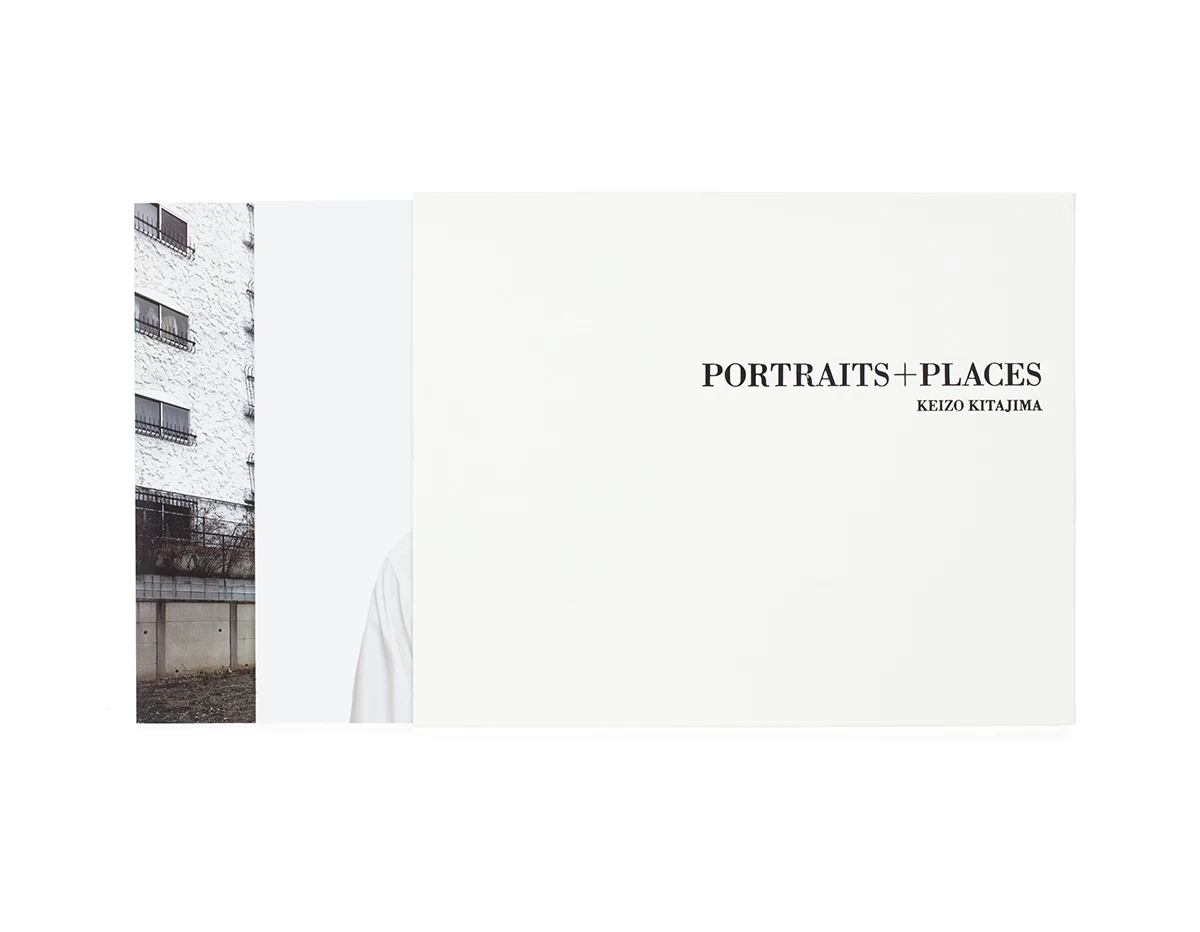
Published in 2003 by the Photographer's Gallery, Portraits + Places encapsulates Kitajima's ongoing exploration into the relationship and interdependency of people and the places which they inhabit. Beginning the project in 1989, Portraits + Places has been exhibited widely both in Japan and internationally. The images within have been separated resulting in two bodies of work which speak independently as well as collectively about the individual, landscape and the theme of shared identities within a globalized context.
The project provides a fascinating inverted mirror to the formalist ethos of Bushwick sur Seine and the concepts explored in the site's article, Bare Interiors and the Echo of Memory in Photography.
While both address the interdependency of space and human presence, Kitajima approaches this relationship from the opposite direction, separating the two into physical diptychs to reveal how identity and landscape shape one another.
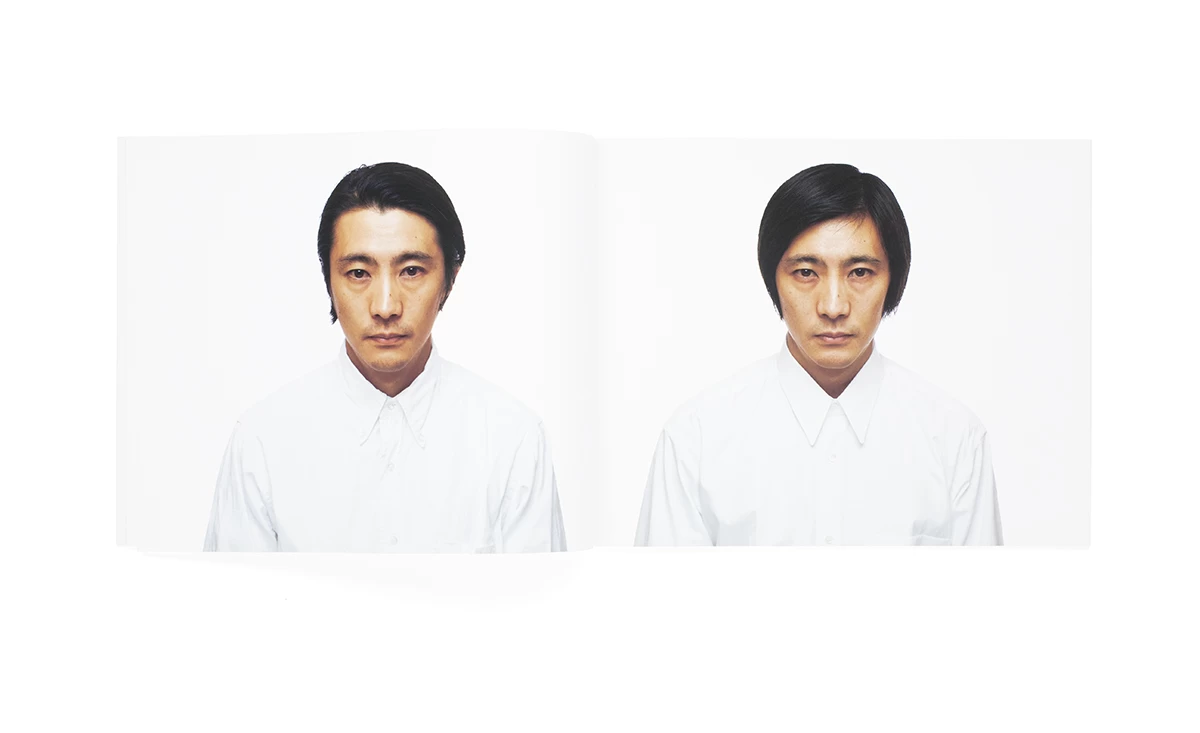
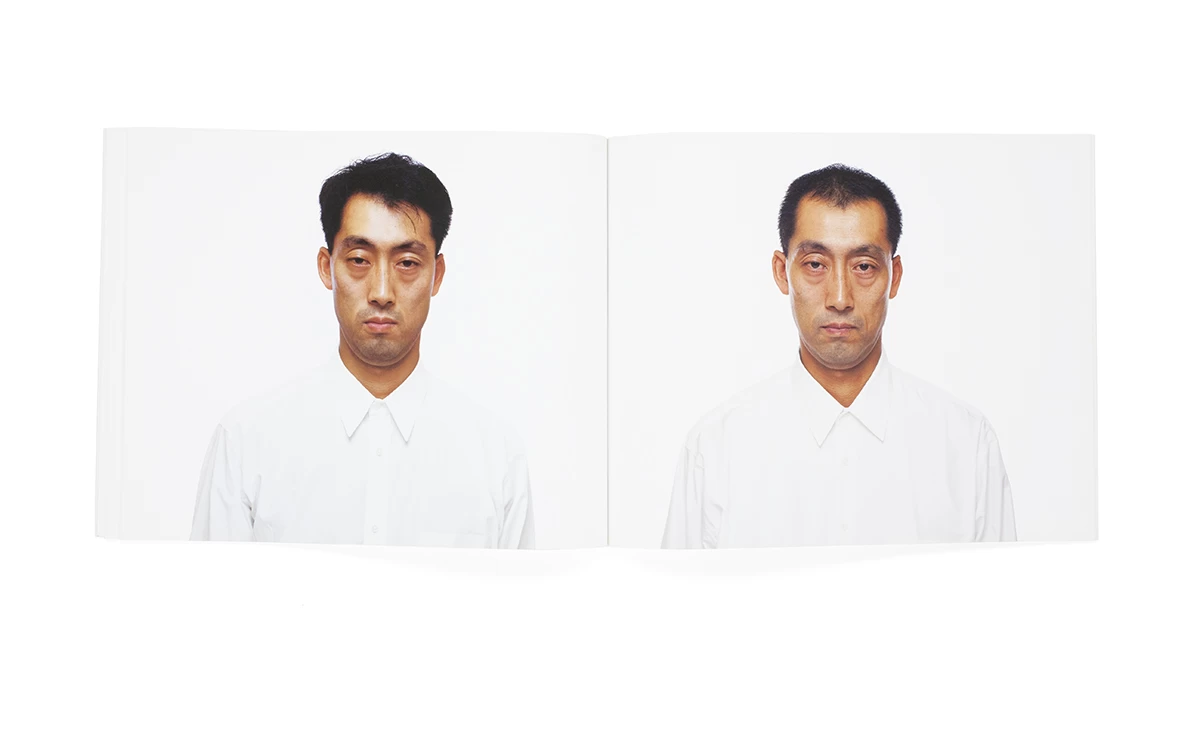
In Portraits + Places, Kitajima splits his study into two distinct softcover volumes housed within a single slipcase. This structural division is a purely formalist gesture: Rather than blending human subjects directly into their environments within a single frame, he isolates the subject (Portraits) from the built environment (Places). By giving equal physical weight to two separate books, Kitajima treats the human face and the post-industrial landscape as equivalent formal structures, stripping away sentimental narrative in favor of systematic typology.
The Bare Interiors essay focuses on photographers like Candida Höfer, Laurenz Berges, and Trine Søndergaard, who capture empty rooms to evoke a "presence through absence", where a space retains the spectral residue, memory, and dignity of the people who once occupied it.
Portraits + Places flips this framework. Instead of looking inside domestic or institutional walls for lingering human ghosts, Kitajima looks outward at globalized, unpopulated urban and suburban spaces. His landscapes act as the external macro-containers of collective identity.
In Kitajima's portraits, the human subject becomes an "interior" of sorts, a vessel carrying the cultural, social, and psychological imprint of the very places shown in the companion volume.
Kitajima's shift in this era toward flat, uniform lighting and cold clarity aligns directly with the Düsseldorf School artists highlighted in Bare Interiors (such as Höfer and Axel Hütte):
Just as Höfer's public interiors avoid sensationalism to focus on spatial order, Kitajima removes dramatic shadows and perspective distortion to present cold, objective surfaces.
Both Höfer's works and Portraits + Places examine how modern spatial architecture shapes human memory and shared identity within an increasingly homogenized, post-industrial world.
Ruff and Kitajima's Portraiture
The connection between Kitajima's Portraits volume and Thomas Ruff's Porträts series (1981-1991) is strikingly strong, both formally and conceptually.
Both artists apply a strict, formalist, and near-clinical rigor to human subjects:
Ruff famously rejected the idea that a portrait can capture the "soul" or inner life of a subject, treating the face simply as a surface to be recorded. Kitajima adopts a very similar detachment in Portraits, stripping away dramatic lighting, narrative action, and emotional theater in favor of flat, objective recording.
Just as Ruff photographed his Düsseldorf peers against plain backgrounds with deadpan expressions, creating a visual passport-like index, Kitajima applies standardized framing and neutral lighting across his subjects. The individual becomes part of a broader structural taxonomy.
In both cases, the human face is treated almost like a "bare surface" that records the era, culture, and environment without needing to perform for the camera.
Where they diverge is how that detachment functions in context. For Ruff, the portrait is an investigation into the medium of photography itself and the limits of representation. For Kitajima, placing these objective portraits directly alongside the Places volume grounds those neutral faces in a specific, globalized post-industrial reality, letting the face and the landscape mirror each other.

Published in 2003 by the Photographer's Gallery, Portraits + Places encapsulates Kitajima's ongoing exploration into the relationship and interdependency of people and the places which they inhabit. Beginning the project in 1989, Portraits + Places has been exhibited widely both in Japan and internationally. The images within have been separated resulting in two bodies of work which speak independently as well as collectively about the individual, landscape and the theme of shared identities within a globalized context.
The project provides a fascinating inverted mirror to the formalist ethos of Bushwick sur Seine and the concepts explored in the site's article, Bare Interiors and the Echo of Memory in Photography.
While both address the interdependency of space and human presence, Kitajima approaches this relationship from the opposite direction, separating the two into physical diptychs to reveal how identity and landscape shape one another.
In Portraits + Places, Kitajima splits his study into two distinct softcover volumes housed within a single slipcase. This structural division is a purely formalist gesture: Rather than blending human subjects directly into their environments within a single frame, he isolates the subject (Portraits) from the built environment (Places). By giving equal physical weight to two separate books, Kitajima treats the human face and the post-industrial landscape as equivalent formal structures, stripping away sentimental narrative in favor of systematic typology.
The Bare Interiors essay focuses on photographers like Candida Höfer, Laurenz Berges, and Trine Søndergaard, who capture empty rooms to evoke a "presence through absence", where a space retains the spectral residue, memory, and dignity of the people who once occupied it.
Portraits + Places flips this framework. Instead of looking inside domestic or institutional walls for lingering human ghosts, Kitajima looks outward at globalized, unpopulated urban and suburban spaces. His landscapes act as the external macro-containers of collective identity.
In Kitajima's portraits, the human subject becomes an "interior" of sorts, a vessel carrying the cultural, social, and psychological imprint of the very places shown in the companion volume.
Kitajima's shift in this era toward flat, uniform lighting and cold clarity aligns directly with the Düsseldorf School artists highlighted in Bare Interiors (such as Höfer and Axel Hütte):
Just as Höfer's public interiors avoid sensationalism to focus on spatial order, Kitajima removes dramatic shadows and perspective distortion to present cold, objective surfaces.
Both Höfer's works and Portraits + Places examine how modern spatial architecture shapes human memory and shared identity within an increasingly homogenized, post-industrial world.
Ruff and Kitajima's Portraiture
The connection between Kitajima's Portraits volume and Thomas Ruff's Porträts series (1981-1991) is strikingly strong, both formally and conceptually.
Both artists apply a strict, formalist, and near-clinical rigor to human subjects:
Ruff famously rejected the idea that a portrait can capture the "soul" or inner life of a subject, treating the face simply as a surface to be recorded. Kitajima adopts a very similar detachment in Portraits, stripping away dramatic lighting, narrative action, and emotional theater in favor of flat, objective recording.
Just as Ruff photographed his Düsseldorf peers against plain backgrounds with deadpan expressions, creating a visual passport-like index, Kitajima applies standardized framing and neutral lighting across his subjects. The individual becomes part of a broader structural taxonomy.
In both cases, the human face is treated almost like a "bare surface" that records the era, culture, and environment without needing to perform for the camera.
Where they diverge is how that detachment functions in context. For Ruff, the portrait is an investigation into the medium of photography itself and the limits of representation. For Kitajima, placing these objective portraits directly alongside the Places volume grounds those neutral faces in a specific, globalized post-industrial reality, letting the face and the landscape mirror each other.