


Which art books, prints and posters are available by and about this artist? Here is a sample of items of interest to a typical collector:
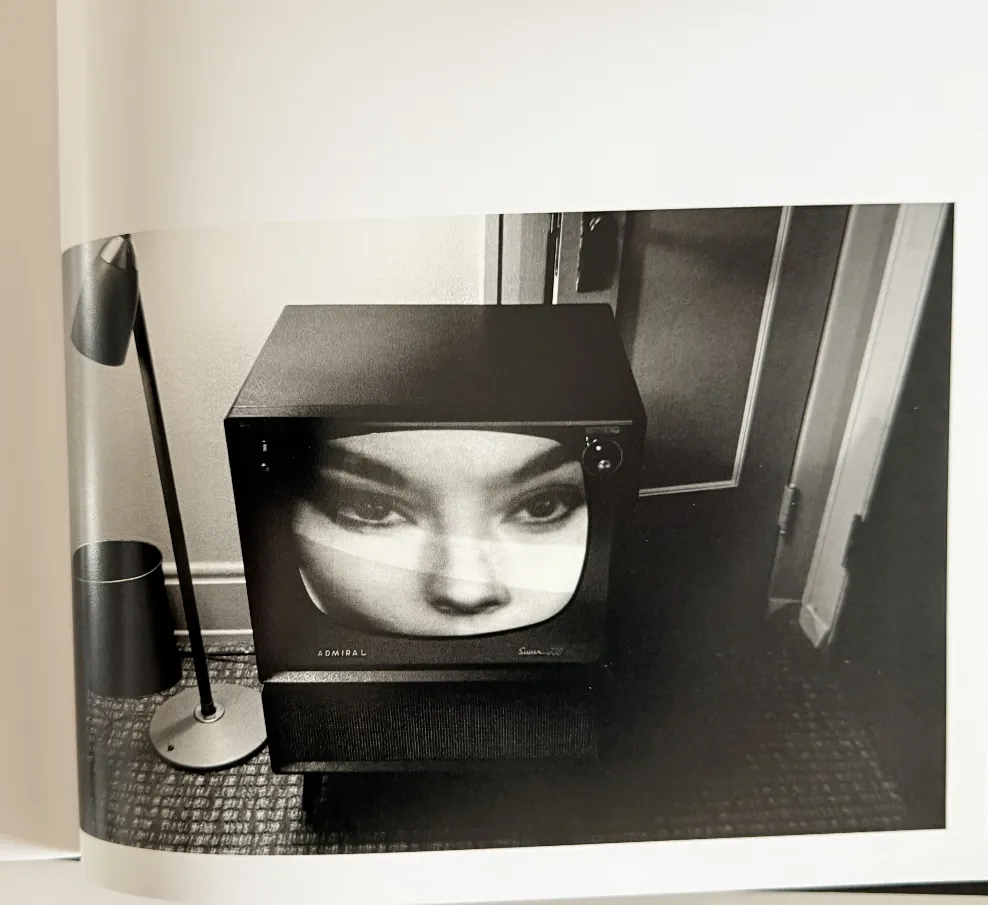
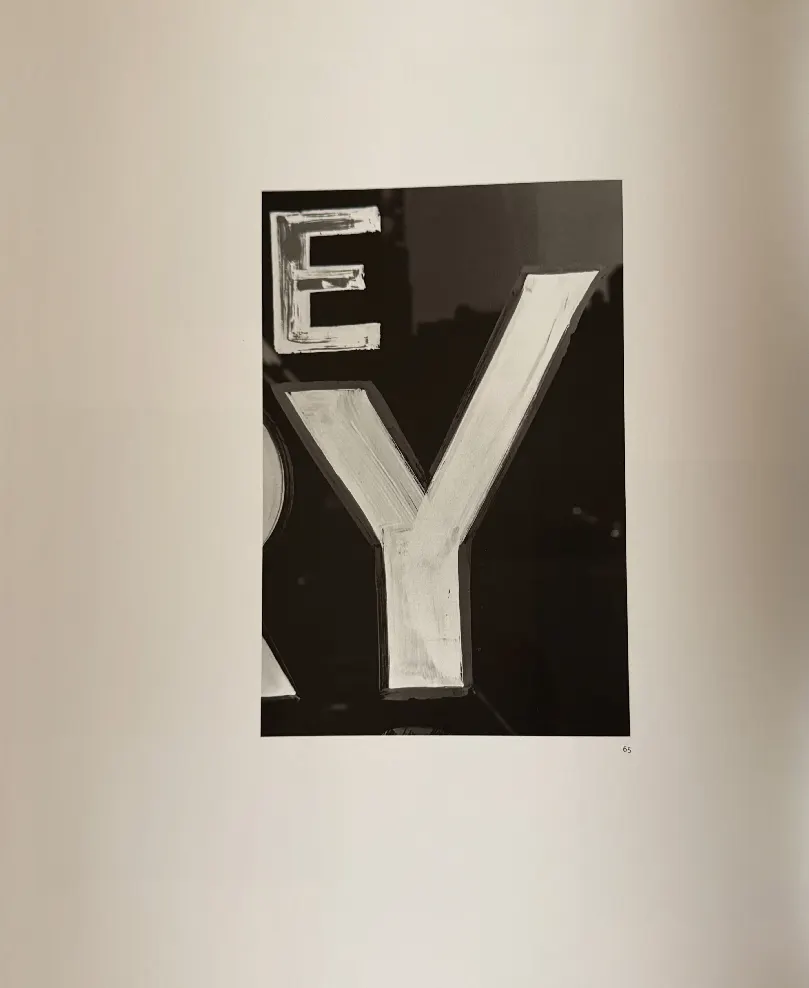

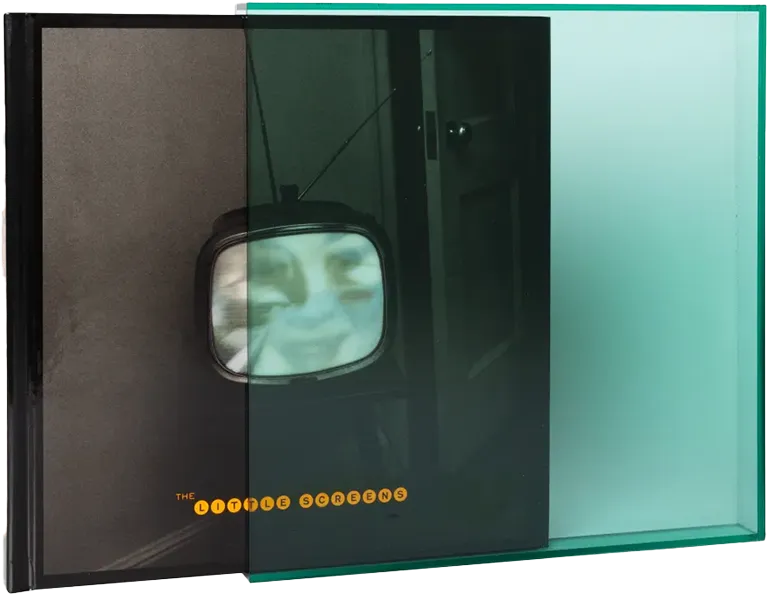
Ltd edition book with one of 36 prints, each in an edition of 5. Slipcase has some rubbing marks, book's cover is fine. The ltd edition book is a cloth boards as issued, only the trade edition has a DJ.
The print for this particular edition can be accessed here.
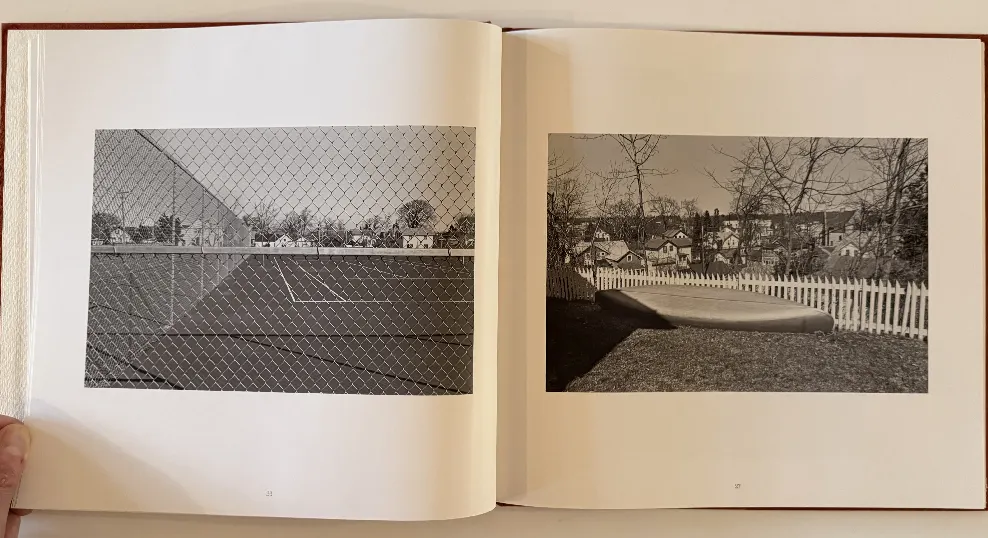
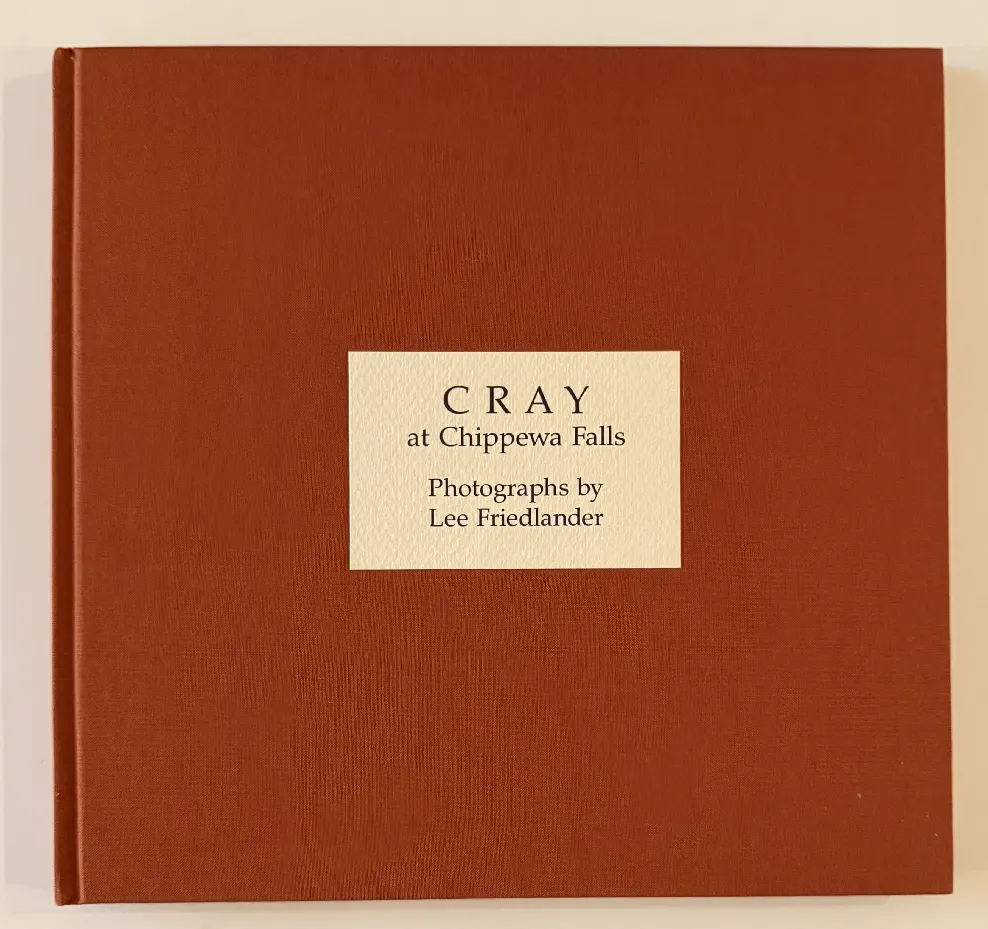
Cray at Chippewa Falls by Lee Friedlander is a privately printed photobook commissioned by Cray Research in 1987 to celebrate the supercomputer manufacturer's fifteenth anniversary. Never made available for public or commercial sale, the volume was distributed exclusively as a gift to the company's employees
The project gave Friedlander, a master of the "social landscape," the opportunity to explore the apparent paradox of a small, distinctly American farming town housing a research center on the cutting edge of technological advancement. The sequence is roughly divided into two sections: one observing the rural environment of the Chippewa Falls area, and the other documenting the workers inside Cray's laboratories. In his signature style, Friedlander captures the complex, chaotic visual layering of high-tech computer manufacturing, juxtaposing the intricate, wire-dense interiors of early supercomputers with the everyday reality of the factory workers and the surrounding pastoral landscape.
Photobook historians Martin Parr and Gerry Badger featured the publication in their seminal history, noting that Friedlander is so close to his best that this volume has become one of the most covetable and instructive of company photobooks. The book provides a rare, unsentimental look into the dawn of the computing era, elevated by Friedlander's strict formal rigor.
This copy includes the publisher's promotional leaflet in its envelope, matching the color of the book's cloth.
The book's 79 black-and-white plates were printed using offset lithography, from 300-line screen tritone negatives made by Richard Benson, a process that successfully translated Friedlander's complex, high-contrast visual style into the final physical publication.
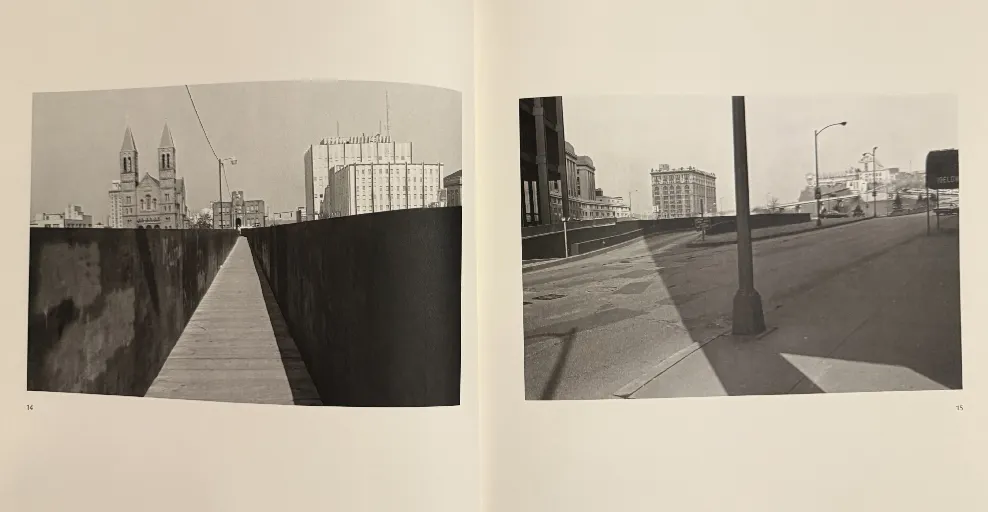
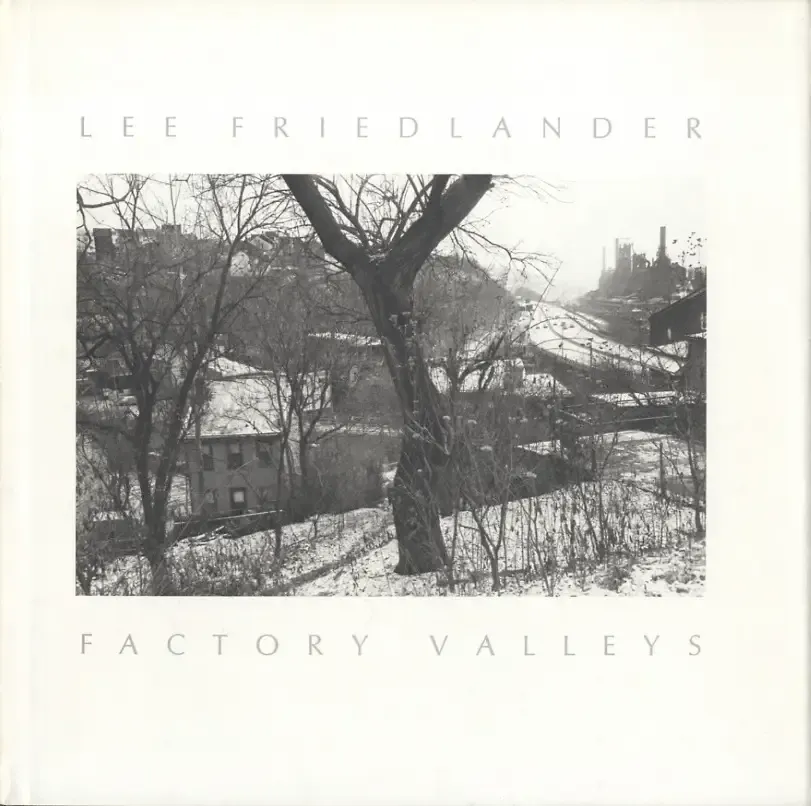
Published in 1982 by Callaway Editions, Factory Valleys originated from a 1979 commission by the Akron Art Museum. The museum invited Friedlander to document the industrial belt of the Ohio River Valley, specifically regions across Ohio and Pennsylvania, during a pivotal era when the area was sliding into economic decline, just before the term "Rust Belt" gained widespread use.
The book stands as Friedlander's first major body of work focused on American industrial labor and the working class. Over the course of a year, he photographed factory workers operating complex machinery, residential mill towns, sprawling steel plants, rail yards, and stark winter landscapes. Instead of taking a purely political or sentimental documentary stance, Friedlander captured the symbiotic, highly repetitive relationship between human labor and heavy machinery with clarity and acute perception.
Visually, the project expands Friedlander's signature style of social landscape photography. He framed the industrial towns through layered, complex compositions that echo the social and physical disruption of the area. Featuring an afterword by Leslie Katz, Factory Valleys is widely considered a landmark work in modern documentary photography, capturing the grit, labor, and changing environment of America's industrial heartland.
The plates were produced by the legendary Meriden Gravure Company in Connecticut, working from halftone negatives created by master printer Richard Benson. Benson was a crucial collaborator for Lee Friedlander throughout his book-publishing career, pioneering techniques to translate the nuanced gray tones and deep blacks of gelatin silver photographs into ink on paper.
The book was printed using an ultra-fine 300-line screen offset lithography process. Most standard photobooks at the time used 150- to 200-line screens; the much higher resolution of a 300-line screen made the halftone dot pattern virtually invisible to the naked eye.


A gelatin silver print of the image in Plate 37 is included in the BSS collection.


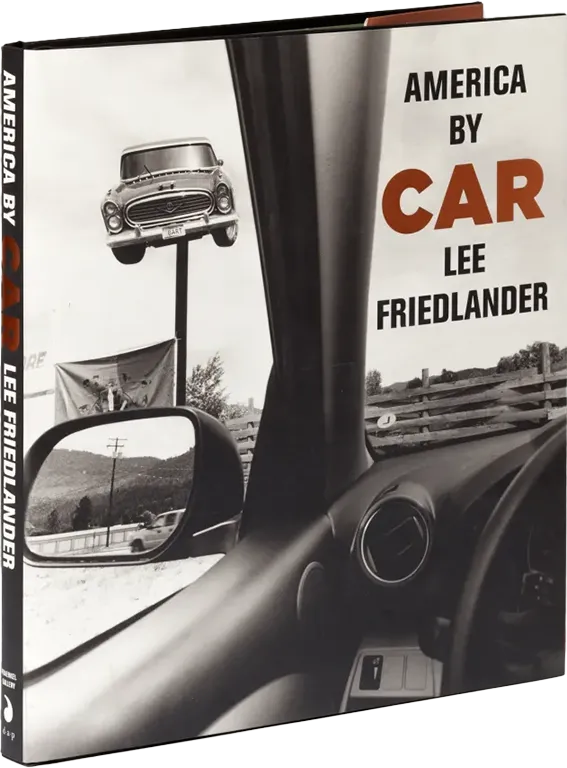


Through 192 square-format, black-and-white images Friedlander reframes the built environment, from monumental city skyscrapers to rural homes and everyday urban architecture. Rather than focusing purely on grand landmarks, Friedlander turns his lens to the "social landscape" of America. The book highlights the unremarkable and uncelebrated elements of urban environments, treating these structures with equal importance:
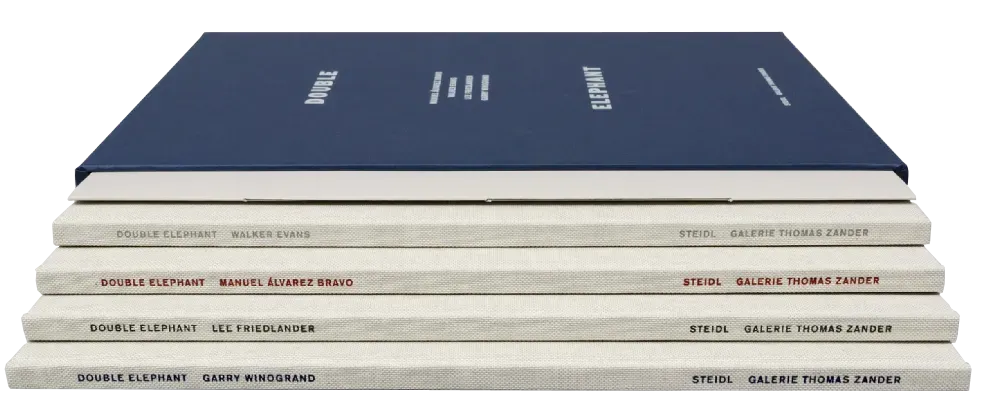
From 1973 to 1974, Lee Friedlander and Burt Wolf edited four iconic portfolios at the Double Elephant Press in New York, featuring photographs by some of the most influential photographers of the twentieth century: Manuel Alvarez Bravo, Walker Evans, Garry Winogrand, and Lee Friedlander himself. Each of the four limited edition portfolios contained fifteen photographs by each artist, representing their distinct visions that can be described in the words of Walker Evans as "oddly refreshing, unselfconsciously striking, and unpredictably adventurous.â€
This publication from 2015 honored the unique collaborative project that was to become a touchstone in the history of photography.

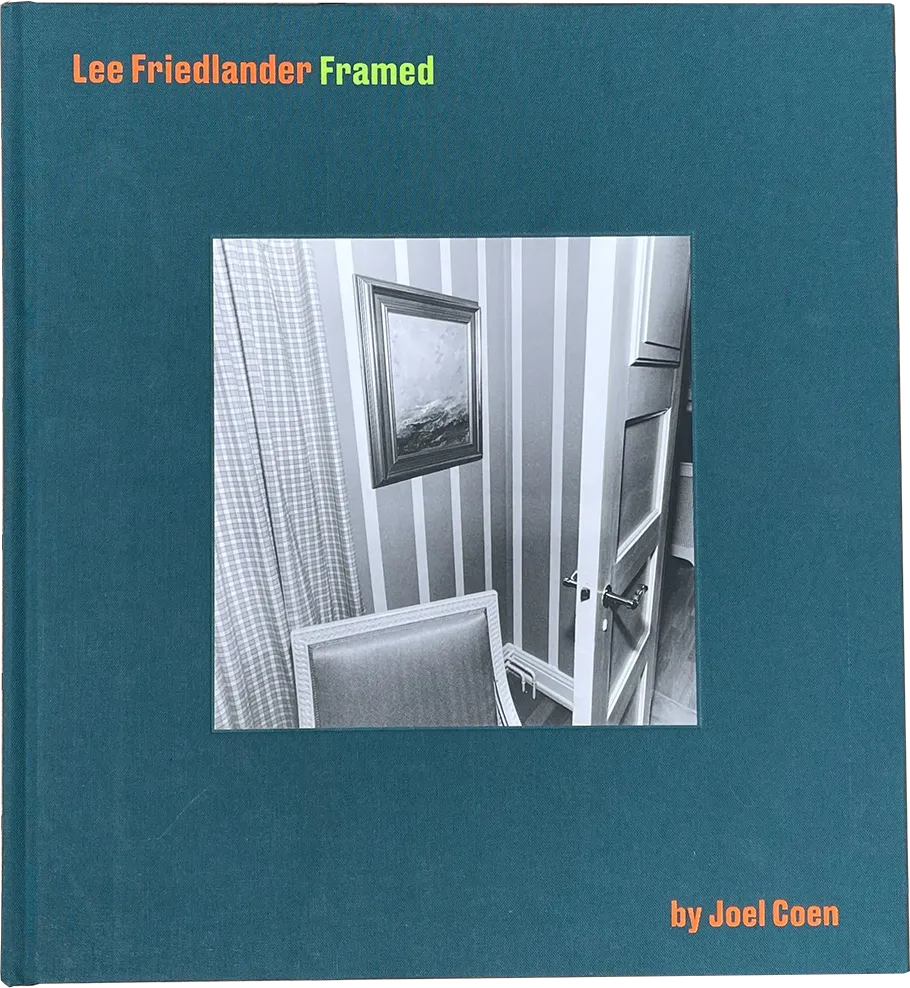

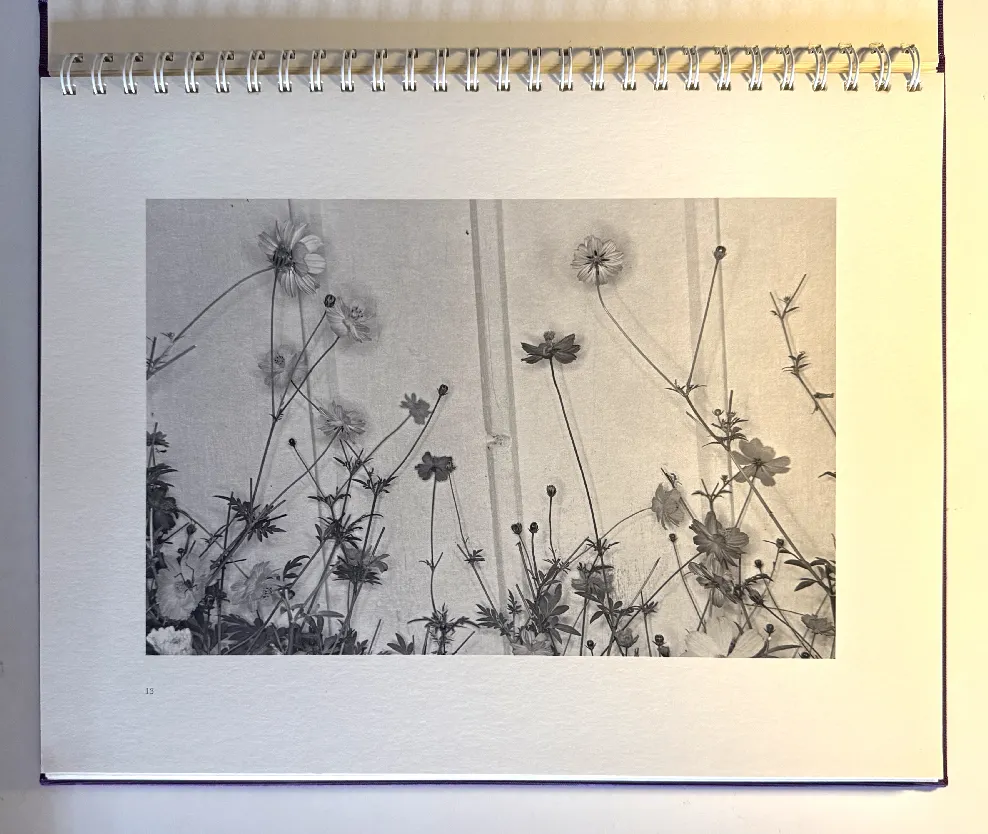
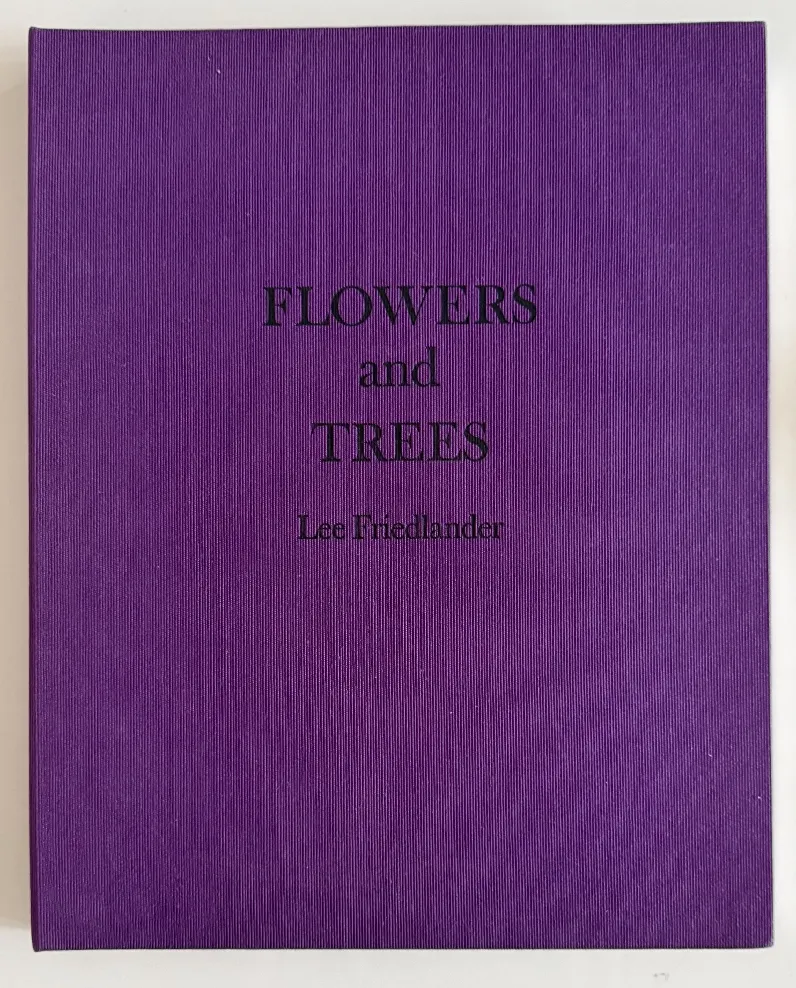
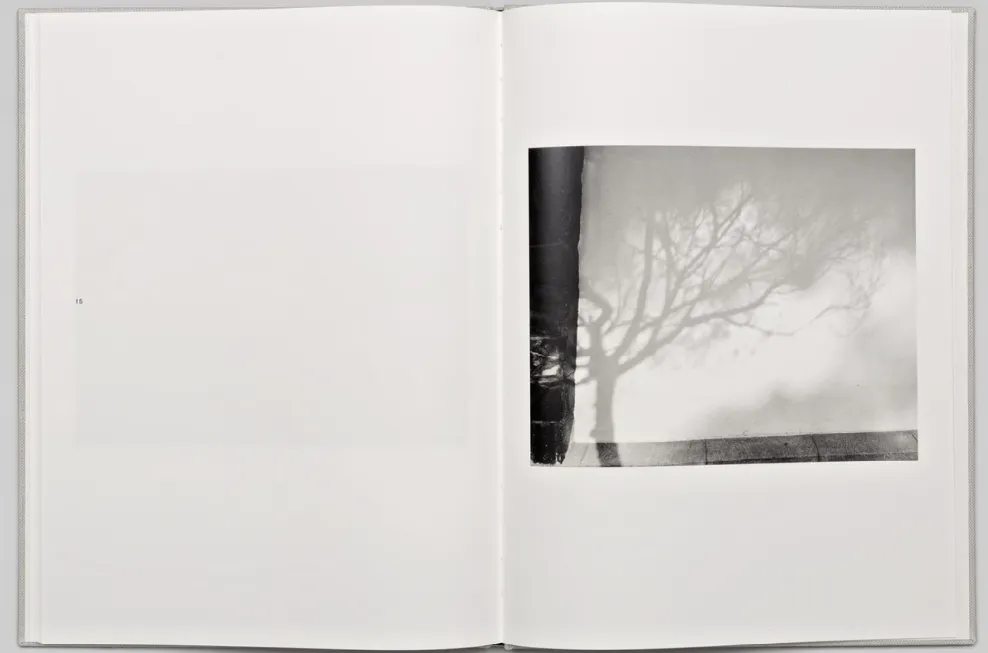
While Lee Friedlander is primarily renowned for his formalist social landscapes, street photography, and urban self-portraits, Flowers and Trees marks a focused exploration of the natural world. Far from traditional, pastoral landscape photography, Friedlander approaches flora with the same dense, intricate visual logic that characterizes his cityscapes.
The images feature tangled branches, dense foliage, and cropped botanical details, treating organic forms as complex spatial puzzles. Shadows, reflections, and overlapping limbs create layered, almost abstract compositions that challenge conventional notions of beauty in nature photography.

%20Resized.webp)
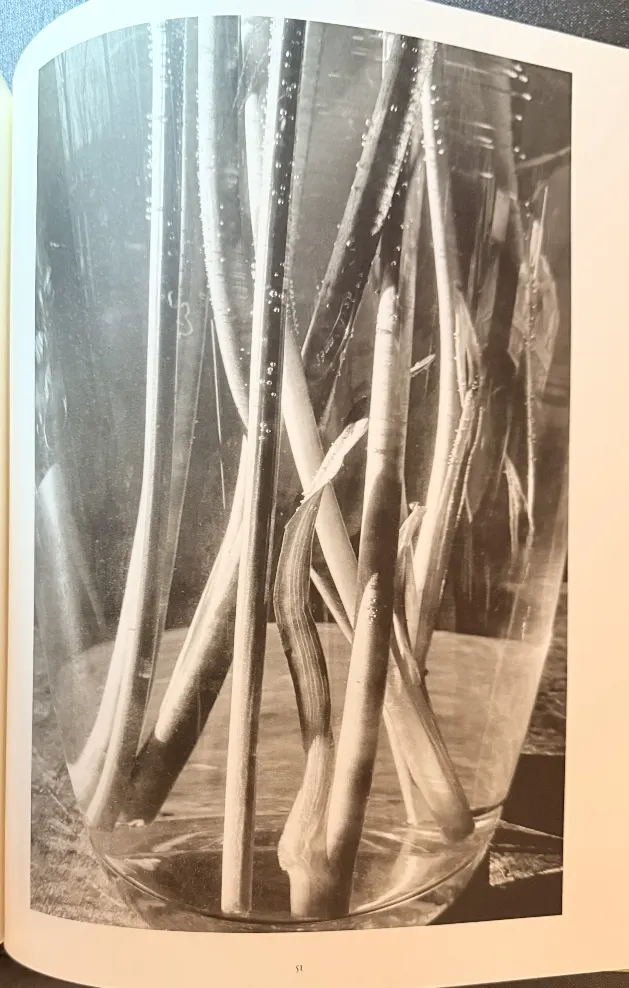
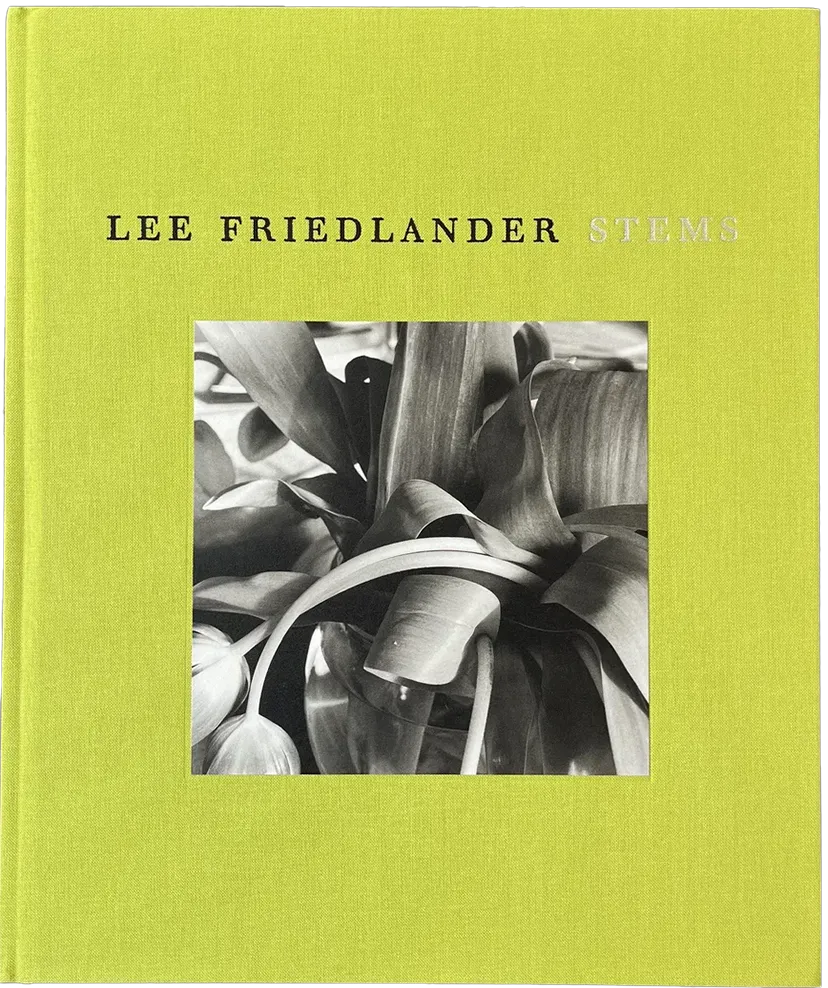
In 1994, suffering from aching knees and painfully concerned about it, Lee Friedlander decided to prepare himself for a sedentary life. He began to pursue the still life as a possibility and maybe a way of photographic life, a dramatic shift for a man who has spent his life photographing on the street, in the woods, on the road, at parties, anywhere but sitting down. He tried a variety of subjects with a few good results, but nothing stood out until he began to look at the fresh flowers that his wife Maria placed around their home in cut-glass vases. But never mind the flowers. True to Friedlander's style, he very quickly found himself most interested in the stems. During the months of February, May, June and December of 1994, he focused his lens on wild arrays of stems and the optical splendor produced by light refracting through the glass vases that contained them. In 1998, Friedlander had both of his knees surgically replaced. Three months of recovery time passed during which he took no pictures, the only gap in almost 50 years of working. The next year, successfully rehabilitated and walking without pain, Friedlander decided to re-apply himself to the stems and finish them off as a subject. Published in a lush, oversize volume, printed with a special dry trap process, Stems is the result of this unusual saga in the photographer's career. Lee Friedlander and his camera then returned to the street.
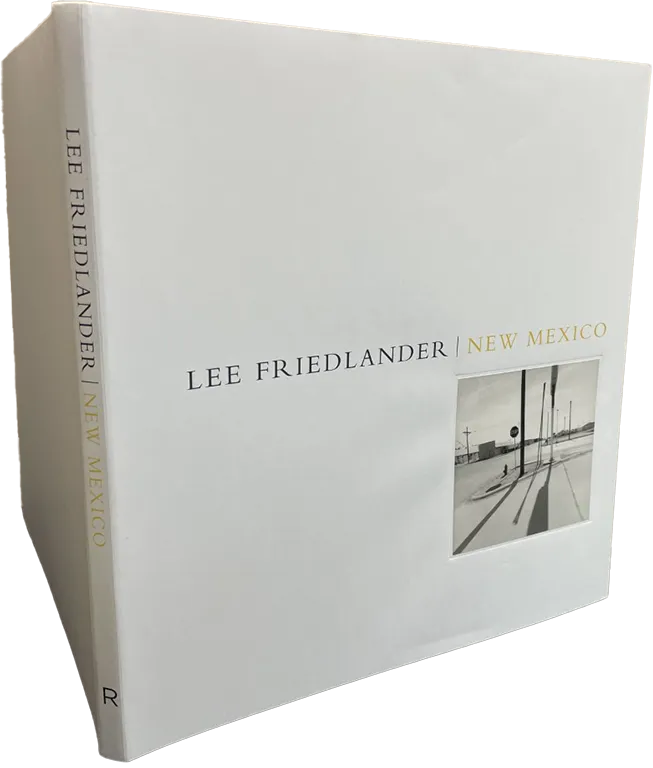

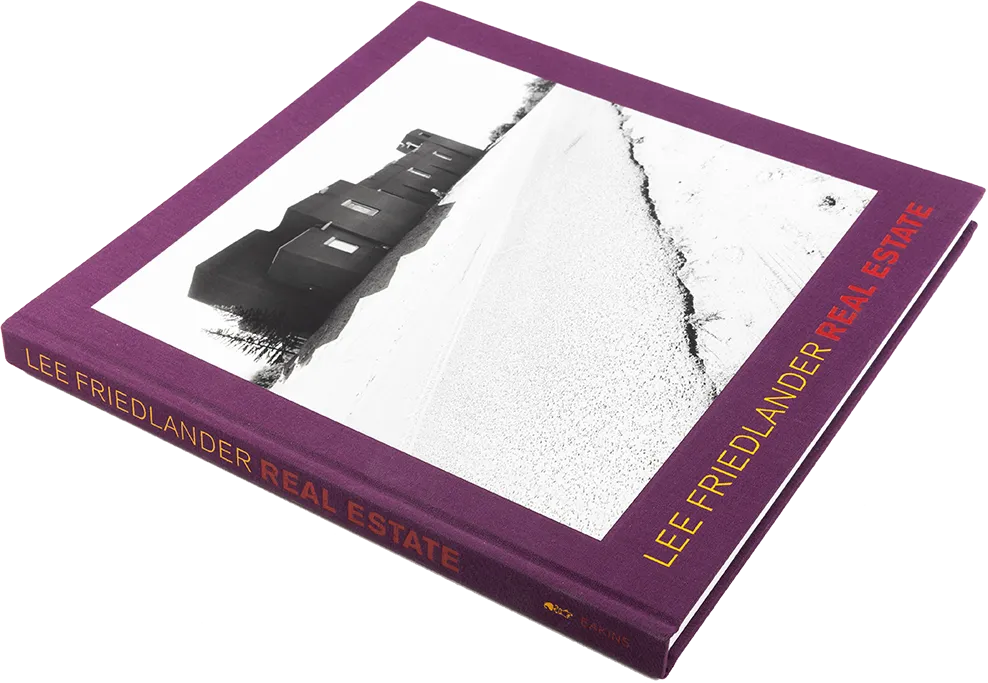
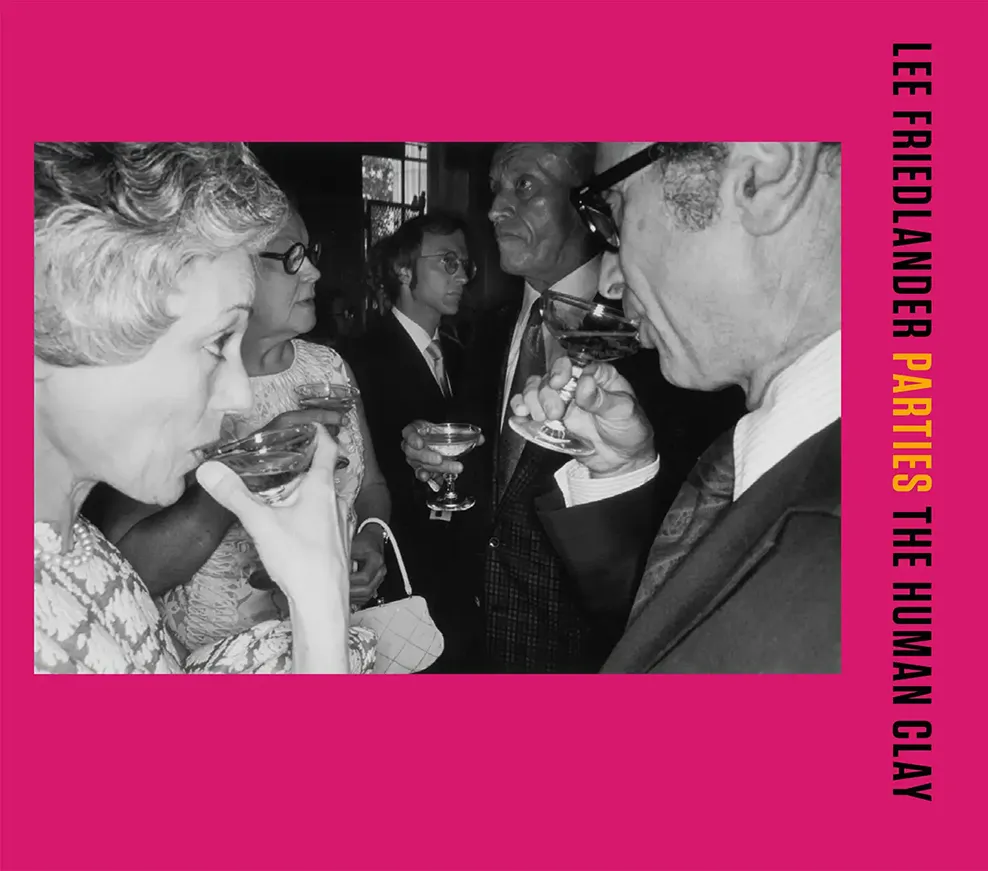

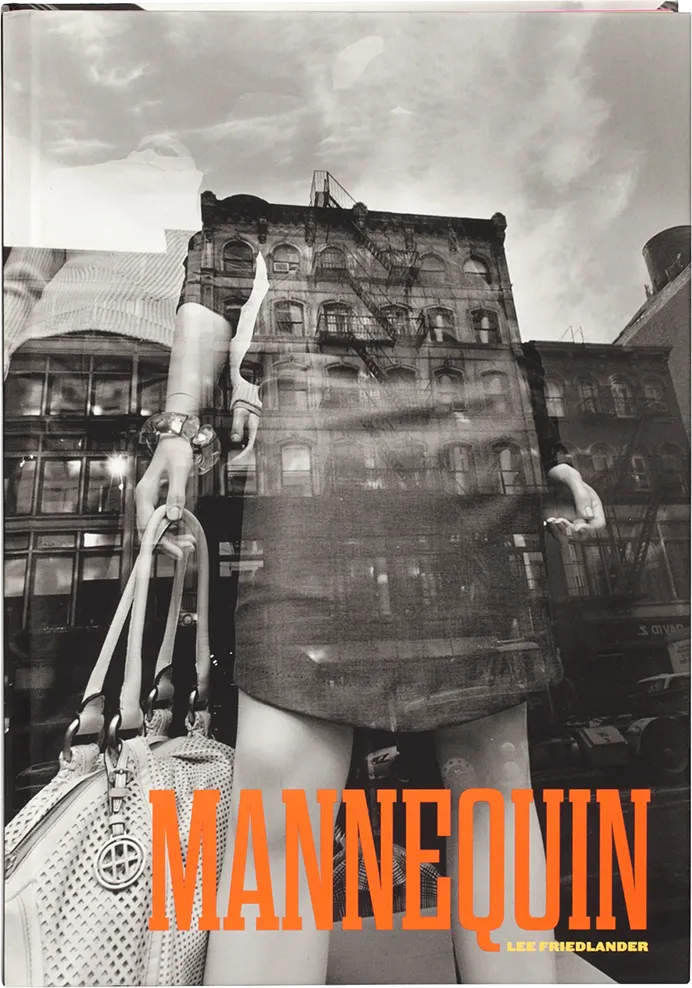
SPQR Editions
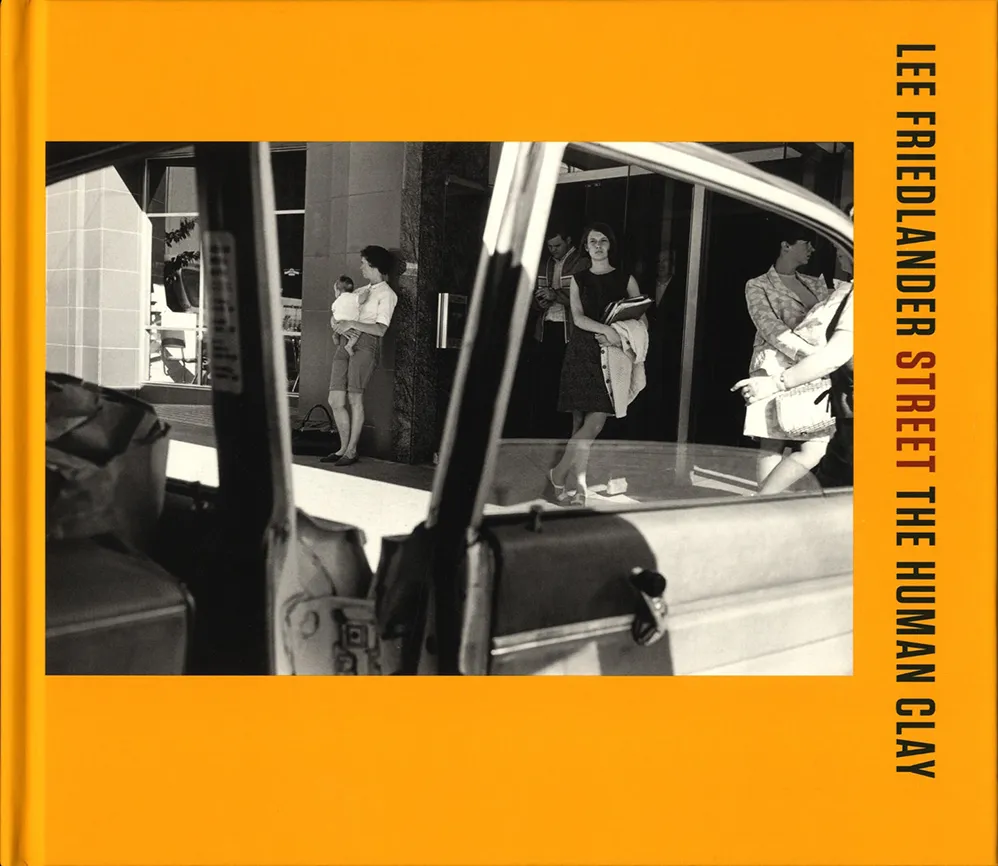
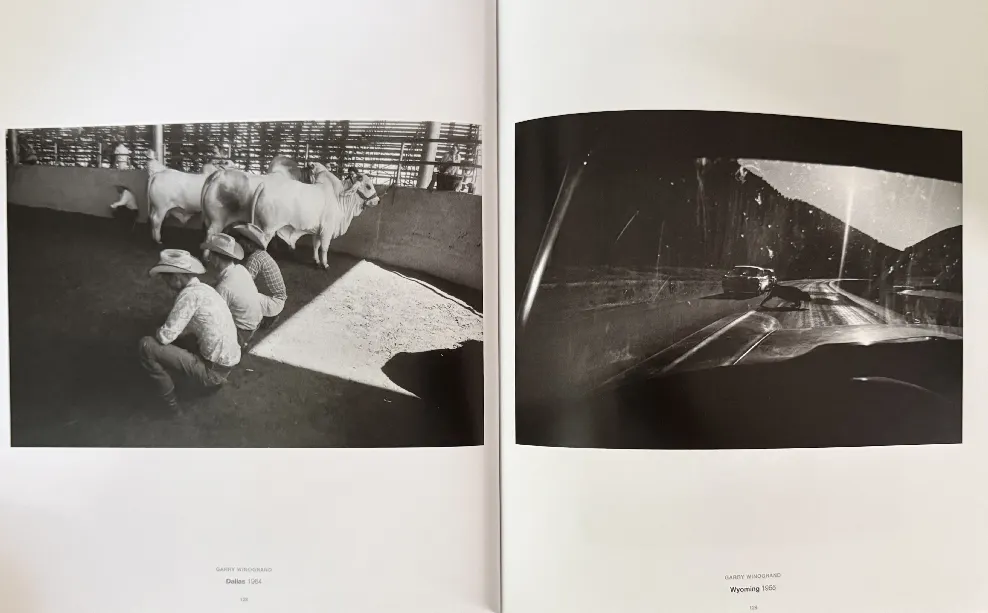
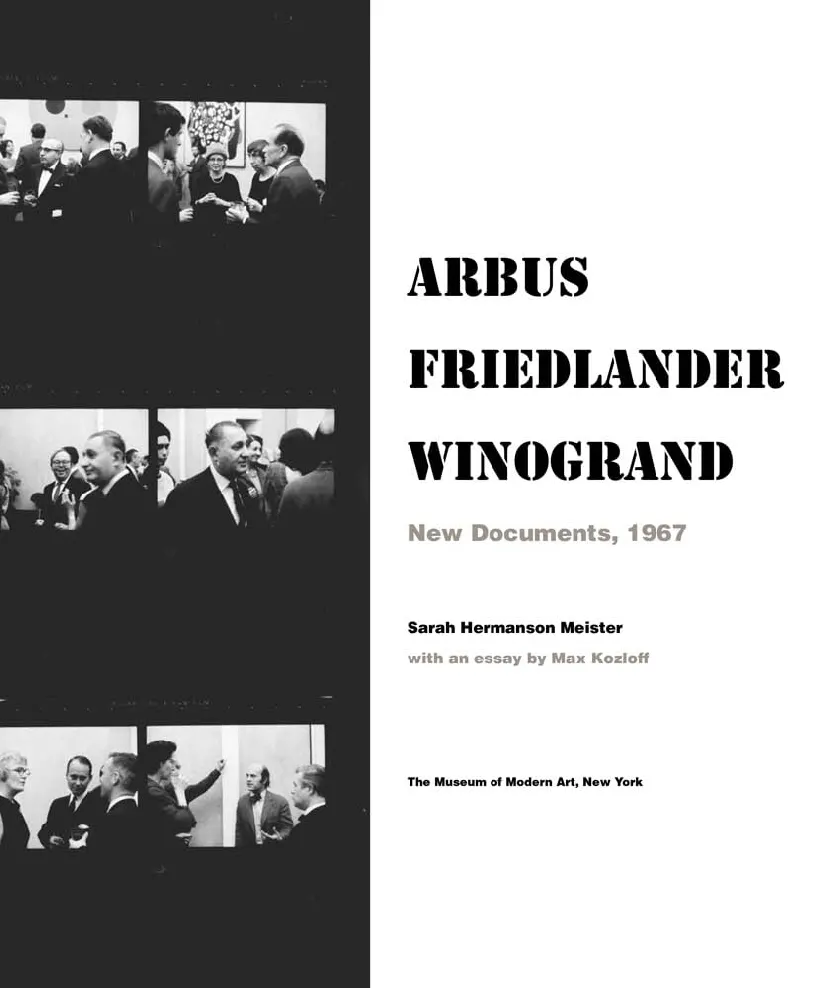
In 1967, The Museum of Modern Art presented New Documents, a landmark exhibition organized by John Szarkowski that brought together a selection of works by three photographers whose individual achievements signaled the artistic potential for the medium in the 1960s and beyond: Diane Arbus, Lee Friedlander and Garry Winogrand.
Though largely unknown at the time, these three photographers are now universally acknowledged as artists of singular talent within the history of photography. The exhibition articulated a profound shift in the landscape of 20th-century photography, and interest in the exhibition has only continued to expand. Yet, until now, there has been no publication that captures its content.
Published in celebration of the 50th anniversary of the exhibition, Arbus Friedlander Winogrand features full-page reproductions of the 94 photographs included in the exhibition, along with Szarkowski's original wall text, press release, installation views and an abundance of archival material. Essays by curator Sarah Hermanson Meister and critic Max Kozloff, who originally reviewed the exhibition for The Nation in 1967, critically situate the exhibition and its reception, and examine its lasting influence on the field of photography.
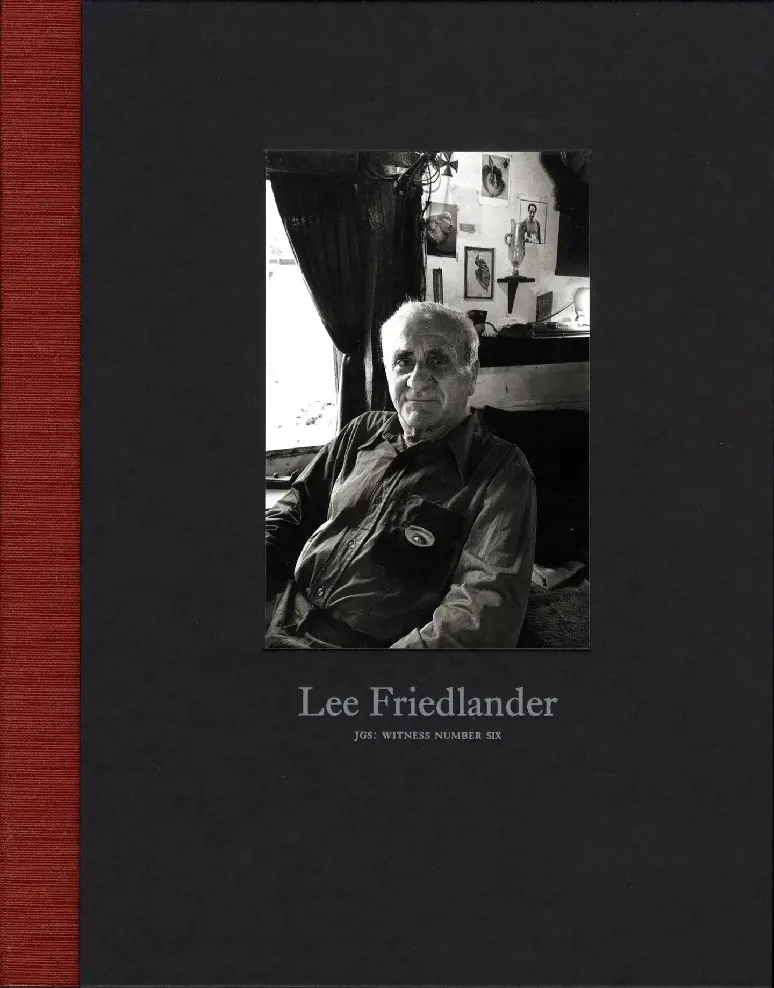


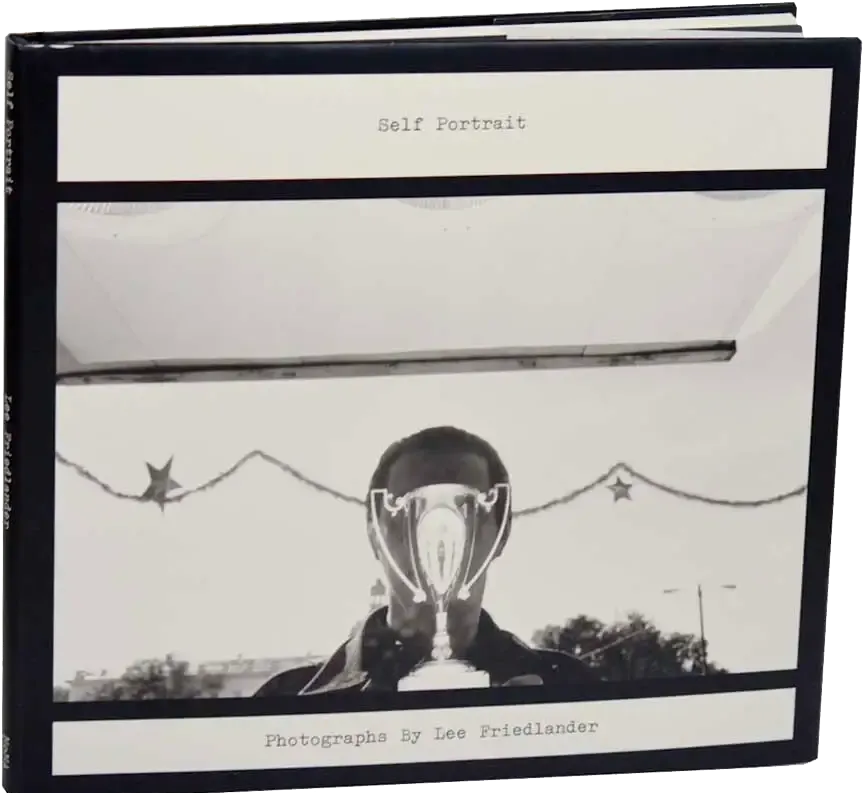
Self Portrait: Photography by Lee Friedlander, MOMA, 2005, ISBN 0870703382, pl. 5
Buffalo, NY (1968) is an exemplar of Friedlander's groundbreaking approach to street photography and formalist self-portraiture in post-war America.
The photograph is a complex visual puzzle created using reflections in a street-level window display. Rather than capturing a straightforward view, Friedlander layers multiple planes of reality into a single flattened surface:
Produced during the era of the pivotal New Documents exhibition (MoMA, 1967) featuring Friedlander, Garry Winogrand, and Diane Arbus, this print captures the quirky, fractured nature of American urban life. Instead of traditional, centered self-examination, Friedlander uses shadow, reflections, and partial appearances as formal devices to anchor his presence within the scene without imposing a traditional ego.

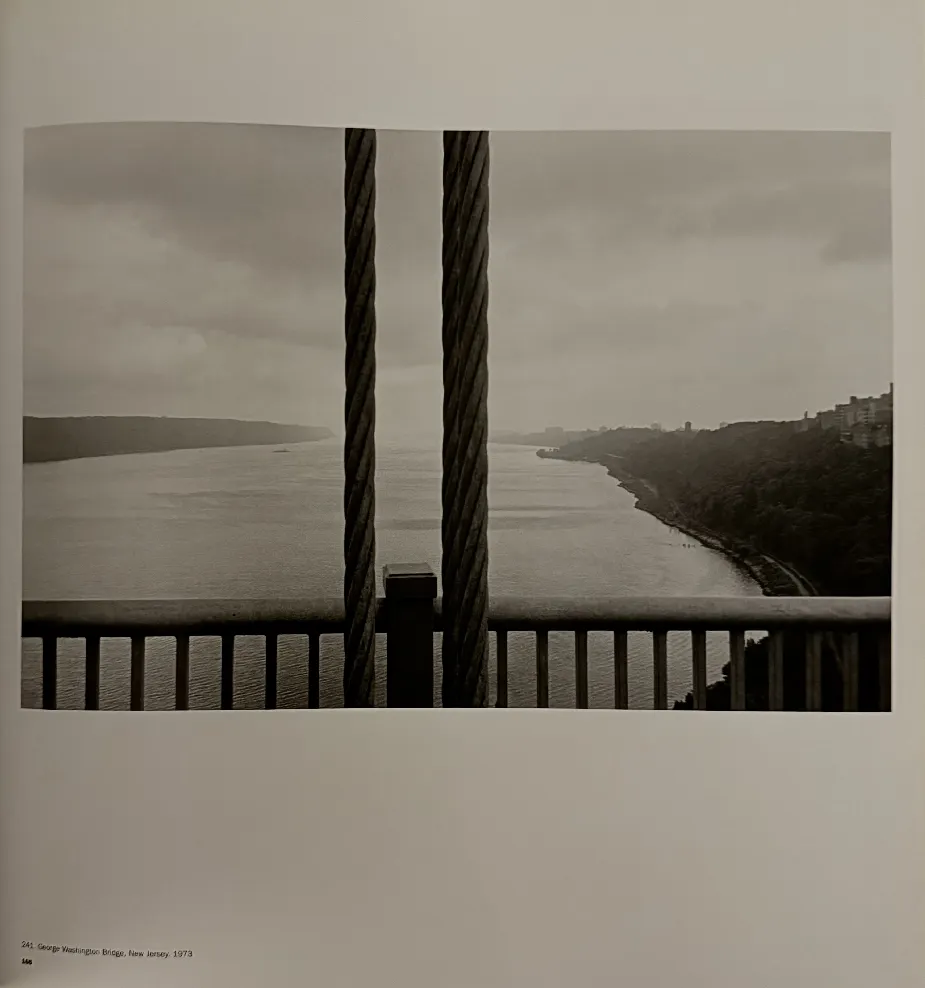
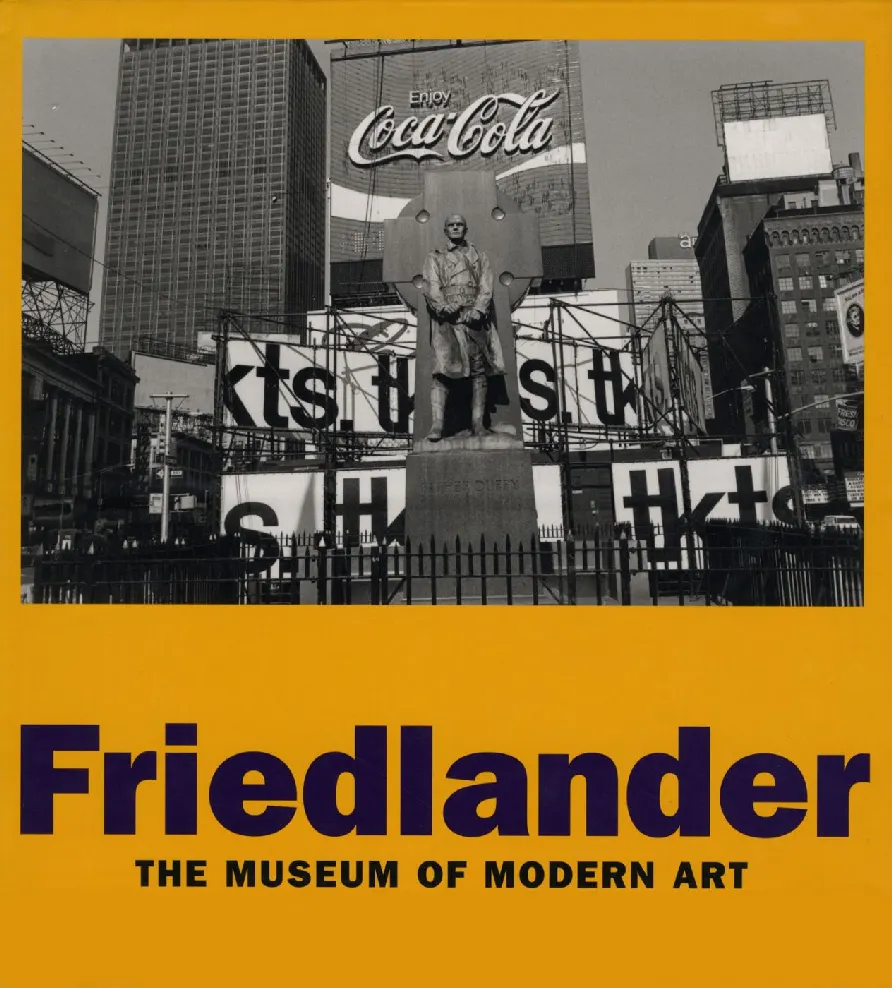
Exhibition Catalogue, Friedlander, The Museum of Modern Art, New York, 2005, p. 165, pl. 241.
Atget, Le Pionnier, Marval, 2000, p. 106.
Another impression of this photograph is included in the MOMA collection (object 1126.2000)
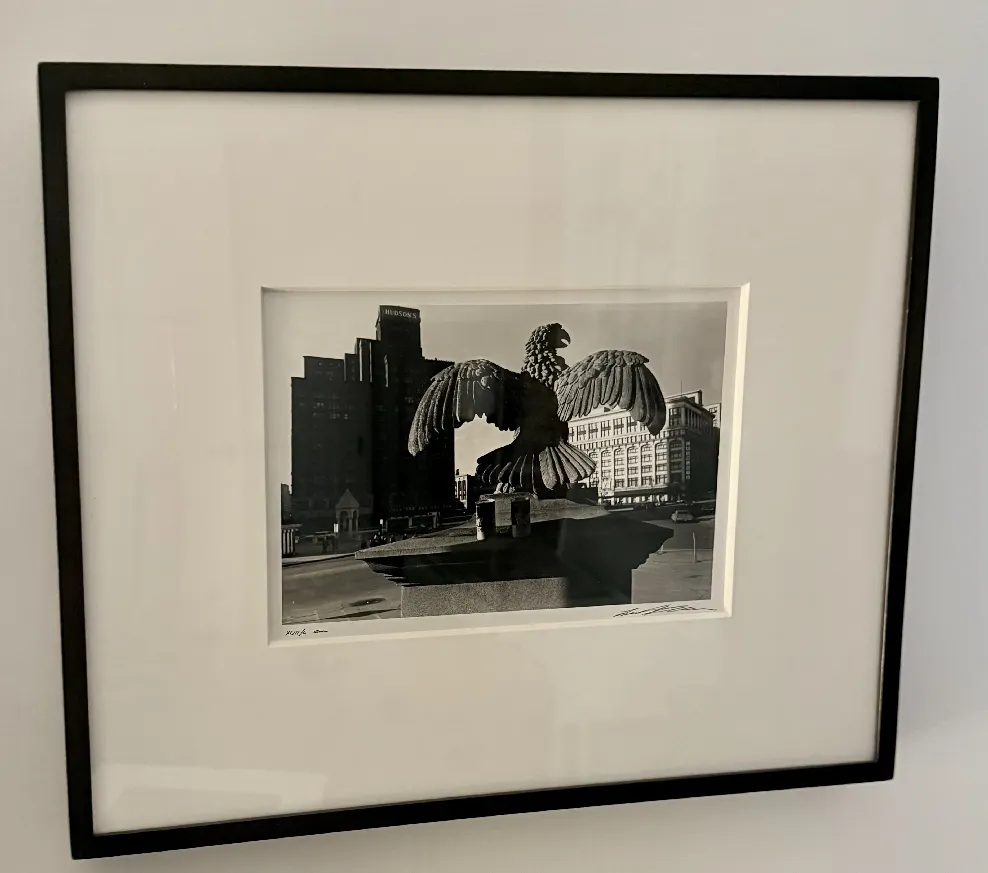

The American Monument, Eakins Press, 2017, full page, plate 37. And also in the first 1976 edition.
Other impressions of this photographs are included in the permanent collections of MOMA, NY (Object # 744.2000) and The Whitney Museum, NY (Same edition, numbered 42/50, Accession # P.2011.126.7).
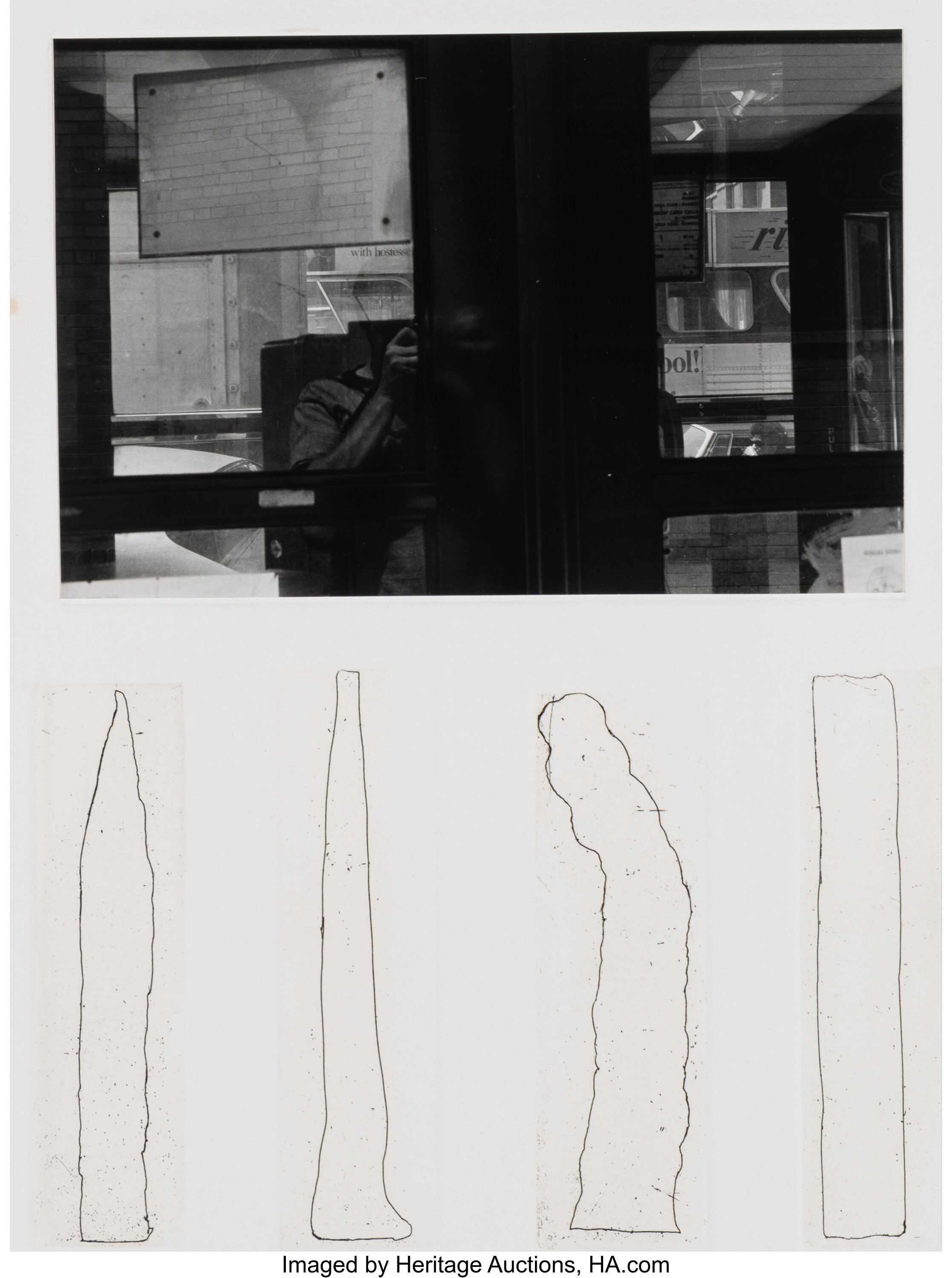
This work is part of a groundbreaking 1969 collaboration between photographer Lee Friedlander and Pop artist Jim Dine, published by Petersburg Press in London.
Friedlander and Dine met in 1962 and developed a close artistic friendship. In 1969, they published a portfolio project entitled Photographs & Etchings (also released in book form as Work from the Same House by Trigram Press).
Rather than treating photography and printmaking as separate media, the portfolio mounted Friedlander’s gelatin silver prints directly alongside original etchings by Dine on large wove paper sheets. The portfolio was issued in an edition of 75 with 15 artist's proofs.
The project paired Friedlander's formal street compositions with Dine's expressive, gestural line work, linking the two mediums through shared tonal values, recurring motifs, and spatial rhythms.
The photograph embedded in the print highlights two of Friedlander’s most iconic visual strategies from the late 1960s: the urban reflection (viewing streetscapes collapsed into shopfront glass) and the shadow/reflection self-portrait. By capturing his own reflection obscured alongside parked cars, street architecture, and interior glass, Friedlander transformed traditional self-portraiture into a formalist inquiry into framing, layers, and visual ambiguity.
Dine's etchings in this portfolio feature everyday, utilitarian objects and self-referential motifs that he frequently elevated to iconic status. Rather than acting as direct narrative illustrations of the accompanying photographs, Dine’s etchings represent a parallel visual diary. They explore memory, identity, and the physical trace of the artist’s hand, establishing a dynamic formal tension between the objective world captured by the camera and the subjective, expressive realm of printmaking
Public examples from this portfolio edition are held in permanent museum collections, including the Whitney Museum of American Art, the San Francisco Museum of Modern Art, and the National Gallery of Art.


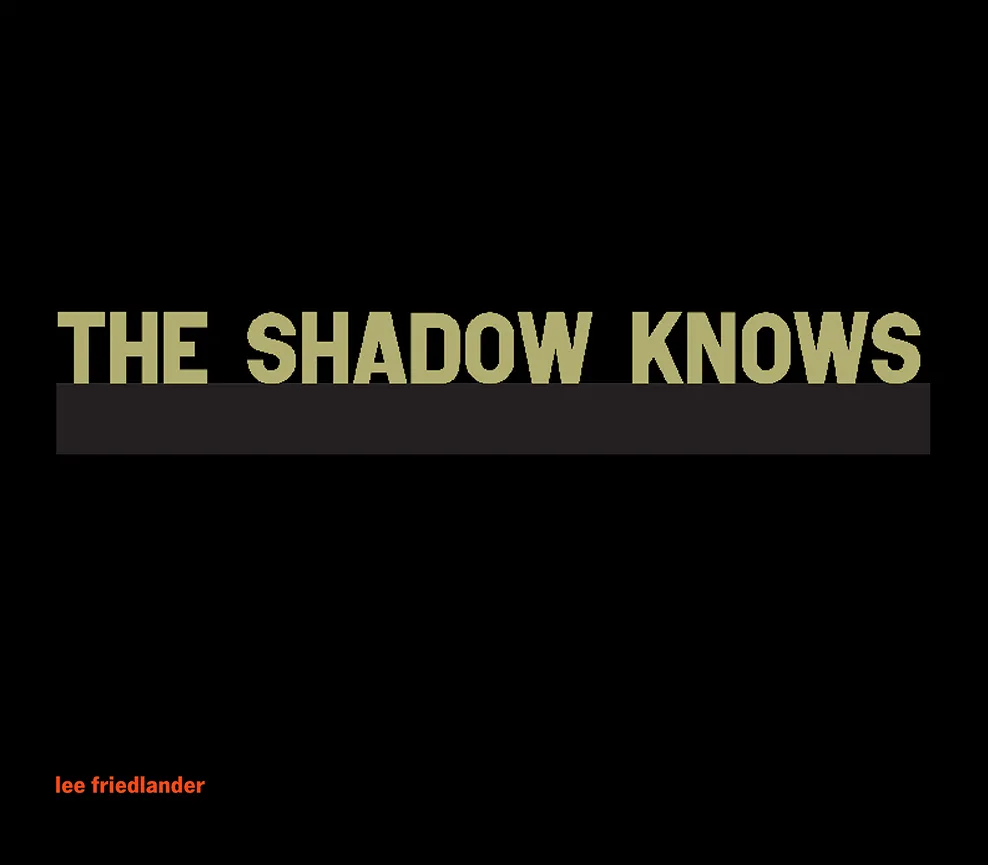
Like a One-eyed Cat, 1989 (Cover); The Shadow Knows, ISBN 9781576879627
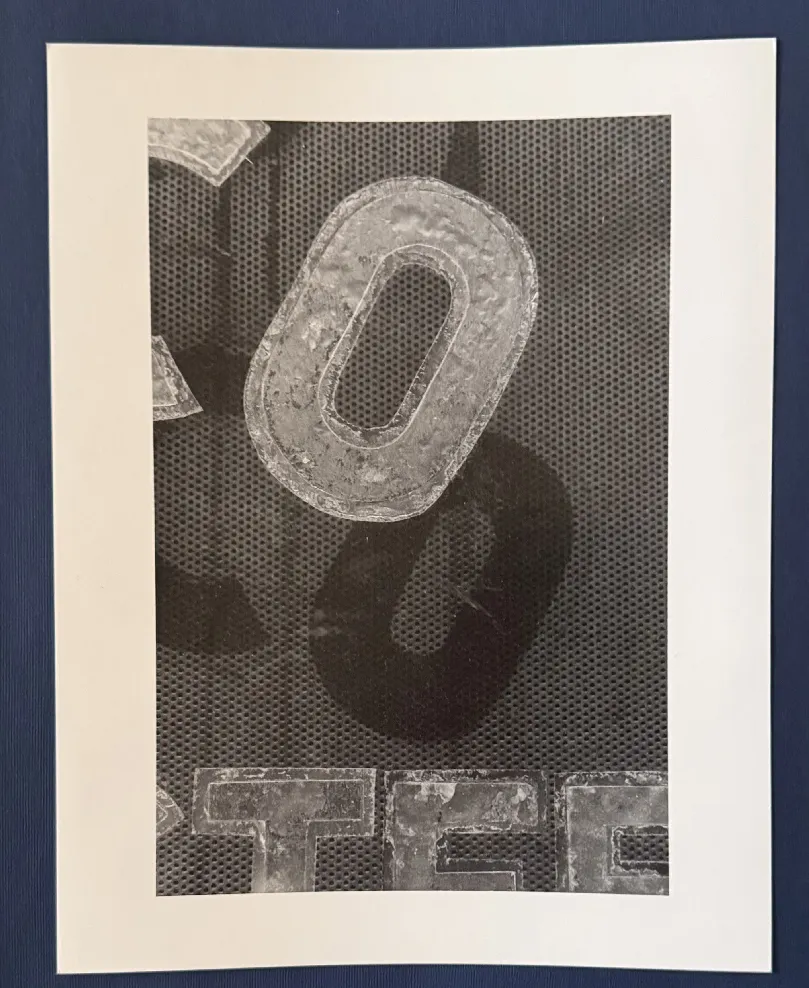

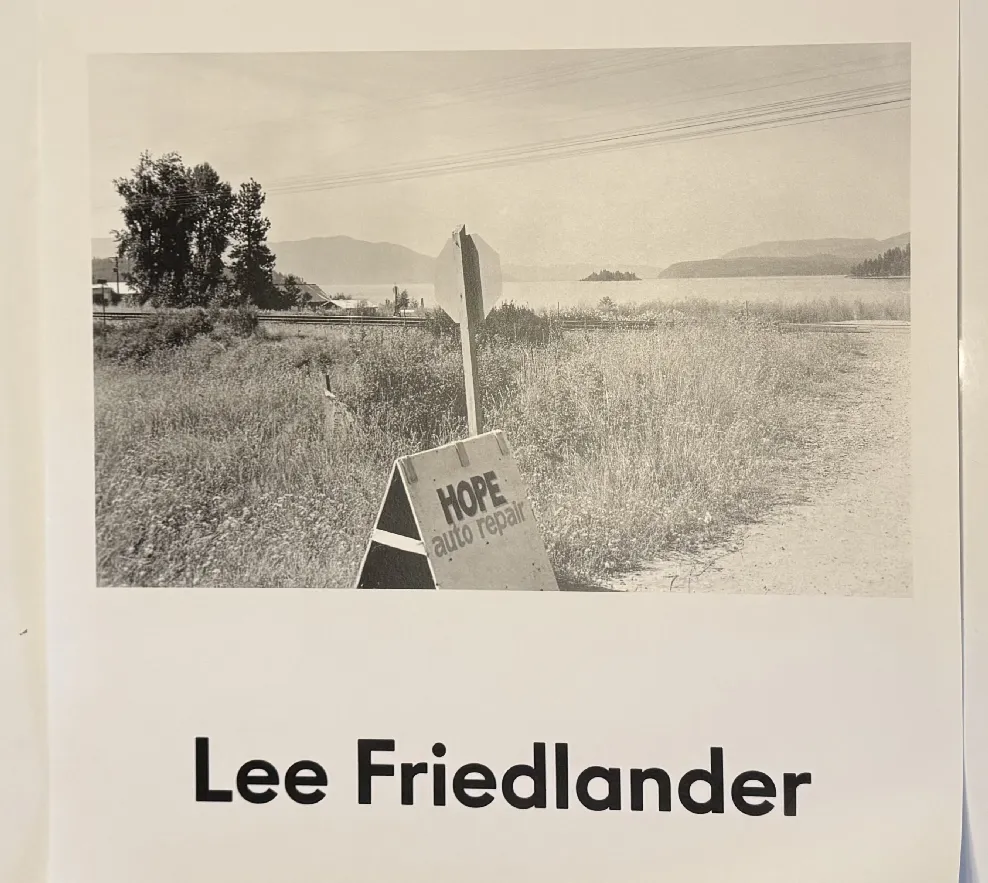

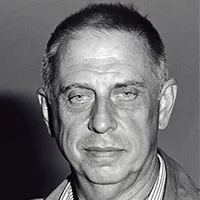
Lee Friedlander, American, b. 1934
Firedlander was born in Aberdeen, Washington, and became interested in photography at age fourteen. He studied photography at the Art Center School in Los Angeles from 1953 to 1955 and then began freelancing. His work appeared in Esquire, Art in America, Sports Illustrated, and other periodicals, and he had his first solo exhibition at the George Eastman House in 1963. Subsequent exhibitions of his work include "Toward a Social Landscape" at the George Eastman House in 1966 and "New Documents" at the Museum of Modern Art in 1967, both of which identified his photographs with those of other "social landscape" photographers such as Garry Winogrand, Bruce Davidson, Danny Lyon, and Diane Arbus.
Friedlander has published books regularly: Work from the Same House (with Jim Dine, 1969), Self-Portrait (1970), The American Monument (1976), Flowers and Trees (1981), Lee Friedlander: Portraits (1985), and Cray at Chippewa Falls (1987) and The Little Screens (2001). He has also produced the book Nudes (1991), and The Jazz People of New Orleans (1992). He has received a number of awards for his photography, including three Guggenheim Fellowships; five National Endowment for the Arts Fellowships; and a MacArthur Foundation Award. Friedlander is responsible for printing the negatives of the turn-of-the-century New Orleans photographer E.J. Bellocq, whom he rescued from oblivion.
Friedlander's photography follows in the tradition of documentary photography as practiced by Walker Evans and Robert Frank. It is unusual for street photography in that it possesses a constant awareness of the photographer's relationship to the picture plane and places at least as much importance on it as on the image's ostensible subject--usually something like an empty street, a store window, or an unremarkable piece of town statuary. Friedlander's photographs also often contain his shadow and/or reflection, which lends an odd, uncomfortable edge to his observations.

Lee Friedlander's The Little Screens first appeared as a 1963 photo-essay in Harper's Bazaar, with commentary by Walker Evans. Six untitled photographs show television screens broadcasting eerily glowing images of faces and figures into unoccupied rooms in homes and motels across America. As distinctive a portrait of an era as Robert Frank's The Americans, The Little Screens grew in number and was not brought together in its entirety until a 2001 exhibition at the Fraenkel Gallery in San Francisco. This copy is the limited edition of the accompanying catalog.