Which art books, prints and posters are available by and about this artist? Here is a sample of items of interest to a typical collector:
Rinko Kawauchi’s Semear (co-published in 2007 by FOIL and the Museu de Arte Moderna de São Paulo to mark the centenary of Japanese immigration to Brazil) originated from a transformative residency in the agricultural landscapes of Minas Gerais. Rather than acting as a detached observer, Kawauchi immersed herself in the rhythms of planting, harvesting, and rural community life, investigating the profound, quiet interconnectedness between human labor and the living earth.
The publication holds a critical structural turning point in Kawauchi’s oeuvre because it represents her first major sustained engagement with a distinct foreign geography outside of Japan. While maintaining her signature luminous palette and delicate attention to ephemeral light, the book expands her thematic scope from intimate domesticity toward a broader meditation on agricultural sustenance, generational migration, and the cyclical rhythms of the natural world.
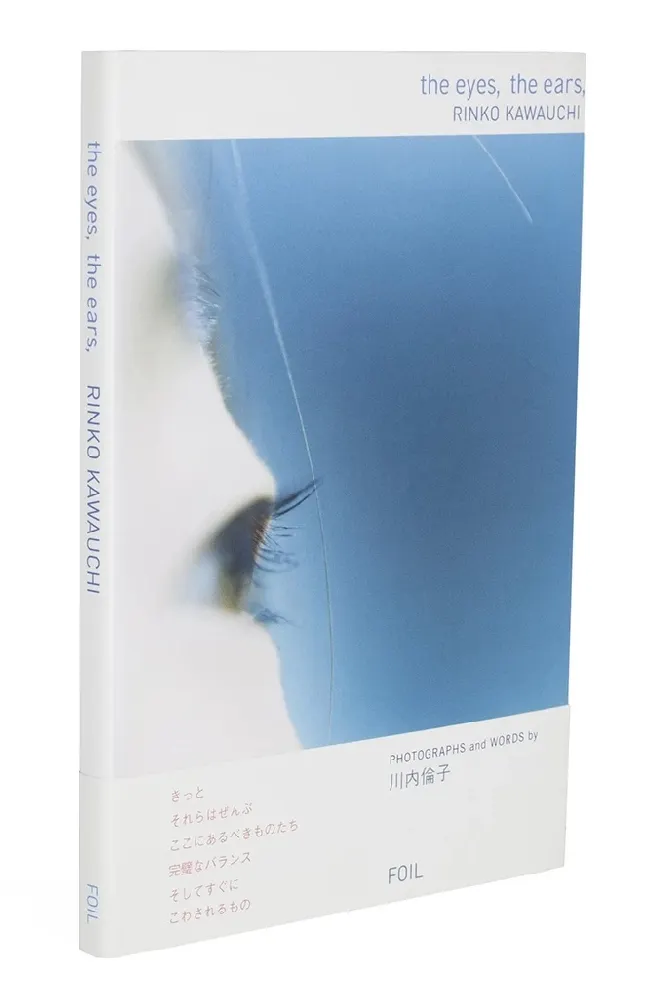
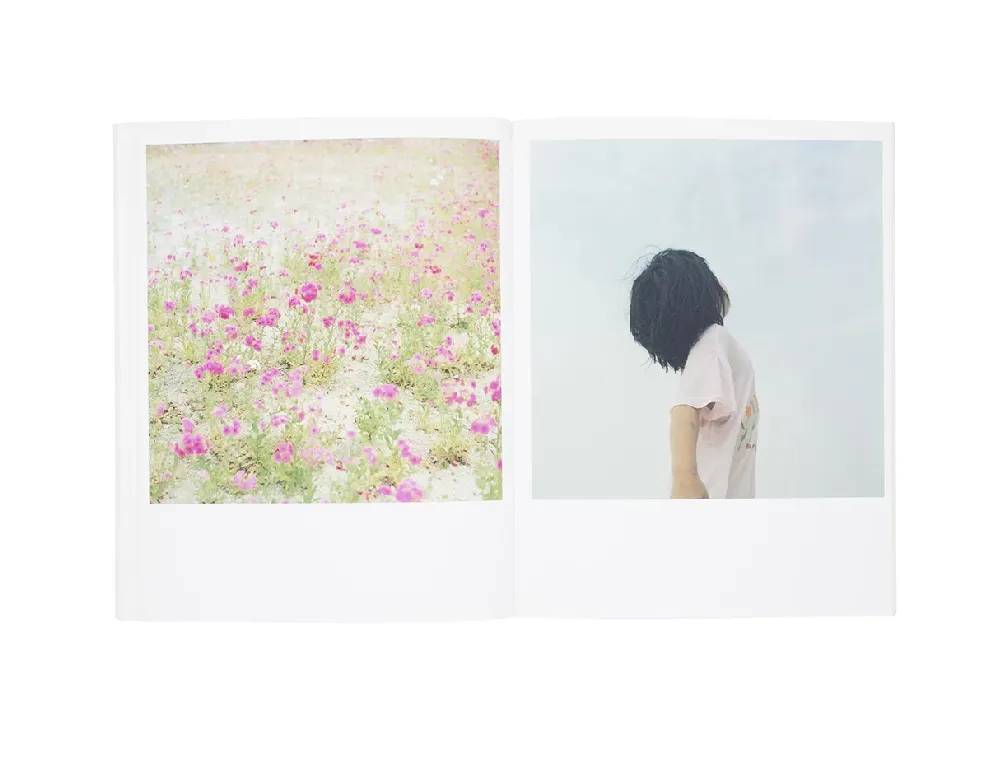
Rinko Kawauchi’s The Eyes, the Ears (published by Aperture in 2005) originated as a conceptual continuation of her breakthrough trilogy Utatane, Hanabi, and Aila. Where those earlier books explored the grand cyclical arc of life, sleep, and birth through disparate observations, The Eyes, the Ears narrows its optical lens specifically to the mechanics of sensory perception, how our bodies physically register, filter, and archive the ephemeral data of the world around us.
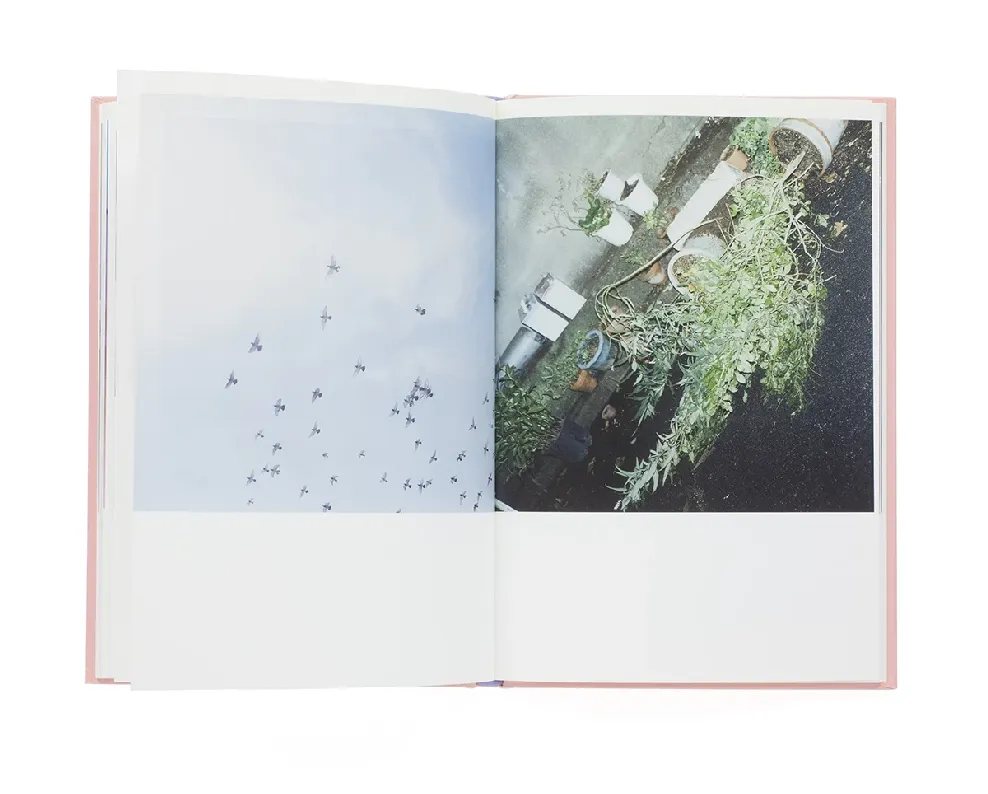
The publication holds a critical structural turning point in Kawauchi’s oeuvre because it was one of her first deliberate experiments with paired image sequencing. Rather than relying on standalone lyrical vignettes, she structured the book entirely around deliberate diptychs and sequential spreads. By placing disparate subjects, such as the fragile flutter of a moth next to the glowing neon pulse of a city sign, or a drop of condensation on skin beside a microscopic insect, she forces a physical rhythm that mimics how human attention flits between distant memories and immediate sensory stimuli.
9 different scrolls of 33 in a combined edition of 300.
9 different scrolls of 33 in a combined edition of 300. Stairs scroll sold out as of 3/2021.
This is NOT the 2012 reprint.
Nohara
Rinko Kawauchi Co
Torch Press / Chose Commune
Publication year based on publisher's information (not on a colophon with prints).
Book came in two different covers, this is the cover B (aerial view of a river).

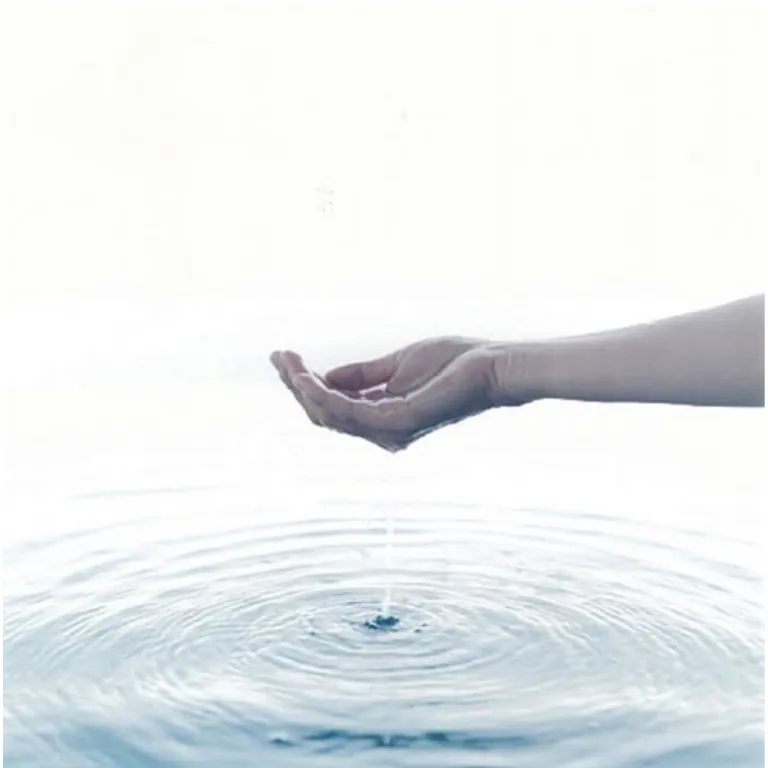
Untitled, 2011 (Hand and water from Illuminance series) captures a fleeting, poetic encounter with the natural world, focusing on the quiet intimacy of water cradled in the human hand. Part of Kawauchi's celebrated Illuminance body of work, the image reflects Kawauchi’s signature sensitivity to light, ephemeral moments, and the profound interconnectedness of human life and everyday nature.
The work is characterized by a luminous, translucent palette and a gentle, meditative framing that elevates a simple gesture into a universal symbol of fragility and grace. This iconic image exemplifies Kawauchi's ability to find transcendent wonder in the mundane.


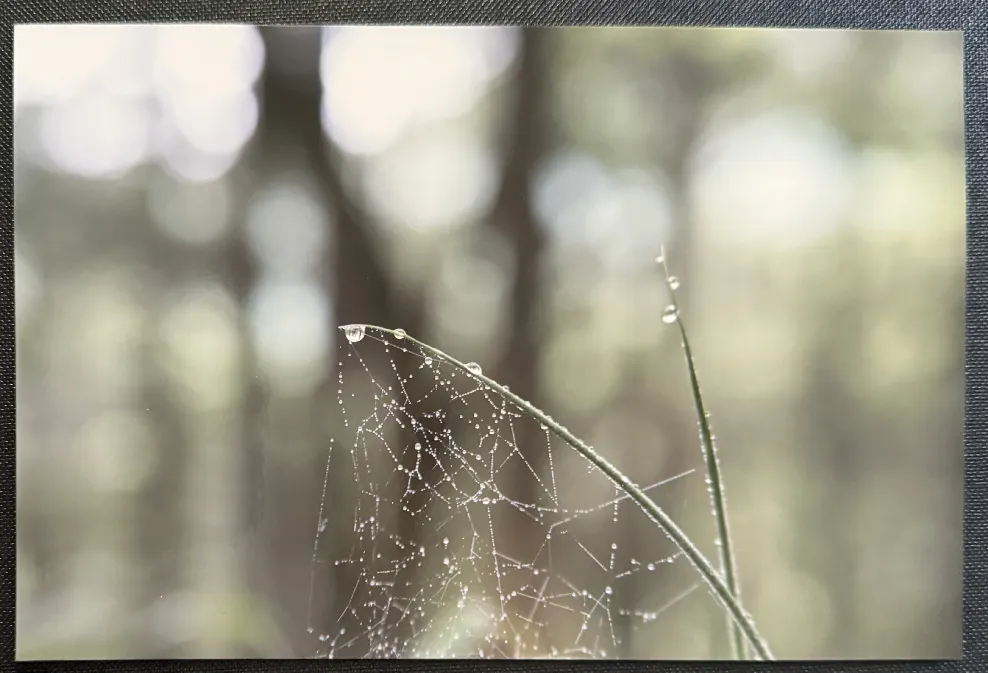
Rinko Kawauchi’s Des Oiseaux series captures a poignant, meditative encounter with avian life, exploring the delicate boundary between the human sphere and the natural world. Through her characteristic sensitivity to light, gesture, and ephemeral moments, the work translates quiet observation into a luminous, poetic image.
This photograph was released with the limited edition of Des Oiseaux by Xavier Barral.
%2520Aperture%25202022%2520Ed70.webp)
Released by Aperture for their 70th anniversary as the 70X70 editions. This edition of 70 was also limited in time from Sep 8 to Sep 30 2022, or when the edtion sold through. Some editions, like this one did not sell through the whole 70 prints by Sep 30. Actual edition size may therefore be less than 70.

Rinko Kawauchi (born 1972 in Shiga, Japan) is a celebrated contemporary photographer known for her luminous, meditative explorations of everyday life, ephemera, and the delicate boundary between the human sphere and the natural world. Rising to international prominence with her simultaneous 2001 debut monographs Utatane, Hanabi, and Hanako, she quickly established a distinctive visual language defined by a soft pastel palette, high-key exposures, and an intimate square-format aesthetic.
Her work frequently investigates cyclical themes of birth, sleep, memory, and death, elevating mundane moments, such as a melting ice cube, a soaring firework, or the quiet curve of a sleeping body, into universal symbols of fragility and grace. Rather than relying on rigid documentary narratives, Kawauchi structures her photographs and photobooks through delicate, associative diptychs and sequential rhythms that mimic the wandering state of human consciousness and sensory perception.
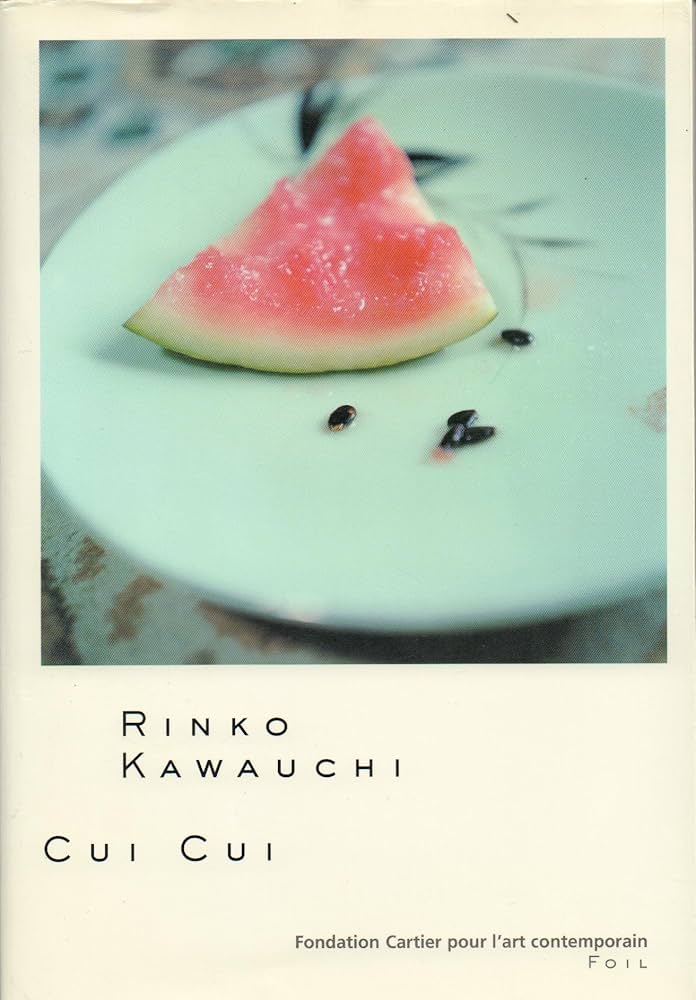
Kawauchi’s work has been exhibited extensively worldwide and is held in major international collections, including the Tokyo Metropolitan Museum of Photography, the San Francisco Museum of Modern Art, and the Fondation Cartier pour l'Art Contemporain in Paris. In 2009, she was awarded the prestigious Inamori Prize, and in 2012, she received the Hasselblad Foundation International Award in Photography.

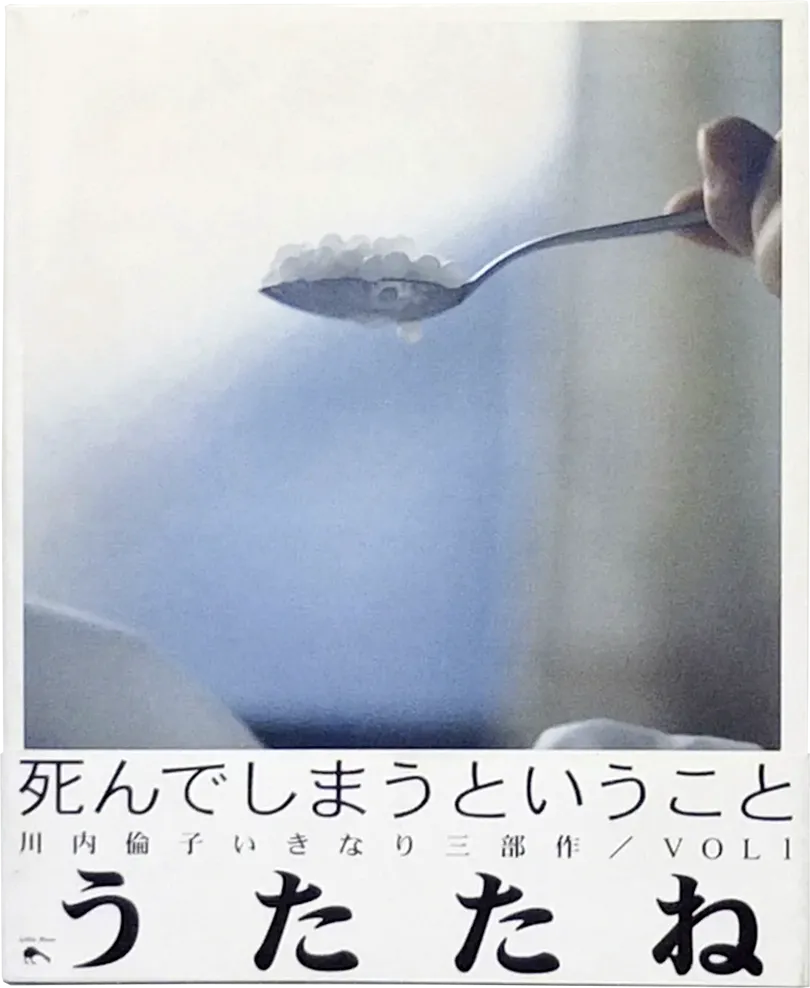
Rinko Kawauchi’s Utatane (published by Little More in 2001) originated alongside its sister monographs Hanabi and Hanako as her dramatic, multi-volume debut onto the international photography scene. Rather than presenting a singular narrative, Utatane (which translates loosely to "catnap" or "dozing") emerged from Kawauchi's habit of carrying a medium-format 6x6 camera through daily life, capturing moments of quiet, drifting consciousness where the mundane boundaries of reality temporarily blur.
The publication holds a critical structural turning point in Kawauchi’s oeuvre because it established the lyrical, associative sequencing that would define her career. Instead of relying on rigid chronological documentation, she juxtaposed seemingly disparate everyday subjects, such as the quiet curve of a sleeping body, a melting ice cube, an egg frying in a pan, or the lifeless fall of a bird, into a delicate, open-ended visual poem. By treating all subjects with the exact same weight and tender regard, she created an immersive rhythm that mimics the wandering state of a daytime reverie.