
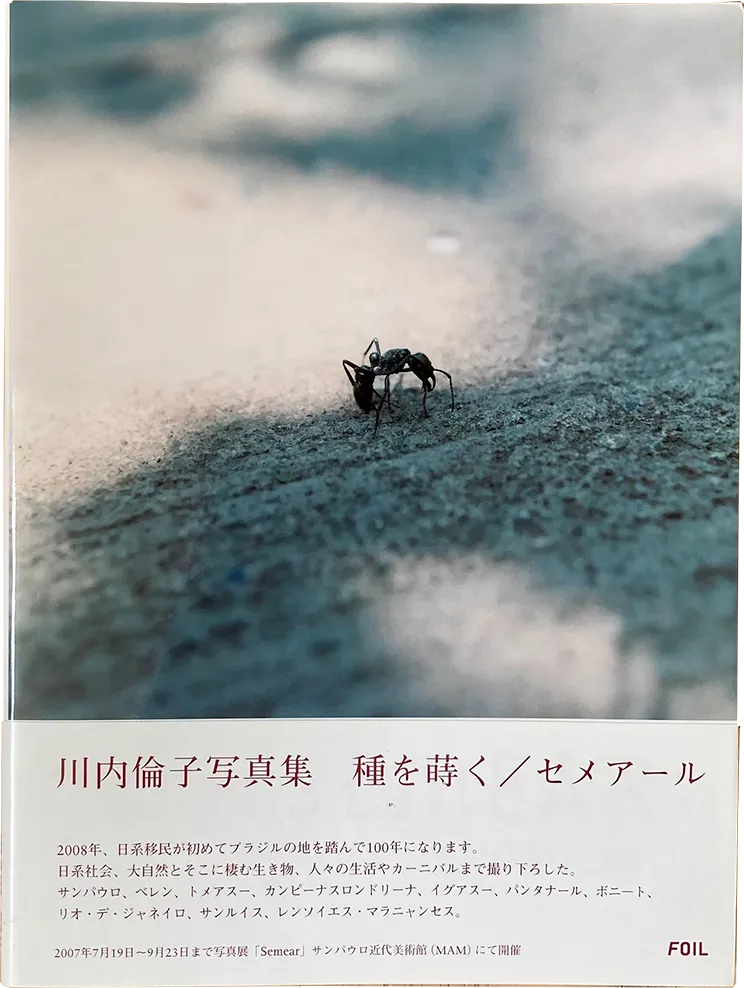
Softcover with obi
ISBN:
9784902943207


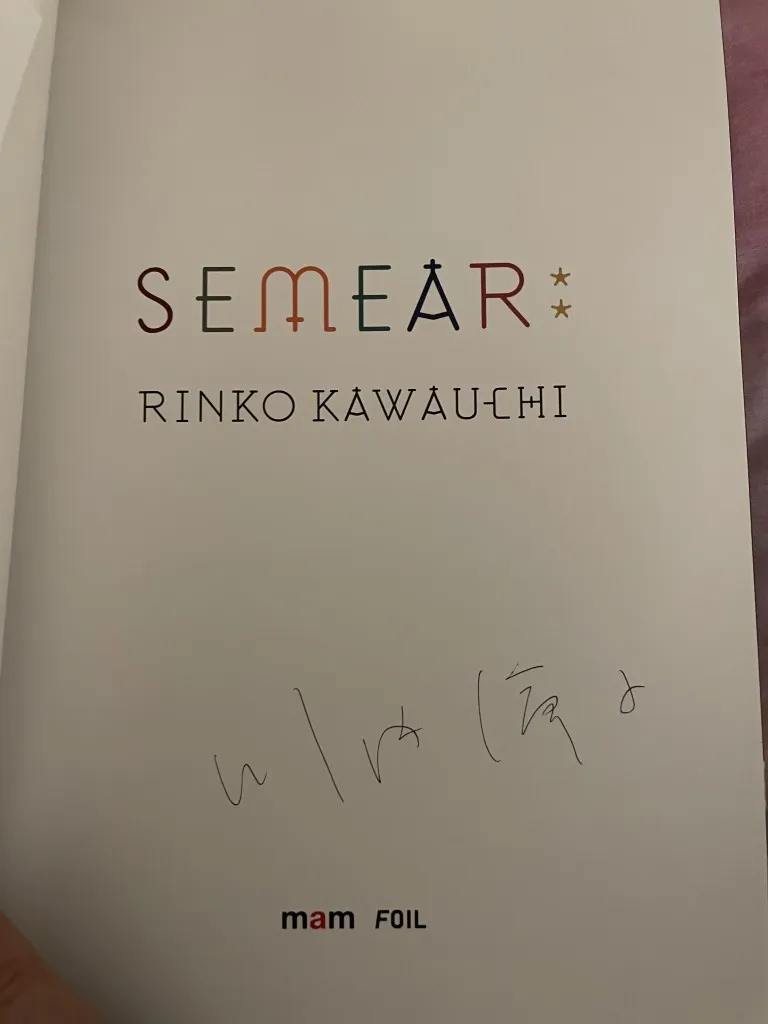
Rinko Kawauchi’s Semear (co-published in 2007 by FOIL and the Museu de Arte Moderna de São Paulo to mark the centenary of Japanese immigration to Brazil) originated from a transformative residency in the agricultural landscapes of Minas Gerais. Rather than acting as a detached observer, Kawauchi immersed herself in the rhythms of planting, harvesting, and rural community life, investigating the profound, quiet interconnectedness between human labor and the living earth.
The publication holds a critical structural turning point in Kawauchi’s oeuvre because it represents her first major sustained engagement with a distinct foreign geography outside of Japan. While maintaining her signature luminous palette and delicate attention to ephemeral light, the book expands her thematic scope from intimate domesticity toward a broader meditation on agricultural sustenance, generational migration, and the cyclical rhythms of the natural world.