
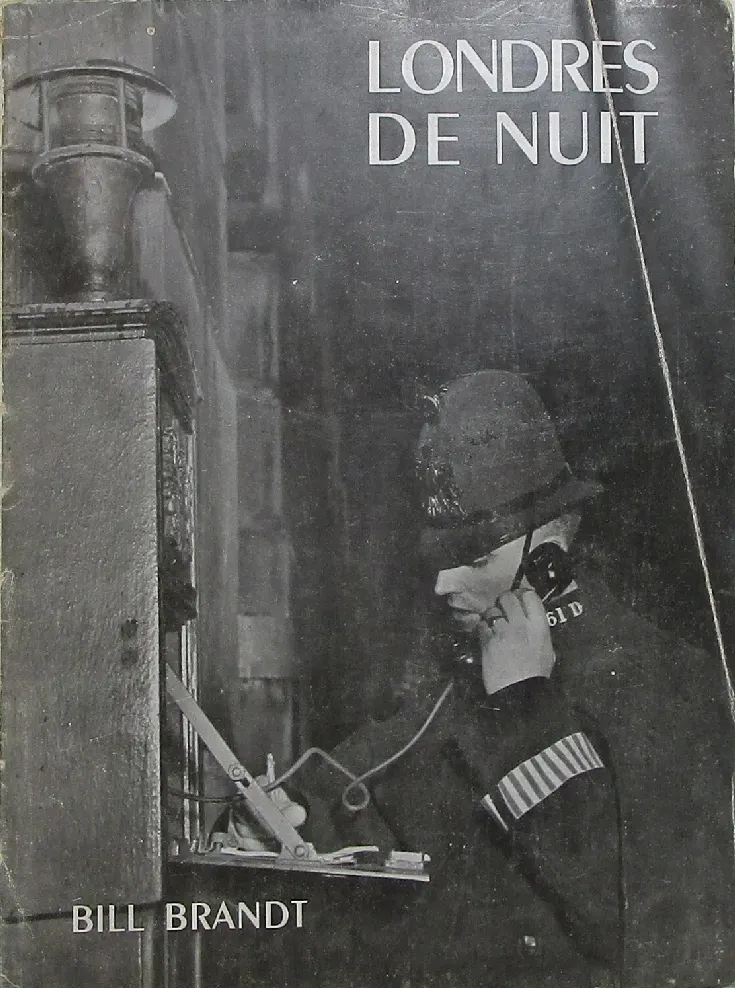
Softcover
ISBN:
9783865608161


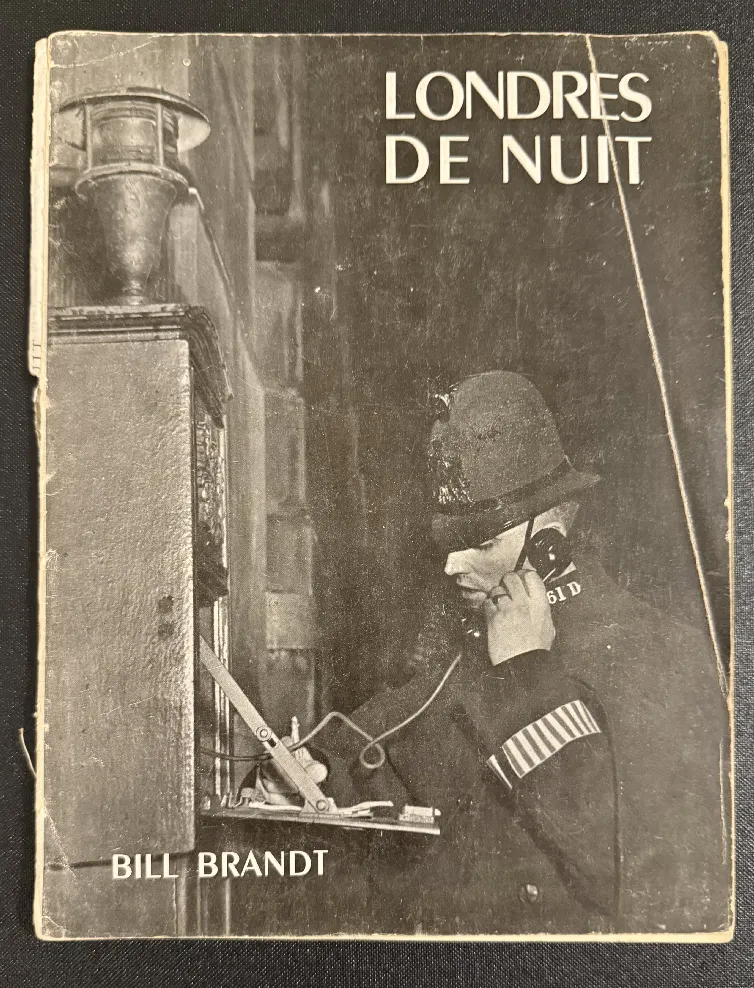
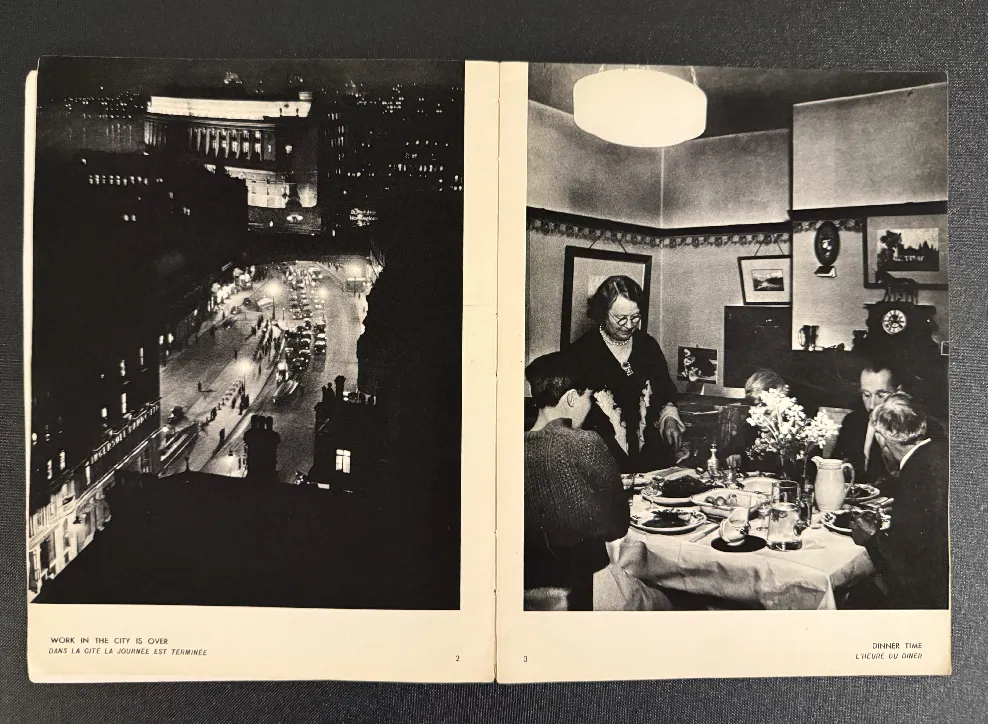
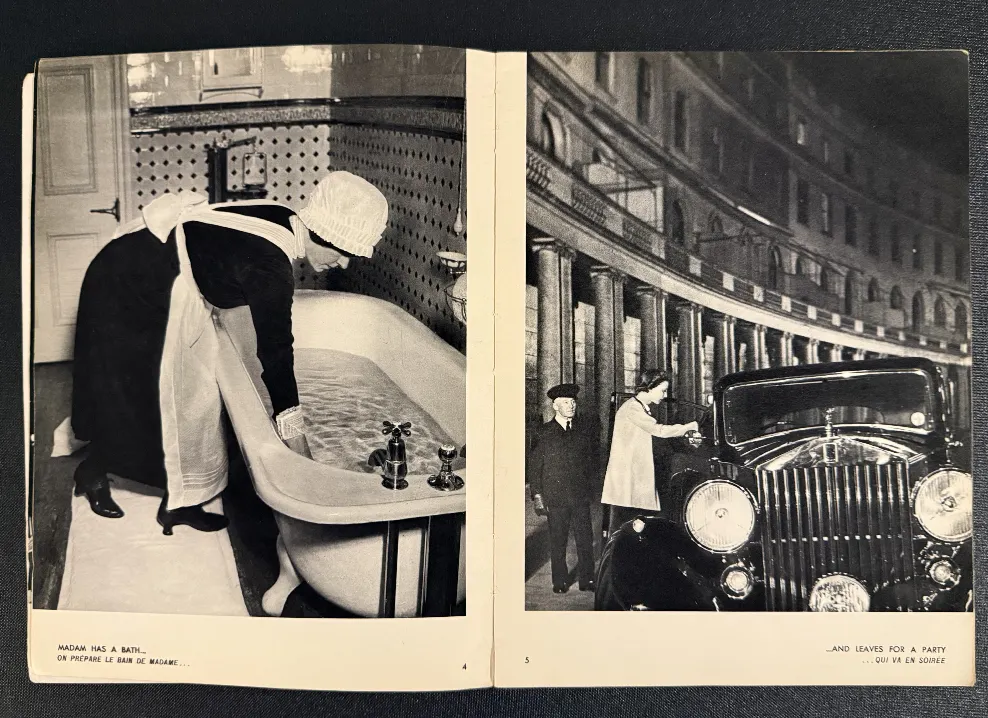
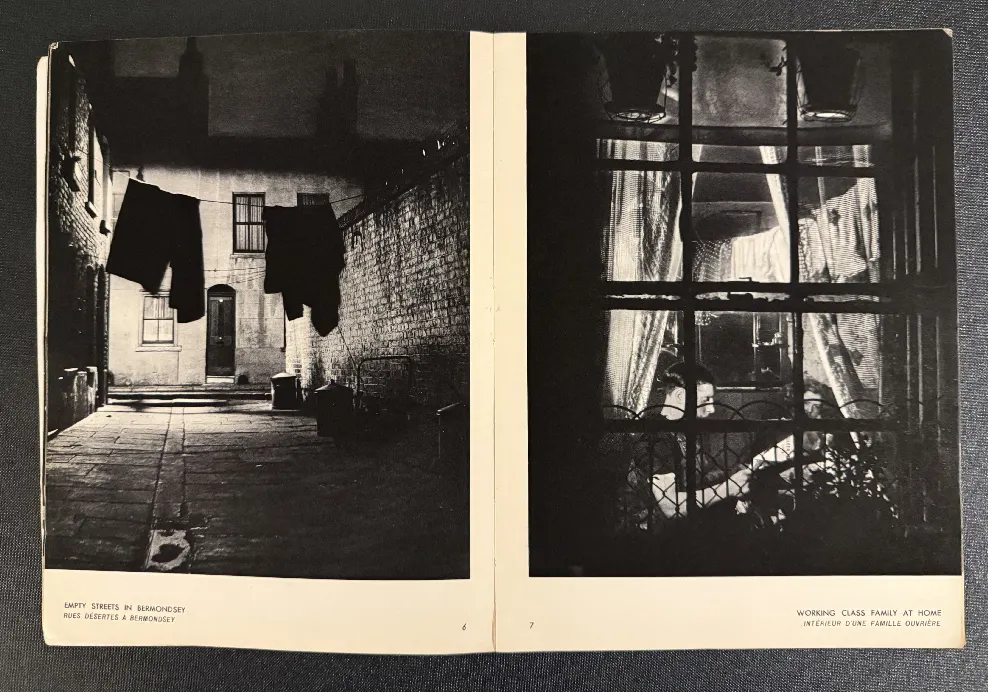
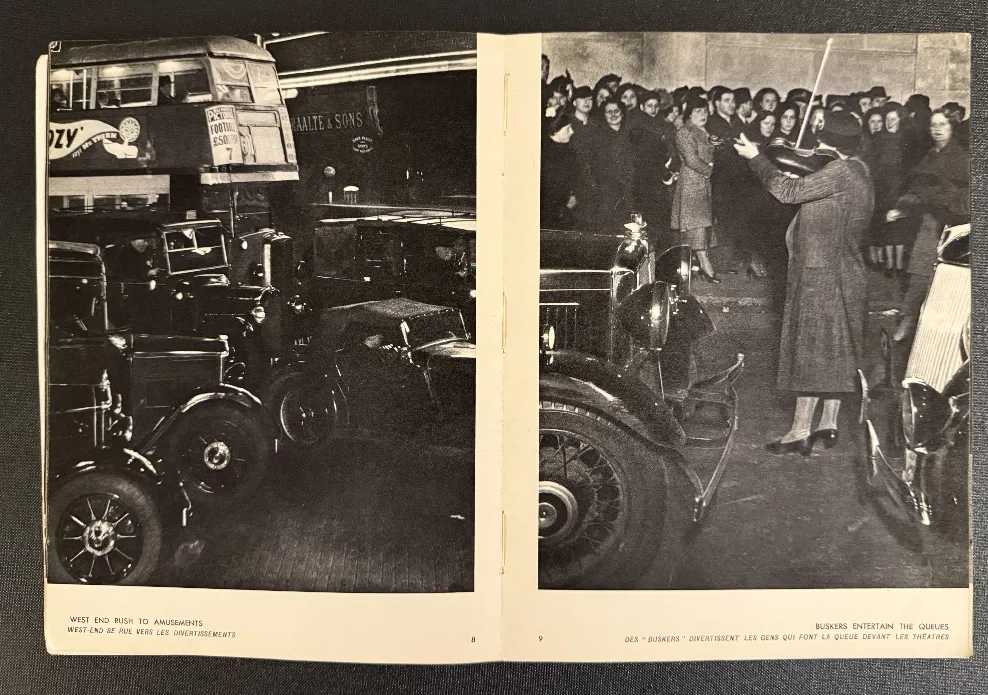
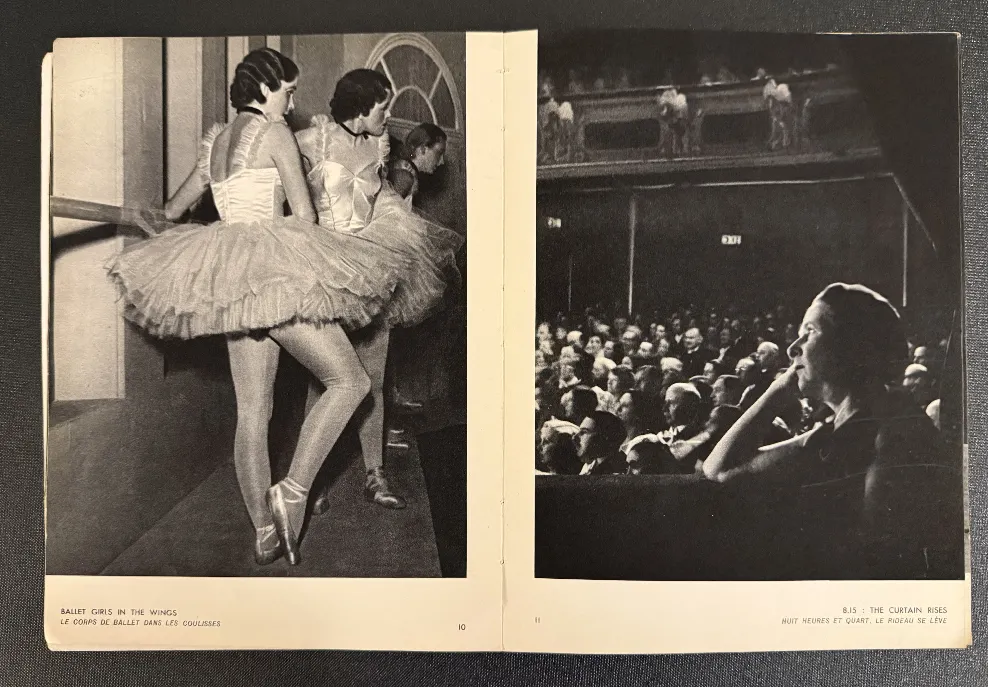
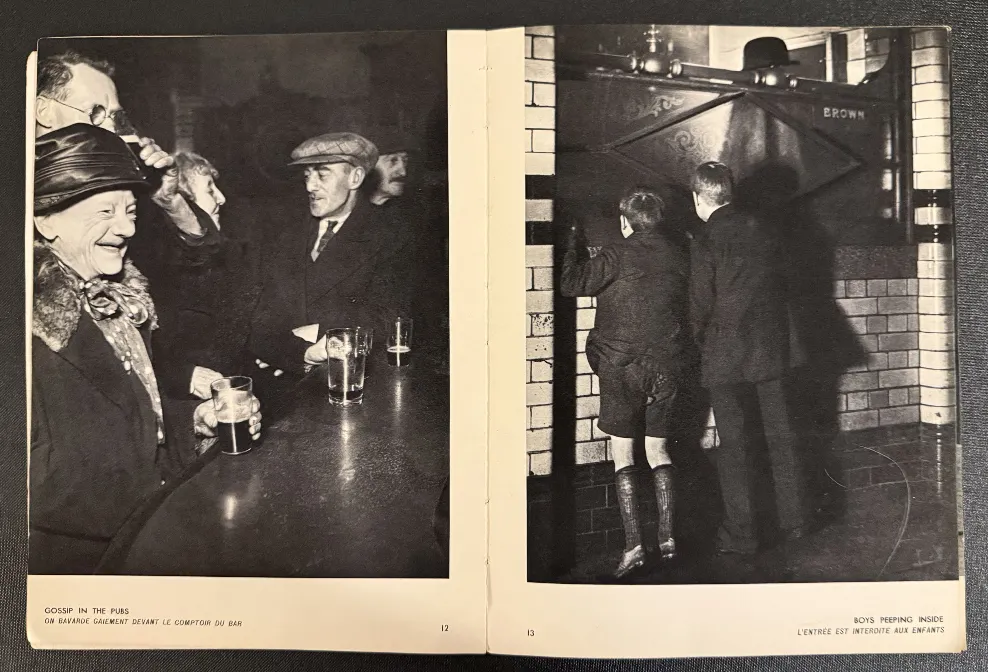
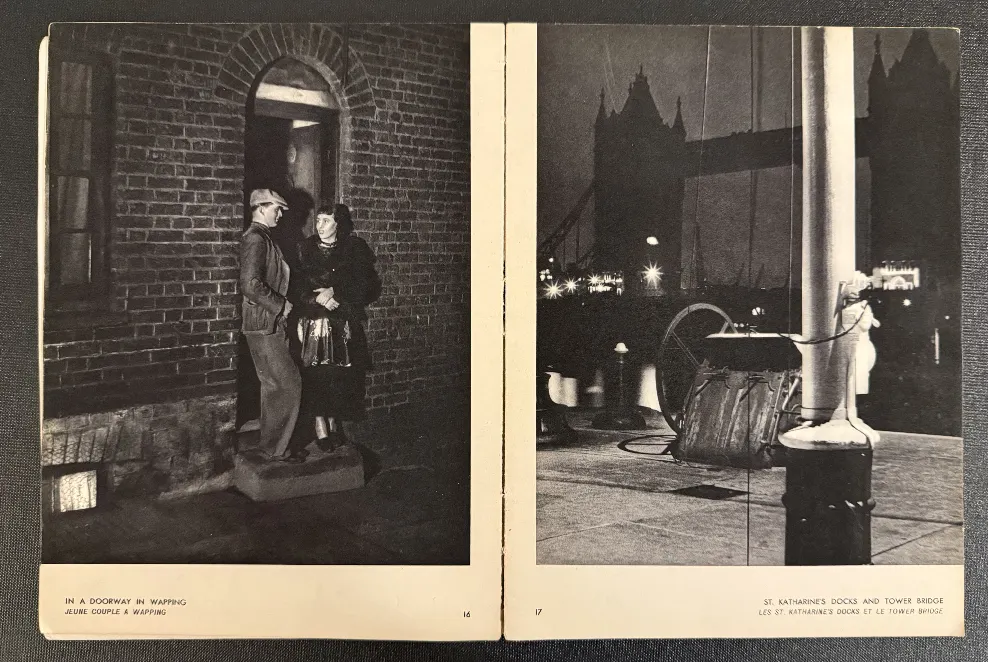
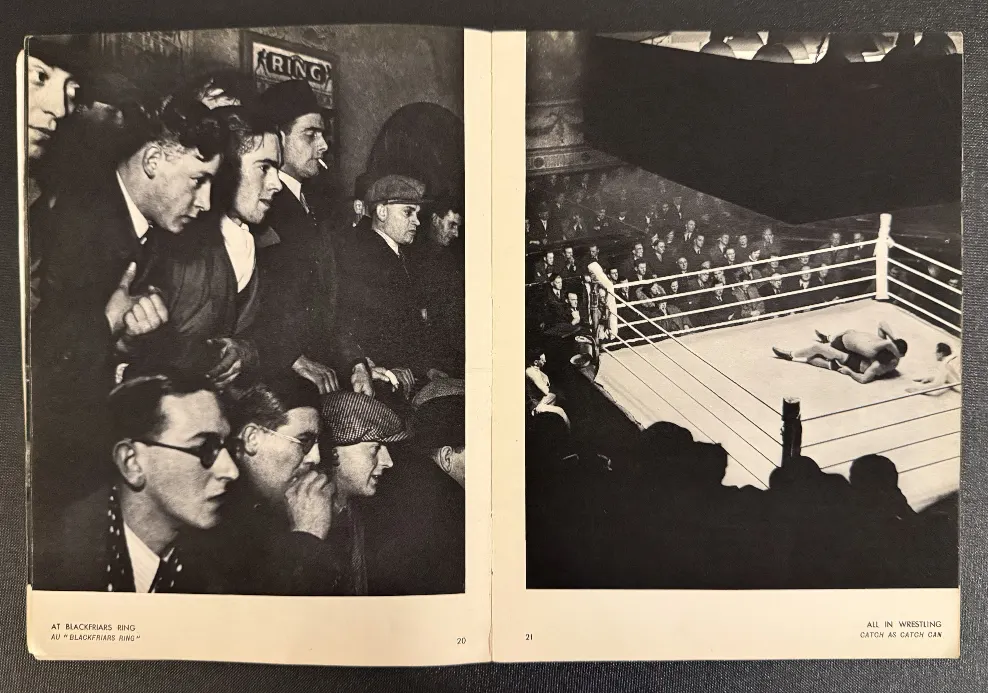
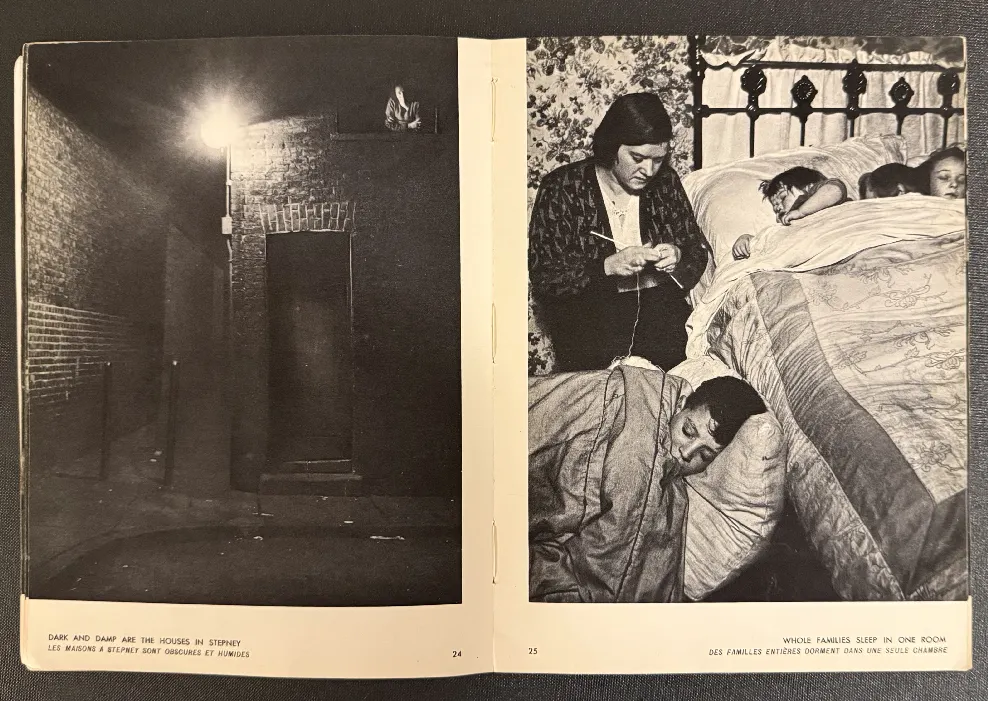
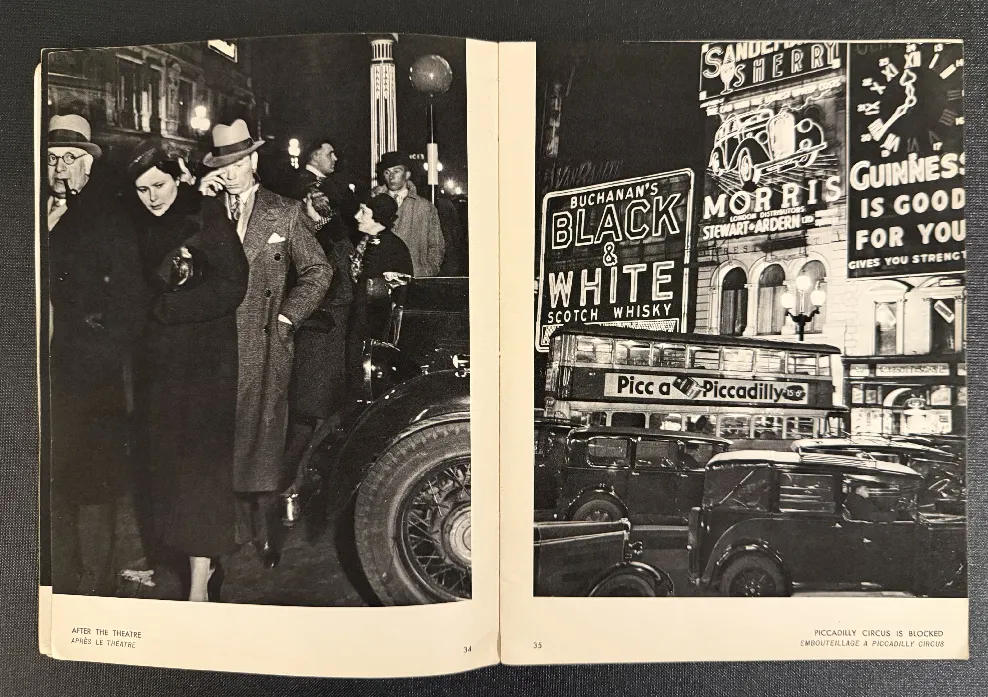
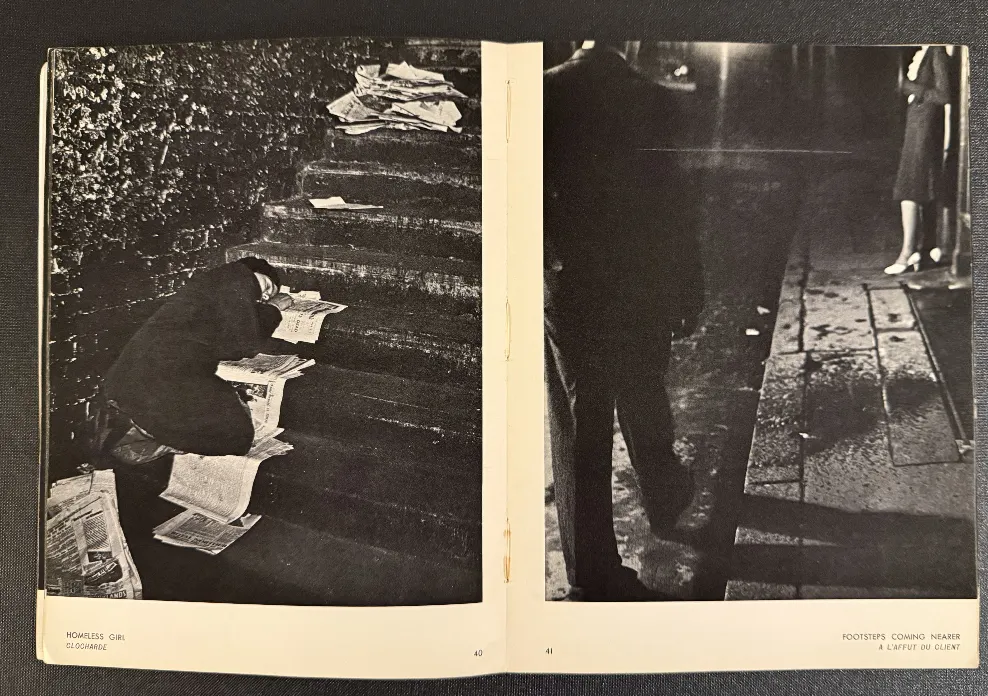
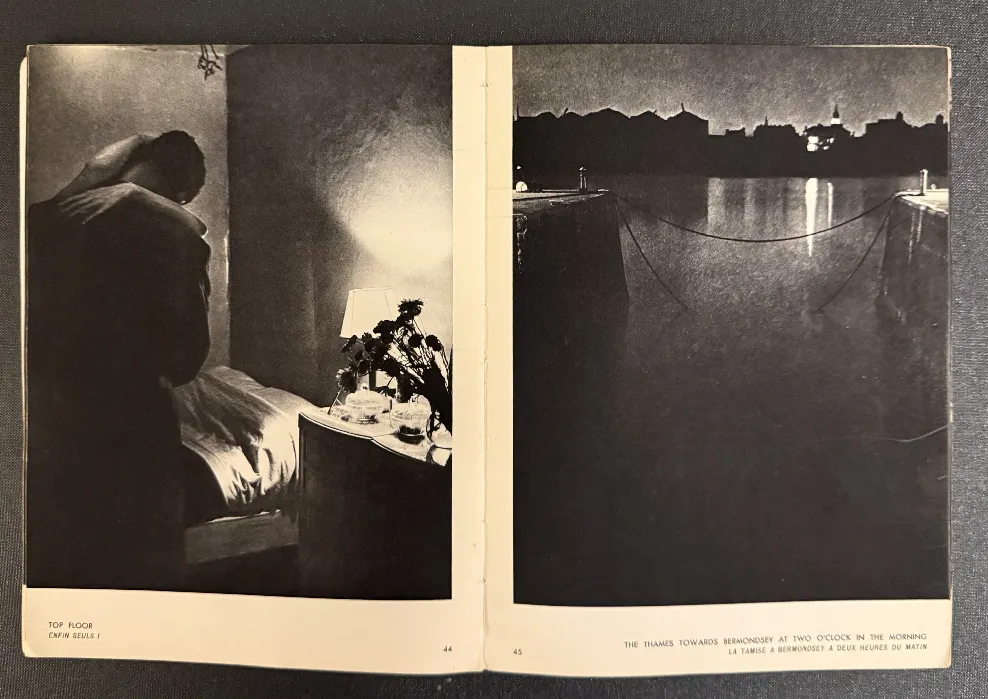
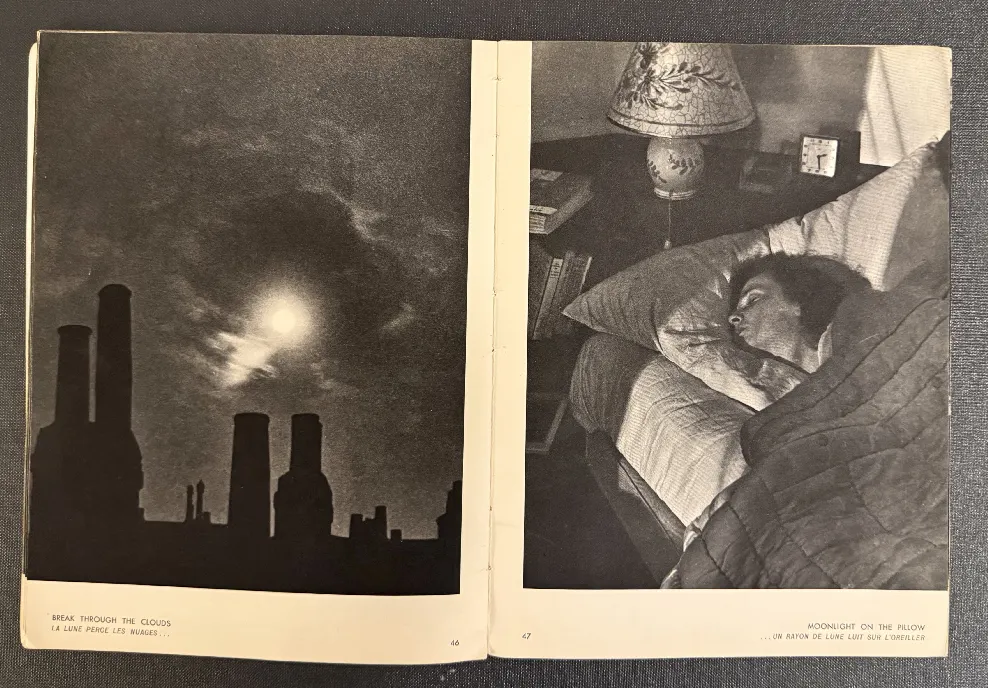
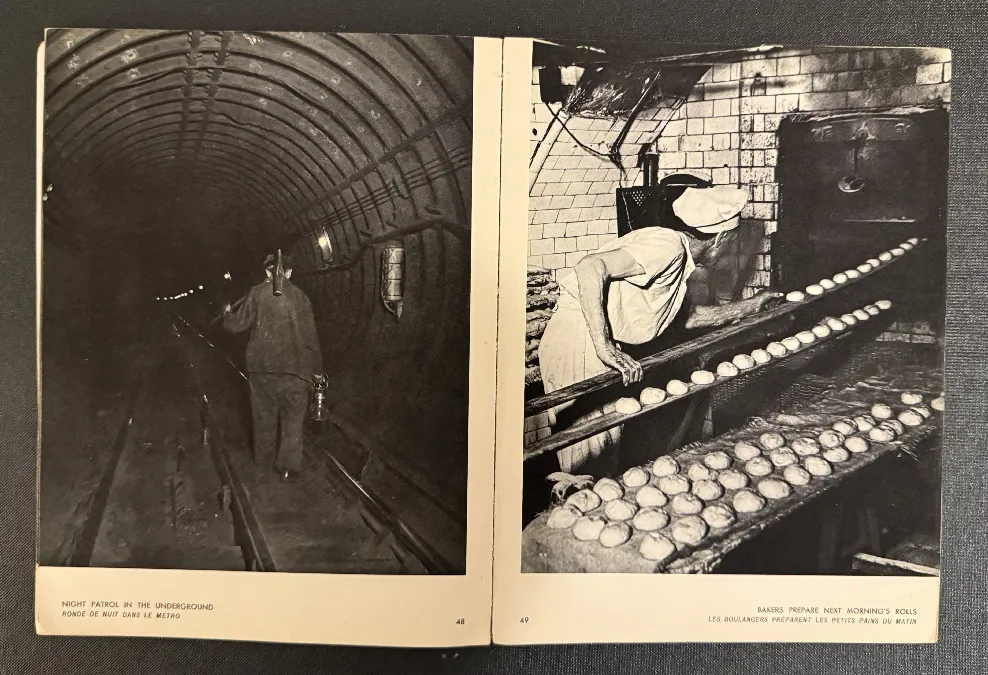
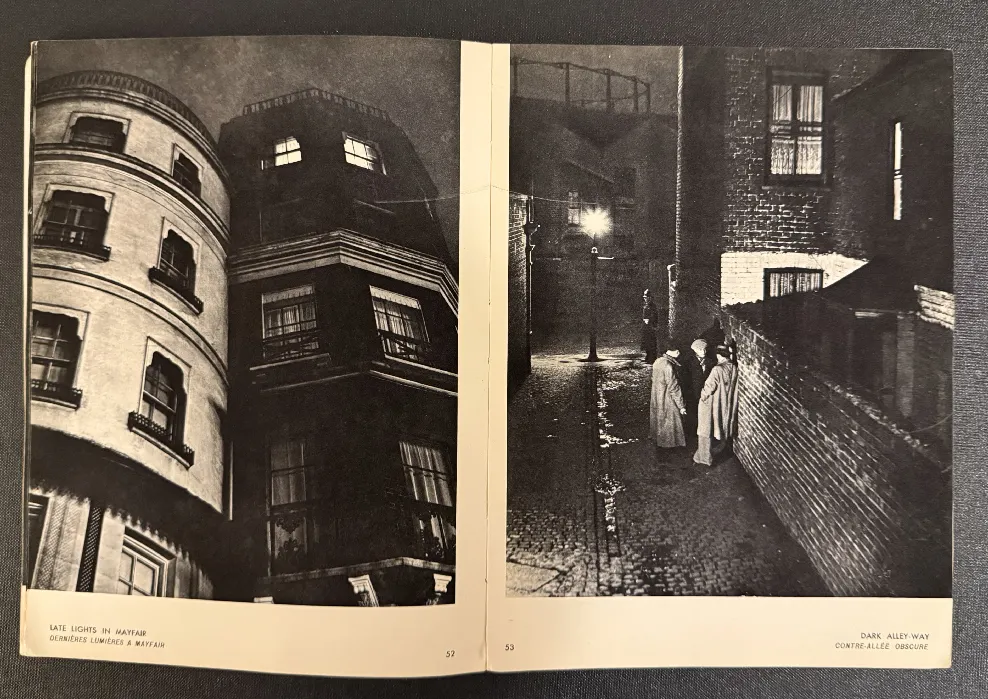
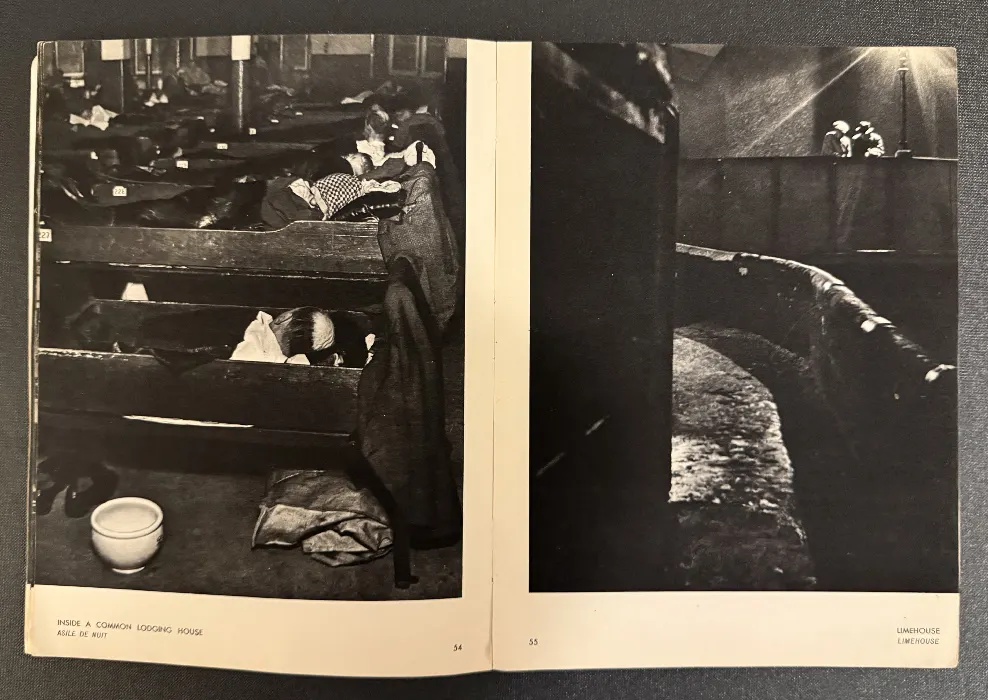
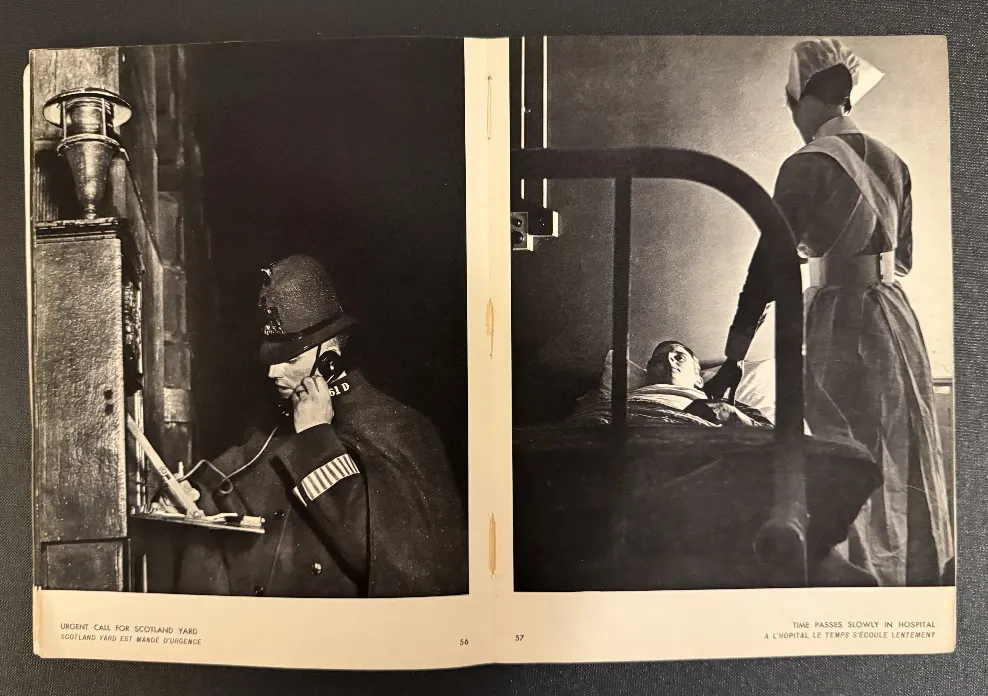
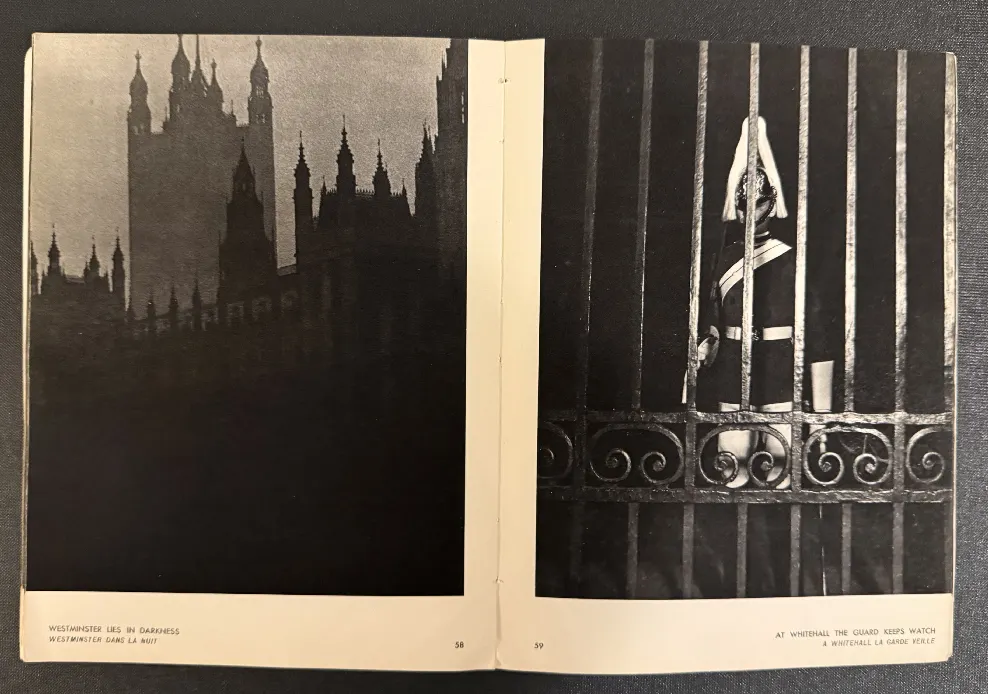
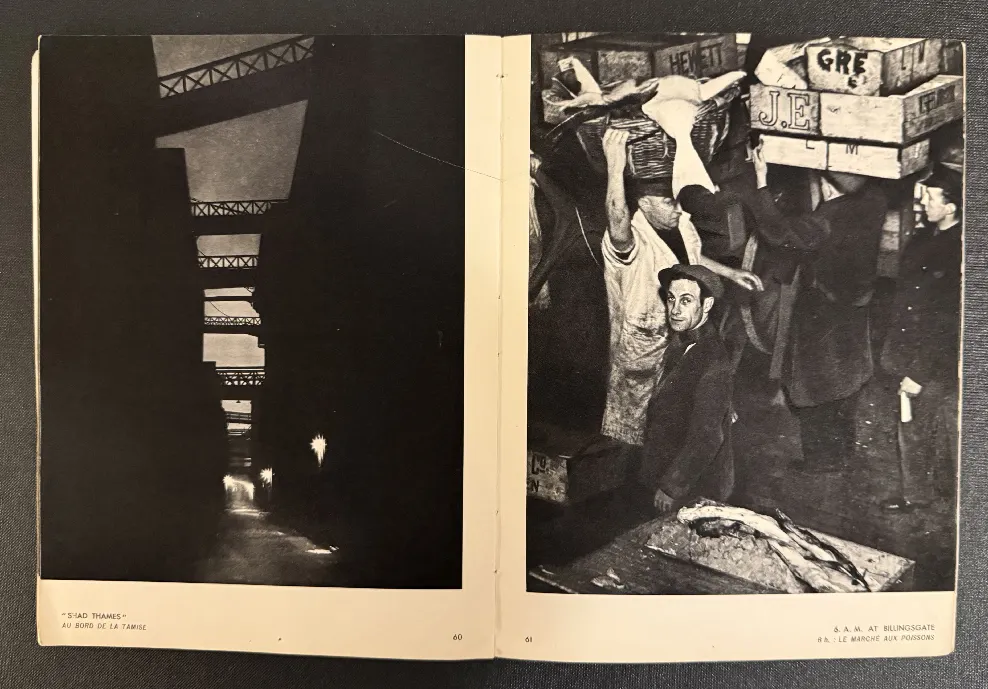
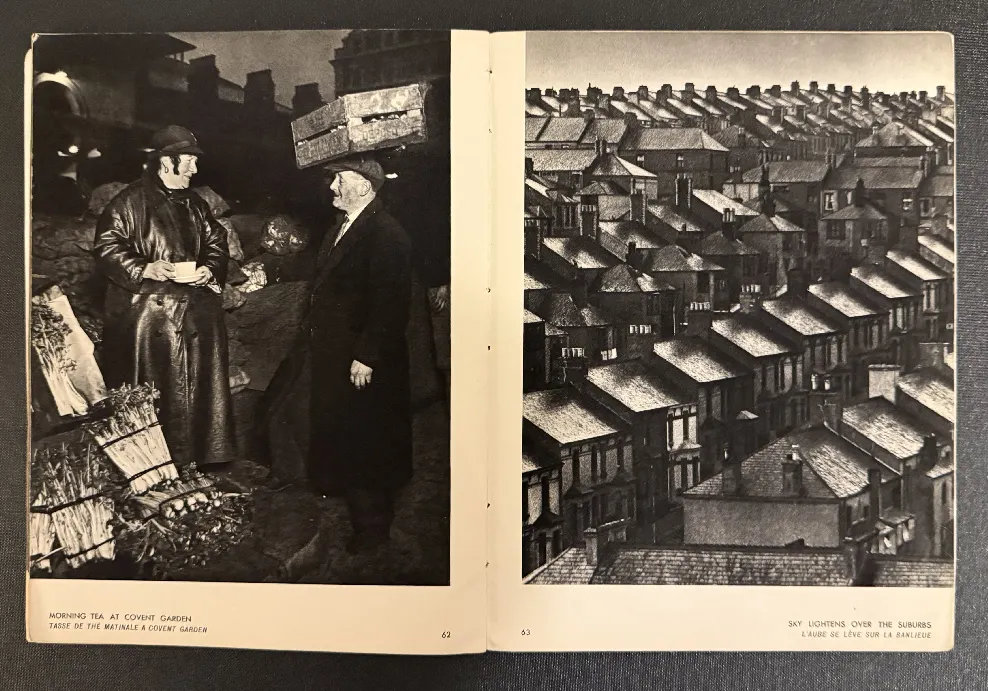
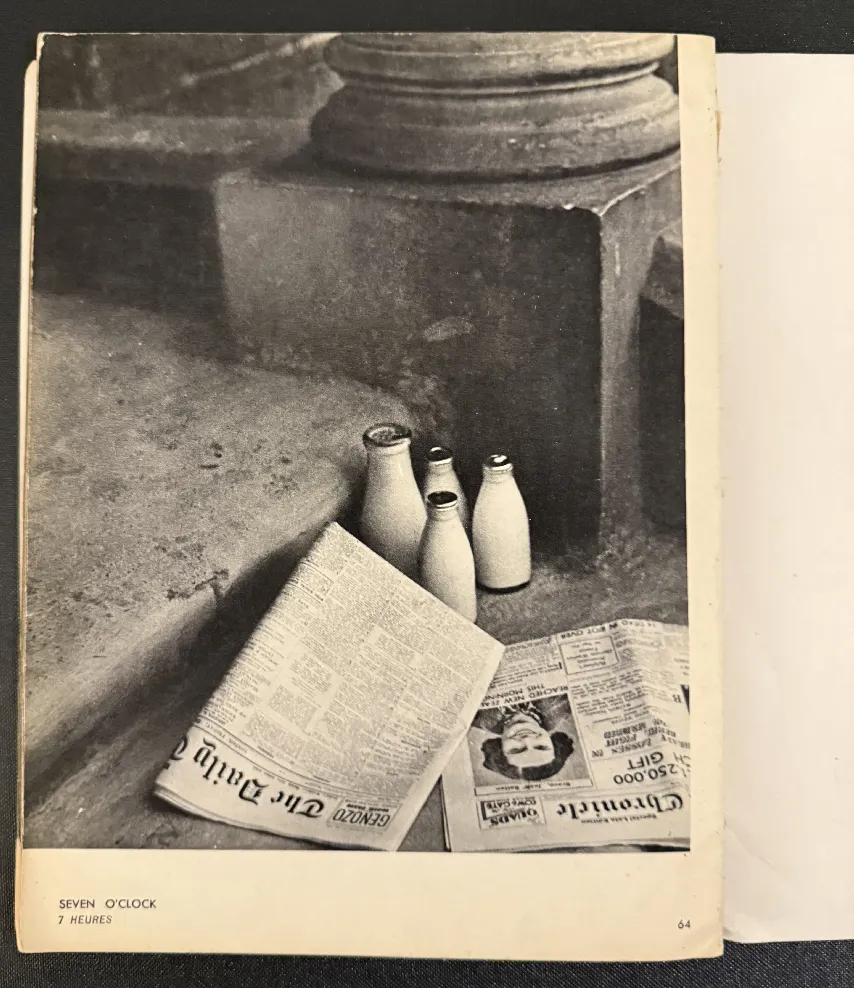

Londres de Nuit (1938) emerges as a seminal photobook documenting the nocturnal topography of London during the pre-war era, capturing the city under blackout conditions and streetlamp illumination as a moody, atmospheric theater of shadows and stark class contrast. Commissioned as part of Brandt's ongoing exploration of British society and class disparity, the project built upon his earlier journalistic work in Paris and northern England, shifting the lens toward the psychological undercurrents of the metropolis at dusk.
Londres de Nuit is directly influenced by Brassaï, whose groundbreaking 1933 photobook Paris de Nuit served as the immediate stylistic and conceptual prototype for Brandt’s venture into nocturnal urban documentation. While Eugène Atget established the foundational precedent for photographing the deserted street as a psychological and architectural stage, it was Brassaï’s atmospheric mastery of Paris after dark, using deep shadows, artificial streetlamp illumination, and dense fog to transform ordinary urban spaces into moody, cinematic tableaux, that directly shaped Brandt’s approach to London during the pre-war blackouts.
The publication is structured as a cinematic nocturnal journey through the British capital, sequencing nocturnal vignettes that juxtapose the stark destitution of homeless figures sleeping beneath railway arches with the elite social rituals of high society and the lonely, rain-slicked geometry of empty West End streets.
The volume is characterized by deep, high-contrast monochrome printing, rich velvety blacks, and an intimate duotone layout that enhances the dramatic chiaroscuro and atmospheric haze characteristic of Brandt's early reportage.