

Copyright ©
Bill Brandt
or applicable right holders.


Which art books, prints and posters are available by and about this artist? Here is a sample of items of interest to a typical collector:




Hermann Wilhelm "Bill" Brandt was born in Hamburg, Germany, on May 2, 1904, into a prosperous British-German family. His early life was profoundly shaped by physical vulnerability and displacement. During his youth, Brandt suffered from severe tuberculosis, a debilitating illness that required prolonged stays in a Swiss sanatorium for specialized treatment. This period of isolation fostered a lifelong introspective disposition and an acute sensitivity to light, shadow, and architectural enclosure. In 1929, seeking a departure from his bourgeois family background, Brandt briefly worked as an assistant in Man Ray’s legendary Paris studio. Immersed in the avant-garde milieu of the French capital, he encountered surrealism, experimental darkroom techniques, and the radical documentary vision of Eugène Atget, all of which fundamentally redirected his aesthetic sensibilities and imprinted an enduring surrealist undercurrent upon his photographic practice.
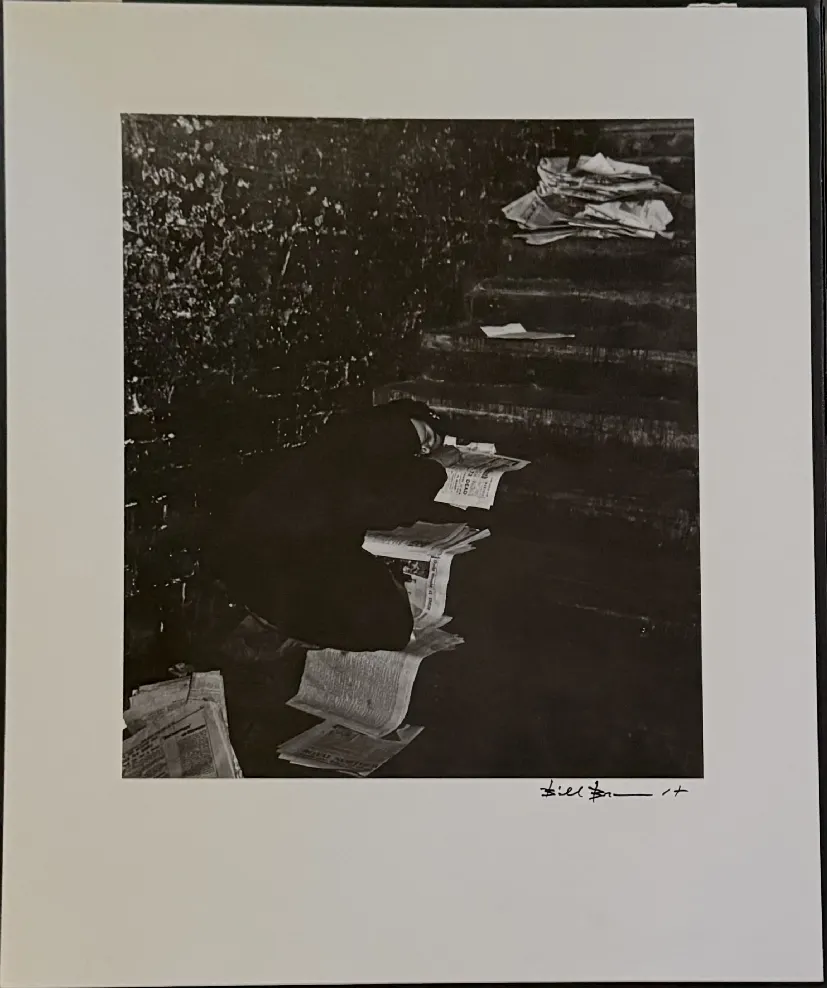
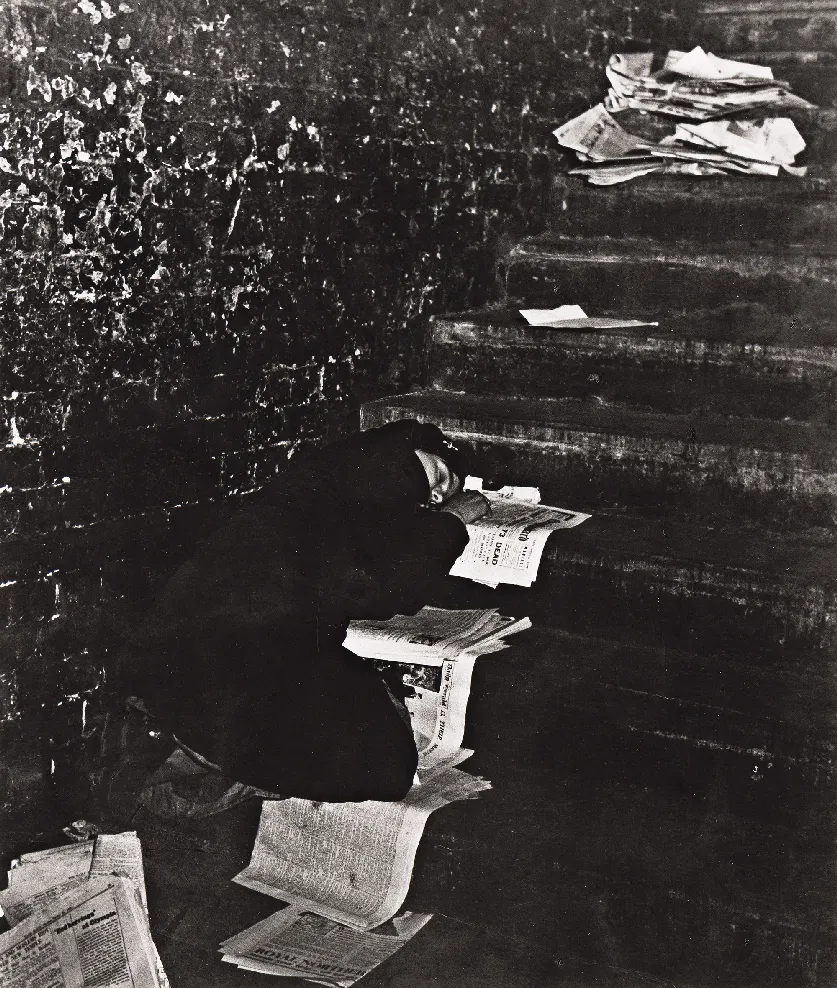
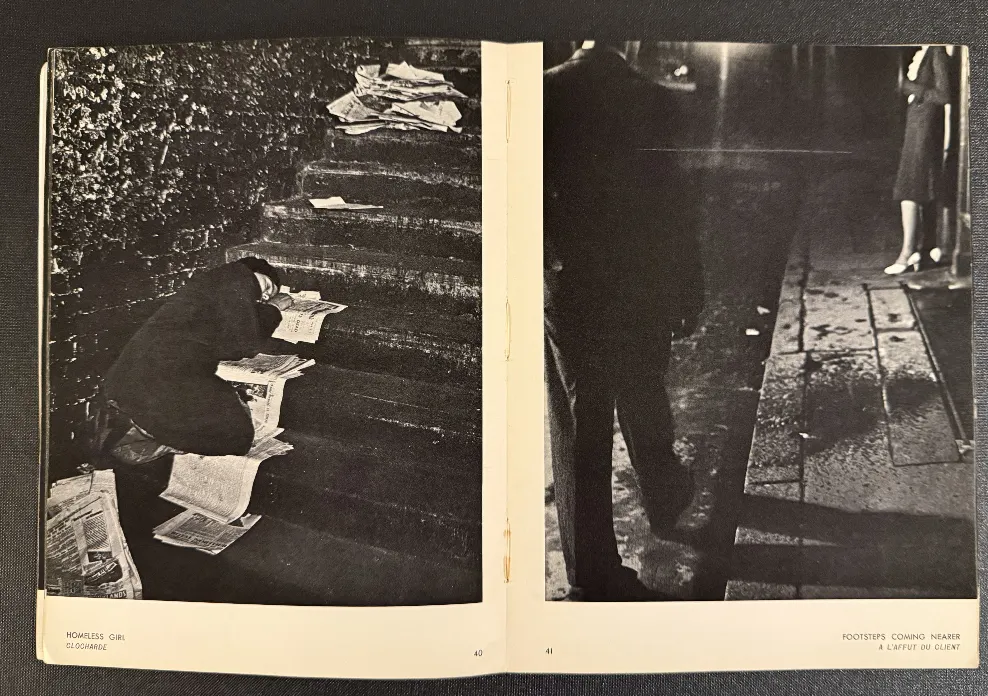
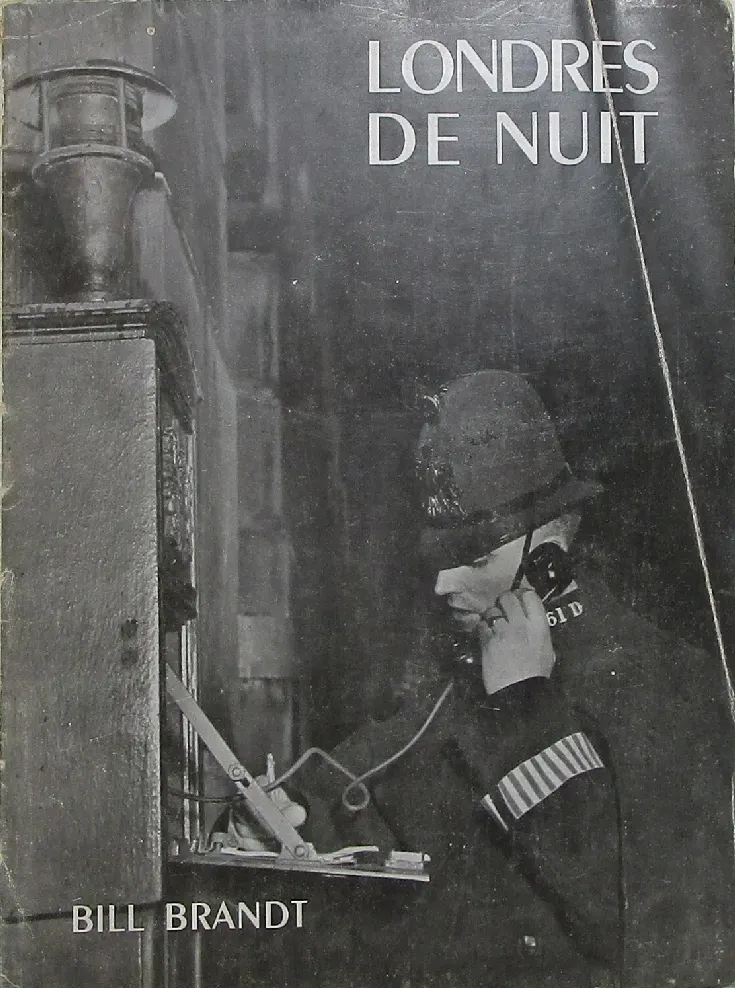
Settling permanently in London in the early 1930s, Brandt launched into his most celebrated and sociologically penetrating body of work: the exhaustive documentation of British class stratification. Operating with a portable camera and an unyielding observational gaze, he captured the stark, often jarring contrasts of British society during the interwar economic depression. His lens traversed the entire social spectrum, juxtaposing the opulent leisure of upper-class drawing rooms and society garden parties with the grinding poverty of northern industrial miners, urban slum dwellers, and domestic servants. This sustained sociological inquiry resulted in his seminal photobooks, The English at Home (1936) and A Night in London/ Londres de Nuit (1938). These foundational monographs established Brandt as a master of atmospheric narrative, utilizing deep velvety blacks, high-contrast silhouettes, and reflective, wet cobblestones to evoke a brooding psychological weight that transformed ordinary street reportage into enduring social commentary.
During the harrowing years of World War II, Brandt's focus shifted toward the visceral realities of wartime survival on the home front. Commissioned by the Ministry of Information, he descended into the subterranean depths of the London Underground, documenting thousands of citizens sheltering from the Blitz in cramped, dimly lit tube stations. Working under extreme technical constraints with minimal artificial lighting, Brandt produced haunting, sculptural compositions of recumbent figures wrapped in blankets, evoking ancient catacombs and collective endurance. Concurrently, he captured the eerie, gothic desolation of blacked-out London streets above ground. Following the cessation of hostilities, Brandt pivoted inward, turning away from straight documentary reportage toward a radical exploration of the human form and the natural landscape. Embracing extreme wide-angle lenses and monumentalizing cropping, he produced his iconic distorted nude and coastal landscape photography, famously collected in Perspective of Nudes (1961) and Literary Britain (1951). In these later works, the female body and wind-swept shores are rendered as geological formations, merging organic anatomy with stark architectural topography.
Brandt's extraordinary contributions to modern visual culture earned him widespread international acclaim, positioning him as Britain's most revered modern photographer. His uncompromising visual vocabulary, defined by dramatic tonal contrasts, psychological tension, and a seamless synthesis of documentary realism with surrealist strangeness, continues to influence generations of artists and photobook makers. In recognition of his monumental oeuvre, Brandt was posthumously inducted into the International Photography Hall of Fame in 1984, cementing a legacy that treats the photographic print not merely as a mechanical recording of reality, but as a deeply subjective, sculptural artifact of enduring cultural and emotional resonance.


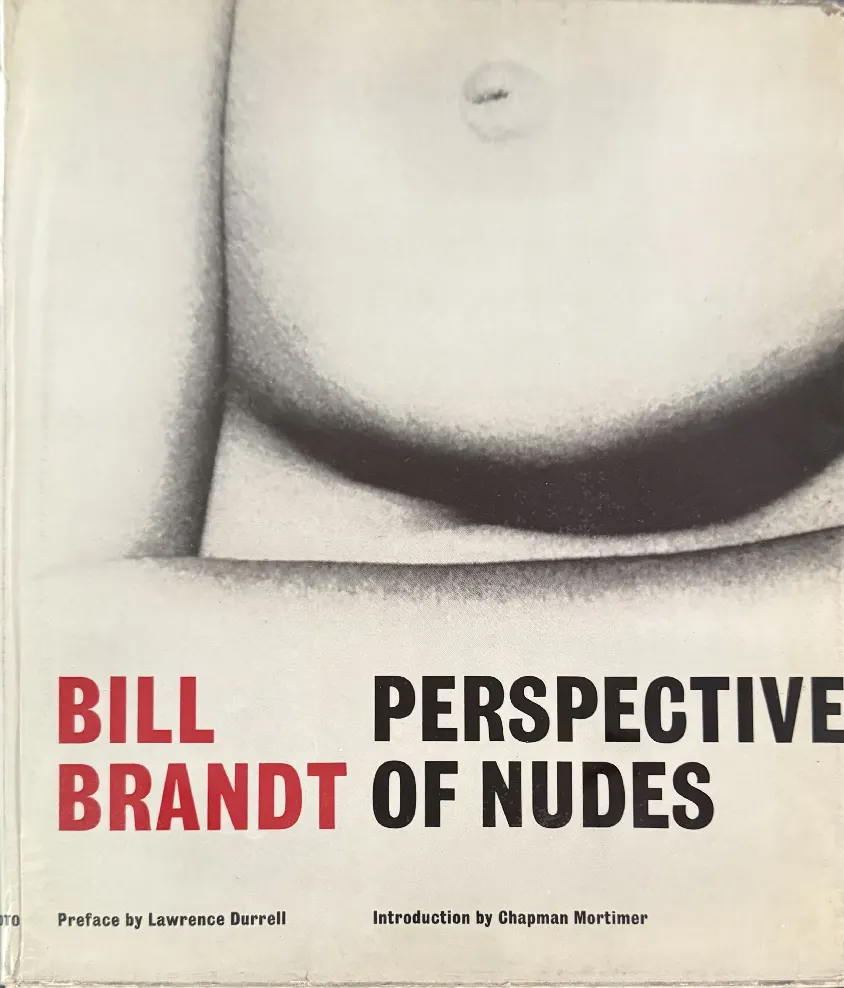
Bill Brandt’s Perspective of Nudes stands as a landmark monograph in twentieth-century photography, showcasing the artist’s radical reimagining of the human form through extreme wide-angle distortion and unconventional interior spaces.
Published in 1961, the work marks a decisive departure from Brandt’s earlier social documentary photography of British working-class life, pivoting toward an intense, highly formalized exploration of the body as an abstract sculptural landscape. Utilizing a wide-angle Hasselblad camera fitted with a convex lens, Brandt warped limbs, torsos, and architectural elements into sweeping, monumental curves that echo the rugged textures of British coastal dunes and polished stone.
The thematic core of the work investigates the intimate interplay between the human figure and its surrounding environment, dissolving traditional boundaries between interior architecture and anatomy. By placing his models inside cramped, peeling seaside cottages or sparse domestic interiors bathed in dramatic, high-contrast natural light, Brandt transforms mundane settings into surreal, dreamlike domains. The female body is recast not as an object of conventional portraiture, but as a topography of hills, horizons, and dramatic structural geometry.
Aesthetic and material qualities are paramount to the book's enduring impact, relying on deep velvety blacks, stark tonal contrasts, and a radical manipulation of perspective that compresses space and stretches form. Within Brandt’s broader oeuvre, Perspective of Nudes is essential for understanding his late-career synthesis of surrealism and modernist formalism, cementing his legacy as a master who pushed the physical and optical limits of the photographic medium.