
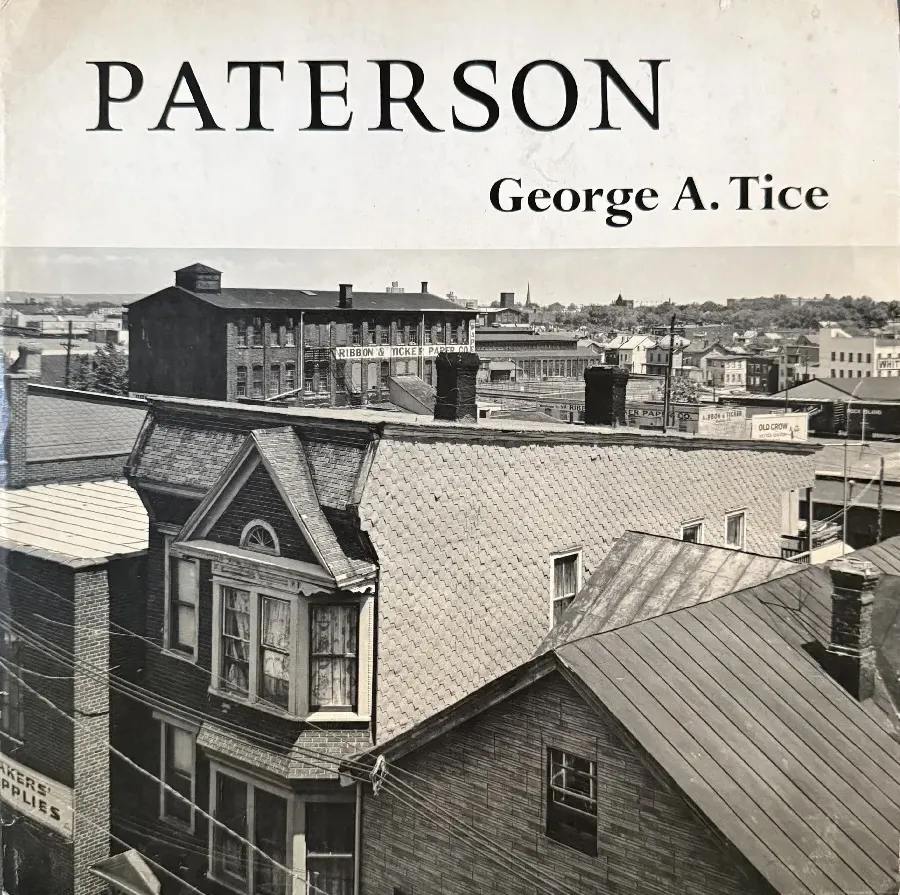
Softcover
ISBN:
0813507197


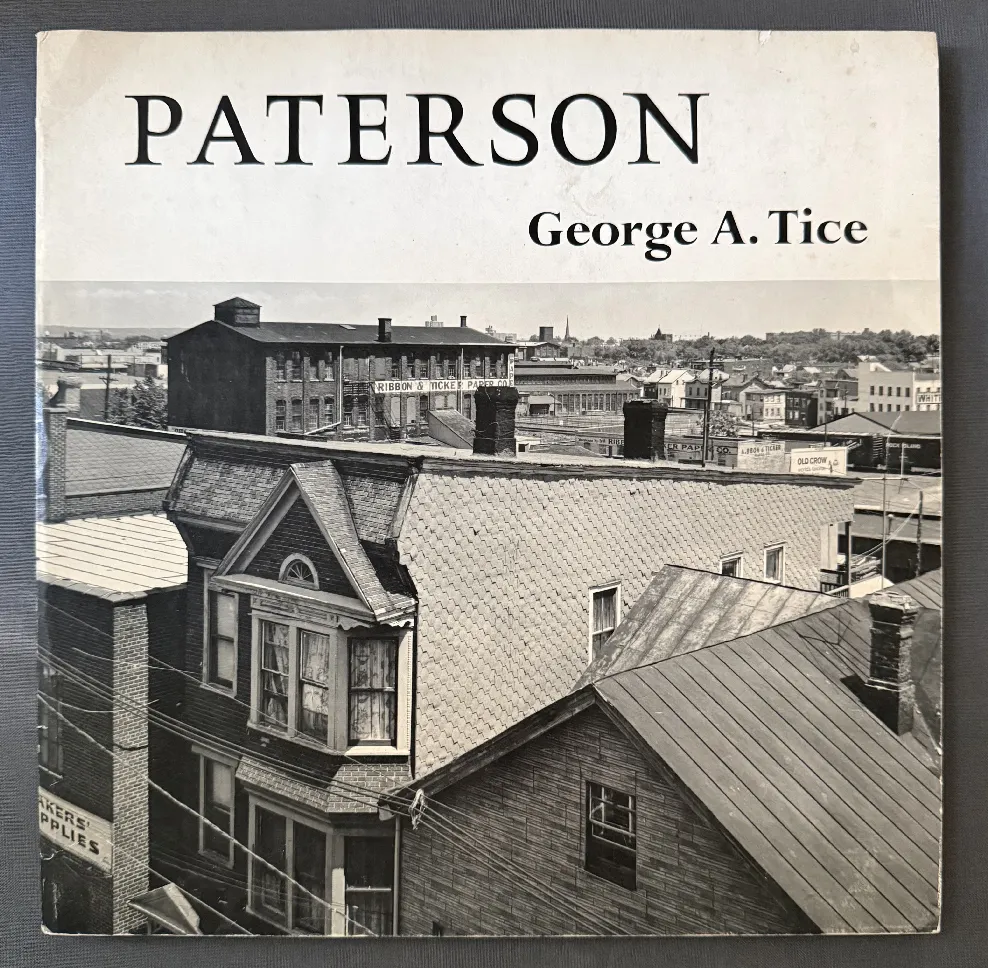
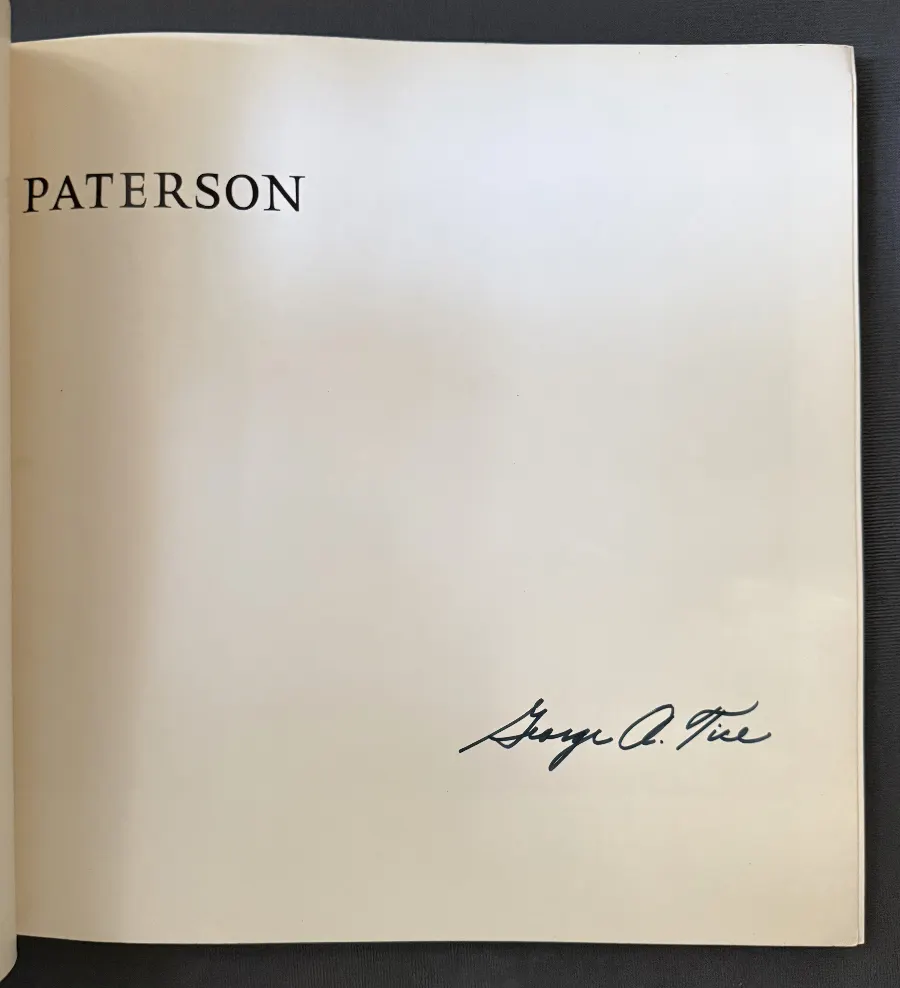

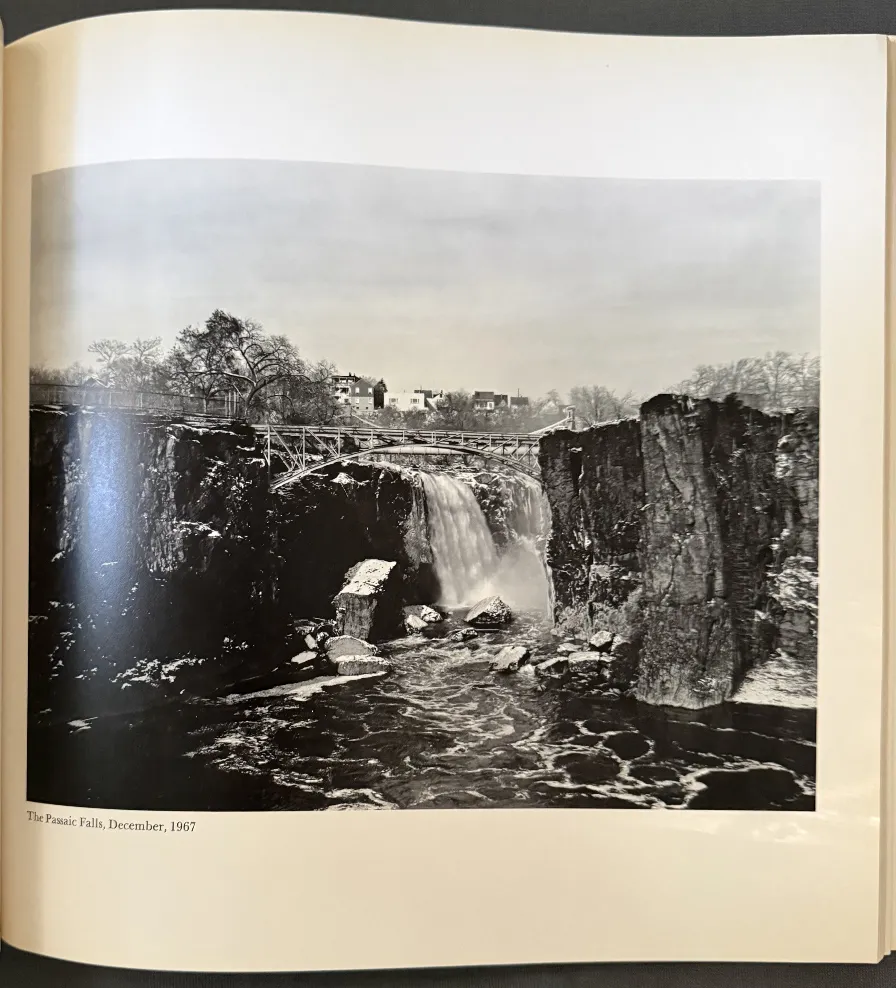
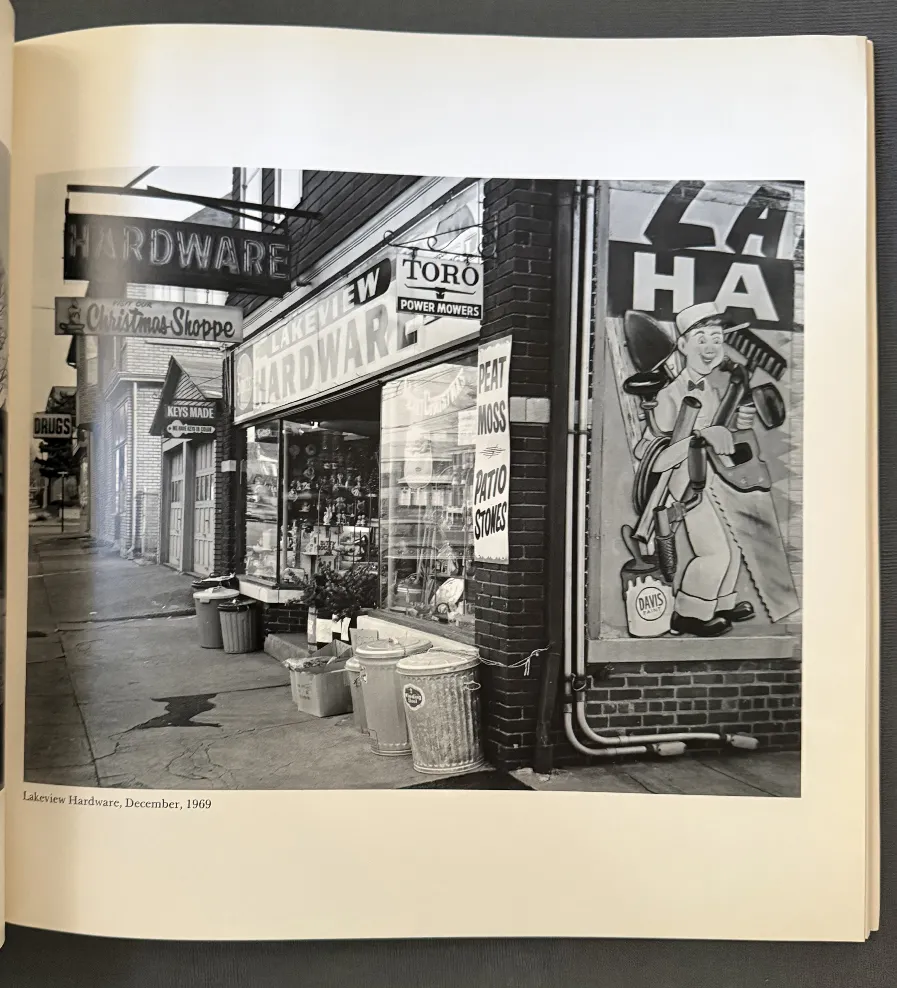
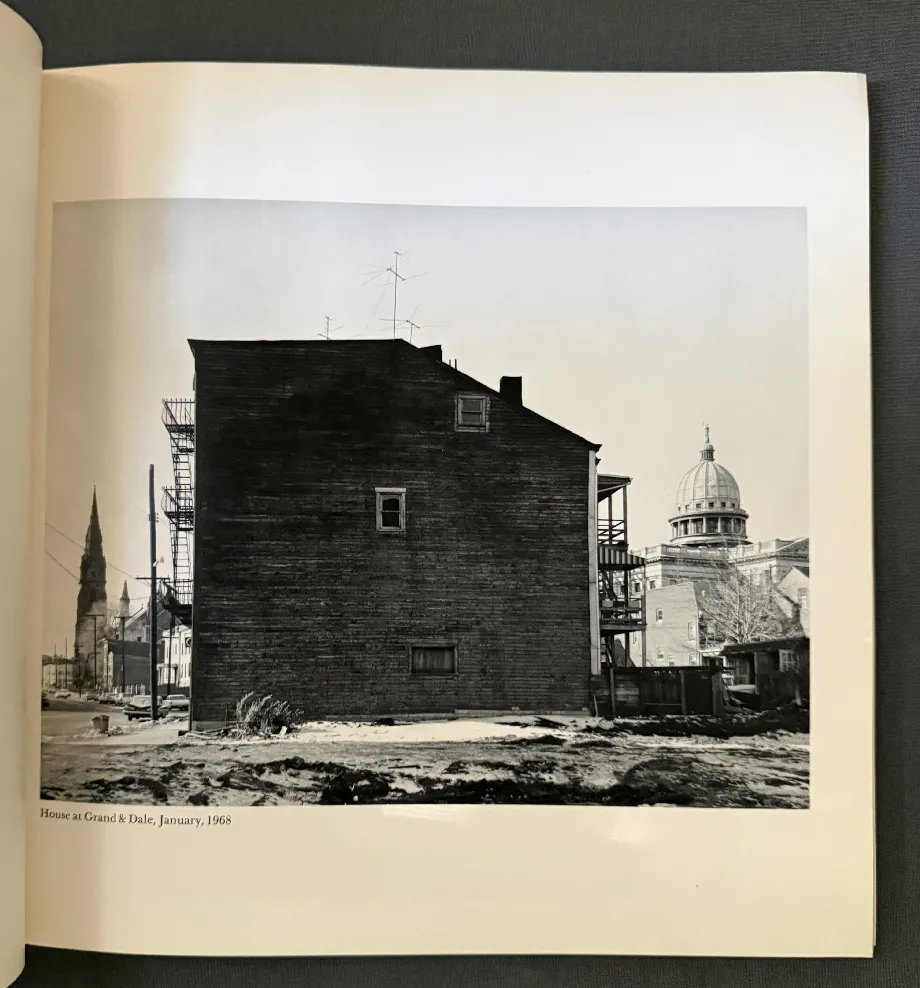
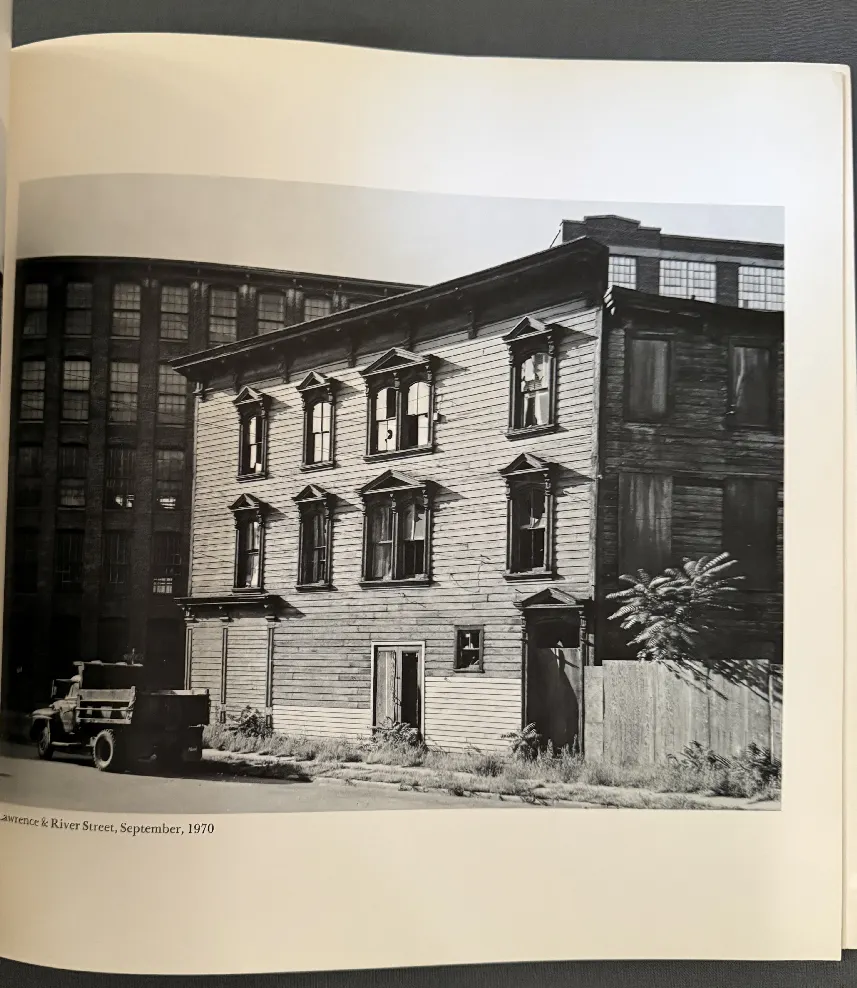
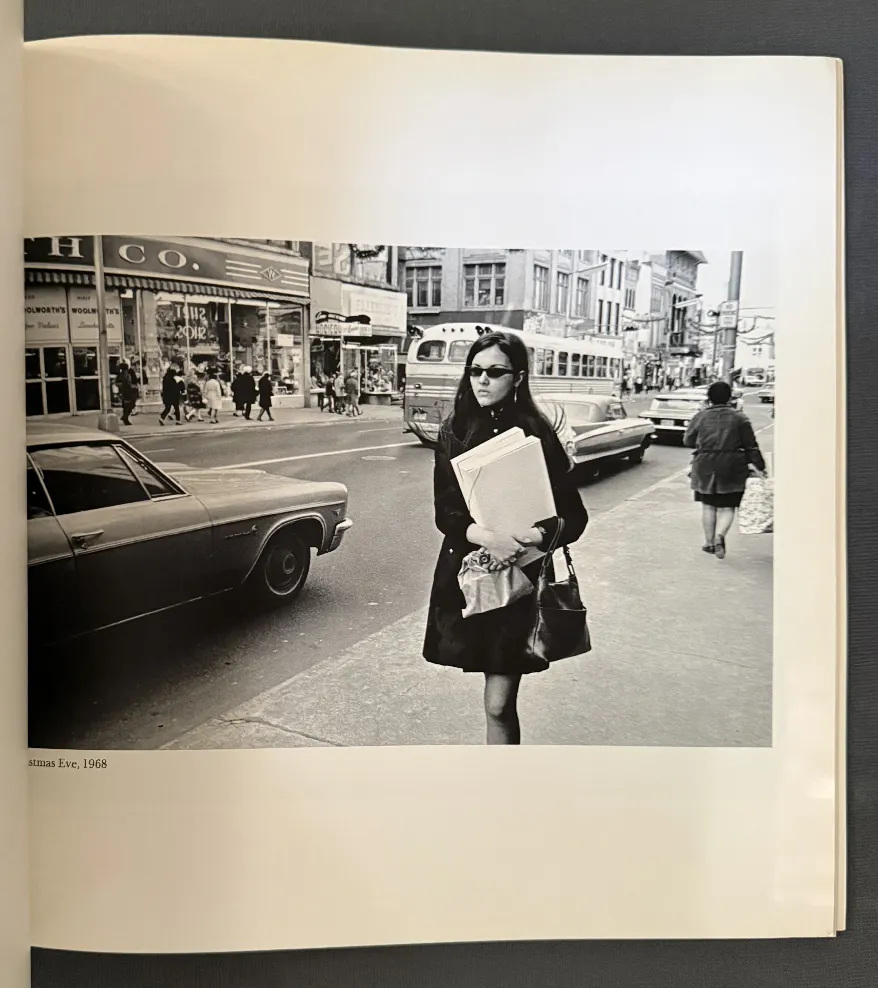
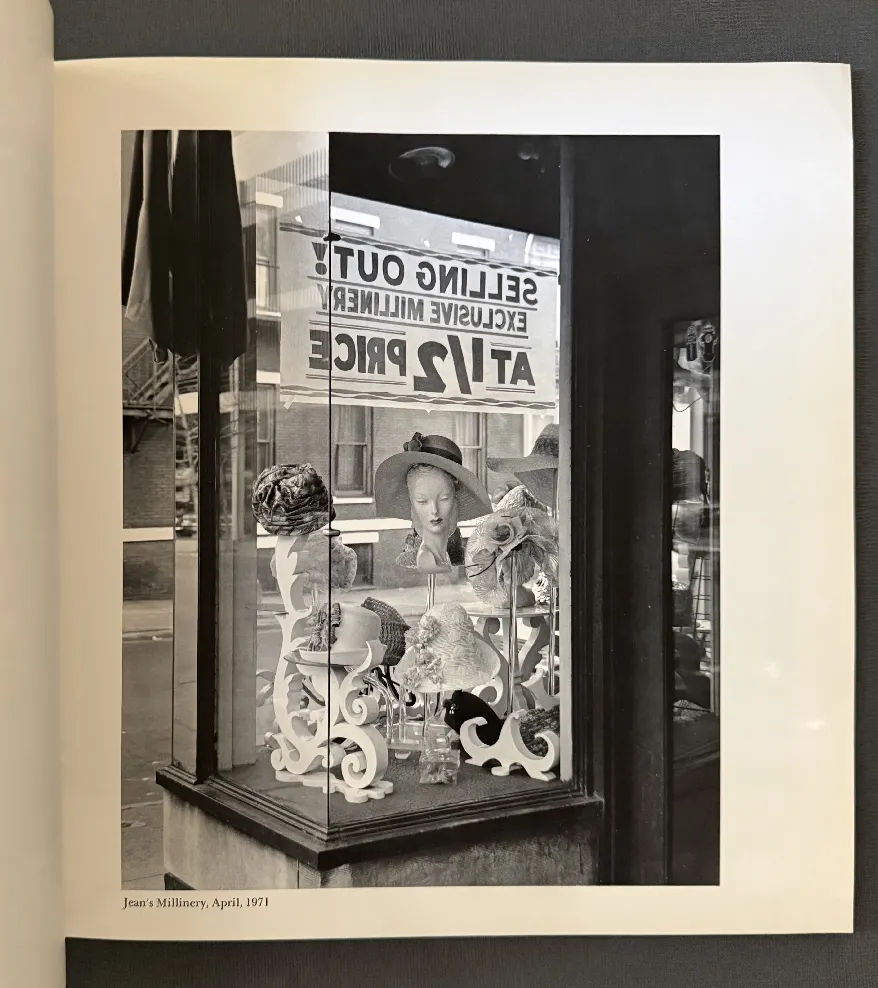
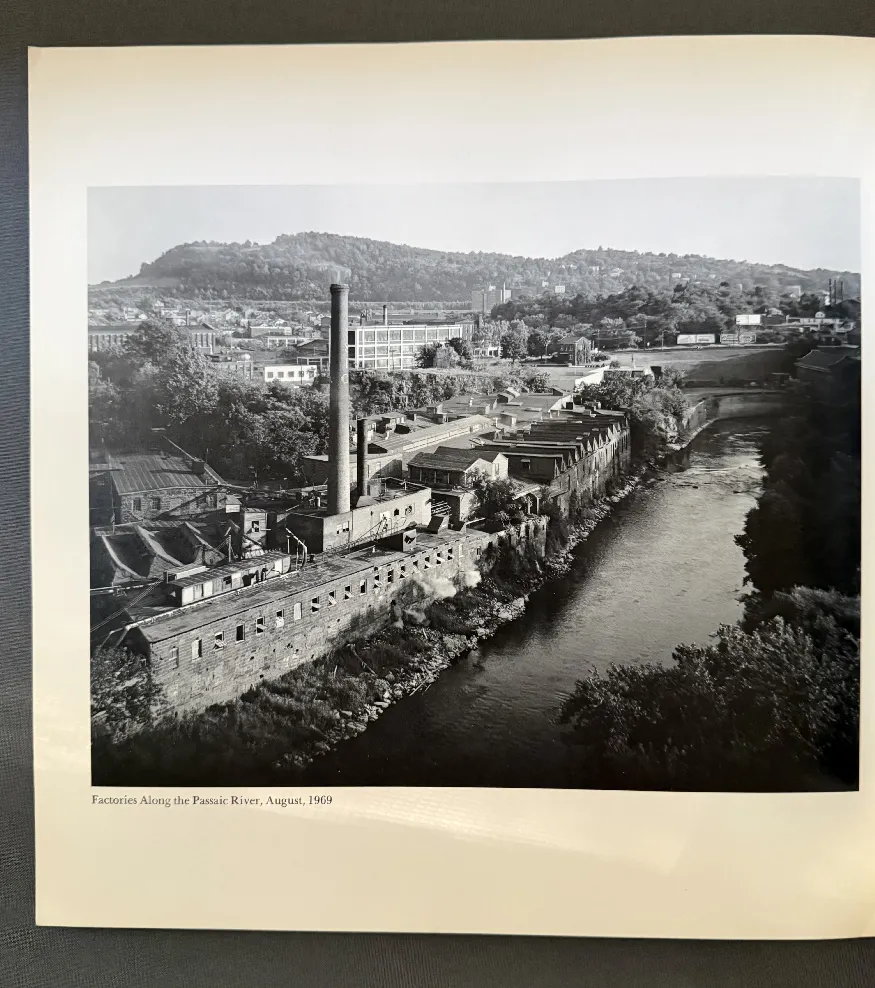
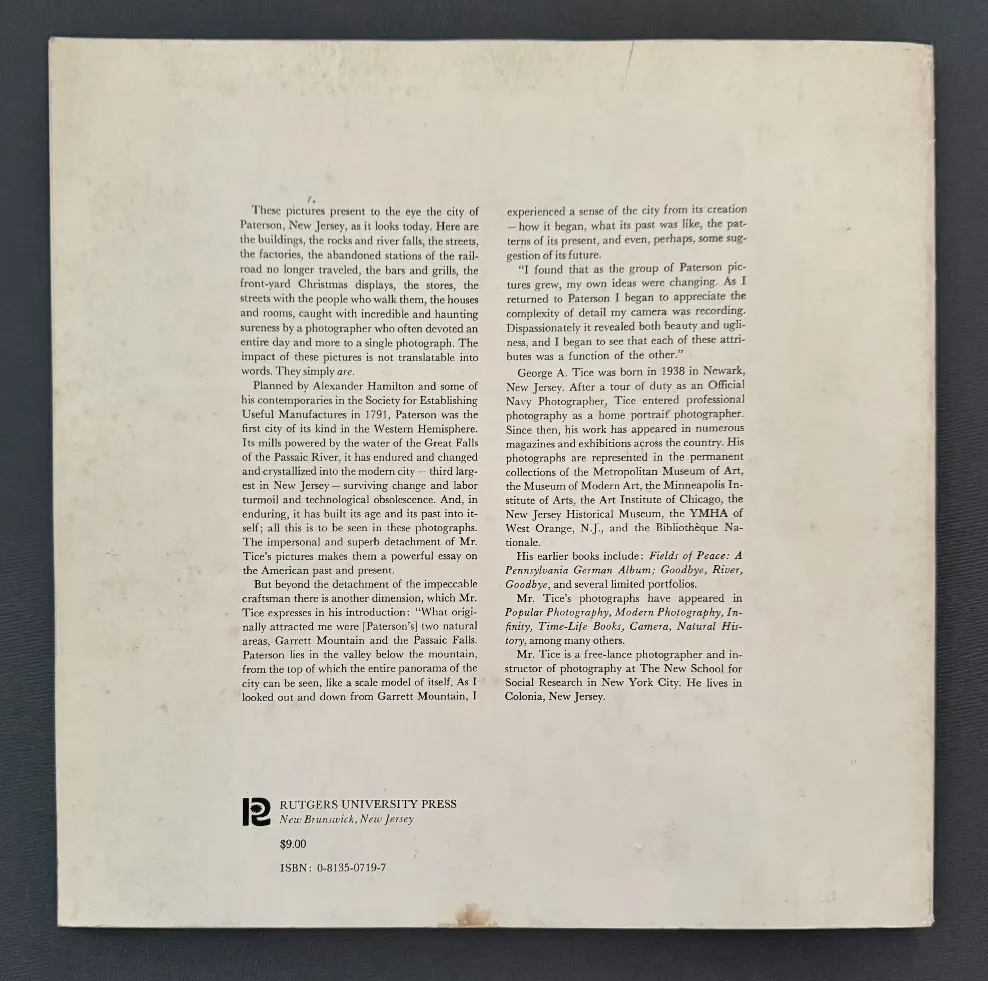
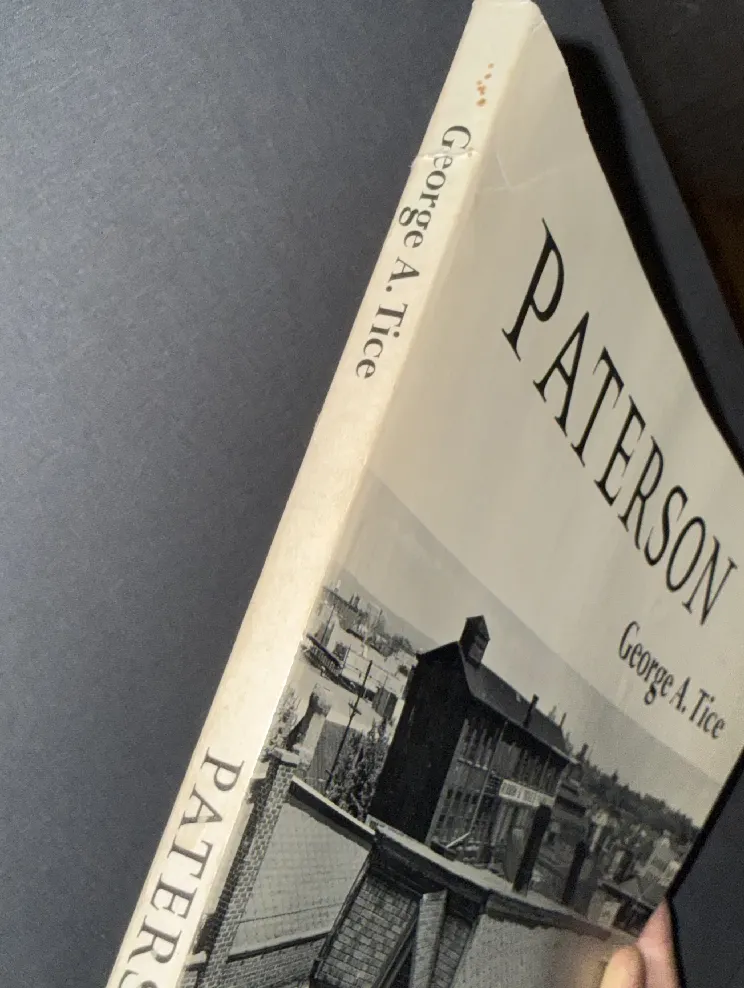
George A. Tice's Paterson (1972) is widely considered a landmark masterpiece of 20th-century American documentary photography. It redefined how photographers captured the American urban landscape, shifting away from idealized nature toward the beauty and decay of everyday post-industrial life.
The book's core photographs were the subject of a solo exhibition at the Metropolitan Museum of Art in 1972. This was an extraordinary milestone for Tice, making him one of the first living photographers to be granted a one-man show at the prestigious museum. It signaled a massive shift in the fine art world, legitimizing contemporary American documentary photography as a museum-worthy art form.
The monograph achieved immediate international renown within the arts community:
Before Paterson, much of American landscape photography was dominated by the grand, pristine natural vistas popularized by Ansel Adams. Tice, along with a few contemporaries, pioneered a shift toward the "vernacular landscape". Using a large-format 8x10 view camera, Tice captured the stark, quiet textures of an aging industrial city, its dilapidated architecture, quiet storefronts, and dramatic falls, with the same technical reverence usually reserved for mountain ranges.
Paterson is considered a vital precursor to the New Topographics show, which took place three years later at the George Eastman House in Rochester, NY.
George A. Tice's Paterson (1972) is widely considered a landmark masterpiece of 20th-century American documentary photography. It redefined how photographers captured the American urban landscape, shifting away from idealized nature toward the beauty and decay of everyday post-industrial life.
The book's core photographs were the subject of a solo exhibition at the Metropolitan Museum of Art in 1972. This was an extraordinary milestone for Tice, making him one of the first living photographers to be granted a one-man show at the prestigious museum. It signaled a massive shift in the fine art world, legitimizing contemporary American documentary photography as a museum-worthy art form.
The monograph achieved immediate international renown within the arts community:
Before Paterson, much of American landscape photography was dominated by the grand, pristine natural vistas popularized by Ansel Adams. Tice, along with a few contemporaries, pioneered a shift toward the "vernacular landscape". Using a large-format 8x10 view camera, Tice captured the stark, quiet textures of an aging industrial city, its dilapidated architecture, quiet storefronts, and dramatic falls, with the same technical reverence usually reserved for mountain ranges.
Paterson is considered a vital precursor to the New Topographics show, which took place three years later at the George Eastman House in Rochester, NY.

George A. Tice's Paterson (1972) is widely considered a landmark masterpiece of 20th-century American documentary photography. It redefined how photographers captured the American urban landscape, shifting away from idealized nature toward the beauty and decay of everyday post-industrial life.
The book's core photographs were the subject of a solo exhibition at the Metropolitan Museum of Art in 1972. This was an extraordinary milestone for Tice, making him one of the first living photographers to be granted a one-man show at the prestigious museum. It signaled a massive shift in the fine art world, legitimizing contemporary American documentary photography as a museum-worthy art form.
The monograph achieved immediate international renown within the arts community:
Before Paterson, much of American landscape photography was dominated by the grand, pristine natural vistas popularized by Ansel Adams. Tice, along with a few contemporaries, pioneered a shift toward the "vernacular landscape". Using a large-format 8x10 view camera, Tice captured the stark, quiet textures of an aging industrial city, its dilapidated architecture, quiet storefronts, and dramatic falls, with the same technical reverence usually reserved for mountain ranges.
Paterson is considered a vital precursor to the New Topographics show, which took place three years later at the George Eastman House in Rochester, NY.