
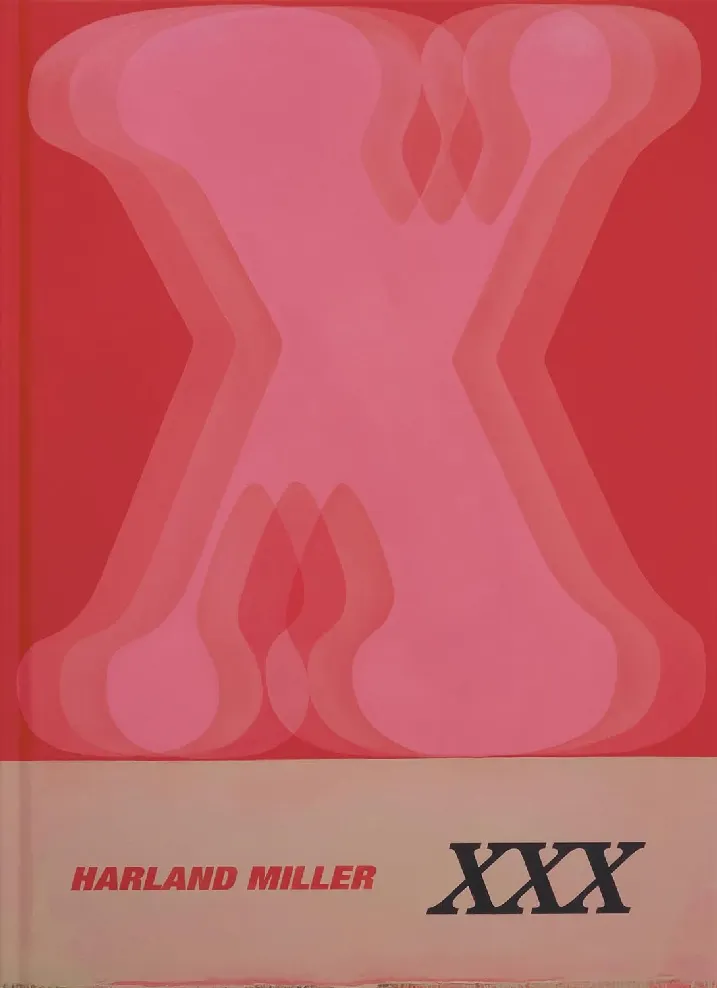
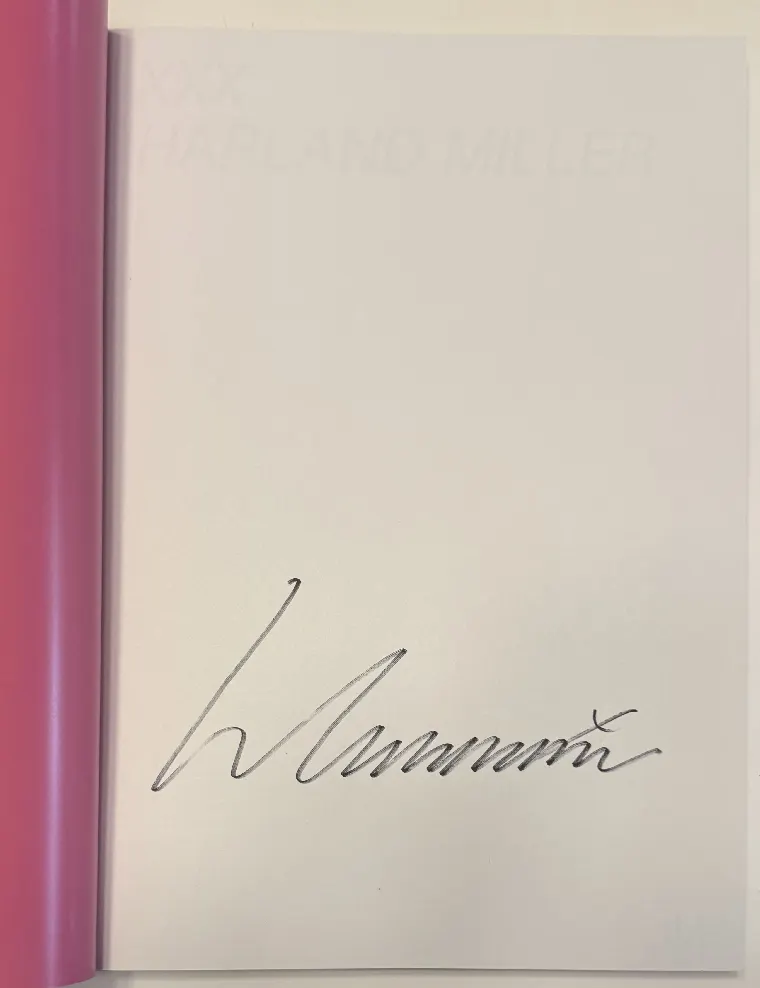
Hardcover issued without a DJ
ISBN:
9781838669959


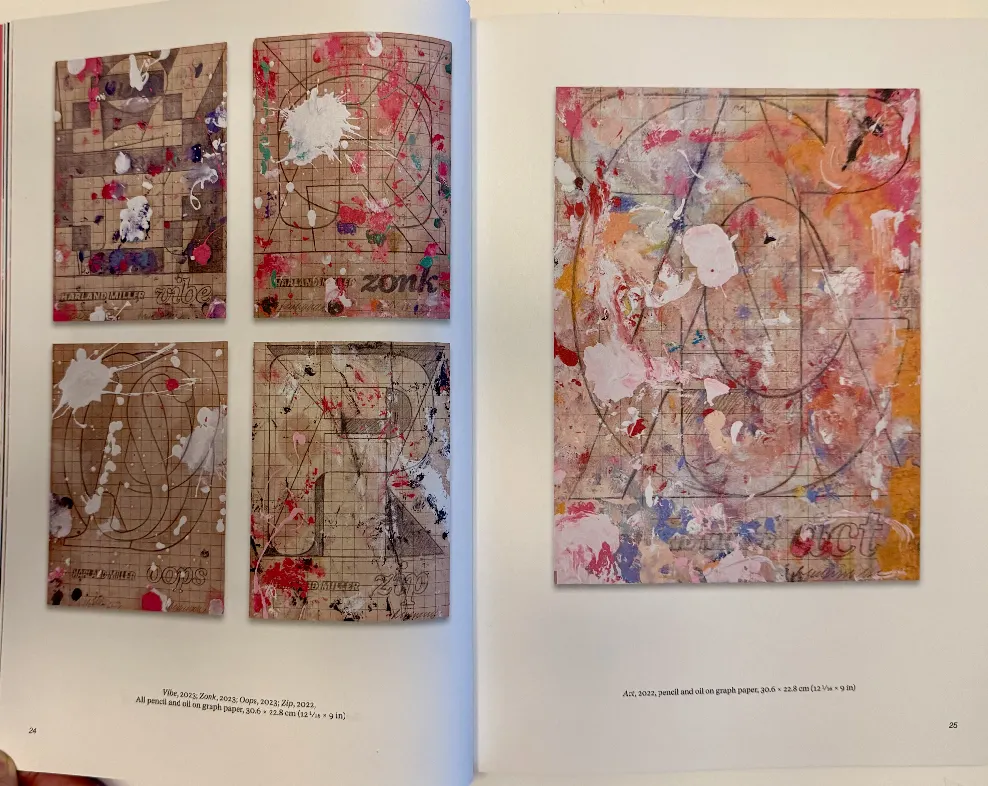
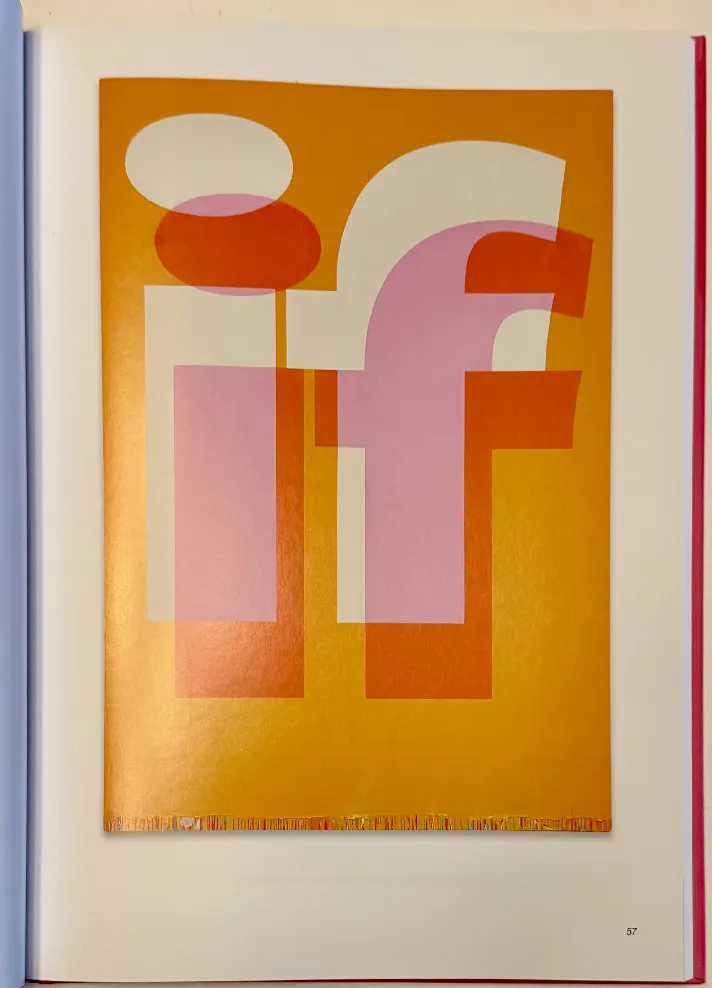
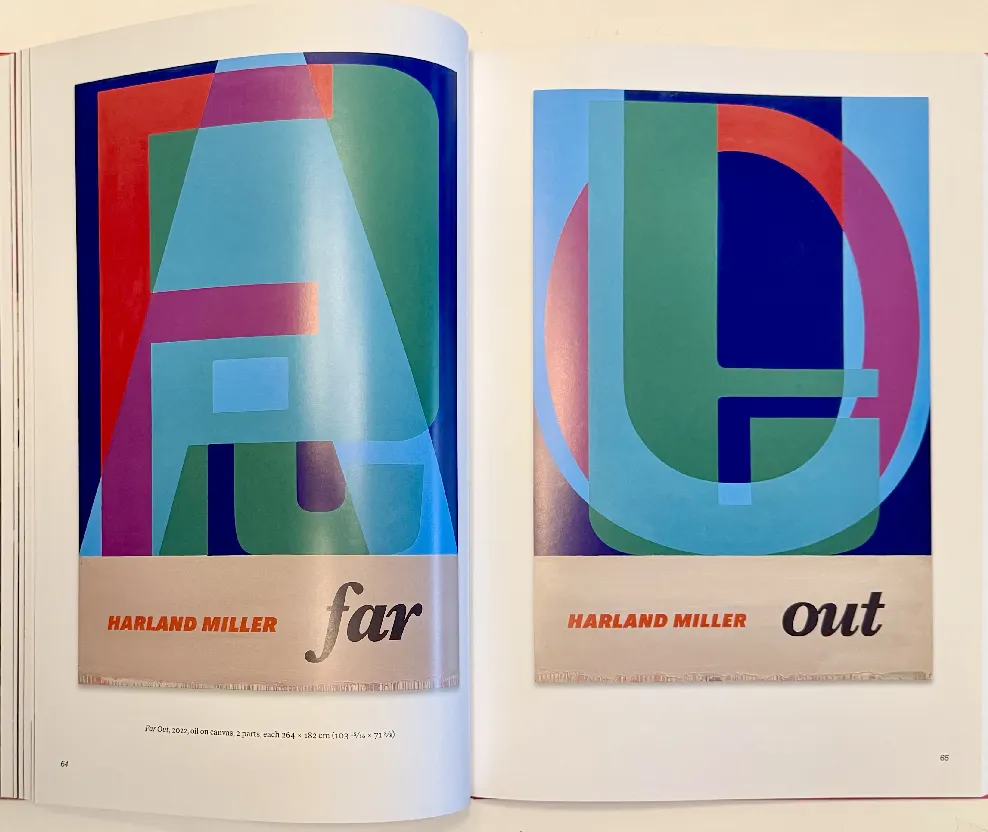
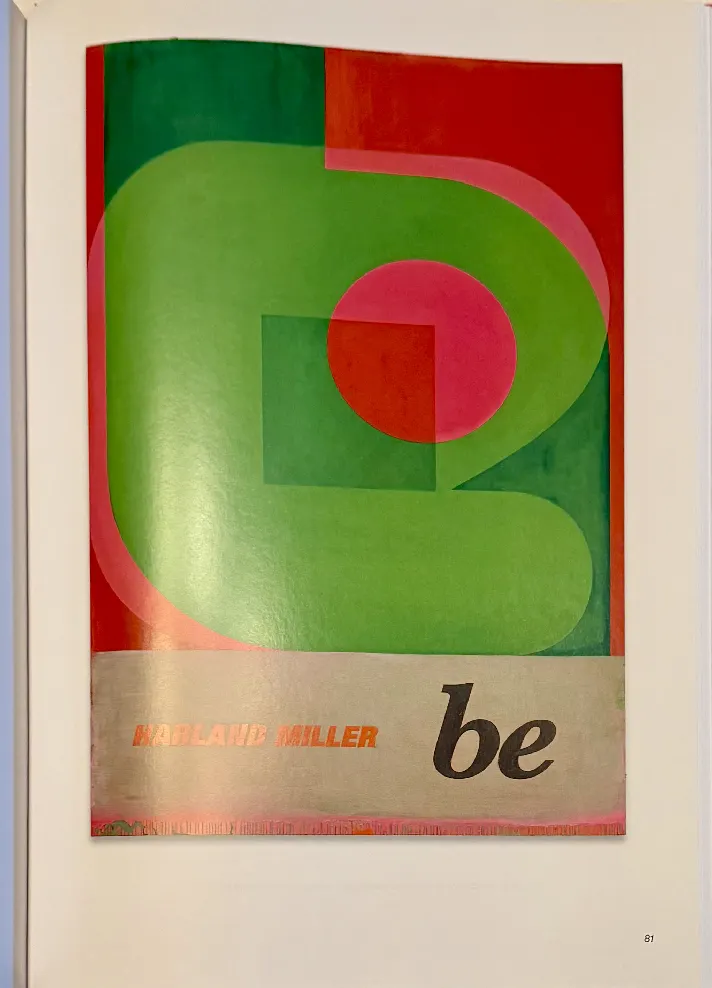
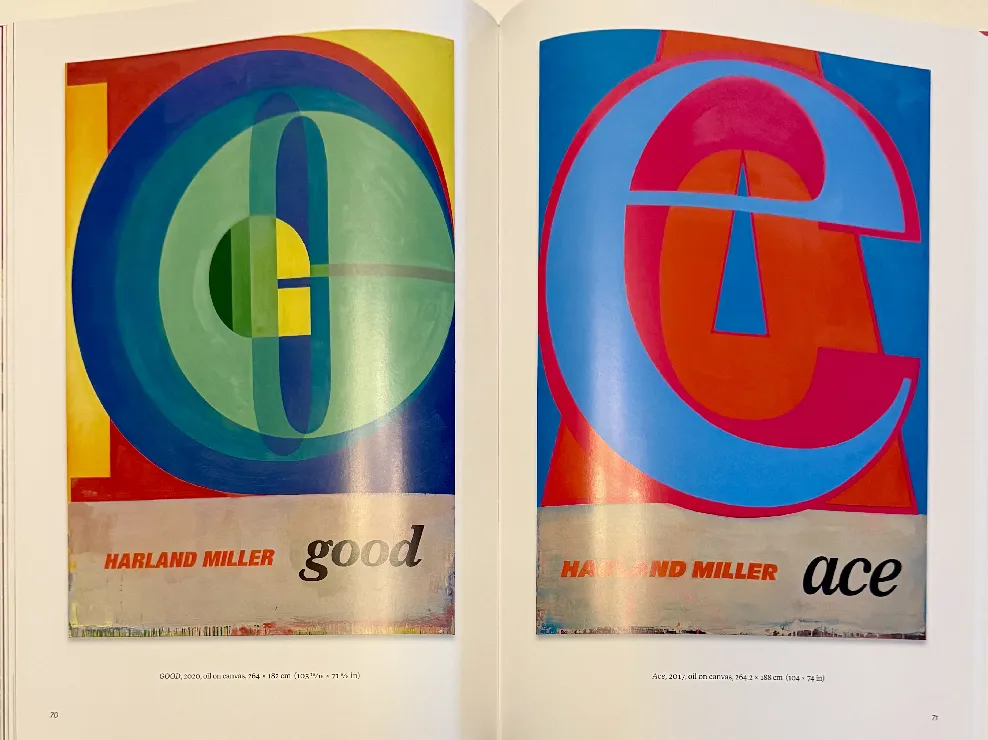
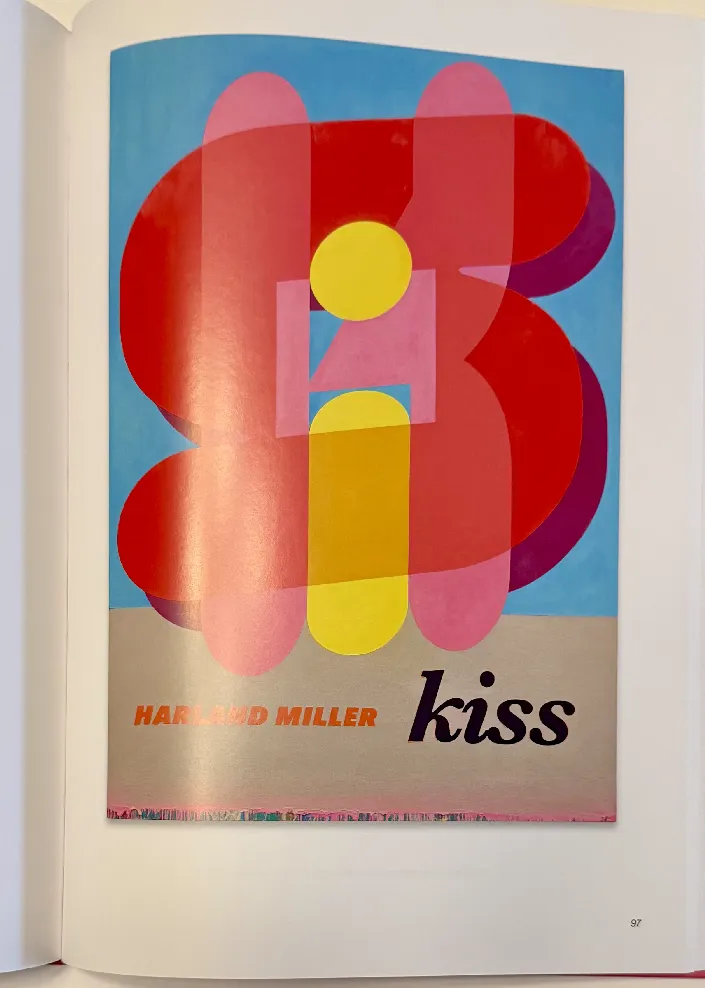
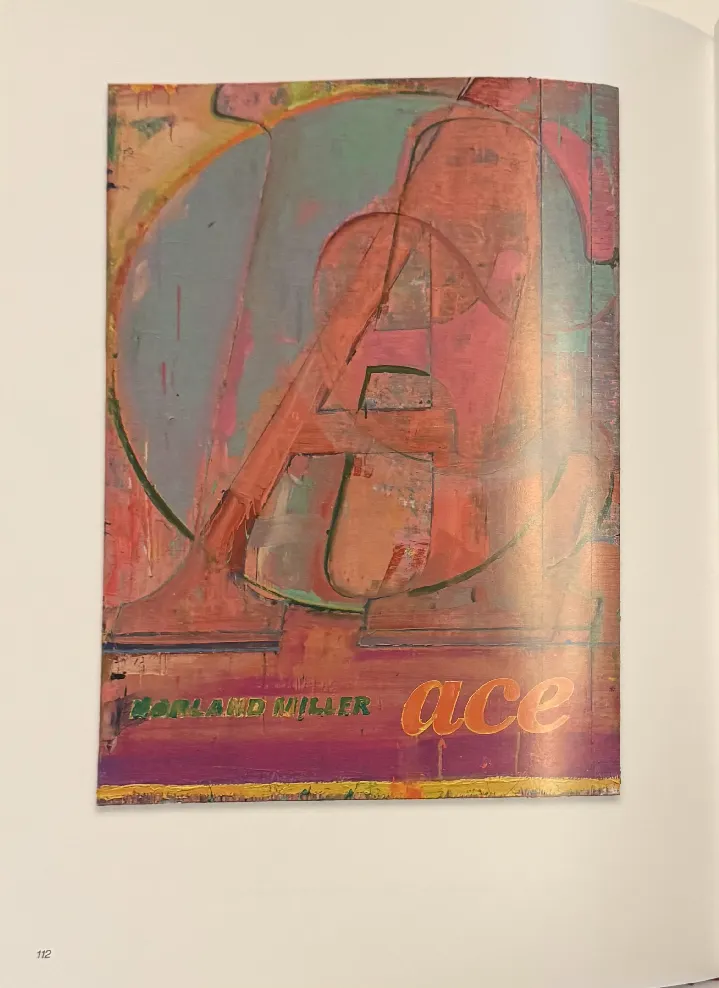
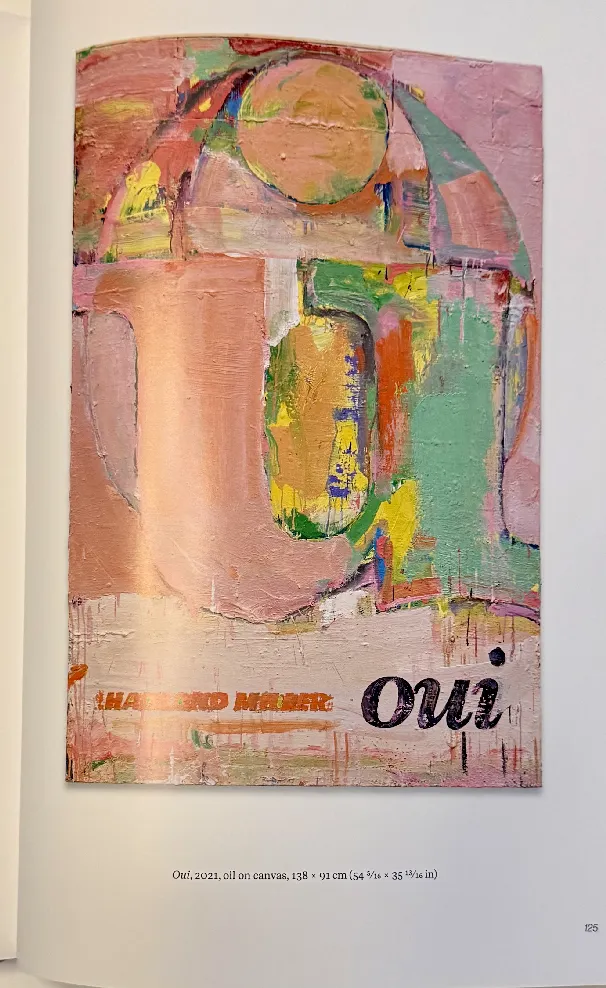

Miller’s "Letter Paintings" synthesize the bold, hard-edged immediacy of mid-century commercial graphic design and Pop Art with the expressive, gestural textures of Abstract Expressionism. The compositions documented in XXX are dominated by massive, vividly colored letterforms rendered with heavy impasto, painterly drips, and intentional surface abrasions. This deliberate textural manipulation creates a compelling spatial tension between the flat, rigid geometry of the typography and the decaying, physical materiality of the paint. By amplifying the scale of these letters, Miller transforms rapid, disposable modern communication into monumental, enduring visual symbols.
Miller's approach here is quite different from Christopher Wool's, who is included in this archive through many books and prints. Wool’s iconic text paintings rely on stark, mechanized, black-and-white stenciling applied to aluminum or canvas. His work evokes urban anxiety and deadpan post-punk nihilism, deliberately fracturing words across awkward line breaks to create cognitive friction. The viewer is forced to decode the aggressive, stuttering syntax. Wool treats language as a hostile, industrialized readymade, often stripping away the artist's hand in favor of utilitarian enamel and rollers.
Miller’s Letter Paintings, as seen in XXX, operate with a deep affection for the tactile surface and the history of painting. While Wool weaponizes text to disorient the viewer and critique the emptiness of modern communication, Miller uses the decaying, painterly materiality of his letters to evoke a sense of nostalgia, humanizing the alphabet through pure color and physical texture.