
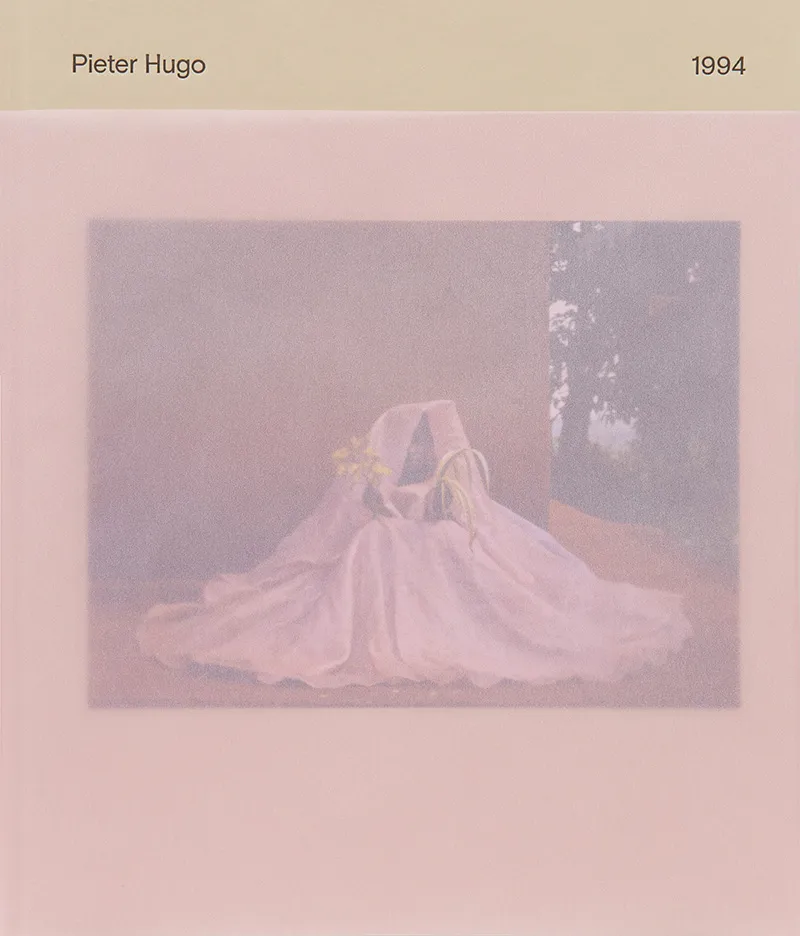
Boards with mylar DJ/obi
ISBN:
9783791382739


In 1994, Pieter Hugo explores the "born free" generation, children born in South Africa and Rwanda after the watershed year that marked both the official end of apartheid and the Rwandan genocide. Exploring themes of legacy and reconciliation, Hugo focuses on a generation that inherited the historical trauma of their nations without holding any direct memory of the events themselves.
Visually, the book represents a shift from Hugo's earlier, grittier documentary approach. He photographs his subjects almost exclusively in lush, idyllic natural environments, forests, rivers, and vibrant flower fields. However, this Edenic beauty is deliberately subverted by the stoic, unflinching expressions of the children. This stark juxtaposition creates a powerful visual tension, forcing the viewer to project the dark, underlying history of the region onto serene scenes of childhood innocence.