Pieter Hugo

Which art books, prints and posters are available by and about this artist? Here is a sample of items of interest to a typical collector:

→

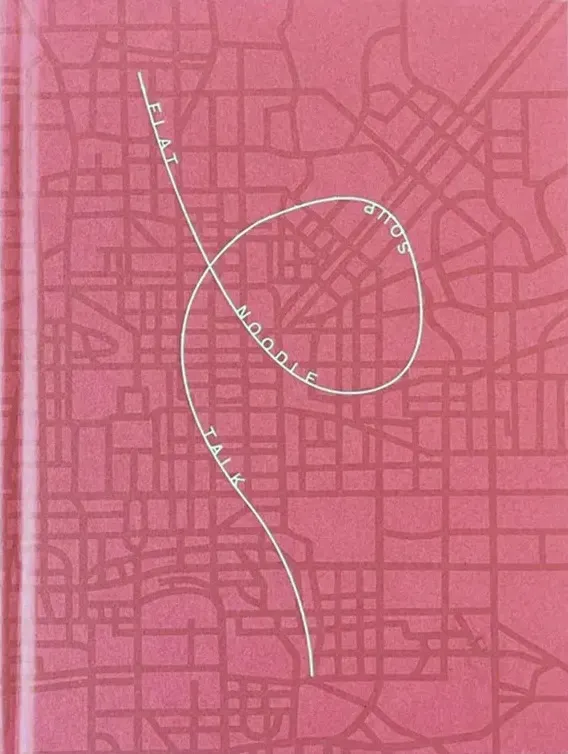
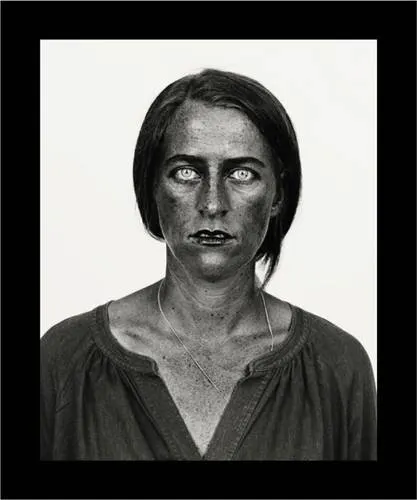
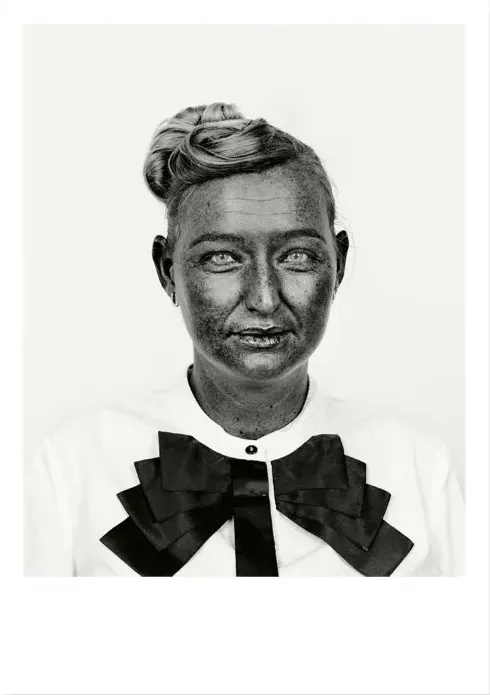
In 1994, Pieter Hugo explores the "born free" generation, children born in South Africa and Rwanda after the watershed year that marked both the official end of apartheid and the Rwandan genocide. Exploring themes of legacy and reconciliation, Hugo focuses on a generation that inherited the historical trauma of their nations without holding any direct memory of the events themselves.

Visually, the book represents a shift from Hugo's earlier, grittier documentary approach. He photographs his subjects almost exclusively in lush, idyllic natural environments, forests, rivers, and vibrant flower fields. However, this Edenic beauty is deliberately subverted by the stoic, unflinching expressions of the children. This stark juxtaposition creates a powerful visual tension, forcing the viewer to project the dark, underlying history of the region onto serene scenes of childhood innocence.

‍

Prestel
2016
with:
Edition:
1st
Edition size:
Out of Print
→

This is not the trade edition.

Aperture
2014
with:
Edition:
1st
Edition size:
500
Out of Print
→
See W
2016
with:
Edition:
1st with SIGNED PRINT numbered 39/50
Edition size:
50
Out of Print
→

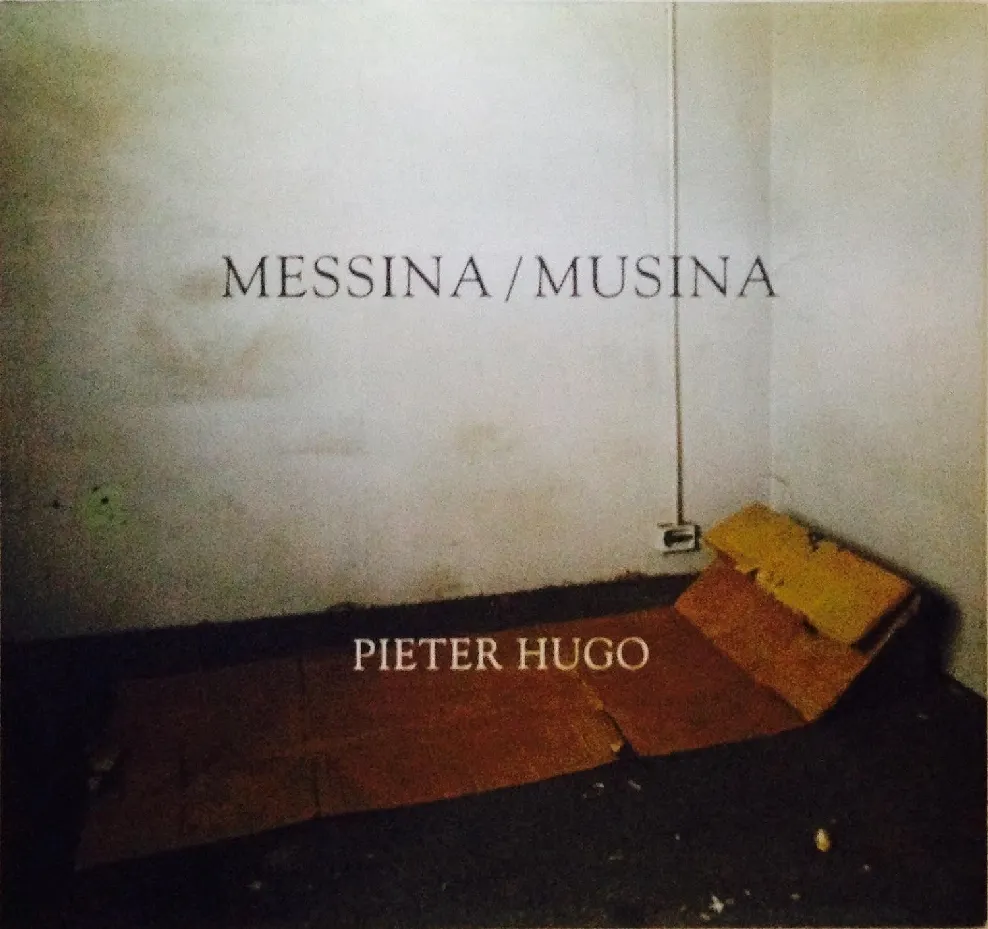
Messina/Musina (2007) by South African photographer Pieter Hugo is a profound documentary study of the country's northernmost town, situated on the Limpopo River border with Zimbabwe. Founded as a colonial copper-mining settlement, the town's name was officially corrected from "Messina" to "Musina" in 2002 as part of ongoing post-apartheid redress. Hugo utilizes this remote geographic margin to explore competing historical narratives and the complex reality of living on the periphery of society. At the time of his project, the town was caught in a turbulent boom-and-bust cycle, heavily exacerbated by the economic collapse of neighboring Zimbabwe. This instability created a highly transient population consisting of truck drivers, diamond miners, smugglers, soldiers, and asylum seekers.

Moving away from rapid photojournalism, Hugo deliberately slowed his process by using a large-format 4x5 camera mounted on a tripod. This methodical approach resulted in highly formalized, unflinching family portraits, stark domestic still lifes, and barren landscapes that capture the fractured, frontier atmosphere of the region.

Published by Punctum Press to accompany his Standard Bank Young Artist award exhibition, the monograph is enriched by a short story by Stacy Hardy and an in-depth conversation between Hugo and photo-editor Joanna Lehan.

‍

2007
with:
Edition:
1st
Edition size:
Out of Print
→

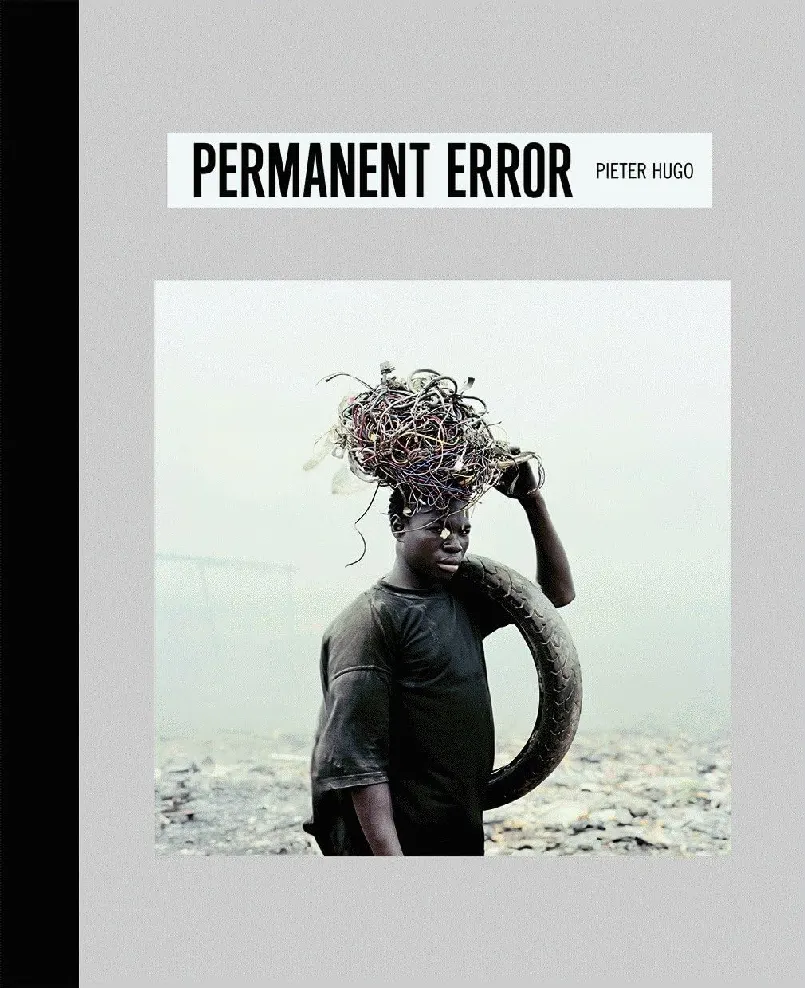
In Permanent Error, Pieter Hugo documents the apocalyptic landscape of the Agbogbloshie dump in Accra, Ghana, a vast wasteland where the developed world’s obsolete electronic waste is discarded and burned. The project serves as a stark indictment of the global flow of e-waste, capturing the marginalized communities of young men and boys who live and work amidst the toxic ruins, burning plastic casings to extract trace amounts of copper and other metals. Following his acclaimed series The Hyena & Other Men, this body of work cements Hugo’s career-long exploration of populations existing on the extreme peripheries of global capitalism and environmental degradation.

Visually, the book presents a dystopian, almost alien world shrouded in thick plumes of toxic black smoke and scorched earth. Using a large-format camera, Hugo contrasts the sprawling, chaotic landscapes of shattered monitors, tangled wires, and burning debris with highly formalized, statuesque portraits of the workers. The resulting aesthetic is both classically composed and profoundly unsettling, relying on the muted, ash-covered tones of the environment to heighten the spatial tension between the human subjects and the overwhelming scale of technological decay.

Within Hugo's broader oeuvre, this 2011 publication remains a pivotal documentary achievement, shifting the focus from localized African subcultures to a devastating critique of globalized consumption.

‍

Prestel
2011
with:
Edition:
1st
Edition size:
Signed
Out of Print
The Hyena and Other Men
▲
All images
→

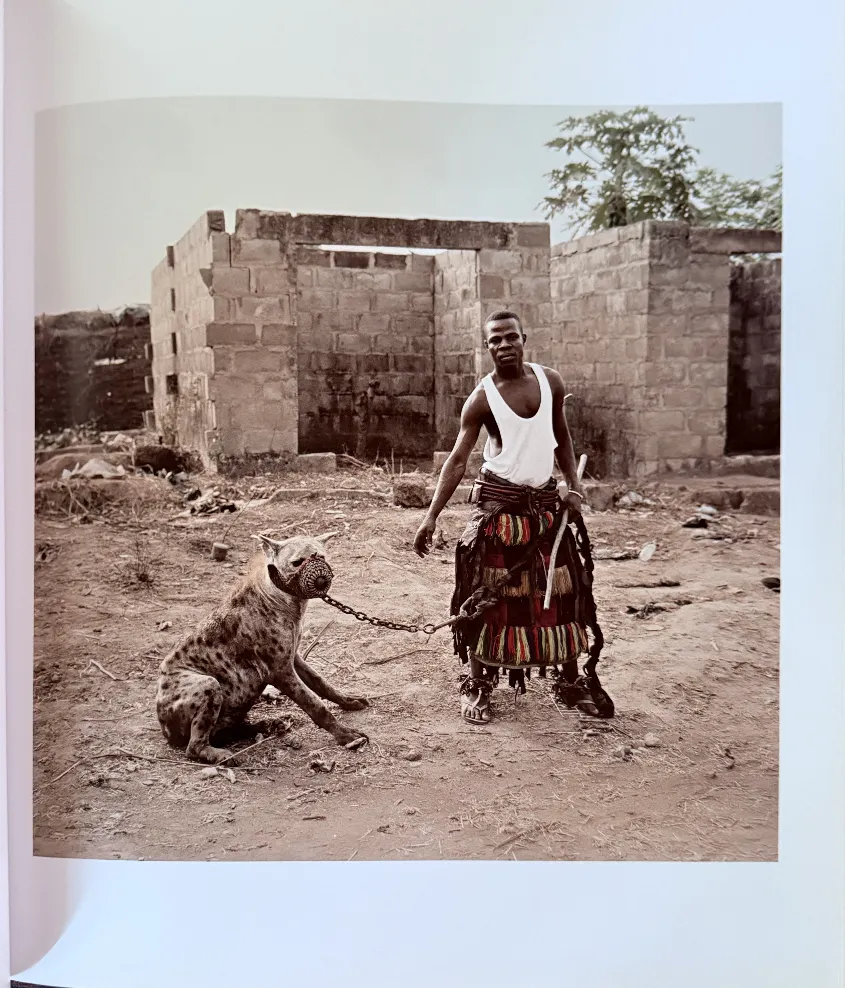
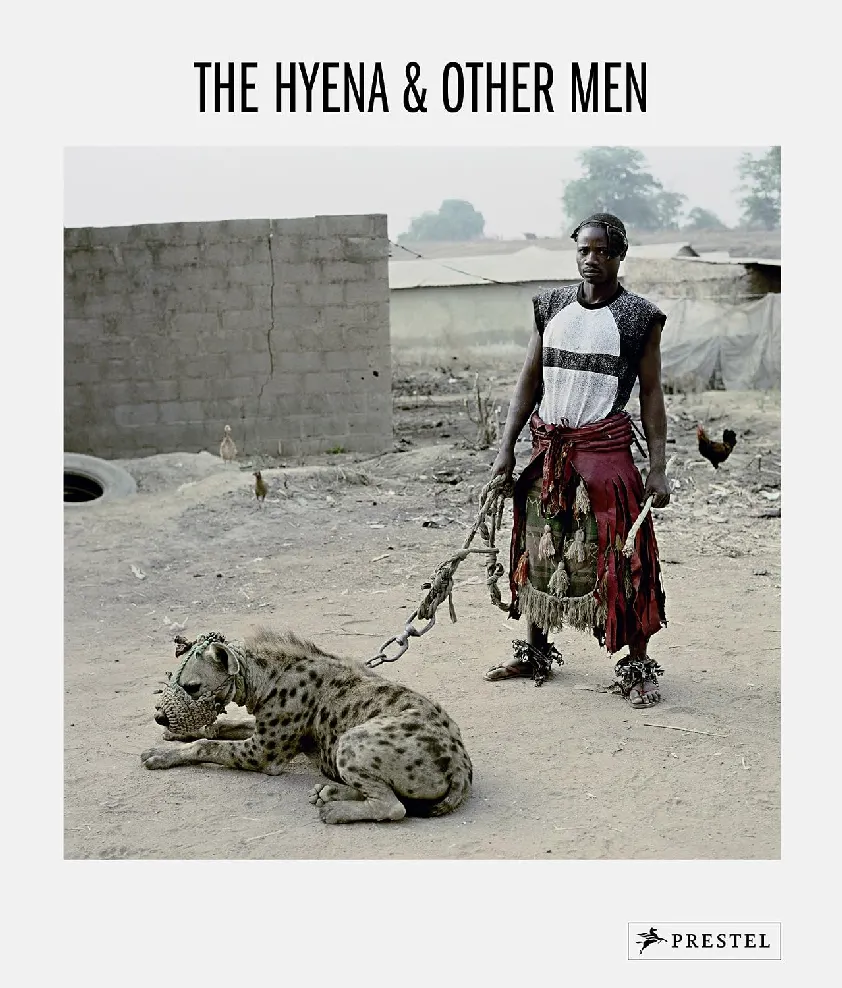
The Hyena and Other Men is a celebrated photobook documenting the Gadawan Kura, a nomadic troupe of itinerant animal handlers, performers, and traditional medicine sellers in northern Nigeria.

The series captures these men and their families living alongside dangerous wild animals, including muzzled hyenas, rock pythons, and baboons. Hugo traveled with the group through urban peripheries and shantytowns, framing intimate, confrontational portraits that examine the complex and codependent relationship between human and beast. Rather than treating the subjects as mere spectacle, the quiet compositions explore themes of dominance and submission, wildness and domesticity, and the tension between ancient tradition and modern African urban life.

Shot during the Harmattan season, the images are characterized by a dusty, desaturated palette caused by desert sand in the air, giving the series a distinct, ethereal atmosphere. The book, accompanied by an essay from Nigerian journalist Adetokunbo Abiola, stands as one of Hugo's most internationally recognized bodies of work, offering a nuanced look at a subculture existing on the margins of society.

Prestel
2008
with:
Edition:
2nd printing
Edition size:
Out of Print
→
Prestel
2012
with:
Edition:
1st
Edition size:
Out of Print
→
Oodee
2012
with:
Edition:
1st
Edition size:
1000
Out of Print
→
Self Published
2015
with:
Edition:
1st
Edition size:
Out of Print
No items found.
No items found.

Pieter Hugo, South African, b. 1976

Hugo is a major contemporary South African photographer whose confrontational portraiture and documentary-style images engage with the complexities of post-colonial identity, marginalized subcultures, and the social realities of the African continent and beyond. Born on October 29, 1976, in Johannesburg, Hugo grew up in Cape Town during the end of the apartheid era. As a largely self-taught photographer, his work occupies a distinct space between staged conceptual portraiture and raw, straight-documentary realism.

His practice centers on how history, politics, and environment physically inscribe themselves on individuals and landscapes. He primarily shoots with large-format cameras, a cumbersome process that requires slow, deliberate collaboration, dialogue, and mutual consent between himself and his subjects. Relying heavily on harsh, direct natural sunlight, Hugo avoids synthetic flash to preserve a stark, authentic, and highly textured rawness. Deeply aware of the historically fraught and voyeuristic nature of Western photography in Africa, Hugo deliberately structures his images to confront the viewer. His subjects look directly back at the lens, challenging the viewer's gaze and stripping away standard ethnographic clichés.

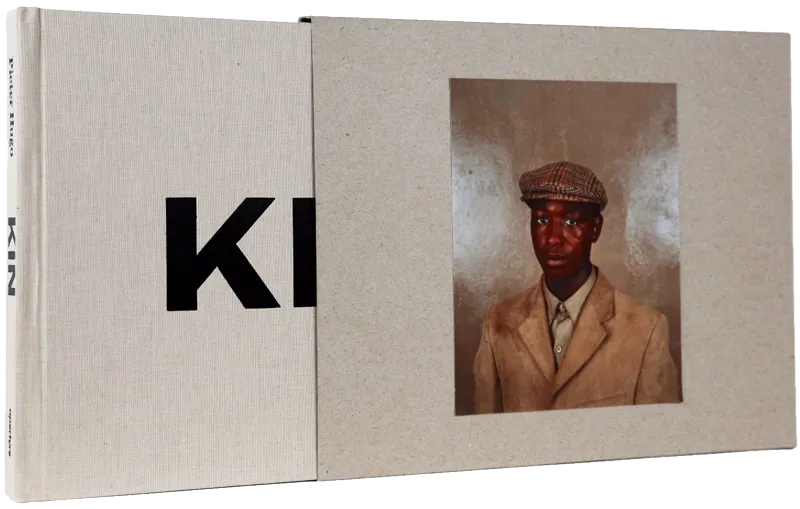
Throughout his career, Hugo has produced highly influential, critically acclaimed photographic series and monographs. His breakthrough series, The Hyena and Other Men, documents a troupe of itinerant Nigerian performers who travel with captured hyenas, baboons, and rock pythons, capturing a tense, quiet coexistence on the urban fringes of Abuja. In Nollywood, shot in Enugu, Nigeria, Hugo had actors from Nigeria's massive film industry re-create theatrical, over-the-top, and often macabre narrative tableaux, blurring the boundaries between truth and staged melodrama. Permanent Error documents the workers and desolate landscape of the Agbogbloshie market on the outskirts of Accra, Ghana, a dumping ground for millions of tons of imported Western electronic waste. Kin, shot over eight years, acts as an internal examination of South Africa's deep racial and economic divides, incorporating landscapes, self-portraits, and intimate depictions of Hugo’s own family. La Cucaracha, shot throughout Mexico, documents everyday people and highly staged cinematic vignettes that explore national archetypes, death, and daily survival.

Hugo has received numerous honors, including the Discovery Award at the Rencontres d'Arles, the KLM Paul Huf Award, and a shortlist nomination for the prestigious Deutsche Börse Photography Prize. His work is held in major international public collections, including the Museum of Modern Art and the Metropolitan Museum of Art in New York, the Victoria and Albert Museum in London, and the Centre Pompidou in Paris. He currently lives and works near Cape Town, South Africa.

‍