
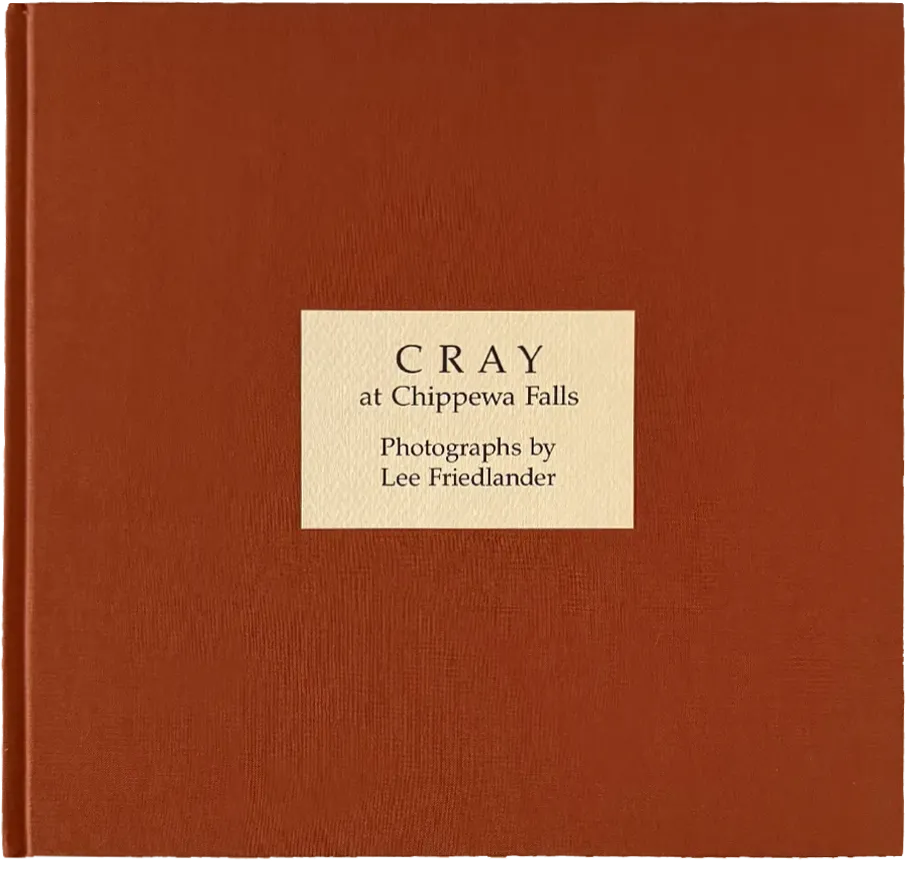
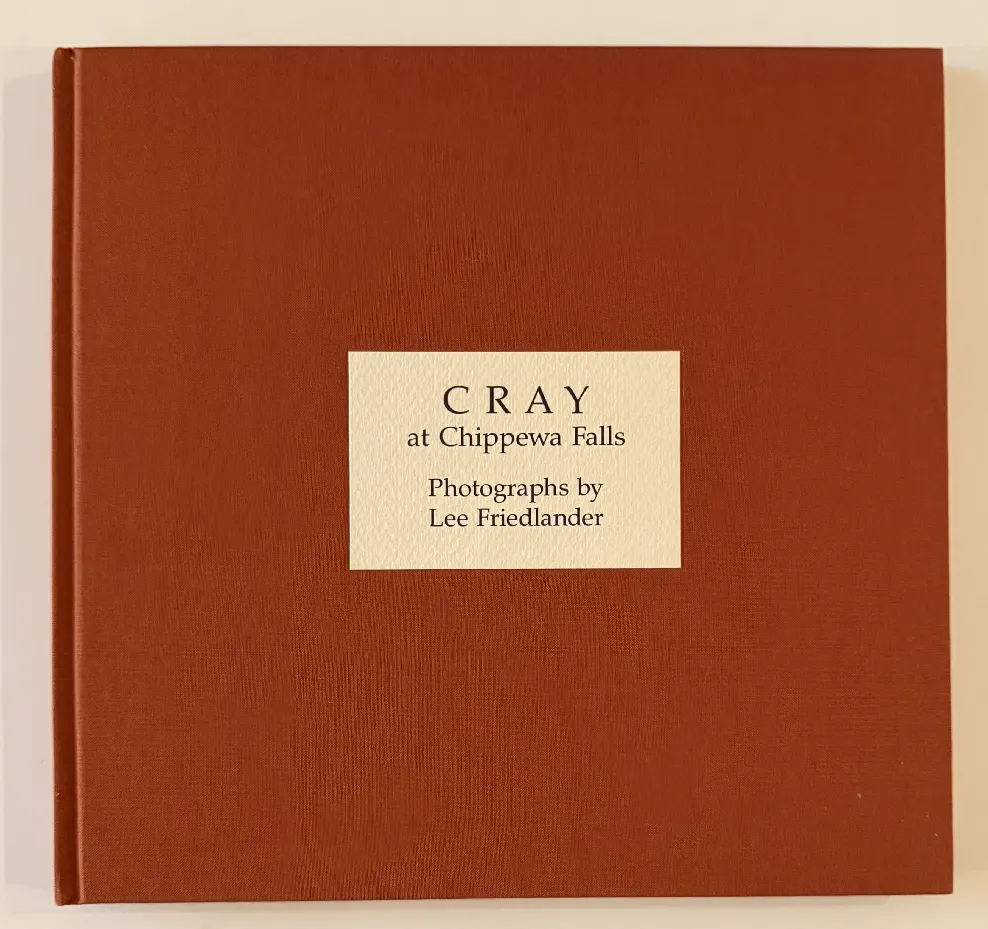
Hardcover issued without a DJ, with promotional leaflet. 96 pages featuring 79 black-and-white plates
ISBN:



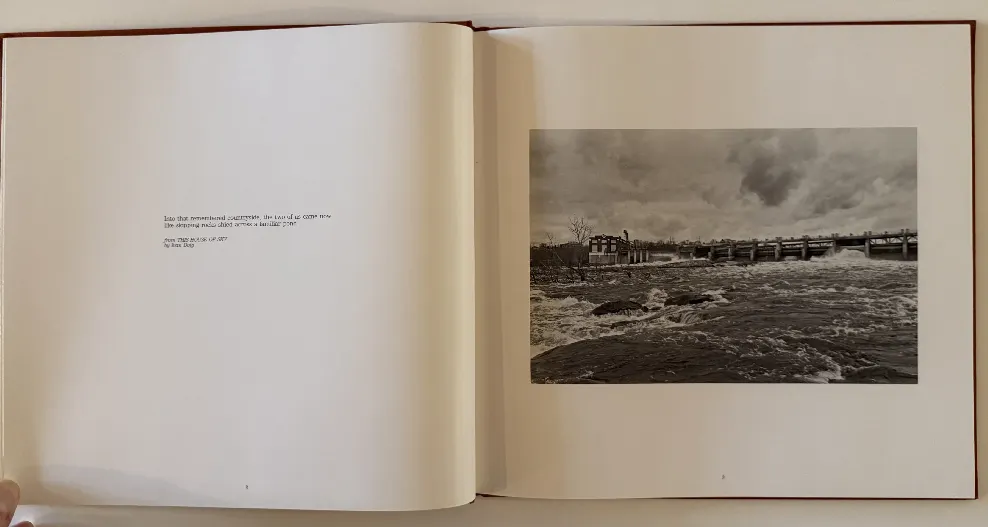
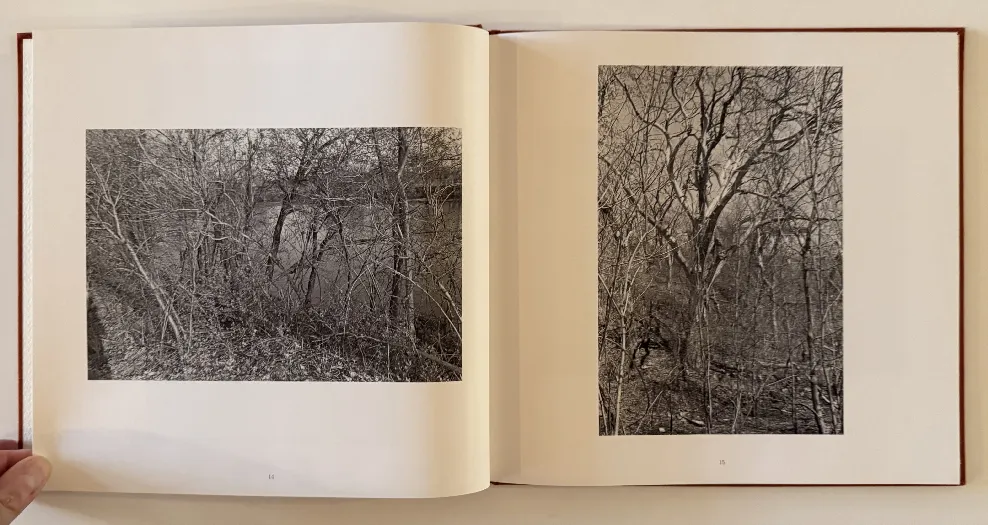
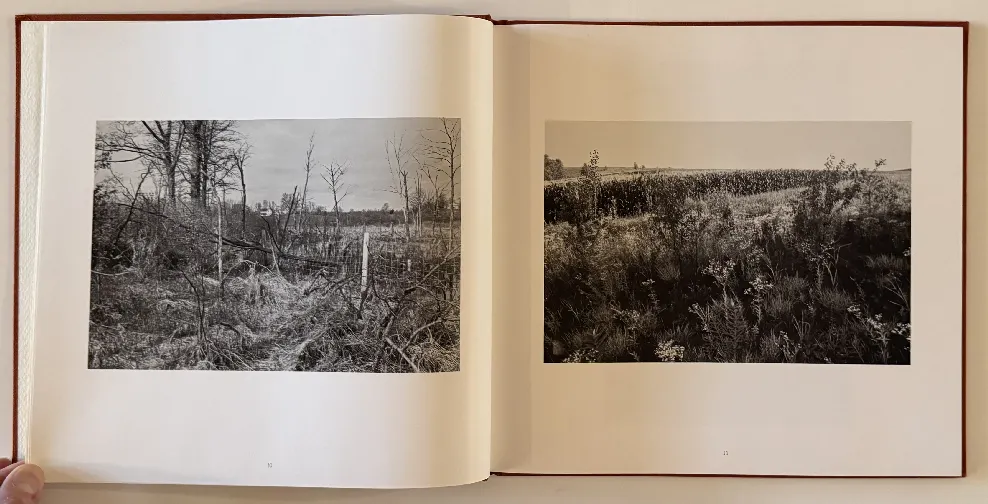
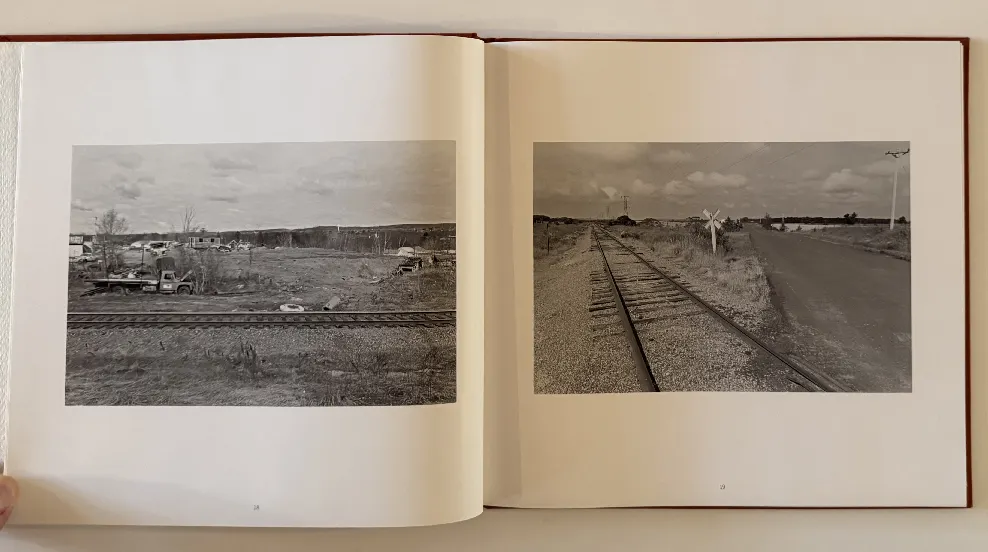
Cray at Chippewa Falls by Lee Friedlander is a privately printed photobook commissioned by Cray Research in 1987 to celebrate the supercomputer manufacturer's fifteenth anniversary. Never made available for public or commercial sale, the volume was distributed exclusively as a gift to the company's employees
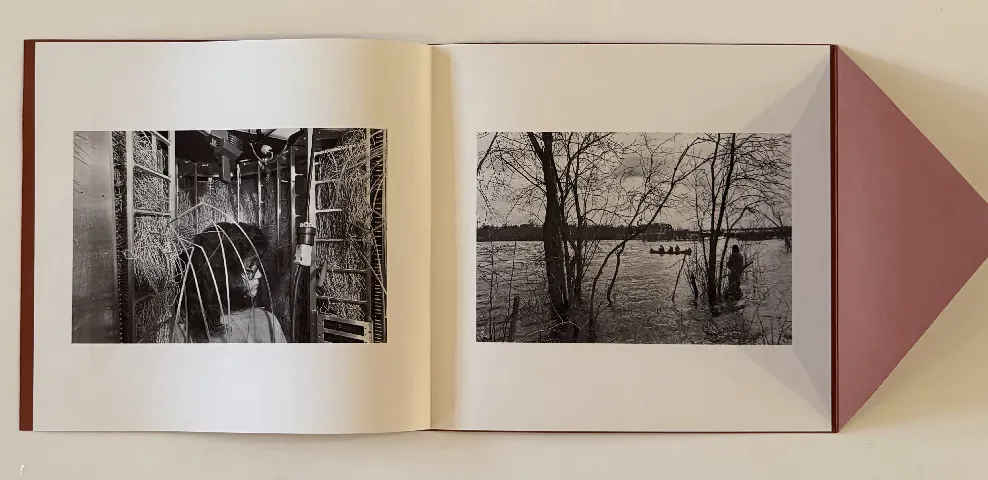
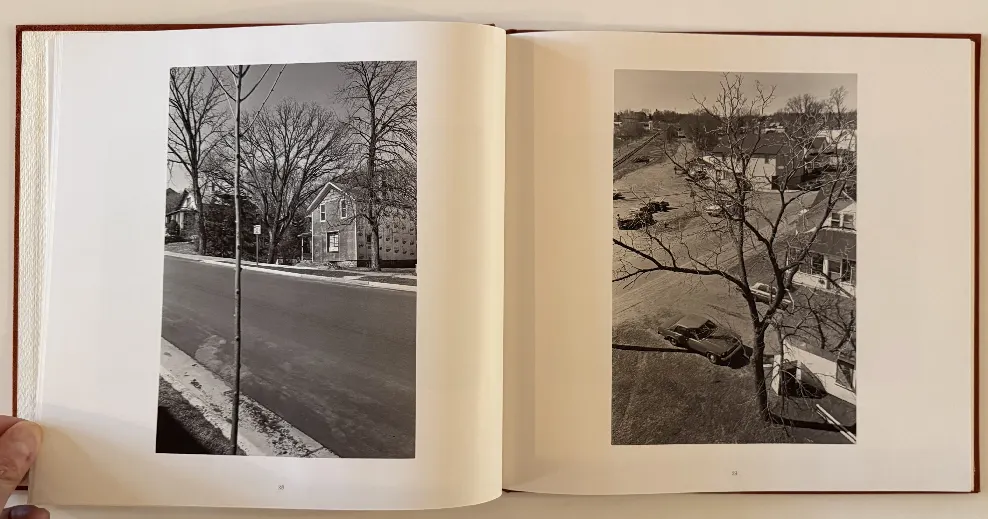
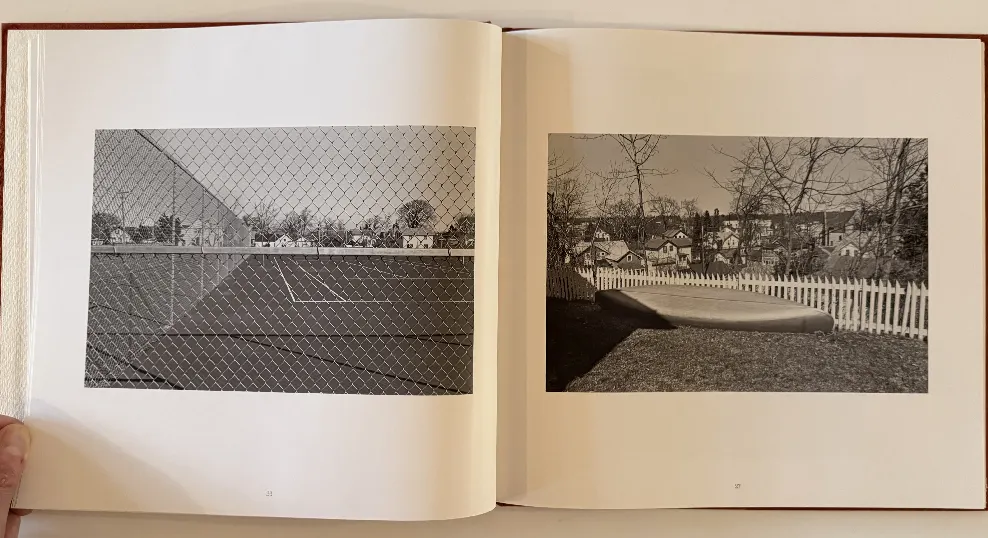
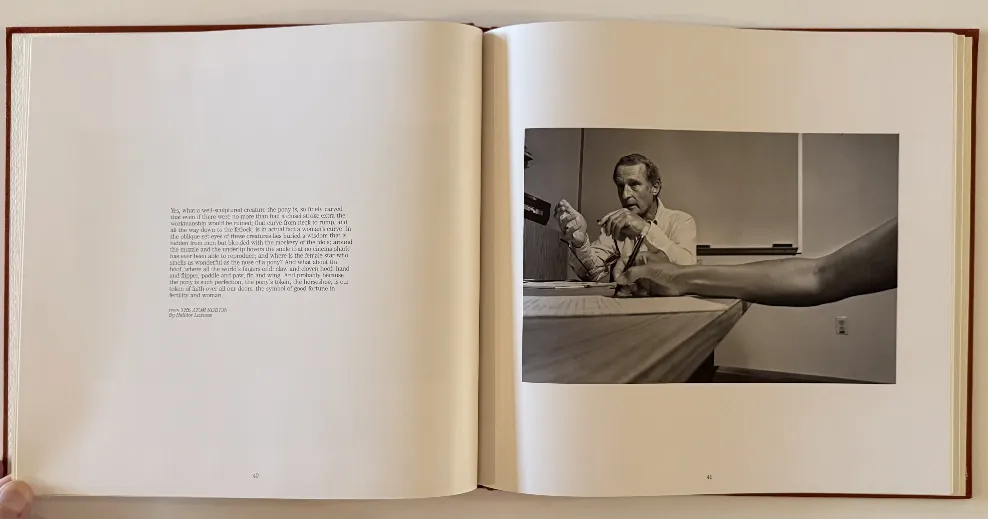
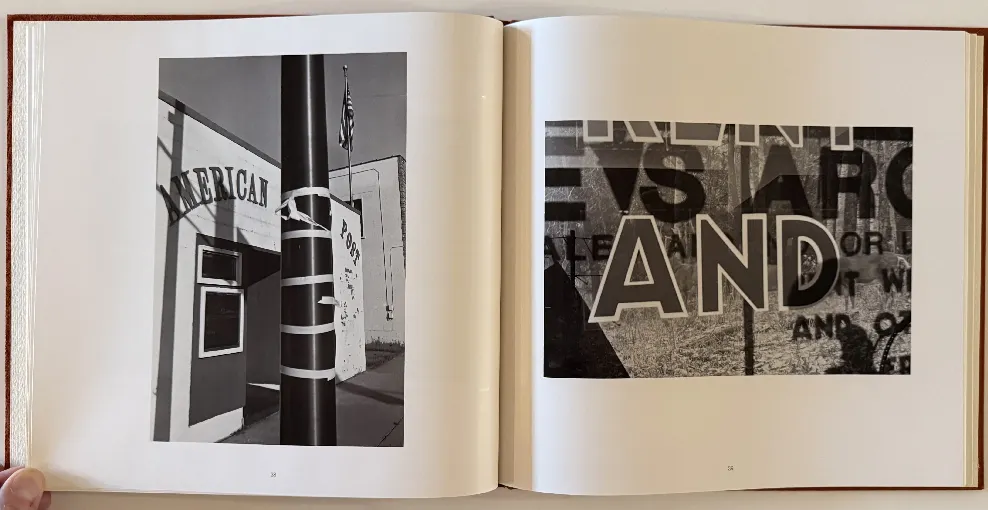
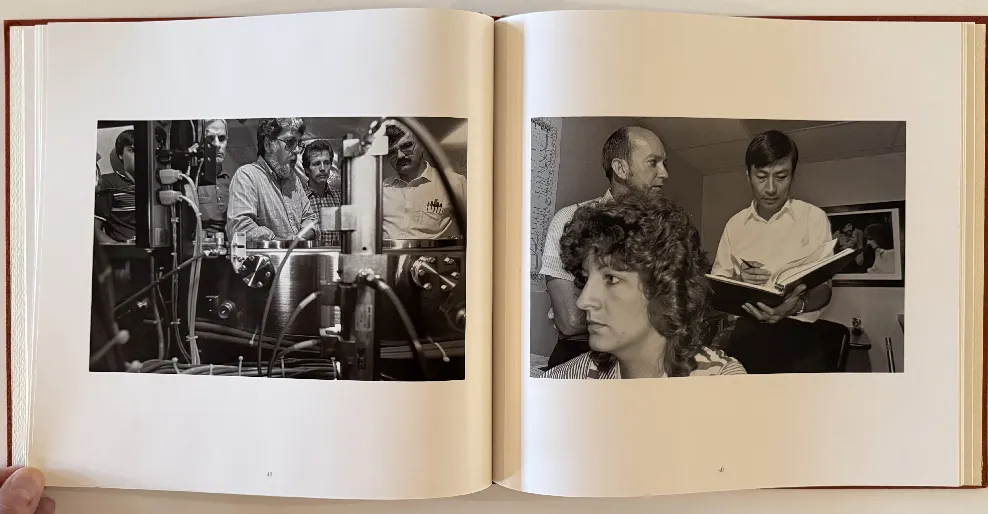
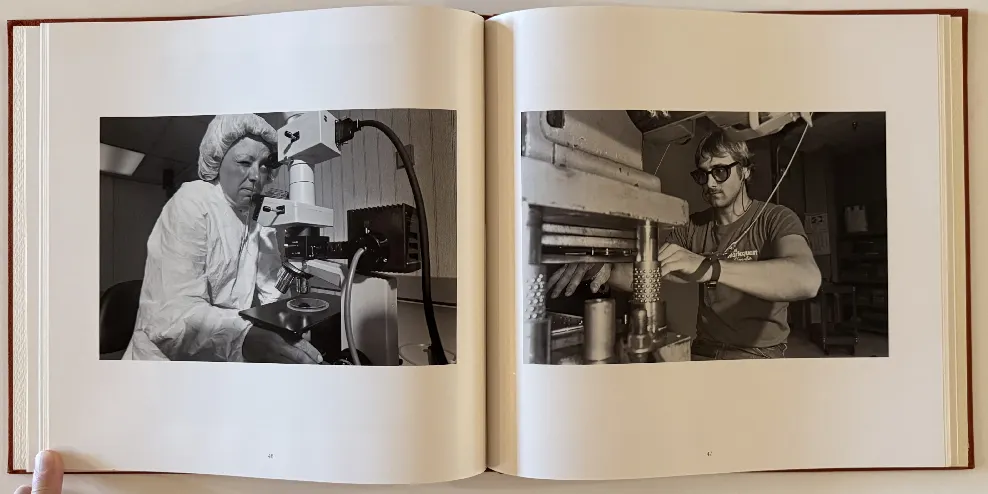
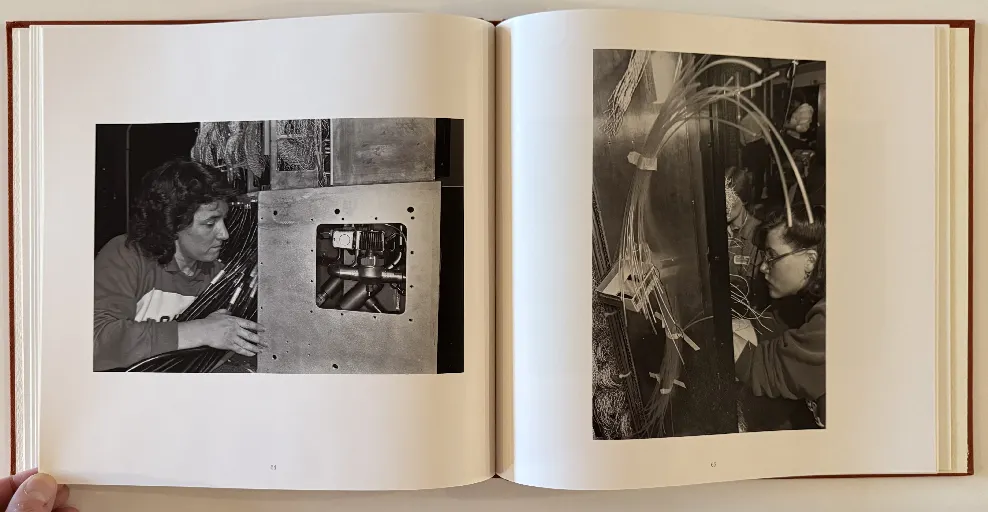
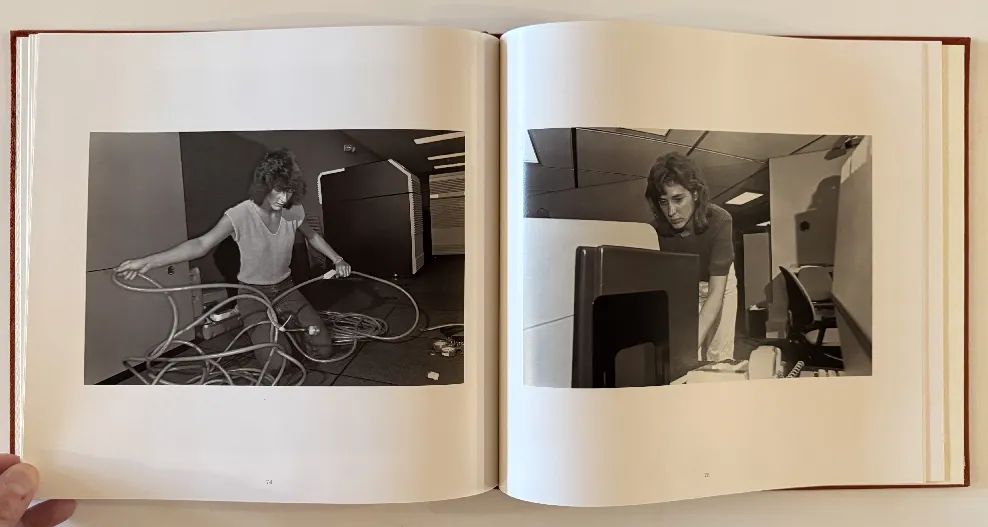
The project gave Friedlander, a master of the "social landscape," the opportunity to explore the apparent paradox of a small, distinctly American farming town housing a research center on the cutting edge of technological advancement. The sequence is roughly divided into two sections: one observing the rural environment of the Chippewa Falls area, and the other documenting the workers inside Cray's laboratories. In his signature style, Friedlander captures the complex, chaotic visual layering of high-tech computer manufacturing, juxtaposing the intricate, wire-dense interiors of early supercomputers with the everyday reality of the factory workers and the surrounding pastoral landscape.
Photobook historians Martin Parr and Gerry Badger featured the publication in their seminal history, noting that Friedlander is so close to his best that this volume has become one of the most covetable and instructive of company photobooks. The book provides a rare, unsentimental look into the dawn of the computing era, elevated by Friedlander's strict formal rigor.
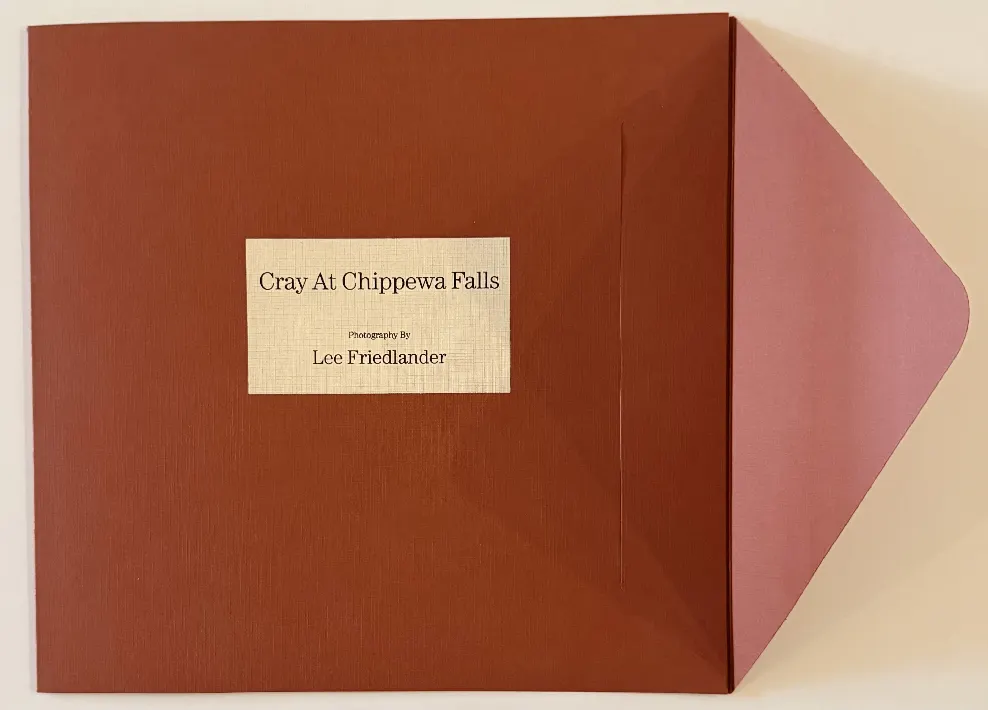
This copy includes the publisher's promotional leaflet in its envelope, matching the color of the book's cloth.
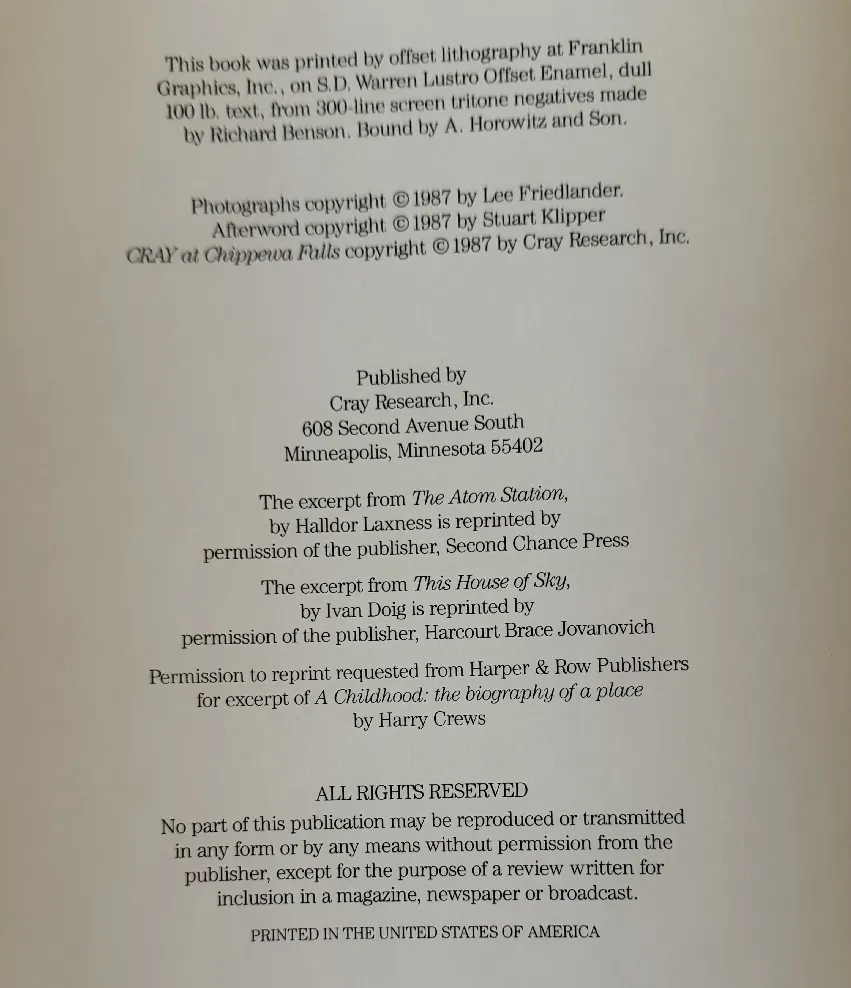
The book's 79 black-and-white plates were printed using offset lithography, from 300-line screen tritone negatives made by Richard Benson, a process that successfully translated Friedlander's complex, high-contrast visual style into the final physical publication.

Cray at Chippewa Falls by Lee Friedlander is a privately printed photobook commissioned by Cray Research in 1987 to celebrate the supercomputer manufacturer's fifteenth anniversary. Never made available for public or commercial sale, the volume was distributed exclusively as a gift to the company's employees
The project gave Friedlander, a master of the "social landscape," the opportunity to explore the apparent paradox of a small, distinctly American farming town housing a research center on the cutting edge of technological advancement. The sequence is roughly divided into two sections: one observing the rural environment of the Chippewa Falls area, and the other documenting the workers inside Cray's laboratories. In his signature style, Friedlander captures the complex, chaotic visual layering of high-tech computer manufacturing, juxtaposing the intricate, wire-dense interiors of early supercomputers with the everyday reality of the factory workers and the surrounding pastoral landscape.
Photobook historians Martin Parr and Gerry Badger featured the publication in their seminal history, noting that Friedlander is so close to his best that this volume has become one of the most covetable and instructive of company photobooks. The book provides a rare, unsentimental look into the dawn of the computing era, elevated by Friedlander's strict formal rigor.
This copy includes the publisher's promotional leaflet in its envelope, matching the color of the book's cloth.
The book's 79 black-and-white plates were printed using offset lithography, from 300-line screen tritone negatives made by Richard Benson, a process that successfully translated Friedlander's complex, high-contrast visual style into the final physical publication.