


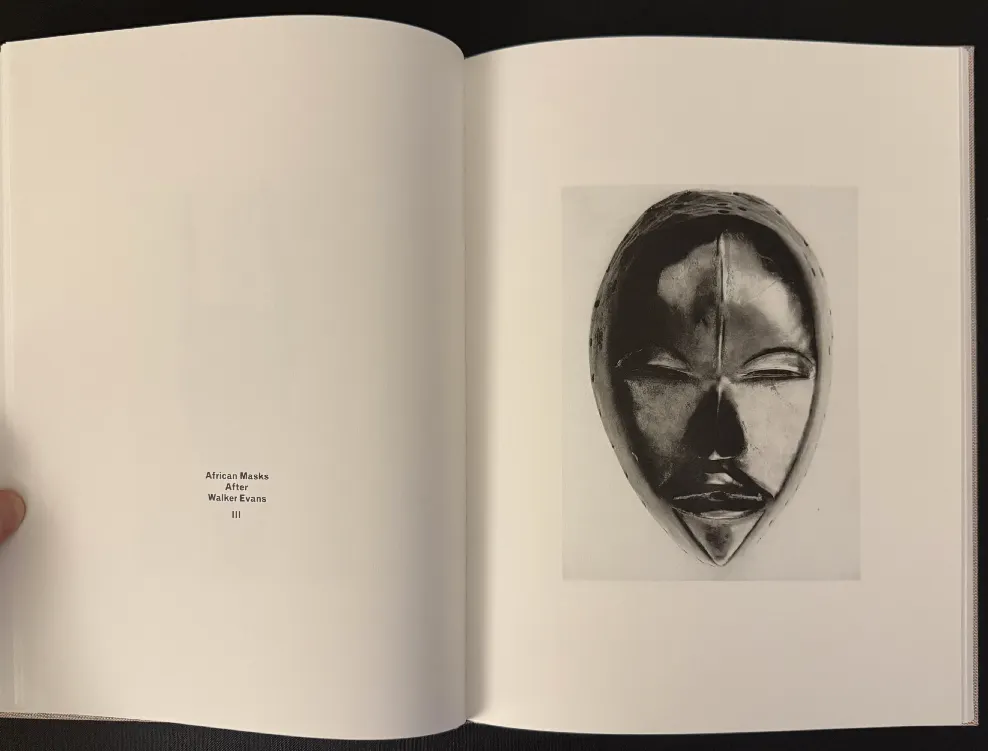
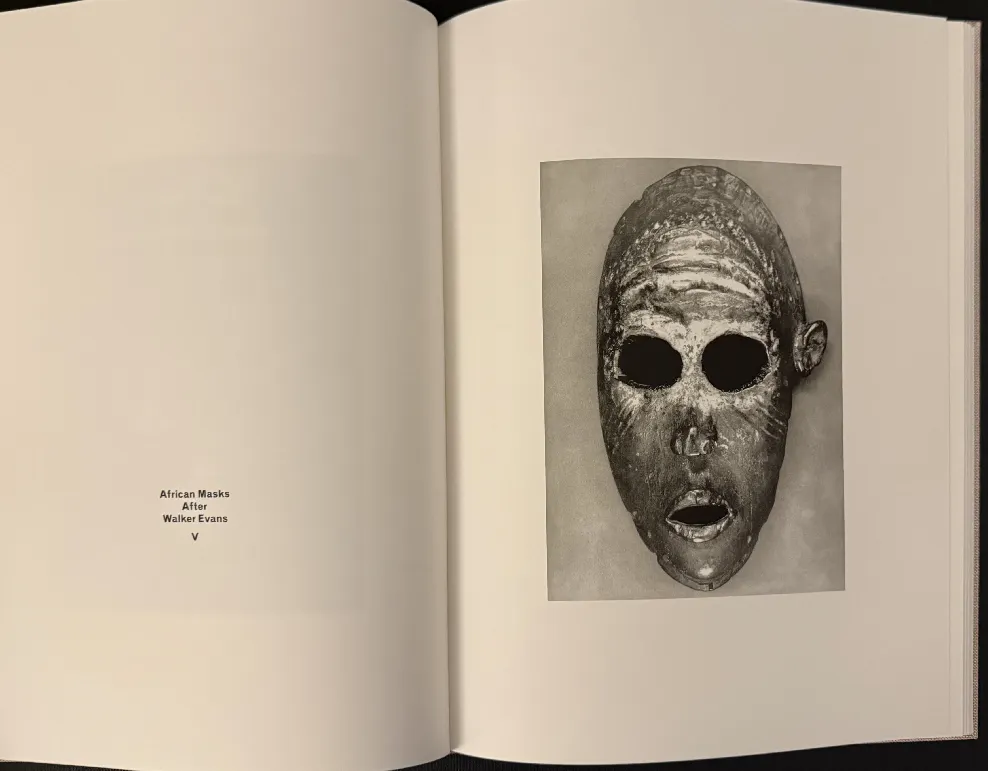
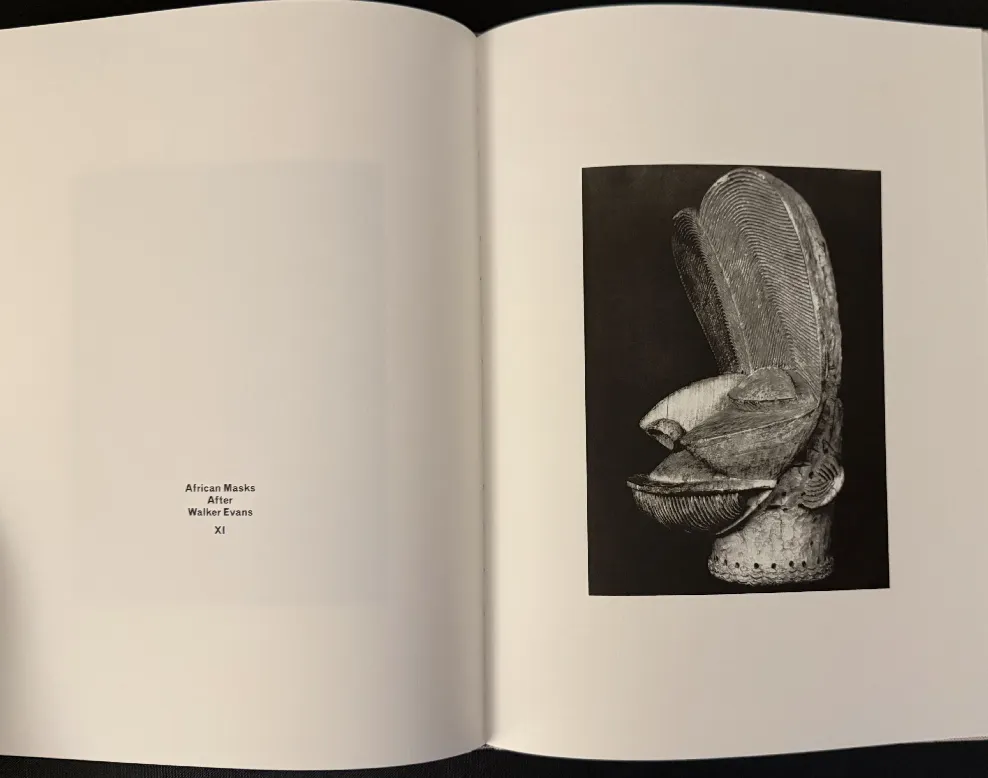
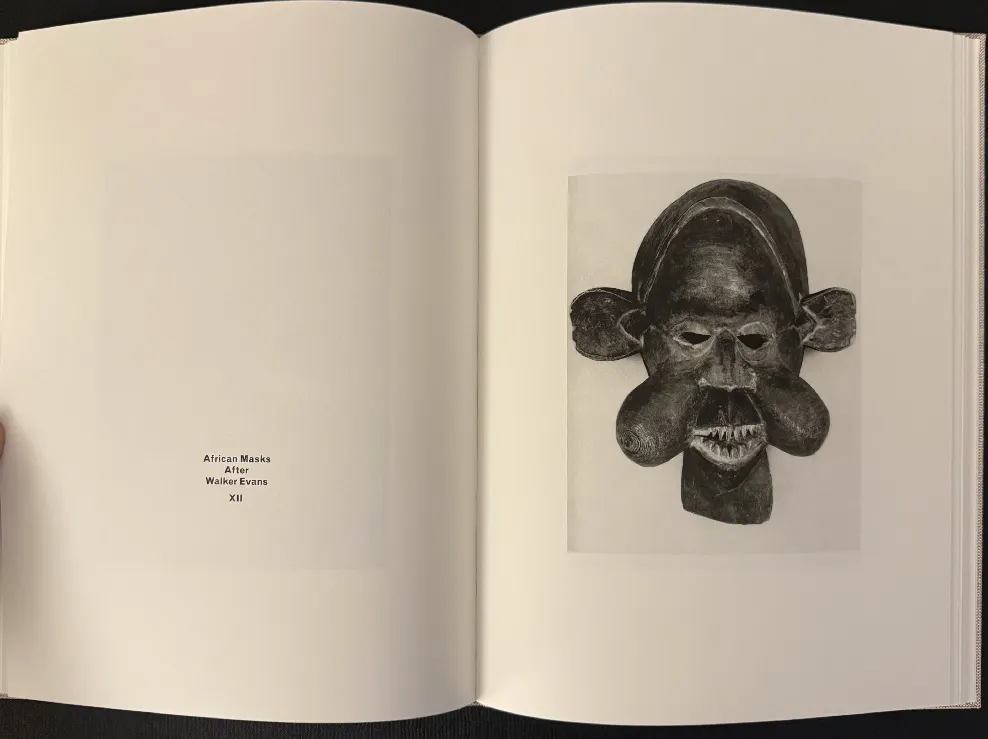
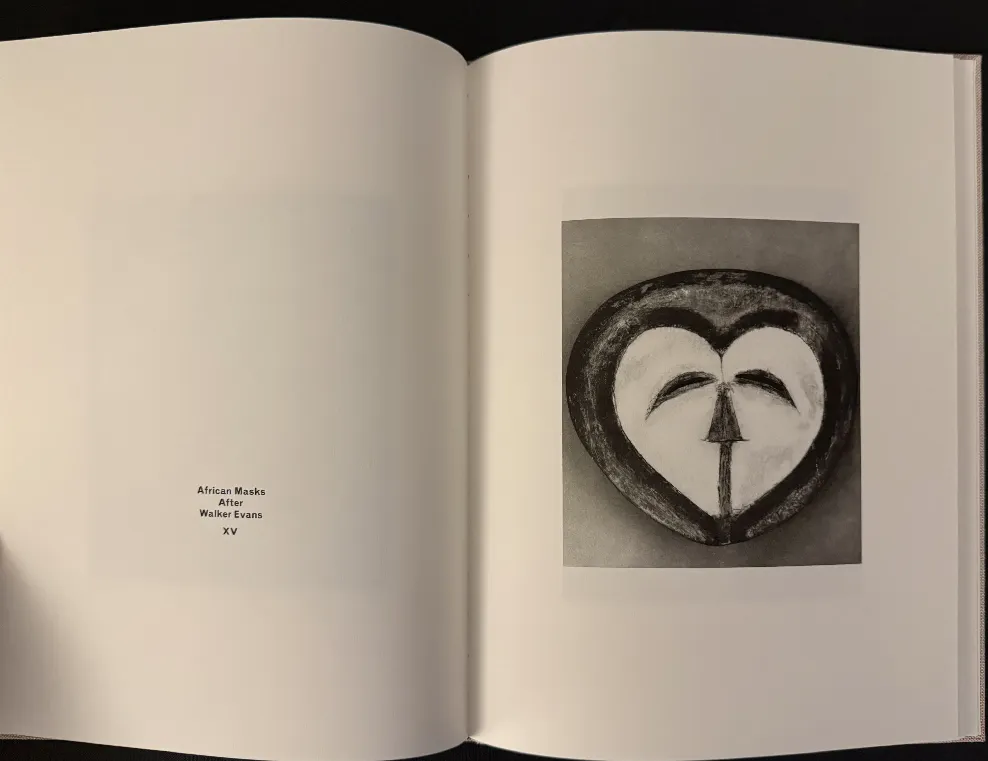
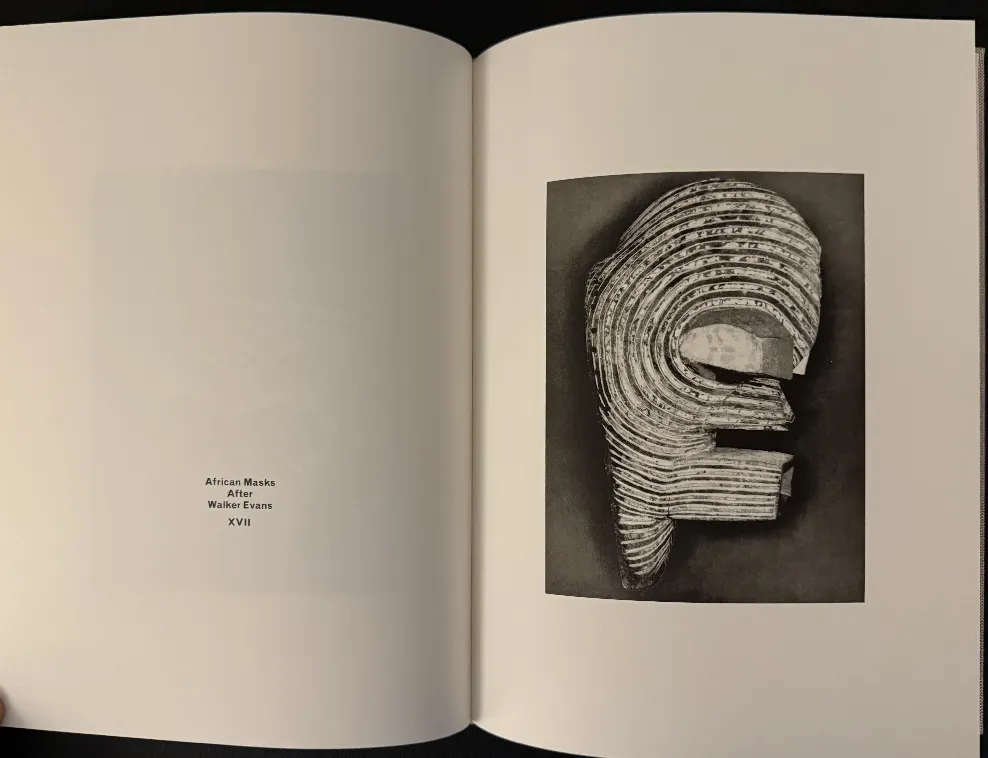
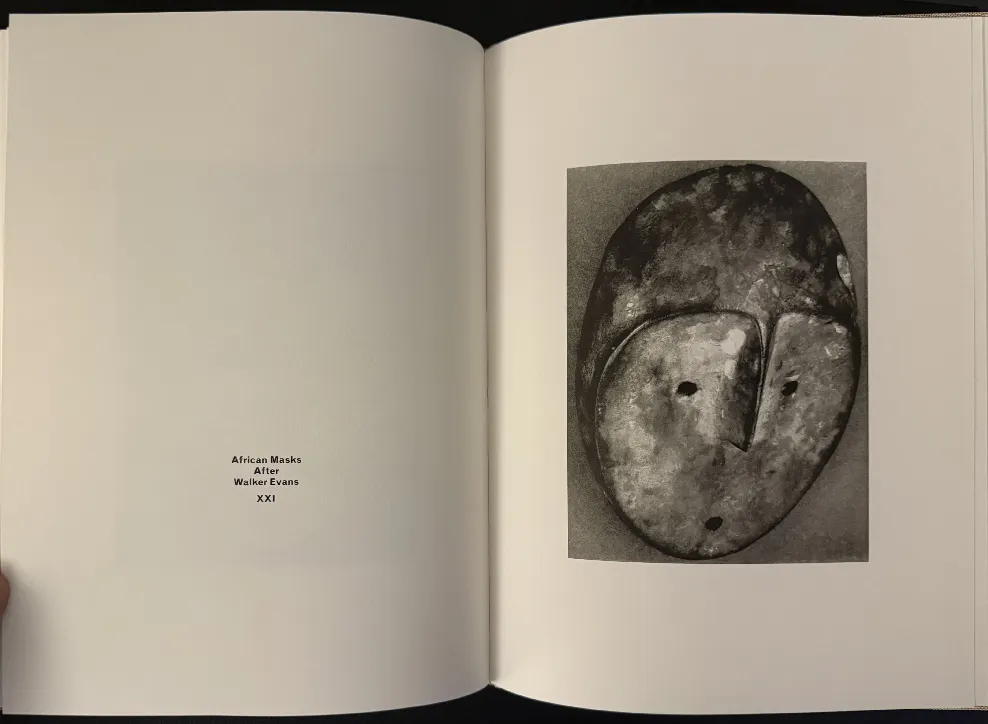
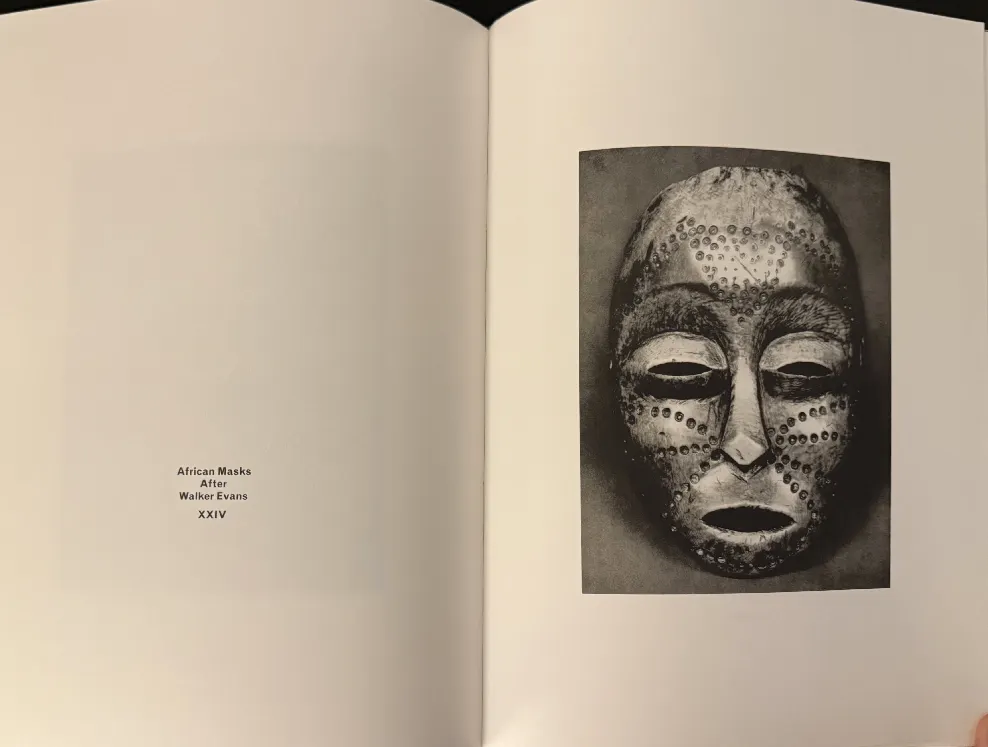
African Masks After Walker Evans captures Levine's ongoing engagement with appropriation, authorship, and the modernist canon.
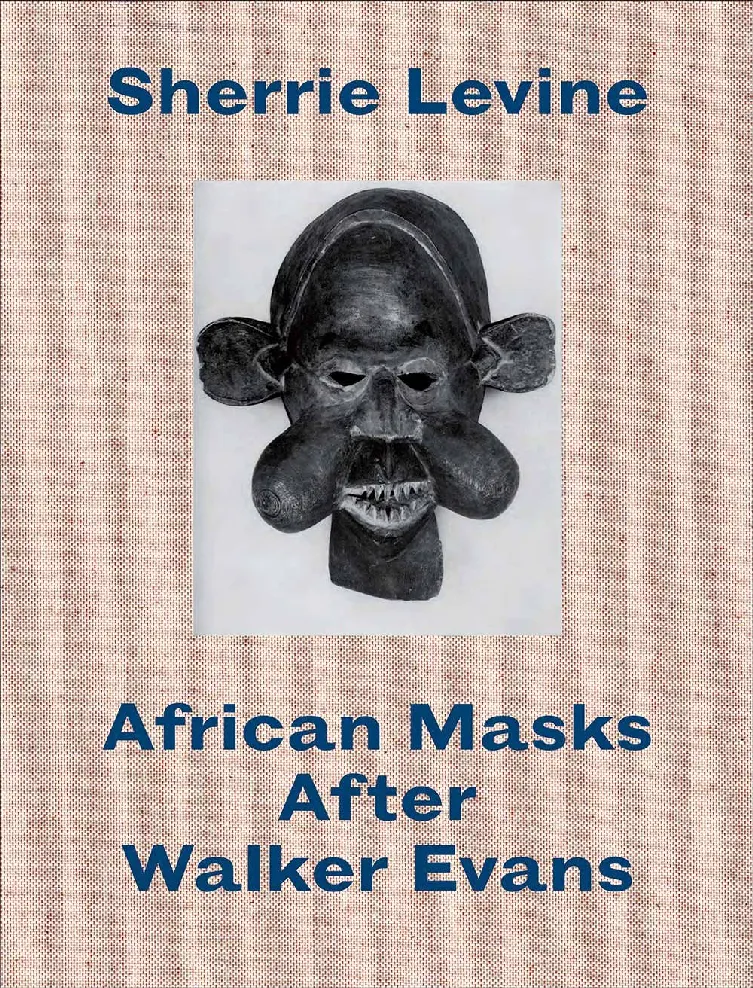
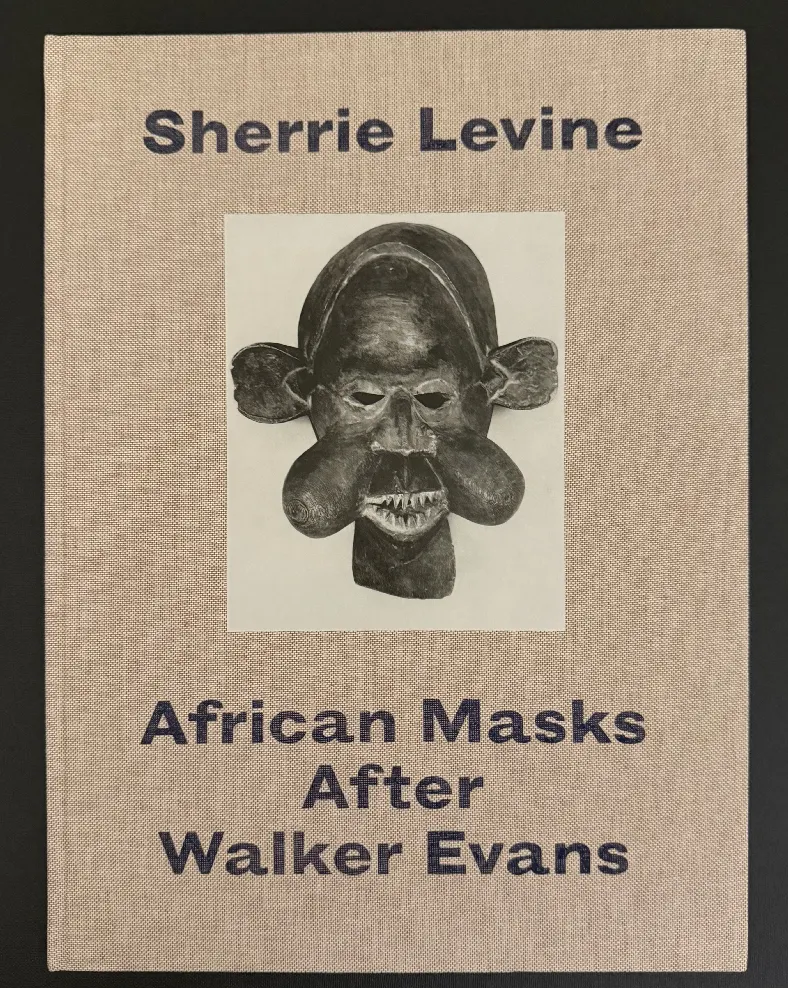
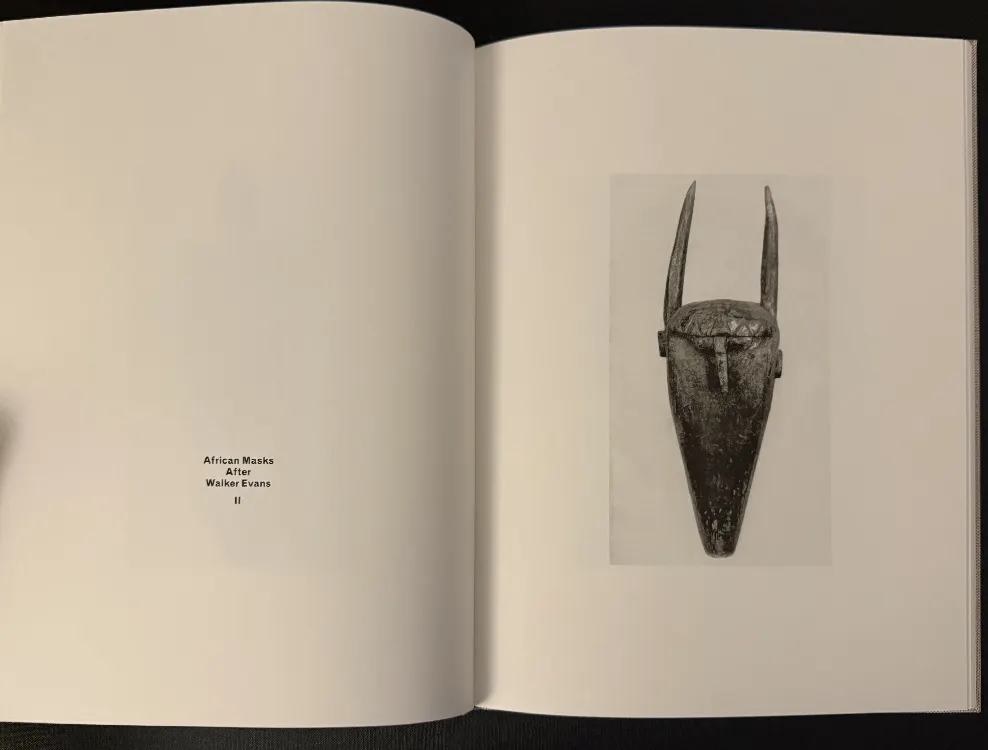
The work features photographs of anonymous African tribal masks that were originally photographed by Walker Evans for his landmark 1935 exhibition catalog, African Negro Art, at the Museum of Modern Art (MoMA).
By re-photographing Evans's documentation of these ritual objects, Levine collapses historical distance, turning an ethnographic record into a commentary on modernism's fascination with "primitive" art, the aura of the original artifact, and the layers of mediation between the object, the first photographer, and the subsequent artist.
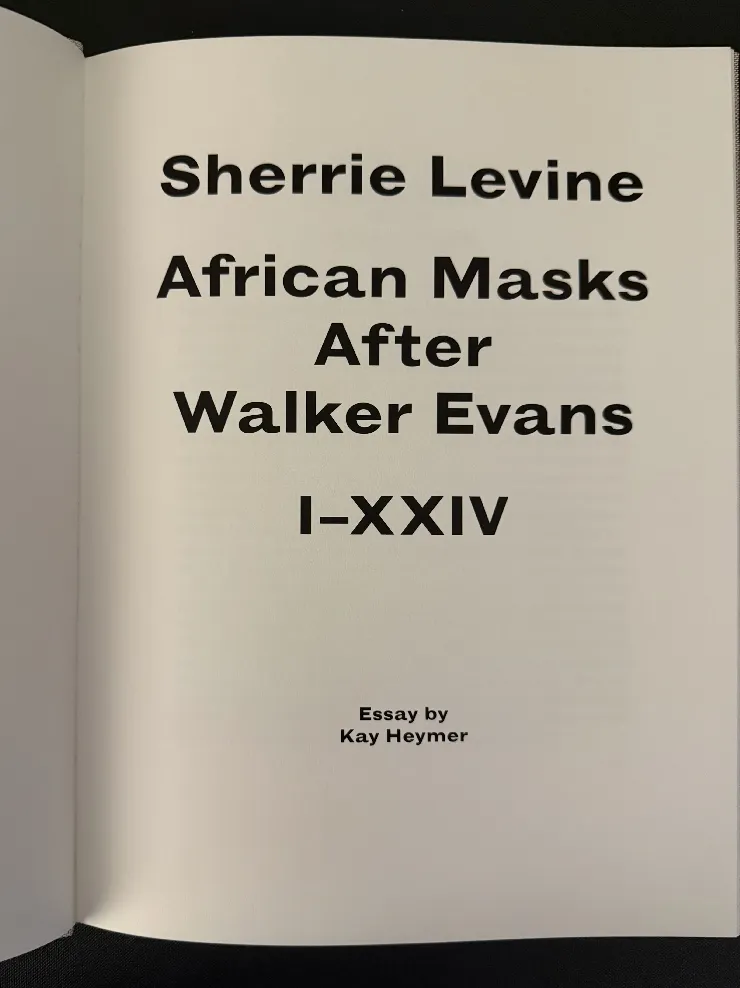
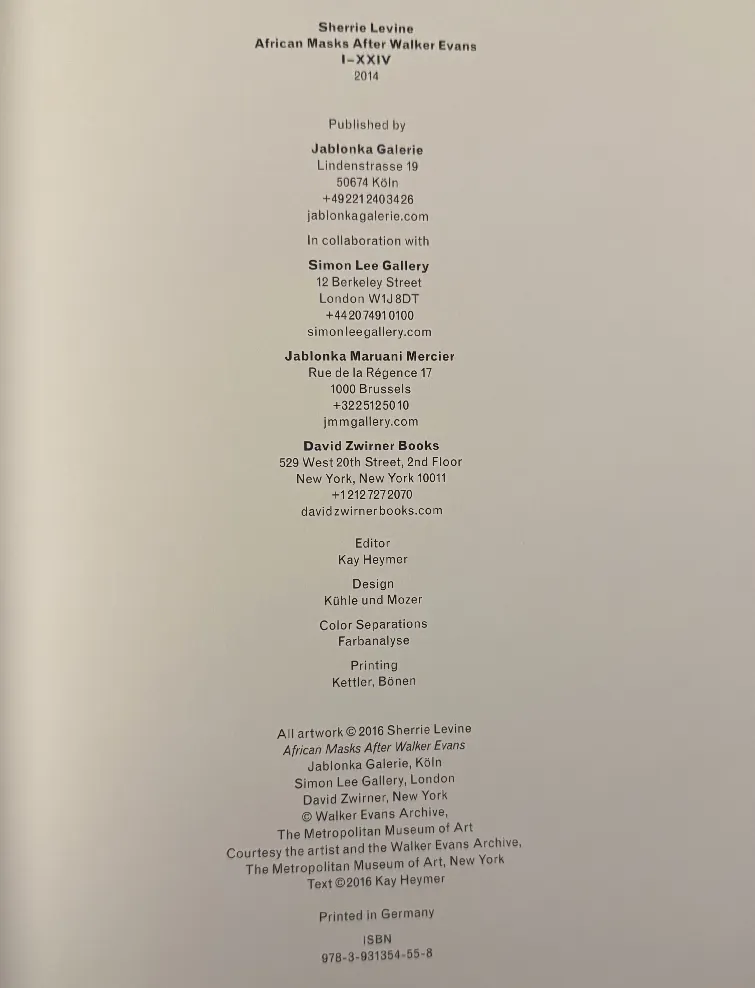
Released in a limited edition structure (indicated in the collection metadata across pages 1 to XXIV), the book serves as both a standalone artist's book and a conceptual archive reflecting Levine's signature strategy of restaging historical images to question ownership and representation.

African Masks After Walker Evans captures Levine's ongoing engagement with appropriation, authorship, and the modernist canon.
The work features photographs of anonymous African tribal masks that were originally photographed by Walker Evans for his landmark 1935 exhibition catalog, African Negro Art, at the Museum of Modern Art (MoMA).
By re-photographing Evans's documentation of these ritual objects, Levine collapses historical distance, turning an ethnographic record into a commentary on modernism's fascination with "primitive" art, the aura of the original artifact, and the layers of mediation between the object, the first photographer, and the subsequent artist.
Released in a limited edition structure (indicated in the collection metadata across pages 1 to XXIV), the book serves as both a standalone artist's book and a conceptual archive reflecting Levine's signature strategy of restaging historical images to question ownership and representation.