


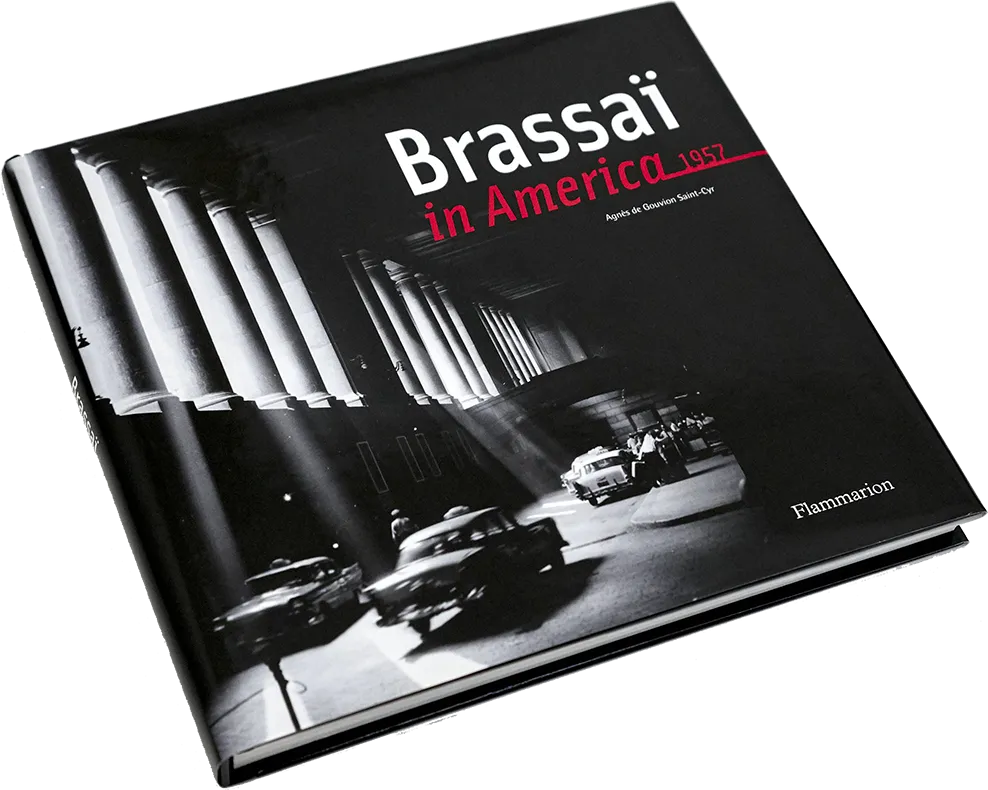
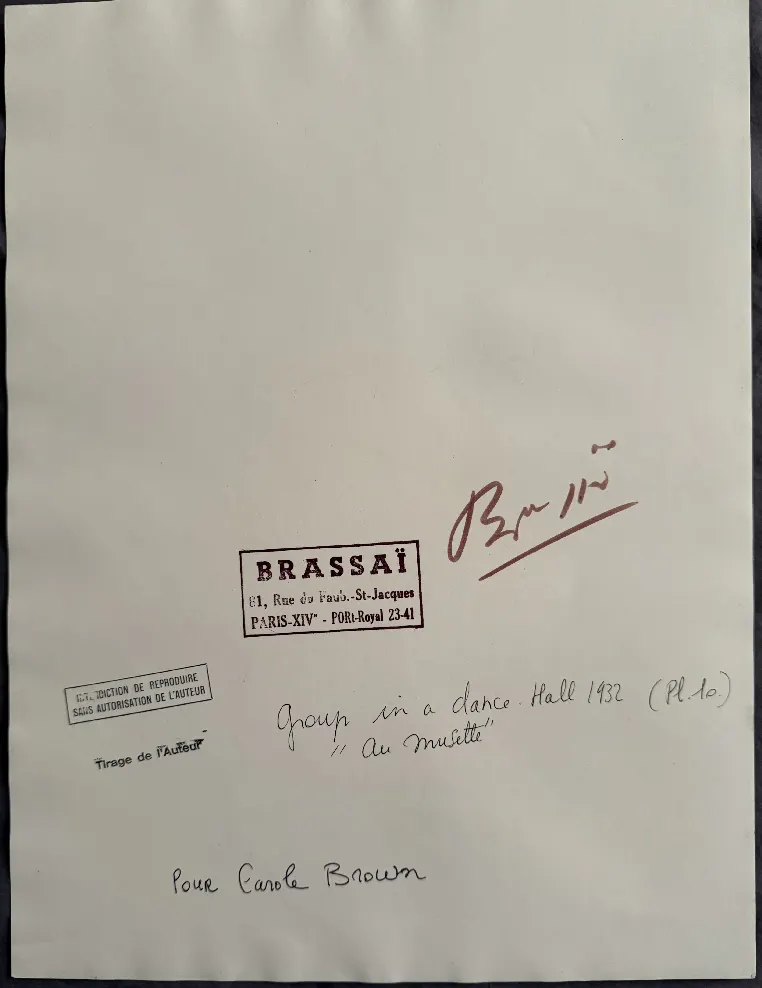
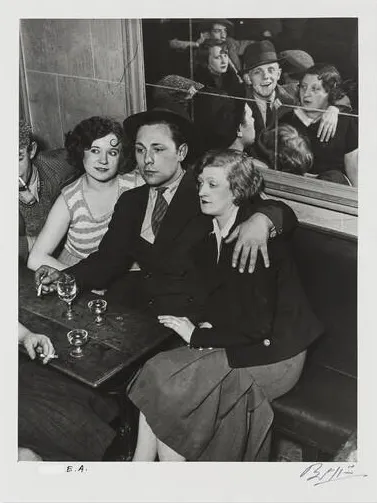
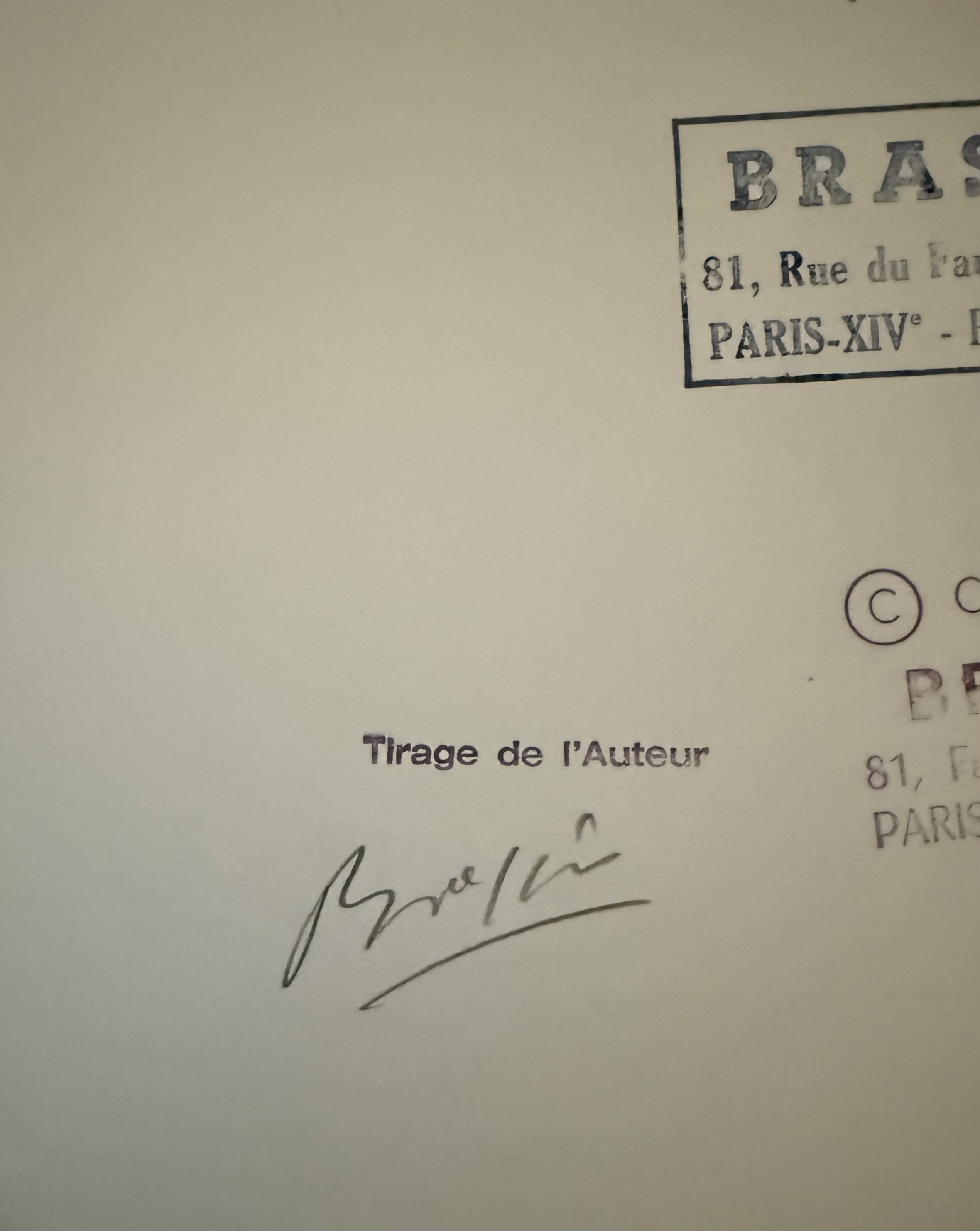
Which art books, prints and posters are available by and about this artist? Here is a sample of items of interest to a typical collector:

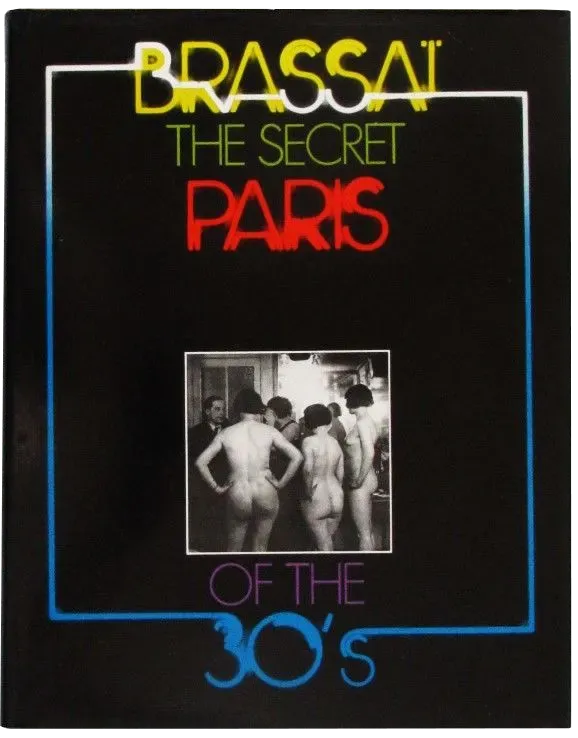



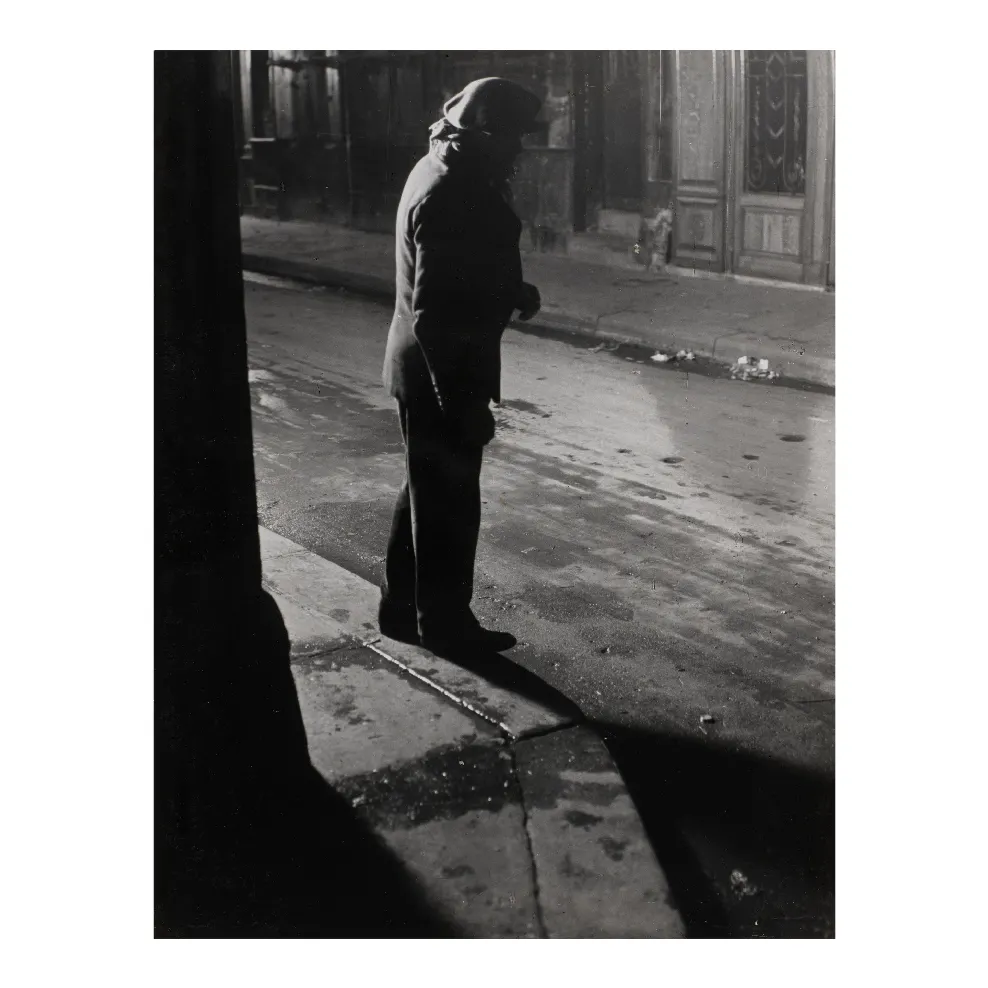
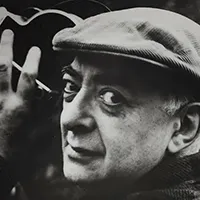
Brassaï, born Gyula Halász on September 9, 1899, in Brassó, Transylvania (then part of the Austro-Hungarian Empire, now Brașov, Romania), was a Hungarian-French.
Brassaï was a photographer, sculptor, writer, and filmmaker, best known for his evocative photographs of Paris in the 1930s. His work captured the atmospheric beauty and the gritty, poetic underbelly of the city, earning him a prominent place among the masters of 20th-century photography.
Raised in a culturally rich environment, Brassaï was introduced early to literature, art, and languages. His father, a professor of literature, took a teaching position in Paris when Brassaï was young, instilling in him a lifelong love for the city. After serving in the Austro-Hungarian army during World War I, Brassaï studied painting and sculpture at the Academy of Fine Arts in Budapest and later continued his studies in Berlin. In 1924, he moved permanently to Paris, where he became part of the city’s vibrant intellectual and artistic scene.
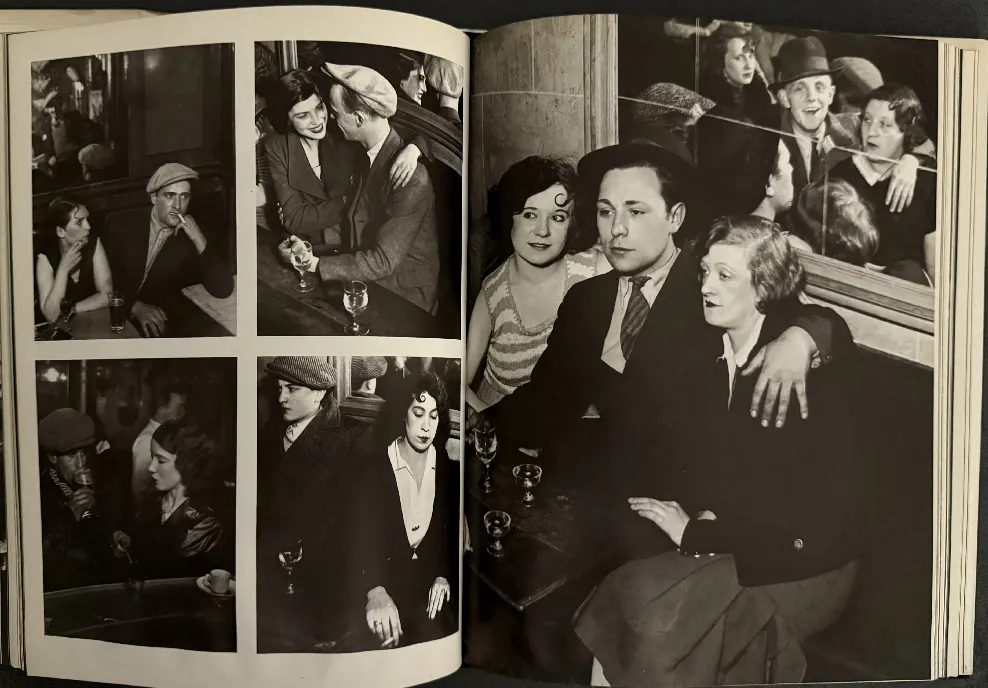
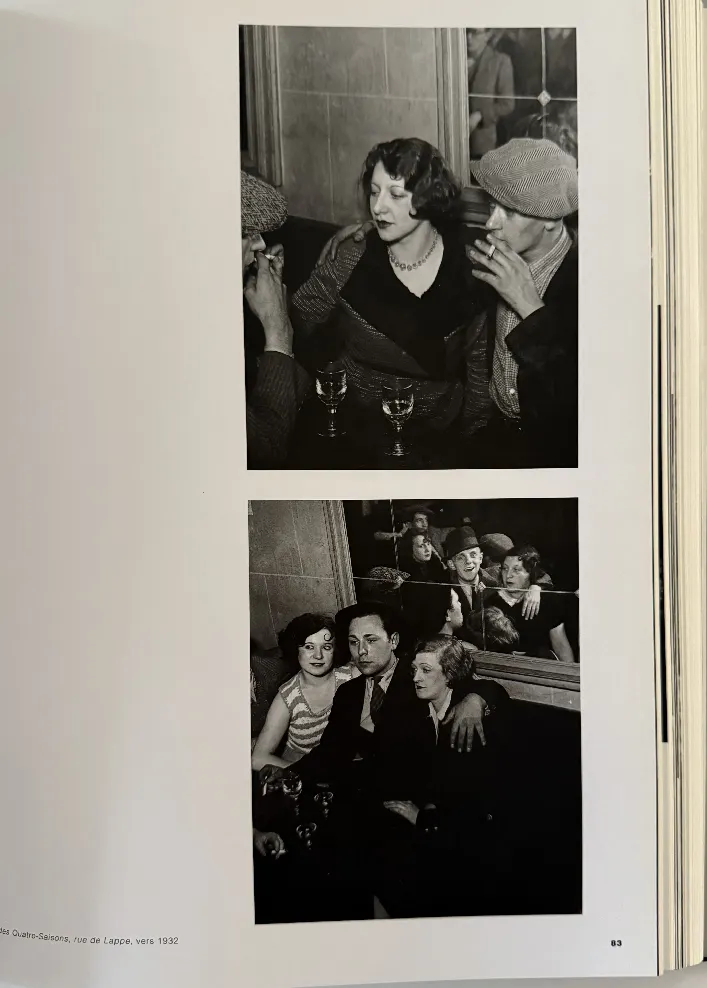
Initially working as a journalist and artist, Brassaï turned to photography as a means of expressing the Paris he saw around him—especially the one that came alive after dark. His moniker, Brassaï, derived from his hometown, became his professional identity. With his camera, he wandered the Parisian streets at night, capturing misty alleys, shadowy figures, rain-slicked cobblestones, and the inhabitants of cafés, brothels, and bars. His breakthrough came with the publication of Paris de Nuit (Paris by Night) in 1933, a book of haunting, moody photographs that revealed a side of the city that was largely unseen and deeply human.
Brassaï’s work was notable for its sense of intimacy and immediacy. He had a remarkable ability to capture both the grandeur and the rawness of urban life. He formed close relationships with many influential figures in the art world, including Pablo Picasso, Salvador Dalí, and Henry Miller. Brassaï not only photographed them but also collaborated with and wrote about them, further establishing himself as a chronicler of modern artistic life.
In addition to his photography, Brassaï explored other media. He made short films, including Tant qu’il y aura des bêtes (1955), which won the Best Avant-Garde Film award at Cannes, and created sculptures and drawings. Throughout his life, he continued to write, producing essays, memoirs, and books about art and artists.
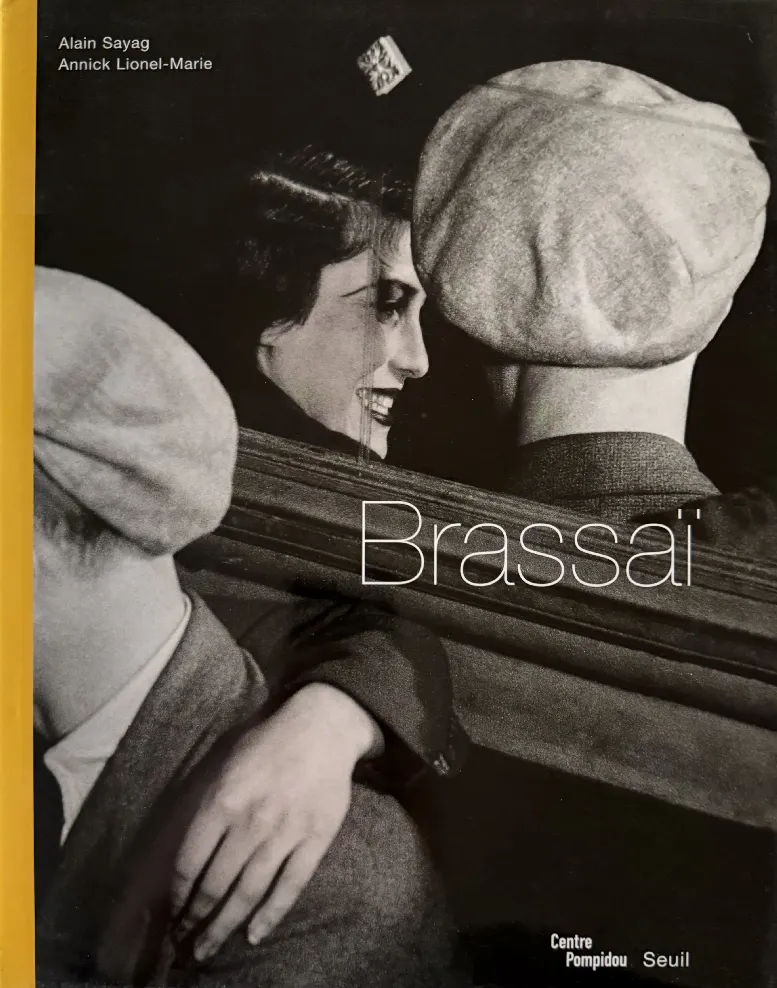
Brassaï became a French citizen in 1949 and received numerous honors for his contributions to art and photography. He exhibited widely in Europe and the United States, and his work was collected by major institutions such as the Museum of Modern Art in New York and the Centre Pompidou in Paris.
Brassaï died on July 8, 1984, in Éze, France. His legacy endures through his rich and evocative body of work, which continues to influence photographers and artists. With his masterful eye and deep affection for Paris, Brassaï remains one of the most iconic visual chroniclers of 20th-century urban life.


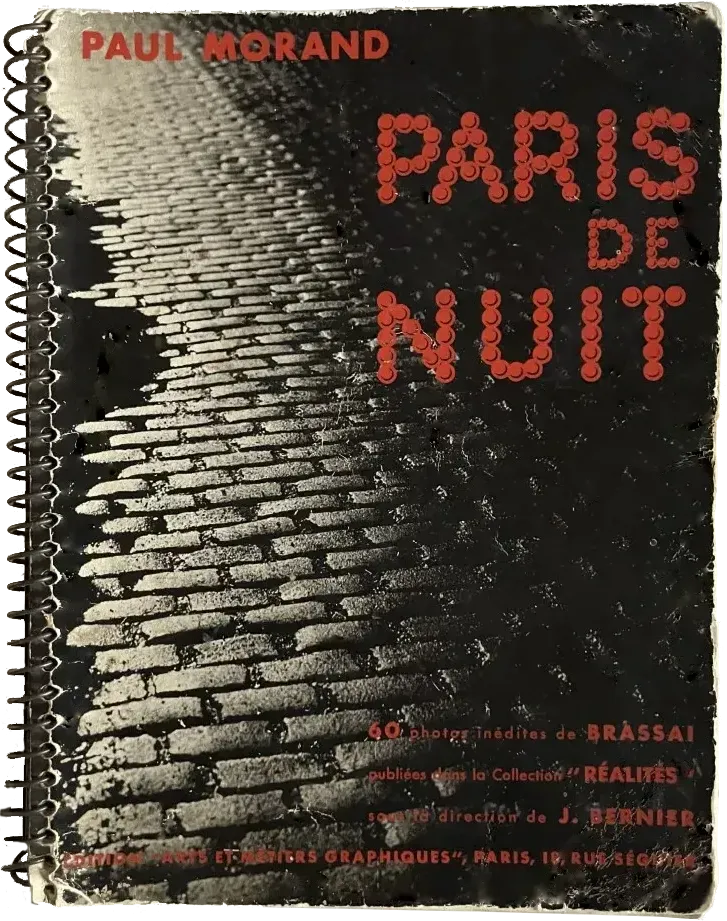
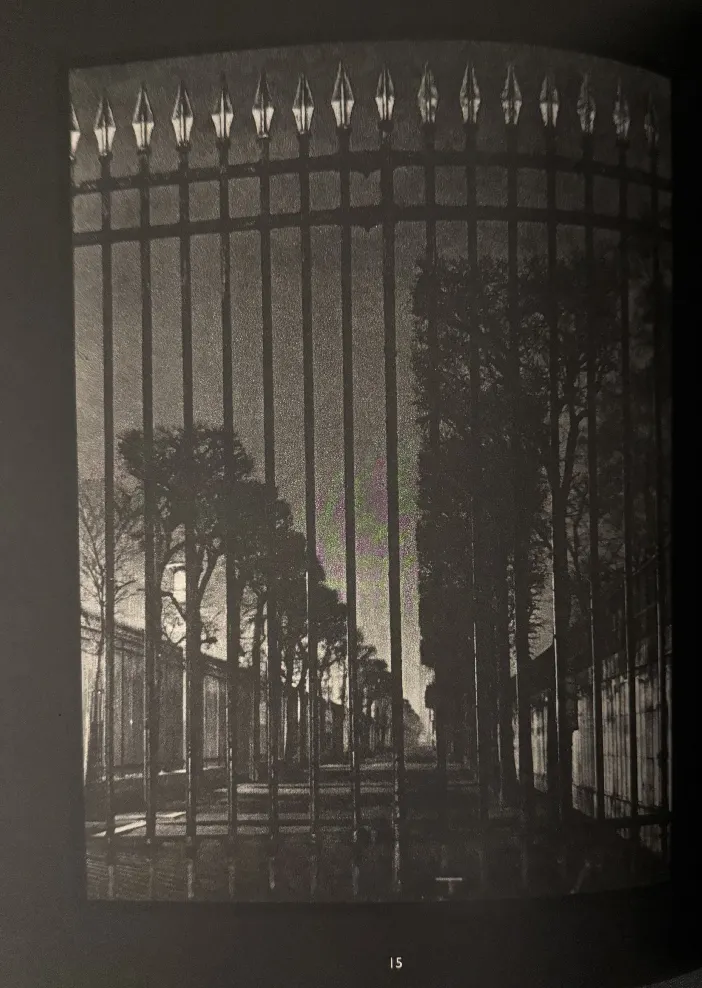
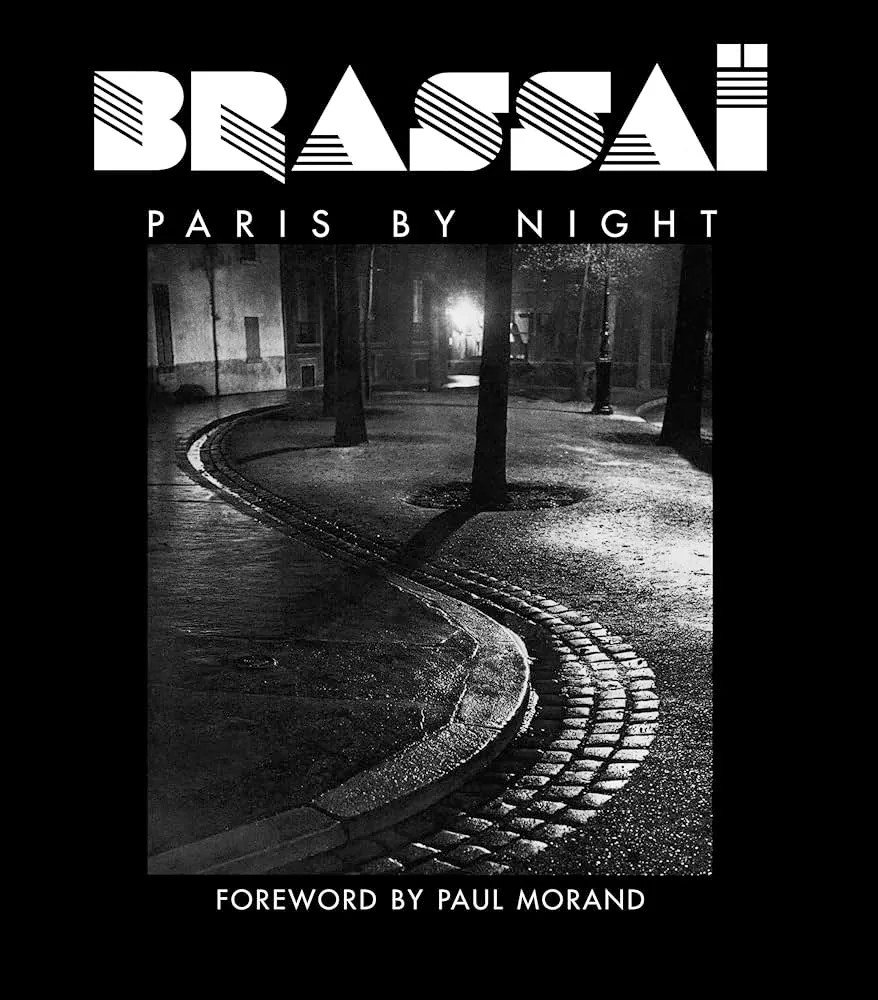
First published in December 1932 (bearing a 1933 imprint) by Éditions Arts et Métiers Graphiques, Paris de Nuit by Brassaï (Gyula Halász) is widely regarded as one of the most seminal photobooks in the history of the medium and probably this collection's most important book.
Arriving in Paris in 1924, Brassaï originally worked as a journalist and painter before picking up photography in the late 1920s partly inspired by his friend and mentor André Kertész Captivated by the nocturnal atmosphere of the capital, he spent two years wandering through dark alleys, riverbanks, high-society events, and subcultural haunts (cabarets, brothels, and late-night cafes).
He captured the city with a Voigtländer Bergheil camera mounted on a tripod, using long exposures timed by burning through cigarettes, along with Magnesium flashpowder for interiors. Guided by Lucien Vogel (founder of VU magazine), publisher Charles Peignot selected 62 photographs to form a cinematic, atmospheric sequence showcasing the contrast between Paris's glittering architectural lighting and its shadowy underworld
The book's legendary status is tied directly to its physical production, executed by printer Draeger Frères. It utilized deep heliogravure (photogravure), applying dense black inks that preserved rich shadow detail and luminous highlights. The photographs were printed across entire pages without margins, bleeding completely to the edges, which, at the time, was truly groundbreaking.
Published in a softcover format bound with an exposed metal spiral wire, the spiral punched directly through the image margins, allowing pages to lie completely flat and creating a tactile, industrial feel.
The book featured an introductory essay by French diplomat and writer Paul Morand.
Paris de Nuit established the night city as a primary photographic genre and cemented Brassaï's moniker, coined by Henry Miller as "the eye of Paris". It set a lasting benchmark for how image sequencing, layout, and print technology coalesce to make the photobook an autonomous art object.