


Copyright ©
Richard Mosse
or applicable right holders.


Which art books, prints and posters are available by and about this artist? Here is a sample of items of interest to a typical collector:




Richard Mosse, Irish, b. 1980
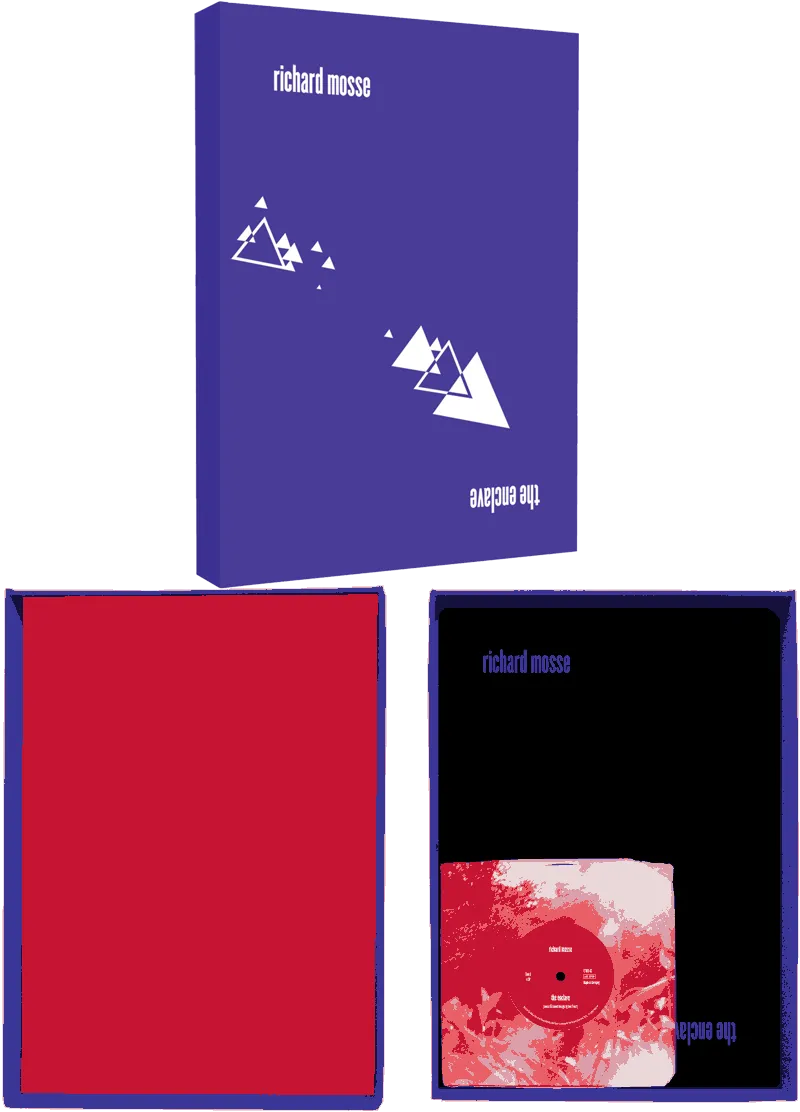
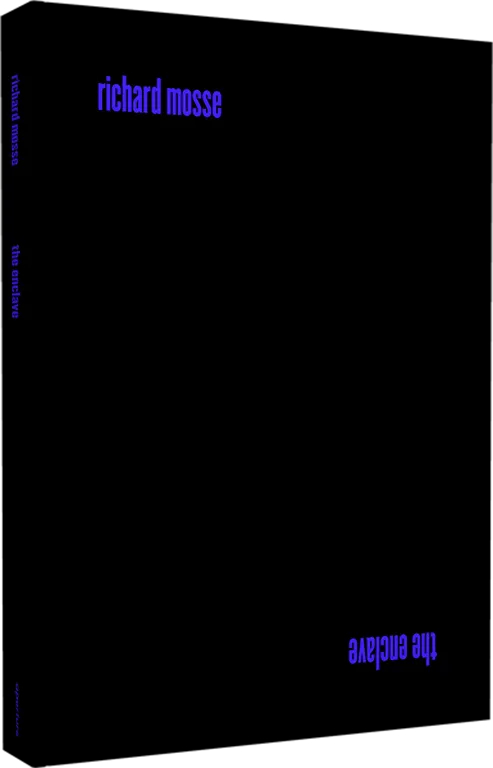
Mosse is a contemporary artist whose practice radically extends the boundaries of documentary photography by repurposing obsolete military surveillance technology to challenge the visual fatigue of traditional photojournalism. This approach crystallized in his breakthrough project Infra (2011) and the subsequent multimedia installation The Enclave (2013). Frustrated by the mainstream media's inability to adequately communicate the complex, ongoing humanitarian tragedy of the conflict in the Democratic Republic of the Congo, Mosse sought a medium that could rupture the numbness of the viewing public. He deliberately adopted Kodak Aerochrome, a discontinued infrared film originally developed by the military to detect camouflaged enemy installations in verdant environments. By turning this weaponized imaging technology onto the Congolese rebel factions and the lush terrain they occupy, he transformed the landscape into shocking, hyper-saturated tones of crimson and pink. This conceptual hijacking subverted the established, often patronizing tropes of war photography, forcing an international audience to re-engage with a forgotten conflict through a seductive, hallucinatory aesthetic.
Within his broader oeuvre, Mosse consistently approaches the medium not merely as a transparent window to reality, but as a constructed, physical artifact. He applies similar rigorous conceptual frameworks to later projects like Incoming, which utilized military-grade thermal cameras to document the European refugee crisis, stripping away individual identity to expose the mechanics of state border surveillance. For an archive dedicated to formalist image-making and the exactitude of printed matter, Mosse’s output is crucial. He successfully translates these massive, technically demanding projects into meticulously engineered, sculptural photobooks. By anchoring geopolitical weight into the printed page, his practice champions the enduring physical presence of the photographic object as a vital tool for radical contemporary observation.

→
Richard Mosse’s Infra represents a radical rupture in the tradition of conflict photojournalism, capturing the ongoing humanitarian crisis in the Democratic Republic of the Congo through a deeply conceptual framework. Frustrated by the visual fatigue and conventional tropes that often render such conflicts invisible to Western audiences, Mosse deliberately deployed Kodak Aerochrome, a discontinued military reconnaissance infrared film originally designed to detect camouflaged targets. By turning this weaponized technology onto the Congolese rebel factions and the lush, contested landscape they inhabit, the project fundamentally challenges how war is documented and consumed, forcing a re-engagement with the region's complex geopolitical reality.
Aesthetically, the publication is defined by its seductive, hallucinatory color palette, where the verdant jungle foliage is rendered in hyper-saturated shades of crimson, magenta, and pink. This extreme chromatic shift creates a profound psychological friction between the devastating reality of the armed conflict and the surreal, almost artificial beauty of the resulting images. Mosse’s compositions often utilize the grand scale of traditional landscape photography, juxtaposing the towering, vibrant terrain with the heavily armed, yet vulnerable, figures of the soldiers. The meticulous large-format execution flattens the chaotic environment into tightly constructed graphic planes, stripping away documentary immediacy in favor of a deliberate, theatrical artificiality.
Infra is celebrated for successfully dismantling the boundaries between objective reportage and conceptual art.