


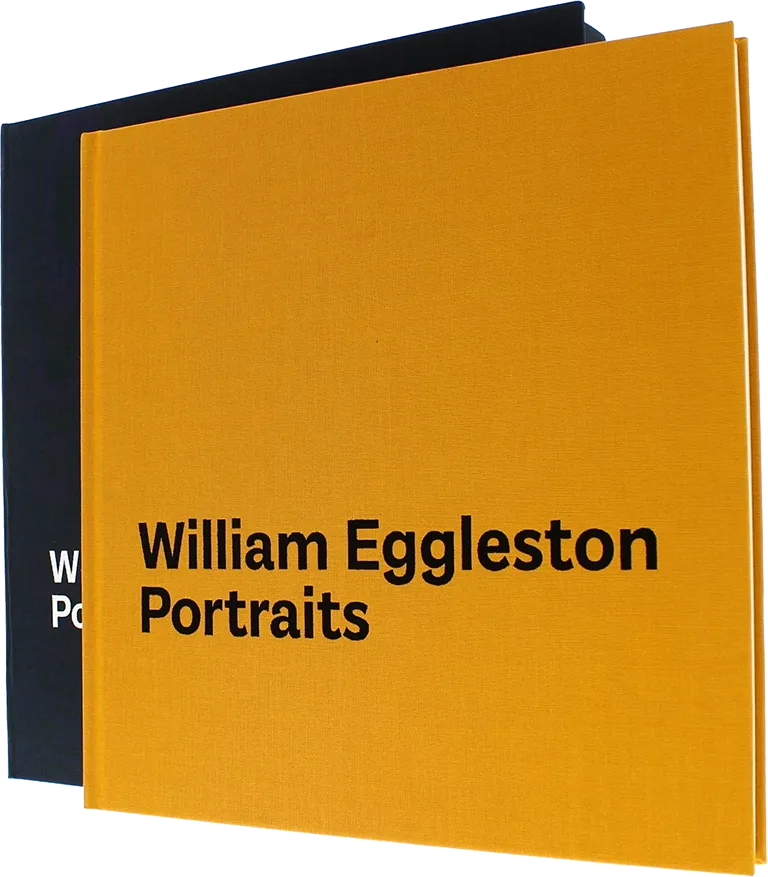
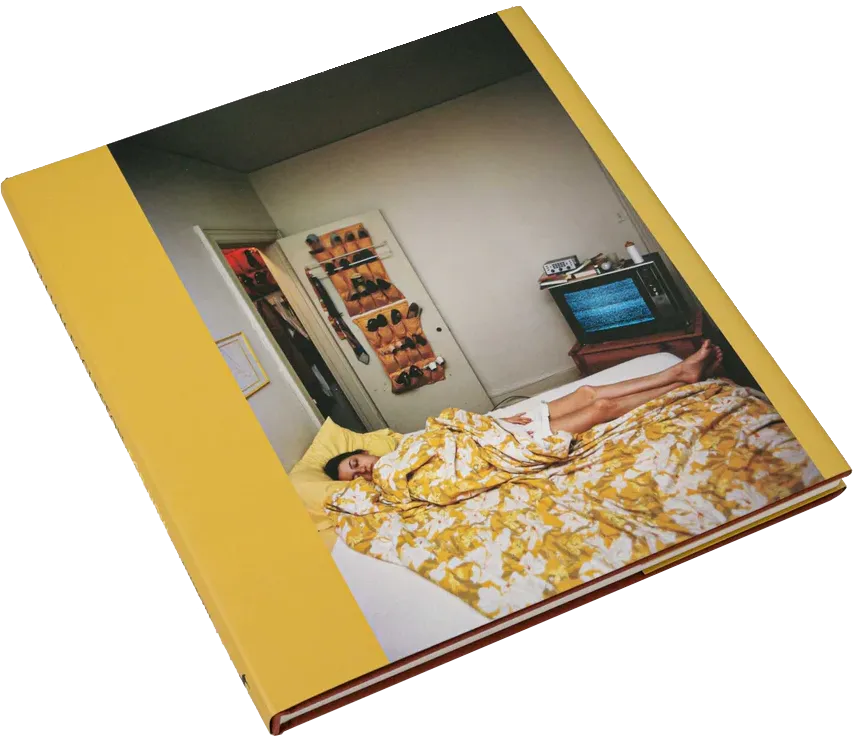
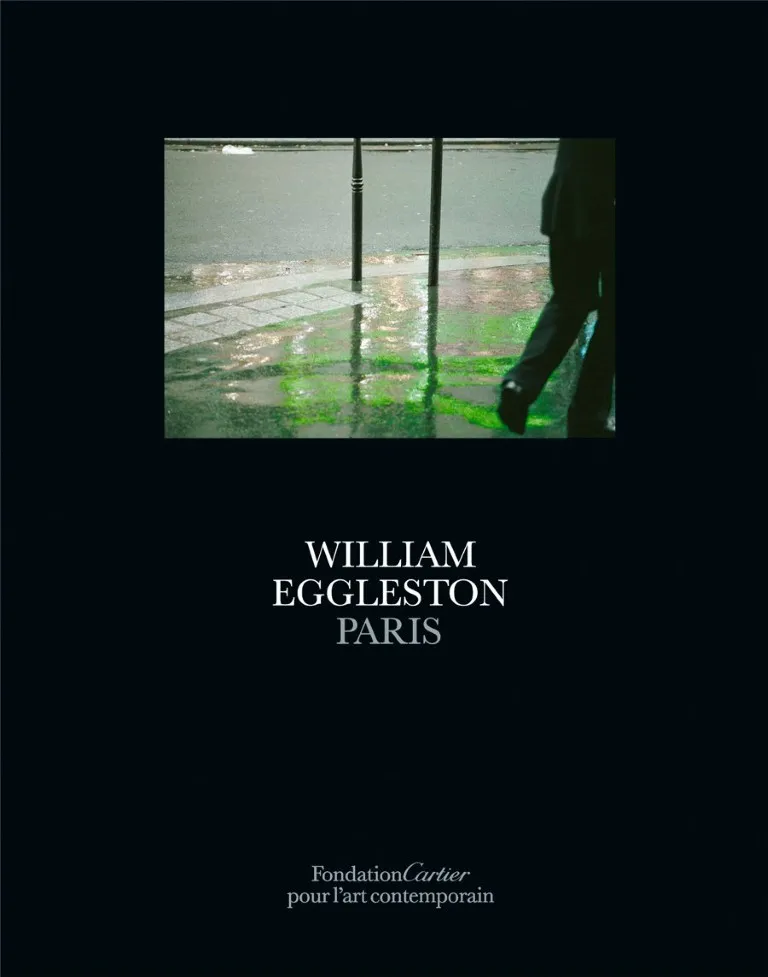
Which art books, prints and posters are available by and about this artist? Here is a sample of items of interest to a typical collector:





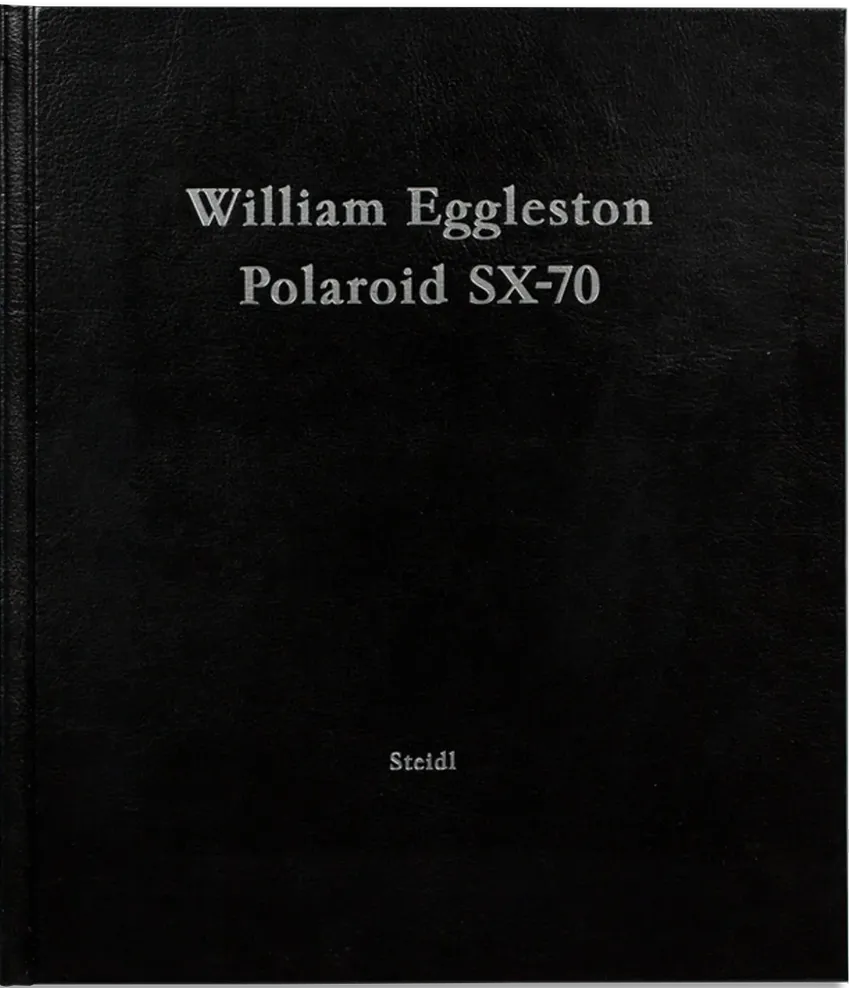
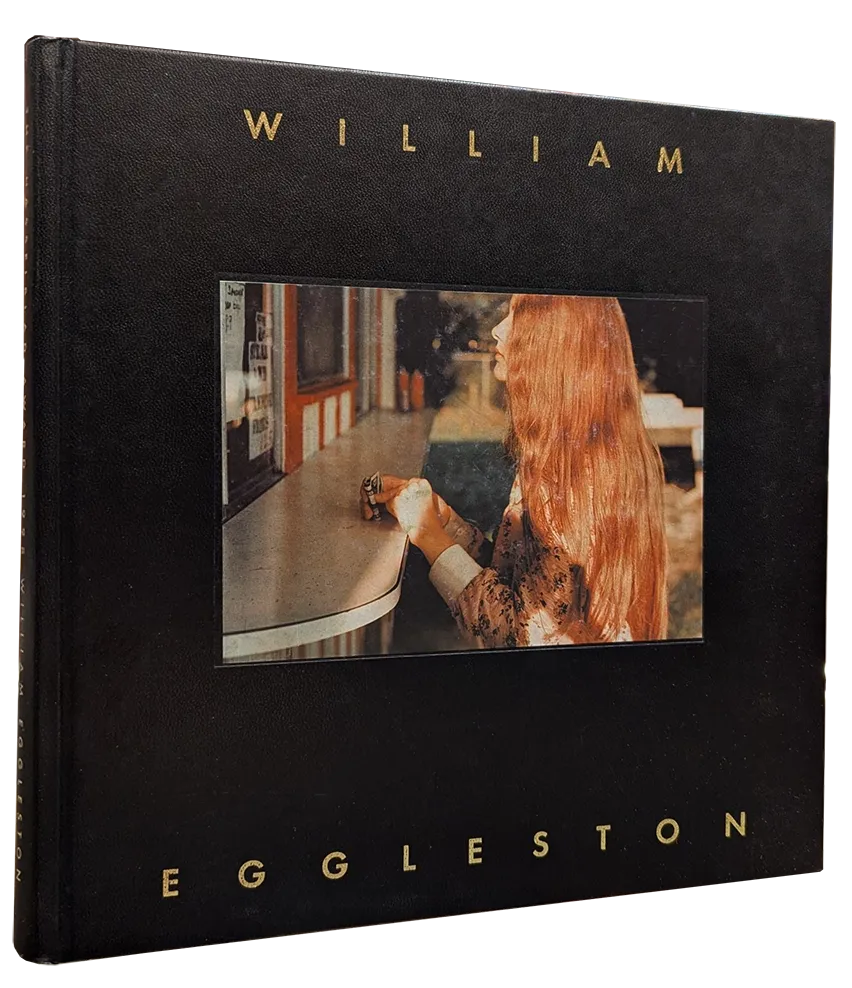


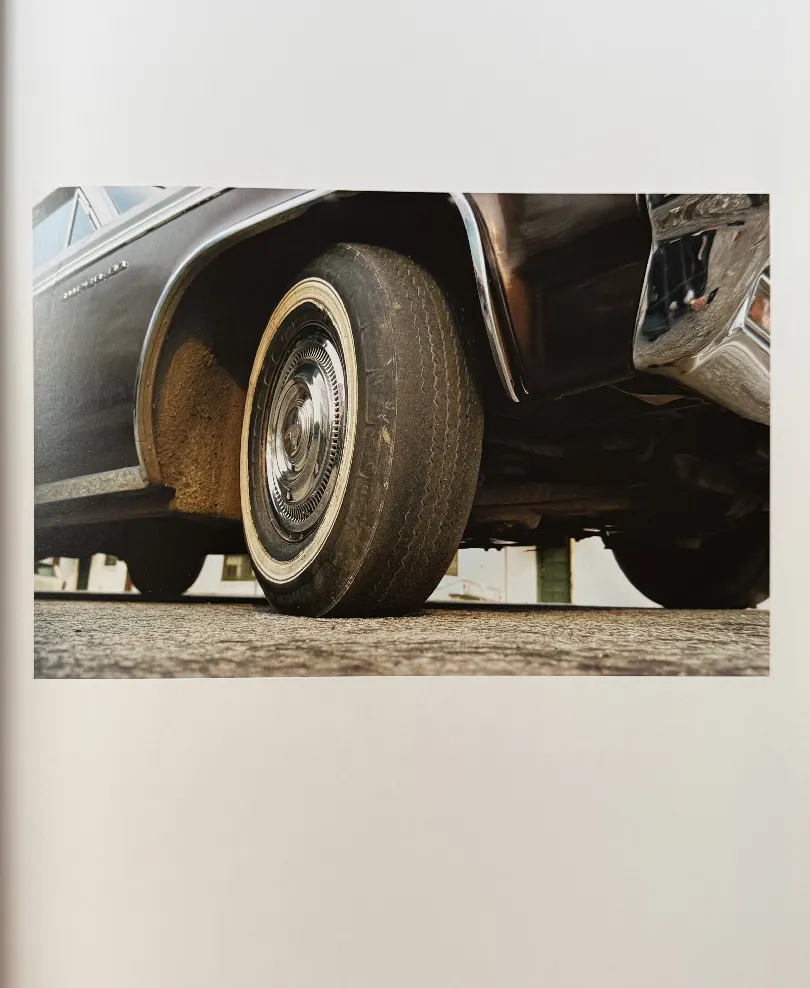
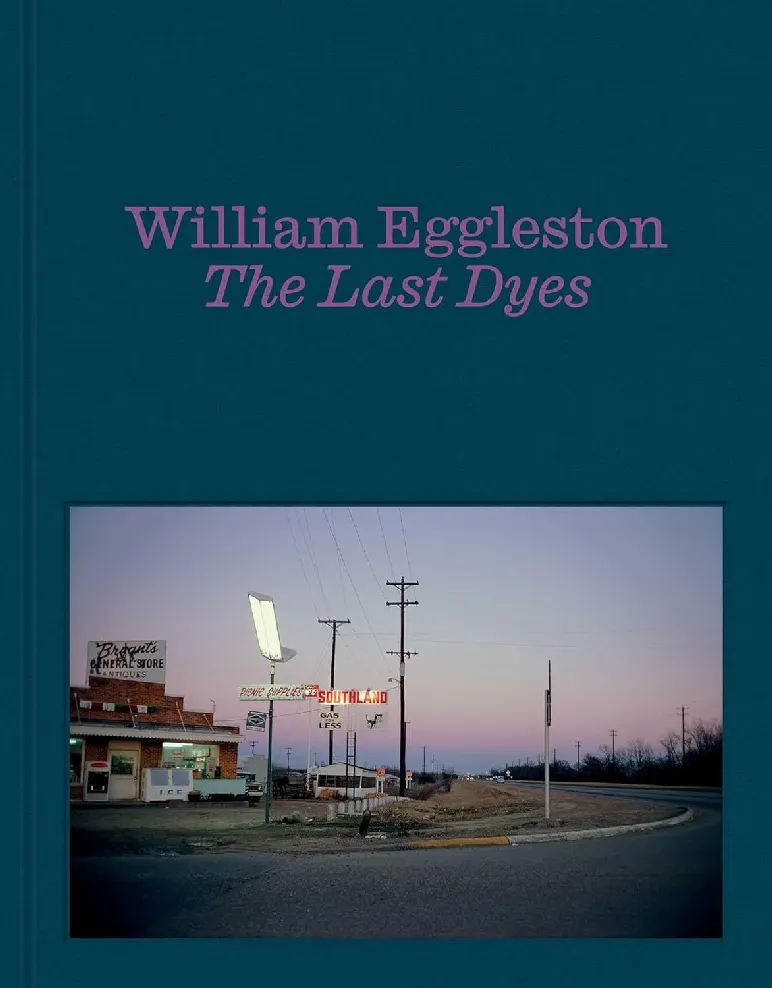
.jpeg)

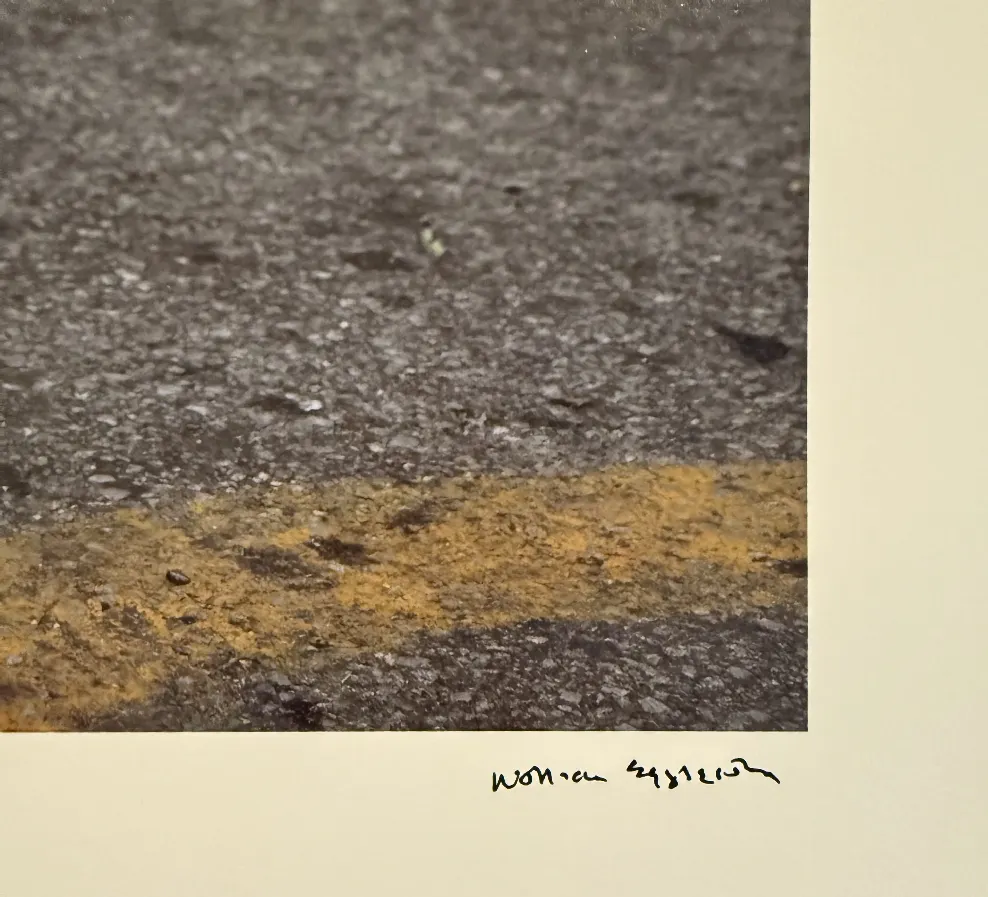
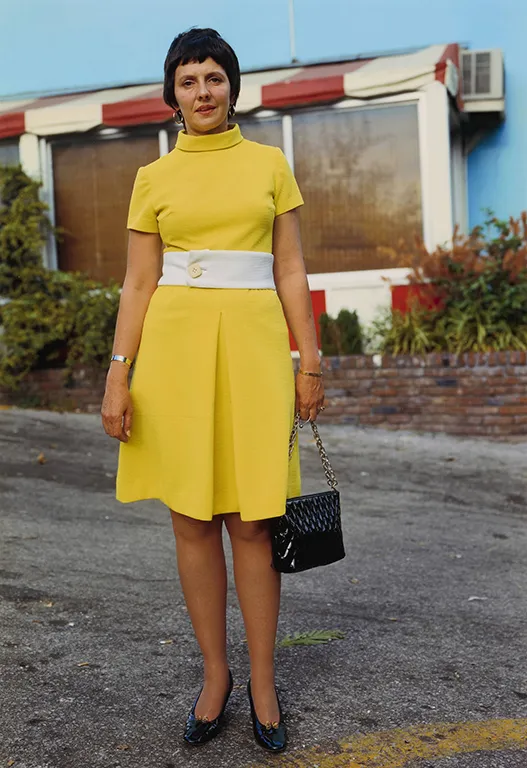
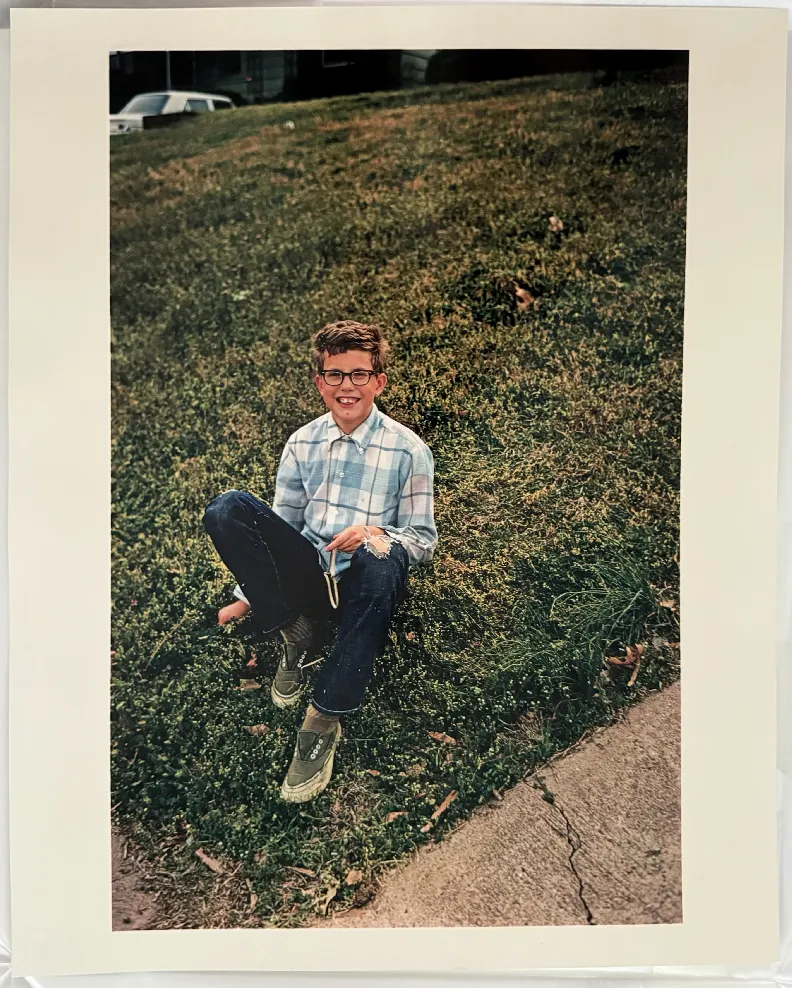
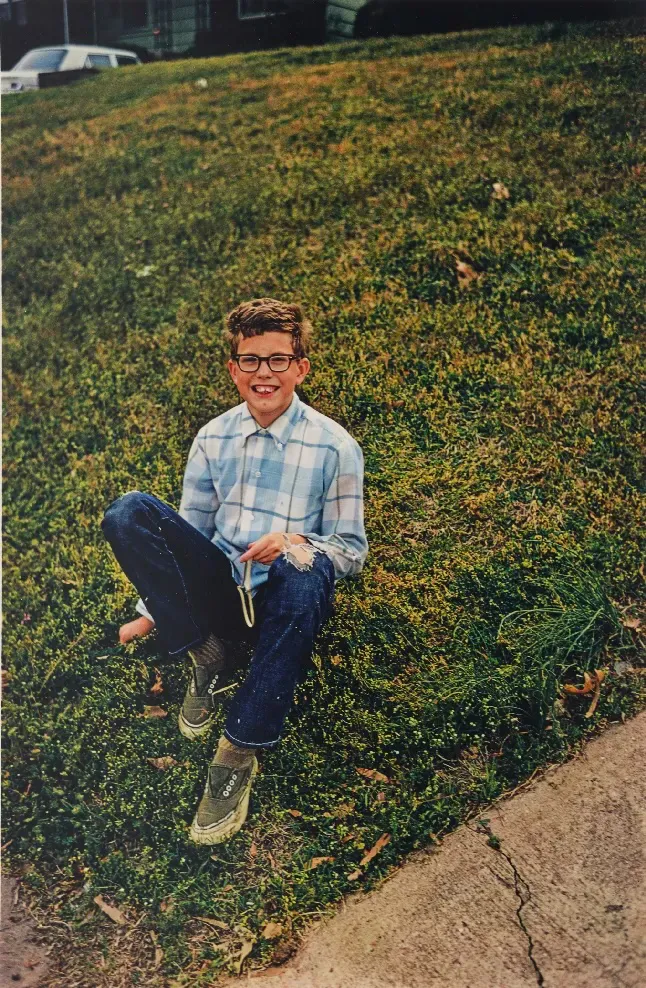
William Eggleston (American, b. 1939)
Eggleston is a trailblazing American photographer credited with transforming color photography into a respected art form. Born in Memphis, Tennessee, and raised in the Mississippi Delta, Eggleston began photographing in black and white but turned to color in the mid-1960s—at a time when color was mostly reserved for advertising and amateur snapshots.
Early Life
Eggleston was not a typical product of the 1960s counterculture or the standard New York art school track.
Raised on his family’s former cotton plantation in Sumner, Mississippi, Eggleston grew up in affluent, aristocratic Southern surroundings. As a teenager, he was introverted, deeply interested in media, audio electronics, and classical piano—a passion he maintains to this day. He spent several years drifting through various institutions, including Vanderbilt University, Delta State University, and the University of Mississippi (Ole Miss), famously leaving them all behind without ever earning a degree. Around 1962, a friend noticed his fascination with visual composition and mechanics and urged him to buy a camera. Eggleston taught himself the medium entirely by studying the stark black-and-white photobooks of Walker Evans, Robert Frank, and Henri Cartier-Bresson.
When Eggleston began experimenting with color film in Memphis around 1965, he did so in complete isolation from the mainstream art world. At the time, serious photography was defined by the high-contrast, black-and-white lyricism of his heroes. Color was universally derided as "vulgar"—the exclusive domain of cheap holiday snapshots, amateur slide shows, and slick corporate advertising.
Even his photographic icons rejected it. Cartier-Bresson, who later became a personal friend, once bluntly told Eggleston at a dinner party: "You know, William, color is bullshit." Undeterred, Eggleston realized that if he photographed everyday life in color without sentimentality or irony, he could capture the American landscape in a way that felt entirely accurate to how humans actually see.
The Dye Transfer Breakthrough
In the early 1970s, Eggleston discovered a commercial printing technique that would become his aesthetic signature: the dye-transfer process.
Mainly used in high-end fashion magazines and advertising (such as cigarette or soda ads), the process was incredibly expensive and labor-intensive, requiring the photographic image to be separated into three distinct cyan, magenta, and yellow printing matrices. It allowed Eggleston to manually control and saturate individual tones to an unnatural, luminous intensity.
His most famous image, Greenwood, Mississippi (1973)—better known as "The Red Ceiling"—owes its unsettling, Hitchcockian brilliance entirely to this process. Eggleston later remarked that the red ink was so rich, "it looks like blood wet on the wall."
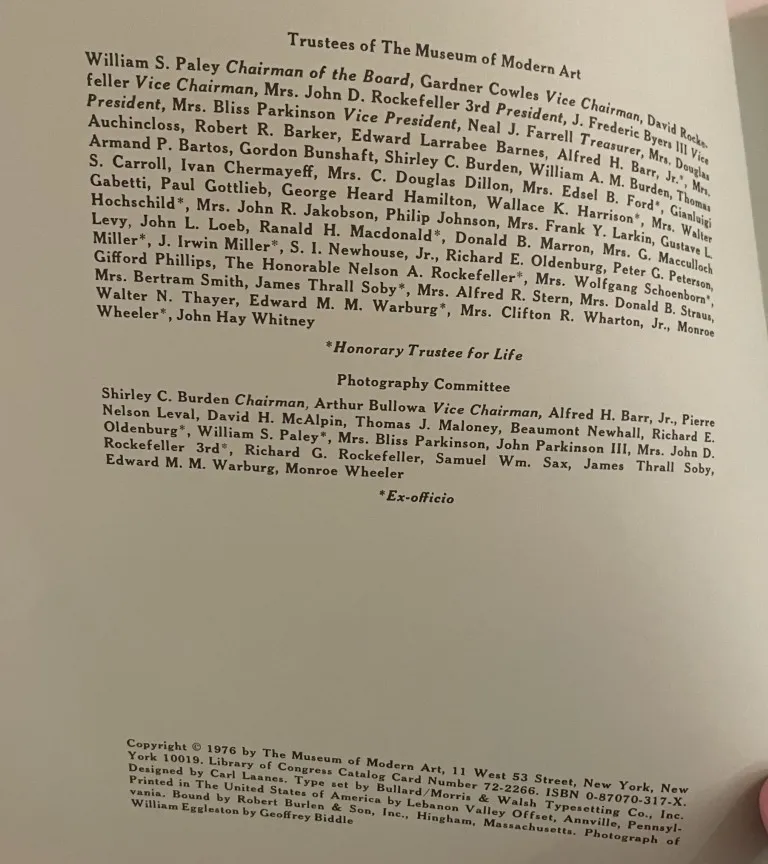
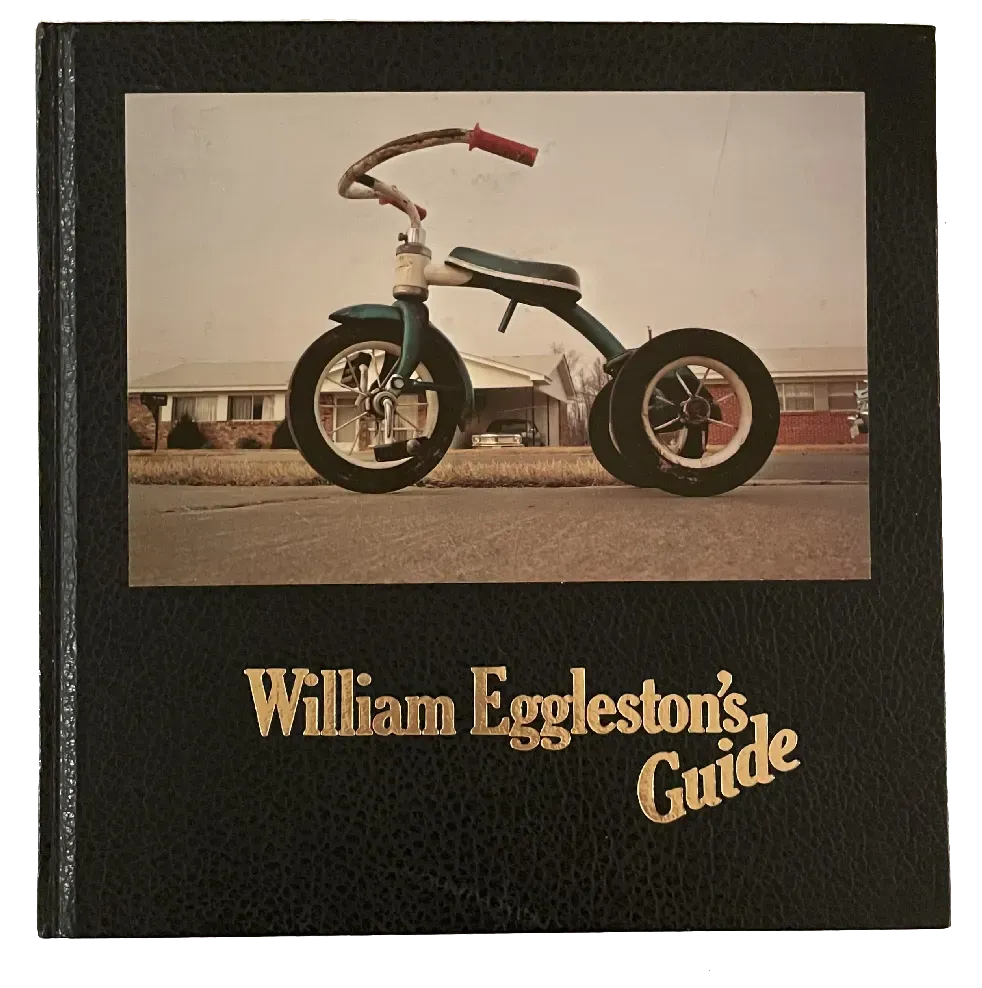
His defining moment came with the publication of William Eggleston’s Guide (1976), released in conjunction with his groundbreaking solo exhibition at the Museum of Modern Art (MoMA), the museum’s first show devoted to color photography. The book, which has since become a seminal photobook, introduced his "democratic camera" philosophy: treating all subjects with equal aesthetic weight, from roadside signs and light bulbs to anonymous interiors and Southern streetscapes.
While widely celebrated today, the 1976 exhibition was a massive gamble for MoMA and John Szarkowski, who boldly labeled Eggleston's work "perfect." The art establishment reacted swiftly, unleashing a wave of vitriolic criticism.
What the critics missed was the precise, formal rigor hiding beneath the casual "snapshot" surface. Eggleston wasn't just shooting random scenes; he was composing with the eye of an abstract painter, using a "democratic camera" where a rusty pipe or a trash pile held the exact same visual weight as a human portrait.
The controversy didn't bother Eggleston in the slightest. Decades later, he reflected on the uproar with characteristic detachment: "Those few critics who wrote about it were shocked that the photographs were in color, which seems insane now and did so then... To me, it just seemed absurd."
Eggleston’s work will be remembered for:
His images convey a stillness and ambiguity that challenge viewers to look more closely, imbuing the everyday with a sense of strangeness and reverence. Eggleston’s influence can be felt across contemporary photography, cinema, and visual culture.
His work is held in major museum collections including the MoMA, New York, the Metropolitan Museum of Art, New York, the J. Paul Getty Museum, Los Angeles, the Whitney Museum of American Art, Centre Pompidou, Paris, SFMOMA and the Tate Modern, London.
Through his pioneering use of color and his unflinching gaze, William Eggleston has forever changed how we see the world through a lens.


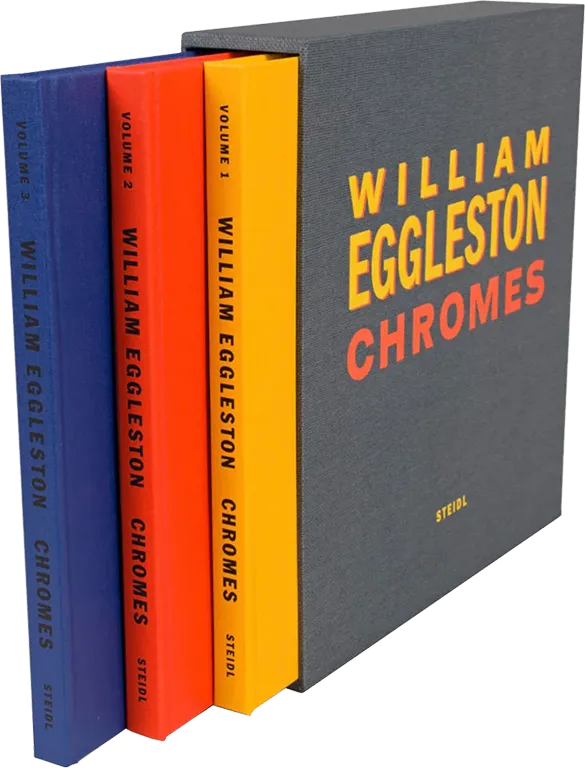
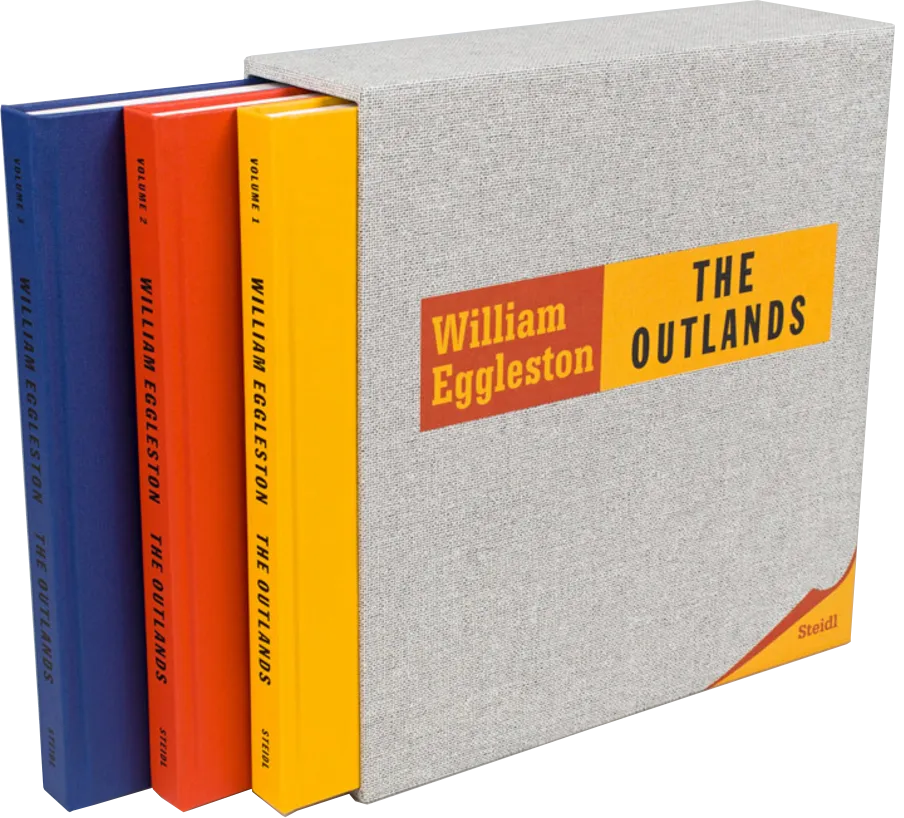
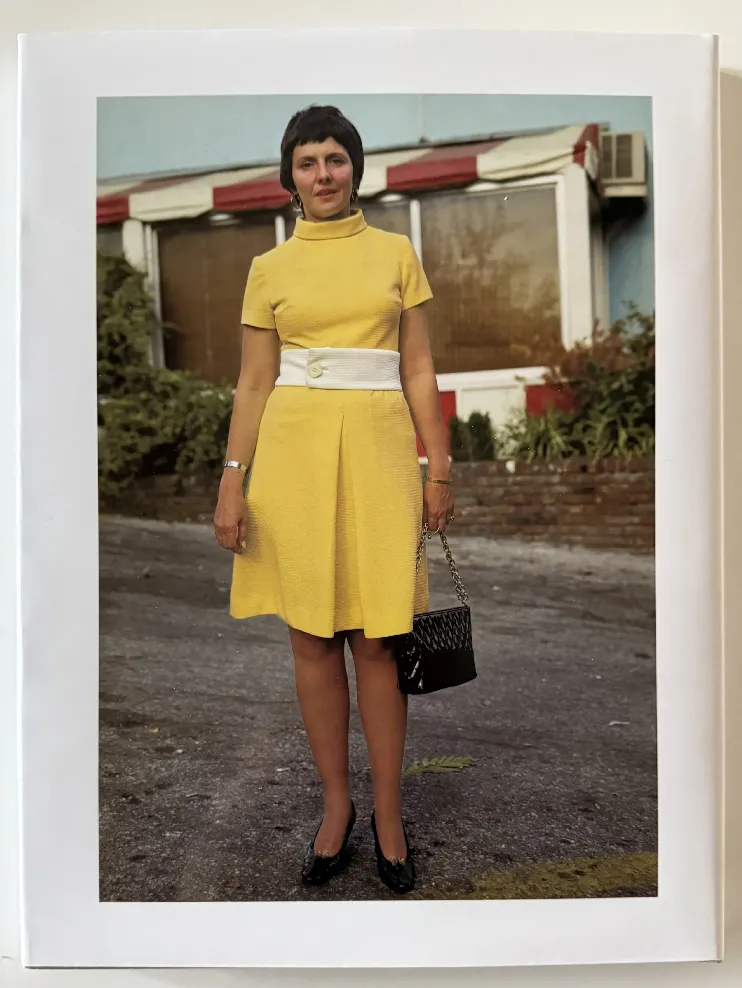
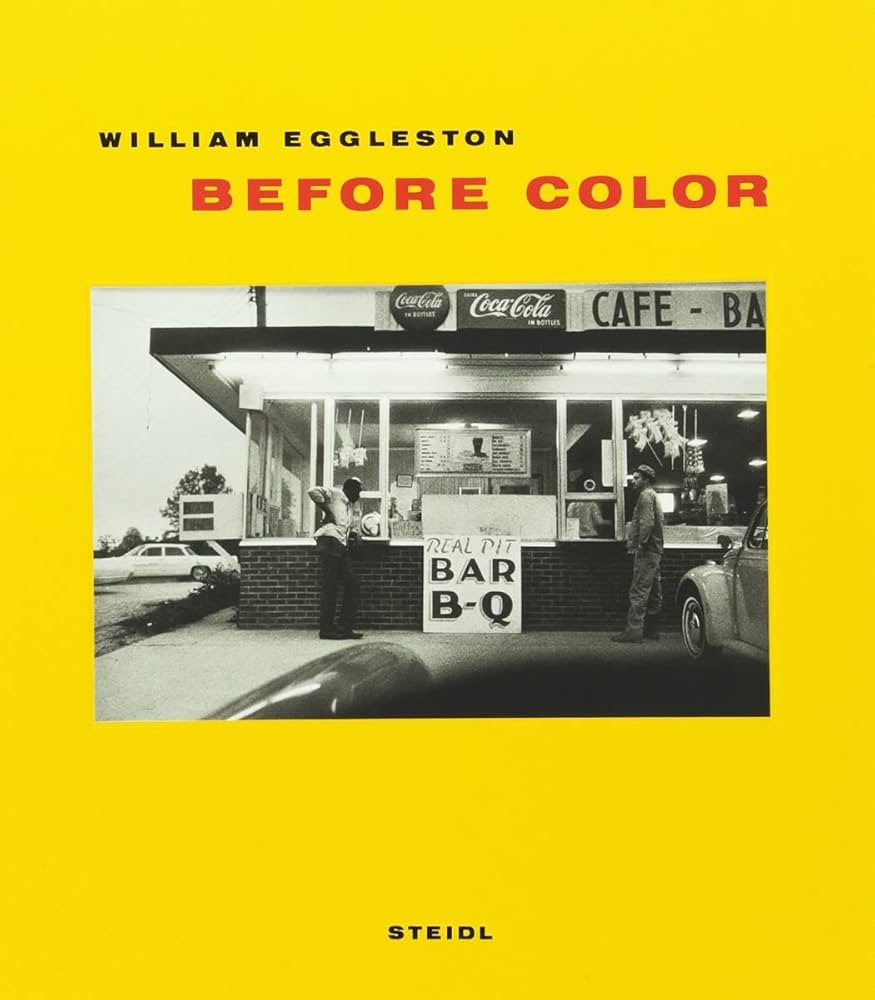
William Eggleston's standing as one of the masters of color photography is widely acknowledged. But the gradual steps by which he transformed from an unknown into a leading artist are less well known. Steidl undertook to trace these steps in an ambitious series of publications. Before Color (2010) explored Eggleston's revelatory early black-and-white images, while Chromes is an edit of more than 5,000 Kodachromes and Ektachromes taken from 10 chronologically ordered binders found in a safe in the Eggleston Artistic Trust. This archive had once been used by John Szarkowski, who selected the 48 images printed in Eggleston's seminal book William Eggleston's Guide, while the rest of the archive has remained almost entirely unpublished. This three-volume publication presents Eggleston's early Memphis imagery, his testing of color and compositional strategies, and the development toward the "poetic snapshot."In short, Chromes shows a master in the making.