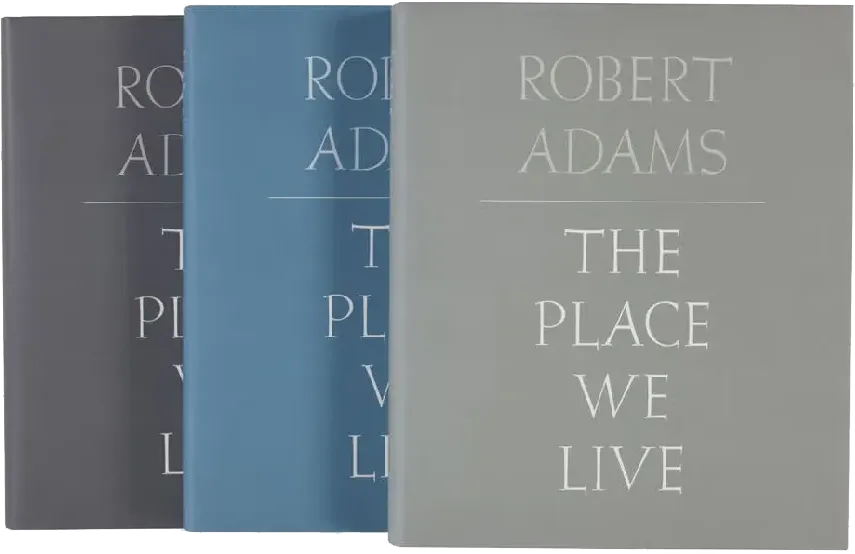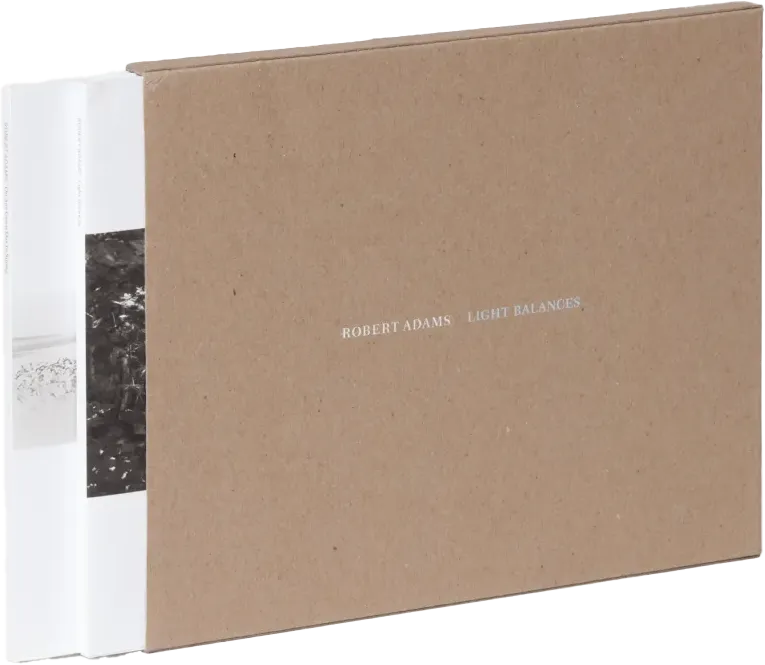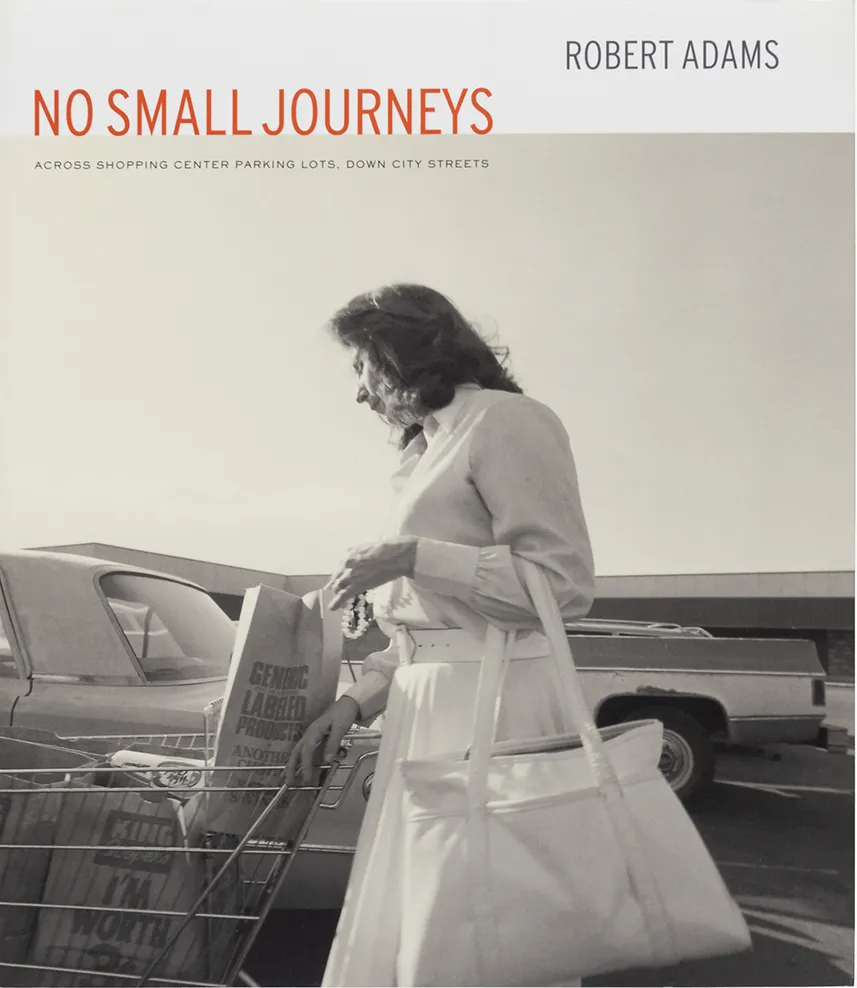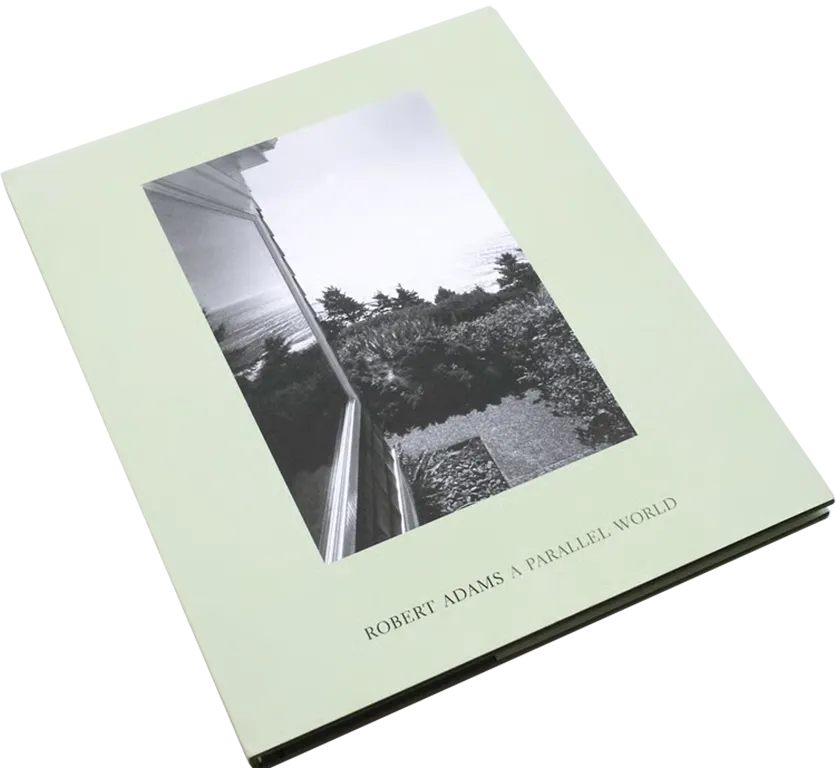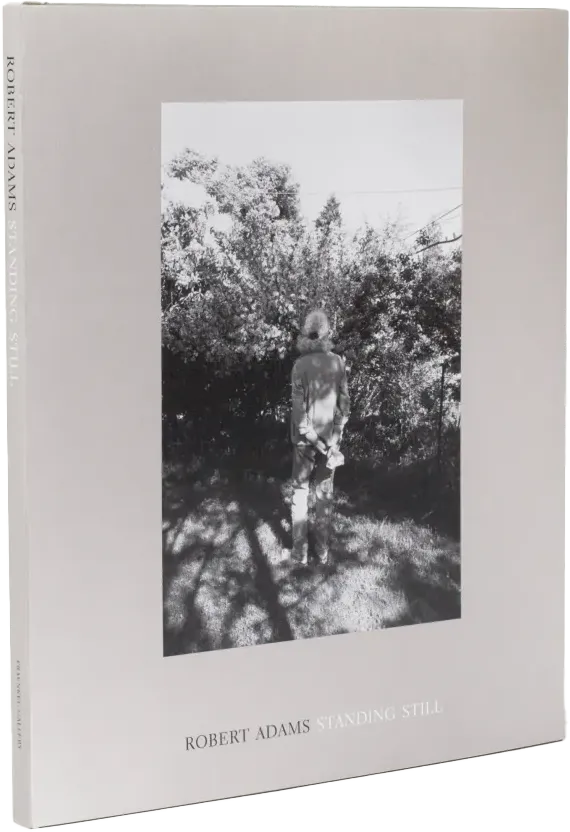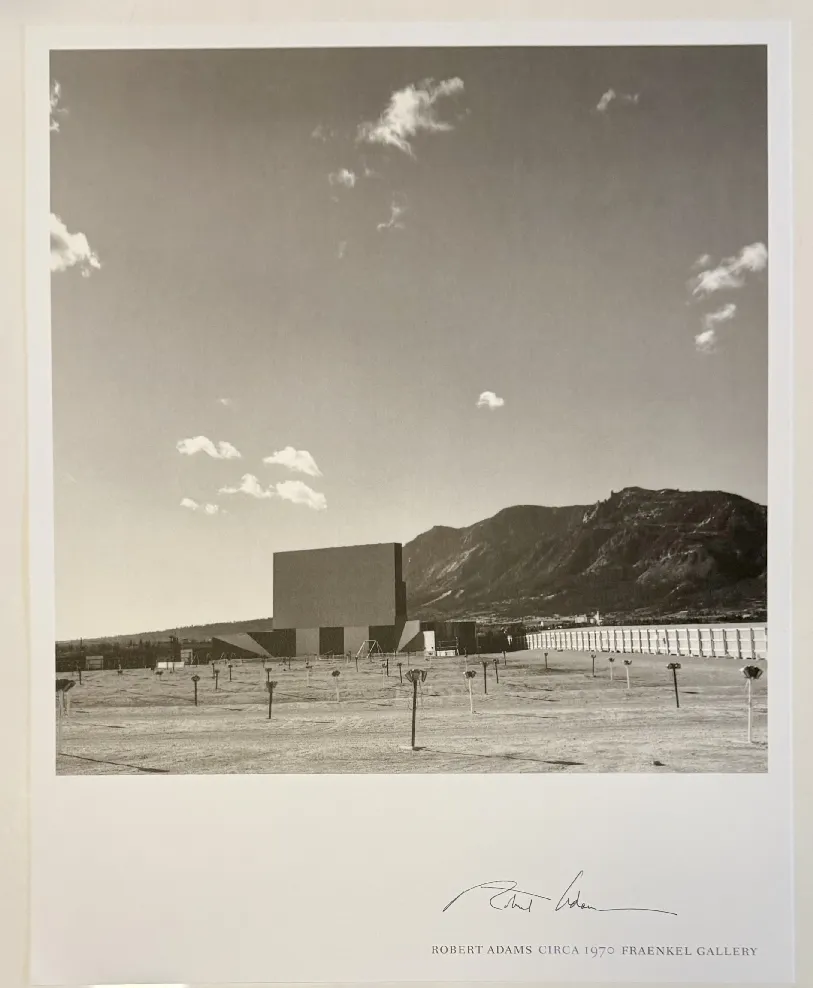


Which art books, prints and posters are available by and about this artist? Here is a sample of items of interest to a typical collector:
North Central Publishing Company
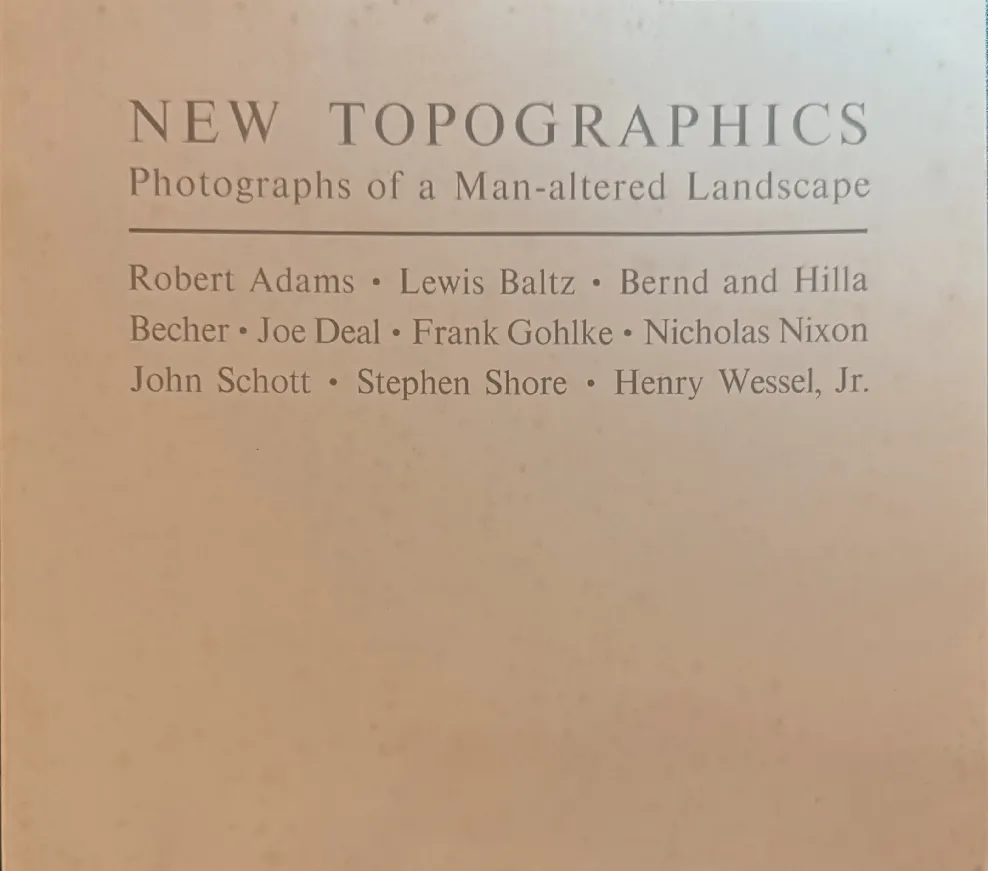
New Topographics: Photographs of a Man-Altered Landscape (1975) is the seminal exhibition catalog published by the International Museum of Photography at George Eastman House for the groundbreaking exhibition curated by William Jenkins.
The catalog documents a pivotal shift in 20th-century American landscape photography away from the idealized, majestic wilderness traditions of Ansel Adams and Edward Weston. Instead, it features artists who approached the modern built environment with deadpan neutrality, clinical detachment, and objective, documentary precision.
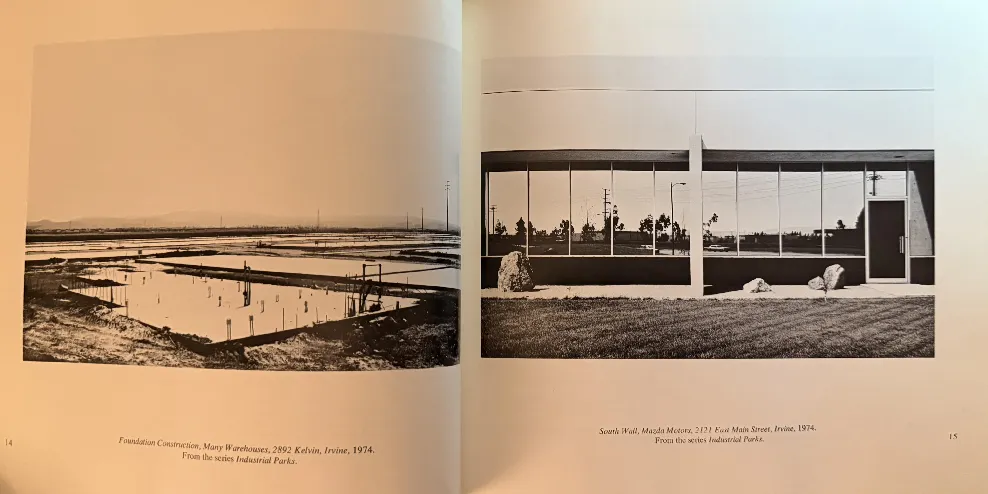
The featured photographers, Robert Adams, Lewis Baltz, Bernd and Hilla Becher, Joe Deal, Frank Gohlke, Nicholas Nixon, John Schott, Stephen Shore, and Henry Wessel, systematically recorded suburban suburban sprawl, industrial parks, highway strip developments, housing developments, and motels across the American West and industrial centers.
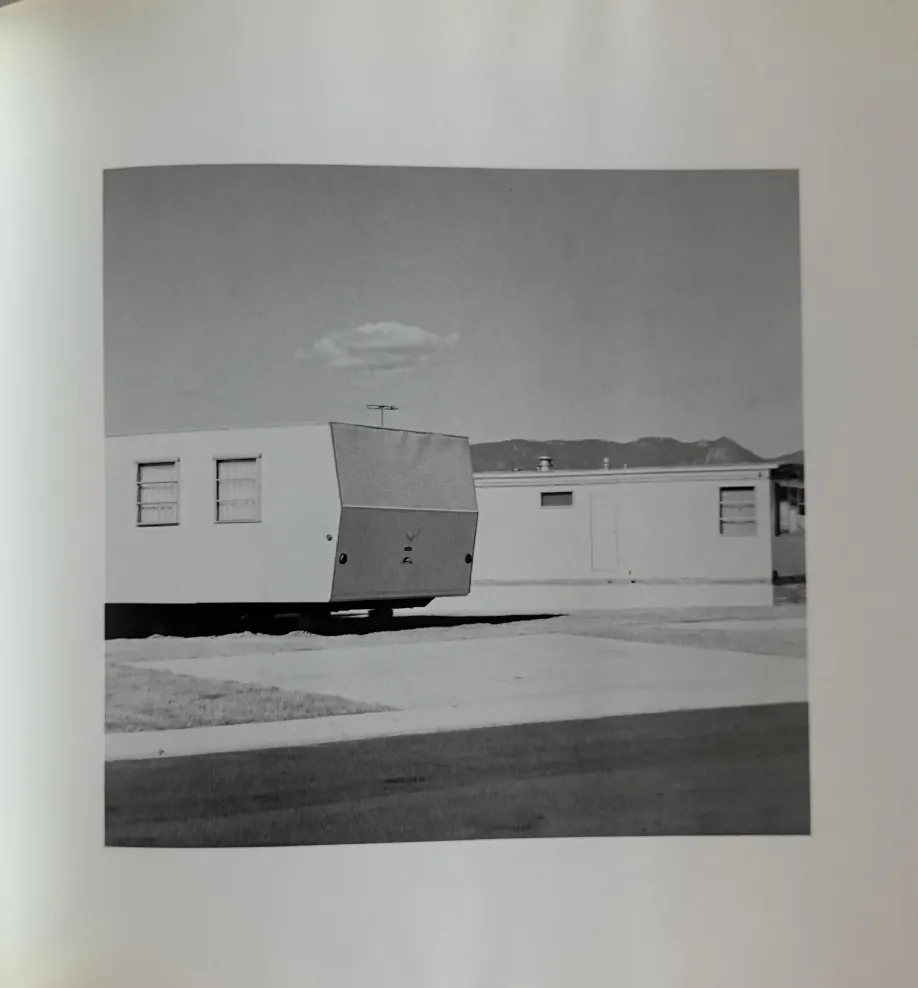
Rather than seeking untouched natural beauty, the project examines the visual reality of human intrusion, suburban expansion, and land development. Images are characterized by a banality of subject matter, rigid geometric composition, wide-angle or large-format clarity, and an intentional lack of drama, sentimentality, or overt emotional commentary. Influenced heavily by Bernd and Hilla Becher's systematic documentation of industrial structures in Europe, the catalog emphasizes seriality, architectural forms, and comparative observation.
New Topographics fundamentally redefined how landscape photography was understood and practiced. By elevating ordinary, human-altered environments to formal art, it influenced generations of photographers and remains one of the most important intellectual and aesthetic turning points in contemporary photography.
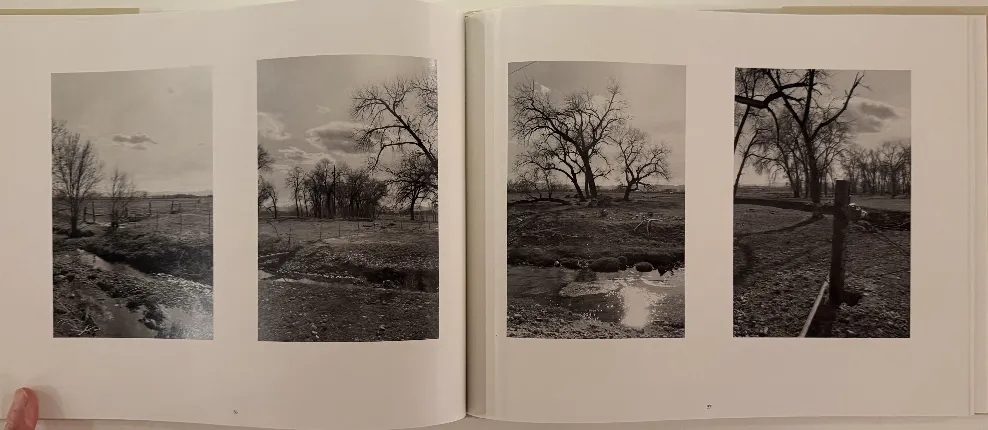
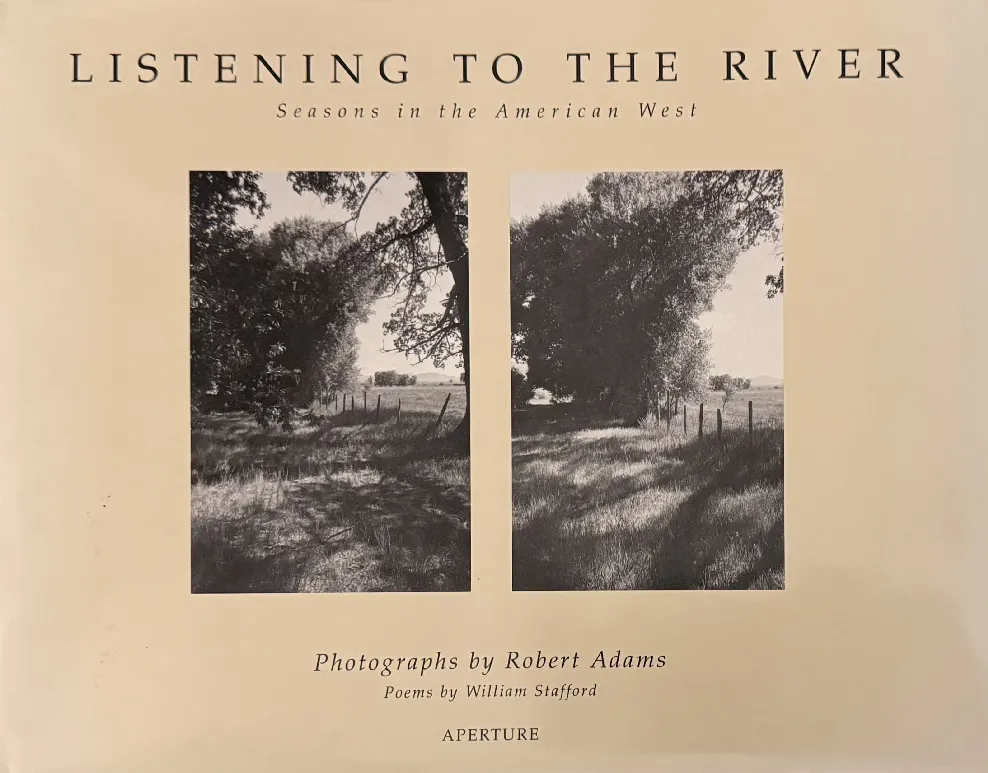
While Adams is widely recognized for his New Topographics documentation of human encroachment on the Western landscape, Listening to the River offers a quieter, more intimate, and surprisingly optimistic meditation. Returning in his fifties to the Colorado riverbeds, fields, and suburban fringes he explored as a boy, Adams walks along anonymous creeks and cottonwood groves around the Denver area.
Rather than framing grand, pristine vistas, the book focuses on micro-landscapes: sunlit leaves, mud-banked streams, roadside weeds, and trees standing precariously beside suburban development. It records a practice of stillness and solitude in nature, balancing environmental fragility with enduring beauty.
Sequential Multi-Image Layout
Unlike Adams’s typical single-plate presentations, the images are arranged in dynamic, multi-picture spreads with up to six vertically-oriented images per two-page spread. The sequence shifts subtly a step to the left, a pan across a field mimicking the natural movement and sensory flow of walking through a landscape.
The book integrates 12 poems by former Oregon Poet Laureate William Stafford, whose understated, reflective voice mirrors Adams’s visual patience.
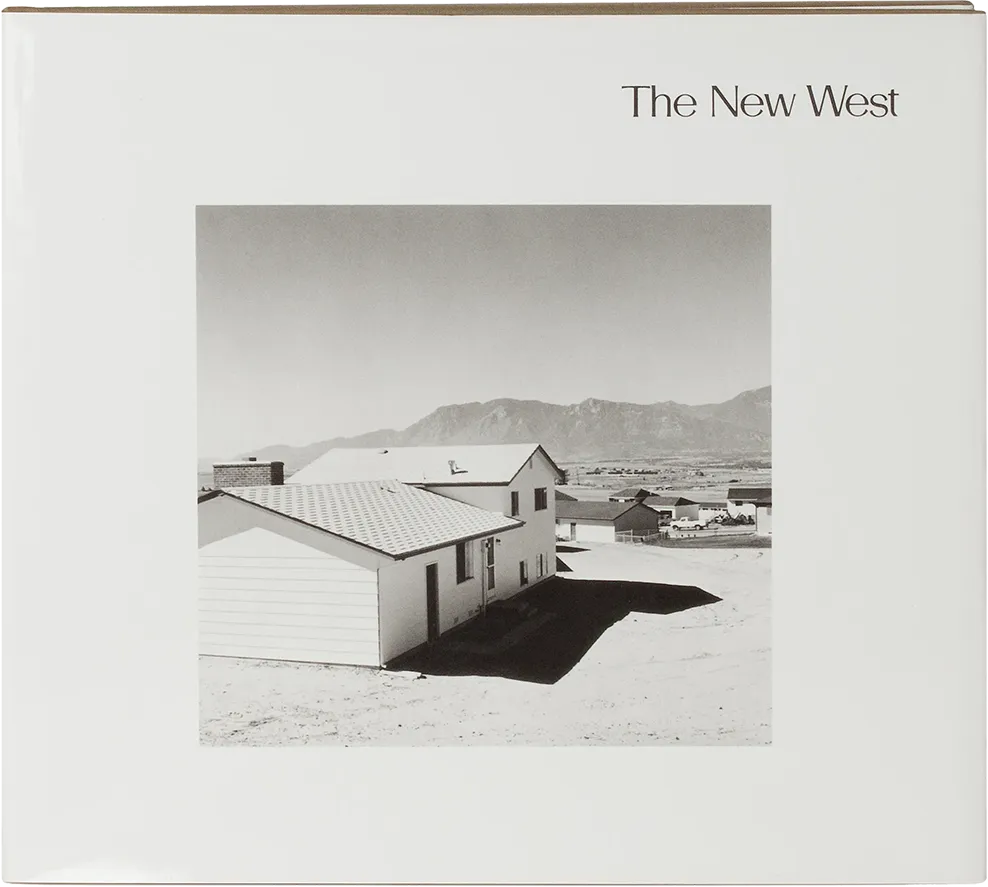
Originally part of a larger portfolio which Adams published as The New West in 1974, these 40 images were not included in that publication and are presented here for the first time, sequenced in a new series titled Commercial/Residential.
"To what extent can we love the developing American West? We know the urgency of that question because bitterness has sometimes made us exiles. My first attempt to describe the region in a book (The New West, 1974) omitted pictures that might have helped. I am grateful now to be able to reproduce them. They record a geography that is still in some respects characteristic, one where we could do better but where the rest is faultless.
At about the time I took the pictures I read an interview with Raoul Coutard, Jean-Luc Godard's cameraman. In it Coutard noted with gratitude that 'daylight has an inhuman faculty for always being perfect.' It is one of the mercies, I believe, by which each of us is allowed to live." - Robert Adams, from Commercial/Residential
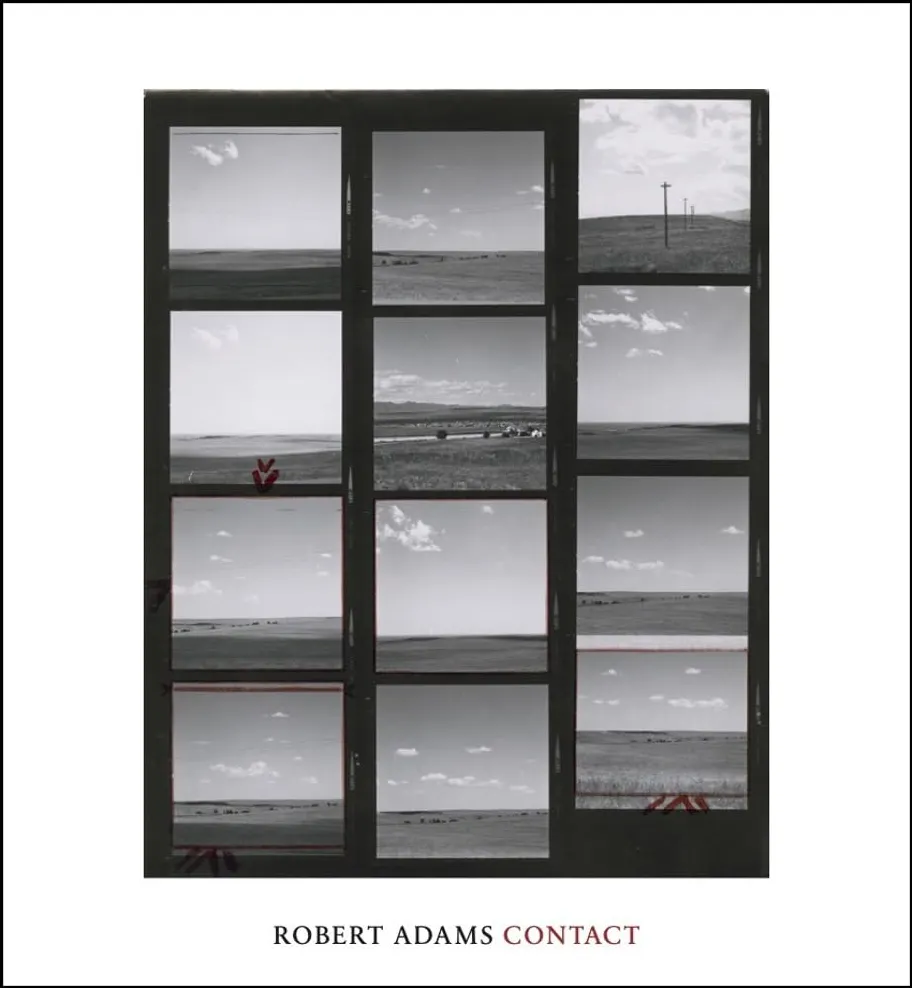
Robert Adams: Contact (Fraenkel Gallery, 2026) provides a detailed look at the working process of one of the central figures in the New Topographics movement.
The monograph pairs around 50 of Robert Adams's finished photographs of the changing American West with their original, never-before-published contact sheets. It spans two decades of work, from the 1960s through the mid-1980s, documenting the period before he shifted from medium- and large-format film (including 4x5 negatives) to a 35mm camera.
Rather than presenting only the final, serene compositions, the volume functions as a record of his editorial and technical choices. The contact sheets display full rolls of film and sheet film replete with Adams's red-marker frame selections, pencil cropping lines, exposure adjustments, and handwritten darkroom notes.
It reveals how his famous arrangements of roads, suburban sprawl, and Western skies were not immediate, but the result of deliberate exploration and trial across multiple frames. As Jeffrey Fraenkel notes in the introduction, the contact sheets show that Adams "was never looking for the perfect picture. He looked until the picture became one".
Matthew Marks/ Fraenkel Gallery
Robert Adams (b. 1937, Orange, New Jersey) is one of the defining photographers of the postwar American landscape. Raised partly in Wisconsin and, from 1952, in Wheat Ridge, Colorado, he trained not as a photographer but as a scholar of English literature, earning a B.A. from the University of Redlands and a Ph.D. from the University of Southern California. He taught English at Colorado College through the 1960s while teaching himself photography, eventually leaving academia in 1970 to work behind the camera full time.
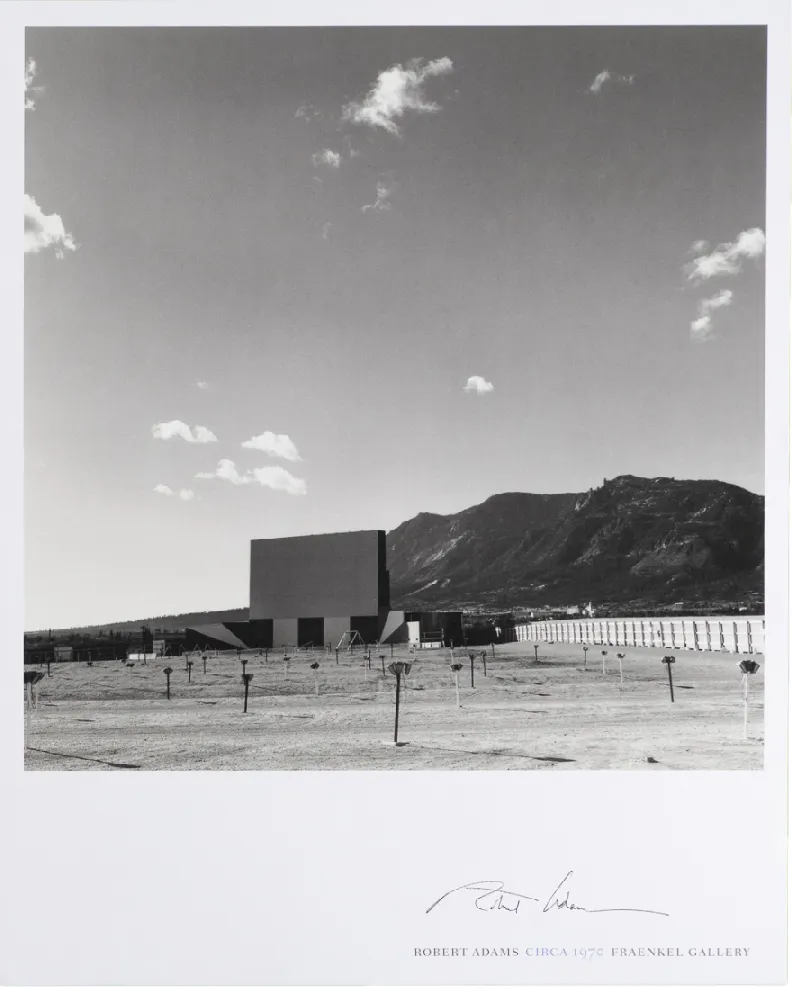
Adams came to international attention with The New West (1974), a spare, unsentimental survey of tract housing, highways, and shopping centers spreading across the Front Range of Colorado. The book's clear-eyed treatment of suburban sprawl helped define a new sensibility in landscape photography, and the following year he was included in the landmark 1975 exhibition New Topographics: Photographs of a Man-Altered Landscape at the George Eastman House, alongside photographers such as Lewis Baltz, the Bechers, and Stephen Shore, a show now regarded as one of the pivotal moments in twentieth-century photography.
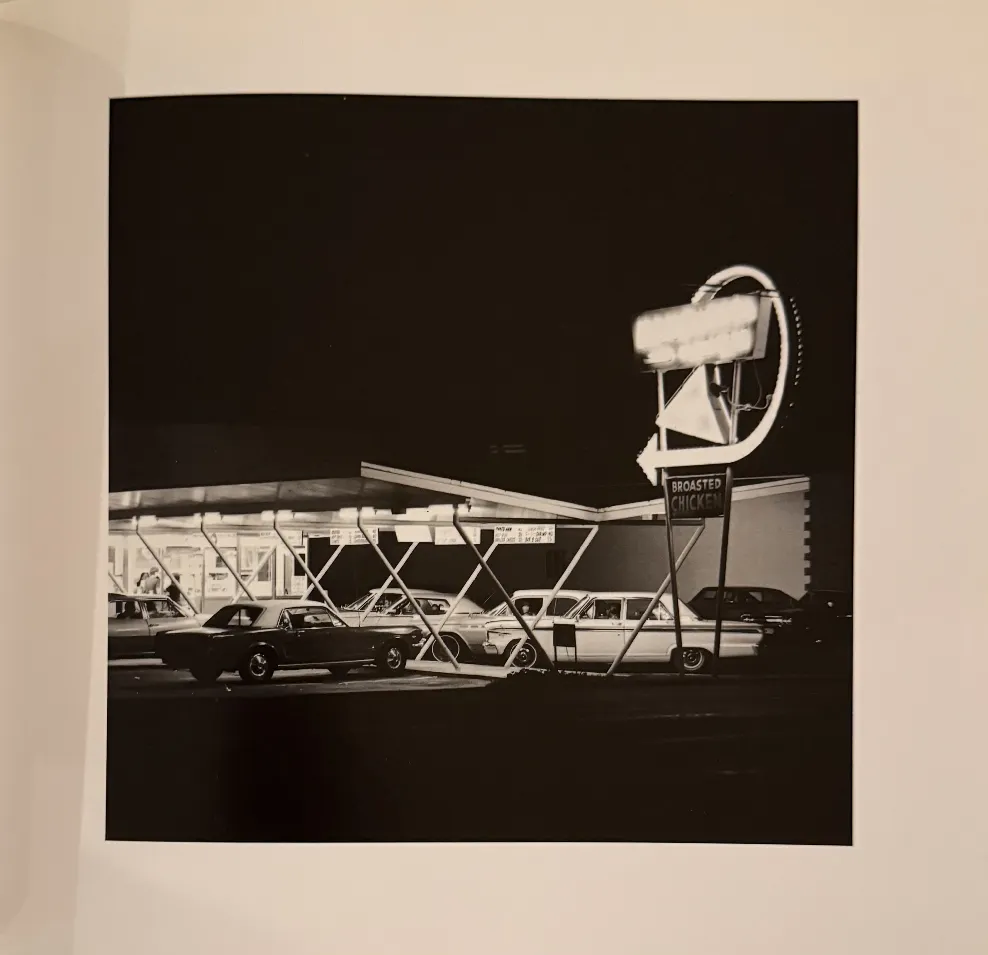
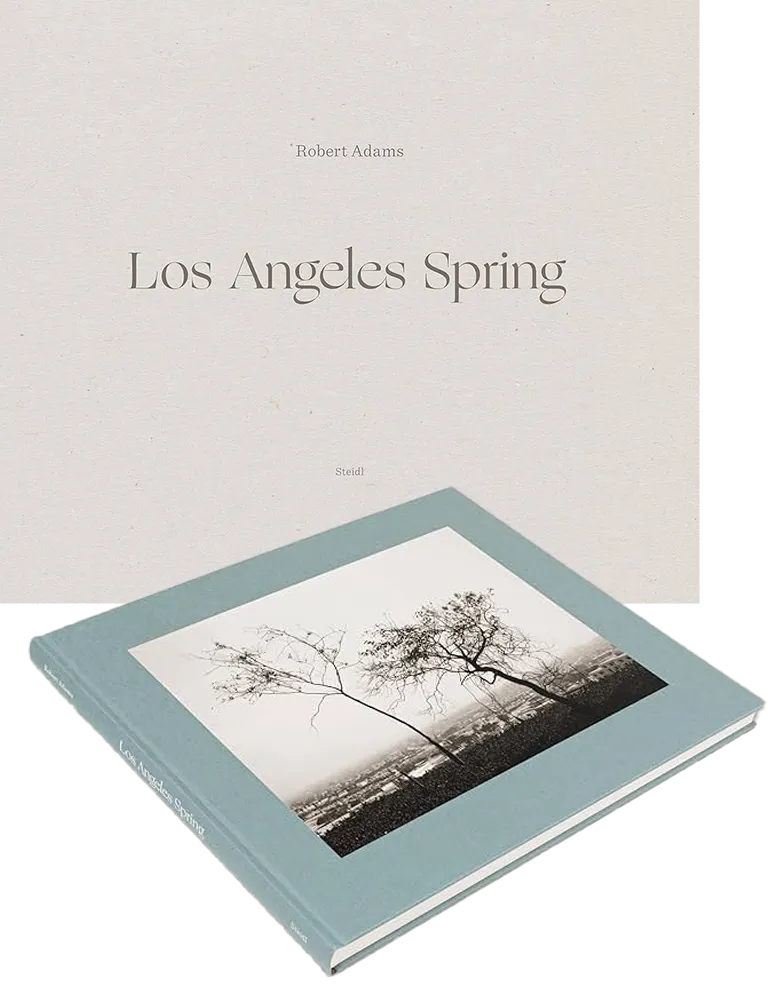
Over the following five decades Adams produced a large and cohesive body of work, including Denver (1977), From the Missouri West (1980), Los Angeles Spring (1986), What We Bought (1995), Interiors 1973-1974 (2006), Turning Back (2005), and Around the House (2016), among many others. Many of this books return again and again to the same quiet, insistent subject: the beauty of the American West and the damage done to it. Writing as well as photographing throughout his career, he is also the author of influential critical essays, collected in Beauty in Photography (1981) and Why People Photograph (1994).
His honors include two Guggenheim Fellowships (1973, 1980), a MacArthur Fellowship (1994), the Deutsche Börse Photography Prize (2006, for Turning Back), the Hasselblad Award (2009), and election to the American Academy of Arts and Letters (2014). His photographs are held in the permanent collections of the Museum of Modern Art, the Metropolitan Museum of Art, and the National Gallery of Art, among many others. Adams lives with his wife Kerstin in Astoria, Oregon.

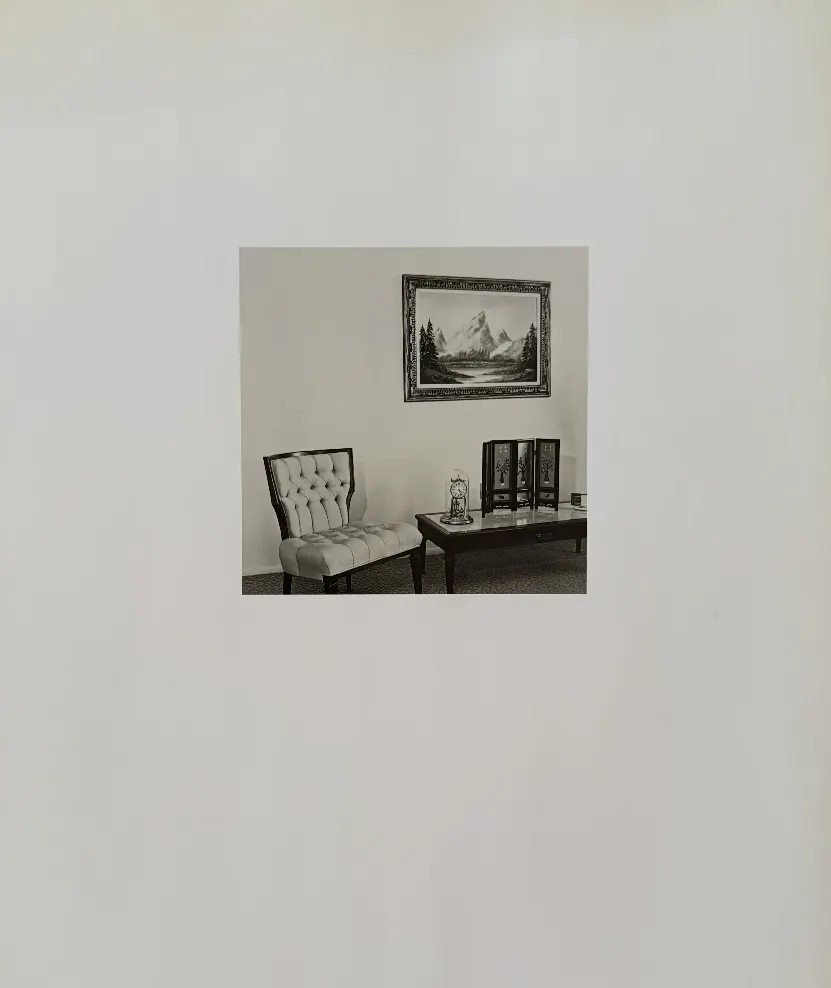
Robert Adams's Interiors 1973–1974 is a fairly quiet but significant late addition to his body of work, it wasn't published until 2006, by Nazraeli Press (working with Fraenkel Gallery), even though the photographs themselves date to the early '70s, the same period as his classic Denver-area landscape work. Its theme of empty residential interiors is central to Bushwick Sur Seine.
The book is a portfolio rather than a conventional bound volume, 24 duotone plates on loose 11×14" sheets of heavy matte stock, housed in a cloth-covered presentation case and clamshell box, no dust jacket. Nazraeli issued it in two forms simultaneously: a trade edition of 1,000 copies and a signed, numbered limited edition of 100 (no priority between them). This copy is one of the few copies of the trade edition, which were signed by Adams.
Content-wise, it's Adams turning his eye indoors, photographing the domestic interiors of Denver-area homes during the same years he was shooting the tract-house landscapes that made his name. Where his landscape work (The New West, etc.) is often read through the "New Topographics" lens, a cool, deadpan look at the man-altered land that helped link documentary photography to Conceptual art, Interiors softens that register. It's about what people gather around themselves inside those houses: modest possessions, arranged rooms, small gestures of care. Adams himself framed it as looking for "evidence... of caring," and the underlying idea echoed in later writing about the work, is that our domestic clutter is "all we have" against an indifferent, vast landscape outside the window. So critically, it's often discussed as the tender, interior counterpart to his more famous exterior/landscape photography: the same subject (how people inhabit a fragmented, suburbanizing West) with opposite scale.