
Eugene Atget

Eugene Atget

Which art books, prints and posters are available by and about this artist? Here is a sample of items of interest to a typical collector:

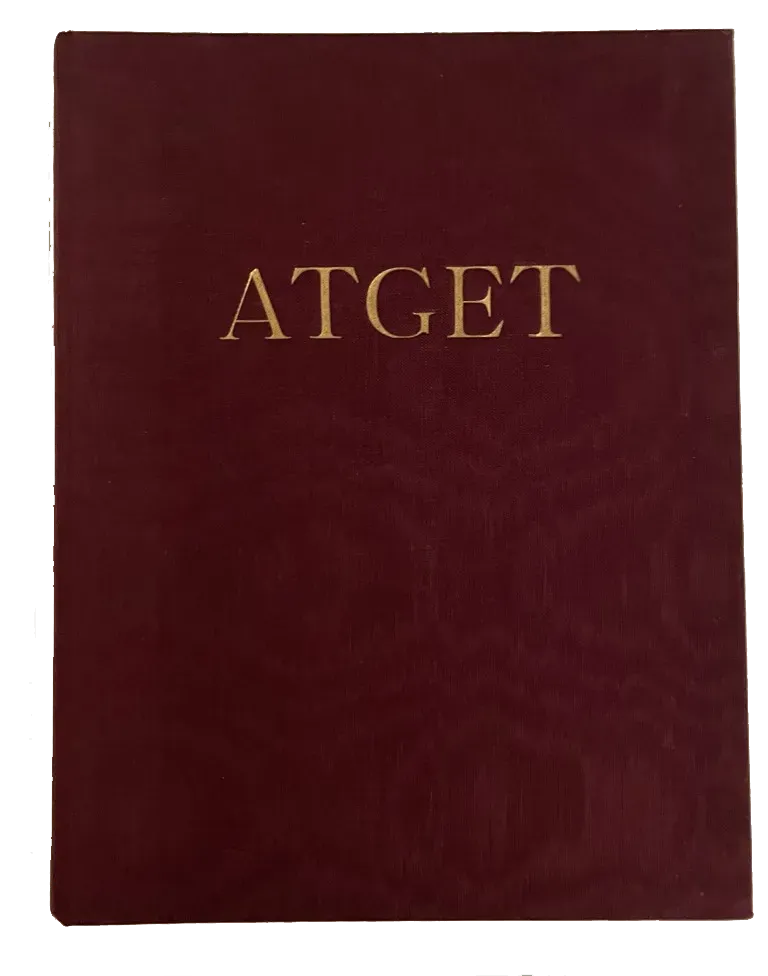
Atget, Photographe de Paris
Book images
Henri Jonsquière
1930
with:
Edition:
1st
Edition size:
Out of Print
Other edition(s):
Hardcover without dust jacket, as issued
ISBN:
Condition: Near Fine -
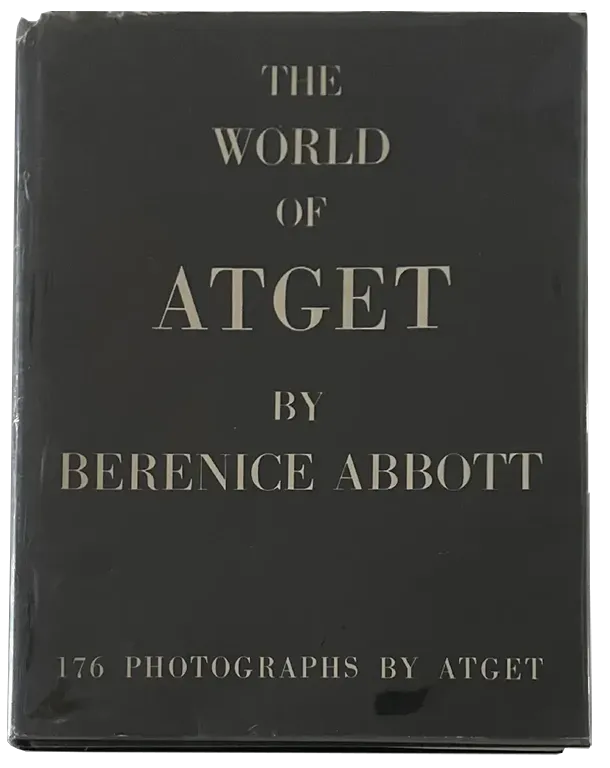
The World of Atget by Berenice Abbott
Book images
Horizon press
1964
with:
Edition:
1st
Edition size:
Out of Print
Other edition(s):
Hardcover with dust jacket
ISBN:
Condition: Good in Good- Jacket
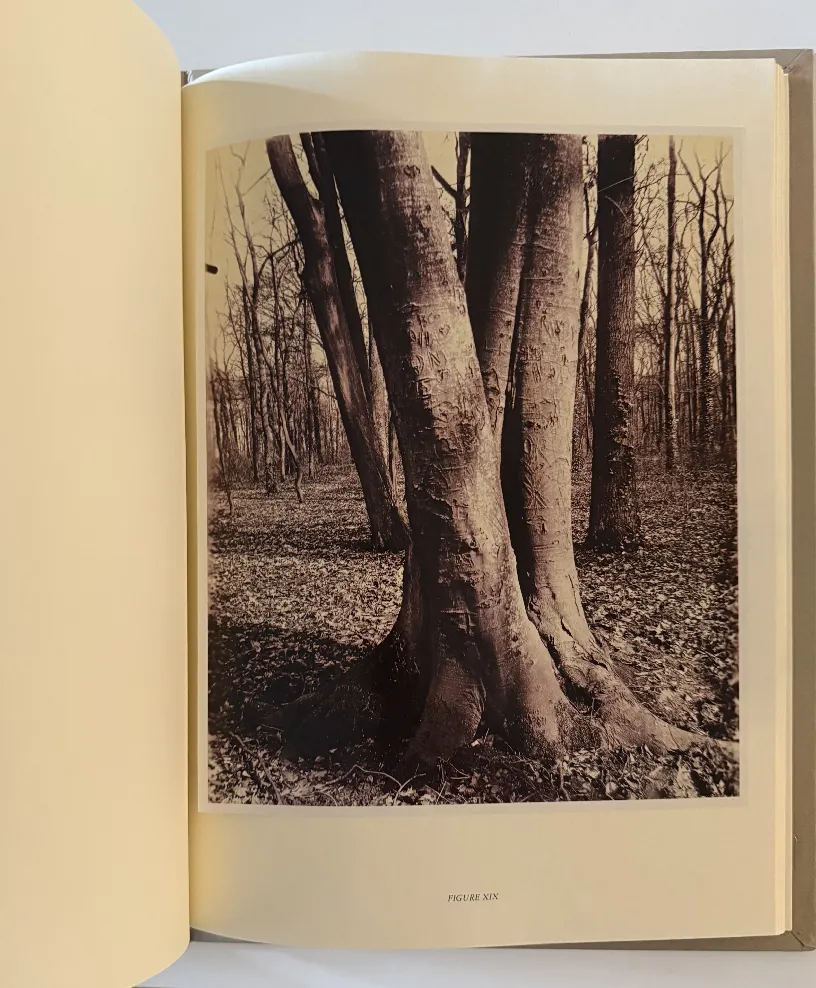
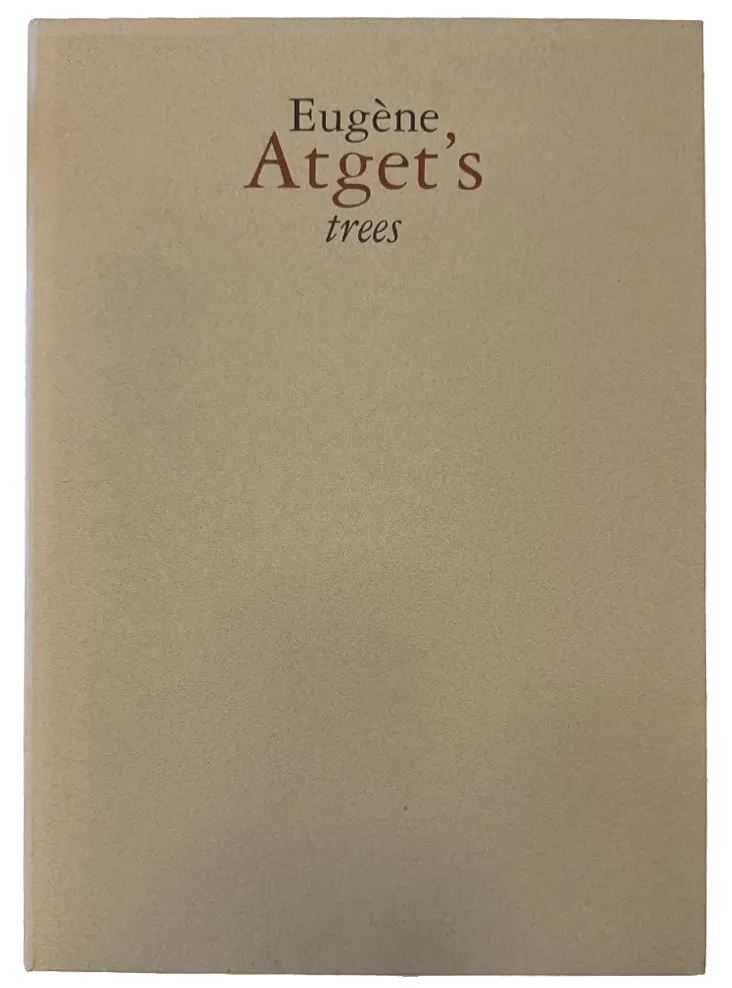
Trees
Book images
DAP
2003
with:
Edition:
1st US
Edition size:
Out of Print
Other edition(s):
Slipcase bound
ISBN:
Condition: Near Fine

Numbered from limited edition of 1000

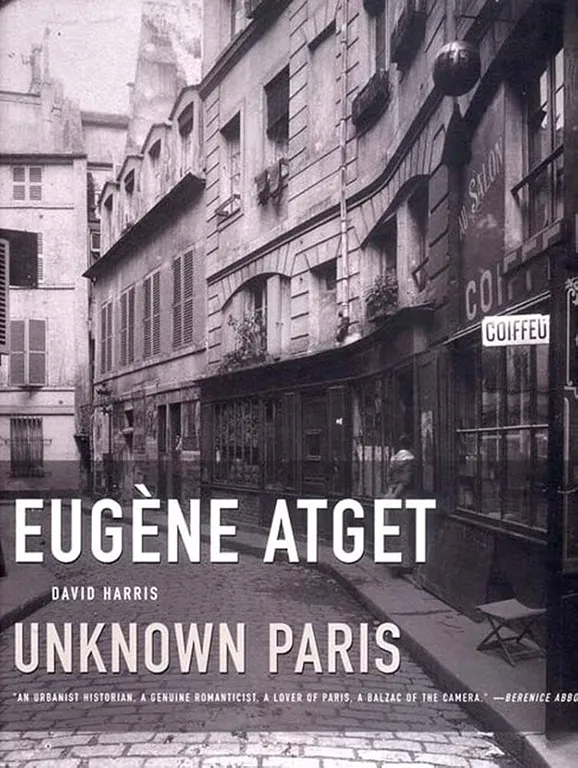
Paris Musees
2003
with:
Edition:
1st Eng (1st fr. 1999)
Edition size:
Out of Print
Other edition(s):
Hardcover with dust jacket
ISBN:
Condition: Near Fine
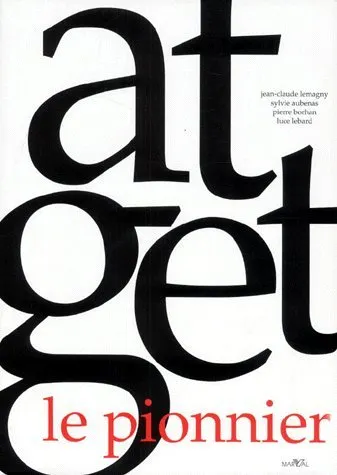
Marval
2000
with:
Edition:
1st
Edition size:
Out of Print
Other edition(s):
Hardcover with dust jacket
ISBN:
Condition: Near Fine

This book explores Atget's legacy through his own photographs and those of his successors, names who are themselves legends in the history of the art: Berenice Abbott, Hila and Bernd Becher, Bill Brandt, Robert Doisneau, Walker Evans, Michael Kenna, Lee Friedlander, Clarence John Laughlin, Albert Renger-Patzsch, Rene-Jacques, Bruno Requillard, August Sander.

No items found.
by
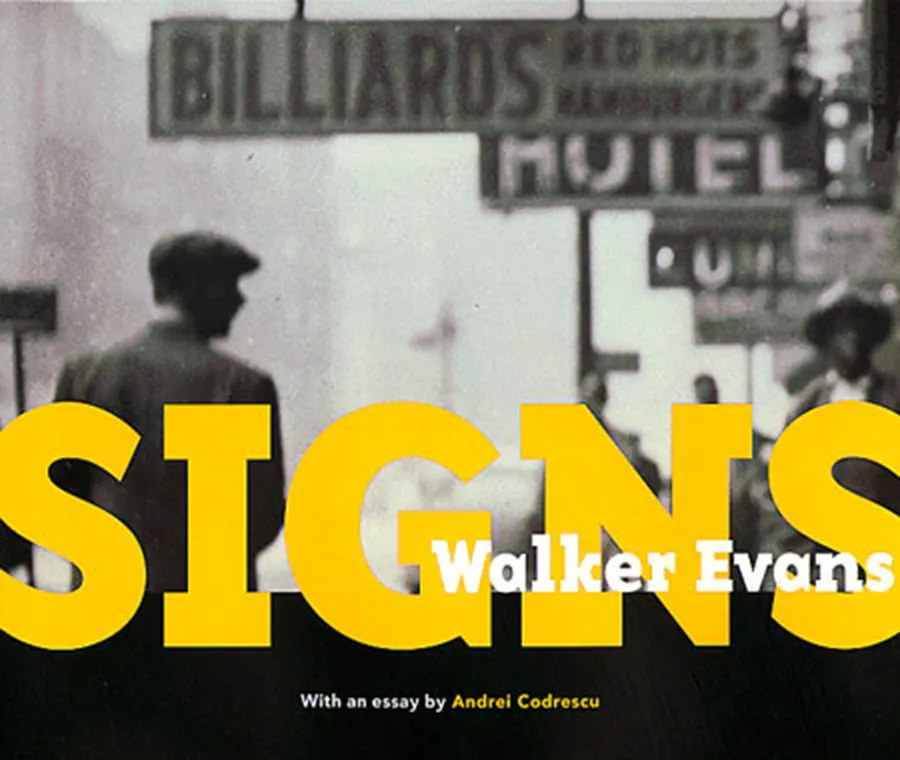
Walker Evans

Walker Evans

1998
with:
Edition:
2nd printing
Edition size:
Out of Print
Prior edition(s):
Hardcover
ISBN:
9780892363766
Condition: Fine
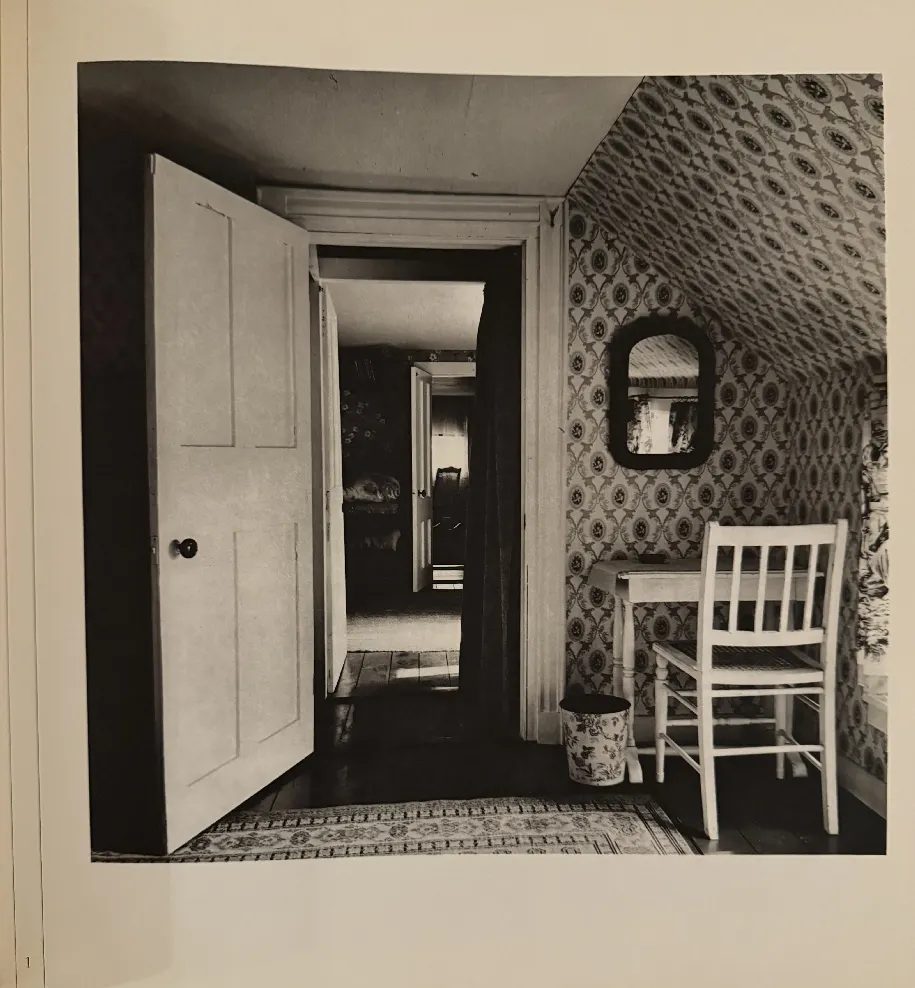
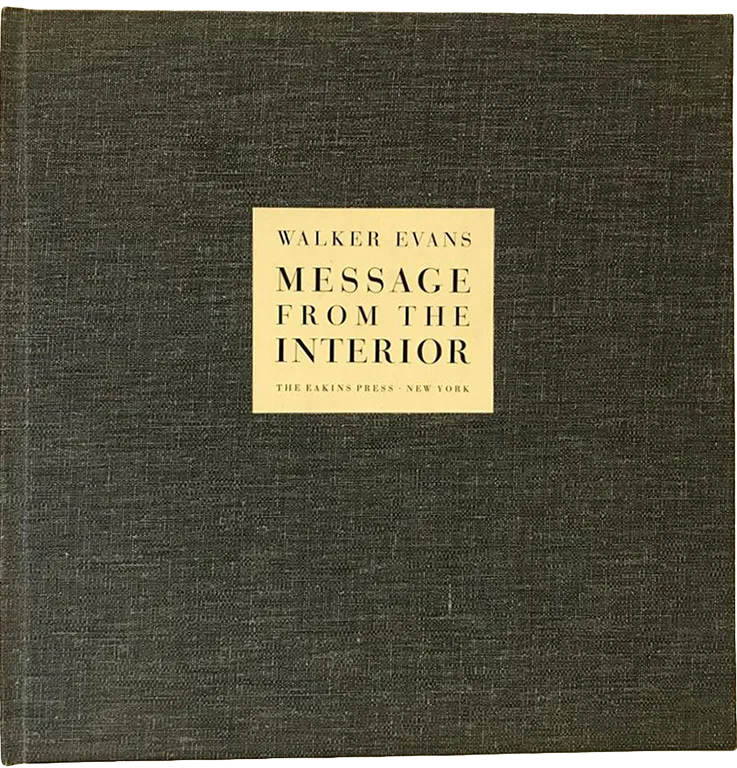
Message from the Interior
Book images
by
Walker Evans

Walker Evans

1966
with:
Edition:
1st
Edition size:
Out of Print
Prior edition(s):
Clothed hardcover issued without a DJ
ISBN:
Condition: Near Fine.
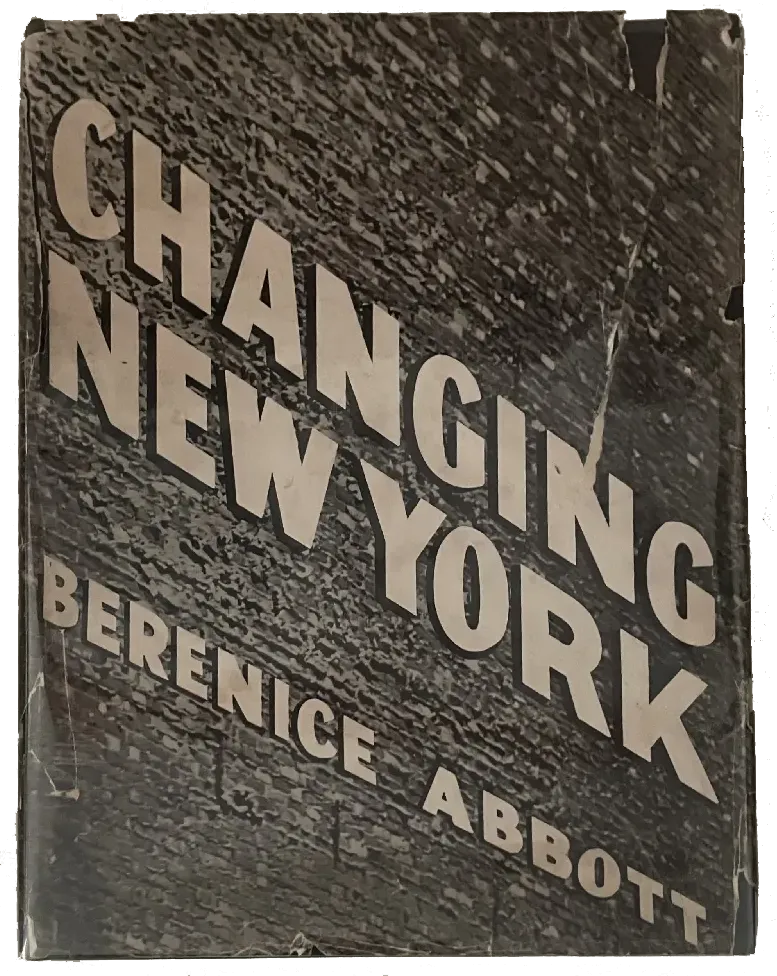
Changing New york
Book images
by
Berenice Abbott

Berenice Abbott

1939
with:
Edition:
1st
Edition size:
Out of Print
Prior edition(s):
Hardcover with dust jacket
ISBN:
Condition: Very Good / Good

Changing New York (1939) is one of the most celebrated urban photographic projects of the twentieth century. Created by photographer Berenice Abbott with textual contributions from art critic Elizabeth McCausland, the project systematically cataloged the explosive physical, architectural, and socio-economic transformation of New York City during the Great Depression.

When Berenice Abbott returned to the United States in January 1929 after eight years as an avant-garde portrait photographer in Paris, she encountered a metropolis undergoing rapid, radical modernization. Intensely influenced by Eugène Atget whose vast visual archive documenting "Old Paris" she rescued and championed after his death in 1927, Abbott was struck by the dramatic contrast between vanishing nineteenth-century structures and towering modern skyscrapers like the Empire State Building and Rockefeller Center.

Driven by what she called a "fantastic passion" to create a complete visual portrait of the city, Abbott spent six years attempting to photograph New York independently. Facing severe financial constraints during the Depression, she sought institutional support to sustain her ambitious work.

In September 1935, her proposal was accepted by the Federal Art Project (FAP), a division of the Works Progress Administration (WPA). Sponsored by the Museum of the City of New York (MCNY), Abbott was appointed project supervisor. The WPA funding provided her with technical equipment, field assistants, and a dedicated team of researchers to compile background information for every site she photographed

Between 1935 and 1939, Abbott produced over 1,000 broad-format glass-plate negatives. Out of these, 305 images were chosen as the official master series for the WPA archive and distributed to public institutions, including the MCNY and the New York Public Library.

Abbott’s approach rejected the soft-focus, painterly conventions of early 20th-century Pictorialism in favor of "Straight Photography", a philosophy rooted in spatial clarity, sharp focus, geometric precision, and total physical honesty. Working primarily with a heavy Century Universal 8x10 view camera mounted on a tripod, her photographs captured the city across three main structural axes:

  • The Past and Present: Juxtaposing historic brownstones, Victorian storefronts, and wooden docks against modern steel bridge piers and Art Deco skyscrapers.
  • Urban Infrastructure: Documenting transportation hubs, elevated train lines (El lines), ferry terminals, bridges, waterfront shipping yards, and industrial streetscapes.
  • Street Life and Commerce: Capturing newsstands, peddlers, pushcarts, shopfront advertisements, and the social rhythm of neighborhoods ranging from Wall Street and Lower Manhattan to Harlem, Brooklyn, and Queens.

With the opening of the 1939 New York World's Fair approaching, publisher E.P. Dutton & Co. contracted with the Federal Writers' Project to produce a commercial guidebook featuring Abbott's photographs. Published in April 1939, the book contained 97 selected plates.

The final publication was shaped by a sharp disagreement between the creators and the publisher. Abbott and her partner, Elizabeth McCausland, envisioned a radical, modernist layout. McCausland wrote dynamic, film-strip-style text captions incorporating historical facts, social commentary, and poetic inquiries designed to be integrated directly into dynamic page spreads. Fearing that a radical design would alienate typical tourists visiting the World's Fair, E.P. Dutton rejected McCausland’s layout. They restructured the book into a conventional regional guidebook layout. Photographs were arranged geographically, progressing from the southern tip of Lower Manhattan northward through Upper Manhattan and out to the outer boroughs, accompanied by traditional descriptive text blocks on opposing pages.

Despite Abbott's initial dissatisfaction with the publisher’s compromises, Changing New York was released to critical acclaim and strong sales.

Changing New York remains a monument of 20th-century American documentary photography and civic art history. Beyond its formal aesthetic triumphs, the project serves as an irreplaceable historical record of New York City during a pivotal era when the physical city of the 19th century was rapidly being dismantled to make way for the high-density metropolis of the modern age.

In 1997, art historian Bonnie Yochelson edited Berenice Abbott: Changing New York, The Complete WPA Project (published by the Museum of the City of New York and The New Press), restoring all 305 official photographs alongside complete archival records, fulfilling Abbott’s original vision for a complete urban chronicle

The American Monument
Book images
by
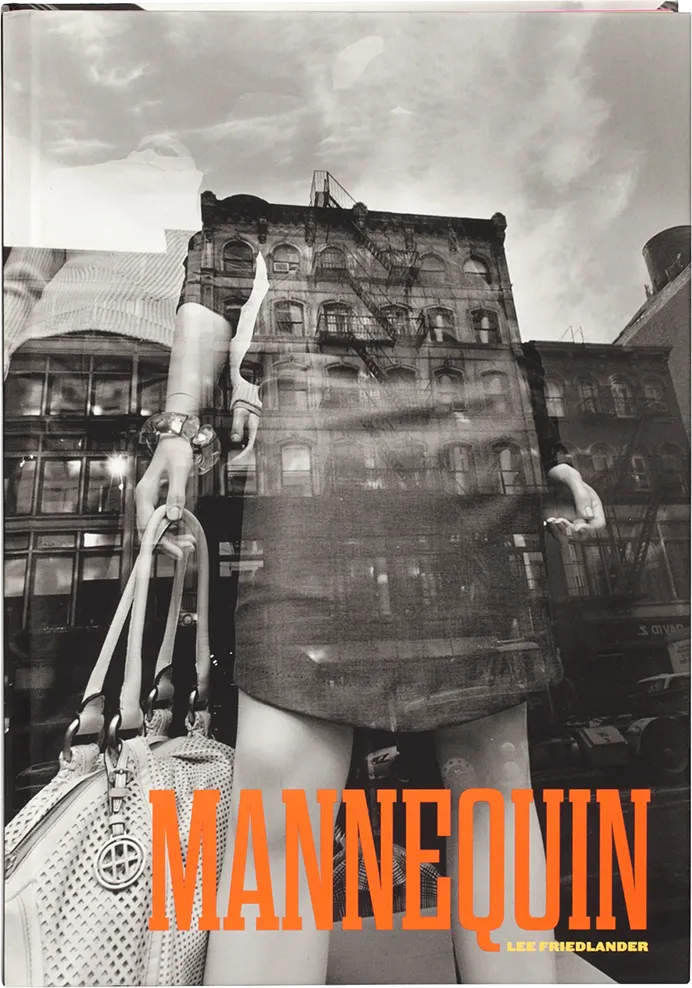
Lee Friedlander

Lee Friedlander

2017
with:
Edition:
2nd
Edition size:
Out of Print
Prior edition(s):
First published in 1976
Oversized boards in cardboard box
ISBN:
9780871300720
Condition: Near Fine
by
Lee Friedlander

Lee Friedlander

2012
with:
Edition:
1st
Edition size:
Out of Print
Prior edition(s):
Hardcover without dust jacket, as issued
ISBN:
9781881337324
Condition: Near Fine

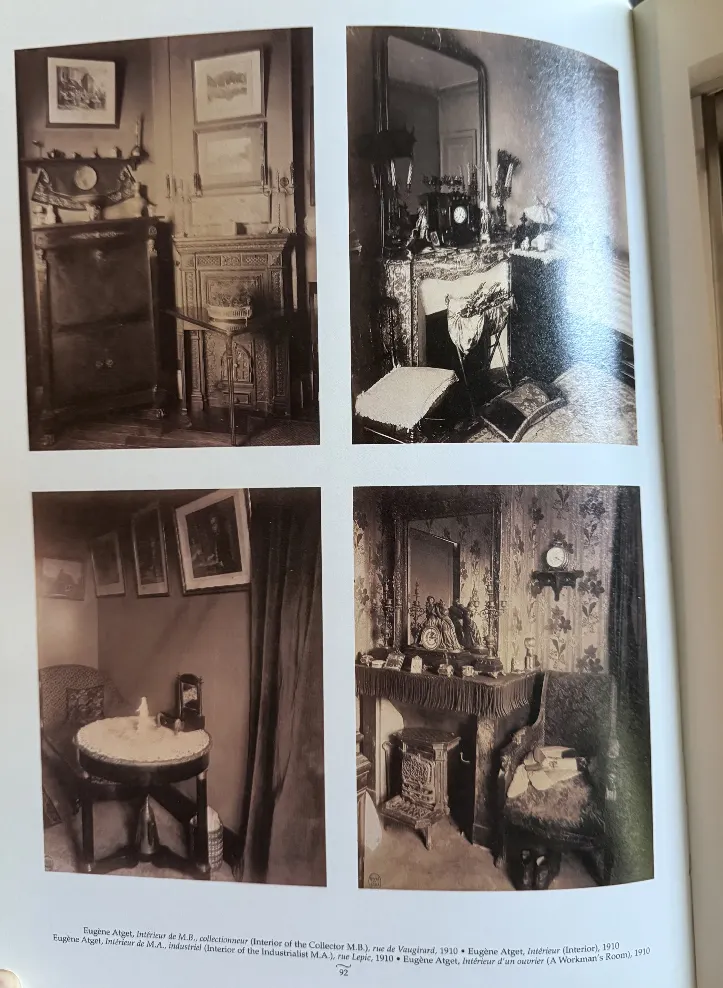
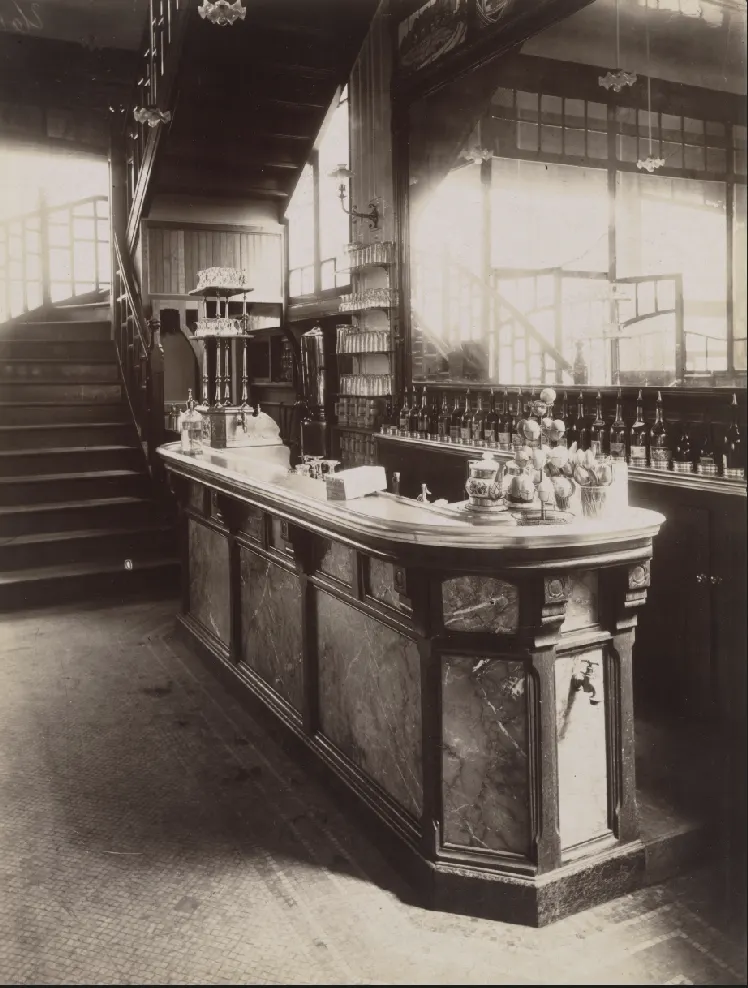
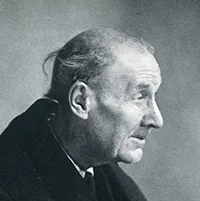
Eugène Atget, French (February 12, 1857 – August 4, 1927)

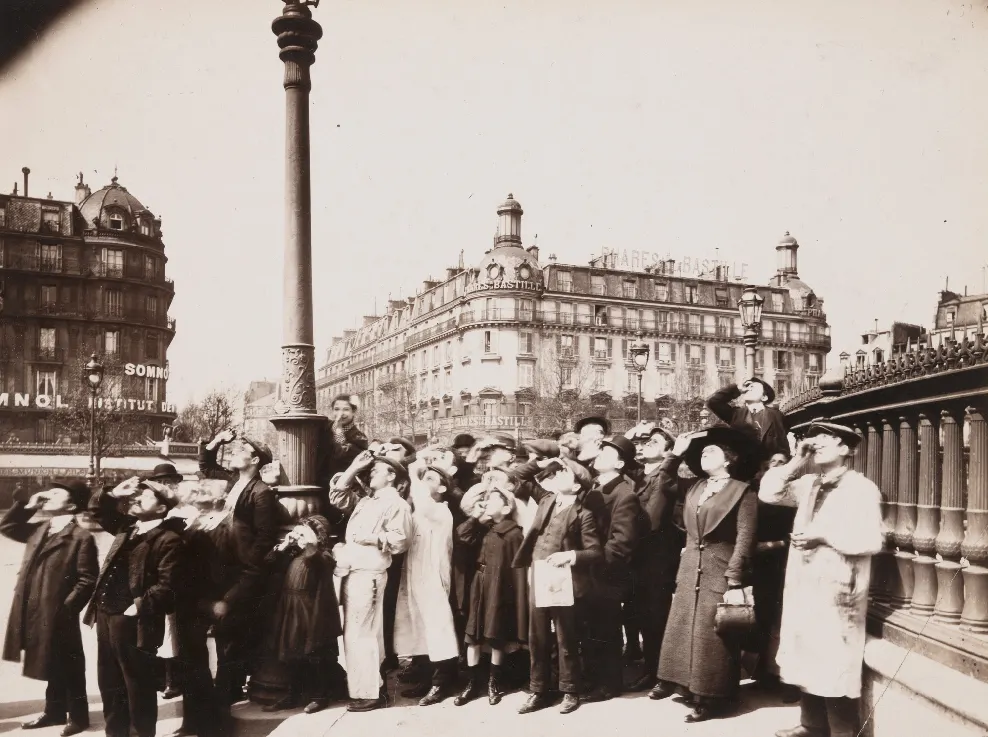
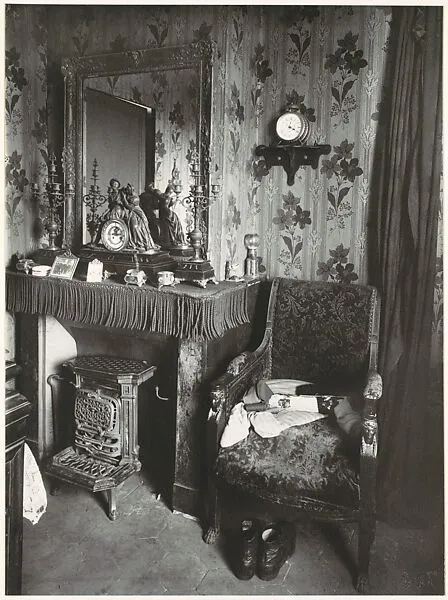
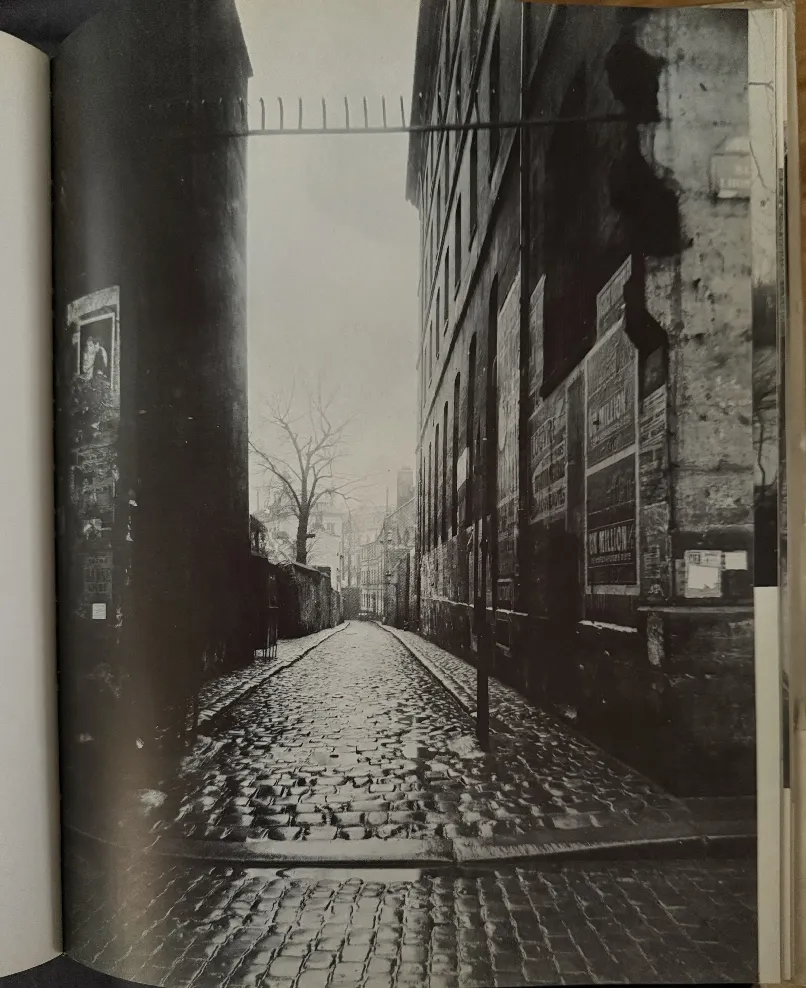
Atget is celebrated as a pioneer of documentary photography, particularly for his exhaustive visual cataloging of Paris’ architecture, streets, and vanishing trades during a time of profound urban transformation. However, his photography was later recognized as a cornerstone of modern photography, profoundly influencing generations of photographers, including Walker Evans, Henri Cartier-Bresson, and Lee Friedlander.

Orphaned at a young age, Atget was raised in Bordeaux by his grandparents. After a brief stint in the merchant navy and a struggling career as an actor, he took up photography in the late 1880s, initially providing reference images for artists, architects, and stage designers.

By the late 1890s, Atget embarked on a monumental personal project to systematically photograph “Old Paris,” including its streets, historic buildings, parks, and everyday urban scenes—creating thousands of images that served both as historical records and everyday documents.

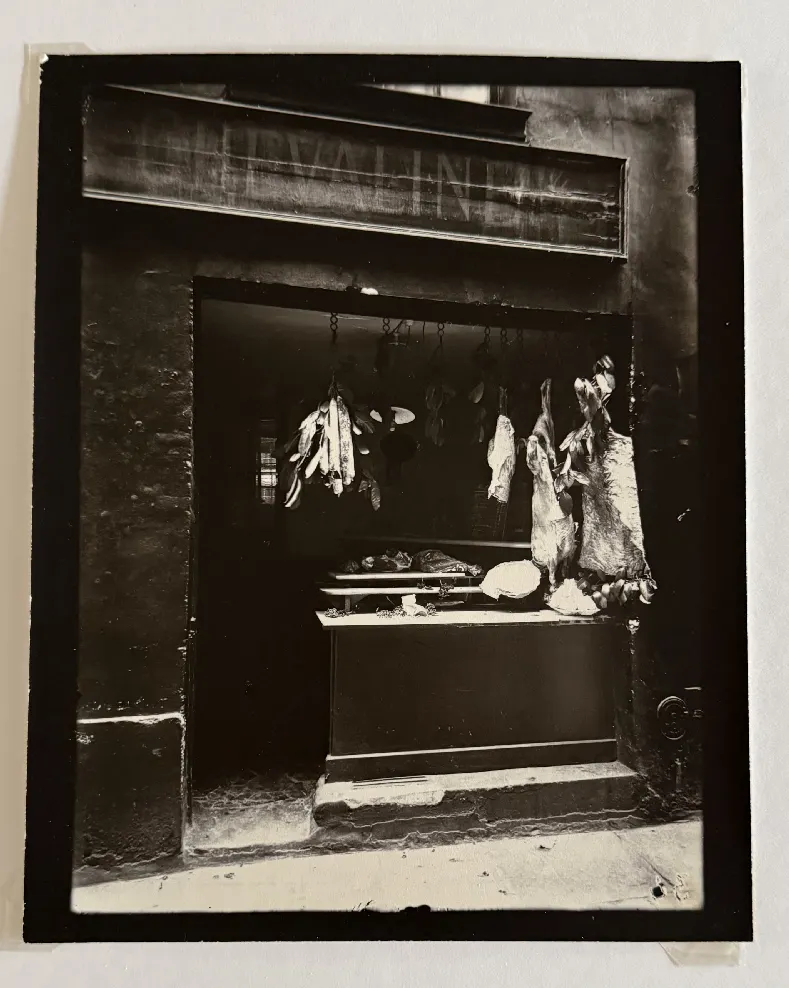
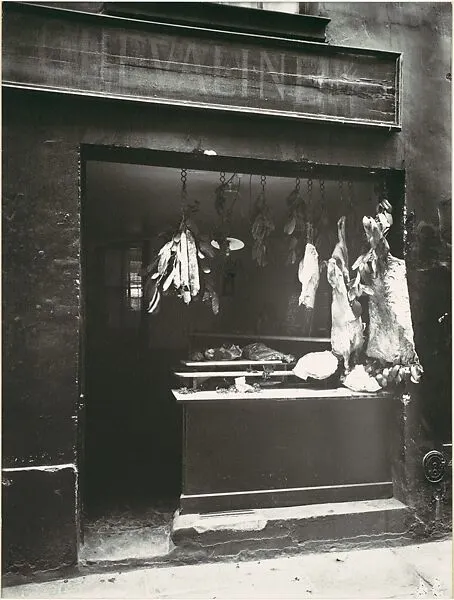
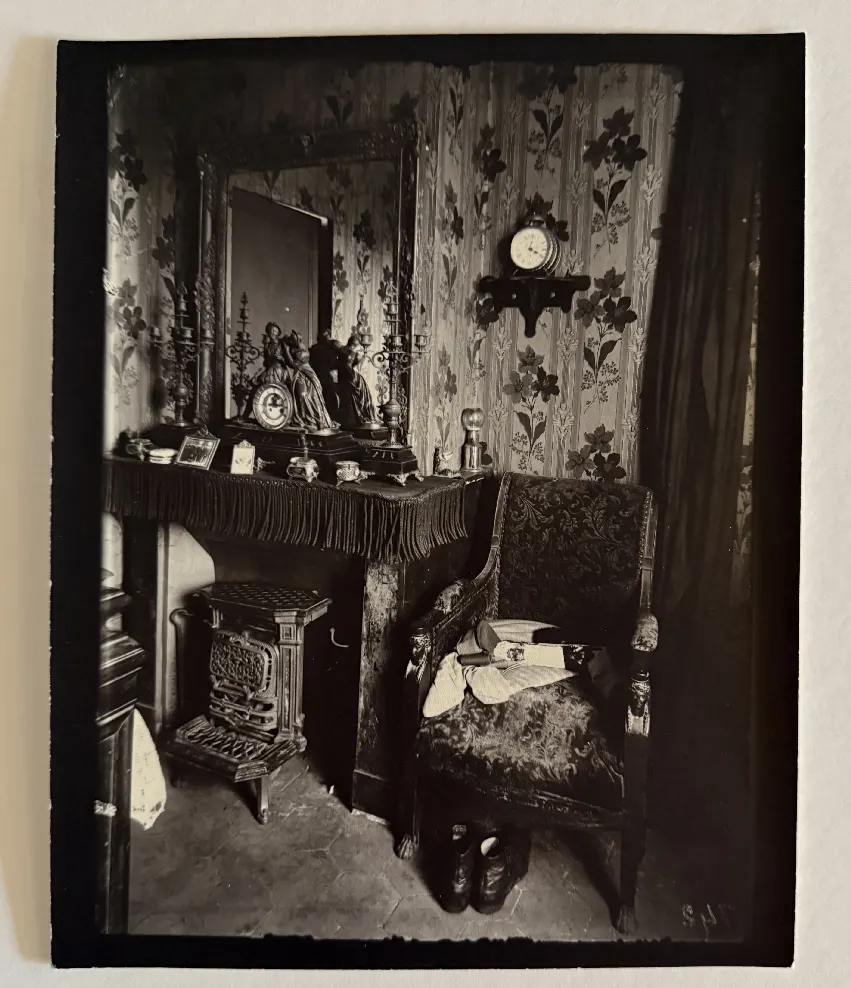
Atget preferred sharp, detailed composition over the softer, painterly styles of his era. His works—rarely featuring people—focused on storefronts, courtyards, façades, and parks, capturing the city as a stage frozen in time.

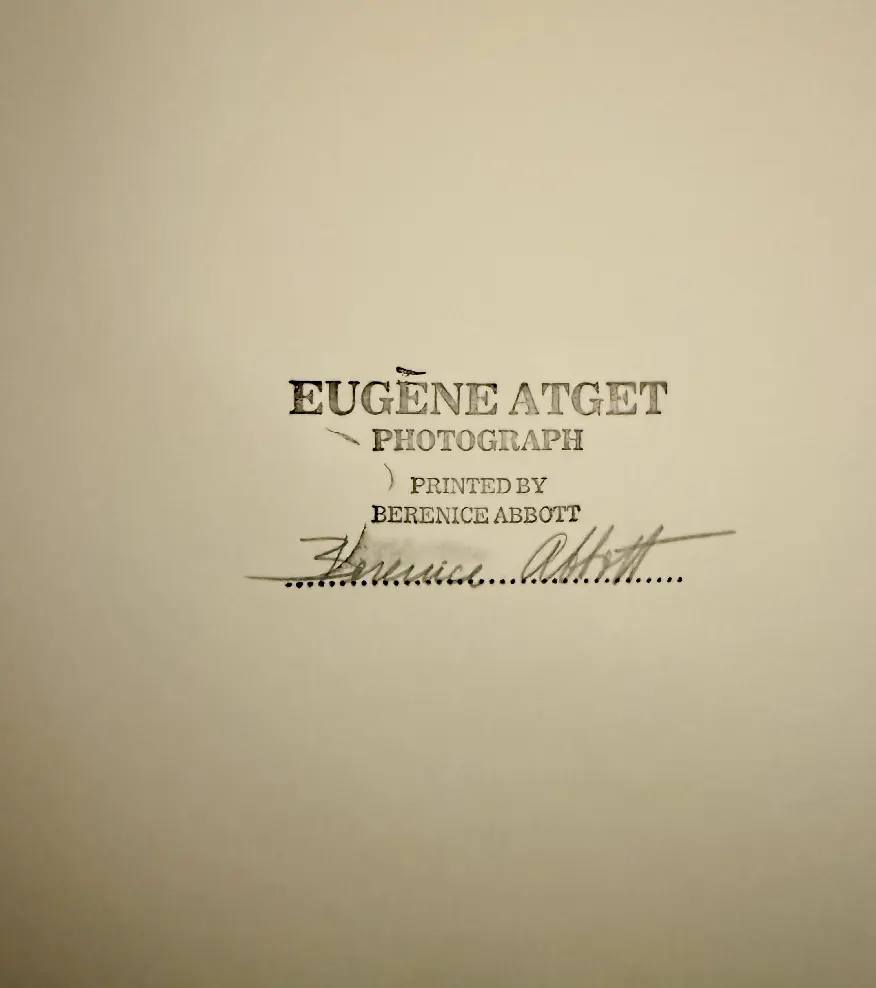
Though hardly celebrated during his lifetime, his work gained posthumous recognition largely thanks to Berenice Abbott, who acquired many of his negatives, championed his artistic value, and helped introduce Atget’s oeuvre to broader audiences—most notably through exhibitions and publications in the mid-20th century.

Today, Atget is regarded as a foundational figure in the history of photography—his vision both documentary and subtly poetic, offering an intimate and archival reflection of a Paris on the verge of vanishing into modernization.