

Which art books, prints and posters are available by and about this artist? Here is a sample of items of interest to a typical collector:
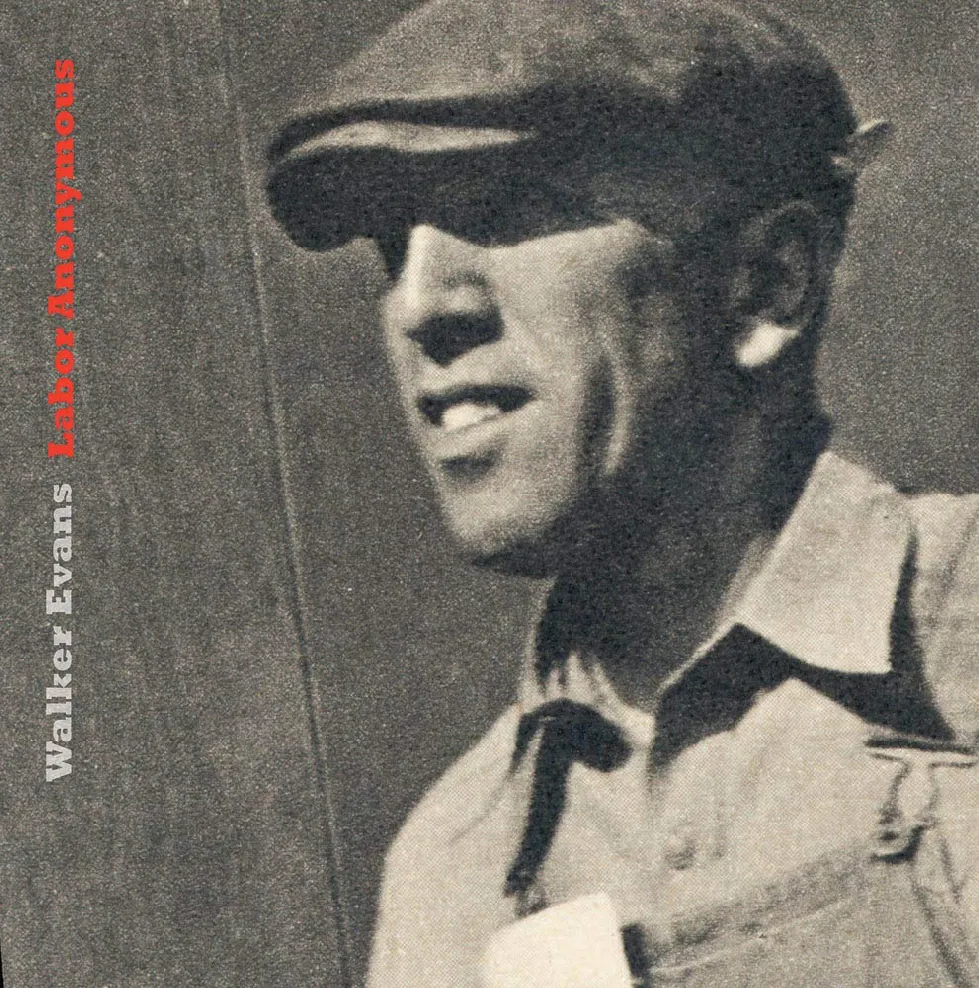
Walker Evans shot the photographs collected in Labor Anonymous as an assignment for Fortune magazine, which published a small selection of 20 images in its November 1946 issue, under the title "On a Saturday Afternoon in Detroit." Until now, however, the entire series of 50 photographs has never been reproduced. Evans' extraordinary serial studies of the facial expressions and postures of Detroit workers walking the city's streets are fascinating both as portraiture and as a surprising dimension of his photographic style. Shooting passersby against a plywood backdrop as they crossed his field of vision from distant right to close left (some noticing him, most not), with the light striking and modeling their features, Evans found that what he was creating with these images was "the physiognomy of a nation." This book compiles the photographs, contact sheets, small-version printlets, Evans' annotations to newspaper clippings, drafts for an unpublished text, telegrams and every available print Evans made, along with the Fortune spread as published. Labor Anonymous captures a long-vanished moment in American history, and a crucial project in Evans' oeuvre.
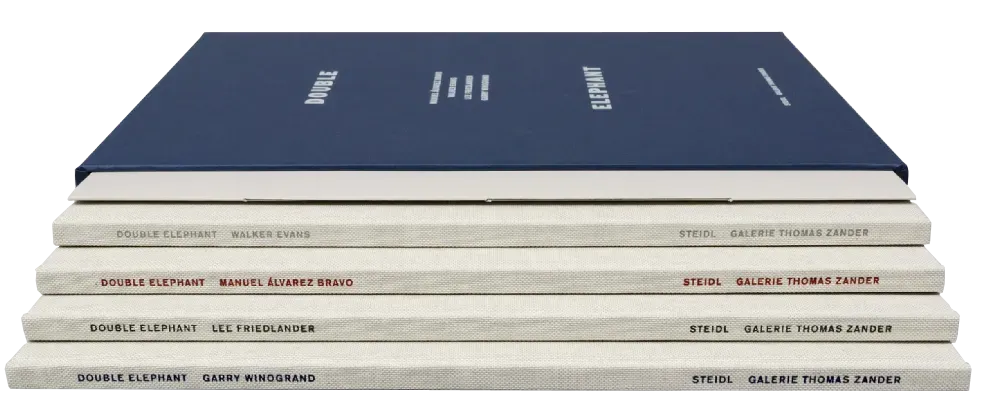
From 1973 to 1974, Lee Friedlander and Burt Wolf edited four iconic portfolios at the Double Elephant Press in New York, featuring photographs by some of the most influential photographers of the twentieth century: Manuel Alvarez Bravo, Walker Evans, Garry Winogrand, and Lee Friedlander himself. Each of the four limited edition portfolios contained fifteen photographs by each artist, representing their distinct visions that can be described in the words of Walker Evans as "oddly refreshing, unselfconsciously striking, and unpredictably adventurous.â€
This publication from 2015 honored the unique collaborative project that was to become a touchstone in the history of photography.
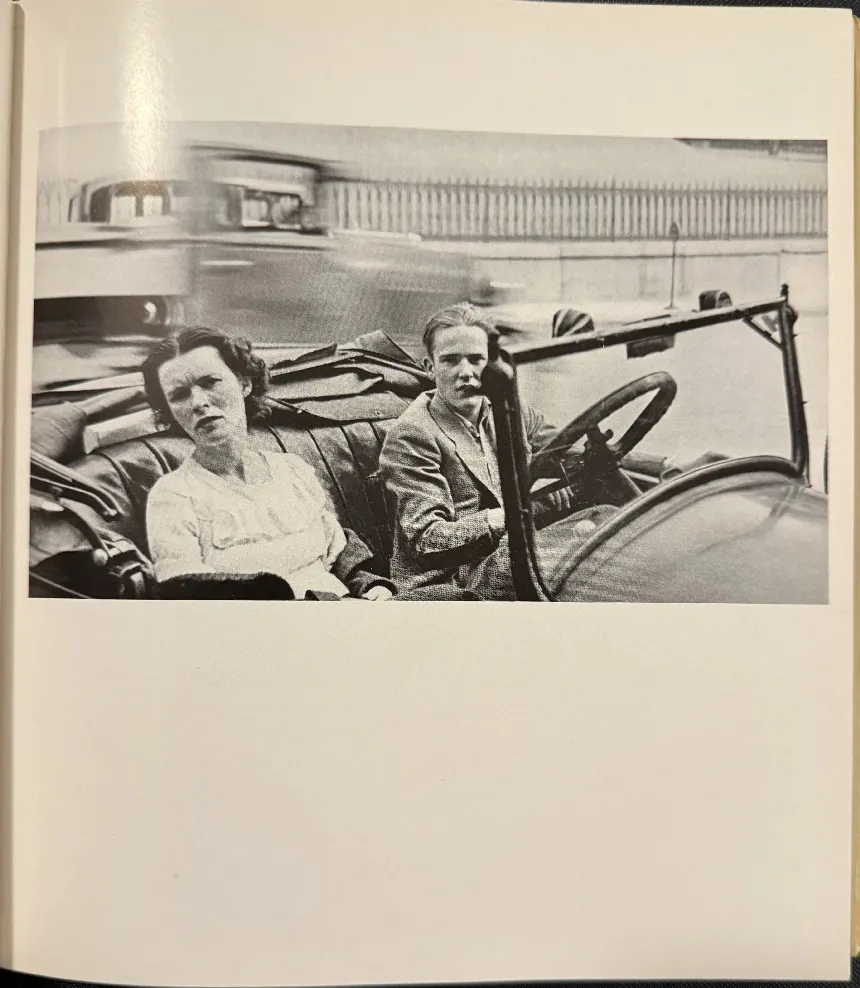
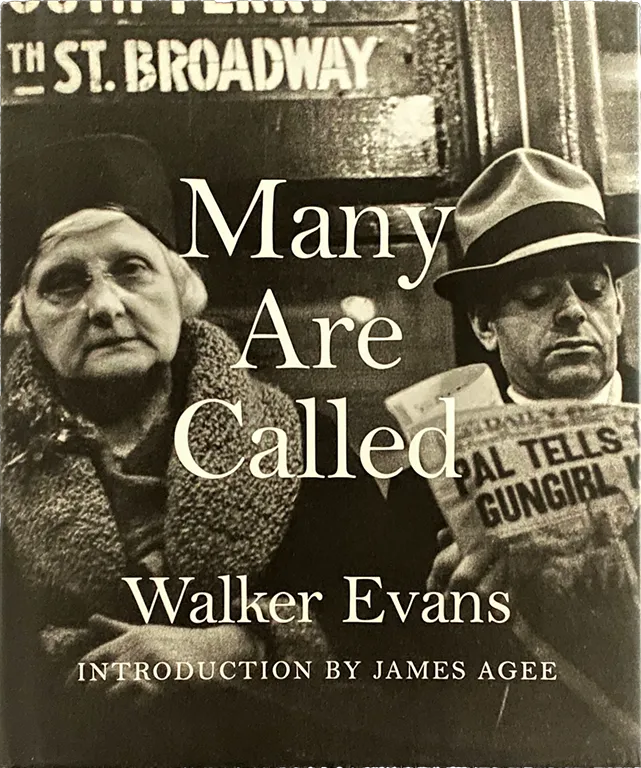
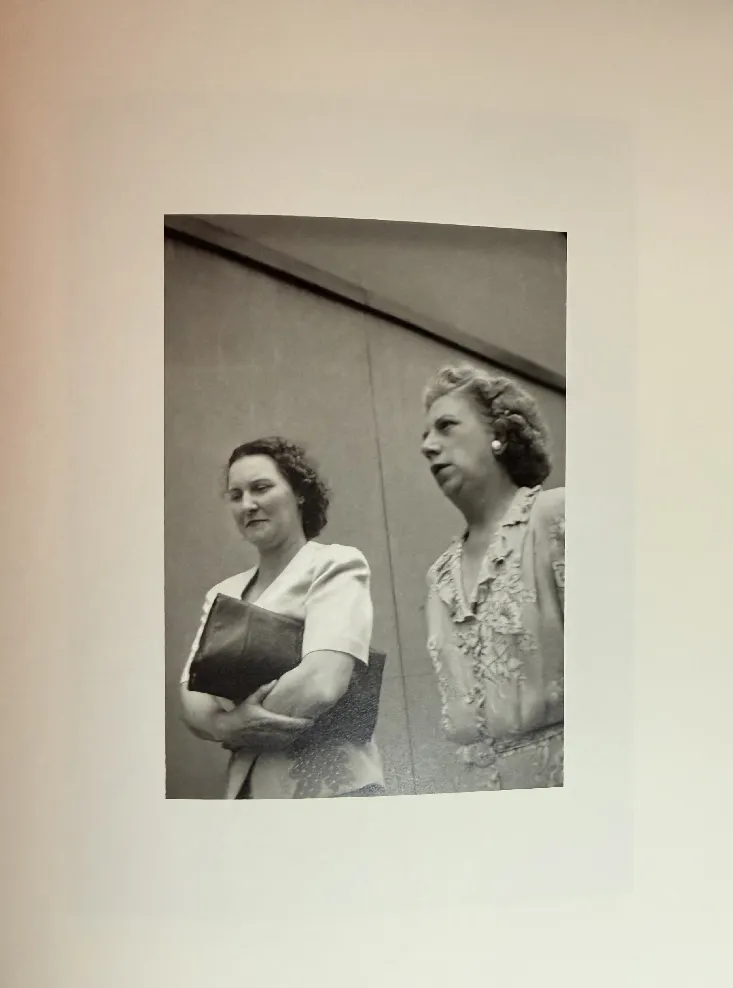
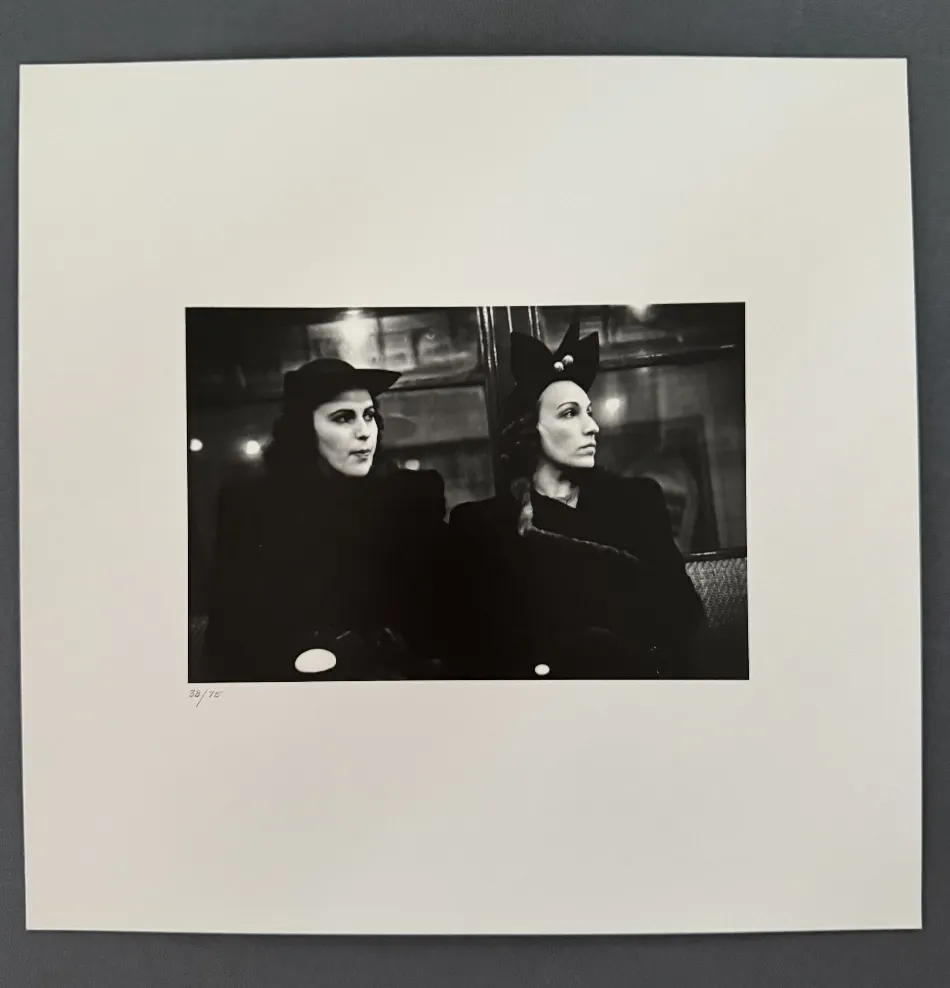
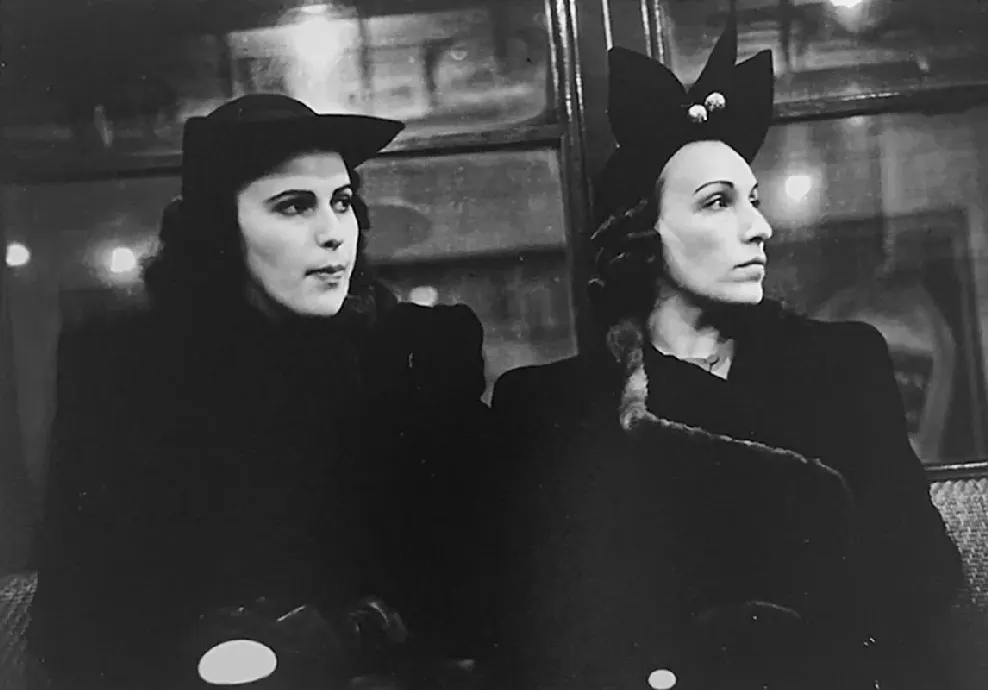
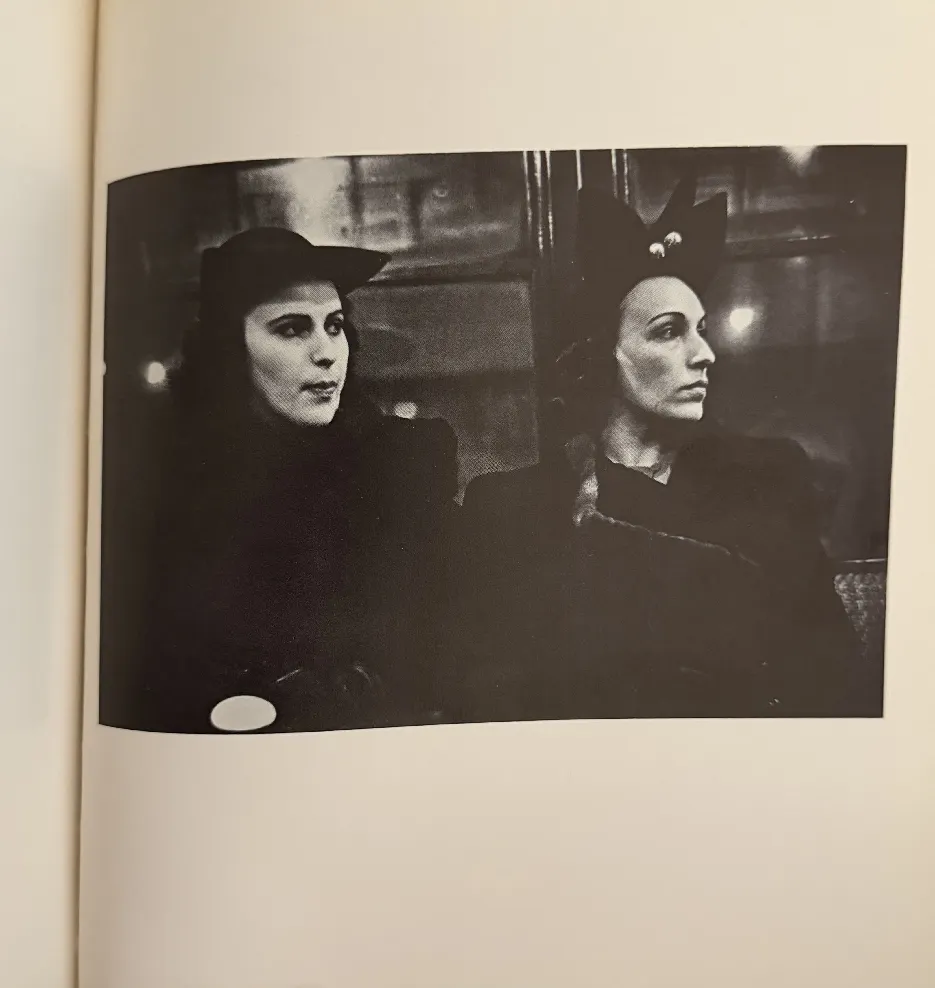
Many are Called, HMCO, 1966, p. 58.; First and Last, 1978; Labour Anonymous, DAP, 2016., p. 123.
Walker Evans, First and Last, Harper, 1978
A print of this photograph is included in the MOMA Collection.
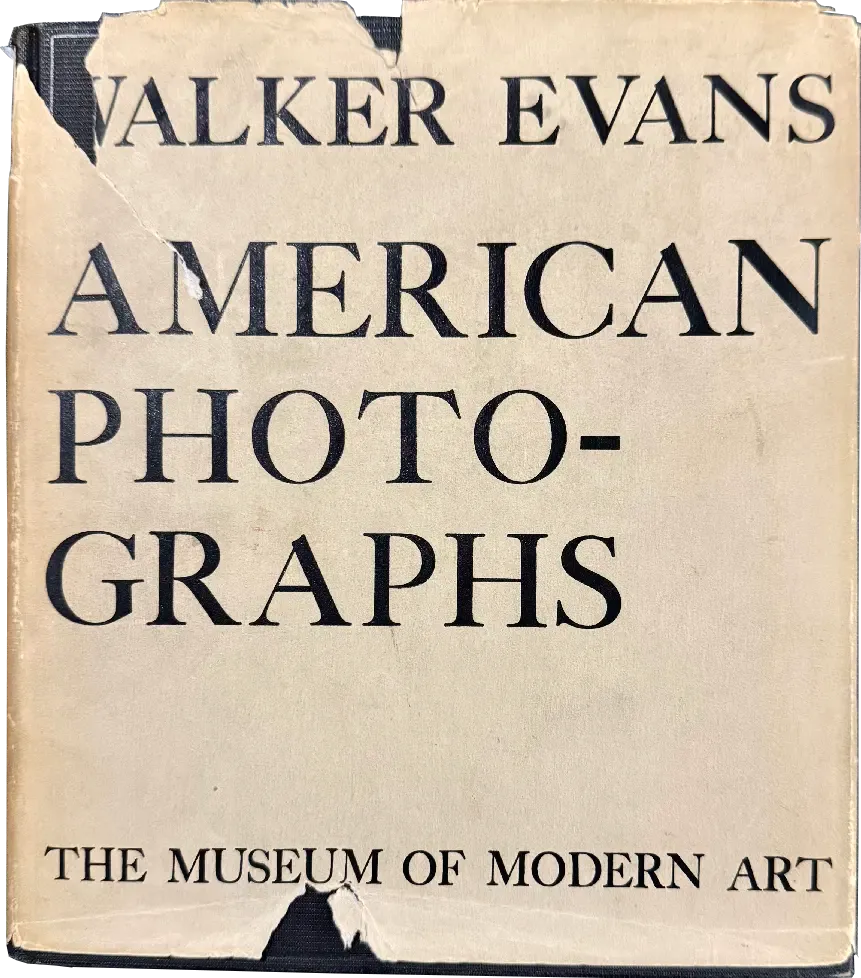
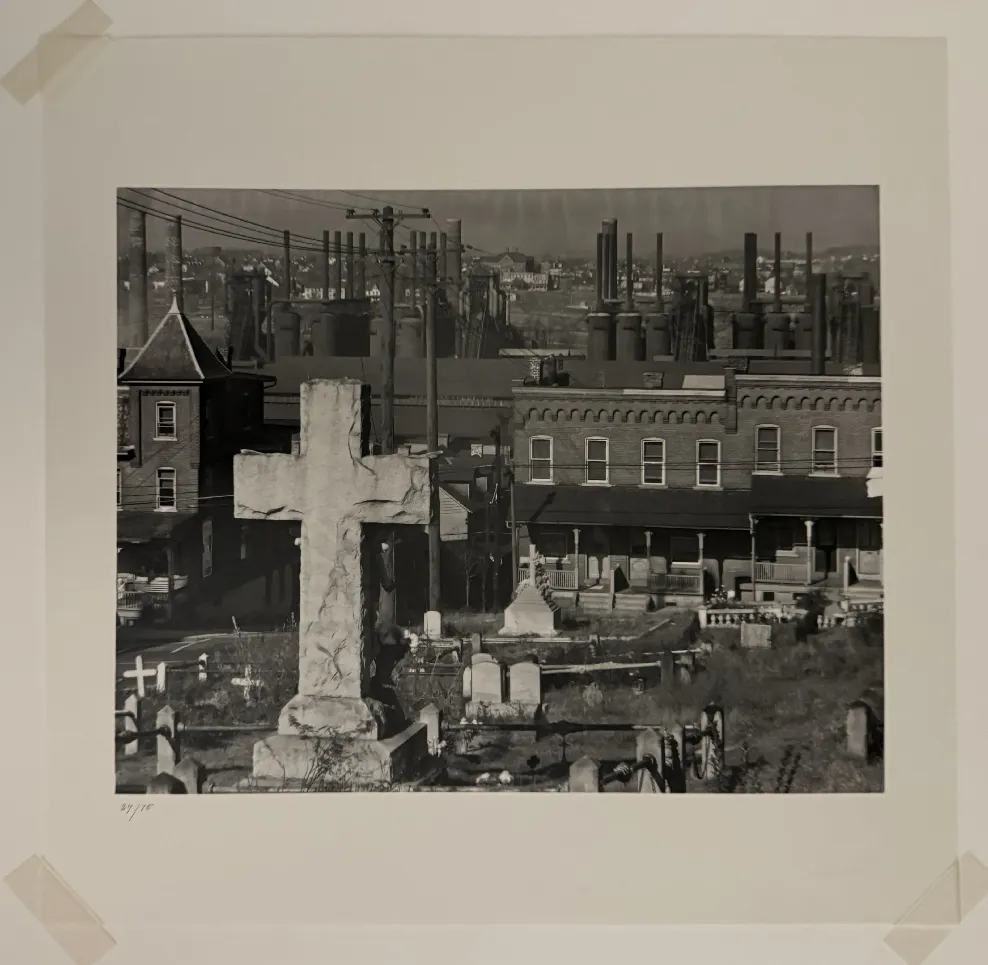
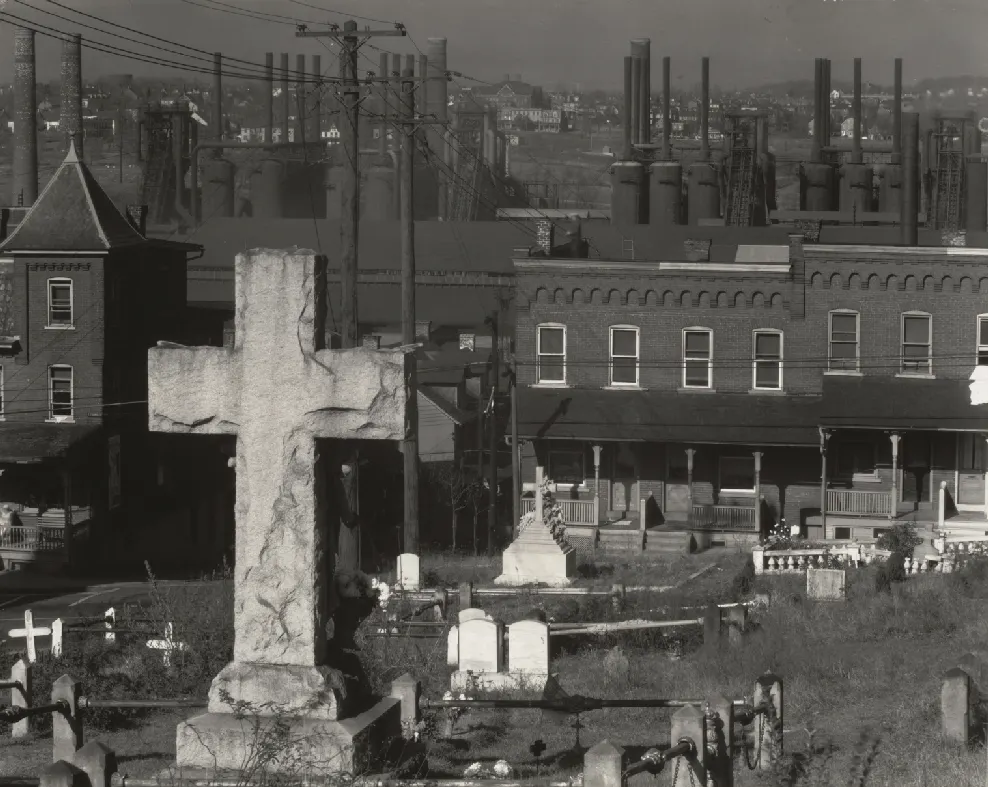
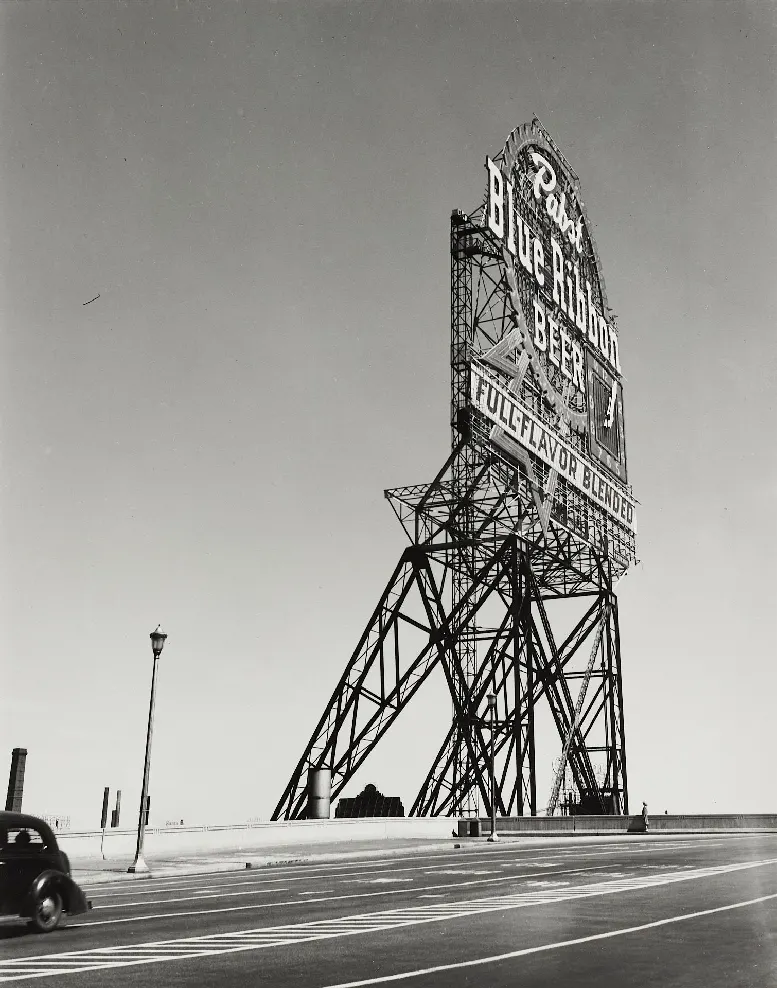
American Photographs, MOMA, 1938; Walker Evans, First and Last, Harper and Row, New York, 1978, p. 122; The Metropolitan Museum of Art, New York, Princeton 2000, plate 44 and ill. on front cover; Walker Evans, Signs, Getty, 1998, p.32 (cropped image).
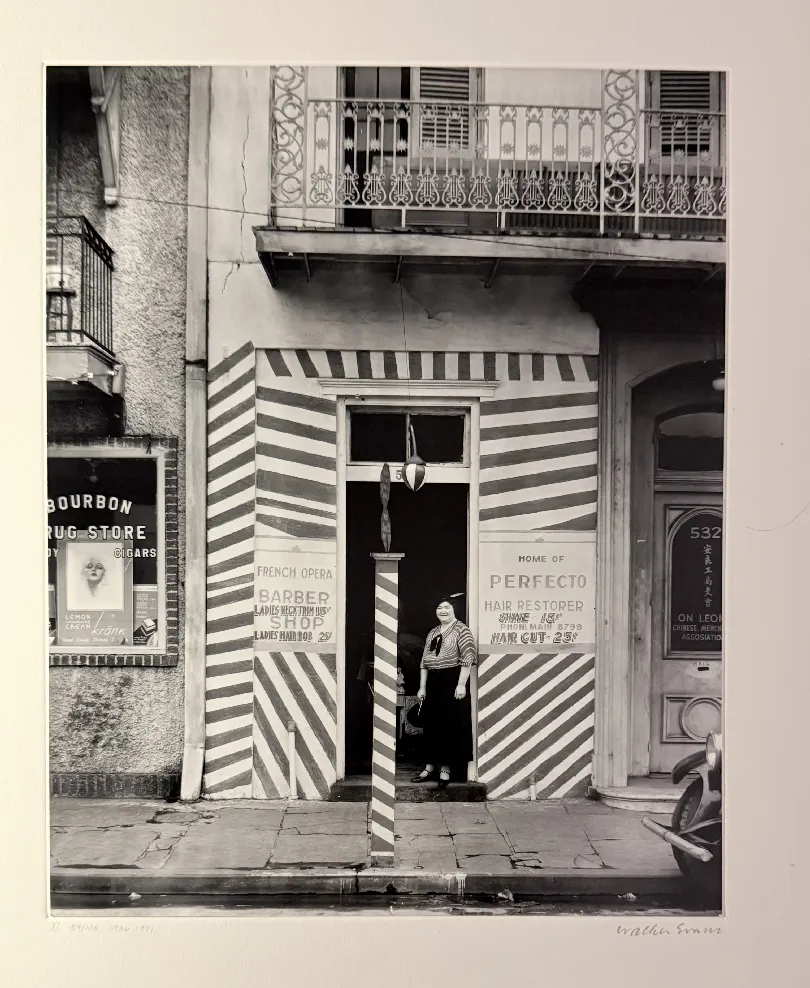
Other impressions of this print are included in the collections of MOMA, NY (object 1461.1968), the Metropolitan Museum of Art, NY (object 2008.663) and a cropped image print is at the Getty Museum, LA (object 84.XM.956.476).
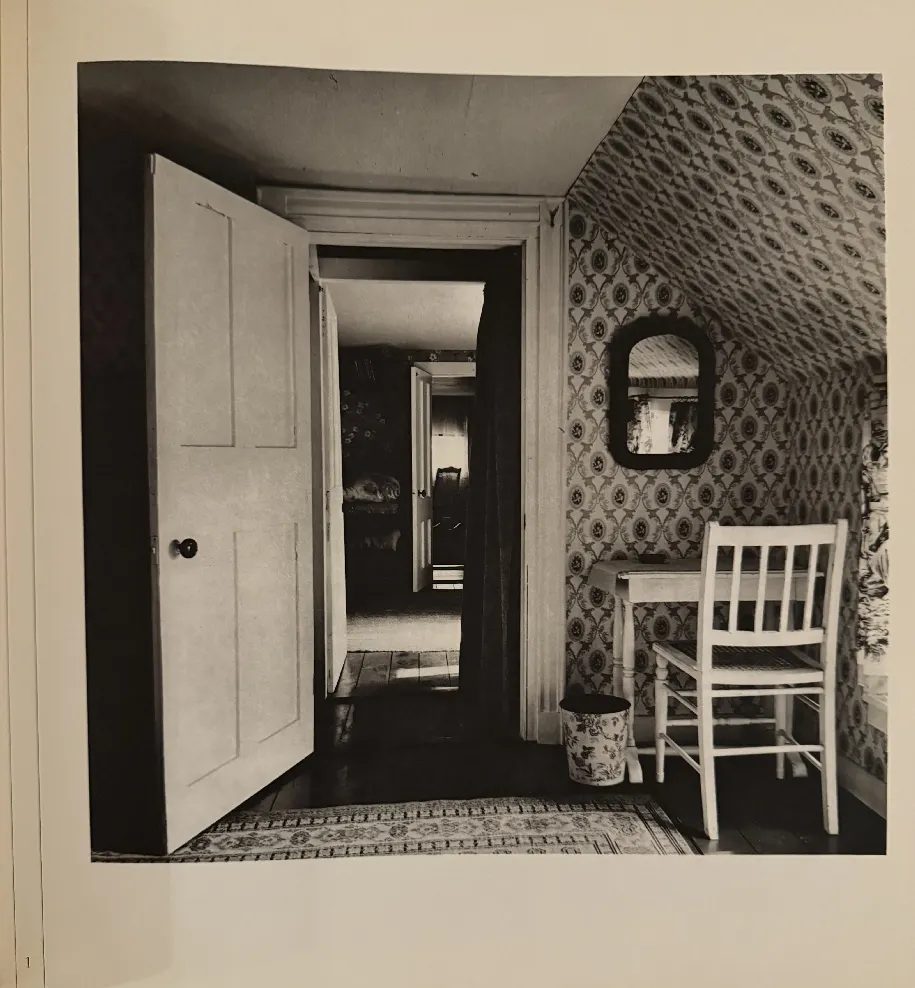
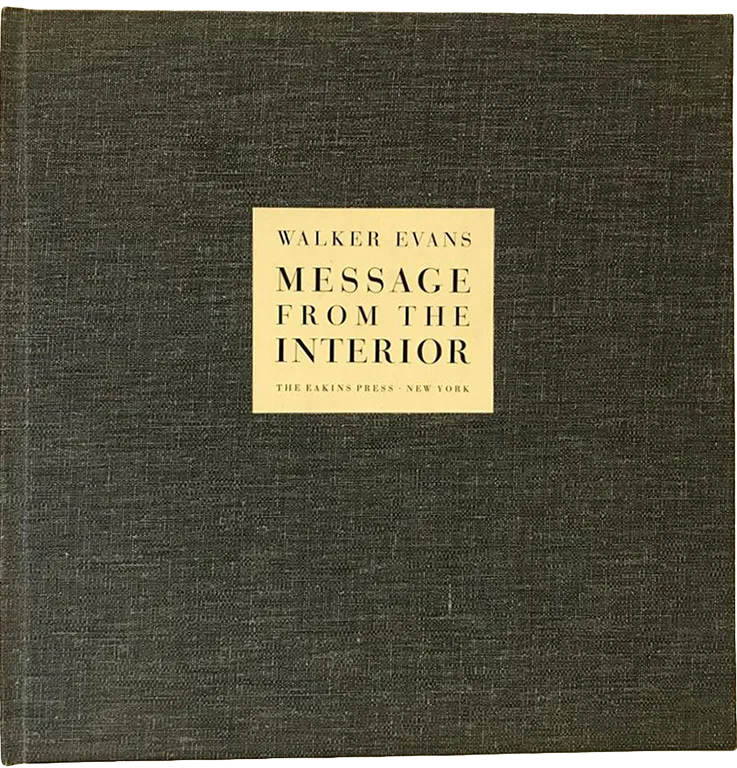
Message from the Interior, Eakins Press, 1966
First and Last, 1978
A print of the finished study is held by the Getty Museum, Los Angeles, ref. 84.XM.488.25
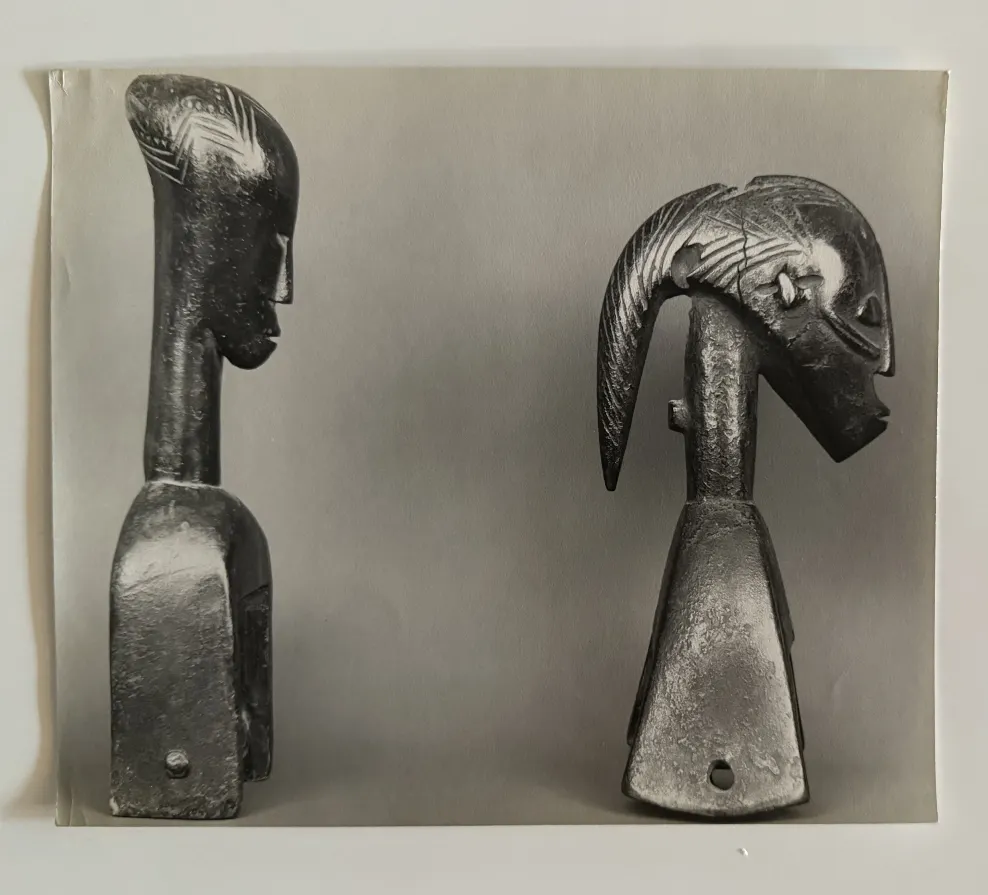
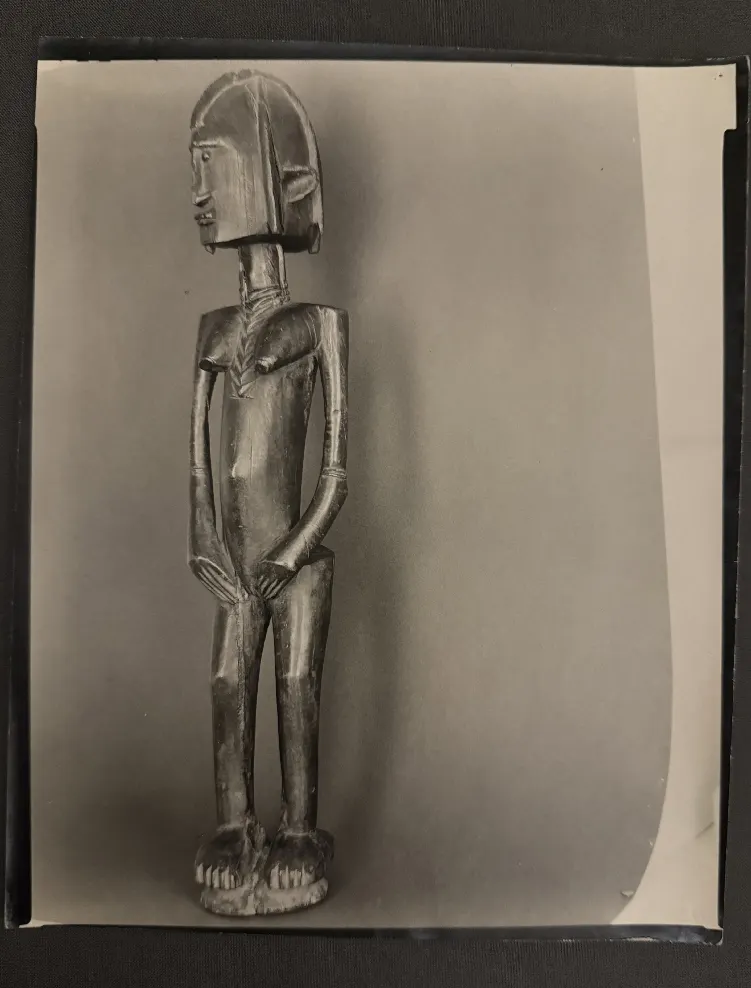
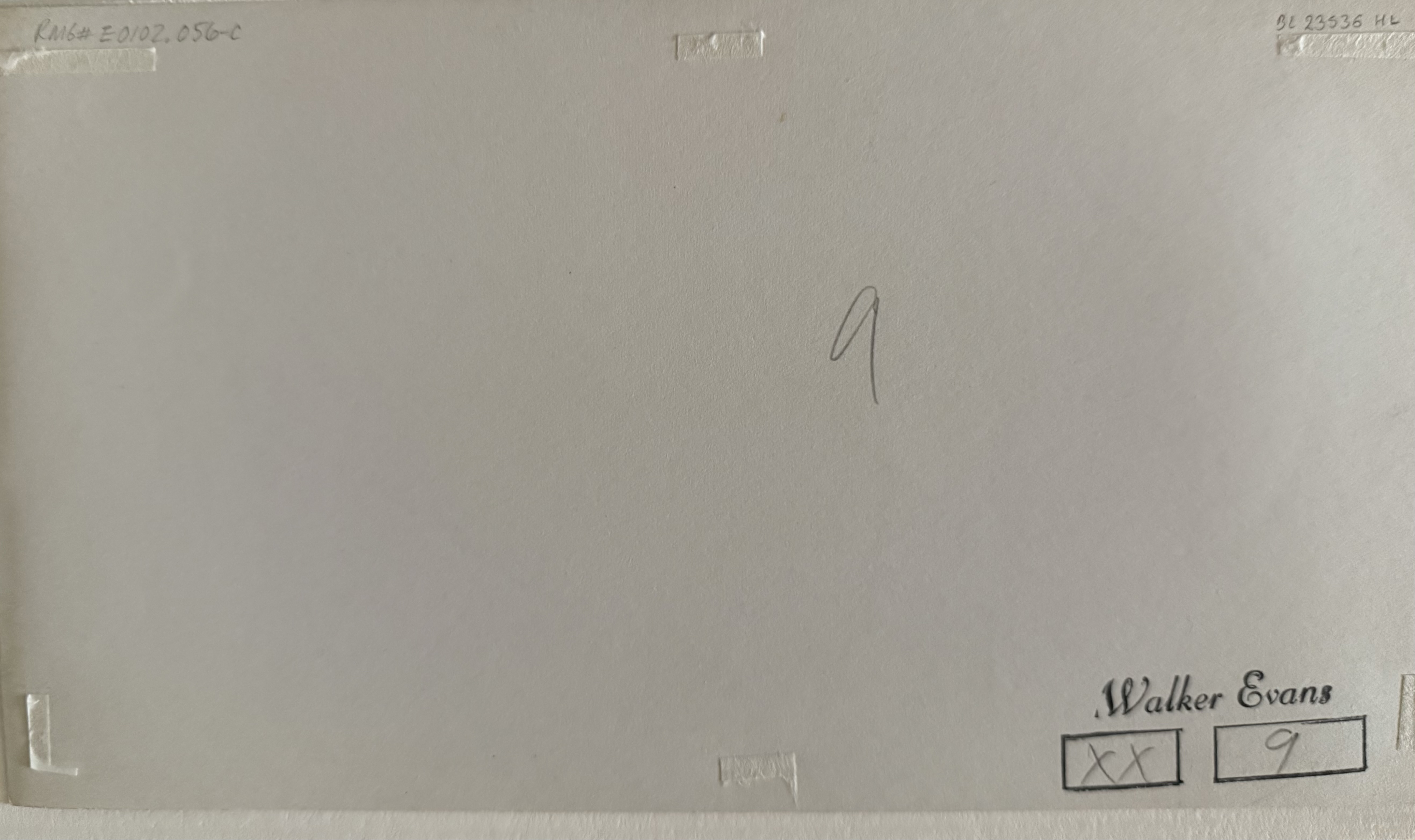
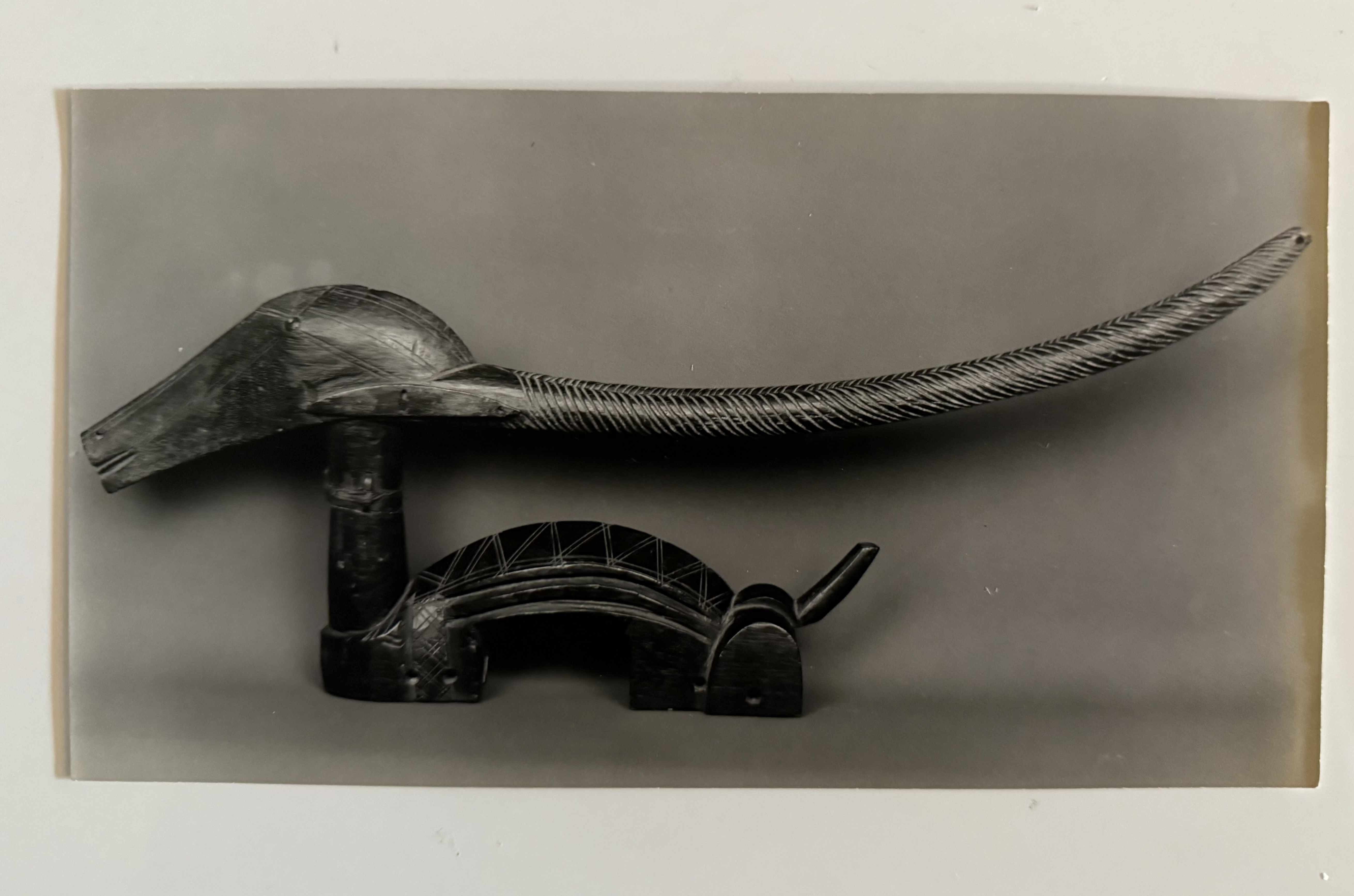
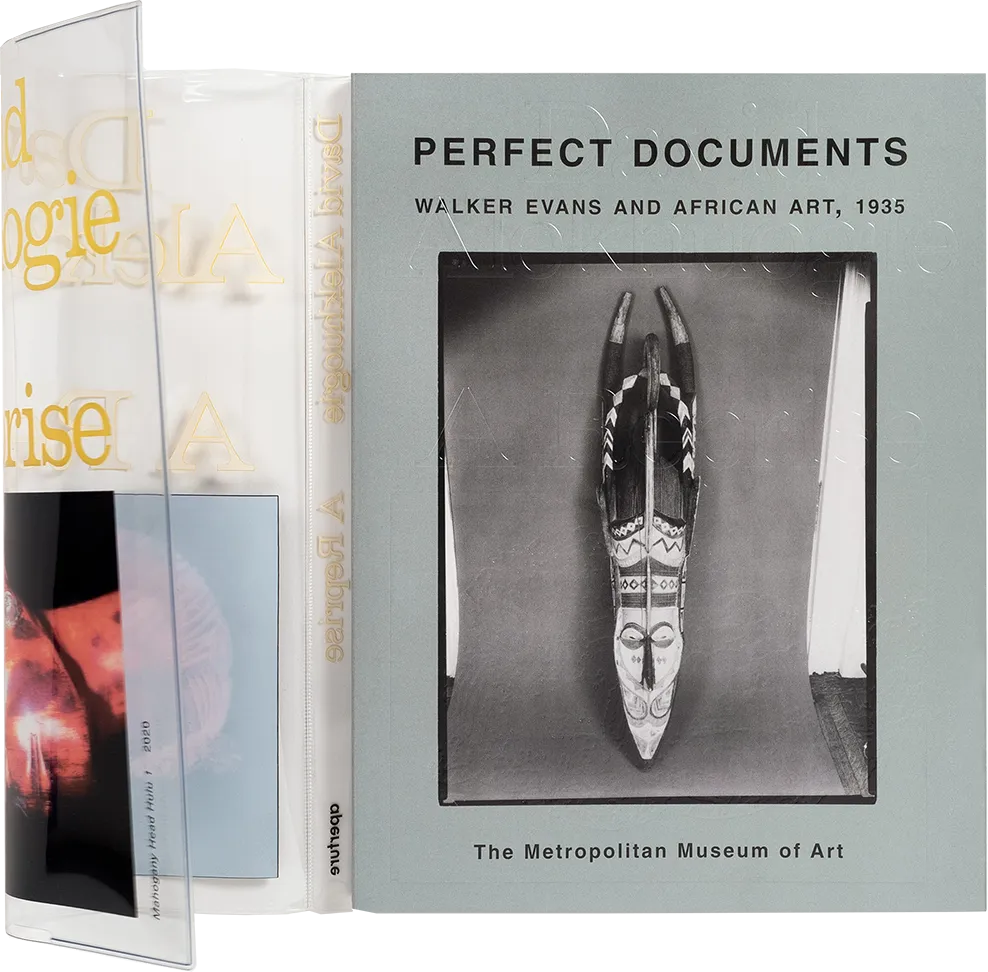
This uncropped contact print is a working print used during Walker Evans’ commission to document the works included in the Museum of Modern Art’s 1935 landmark exhibition African Negro Art. In 2000, The Metropolitan Museum of Art organised Perfect Documents: Walker Evans and African Art, 1935, an exhibition that explored this multifaceted commission, which saw Evans photograph over 600 sculptures during the course of the six-week exhibition. In the catalogue that accompanied the Met’s exhibition, curator Virginia-Lee Webb writes, “If unwanted elements found their way into the negative or print, he simply cut them away. Evans’ repuation as a ruthless editor of his own work is strikingly demonstrated in the African art series, as is his highly personal and stylized approach
A print of the finished study is held by the Metropolitan Museum, NYC (Ref 1971.646.1).
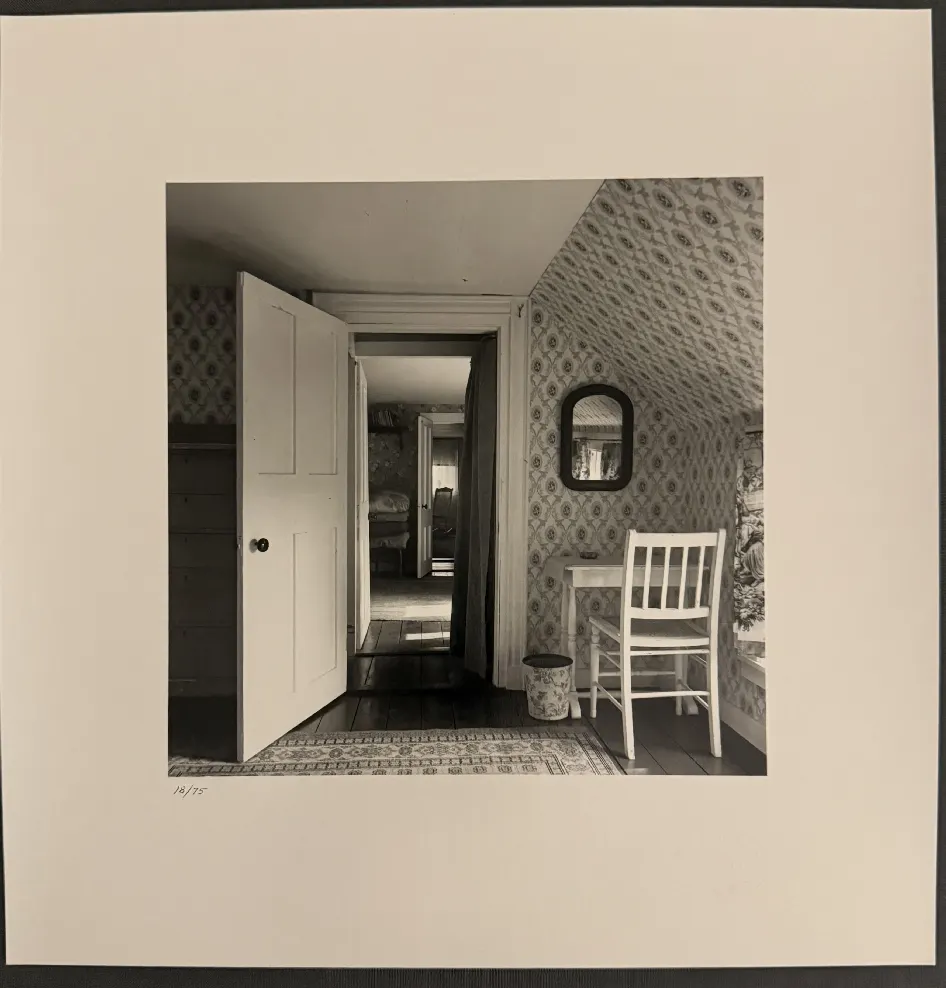
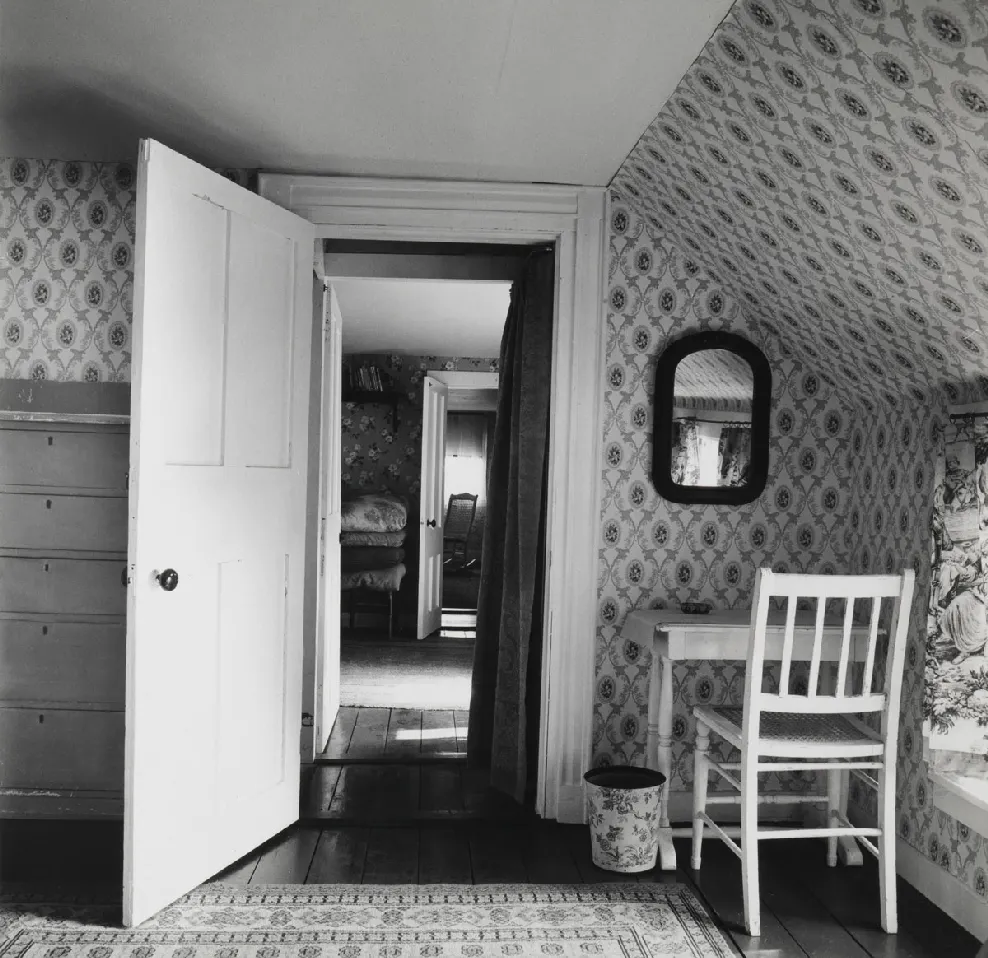
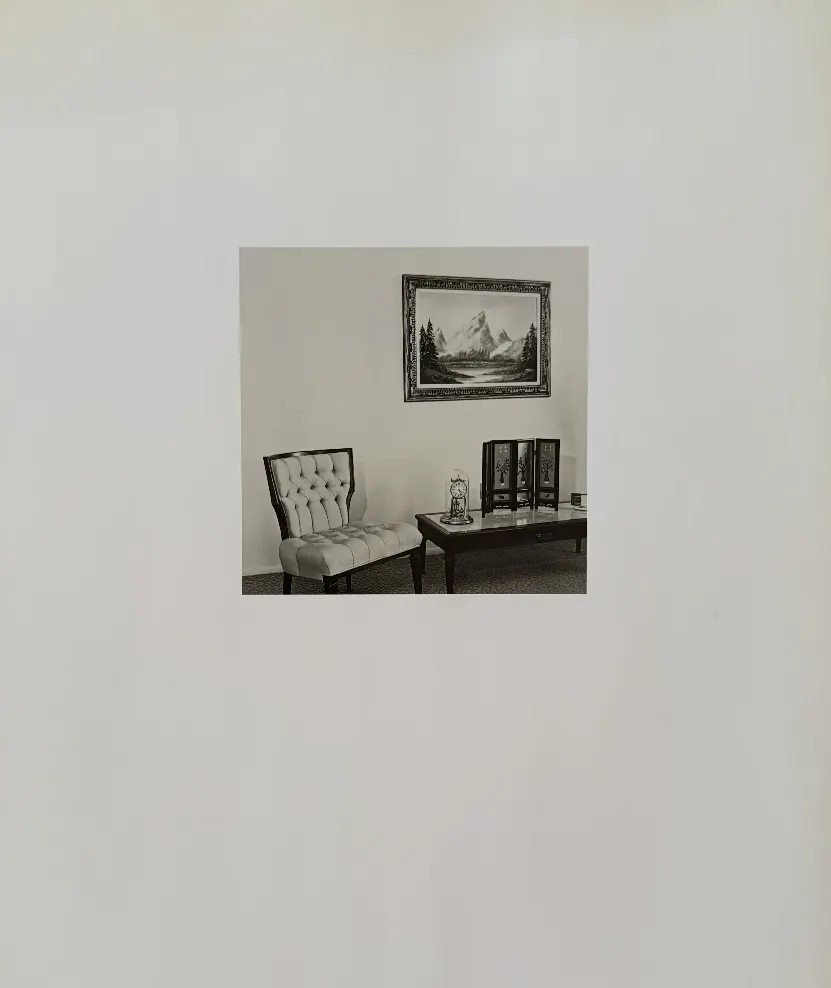
Robert Adams's Interiors 1973–1974 is a fairly quiet but significant late addition to his body of work, it wasn't published until 2006, by Nazraeli Press (working with Fraenkel Gallery), even though the photographs themselves date to the early '70s, the same period as his classic Denver-area landscape work. Its theme of empty residential interiors is central to Bushwick Sur Seine.
The book is a portfolio rather than a conventional bound volume, 24 duotone plates on loose 11×14" sheets of heavy matte stock, housed in a cloth-covered presentation case and clamshell box, no dust jacket. Nazraeli issued it in two forms simultaneously: a trade edition of 1,000 copies and a signed, numbered limited edition of 100 (no priority between them). This copy is one of the few copies of the trade edition, which were signed by Adams.
Content-wise, it's Adams turning his eye indoors, photographing the domestic interiors of Denver-area homes during the same years he was shooting the tract-house landscapes that made his name. Where his landscape work (The New West, etc.) is often read through the "New Topographics" lens, a cool, deadpan look at the man-altered land that helped link documentary photography to Conceptual art, Interiors softens that register. It's about what people gather around themselves inside those houses: modest possessions, arranged rooms, small gestures of care. Adams himself framed it as looking for "evidence... of caring," and the underlying idea echoed in later writing about the work, is that our domestic clutter is "all we have" against an indifferent, vast landscape outside the window. So critically, it's often discussed as the tender, interior counterpart to his more famous exterior/landscape photography: the same subject (how people inhabit a fragmented, suburbanizing West) with opposite scale.
Walther König / Quadrat Bottrop Museum
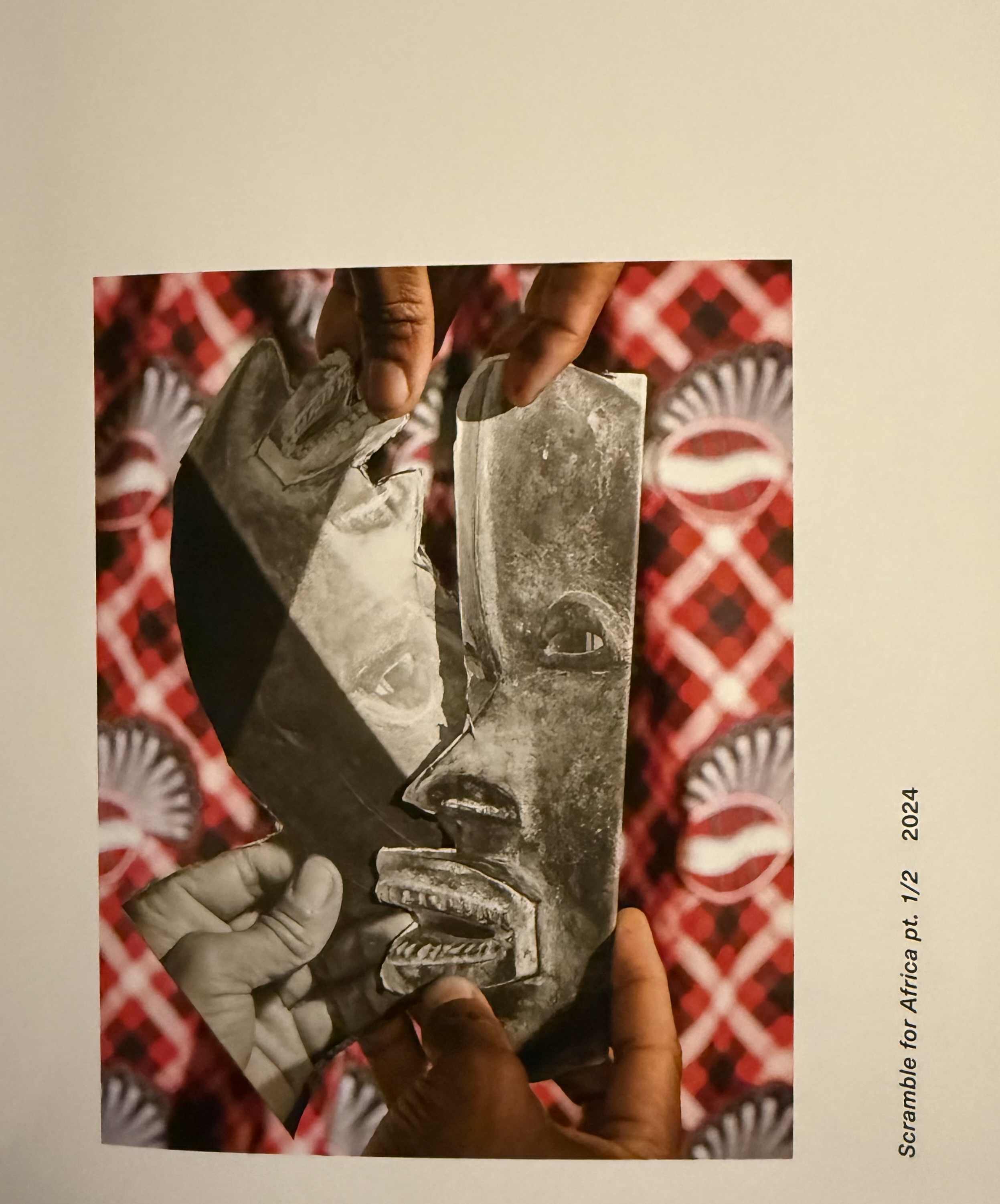
In A Reprise, David Alekhuogie remixes Walker Evans’s photographs of African art, provoking timely questions about authorship and authenticity.
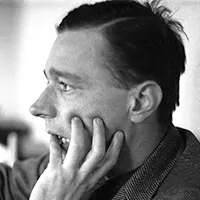
Walker Evans, American (1903–1975)
Walker Evans’s black-and-white photographs are defining documents of 20th-century America. His elegant, clear-eyed frames capture the specificities of vernacular life across the country; his subjects range from dense cityscapes and cluttered storefronts in New York City to sharecroppers inAlabama and barbers and churches in small towns and rural areas. Evans helped pioneer the documentary and street modes of photography, and his work influenced major figures including Robert Frank, Diane Arbus, Lee Friedlander, and Bernd and Hilla Becher.
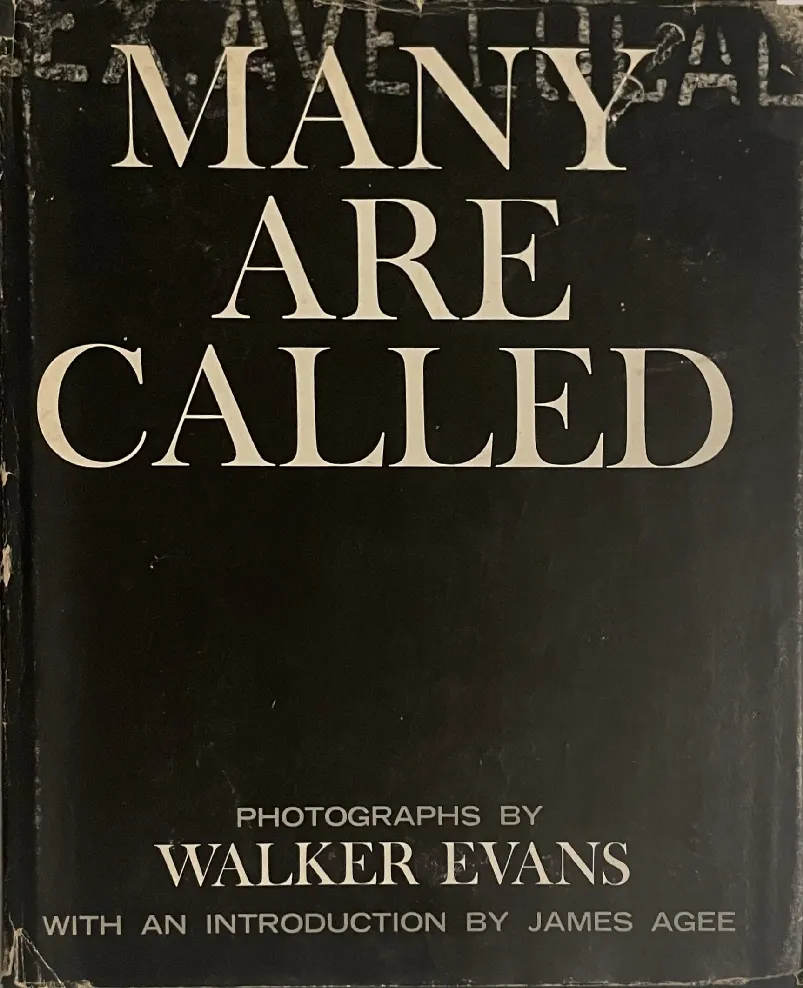
He found institutional success early in his career with shows at the Museum of Modern Art, and his books, including American Photographs, Let Us Now Praise Famous Men and Many Are Called, remain some of the most famous publications of photography from the 20th century. Evans’s work has sold for six figures on the secondary market and belongs in the collections of theMuseum of Modern Art, the Art Institute of Chicago, the J. Paul Getty Museum, the Metropolitan Museum of Art, and the Whitney Museum of American Art, among other institutions.

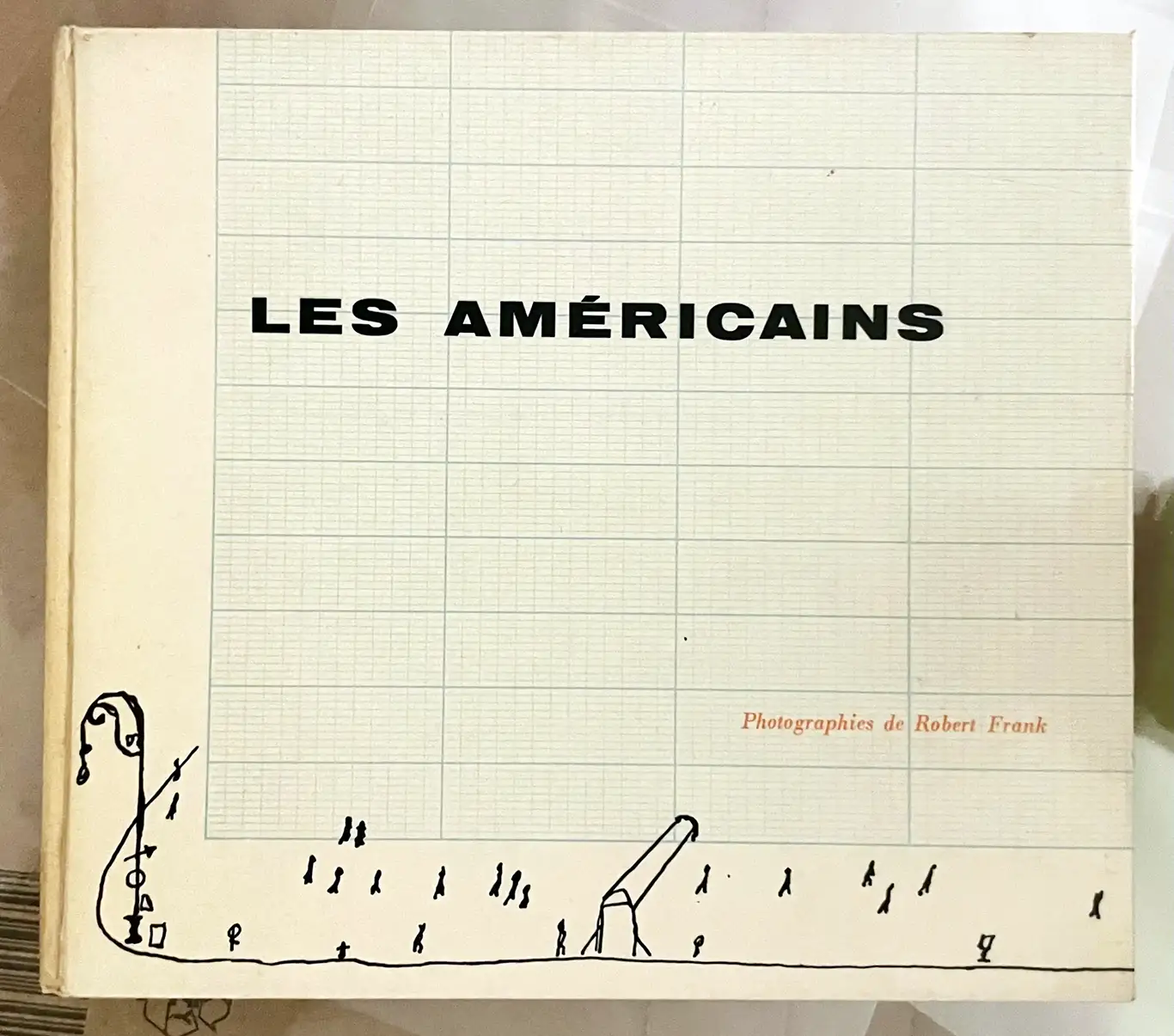
Very first edition of the iconic book by Evans.